
 Effective Stress Management Techniques
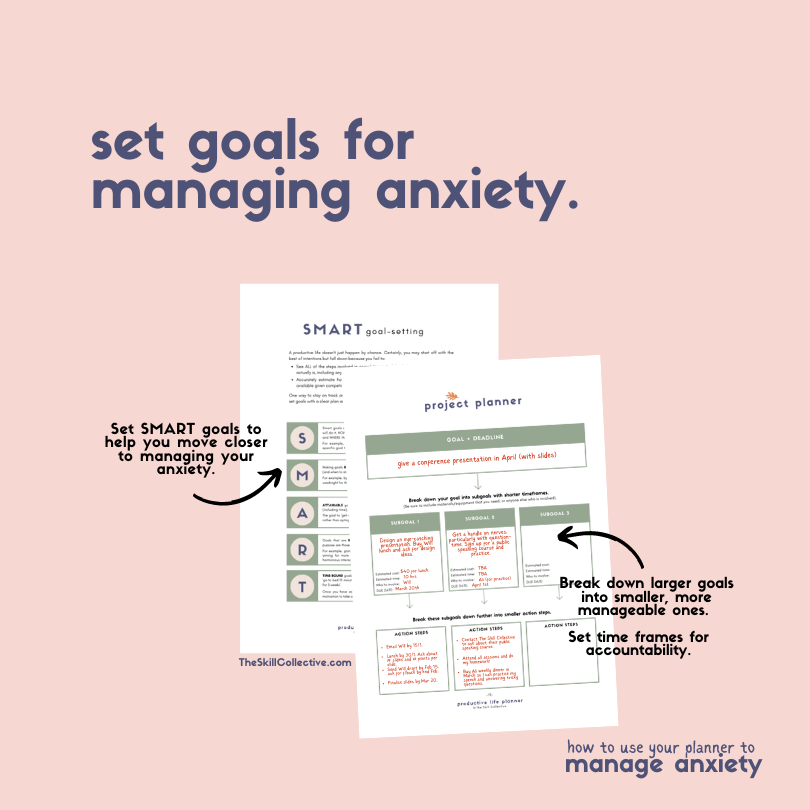
Diving into ways to keep stress and panic at bay check this out for more: using a planner could be your golden ticket to getting organized and chilling out. Let’s chat about why planners rock and how they help keep stress at arm’s length.
Importance of Using Planners
Sliding a planner into your daily groove can be a life-saver, giving everything a sprinkle of order. Jotting down your life events and tasks means no more sweating over missed deadlines or forgotten birthdays. You’ve got a guide, a pal nudging you along with a sense of direction. Basically, planners help shrink that nagging uncertainty and, let’s be real, who doesn’t want to cut down on mental chaos? According to Poketo, this kind of organized living is a cozy blanket for your sanity.
Adding some flair to your planner—think quotes, stickers, colorful sections for different life bits—makes it more ‘you’ and less chore. It turns a simple task document into something you actually want to flip through each day (Poketo).
Benefits of Planner Utilization
Beyond just making sense of the mess, planners pack more perks in their pages. By wrangling big dreams into doable steps, fine-tuning your task list, and sticking to your top priorities, a planner can seriously mellow out your stress (Poketo).
Also, jotting down goals isn’t just busy work. Research from Erin Condren says putting goals on paper ups your chance of crushing them by 42%! Having those goals staring back at you keeps your motivation motor running.
On top of that, backed by science, putting everything down in your planner helps head-off stress attacks. It gives you a chance to focus by setting boundaries and nipping overwhelm in the bud. Treat your planner like it’s your mate on this trip called life—keeping you grounded while you tackle the to-dos (Erin Condren).
Coping Strategies for Panic Attacks
Panic attacks can hit like a freight train, but don’t worry, you’re not stuck on the tracks. There are ways I’ve found that really help tame these wild episodes. It’s all about the little tricks that keep you feeling steady and figuring out what sets you off in the first place.
Grounding Techniques
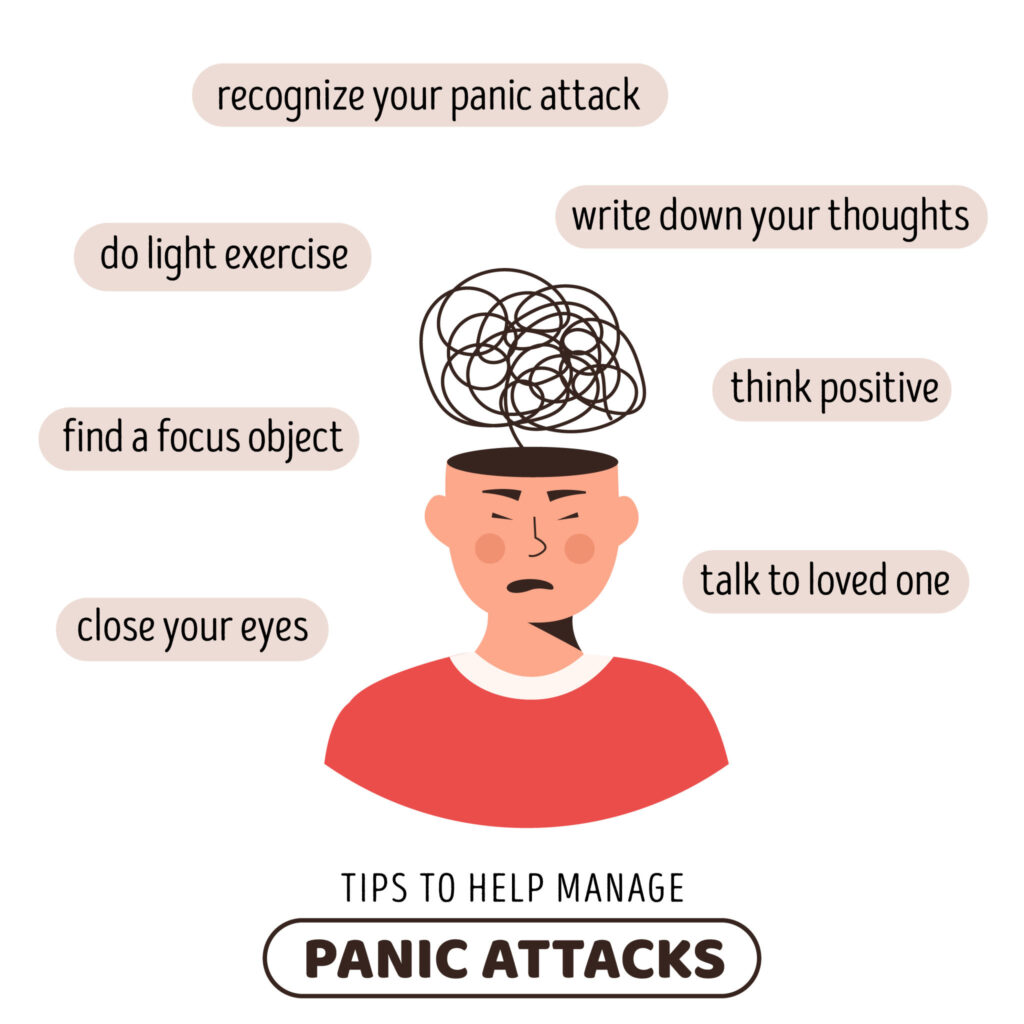
When panic starts messing with your groove, grounding can help you latch onto the here and now. These tricks are like a life preserver in a stormy sea, helping to calm the storm rocking your boat. Here’s what I’ve personally tried:
- Eyeball Something Close: Zero in on a random object nearby, notice every little thing about it—the texture, the color, maybe even a scratch or dent.
- 5-4-3-2-1 Trick: Use your senses like a magic tool—find 5 things you can see, 4 you can touch, 3 you can hear, 2 you can sniff, and 1 you can taste.
- Say Your Magic Words: Mantras aren’t just for yoga class. They help reel in runaway thoughts and bring some zen.
- Get Moving: Walk it out or do a little jig. Not only does it shake off some stress, but it gives your brain a new task to chew on.
- Escape to Imagination Land: Picture your happy place, maybe a beach or a quiet room, and hang there for a bit.
These grounding techniques can pull the rug out from under those pesky panic feelings, nudging your focus back to solid ground.
Identifying and Managing Triggers
Figuring out what’s flipping your panic switch is like having the superhero ‘panic detector’ on your side. Triggers are those sneaky little gremlins that can send your calm into a tailspin. They’re often linked to the past or certain places or might just be a stray thought that’s a bit too pesky.
Once you know what’s causing that chaos, you can work on giving them the boot. This might mean slotting in some better habits, chatting with a pro, or just tweaking your routine so you’re not walking into trigger traps. It’s about making choices that keep you in control and your world a panic-free zone.
Try out these grounding techniques and get a good grip on your triggers—it might just be your new go-to for wrestling those panic attacks. Remember, finding what works for you might take time, but that’s part of the ride. Curious about more tips and tricks? Take a look at our piece on lifestyle changes to prevent panic attacks in 2025.
Treatment Options for Panic Disorder
Finding ways to tackle panic disorder can be like piecing together a puzzle, but there’s hope in untangling the symptoms and reclaiming some peace of mind. Two heavy hitters often in the mix for treating panic disorder are cognitive behavioral therapy (CBT) and various meds.
Cognitive Behavioral Therapy (CBT)
Let me tell you, cognitive behavioral therapy (CBT) ain’t just your average chat on a couch. It’s a powerhouse for tackling anxiety disorders, panic disorder included. This type of therapy zooms in on the thoughts and behaviors that send you into a tailspin. With a trusty therapist by your side, you’ll build a toolkit full of coping tactics, relaxation hacks, and strategies to get a grip on what’s haunting you.
There’s some solid science from Medical News Today backing up that CBT can cut down anxiety levels and fend off those abrupt panic visits. You’ll come face-to-face with what sets off your alarms, develop new ways to handle stressors, and gradually step into those dreaded situations in a way that feels safe. It’s about snatching back control of your brain’s movie reel filled with anxiety-inducing moments.
If you’re in the trenches with anxiety and sporadic panic attacks, CBT might just be the lifeline you need. Chat with a healthcare pro to craft a roadmap that fits your unique situation.
Medication Options
Now, onto meds. Sometimes, a little pharmaceutical help is just what’s needed, especially when panic disorder keeps crashing the party. The National Institute of Mental Health digs into the fact that a combo of therapy and meds often gets the job done.
If meds are on the table, docs might reach for SSRIs or SNRIs. These guys tweak those brain chemicals linked with mood and worries. But hang on, steer clear of benzodiazepines unless absolutely, positively necessary. These can be risky, especially for the older folks who might deal with issues like confusion (AMA), or might take a tumble.
Sticking with your healthcare gurus and keeping up with any med they prescribe can mean fewer panic flashpoints, turning down the volume on anxiety, and getting back to some sense of normal. Balancing therapy and meds, where it fits, can be the ticket for those wrangling with panic disorder.
Personal Stories of Overcoming Anxiety
Yasmina’s Journey
I’ve got this story about Yasmina—she’s one heck of a fighter. She took on generalized anxiety disorder and panic attacks like they were her personal boss battle. For three long years, Yasmina made it her mission to grab anxiety by the horns, diving into online resources and leaning on a community who just got it. Little by little, Yasmina clawed her way out of that dark mental pit and into the light. Her tale is more than just words on a page; it’s a bright light for anyone feeling trapped in that same maze. She shows that if you stick to it, there’s always a way through the other side (ADAA).
Impact of Anxiety Disorders on Daily Life
Living with anxiety is a bit like having an uninvited guest who constantly messes with your plans. It nudges you into changing up how you do life, whether that’s ditching certain social hangouts, reconsidering job stuff, or finding escape in things like yoga or taking long walks. It’s more than just a storm in your head—it can force you to rethink everything, making you juggle emotional stuff with real-world changes (ADAA).
When anxiety’s got its claws in deep, it can put a real damper on friendships, work, and even hobbies. Ignoring anxiety isn’t really an option; it might lead to extra challenges like depression or unhealthy ways of coping. It’s not just about how you’re feeling mentally—it can knock your whole body off kilter. That makes it super important to get a handle on it as early as you can, with solid game plans to keep things in check (AMA).
Yasmina’s story is our reminder of what’s possible with grit and the right help. It emphasizes sticking together, showing some love, and taking a multi-angle approach to mental health care—because that’s how you beat anxiety at its own game.
Understanding Panic Attack Symptoms
Feeling swamped by panic attacks is no walk in the park, especially if they drop by often. You gotta know what these episodes look like on the outside (physical symptoms of panic attacks) and how they mess with your head afterwards (psychological impact post-attack) to keep a leash on them.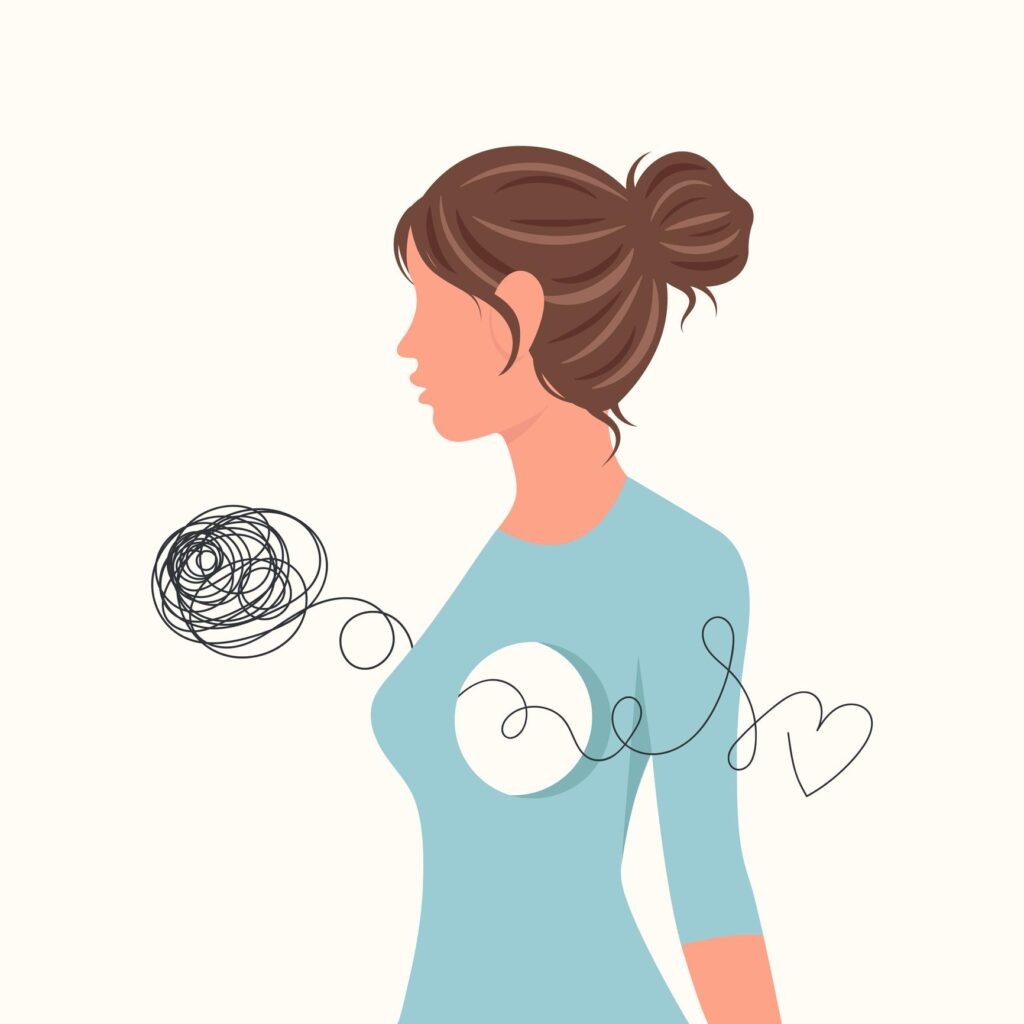
Physical Symptoms of Panic Attacks
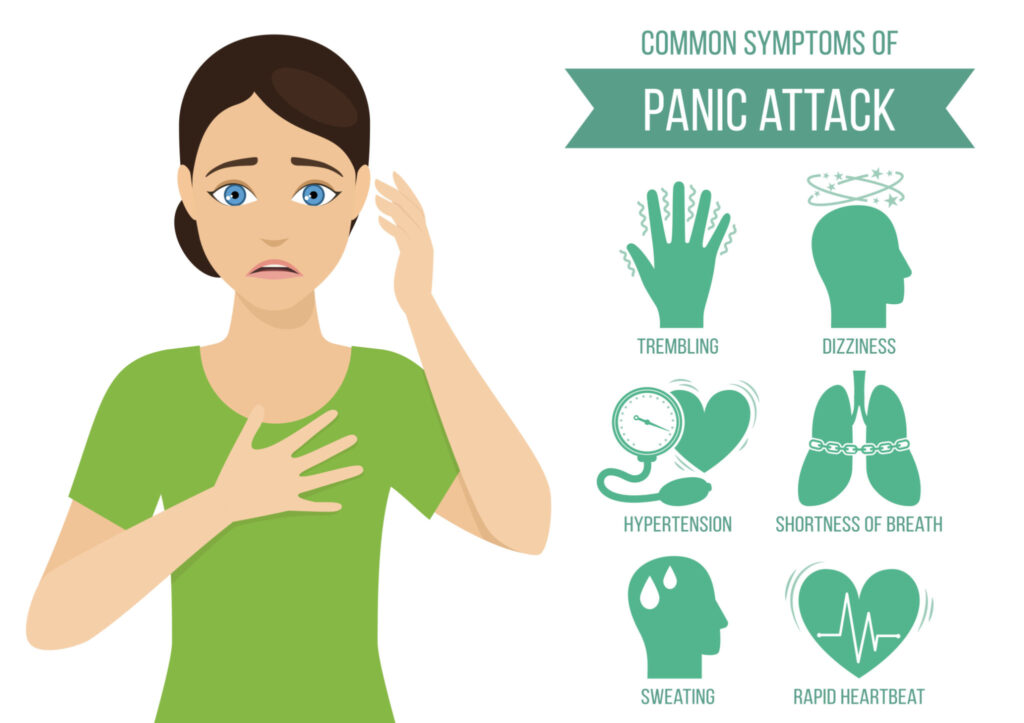
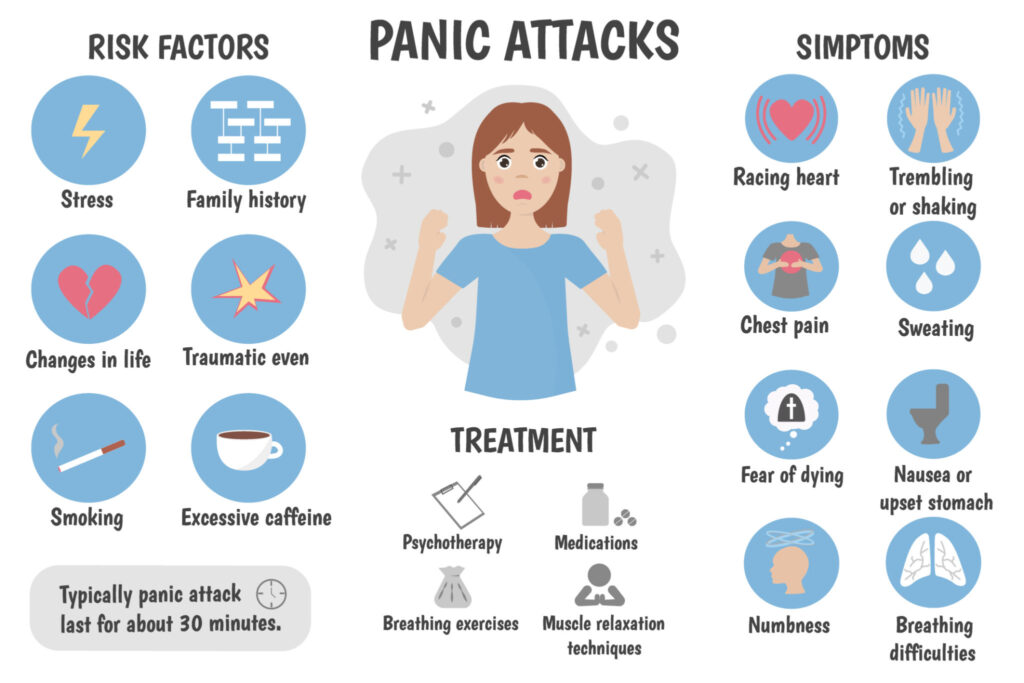
Panic attacks can freak you out with symptoms that seem like you’re clocking out with a heart attack. Knowing what you’re dealing with makes it less scary and can help you tell if a trip to the doc is necessary. Here’s what to keep an eye out for:
| Symptoms | Description |
|---|---|
| Thumping Heart | Feels like your ticker is drumming a wild solo right in your chest. |
| Racing Heart | Beats per minute? Through the roof. Feels like the heart’s trying out for NASCAR. |
| Trembling | Hands, legs or the whole works might shake like jello on a bumpy ride. |
| Fast Breathing | Hyperdrive breathing. Shallow, quick gulping of air that might make you gasp for breath. |
| Sweating Buckets | Sudden drenching sweat for no good reason– like walking into a sauna fully dressed. |
| Heatwave in the Body | Getting a temperature rise, feeling all hot or flushed like you’ve got the fever. |
Spotting these signs can make a crazy difference. It’s important to chill; remember, it’s rough now but it’ll pass without leaving a mark on your health.
Psychological Impact Post-Attack
Once a panic attack waves you bye, it’s still not over in your head. There’s mental stuff that sticks around, testing your patience. Here’s the typical heady aftermath:
- Mind Fog: Your brain gets into a tizzy, making you feel like you’re walking in a mental maze.
- Drained Battery: All that freak-out leaves you tired, like running a marathon without moving a muscle.
- Muscle Jelly Syndrome: Post-attack, your body might feel like it’s made of spaghetti – weak and wobbly.
- Avoid-the-World Mode: You might steer clear of places or things that once triggered anxiety, but this pattern might just amp up the fear.
Getting a handle on this mental fallout is key to catching your breath. Chatting with someone who knows the ropes, like a counselor or therapist, is a pretty sound idea. It could help you manage panic attacks and clear the mental clutter they leave behind.
Recognizing both physical and mental signs means you’re on the front foot. Stress busters like using planners to manage stress and panic triggers can really help. With the right tools, facing the challenges of panic attacks becomes part of living a smoother, more peaceful life.
Mastering the Art of Planning
Using a planner is like having your very own life coach helping you sort the chaos. It not only tames stress and panic triggers, but it also helps me structure my day better. By setting realistic goals, I can turn that daily whirlwind into a pleasant breeze, lifting my overall well-being.
Time Management Tricks
Trying to fight stress? A planner’s got your back. By breaking my to-do list into tiny, bite-sized pieces, I can breathe easier. Assigning time slots for each task keeps the overwhelm monster at bay and boosts my productivity.
As Poketo put it, my planner becomes ground zero for everything important – meetings, errands, dreams, you name it. With everything laid out, I don’t worry as much about missing deadlines or appointments. By plotting goals into actionable steps, I can keep tabs on progress and celebrate each little victory on my way to the bigger picture.
Goals in the Making
It’s like magic – putting goals on paper makes them sprout wings. Jotting them down bumps up my chances of success by 42% (Erin Condren). Planning transforms those big dreams into a treasure map loaded with steps I can tick off one by one.
And let’s not forget the fun stuff! According to Poketo, adding a dash of personality to my planner with quotes, tabs, and doodles can take it up a notch. This makes the task of planning not just a chore but something I look forward to as a part of unwinding and sparking joy.
Bringing these tools into my daily life doesn’t just keep stress in check – it empowers me and enhances my focus. A well-crafted plan lightens the load and makes me feel like I can face life’s ups and downs with a grin, weaving my way through with grace and balance.