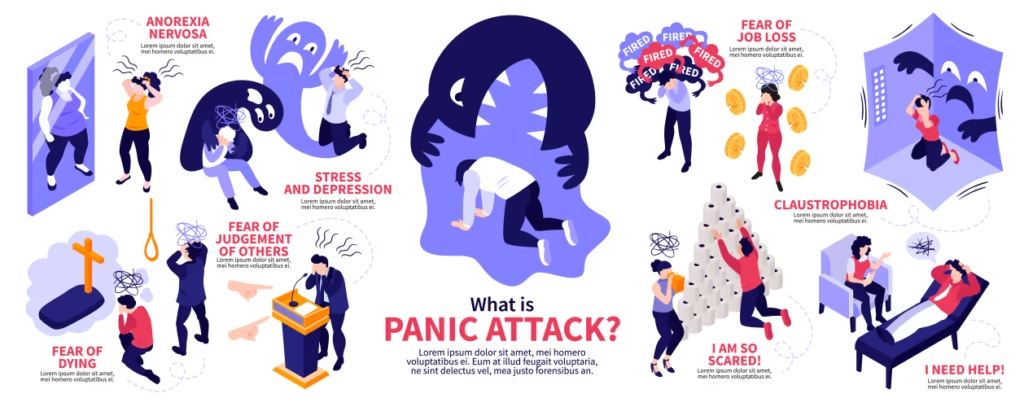

 Gender Differences in Panic Attack Symptoms
Let’s talk about how panic attacks show up differently in people depending on their gender. It’s like different folks get different flavors of panic; these unique patterns can affect how we handle and treat ’em.
Prevalence Disparities
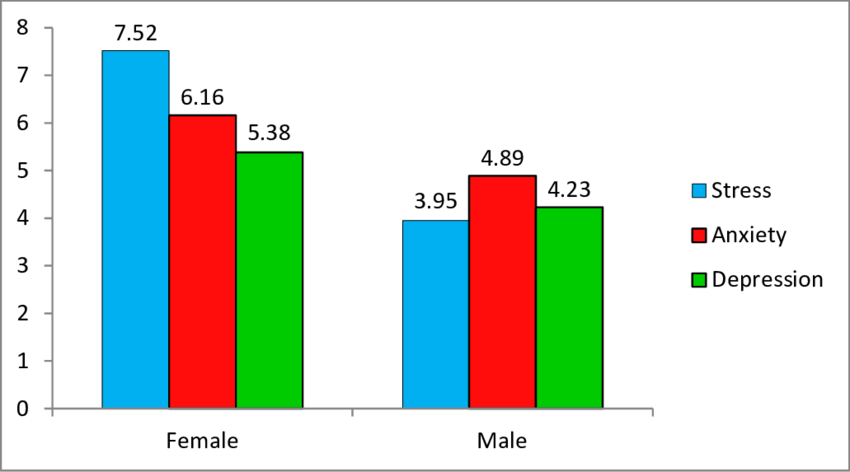
Around 2% to 3% of folks in the US deal with panic disorder. You’re likely to spot more women grappling with it than men. According to the experts at Cleveland Clinic, women are about twice as likely to get hit by panic disorder as men. This tells us that gender plays a big role, and we gotta be mindful of that when figuring out the best ways to tackle this stuff.
Symptom Variation by Gender
Research pulls back the curtain on some interesting twists in panic symptoms between genders. Turns out, women’s panic symptoms can be more intense than men’s. Ever notice how women seem to jump out of their skin at sudden noises? Studies suggest they startle more than men, whether they see it coming or not. It’s like their internal alarm is just naturally set a bit louder.
In fact, anxiety disorders, including panic disorder, top the charts for mental health challenges in the U.S. And with women being twice as likely as men to get tagged with panic disorder, it screams for gender-savvy solutions to help everyone.
Data from the National Comorbidity Survey backs all this up, showing the prevalence among women is 2.5 times higher. And guess what? This gap actually widens as people age. Women seem to be catching more of these panic waves as they grow older.
So, what’s the takeaway? These differences mean we need to roll out solutions that really ‘get’ people’s unique experiences. By tuning into what makes panic attacks tick differently for everyone, doctors and caregivers can tailor help that’s more on-point, ensuring everyone battling this beast gets the support that’s right for them.
Impact on Women
Prevalence Rates
Let’s talk about panic attacks and how they decide to pick on women a bit more. According to the Cleveland Clinic, if you’re a person assigned female at birth, you’re twice as likely to get hit with panic disorder compared to your male counterparts. Think about that for a moment. There’s quite a gap here, and figuring out why women are more vulnerable is something we can’t just shrug off. This makes it all the more important to understand why and how panic attacks affect women differently.
Specific Symptomatology
Ever wonder why panic attacks don’t play fair? Well, it turns out they show up differently depending on your gender. Psychiatric Times tells us that women are more likely to feel like they’re suffocating, nauseated, with lungs that just won’t cooperate. Men, meanwhile, might find themselves sweating buckets or battling stomach pains. So, yeah, panic attacks don’t wear the same outfit for everyone.
And here’s something else: A study from PMC shows women crank up the volume on panic symptoms and get extra jumpy when they suspect danger, whether it’s looming or surprise. It’s a perfect example of how panic attacks can hit women differently, messing with both their heads and emotions in ways that might not hit guys as hard.
So what does all this mean for women battling their internal storm? It means we need to pay attention to differing symptoms and support women in ways that really make a difference. By tuning in to these specific differences, healthcare folks can be more helpful and offer better tricks to tackle the unpleasant world of panic attacks head-on.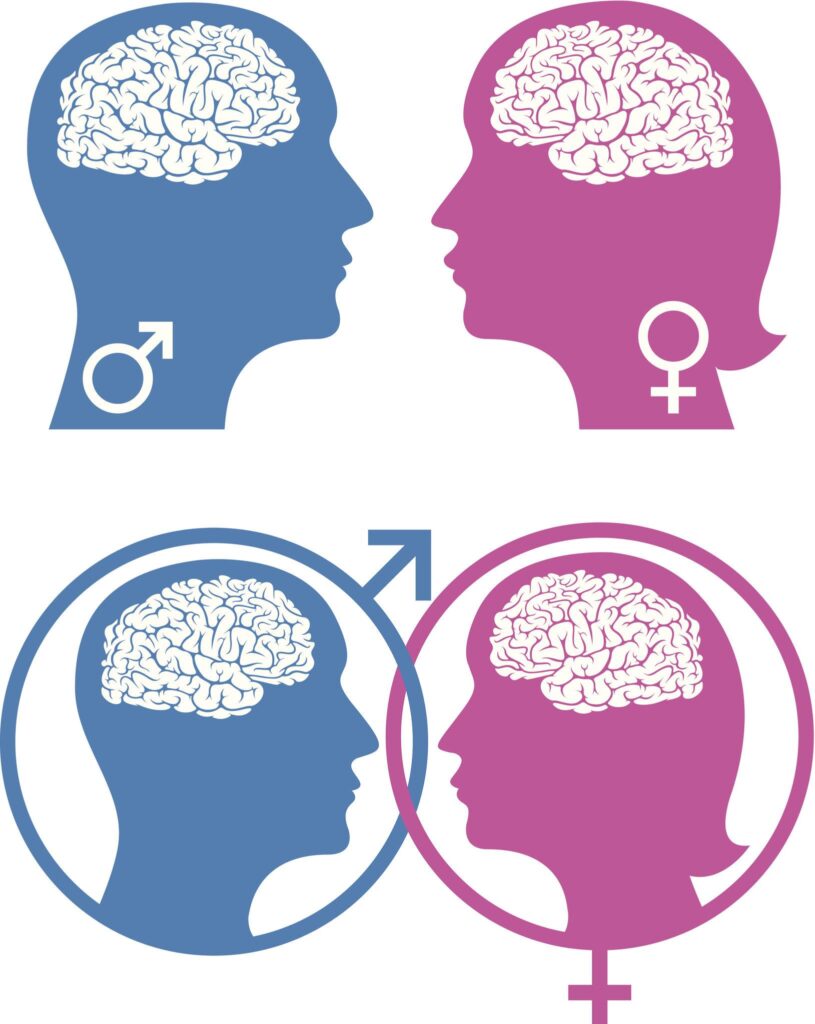
Treatment Approaches
If you’re dealing with panic attacks, don’t despair—there’s help out there. You’ve probably heard of cognitive behavioral therapy (CBT) and medication, two tried-and-true methods for tackling panic disorder. Let’s chat a little about both.
Cognitive Behavioral Therapy
Ever had a tune stuck in your head that you just couldn’t shake? CBT is kinda like a mental DJ, swapping out those unhelpful thoughts that loop in your brain for some better tracks. As the therapy’s name implies, it’s all about tweaking how you think and act in certain situations.
CBT zeroes in on what sets off those unwanted panic sessions, showing you how your thoughts, feelings, and actions are intertwined. It’s like lifting the hood of your car and seeing how all the parts—the battery, the engine, and yes, even that annoying little glove box light—work together. The goal? Master the art of responding in a way that hits the brakes on panic.
Now, the beauty of CBT is that it doesn’t just slap a quick fix on things. It aims to set you up with the tools to tackle panic in the long run—think of it as your emotional toolbox. If you’re curious about diving deeper, check out our piece on supporting a loved one with panic disorder.
Medication Options
Let’s talk about the other big gun in the panic management arsenal. Sometimes, a prescription pad and a heartfelt chat with your doc can also work wonders. We’re talking meds like SSRIs, SNRIs, beta-blockers, and benzodiazepines.
SSRIs and SNRIs are your friendly neighborhood mood regulators, balancing those tricky brain chemicals. Beta-blockers? They’re the calm-down crew that steps in when your heart’s doing triple pirouettes. Benzos, meanwhile, are more like the emergency brake—handy, but you wouldn’t use them every day.
Now here’s a slice of real wisdom – what works for Jamie might not do much for Alex. Finding the right med and dose is like finding the perfect slice of pizza; it might take a few tries. Regular check-ins with your healthcare provider help keep everything on track.
The real magic often happens when you mix a bit of therapy with medication. That combo can really pack a punch against panic attacks. While meds can give immediate relief, therapy helps you dig into the root of the issue and is like teaching your brain a new dance—all the right steps for lasting change. If you’re sniffing around for more, peek at our article on best workbooks for teens with anxiety and panic.
Mixing these two approaches is like assembling the ultimate team, making panic symptoms a whole lot less of a nuisance. Everyone deserves to live without panic gate-crashing their peace.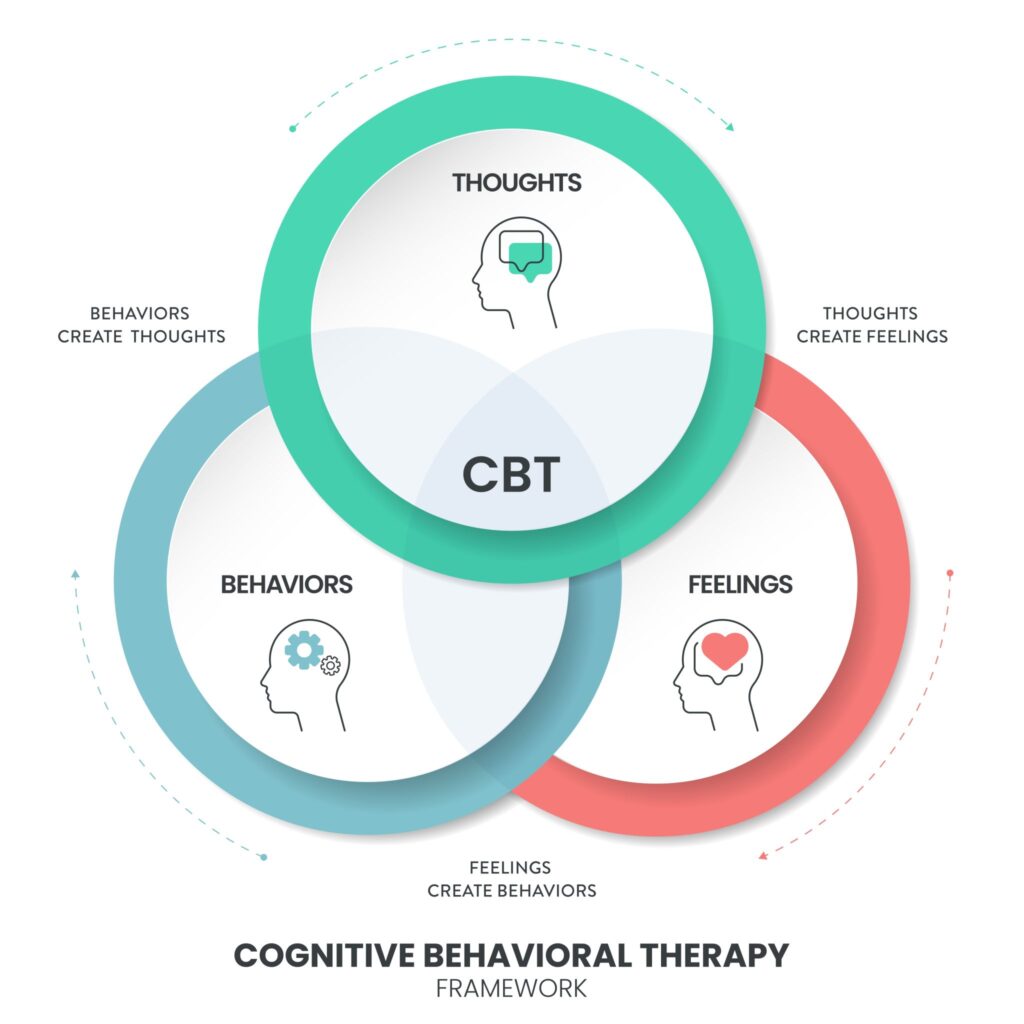
Personal Experiences
Coping Strategies
When I feel a panic attack creeping in, having some tricks up my sleeve really helps. Trust me, I’ve been there, and finding what’s right for you is key.
One trick that’s worked wonders for me is deep breathing. Just inhaling and exhaling slowly can actually soothe your body’s freak-out mode. Focusing on my senses, like what’s around me or repeating chill mantras, drags me back to reality. Those grounding techniques are lifesavers when panic tries to take over.
Also, creating a cozy nook to retreat to when things get too intense can really help. Imagine having this little haven filled with stuff that calms you down. Preparing this spot ahead of time lets me know there’s a safe place waiting when things get rough.
Seeking Help
Getting help? Yeah, that’s an absolute must. I’ve come to realize how important reaching out is. Chatting with a mental health pro, like a therapist, brings loads of support and helps you find what’s best for you.
Therapy, especially the cognitive behavioral therapy kind, is really useful for picking up coping skills, spotting triggers, and kicking those pesky negative thoughts to the curb. Sharing my story with a therapist has given me comfort, understanding, and actual tips for handling the panic.
Sometimes, meds might join the fight against panic attacks, lessening their punch. Having a heart-to-heart with a healthcare provider or a psychiatrist helps figure out if meds like anti-anxiety pills or antidepressants could be right for you. Just remember to stick to what your doc says and watch out for any weird side effects or changes.
Remember, asking for help isn’t a weakness; it’s strong, and you deserve the backup to handle panic attacks. Prioritizing your mental health and showing yourself some love will set you on a road to healing and growth.
Effect on Daily Life
Living with panic attacks is like trying to juggle flaming torches while balancing on a tightrope. It’s not just about missing a step—it’s about how these unexpected episodes can turn your whole routine upside down, whether you’re trying to head into work or hang out with friends.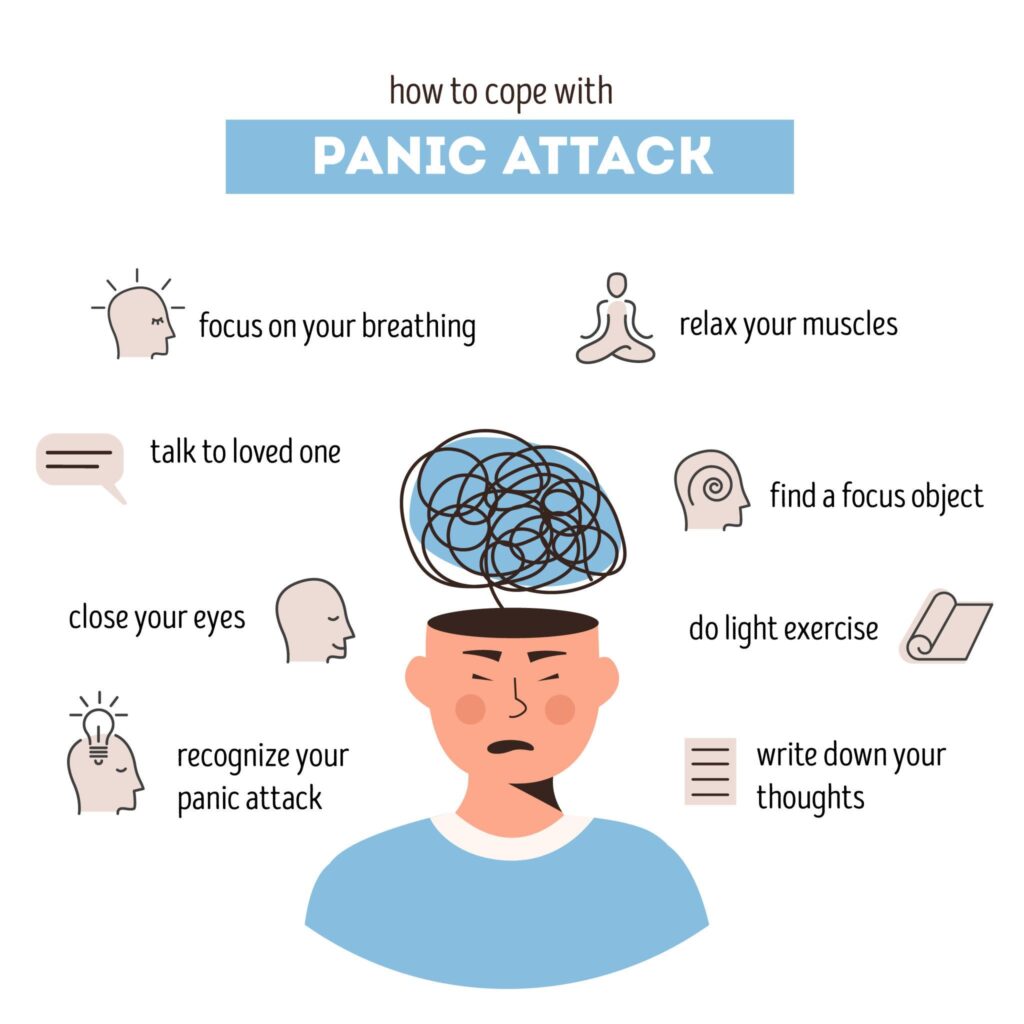
Work and Social Impact
Panic attacks have a way of shaking up your plans, making it feel like you’re trudging uphill with your shoelaces tied together. They don’t just impact what you do; they can affect how you feel about doing it, too. Take the workplace, for example. Some days, getting through a meeting without your heart racing might feel like climbing Everest. And social events? They can feel more like the gauntlet than a good time.
Studies, like the one shared by NCBI, have shown that women often experience more physical symptoms, like feeling wiped out or having those random aches that make zero sense. Guys, on the other hand, might find themselves holding back or withdrawing more, which can make social stuff a bit challenging emotionally.
Getting a grip on all this requires understanding and a bit of patience from everyone involved. Your boss and coworkers can be the game changers here—they can help make work feel less like a minefield. Friends and family? Their support can be the lifebuoy you cling to. Therapy and finding your own coping hacks are crucial, too, sort of like building your own toolkit to deal with it all.
Healthcare Utilization
When it comes to health, women dealing with anxiety and panic attacks seem to be in the waiting room more often than men, as noted by PMC. It’s like they have a frequent flyer pass to the doctor’s office. This often means they’re taking more days off work, underscoring just how big an impact these attacks have on both personal lives and careers.
It’s really important for healthcare providers to get this and to approach treatment with a keen eye on what each person really needs, playing it smart with how they offer help. They’ve got to understand how different these experiences can be between men and women and adjust their care so it’s spot-on for the person sitting across from them.
Living with panic attacks can feel like you’re in a game where the rules keep changing. But by recognizing how they affect all parts of life, especially the subtle differences in how men and women might experience them, we can arm ourselves with the right support and tools to get back on balance and live life with purpose and joy.
Research Insights
Digging into the world of panic attacks and the way they uniquely hit people, there’s a lot to uncover when it comes to what stirs these intense moments of distress. From the twists and turns of biological influences to the tangled web of family history, let’s break it down.
Biological Influences
Yep, panic attacks are like that uninvited guest that crashes the party unexpectedly, thanks to certain brain and body functions. Your noggin has regions set up to handle fear and anxious feelings. But sometimes they go haywire without a real threat in sight. This can spark a feeling like you’re losing control and boom—a panic attack hits you like a bolt outta nowhere (NIMH). It’s a bit like the ‘fight-or-flight’ response—or like your buddy adrenaline deciding to jump in no matter if you’re just chilling at home (Better Health Victoria).
So yeah, the biology tied up with panic attacks shows how deeply woven our bodies are with our minds. It’s all about that connection and how it decides to act up sometimes.
Family History Factors
When it comes to family, panic disorder can play the name game and run in the genes. It’s the kind of thing that might make you think, “Hey, did my cousin Felix deal with this too?” but figuring out the why behind only some relatives dealing while others slide by? That’s a tough nut to crack. Those brain chemicals and processes really like to keep us on our toes (NIMH).
By peeking into the family tree and digging around in the genetic connections, researchers can grab a better understanding of the hereditary side of panic disorder. This detective work helps them plan better diagnosis and treatment moves for those wrestling with this mental challenge.