
Understanding Childhood Anxiety
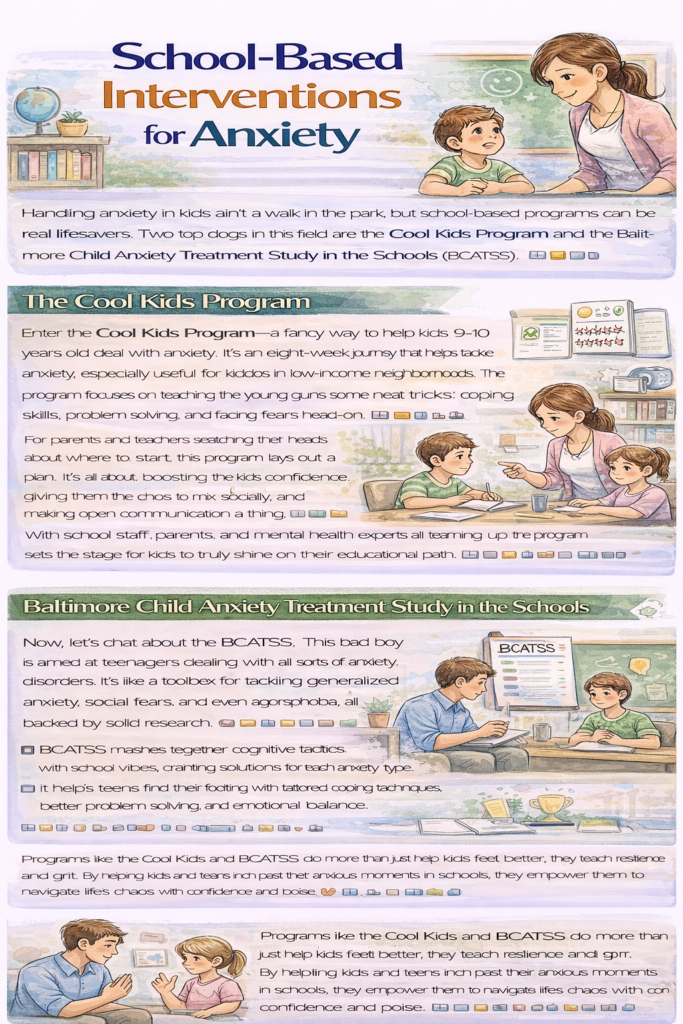
When we’re talking ’bout childhood anxiety, I think we gotta acknowledge how sneaky avoidance behaviors can be. Letting a kid dodge their fears might seem like it helps in the short run, but it’s kinda like giving them a ticket to Anxiety Land forever. Encouraging them to take baby steps into their fears, and being their cheerleader, can slowly help kick anxiety to the curb.
Boosting a kid’s self-esteem and working on their confidence and problem-handling skills are super important too. When kids see themselves in a positive light and have tools to manage stress, they’ll start tackling anxious moments like champs—cool, calm, collected.
Now, anxiety in kiddos can pop up from all kinds of places. Maybe school’s turning up the pressure cooker, there’s family drama, or they’ve had some tough experiences like bullying. Not to forget, stuff at home like nervous parents or overly protective folks can add fuel to the anxiety fire. Spotting what lights up that anxiety and dealing with it gently: that’s where the real magic happens.
Let’s also factor in how stress, especially big changes, can signal a flashing red light for panic in kids and teens. Keeping an eye on their emotional radar and creating a cozy, supportive home vibe can really dial down panic attacks and help soothe those anxious feelings.
Anxiety disorders aren’t just lousy guests; they’re pretty common, bothering about 15% to 20% of young people over a lifetime. It’s key to notice what anxiety looks like, and setting up ways to boost emotions and resilience are steps heading in the right direction. By creating a loving, patient space, parents can totally help their kids face the rollercoaster of childhood anxiety with more ease.
Parenting Strategies for Anxious Children
Being a parent to a kid dealing with anxiety isn’t a piece of cake, that’s for sure. It’s about understanding and empathizing, while also figuring out handy ways to deal with the situation. So, let’s chat about two main strategies that made a world of difference for me, and might just do the same for you and your child.
Show Empathy and Get What They’re Feeling
You know, being there for your worried kid means really getting into their shoes and being a safe place for them. If your child feels like you “get” what they’re going through, it builds a cozy corner where they feel secure and accepted. And trust me, that’s half the battle won (Child Mind Institute).
Now, it might seem easy to brush off their fears or sugar-coat things, but that doesn’t help in the long run. Instead, it’s about tuning into their feelings and, at the same time, gently reminding them of their own strength to handle life’s curveballs (Child Mind Institute). Just chatting with them, honestly listening, can do wonders in making them feel heard, paving the way for a strong parent-kiddo bond that eases anxiety.
Be Their Anxiety-Ninja: Show Them Your Moves
Let’s face it – kids watch everything you do. They’ve got their eyes on you especially when you’re dealing with stress. You’re basically their in-house guide on how to tackle anxiety head-on (Child Mind Institute).
It’s pretty crucial to be open about your own ups and downs with anxiety, and how you tackle those moments like a pro. When you talk about your stress-busting tricks and problem-solving adventures, you’re handing them the tools they need to handle their own worries. Your actions need no subtitles; they show resilience and a “can-do” attitude, huge takeaways for your child dealing with anxiety.
When you stand by them, full of empathy, and validate what they’re feeling while showing them the ropes of coping with anxiety, it creates a nest of support for them. This helps them build resilience and self-assuredness in managing their anxious moments. Every child is a unique puzzle, so mold your approach in ways that fit your kid perfectly, crafting a safe and emotionally sound world for them.
Preventive Measures for Childhood Anxiety
Taking care of childhood anxiety? It’s all about prevention, really. You might not know it, but understanding how avoiding things can affect your kid and figuring out how to boost their confidence and coping skills can be game-changers for kids battling panic disorders.
Fixing Parenting Habits
Turns out, the way parents handle things can help ditch those anxiety vibes in kids. When parents are overboard with the fussing and keep things too stern, it can make anxiety worse. Shaking up the way you parent might be just what your child needs—a little support and a lot of love can work wonders.
Parents gotta keep it real with their kids—talk more, love a lot, and let them fly a little. Giving them a sense of stability and encouraging them to venture out can really cut down on anxiety issues and do wonders for their mental health. A strong bond between you and your child can lower the chances of them wrestling with anxiety and pump up their emotional strength.
Why Good Parent-Kid Time Matters
Good vibes between parents and their kids can build up their emotional backbone and keep the ‘anxiety blues’ away. There’s this program called Parenting Resilient Kids (PaRK) that does just that by boosting good parent-kid interactions (PubMed Central).
Through PaRK, parents get hands-on advice to keep anxiety and depression at bay for their kids. With feedback and interactive tools, moms and dads can pick up the skills needed to back up their child’s emotional needs. It’s about creating a warm fuzzy feeling that builds kids up to be strong and deal with stuff effectively.
By working on how you parent and keeping those bonding moments positive, you’re helping make a comfortable cocoon for kids dealing with panic goodies. Addressing anxiety head-on and diving into prevention early can really steer your child onto a path of stronger mental health as they grow up.
Evidence-Based Parenting Programs
I gotta tell you, raising kids can feel like you’re on a never-ending rollercoaster, especially when anxiety and panic disorders join the ride. How do you get off? Good news: evidence-based parenting programs are here to hand you some sturdy and practical guidelines. Take the Parenting Resilient Kids (PaRK) intervention, for example. It’s like a parent’s GPS for dodging troubles like anxiety and depression in kiddos.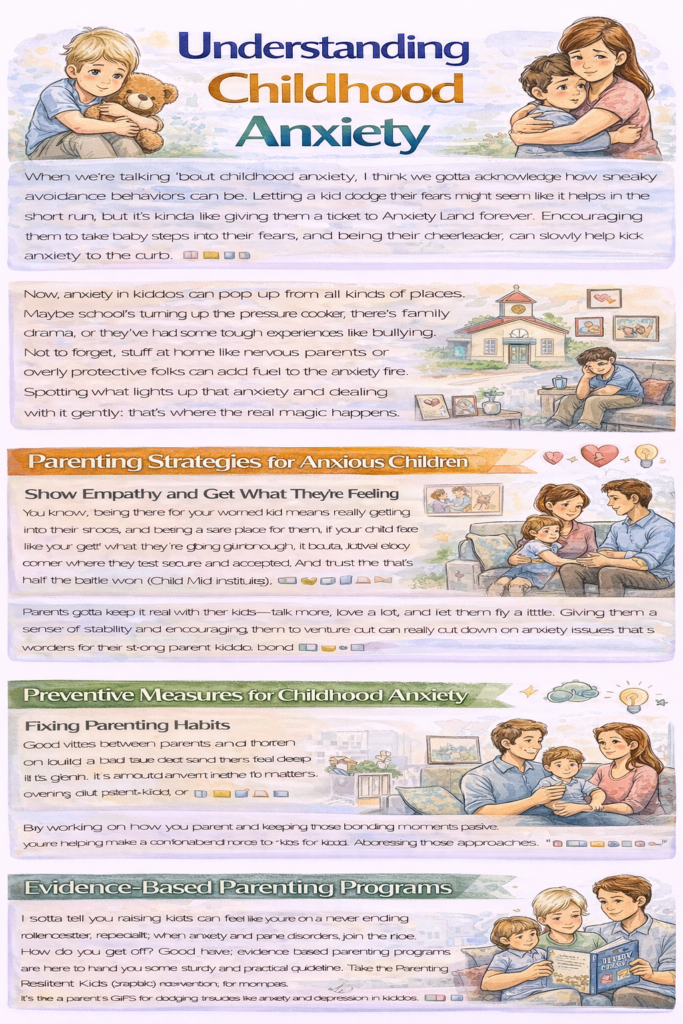
Overview of Parenting Resilient Kids (PaRK)
So, what’s the dish on this PaRK thing? It’s an online program that gets into the nitty-gritty of parenting preschoolers and primary school-aged children to ward off anxiety and depression issues. Think of it as a family boot camp that turns risky behavior into a positive influence using a sprinkle of know-how and a dash of empathy. The gist is to create homes where parents and kids share laughs and high-fives, not just raised voices and rolled eyes.
Structure and Modules of PaRK Program
Here’s how it works: the PaRK gig involves a feedback report on your parenting antics, plus up to 12 snazzy online modules that adjust based on a cheeky little parent survey. Yep, it’s like a personality test for how you parent, offering a reality check and peeling back any blind spots you might’ve missed.
These modules break down into bite-sized bits covering chats that help, stress-busting tips, and managing the emotional rollercoaster. Parents get personalized takeaways on their style, so it feels like a one-on-one coaching session minus the judgmental therapist couch. Engage with these brain-nurturing modules and bam—you’ve armed your family with tools to weather anxiety storms or even those petty homework battles.
And the beauty of it all? It’s easy on the wallet and doesn’t require a babysitter. Keep your slippers on because it’s all online. The digital age does us one better, tossing the rigid class schedules out the window and letting you learn whenever the baby’s finally sleeping (PubMed Central).
With all the buzzkill vibes from things like that pandemic nobody wants to remember, kids and teens must wrestle with more stress and anxiety these days. That’s where PaRK comes in, acting like a life coach that shouts encouragement from the sidelines. By fostering head-on, positive interactions, you give kids the backbone they need without losing your own sanity.
Treatment Approaches for Childhood Anxiety
Dealing with childhood anxiety’s no walk in the park, but there are ways to help kiddos manage those big, unsettling feelings. Two tried-and-true methods often recommended are Cognitive Behavioral Therapy (CBT) and getting cozy with exposure and relaxation techniques.
Cognitive Behavioral Therapy (CBT)
Cognitive Behavioral Therapy (CBT) is like a superhero treatment for anxious kids and teens. It helps them rethink how they view their world, which can lead to changes in their feelin’ and actin’ (HelpGuide.org). By tweaking those mixed-up thoughts and teachin’ some handy skills, CBT empowers kids to get a handle on their nerves and face stress with some cool-headed bravado.
In the thick of childhood anxiety, CBT is a tool kids use to decrypt what’s bugging them. Through these sessions, they sniff out triggers, rethink negative thoughts, and flex their problem-solving muscles. Kids even get a chance to face their fears during ‘exposure’ exercises and learn stuff like chill breathing techniques to tackle those heart-racing moments.
You can tackle CBT through different channels, like face-to-face meet-ups or from your own couch via virtual therapy. It works even better when parents jump on board, backing their kids and being team players with therapists to reinforce the new skills learned.
Utilizing Exposure and Relaxation Techniques
Aside from CBT, dipping into exposure and chill-out techniques is crucial to quelling anxiety and panic. Exposure therapy is about softly nudging kids toward what scares them in a safe, caring space. Once they start to face these fears, kids often find their butterflies flying away, boosting their confidence to handle rough times.
Relaxation techniques are like a mental toolkit full of deep breathing, relaxing muscle exercises, and mindfulness. These practices can soothe children’s minds when anxiety tries to take over. They help lower jumpiness and teach how to squash stress like a pro (HelpGuide.org).
The tag team of CBT with exposure and chill methods we’ve talked about provides a solid plan for tackling childhood anxiety. Armed with these strategies, kids learn to dodge panic’s curveballs and manage their feelings without breaking a sweat.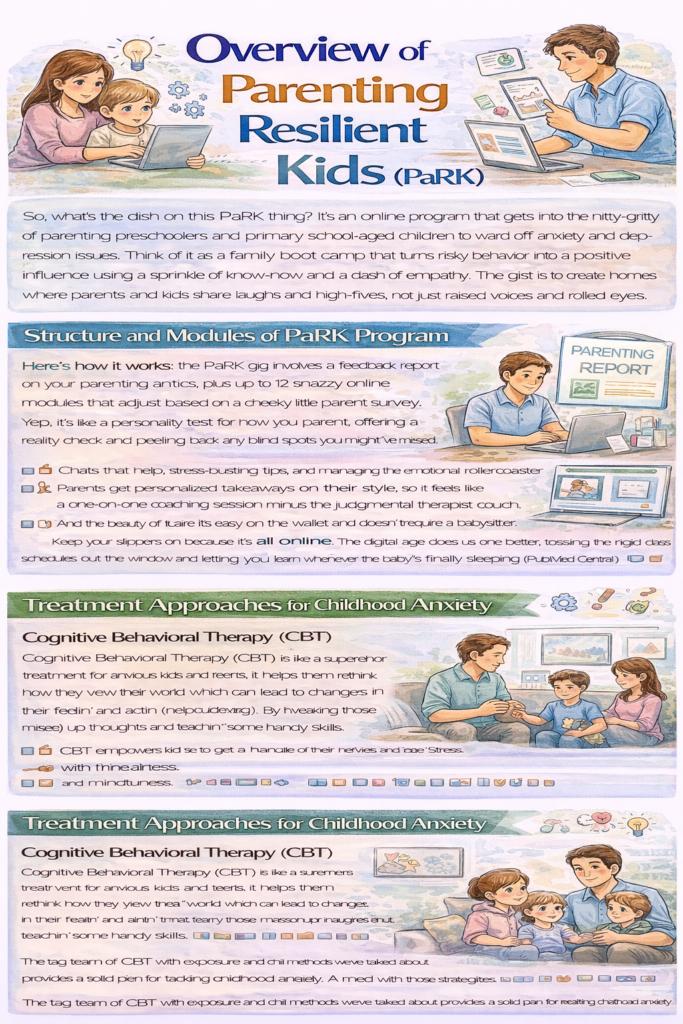
School-Based Interventions for Anxiety
Handling anxiety in kids ain’t a walk in the park, but school-based programs can be real lifesavers. Two top dogs in this field are the Cool Kids Program and the Baltimore Child Anxiety Treatment Study in the Schools (BCATSS).
The Cool Kids Program
Enter the Cool Kids Program—a fancy way to help kids 9-10 years old deal with anxiety. It’s an eight-week journey that helps tackle anxiety, especially useful for kiddos in low-income neighborhoods. The program focuses on teaching the young guns some neat tricks: coping skills, problem-solving, and facing fears head-on. The idea here is to arm kids with the know-how to wrangle anxiety and steer through school life’s everyday stress.
For parents and teachers scratching their heads about where to start, this program lays out a plan. It’s all about boosting the kids’ confidence, giving them the chops to mix socially, and making open communication a thing. With school staff, parents, and mental health experts all teaming up, the program sets the stage for kids to truly shine on their educational path.
Baltimore Child Anxiety Treatment Study in the Schools
Now, let’s chat about the BCATSS. This bad boy is aimed at teenagers dealing with all sorts of anxiety disorders. It’s like a toolbox for tackling generalized anxiety, social fears, and even agoraphobia, all backed by solid research.
BCATSS mashes together cognitive tactics with school vibes, crafting solutions for each anxiety type. It helps teens find their footing with tailored coping techniques, better problem-solving, and emotional balance. The teamwork between counselors, mental health gurus, and parents sets the scene for a supportive space where teens can kick their anxiety in the rear.
Programs like the Cool Kids and BCATSS do more than just help kids feel better; they teach resilience and grit. By helping kids and teens inch past their anxious moments in schools, they empower them to navigate life’s chaos with confidence and poise.