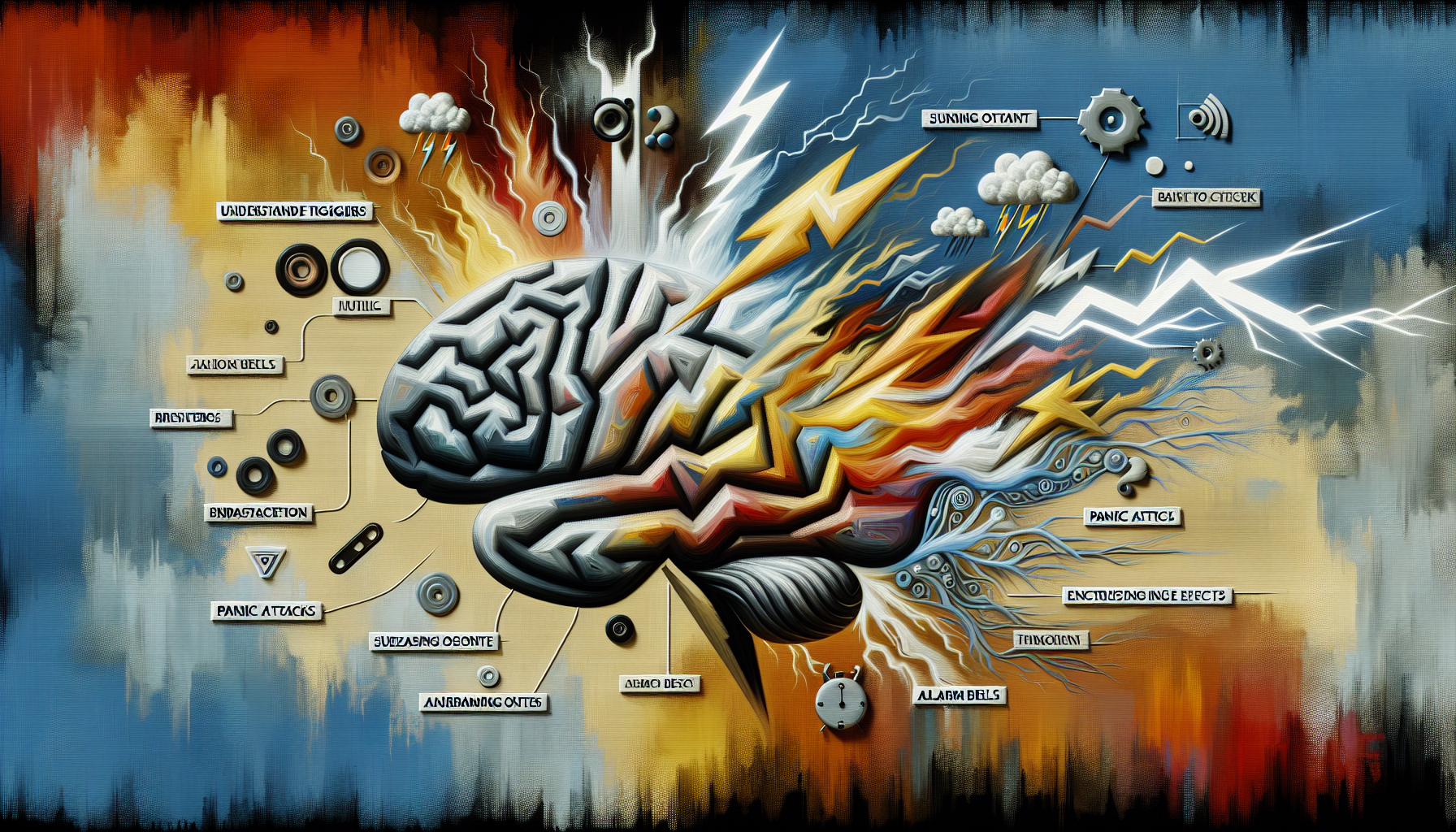
To really get a handle on panic attacks, it’s good to first understand what these episodes are all about and the whirlwind they can cause for folks dealing with them.
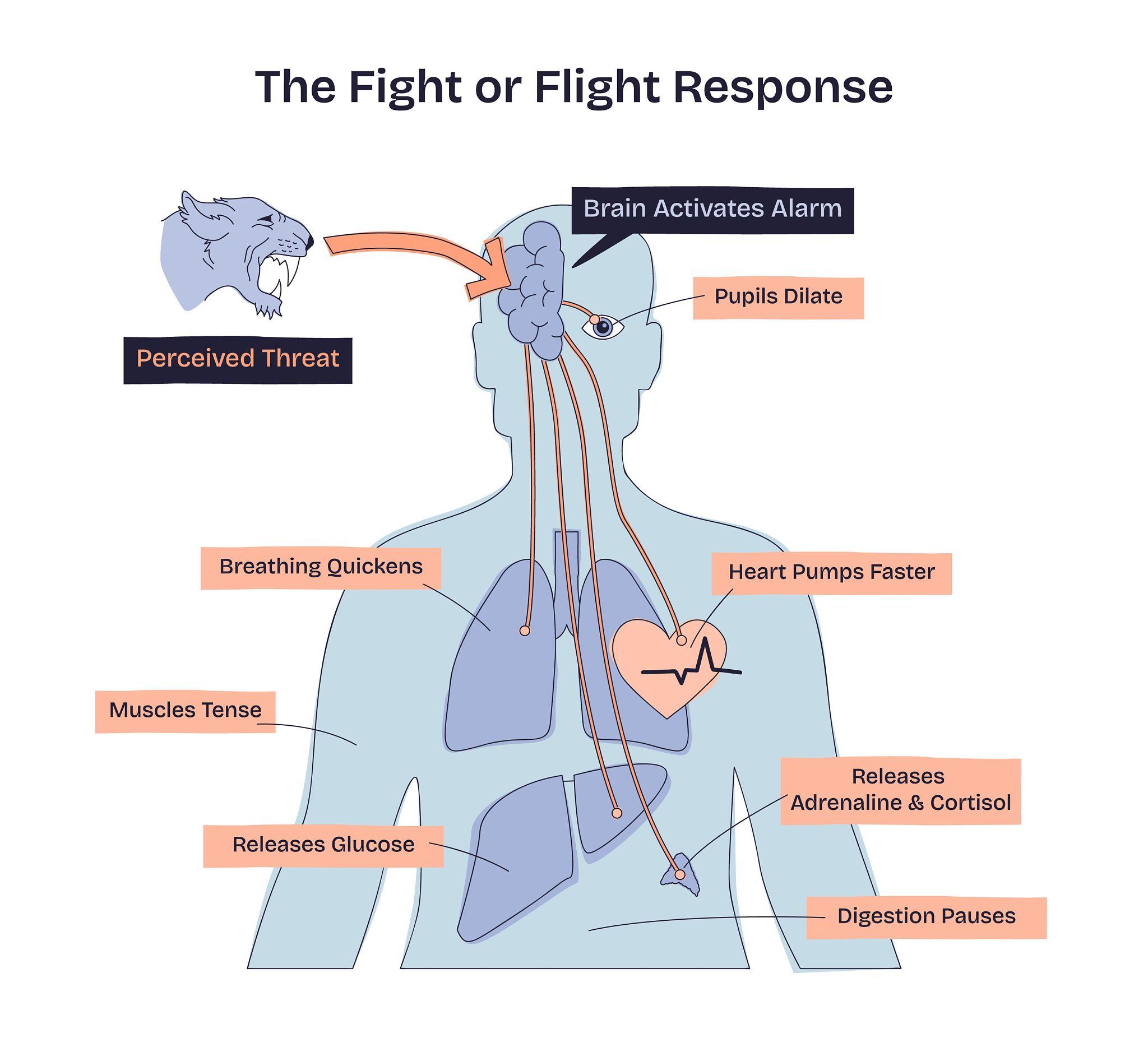
Picture this: You’re going about your day, minding your own business, when suddenly—bam!—you’re hit with a surge of fear that seemingly comes out of nowhere. That’s a panic attack for you. It’s like your brain hits the alarm button without reason. During these attacks, your body goes into overdrive: heart racing, struggle catching your breath, trembling, and feeling like the world’s about to end or you’re losing grip (PMC).
When someone is having a panic attack, the experience can feel like they’re spiraling or that the worst-case scenario is on its way. Unlike everyday stress or anxiety, panic attacks have an intensity and unpredictability that makes them a whole different beast.
Impact of Panic Attacks
These attacks can yank the carpet out from under your feet beyond just the scary symptoms. Imagine getting yourself psyched out of ordinary activities for fear of another explosion of anxiety. It’s disruptive—work, relationships, even basic happiness can take a hit. The worry of going through another swoop of terror may build into a constant cloud over your head, feeding into the cycle that is a panic attack (Mayo Clinic).
Because of this relentless fear, some folks start avoiding places or situations just in case they might set off another attack. This self-imposed limitation stifles their enjoyment of life and sidelines them from things they used to love doing.
Making sense of what panic episodes look like and the havoc they wreak is a big step toward tackling and taming panic disorder symptoms. By digging into the nitty-gritty of what sets off these panic spirals, people can equip themselves better to handle these episodes with grit and the right kind of support.
Biological Causes of Panic Attacks
Alright, let’s dig into what’s happening inside your noggin that might be causing panic attacks. It’s like cracking open the hood of a car, but for your brain. The main culprits? Those sneaky things called neurochemical imbalances, fluctuating hormones, and the genes we inherit from Mom and Dad.
Neurochemical Imbalance
First off, picture this: your brain is a big, messy control panel with wires crisscrossing everywhere. A popular idea out there is that sometimes these wires—your neurotransmitters like serotonin and norepinephrine—get tangled. When that happens, it might lead to panic attacks. That’s why some folks take medications like SSRIs (Selective Serotonin Reuptake Inhibitors)—they help untangle those wires and get things back in order. Many have found these meds to be a lifesaver in calming their PD symptoms.
Hormonal Influence
Ever feel like hormones are playing tag with your emotions? Well, in the case of panic attacks, hormones like progesterone, estrogen, and oxytocin might be the troublemakers. For reasons still being figured out, women have a higher chance of experiencing panic attacks, possibly thanks to life’s hormonal roller coasters—think pregnancy or nursing. Some women even find panic symptoms ease up during these times, which shows just how much of a riddle these hormones can be.
Genetic Predispositions
Now, let’s chat about the family hand-me-downs you didn’t ask for—genes. Studies have noticed that panic disorder runs in the family, kind of like that heirloom vase nobody wants. If you’ve got a close relative with panic disorder, you might be a bit more likely to deal with it yourself, thanks to those pesky genes. Twin studies back this up, hinting there’s a hefty genetic side to panic disorder.
So there you have it, a whirlwind tour of the biological whirlwind that can trigger panic attacks. By knowing how neurochemical mix-ups, hormone hijinks, and family genes play a part, you and your healthcare sidekick can team up to tackle panic disorder with some tailored solutions.
Cognitive Factors in Panic Attacks
Let’s chat about what goes on in our heads when panic attacks come knocking. It’s like peeling an onion—lots of layers. We concentrate on those thoughts and beliefs that make panic attacks stick around. The cognitive side of panic disorder gets into stuff like freaking out over stuff that’s not actually dangerous, being extra jumpy about body signals, and seeing things through a lens that makes everything seem worse than it is.
Catastrophic Misinterpretations
Ever been in a situation where your heart’s racing or you’re a bit short of breath, and suddenly you’re convinced you’re about to face some major catastrophe? That’s catastrophic misinterpretation for you. During a panic attack, you might think these normal bodily reactions mean something terrible’s about to happen. This kind of thinking can jack up your fear and anxiety, revving up the panic even more.
Anxiety Sensitivity
Some folks have a radar for anything their body does, seeing even the tiniest bit of sweat or dizziness as a warning signal for chaos. That’s anxiety sensitivity in action—where every little thing gets magnified into a big deal. It makes things worse and can kick off panic attacks more easily for those who deal with it.
Cognitive Biases
Cognitive biases are like wearing glasses that make everything seem like a bigger deal than it really is. With panic attacks, these biases can make someone focus too much on supposed threats or assume the worst-case scenario is a given. A few examples are only noticing scary stuff, assuming the worst from vague situations, and letting that catastrophic thinking run wild.
Grasping these thought habits is key in figuring out a game plan to tackle panic attacks. Cognitive Behavioral Therapy (CBT) steps up here as a major player by sorting out those pesky thought distortions and quirks. By taking a closer look at these thought patterns—and calling out the exaggerated fears, body alertness, and twisted thinking—folks can find out a lot about their minds and nail down ways to soften the blow of panic attacks.
If you’re curious about how CBT really works or digging deeper into what triggers these panic disruptions, you might want to check out resources like top books explaining panic disorder causes. Getting to grips with the cognitive reasons behind panic attacks isn’t just about understanding—it’s about arming yourself with the tools needed to tackle this tricky mental health beast.
Triggers for Panic Attacks
Getting into the nitty-gritty of what sets off panic attacks can give you some handy tricks for managing and dodging these unsettling moments. Knowing what around us, inside our heads, and in our hearts trip us up can be a game-changer. Here’s a little journey into three triggers that often play a part in panic attacks: what’s around us, stress and anxiety, and baggage from our past.
Environmental Factors
Where we are can have a big say in whether or not panic attacks hit us like a ton of bricks. Imagine squeezing into a jam-packed subway car or standing under harsh neon lights—they might be enough to make anyone uneasy, right? Loud spaces, tight quarters, and unexpected blasts of sound can flip the “panic” switch. Even tricky temperatures, too-bright lights, or strong smells can send your body into a tizzy, feeling like it’s spiraling. By knowing what sets you off in your immediate world, you can start plotting your course to less panic. Maybe it’s mastering some breathing exercises or carrying a reminder to stay mindful. These little tools can be the parachute in your panic-packed backpack.
Stress and Anxiety
Stress and panic usually roll deep together. Whether it’s work woes, tangled relationships, or life’s puzzles, stress can open the door for panic to swagger right in. When life’s pressures pile up, they crank up your vulnerability, making it way easier for a panic attack to sneak in. If left to run amok, stress and anxiety are like bad friends, always dragging you down and making panic a regular visitor. But here’s a rescue plan: learn to chill a bit—grab onto relaxation tips, wrangle your schedule, and carve out some me-time. These moves can steel your defenses and help you stand tall in the face of a lurking panic.
Past Trauma
Things that happened before can creep up and raise all sorts of havoc with your mental state, especially when they’re the heavy stuff like trauma. Something might pull you back in time with just a whiff or a certain sound, yanking on threads that lead right to panic. Those who’ve taken a hit from the past—whether by abuse, accidents, or even losing someone—might find themselves on edge more often. Working through trauma with a professional, or giving special trauma-focused practices a try, can really cut down the panic triggers. Digging into and slowly mending old wounds can free up some peace in your mind today and chase away those panic shadows.
Tying these pieces together—our surroundings, everyday stress, and echoes of old trauma—gives you the intel you need to strike out on a more panic-proof path. Spotting these triggers lets you whip up personal, practical strategies to keep panic at bay and live life with that much less turmoil.
Effective Management Strategies
Let’s talk about finding ways to tackle those panic attacks that like to sneak up on us. Everyone’s looking for that feeling of relief, right? Mix a bit of medicine, therapy, and some lifestyle tweaks, and there you have it—a potentially strong defense against panic attacks.
Medications and Treatments
Medications can be our titans when panic decides to pay an unwanted visit. The theory is that our brain’s messengers, like serotonin and norepinephrine, might not be playing nice. So, medicines like SSRIs step in to get things in order (PubMed Central).
But, we’re all snowflakes, each needing our own unique chip. That’s where pros like therapists come in, ready to whip up a medley of meds and counseling that fits just right, tackling those panic gremlins head-on with a two-pronged attack.
Cognitive Behavioral Therapy
Here’s where things get a tad Jedi—enter Cognitive Behavioral Therapy (CBT). At its core, CBT is all about rewiring how you handle panic. It’s based on shaking the fear of those bodily signals, anxiety hypersensitivity, and all those pesky mind tricks (PMC).
Therapists help you pick apart and transform the thought storms that roll in during attacks. You get to the point where you can spot triggers and respond in a way that doesn’t amp up the panic. It’s like turning into a panic Jedi, with your therapist as Yoda, guiding you through the galaxy of anxiety.
Lifestyle Modifications
Kicking panic’s butt isn’t all meds and therapy; it’s also about living smarter. Think of it as assembling a toolkit for keeping stress at bay.
Regular workouts, sleeping like a baby, munching on healthy foods, and embracing chill activities like mindfulness and meditation can do wonders. It’s all about rolling out the welcome mat for calm vibes and giving those panic attacks the boot.
Finally, piecing together meds, therapy, and living your best life means you’re not just coping, but thriving. With the right help and a proactive stance, tackling panic can become less of a battle and more of a breeze. You can seize control and take on life’s challenges with a newfound sense of strength.
Expert Insights and Recommendations
Let’s chat about panic disorders, shall we? These nasty little hiccups in our mental health can really throw us for a loop. But fear not! I’ve wrangled together some top resources that blend expert knowledge with personal tales that might just shine a light on what you’re dealing with.
Top Books for Understanding Panic
Patient Guide to Mood and Anxiety Disorders – Brought to you by the Anxiety and Depression Association of America, this book feels like your trusty sidekick in the saga against anxiety. It’s got everything: insights, tools, stories, and even a reading list for those extra-curious minds. It’s a bit like a pep talk in book form to keep you and your support group marching along the path to wellness (ADAA).
Panic Disorder: A Critical Analysis by Richard J. McNally – Now this one’s for those of us who want to dig into the nitty-gritty of panic disorders. McNally is like the Sherlock Holmes of anxiety. He’s poured years of research and hands-on experience into this book. With support from the National Institute of Mental Health, you can trust he’s got his facts straight. It’s a proper brain-food read for anyone trying to understand what makes panic tick (Amazon).
Personal Experiences
Diving into personal stories is like having a chat with someone who just gets it. These narratives give you a peek into the rollercoaster ride of living with panic attacks. They’re packed full of empathy and hope—a little nudge towards finding your own way through the fog.
Expert Perspectives
The big guns in the world of mental health—therapists, psychologists, the whole shebang—approach panic disorders like the science it is. With their knowledge and research, they can explain why panic attacks happen, decipher what might trigger them, and share how to tame the panic beast. Their insights are your roadmap to understanding and managing those overwhelming moments.
By soaking up all this info from books, tales of personal triumph, and expert wisdom, you get a whole spectrum view of panic disorders. It’s about piecing together the puzzle of biological and mental factors while discovering ways to keep the panic at bay. Armed with this knowledge, you’re stepping up to reclaim control and boost your quality of life.