
 Understanding the Jitters: Anxiety Disorders
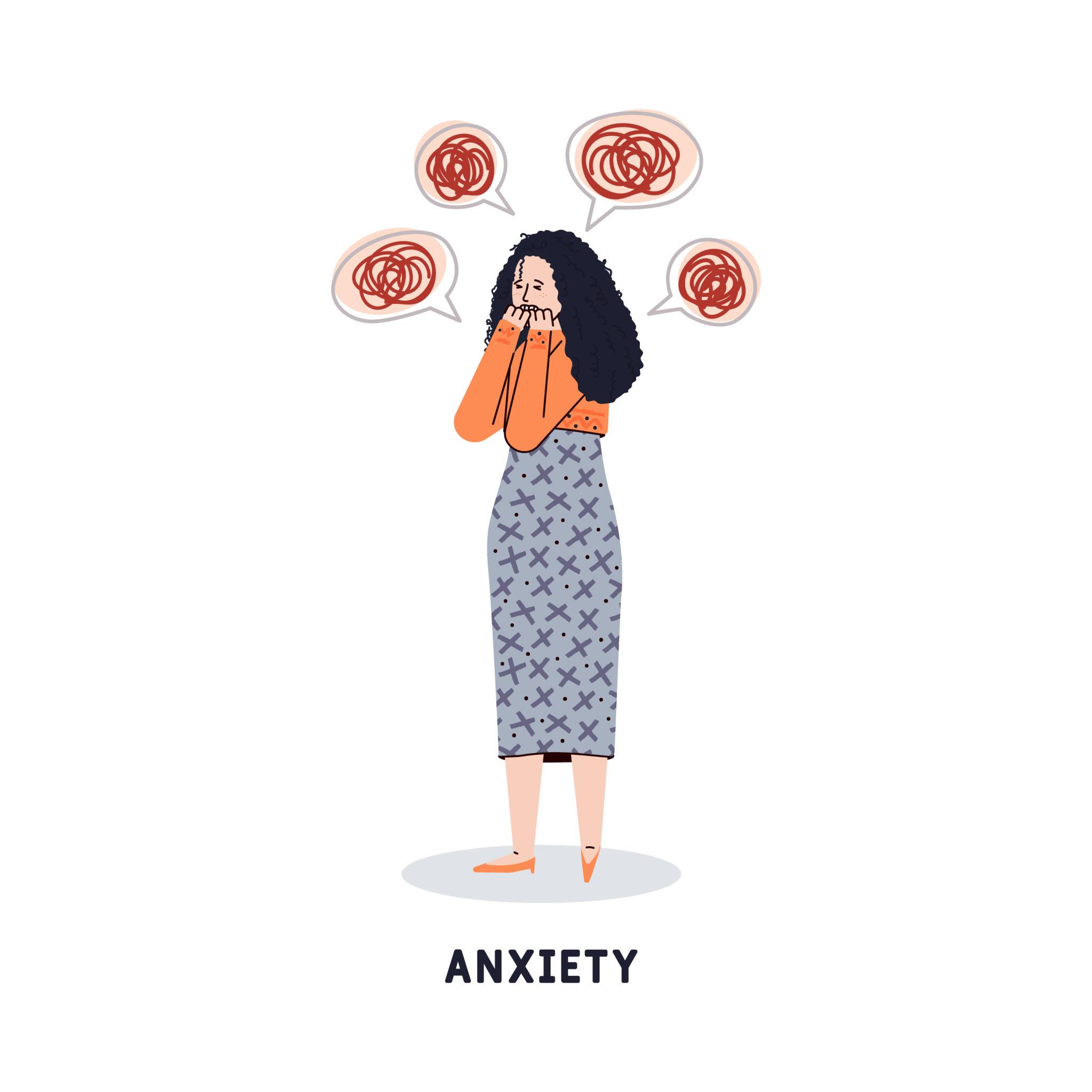
Picture this: your brain’s stuck on the worry channel — all day, every day. That’s what folks with anxiety disorders face. Let’s chew the fat about what exactly anxiety disorders are and how they hang around like an unwanted house guest.
What’s Anxiety Disorder Anyway?
Think of anxiety disorders as that exaggerated worrywart in your head. It’s that nagging fear that never really goes away and can totally crash your party. This jitter-fest can throw a wrench into your relationships and even your day job.
An assortment of anxiety disorders chilling in the mental health arena include generalized anxiety disorder (GAD), social anxiety, panic attacks, and a bunch of pesky phobias. Unlike the fleeting worries we all get now and then, anxiety disorders hit hard, often leaving you feeling like you’re caught in the headlights.
When Do Anxiety Disorders Start Their Party?
These sneaky buggers can start causing trouble at any time, though they’re notorious for showing up in childhood or when you’re a teen — prime time for feeling all sorts of awkward, right? You might find the anxiety hits in small waves or just decides to camp out permanently.
Anxiety might crash your party thanks to a family history of the stuff, a rough patch in life, or that work deadline that never seems to end. Sometimes you’re cruising just fine, then bam! — anxiety decides it’s time to make itself at home.
Recognizing these jumpy feelings is like a game of I spy. Spot ’em early, and you can dodge some serious mental bog-downs. Let’s pay attention to our mental well-being and grab the wheel in managing these worry monsters. You’ll find life’s a bit sunnier when you tackle anxiety head-on.
Causes of Anxiety Disorders
Anxiety disorders can pop up from a mixed bag of stuff – think wild life experiences and the genetic hand-me-downs from family. Getting the mix of these factors might give us a peek into how anxiety and panic attacks connect (What’s the Deal with Panic Attacks?).
Role of Life Experiences
Life’s roller coasters, especially the bumpy rides like trauma or constant stress, can really crank up anxiety disorders. Picture this: gut-wrenching events, never-ending stress, or huge life shake-ups acting like gas on an anxiety fire. Stuff from the past and what’s currently happening in your life can set the stage for anxiety disorders (Banyan Treatment Center). Figuring out what’s hitting your anxiety buttons is a game-changer for managing it without losing your mind.
Influence of Inherited Traits
Turns out, it’s not just life’s messiness – your DNA can also play tricks on you when it comes to anxiety. If anxiety runs in the fam, then you might be next up. There are genes that could make you jumpier than popcorn on a hot skillet when under stress (Healthline). Knowing how this biological roulette plays can help you see what’s coming and plan some clever moves to keep anxiety in check.
Checking out how life’s curveballs join forces with inherited quirks to cause anxiety can give folks a good idea of what’s going on under the hood. Tapping into therapy, adjusting how you live, and trying nifty strategies can make a huge difference in handling anxiety and shooing away panic attacks before they crash the party.
Risks and Complications of Anxiety Disorders
Living with anxiety is like carrying an invisible backpack full of trouble—it’s heavy, and it follows you everywhere. This thing doesn’t just mess with your head; it can have serious effects on your whole body. So, let’s break it down and figure out how anxiety shakes you up, inside and out, to help you get the right kind of help when you need it.
Impact on Mental Health
Anxiety disorders aren’t just about feeling jittery before a big event. They’re more like a party-crasher in your brain, inviting its friends like depression and substance abuse over too (Mayo Clinic). Imagine trying to get through the day with worry and fear as your sidekicks—they can seriously mess up your social life, not to mention your work vibe and general happiness.
Things can get so intense that anxiety might trap you inside. Ever heard of agoraphobia? It’s when the idea of going outside or being in a crowd feels like you’re going to face off against a dragon without a sword. This fear keeps you stuck at home, dodging events that might trigger a panic attack (Mayo Clinic). It’s a never-ending loop of stress that only adds to the weight on your mental health.
Impact on Physical Health
Now, anxiety doesn’t stop there—it likes to show up on the outside too. We’re talking headaches, muscle tension like you’ve been lifting weights all day, stomach issues, and that tired feeling you just can’t shake. It’s like your body’s fighting a battle it never signed up for. And by the way, all that stress can zap your immune system, making you the first one to catch a cold when the seasons change.
Panic attacks are another way anxiety takes control—your heart races like you’re running a marathon, you start sweating buckets, and it’s like every muscle in your body forgets how to relax (Healthline). It’s not just embarrassing; it drains you, leaving you wiped out and a little wary of the next time it might hit.
So, what’s the game plan? Spotting how anxiety affects your life and tackling it early helps. It’s not just about dealing with the stress now but finding ways to keep it at bay for the long haul. Look at the whole picture, from your mind to your physical self, so you can clear your path to feeling better and living your best life.
Treatment for Anxiety Disorders
Having anxiety can feel like a never-ending game of “what if” that you just can’t stop playing. If you’re caught up in that loop, early help is your ticket out. Seriously, don’t wait for things to snowball. It’s all about tackling those worries before they get outta hand and you’re knee-deep in stress city.
Psychotherapy and Medication Options
Alright, let’s get down to brass tacks. Two big players that can really make a difference are therapy and meds.
Psychotherapy:
- Cognitive Behavioral Therapy (CBT): So, CBT is like the MVP when it comes to treating anxiety. It helps you figure out those pesky thoughts and actions that keep your anxiety alive. It’s all about rewiring your brain, sorta like hitting the reset button (Mayo Clinic).
- Exposure Therapy: If you’re up for a challenge, exposure therapy’s where it’s at. It’s all about facing your fears head-on, but in a way that’s not gonna make you freak out. Over time, you’ll get the hang of handling anxiety triggers like a pro.
Medication Options:
- Anti-Anxiety Medications: Now, when it comes to meds, there’s no one-size-fits-all. Depending on what you’re dealing with, your doc might suggest anti-anxiety meds to take the edge off (Mayo Clinic).
- Selective Serotonin Reuptake Inhibitors (SSRIs): These guys are pretty popular in the fight against anxiety. They help balance out that serotonin stuff in your brain, so you’re not constantly wound up.
- Benzodiazepines: These are a quick fix for those intense anxiety days, but they come with a bit of caution tape because of the whole dependency thing.
Most folks find that a combo of therapy and medication is the sweet spot. It’s a bit of trial and error to find what clicks for you, since everyone’s anxiety cocktail is a bit different.
By stepping into therapy and maybe giving meds a shot (under the doc’s watchful eye, of course), you can start to tame the anxiety beast. Don’t put it off; getting help can put you back in the driver’s seat of your life, free from the grips of anxiety.
The Nature of Panic Attacks
If you’ve ever been swept up in a wave of anxiety, trying to make sense of panic attacks is a big step in figuring out how to tame these intense moments. Picture this: a tidal wave of fear crashing over you out of nowhere, no clear danger or alarm bell in sight. So, what’s happening here? Let’s get into what panic attacks really are and why they matter.
Definition of Panic Attacks
Imagine you’re cruising along, and suddenly, BAM! Out of nowhere, an invisible monster shows up, bringing a bag full of dread and unease. These panic attacks don’t send you a polite email before they arrive—they drop in unexpectedly, hitting peak panic in just minutes.
What brings these uninvited guests to the party? Could be a mix of family traits you didn’t ask for, some brain chemicals throwing a tantrum, or life throwing a curveball your way. Even though they won’t literally end you, they can put a serious kink in your vibe, messing with how you feel day-to-day. Knowing what rattles your cage and what fires up these panic attacks is key to reigning them in.
Symptoms and Duration of Panic Attacks
Everyone wrestles with their own set of symptoms when panic hits, but some of the usual suspects include:
- Your heart pounding like it’s trying to win a race
- Breaking a sweat or freezing up
- Shakes that could rival a jittery squirrel
- Gasping for air like you’ve run a marathon without moving an inch
- Feeling queasy or like an upset stomach is next
- Feeling dizzy, like the room’s in a spin
- Your brain telling you you’re out of control or doom’s knocking
The good news? Panic storms usually blow over quickly, often peaking and starting to chill out in about 10 minutes. The bad news? Those pesky leftovers—like anxiety’s hangover—can linger for a while. Recognizing when a panic attack is playing the hits can mean the difference between drowning in fear or swimming back to calm waters. It can also help spot when it’s wise to ring up some backup.
Getting hip to how panic attacks tick can arm you with more tools for dodging their punches. Spotting these episodes before they take the driver’s seat lets you steer back with some backup plans in your toolkit—facing the storm with both guts and kindness. If you’re curious about what’s behind these panic-attack triggers and need some peace-keeping pointers, pop over to what causes panic attacks: a complete guide for the inside scoop.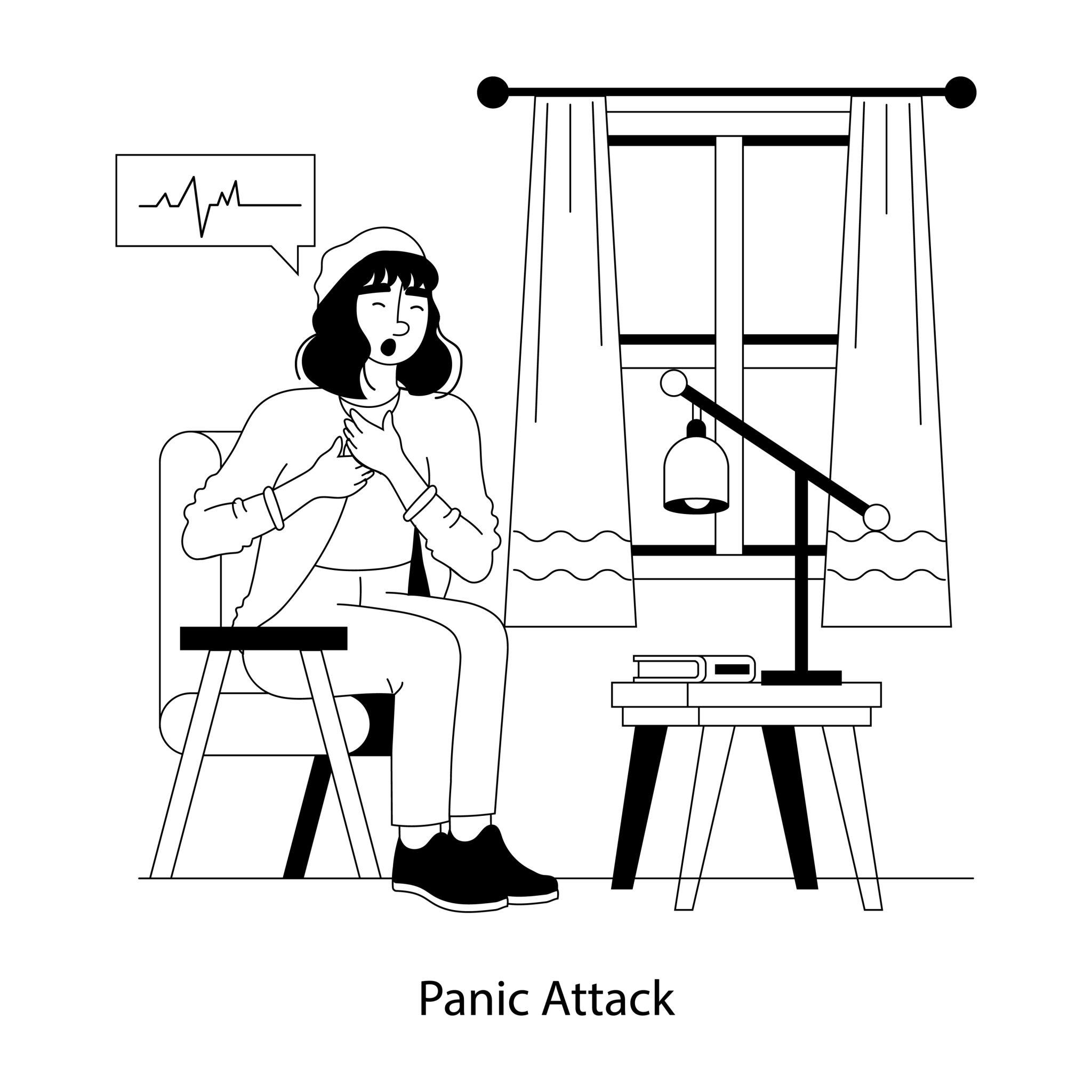
Triggers and Factors Leading to Panic Attacks
Alright, let’s dive into what stirs the pot when it comes to panic attacks—a whirlwind that often hits when you’re least prepared. Panic attacks can feel like a wild ride: sweaty palms, heart racing, gasping for air, and a shadow of doom lurking even when everything seems okay on the outside. If you’ve ever been caught in one of these intense episodes, you know they come out of nowhere, often with no apparent threat around. Understanding what lights the fuse can not only help you cope better but also maybe dodge future episodes.
Behavioral Triggers
So, let’s start with those pesky things you do or think about that might usher in a panic attack before you even realize it:
- Negative Self-Talk: Imagine someone’s constantly poking at all your sore spots and whispering worst-case scenarios. Yeah, that’s your own brain sometimes, making mountains out of molehills.
- Avoidance Behaviors: You avoid things like the plague, thinking out of sight, out of mind—but all that does is keep fear simmering on the back burner.
- Overwhelming Stress: Picture holding up an avalanche of work, relationship woes, and other life stressors—eventually, one pebble tips everything over.
- Unhealthy Coping Mechanisms: Drowning your frustrations with substances, freezing up, or shutting out the world to cope might sound like Band-Aids but are actually fueling the fire.
Spotting these behaviors means you’re one step closer to swapping them out for healthier habits. Think of it like cleaning up a cluttered room in your mind. Sometimes, a therapist is like that trusty GPS when you feel lost in this mess, guiding you towards effective ways of dealing with these triggers.
Environmental Triggers
Now let’s peek outside ourselves—sometimes the world around us sets the stage for panic attacks:
- Crowded or Confined Spaces: Ever been packed like a sardine in a crowd? Feels suffocating, right? That can crank up claustrophobia and anxiety.
- Noise Sensitivity: Loud noises—a car backfire or a jackhammer—can startle you into panic mode, as if your body’s ready to bolt.
- Performance Pressure: Standing in the spotlight during a speech or evaluation can feel like a lifetime movie on loop, gripping your anxiety meter.
- Conflict or Confrontation: Simple conflict or a harsh word can amplify stress and, before you know it, trigger the anxiety avalanche.
Crafting your world to shrink down these stressors can help, like making a chill zone at home or finding your zen with breathing exercises or meditation. It’s all about reclaiming your peace and setting personal boundaries.
Understanding what sets off your panic button is like unlocking your own lifeline. It offers a glimpse into navigating rough patches with confidence, making you feel like you’ve got the reins over your mental health. By plotting a game plan tailored to you, it’s possible to lessen the grip panic attacks might have and steer towards tranquility.