
Understanding PTSD and Panic Attacks
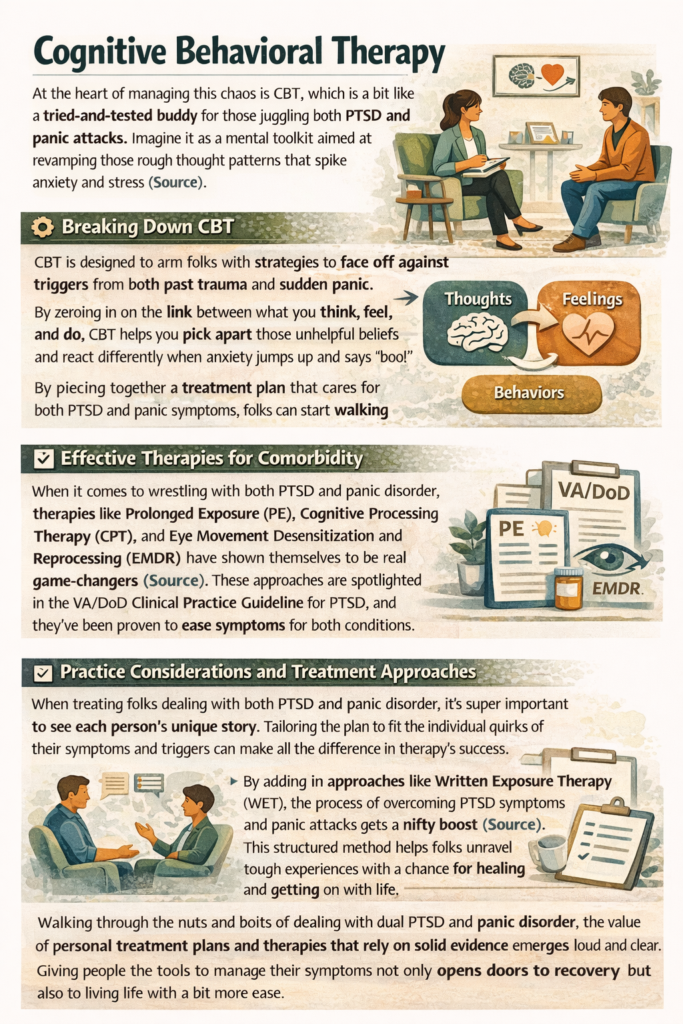
Let’s chat about something a lot of folks wrestle with: how PTSD and panic attacks sometimes hang out together. It’s like a bad buddy movie where nobody laughs, just cries. Traumatic stuff that happens to people can really mess with their head and heart, spinning them into a world of worry and stress that doesn’t know when to quit. PTSD and panic attacks are just two of the ghosts that stick around long after the scary stuff is over.
Impact of Traumatic Events
Think of those moments—the ones that crash into your life like an unwanted guest. Whether it’s an accident, something awful that happened to you, or even a frightening diagnosis, these experiences can warp how you see the world and shake your mental stability. It’s like having a house with shaky foundations where you never quite feel safe and sound (Mayo Clinic). These life-shattering events can cause emotional aftershocks that make living your ordinary day-to-day life a real uphill climb.
Link Between PTSD and Panic Attacks
Picture this connection like a peanut butter and jelly sandwich nobody ordered: PTSD and panic attacks often show up hand-in-hand. Researchers have noticed people haunted by panic attacks are more likely to develop PTSD, and those with PTSD might find panic attacks hanging around the fringes of their life too (Verywell Mind). It’s a double whammy that compounds the struggle.
Getting a grip on how these two play off each other helps in figuring out how to tackle them properly. It’s about really seeing what folks with these conditions are going through and coming up with ways to soften those sharp edges life has given them. By paying attention to just how tangled up PTSD and panic attacks can get, we stand a better chance of understanding and easing the weight off those shoulders.
Factors Contributing to Panic Attacks in PTSD
Figuring out the chaos between post-traumatic stress disorder (PTSD) and panic attacks means knowing the stuff that brings on PTSD and how panic attacks hit this group of folks.
Common Events Leading to PTSD
People who’ve been through rough times like car crashes, hurricanes, wars, or violent events stand a bigger chance of getting PTSD (PubMed). These kinds of situations trigger serious emotions, leading to nonstop symptoms like unwanted thoughts popping up, dodging reminders of the trauma, messed-up thoughts and moods, and jumpiness or tense feelings.
Panic attacks often rear their ugly heads after these traumatic events, piling onto the stress for folks with PTSD. The scary memories can suddenly smack them with a wave of fear and nervousness, leading to a full-blown panic moment.
Research Findings on Panic Attacks in PTSD
Research gives us some eye-opening stuff about how panic attacks and PTSD link up. About 35% of folks with PTSD in the past year had panic attacks, showing just how common these symptoms are in the PTSD crowd. These episodes are often tied to worse PTSD-related problems and a slump in work hustle.
On top of that, having panic attacks means a bigger chance of dealing with other issues like depression, substance abuse, pain that doesn’t go away, and other anxiety hang-ups. Panic attacks can make PTSD symptoms worse, like bringing back bad memories or avoiding things that remind them of the trauma. They’re a big clue that someone’s gonna have a tough time dealing with the disability PTSD brings.
Getting a grip on how trauma, PTSD, and panic attacks mix helps us take better care of folks dealing with these struggles. By knowing the usual suspects that cause PTSD and the different ways panic attacks creep up in this context, caregivers and sufferers can handle these challenges with empathy while tackling this quiet storm head-on.
The Association of Panic Attacks with PTSD
Understanding how PTSD and panic attacks are related is like untangling a ball of yarn. It helps us see how these mental monsters tag-team to wreak havoc and impact lives. Here’s what’s up with panic attacks in PTSD–their symptoms, how they mess with your groove, and what might warn you about more serious struggles if you’re dealing with both.
Prevalence of Panic Attacks in PTSD
So, panic attacks are kind of like the uninvited guest at the PTSD party. About 35% of folks with PTSD have these freak-outs, according to some brainy folks who published a study on PubMed. When panic attacks show up alongside PTSD, it’s like throwing fuel on a fire, turning up the heat on those symptoms and the struggle.
Symptoms and Impairment
If you’ve got PTSD and panic attacks, you’re probably juggling a whole circus of symptoms. Panic attacks might hit you out of nowhere, leaving you with a racing heart, drenched in sweat, and gasping for air. Pair that with PTSD’s flashbacks and the feeling of always being on edge, it’s no wonder living life can feel like trudging through mud.
This mix can really throw a wrench into your social life, job, and overall enjoyment of life. Finding the right support and treatment is like getting a toolbox to help manage this messy pile of symptoms.
Unique Predictors of Severe Disability
A smart bunch published on PubMed shines a light on how panic attacks are major red flags for serious problems in PTSD sufferers. They ran some numbers and found out that panic attacks are serious players when it comes to how much these folks struggle.
By zooming in on what makes things harder for those with panic attacks and PTSD, we can design treatments that hit panic attacks right where it hurts. This focus helps shrink the problems these guys face and can make life a bit brighter.
The tangle between PTSD and panic attacks isn’t simple, but it’s like an emotional domino effect. Knowing how often these panic attacks crash the PTSD party, what they bring to the table, and the signs pointing to a rough ride, helps us set up better help for those fighting these battles.
Therapeutic Strategies for Panic Attacks in PTSD
So, dealing with panic attacks in folks with PTSD is no small potatoes. You gotta get smart with your approaches and really think about what makes their situation unique.
Zeroing In on Panic in PTSD Treatment
Panic attacks are way too common among folks with PTSD. According to some serious studies (PubMed), you gotta focus on dealing with panic right in the PTSD therapy. This ain’t just about calming down a bit; it’s about bettering life all around, helping people feel good in their day-to-day.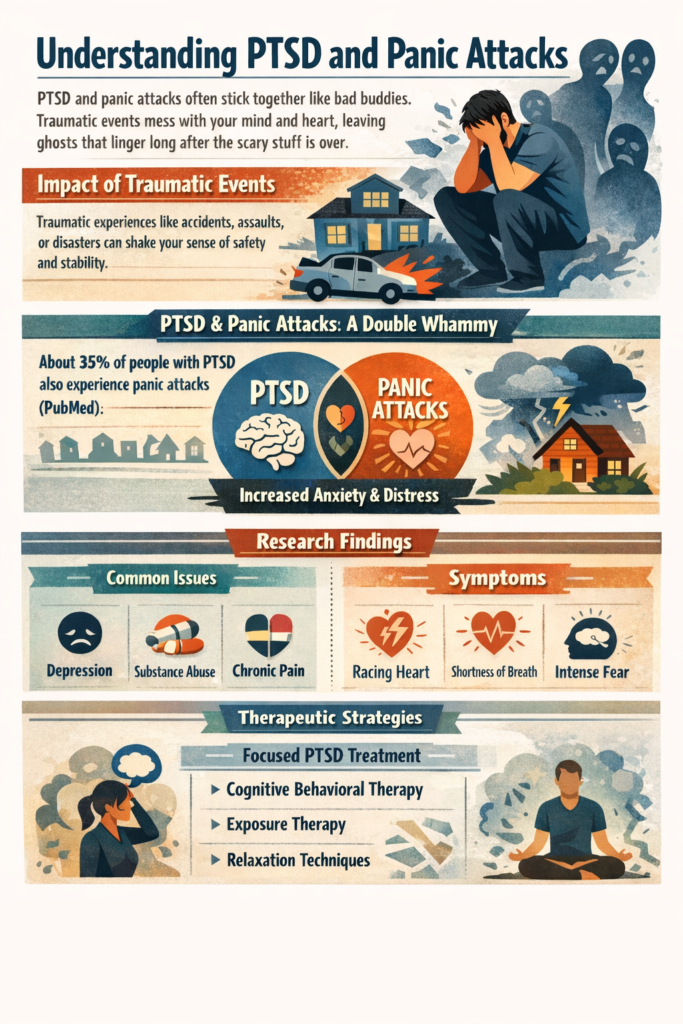
The Upside of Tackling Panic Attacks
Research shows panic attacks can really steal the show when it comes to how much PTSD can mess with your life (PubMed). Taming the panic beast can ease up the suffering, help people function better, and keep those PTSD symptoms in check. It’s like grabbing hold of the steering wheel again and taking back some control.
Wisdom from the National Comorbidity Survey-Replication
Thanks to the National Comorbidity Survey-Replication, researchers have learned a ton about how panic attacks intertwine with PTSD symptoms (PubMed). They’ve dug into how past trauma, symptoms, and daily struggles all mix together when someone has both PTSD and panic disorder. With all this info, clinicians can whip up treatment plans that hit the nail on the head for those dealing with the double whammy of PTSD and panic issues.
Wrapping it up, if we spot how big a deal panic attacks are in PTSD and bring the right kind of therapy to the table, we could just lighten the load, cut down the disability, and make life way better for those wrapped up in this tough pair of challenges. By piecing together a treatment plan that cares for both PTSD and panic symptoms, folks can start walking the road to recovery and better mental well-being.
Shared Mechanisms of PTSD and Panic Disorder
When diving into what links PTSD and panic disorder, it’s crucial to see just how tangled like earbuds at the bottom of your bag these two can get. Folks who’ve been through some seriously tough times might end up wrestling with both PTSD and panic attacks, courtesy of the same traumatic experience.
Connection Between PTSD and Panic Disorder
So, what’s the scoop between PTSD and panic disorder? Some brainy folks have found a tight connection between the two. Men seem to be working double time here, showing a stronger link compared to the ladies. It’s kind of like two sides of a coin—a relationship that is as head-scratching as it is intertwined. It’s all about understanding how these emotions dance with each other and can make life quite tricky.
Integrated Treatment Approaches
Even though panic disorder is a frequent guest in the PTSD party, merging treatments for both is like trying to find a needle in a haystack. But there’s hope! New research shines a light on mixing and matching strategies that can take on both sets of symptoms.
Imagine combining cognitive-behavioral therapy, a pinch of exposure therapy, and some medication mojo to take on the giants called PTSD and panic disorder. The idea? Knit together an approach that really tackles these shared threads so folks can feel better in their daily lives.
Importance of Custom Approaches
Given how these disorders are like two peas in a pod, it’s clear every person’s experience is a bit different—think of it as everyone’s personal horror movie. That calls for treatment plans as unique as your fingerprint.
Our mental health pros should bust out their magnifying glasses to really dig into what’s causing each person’s troubles. When they craft a game plan that actually fits an individual’s story, peace and relief aren’t too far behind.
By recognizing how PTSD and panic disorder are two pieces of the same puzzle, treatment can become way more on-point and relevant. Tackling the root of these issues isn’t just important—it’s the bullseye for making life a whole lot better for those going through the ringer.
Treatment Strategies for Comorbid PTSD and Panic Disorder
When diving into the muddled waters where PTSD and panic attacks meet, how we approach treatment kinda steals the spotlight. So, let’s chat about the therapy that actually gets stuff done for folks caught in this double whammy of PTSD and panic disorder. Here, I’ll guide you through the ins and outs of Cognitive Behavioral Therapy (CBT), plus some other handy options for those wrestling with these issues.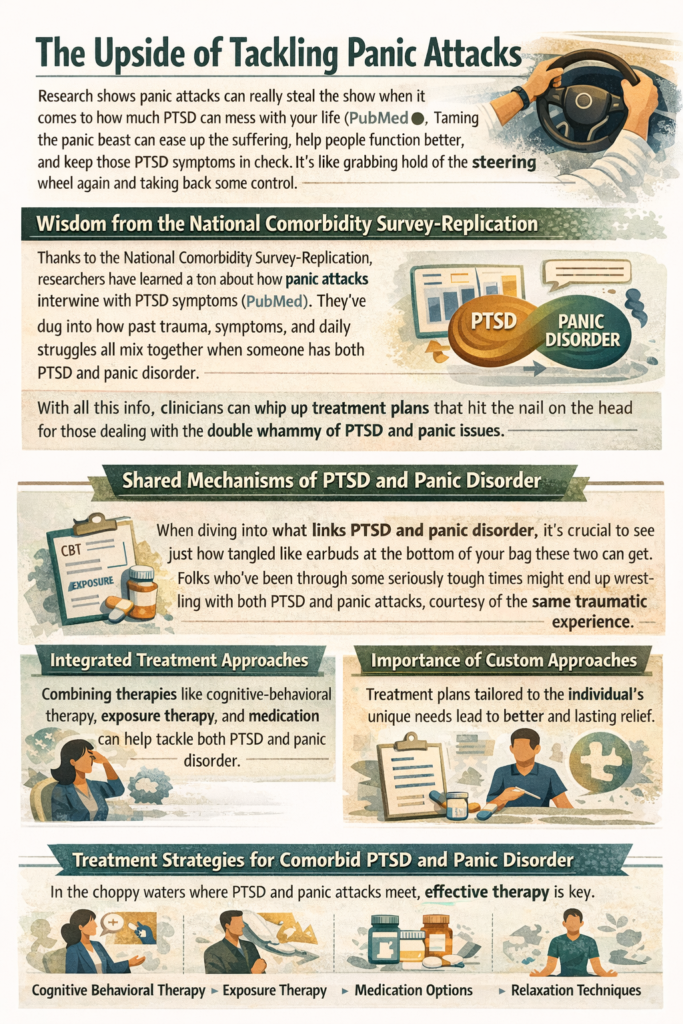
Cognitive Behavioral Therapy
At the heart of managing this chaos is CBT, which is a bit like a tried-and-tested buddy for those juggling both PTSD and panic attacks. Imagine it as a mental toolkit aimed at revamping those rough thought patterns that spike anxiety and stress (Source).
CBT is designed to arm folks with strategies to face off against triggers from both past trauma and sudden panic. By zeroing in on the link between what you think, feel, and do, CBT helps you pick apart those unhelpful beliefs and react differently when anxiety jumps up and says “boo!”
Effective Therapies for Comorbidity
When it comes to wrestling with both PTSD and panic disorder, therapies like Prolonged Exposure (PE), Cognitive Processing Therapy (CPT), and Eye Movement Desensitization and Reprocessing (EMDR) have shown themselves to be real game-changers (Source). These approaches are spotlighted in the VA/DoD Clinical Practice Guideline for PTSD, and they’ve been proven to ease symptoms for both conditions.
By focusing on techniques that help folks face and process traumatic memories, these therapies work to lessen how much those memories mess up your daily life. This helps quiet the panic triggers. Customized to fit individual needs, these options offer a ray of hope for tackling the tricky dance between PTSD and panic disorder.
Practice Considerations and Treatment Approaches
When treating folks dealing with both PTSD and panic disorder, it’s super important to see each person’s unique story. Tailoring the plan to fit the individual quirks of their symptoms and triggers can make all the difference in therapy’s success.
By adding in approaches like Written Exposure Therapy (WET), the process of overcoming PTSD symptoms and panic attacks gets a nifty boost (Source). This structured method helps folks unravel tough experiences with a chance for healing and getting on with life.
Walking through the nuts and bolts of dealing with dual PTSD and panic disorder, the value of personal treatment plans and therapies that rely on solid evidence emerges loud and clear. Giving people the tools to manage their symptoms not only opens doors to recovery but also to living life with a bit more ease.