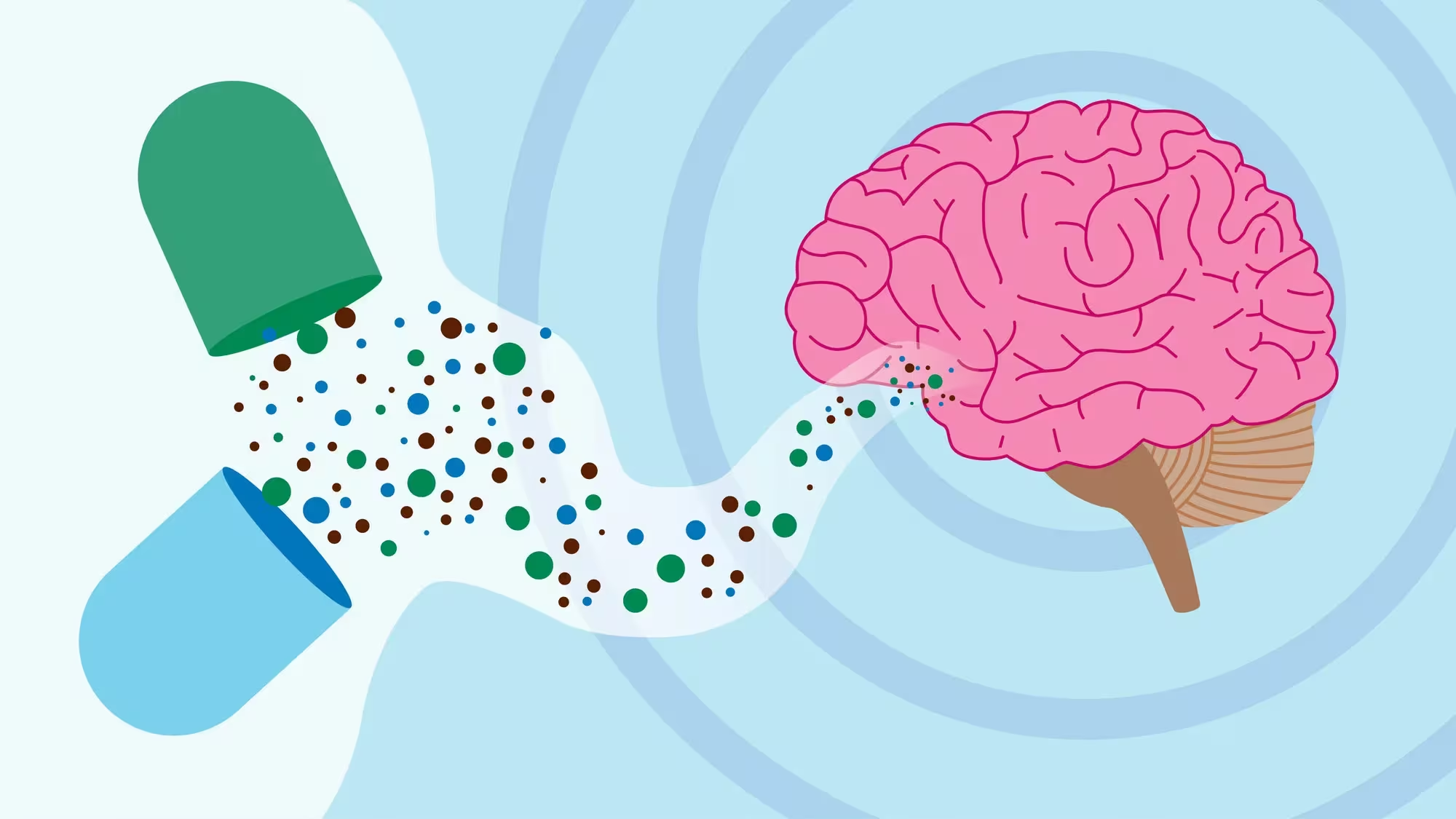
When you start thinking about managing panic attacks, meds often pop into the conversation. Why? Because they can seriously help chill those overwhelming moments and boost your everyday life if panic keeps hijacking your brain.
So, what are we talking here? You’ve got a whole pharmacy of options. Docs might scribble a prescription for things like SSRIs or SNRIs or even benzodiazepines. Sounds like complex lingo, right? Basically, these meds work in different ways to take the edge off when panic hits.
Now, let’s be real. Some folks find that a good old SSRI can really take panic down a notch. Heck, studies back this up. They show meds like diazepam, alprazolam, and paroxetine can fight off panic better than sugar pills, which have all the healing powers of, well, sugar. But, and this is a big but, always let a healthcare pro help you pick what’s best, since we’re all wired a little differently.
And don’t forget about therapy. Using meds and therapy together is like getting fries with a burger—it just makes sense. Therapy tackles the mental game panic plays, while meds handle the body’s reaction.
But remember, meds aren’t a one-size-fits-all magic bullet. They may work wonders for some, and others might need a different game plan or just a change-up over time. Keep in mind, reaching a point where you can manage panic takes grit and time. The endgame? Getting back the reins on your mind and living life on your terms, instead of panic’s.
Selective Serotonin Reuptake Inhibitors (SSRIs)
When it comes to handling panic attacks, let’s chat about how Selective Serotonin Reuptake Inhibitors (SSRIs) can be a real game-changer.
Efficacy of SSRIs
SSRIs have become rockstars in the treatment of panic disorder, backed by plenty of research over the past twenty years. They’re not just any medications; they play the role of serotonin superheroes in your brain, helping regulate mood swings. My go-to SSRIs for tackling anxiety are sertraline, fluoxetine, and escitalopram. They’re like the reliable trio of calmness. In head-to-head trials with placebos, medications including diazepam, alprazolam, clonazepam, and some SSRIs have been shown as the front-runners in making a difference. These meds have been cutting panic episodes down to size, proving their effectiveness time and again.
Potential Side Effects
SSRIs are generally seen as safe, even if someone takes too much. The risk of getting physically hooked on them is pretty low. However, like everything in life, they’re not perfect. Some people might get side effects like feeling a bit queasy, dealing with a rumbly tummy, headaches that just won’t quit, or trouble catching some Zs. There’s also a chance of some issues in the romance department. So, if you’re thinking of trying SSRIs, it’s super important to have a good heart-to-heart with a doc. Weigh up the pros and cons, and get the lowdown on what to expect.
It’s a good idea to have all the info before picking medication to help with panic attacks. A healthcare provider is your best buddy in this decision-making process, ensuring you have a snug fit for your individual health needs and quirks.
If you’ve ever been caught in the whirlwind of panic attacks, you might come across Serotonin-norepinephrine reuptake inhibitors (SNRIs) as a solid option on the treatment front. These meds often get the green light as a go-to remedy for anxiety woes. How do they work their magic, you ask? They tweak how the brain mashes up serotonin and norepinephrine, those little mood lifters. Venlafaxine and duloxetine are some well-known SNRIs standing by to help ease anxiety (Medical News Today).
Role of SNRIs
So, what’s the deal with SNRIs when it comes to panic attacks? Think of them as peacekeepers, leveling out the brain’s chatter of neurotransmitters like serotonin and norepinephrine. These chemicals are like mood referees—keeping things chill when emotions try to run amok. By tuning them up, SNRIs can help put panic attackers back in the driver’s seat, mood-wise. That tweak in balance often leads to a less panicky vibe and more steady days for those finding themselves in the grips of panic.
Considerations for SNRIs
Before you declare SNRIs as your trusty sidekicks against panic, there’s some stuff to mull over. You’ve got to think about the annoyances they might tag along, like nausea, feeling woozy, missing out on sleep, or messing with your hunger pangs. Keeping an eye on these and chatting with your doc about any hiccups can make all the difference with how these meds treat you.
It’s also smart to compare notes with other anxiety-fighting meds like benzodiazepines or SSRIs. Each person reacts differently, so picking the right partner-in-crime—medication-wise—requires considering your personal story and health backdrop.
With a good understanding of what SNRIs bring to the table for panic attacks, you can join forces with your healthcare buds to figure out if they fit your panic-fighting needs best. Always loop in your healthcare crew for guidance and pay attention to how these meds shake out for you, ensuring they’re the right call for tackling panic head-on.
Benzodiazepines for Anxiety
When it comes to calming down those pesky anxiety and panic attacks, benzodiazepines are the usual go-to meds. Trusty sidekicks like alprazolam and diazepam are in the lineup, doing their thing to ease that anxious feeling. They’ve been at it for a while; it’s like they’ve got a PhD in chill-out science (Medical News Today).
Effectiveness of Benzodiazepines
No need for magic wands, benzodiazepines like clonazepam and alprazolam are putting in the work. Studies (because, of course) have shown these little pills can beat a placebo at slashing panic attacks. Out of 41 studies, clonazepam and alprazolam popped up as the rockstars when dealing with panic attacks (PubMed).
Besides, the heavy-hitters, high-potency benzos, monoamine oxidase inhibitors (MAOIs), and tricyclic antidepressants (TCAs) all step in with a punch against panic, showing there’s a little something for everyone in the anti-anxiety toolbox (PubMed).
Risk Factors to Consider
Benzos aren’t all sunshine and rainbows, though. There’s stuff you gotta keep in mind like potential dependence and tolerance if you’re on them long-term. Then there are the sidekicks of side effects: drowsiness, dizziness, and your coordination going on a little vacation.
So, I stick to what the healthcare folks say—no freestyle. Play by the rules: follow the dosing instructions, mix them with alcohol, and keep a lookout for changes in the mind or body.
Interestingly, fewer people have bunked out of benzodiazepine treatment than with SSRIs or SNRIs, according to research findings. People seem to gel well with benzos, making them a decent pick for those looking to keep anxiety in check without bailing on the treatment plan (PubMed).
When mulling over the benzo route for battling anxiety and panic, it’s crucial to balance benefits with risks, follow doctors’ orders on how much to take and stay in touch with my healthcare provider for a smooth and safe journey through the anxiety maze.
Psychotherapy for Panic Attacks
Let’s dig into how psychotherapy can help folks tackle panic attacks without always turning to pills. Think of it as having a heart-to-heart that digs into what sets off those attacks and finding ways to tackle them head-on.
Benefits of Psychotherapy
As the good folks at Mayo Clinic explain, psychotherapy works wonders for folks dealing with panic attacks. What makes this approach special? Well, let’s break it down:
Getting to Know the Beast: Therapy is like an investigation into what triggers your panic attacks, helping you track down the little gremlins behind the curtain.
Sharpening Your Tools: Forget just putting out fires. This is about arming yourself with the strategies to face an attack head-on and tame it.
Changing the Game: Therapy helps tweak the little habits that might stir the panic pot and puts healthier responses in place.
Lasting Change: It’s not a quick fix; it’s about digging deep to cut down how often those panic attacks crash the party.
Approach in Psychotherapy
Ready to tackle panic attacks? Cognitive-behavioral therapy (CBT) is often the go-to here. According to some brainiacs over at PubMed, here’s how it plays out:
Tweak the Mindset: CBT teaches you how to mess with and rewrite those negative thoughts that fuel panic attacks.
Face the Fears: Exposure therapy is about gently nudging you toward situations that scare you, stripping away their power.
Mixing It Up: Sometimes a bit of medication paired with CBT does wonders, attacking panic disorder from all angles.
Playing the Long Game: For real progress, folks might stick with therapy for over a year—even longer—to keep panic attacks at bay.
See the Change: A good round of therapy can trim panic attack symptoms in weeks, giving people the courage to face those old fears.
Therapy isn’t just about tackling panic attacks. It’s a journey to understanding yourself, building resilience, and creating a personalized playbook to master well-being. This approach digs past the surface, aiming for not just peace of mind, but a life freer from the stranglehold of panic.
Integrative Approach to Treatment
When tackling the hurdle of panic attacks, mixing meds with therapy often turns out to be a combo that really hits the mark. This dynamic duo of meds and therapy dishes out a promising route for those wrestling with panic disorder, setting them on a path not just to quick fixes, but to lasting relief and handling it over the long haul.
Medication + Psychotherapy
Teaming up meds, especially SSRIs or SNRIs, with cognitive-behavioral therapy is where the magic typically happens, as backed by studies like those on PubMed. This mash-up goes beyond just taming symptoms on the spot; it’s about digging deep and stretching out the benefits for the long run.
Therapy’s got a big part in cracking the code of what kicks off these panic attacks. The pros at Mayo Clinic point out that chatting with a therapist can actually dial down those freak-out moments over time by cutting through to the root causes and beefing up emotional strength.
Long-Term Management Strategies
Sticking with a plan to beat panic attacks means embracing some long-haul strategies that foster steady progress and keeping your cool. According to PubMed, hanging onto a treatment plan with both meds and therapy for at least 12-24 months—or even longer if needed—is the way to keep those panic attacks in check.
It takes a lot of patience and grit to kick panic attacks to the curb. Mayo Clinic says therapy or meds might take a bit to show their stuff—weeks, even—but hang in there. As symptoms shrink over time, folks are likely to find themselves bouncing back with less stress. By wrapping medication with therapy into a holistic game plan, folks facing off against panic attacks can forge ahead towards a brighter, steadier future, getting that relief and strength they’ve been gunning for.