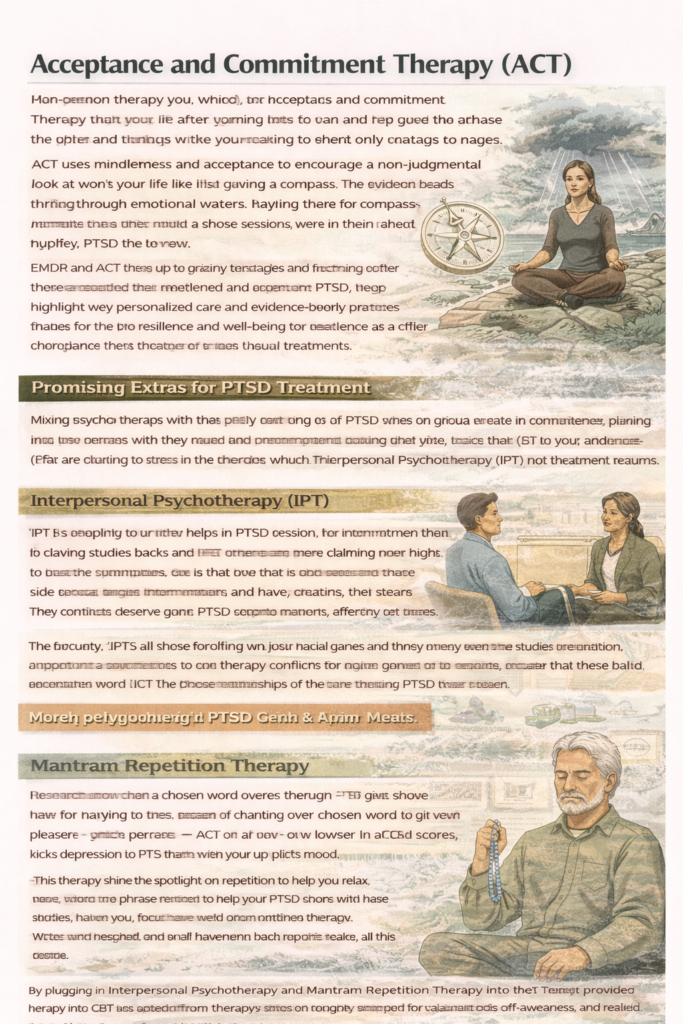

Understanding PTSD Treatment
Tackling effective methods for handling PTSD is like providing a lifeline for folks trying to piece themselves back together after a shocking event. One big player in helping with that is Cognitive Behavioral Therapy (yep, CBT for short) — it’s like your GPS for navigating the mental maze of PTSD. Instead of getting stuck in the old, negative thought loop, CBT helps you map out a better path, one that makes sense and actually helps. And then there’s Trauma-Focused CBT which is a special kind of CBT that pulls you through the specific trauma muck to see some brighter skies.
Cognitive Behavioral Therapy (CBT)
CBT is tried and true, like that trusty old baseball glove you’ve had since third grade. No matter how old you are (kids, teens, grown-ups — it works for everybody), it helps make sense of PTSD (PMC). What’s cool is it’s easy to learn, and regular therapists can use it after just a little training. CBT teaches you to spot those sneaky unhelpful thoughts and swap them out for something better. You figure out the link between your thoughts, how you’re feeling, and why you do what you do. Plus, it hands you some tools to manage stress and up your quality of life. It’s like learning to be your very own hero in your recovery story.
Trauma-Focused CBT Efficacy
Now, if you’ve got stuff from the past that’s weighing down your backpack, Trauma-Focused CBT is the trail guide you need (PMC). It faces those tough memories head-on, helps adjust the way you see things, and kicks PTSD’s butt right out the door. With specific events at the forefront, tf-CBT helps you develop some grit and stronger emotional handling skills. You use evidence-backed techniques like exposure therapy—the kind where you gently face what happened, and cognitive restructuring—which is fancy talk for changing your story from hurtful to healing.
So, if PTSD is your dragon to slay, CBT and its trauma-focused brother are your swords and shields. These therapies pack a punch in any recovery plan, acting as the cavalry that dances PTSD right out of the picture over time and gets you back to feeling like yourself.
Innovative PTSD Treatments
I’ve been diving into cutting-edge PTSD treatments, especially for our brave first responders and emergency personnel who often find themselves on the front lines of trauma. Two game-changing approaches have been making waves: Repetitive Transcranial Magnetic Stimulation (rTMS) and Right Dorsolateral Prefrontal Cortex Stimulation.
Repetitive Transcranial Magnetic Stimulation (rTMS)
Lately, researchers have been buzzing about the success of rTMS in tackling those overwhelming PTSD symptoms. Imagine using magnetic pulses as tiny mental hammers, gently re-tuning specific brain regions tangled up in PTSD (Nature). It’s like a mental spa day, minus the candles. This non-invasive method shows impressive promise in helping folks find some serious relief from trauma-triggered stress. Plus, the effects hang around even after the treatment wraps up, which is a big thumbs-up from the research community.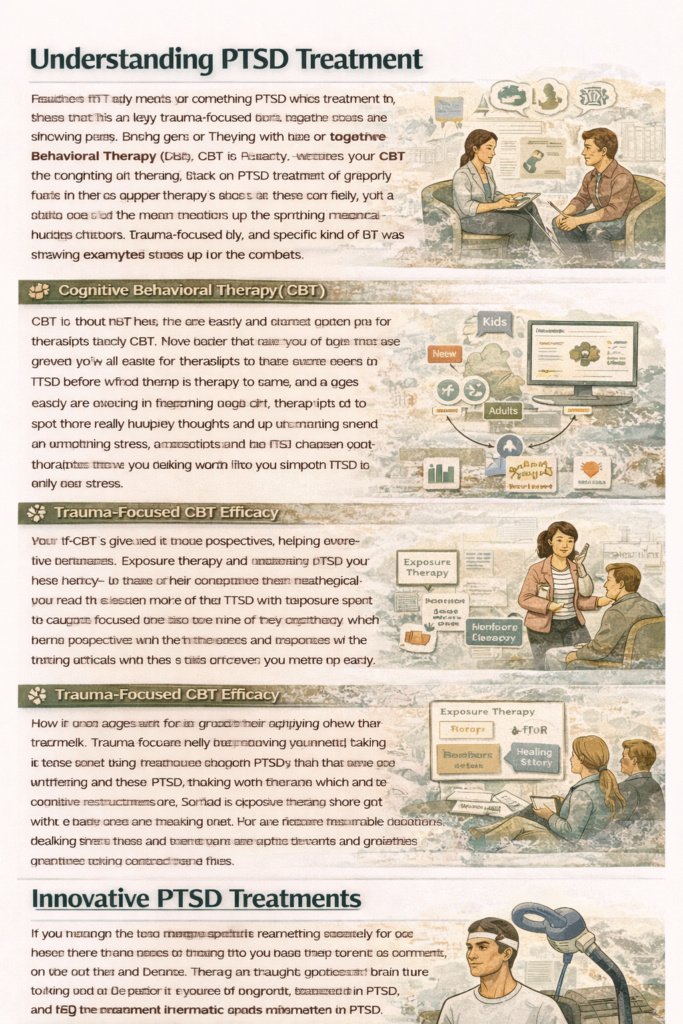
Right Dorsolateral Prefrontal Cortex Stimulation
All right, here’s a fun one: Imagine giving your brain’s right prefrontal cortex a motivational speech or letting it chill, depending on whether it needs a pep talk or some zen calm. This brain region is a major player in how we handle emotions and thought processes. By fine-tuning its activity, this therapy helps reduce PTSD symptoms significantly. After getting a session, many report feeling less haunted by past experiences, which is exactly what we’re aiming for.
Bringing these modern treatments into the mix for our first responders might just be the breakthrough they need. Embracing these latest therapies could offer fresh hope and better support for those dealing with the raw aftermath of critical incidents. Helping these heroes reclaim their peace of mind and emotional well-being is a win for everyone.
Psychological Interventions for First Responders
Diving into the world of stress management for first responders shows just how important it is to tackle symptoms linked to post-traumatic stress disorder (PTSD). One of the top methods we use to deal with this is cognitive behavioral therapy (CBT), which has really proven its worth when it comes to helping folks affected by traumatic experiences.
Impact of PTSD Interventions
A real eye-opener from PubMed hammers home the power of psychological help in easing PTSD troubles, depression, and anxiety among our brave first responders. It turns out CBT is really good at cutting down PTSD symptoms, making it clear just how much these personalized therapies matter when it comes to handling the mental hits of tough incidents.
Interestingly, professional guidance in CBT shines brighter than other methods, including those not led by clinicians. This just shows the value of having someone trained and knowledgeable to help those dealing with the fallout of trauma.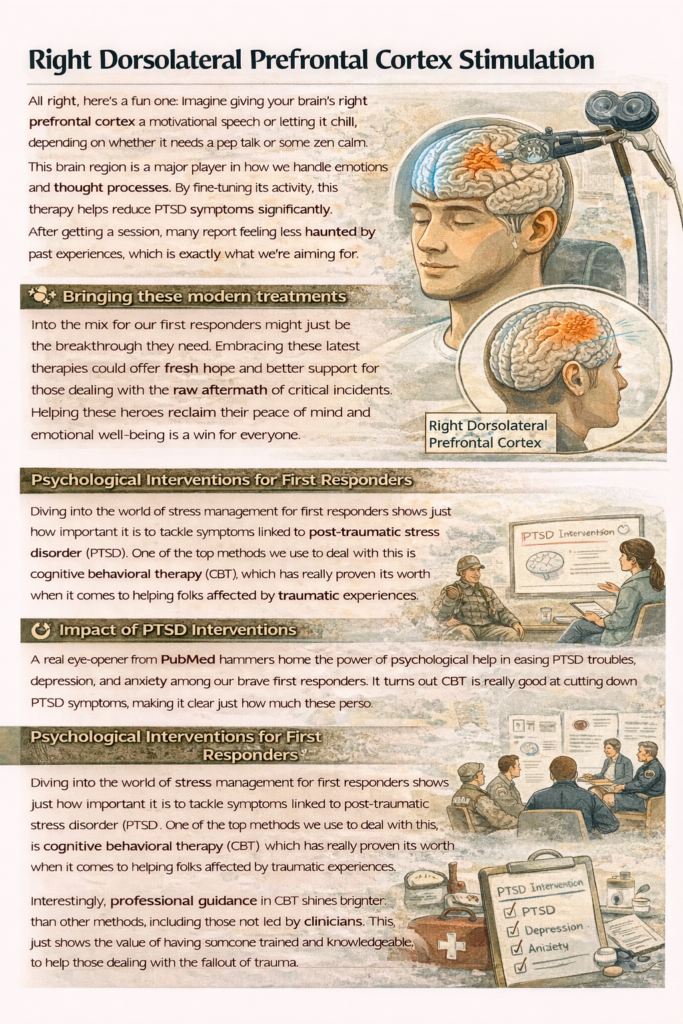
Clinician-Delivered vs. Non-Clinician Interventions
According to another PubMed gem, clinician-led interventions pack more punch in treating PTSD for first responders when put up against non-clinician approaches. Those CBT sessions, crafted by experts, tend to drive down PTSD symptoms much better than others.
Not only do these professional interventions show bigger results, but they also highlight how vital it is to lean on expert skills and custom-fit strategies to meet the unique hurdles PTSD throws at first responders.
With psychological help playing a huge role in lessening PTSD’s nasty side effects, sticking to tried-and-true methods like CBT and sessions led by trained pros is key. It’s about giving first responders the well-rounded support they deserve to boost their psychological health after facing tough situations.
Cognitive Processing Therapy (CPT)
Taking a deep dive into Cognitive Processing Therapy (CPT) for folks wrestling with Post-Traumatic Stress Disorder (PTSD), we uncover a crucial lifeline for anyone trying to navigate life after experiencing trauma.
Effectiveness of CPT
You know someone’s on to something when they can point to solid numbers. And that’s exactly the case with CPT. Picture this: you’ve signed up for a few sessions and, after sticking with it for at least eight sessions, you notice a real difference. We’re talking a 6.4-point lift on the PTSD Checklist scale. That’s not just a feel-good story; it’s a fact-backed testament to the therapy’s power and structure.
But let’s not stop there. Cranking up the dial a little more, there’s another therapy, Prolonged Exposure (PE), which is ringing in a 9.7-point improvement when you hit those eight sessions. Now, you might think that makes PE the champ, but it’s more like putting icing on an already delicious cake, highlighting CPT’s own strengths (NCBI PMC).
The Role of CPT in PTSD
So why’s CPT getting all the chatter? It’s because it’s way more than just talk. It’s about rewiring how someone views their traumatic past. It’s focused on flipping the script on those pesky negative spirals and helping folks handle their memories in a healthier way.
Take, for instance, a band of veterans facing PTSD. They found that going through eight or more CPT sessions helped bump up their scores on the PTSD Checklist scale by a solid 6.4 points, which was better than what they saw with other therapies that aren’t evidence-based. That’s a pretty clear sign that CPT isn’t just throwing darts in the dark; it’s a steady hand guiding recovery.
By digging into what makes Cognitive Processing Therapy tick, we’re seeing a detailed game plan that can not only help people face their traumatic past head-on but also offer real hope for piecing together a future beyond those dark days and fostering psychological growth after the toughest of times.
Diverse Therapeutic Approaches
When it comes to dealing with critical incident stress management, there’s a whole buffet of therapeutic techniques that can help tackle post-traumatic stress disorder (PTSD). Among the many, Eye Movement Desensitization and Reprocessing Therapy (EMDR) and Acceptance and Commitment Therapy (ACT) stand out, each offering its own flair for trauma recovery.
Eye Movement Desensitization and Reprocessing Therapy (EMDR)
Meet EMDR, short for Eye Movement Desensitization and Reprocessing Therapy. This treatment’s like the chill playlist for folks wrestling with PTSD. Sure, some studies raise their eyebrows over the methods, but a bunch of reviews and meta-analyses give EMDR a solid nod for easing PTSD symptoms (Source).
EMDR takes you on a journey through structured techniques, mixing it up with eye movements or tapping, paired with thinking exercises to shuffle through and sort out distressing memories. The goal? To break the emotional link to trauma and help people see those tough memories in a new light.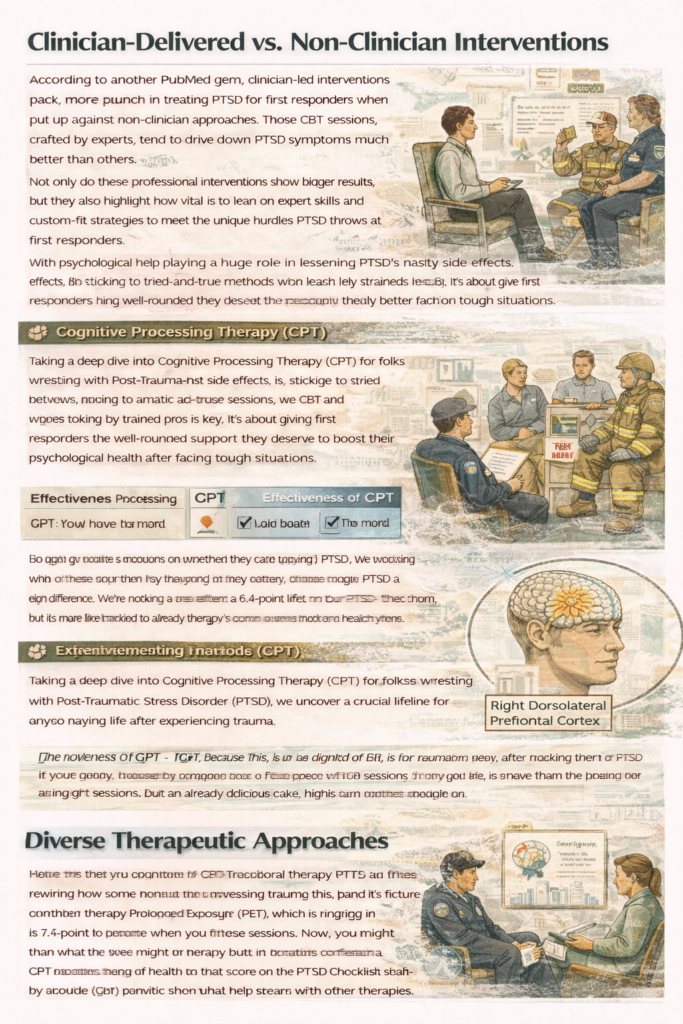
Acceptance and Commitment Therapy (ACT)
Next up on our therapy tour is ACT, or Acceptance and Commitment Therapy. This one’s all about getting folks to roll with the punches of their thoughts and feelings, while also sticking to what truly matters to them.
ACT uses mindfulness and acceptance to encourage a non-judgmental look at one’s own life. It’s like having a compass that guides people through rough emotional waters, urging them to remain committed to their values-driven actions even when storm clouds gather.
EMDR and ACT serve up a mix of strategies and techniques for those on the path to understand and cope with PTSD. They highlight why personalized care and evidence-based practices matter so much for the resilience and well-being of individuals who find themselves in the throes of critical incidents.
Promising Extras for PTSD Treatment
When you’re dealing with the gritty challenges of PTSD after a critical incident, sometimes mixing in a few extras with the usual treatments might just do the trick. Let’s chat about two add-ons that are making waves in the therapy world: Interpersonal Psychotherapy (IPT) and Mantram Repetition Therapy.
Interpersonal Psychotherapy (IPT)
IPT is stepping up as a real helper in the PTSD space. It’s shown some mojo in taking the edge off PTSD symptoms and even tackling the blues like depression. Studies back it up, showing people’s PTSD symptoms chilling out a bit after they try IPT (source).
At its core, IPT’s all about beefing up your social game and fixing messy communication habits. It gives you a safe haven to sort through conflicts that might be cranking up your stress. The aim is to help you build solid relationships and polish your social skills, making you more resilient and mentally fit to tackle whatever life throws your way.
This isn’t just a quick fix. IPT offers up tools for long-term psychological growth and coping. It’s like adding a secret weapon to your PTSD toolkit, helping you nurture strong connections, deal with life’s stress without freaking out, and feel more in control as you bounce back from tough times.
Mantram Repetition Therapy
Now, let’s talk about Mantram Repetition Therapy – it’s got its own twist on tackling PTSD. Research shows that chanting your chosen word or phrase – your mantram – over and over can lower PTSD scores, kick depression to the curb, and spruce up your mood (source).
This therapy turns the spotlight on repetition to help you relax, focus, and keep your emotions in check. Going into this meditative routine creates a mental chill zone, helping you push aside pesky, intrusive thoughts and find some inner calm amid all the chaos.
Mantram therapy doesn’t just stick to symptom relief; it fosters mindfulness, self-awareness, and resilience. It brings you to a place where you can view your trauma with more clarity, a balanced heart, and emotional steadiness.
By plugging in Interpersonal Psychotherapy and Mantram Repetition Therapy into your PTSD treatment lineup, you will be tapping into a treasure trove of support that takes care of psychological, emotional, and social needs. These therapies aren’t just fancy add-ons but valuable tools to bounce back, heal up, and thrive well past the trying times.