

 Understanding Panic Attacks and Depression
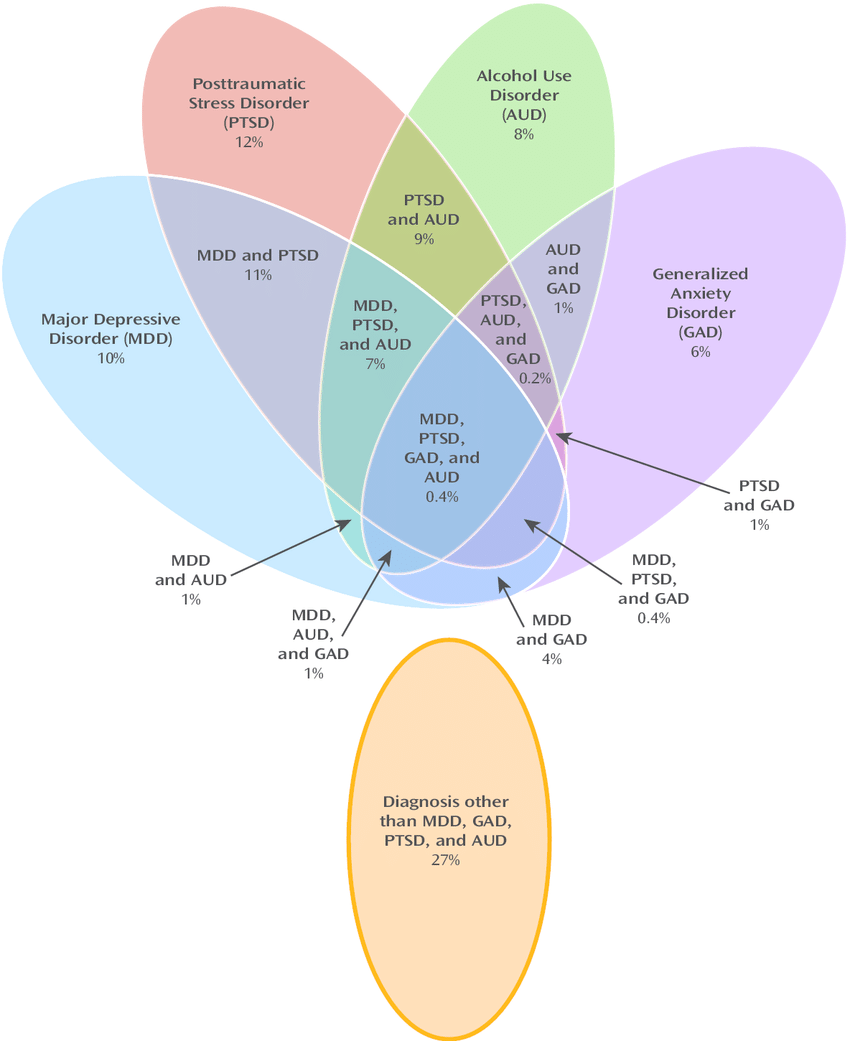
So, here’s the deal: panic attacks and depression often hang out together. The brain’s a messy place, and these two like to crash the party at the same time. About half to two-thirds of folks with panic attacks also deal with major depressive disorder or mood issues (American Journal of Psychiatry).
Relationship Between Panic Attacks and Depression
Think of panic attacks and depression like partners in crime. If you battle panic attacks, you might find depression sneaking in or vice versa. It’s like a never-ending game of tag where one makes the other worse, turning mental health into a tricky puzzle.
Patterns and Prevalence
Stats say close to 60% of people with anxiety carry the extra baggage of depression too (Source). It’s not just the individuals who carry the weight; the whole society feels it because these issues really stack up financially and socially across the globe.
Grasping how panic attacks and depression team up highlights the call for treatments that tackle both. Transdiagnostic cognitive-behavioral therapy (CBT) is stepping up as a promising solution for those caught in the anxiety-depression loop (Source). The fancy-sounding Unified Protocol (UP) helps beat down anxiety and depression symptoms, proving that bundling therapy strategies can work wonders.
Understanding the connectedness of panic attacks and depression is key to providing real help to those wrestling with these emotional foes. By accepting how they show up in our lives, therapists and doctors can tweak their approaches to better meet the needs of individuals, steering them toward better days ahead.
Factors Influencing Panic Attacks
Alright, let’s talk about those sudden, heart-pounding moments we so lovingly call panic attacks. We’ve all heard of them, and many of us have felt their squeeze. While they may pop up out of nowhere, understanding what gets them going is a first step. We’ll cover both what sparks these episodes and who might be more in line for the ride.
Triggers for Panic Attacks
Ever had a moment where you’re perfectly fine, then bam—a panic attack hits? Usually, there’s an instigator lurking in the shadows. Your body’s fight-or-flight switch kinda goes haywire, responding like you’re face-to-face with a saber-toothed tiger when you’re actually just sitting in traffic. Figuring out what flips your switch is key to managing them better. Here are some common culprits:
- Stressful Situations: Think big work presentations or juggling ten tasks at once—easy on the wrinkles but hard on your peace.
- Phobias: Spiders, heights, clowns… you name it, they can all send you spiraling.
- Traumatic Events: Past heartbreaks or scary moments can come back to haunt without warning.
- Physical Sensations: Sometimes, just the feeling of your heart racing or getting short of breath can send you into a tizzy.
- Social Settings: Crowded places like concerts or just talking in front of others can kick your panic into high gear.
Sussing out what sets your panic off can be a game-changer. Recognize them, and you’re halfway to taming the beast.
Risk Factors for Panic Disorder
On the who’s-backstage side, certain traits and life stories make some folks more likely to tango with panic attacks, with the curtain usually going up in late teens or early adulthood. Ladies, we draw the short straw here more often than not. But hey, recognizing these can pave the way for tackling them. Here’s what adds to the likelihood:
- Genetics: If anxiety runs in your fam, you might share more than just Grandma’s nose. It can put you on the radar for panic episodes.
- Personality Traits: More time spent overthinking, less time spent chilling—traits like neuroticism and introversion might make you more prone.
- Mental Health Conditions: Already dealing with depression or generalized anxiety disorder? Sadly, they team up to make panic attacks more likely.
- Stress and Trauma: Living through chronic stress, or any life-event horror stories, can put you right in the panic path.
- Environmental Factors: Grew up with financial struggles or missing a backup safety net? These can be sneaky stressors adding to the risk.
Tackling these risk factors involves mixing therapy, maybe some meds, lifestyle shifts, and a dash of stress-taming hacks. Spot them early, and you’re winning half the battle against panic hijinks, steering towards a more chilled-out life.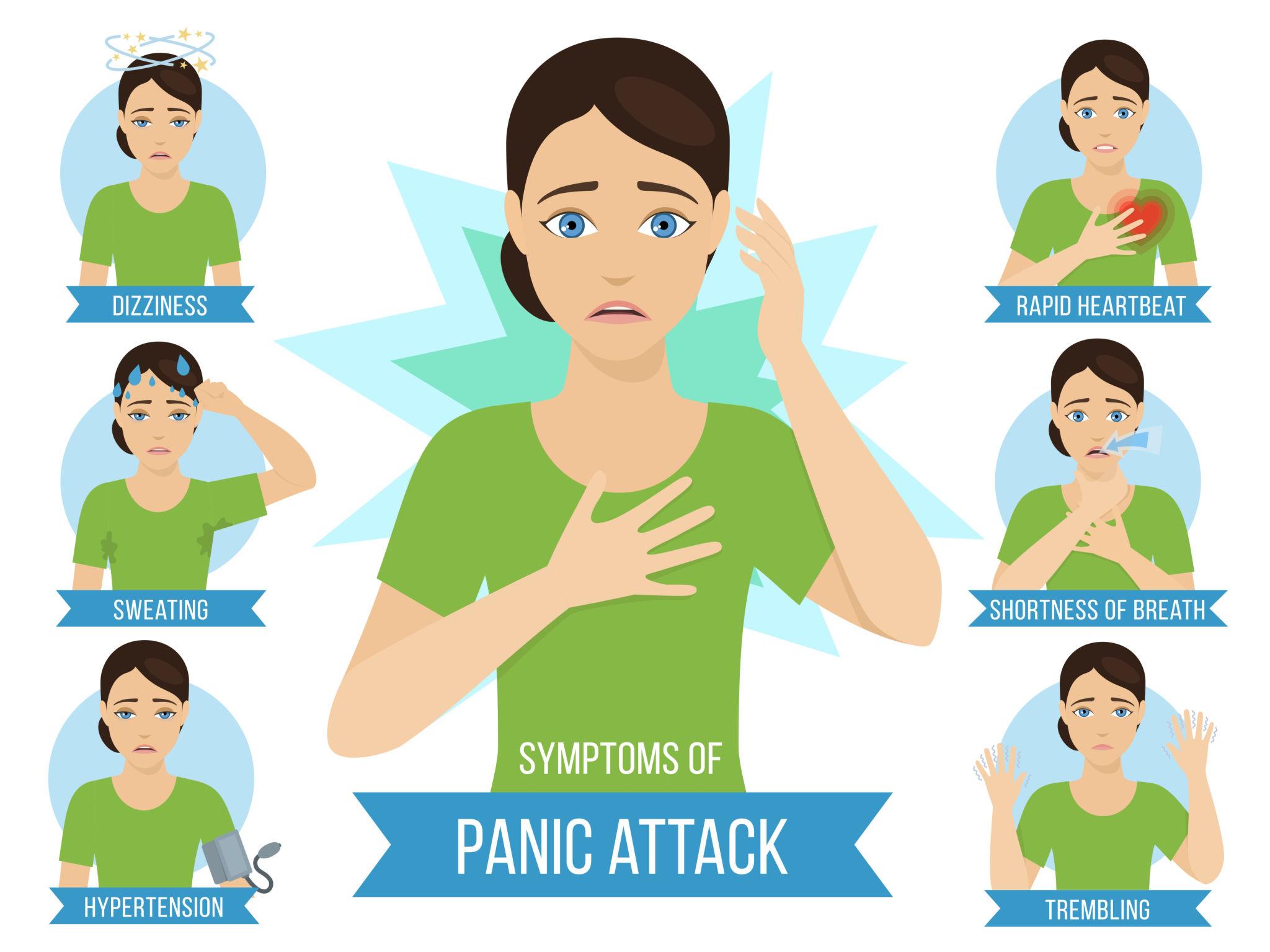
Impact of Panic Attacks and Depression
Panic attacks and depression aren’t just feelings you shake off—they can mess with your mind, body, and everything in between. These conditions don’t stop at emotions; they can spill over into your physical health too.
Complications and Agoraphobia
Ignore panic attacks, and you might end up with more than you bargained for, like agoraphobia. This pesky condition makes you want to avoid any place where you think help won’t come fast if panic strikes. That fear can seriously limit how you live, making you skip social events, public places, and sometimes even keep you stuck at home. It’s like being trapped in a cycle of fear and alone time.
Imagine the thought of a panic attack creeping up in the middle of a busy street, and suddenly heading outside feels like tackling Mt. Everest. It’s no wonder folks start dodging social events. This avoidance can turn into isolation, making you feel like life is passing by outside your window.
Quality of Life Effects
Living with panic attacks is a rollercoaster you never wanted to ride. Your quality of life can take a nosedive because let’s face it, fear and unpredictability aren’t exactly welcomed housemates. At work or hanging out with friends, that gnawing anxiety hangs around like a bad smell. Sometimes, even simple tasks get hijacked by sudden heart-pounding, sweaty-palmed attacks, leaving you gasping for breath, according to the National Institute of Mental Health.
This constant fear can make daily life a series of dodging bullets, which is exhausting. When you’re always on alert, stress levels shoot through the roof, affecting not just your happiness but how well you handle everything—work, family, you name it. Getting the right help is essential, not just to cope, but to reclaim your life and peace of mind.
Realizing how panic and depression twist and turn your world is the first step. Seeking support isn’t a sign of weakness; it’s the bravest thing you could do. Nothing wrong with wanting a life where anxiety doesn’t call the shots—where you hit a balance and find your groove again.
Treatment Approaches
Alright, when we’re talking about dealing with panic attacks and that heavy feeling of depression, we gotta talk about ways to tackle them head-on. Therapy and meds, that’s where we’re placing our bets.
Psychotherapy for Panic Attacks
Stay with me, therapy’s not just about lying on a couch and complaining. We’re talking about psychotherapy, sometimes called talk therapy. It’s where you start digging into what’s really going on in that noggin of yours. And the star player here? Cognitive Behavioral Therapy (CBT). The Mayo Clinic gives it a big thumbs-up. CBT is like reprogramming your brain to shift those gloomy thoughts outta there and tackle your panic attacks straight on.
This isn’t just about understanding why you panic. You get to learn some neat tricks, like how to relax when you’re on edge or how to dodge the potholes that trigger those scary episodes. With a therapist in your corner, you can map out a game plan that lets you handle panic attacks like a pro in the long run.
Medications for Panic Disorder
Sometimes, life’s a bit too wild, and medication might be the trusty sidekick you need. When panic attacks are off the charts or making your life feel like a mess, meds might step in. The National Institute of Mental Health backs combining therapy with medication for panic disorder — it’s the dynamic duo you didn’t know you needed.
From selective serotonin reuptake inhibitors (SSRIs) to benzos, these meds help iron out your brain chemistry wrinkles, calm the storm, and put the brakes on panic episodes. Getting the med and dosage right? That’s one for the docs to figure out, tailored just for you.
Meds and therapy working together can be a power combo, tackling both mind vibes and brain bits. This tag team can mean better handling of symptoms and just feeling better overall, despite the panic attacks and their allegiance with depression.
Mixing meds with sessions with your therapist can chart a course for managing panic attacks. It’s about finding peace in the chaos and building resilience. Working through these tough spots isn’t easy, but it sure is rewarding to get back control and lift your quality of life from the grips of panic and depression.
Link Between Panic Attacks and Anxiety
Getting a grip on the bond between panic attacks and anxiety is like holding the key to real relief and proper game plans. Check out how to tell them apart and get the skinny on how your genes and the world around you stack the cards.
Differentiating Panic and Anxiety Attacks
Panic attacks and anxiety attacks might be cousins, but they ain’t twins. The Cleveland Clinic throws light on this difference: specific stressors poke and prod anxiety attacks into action, while panic attacks just sneak up on you out of nowhere. It’s like, one second you’re munching chips, then BAM! A heart-pounding, can’t-breathe moment shows up unexpected (Better Health Victoria).
Panic attack symptoms? We’re talkin’ rapid heartbeats, feeling winded, seeing stars, shaking like a leaf, and those muscles get all wired up for fight-or-flight, like you’re about to face off in the gladiator arena, even if you’re just standing at the bus stop.
Figuring out these little details helps us be the superhero sidekicks our friends or fam need when panic or anxiety decides to crash the party.
Genetic and Environmental Influences
Now, who do we trust to make us jittery? Thanks to our DNA and the everyday chaos, both get the blame for panic and anxiety. The Mayo Clinic points out that there’s a family tie, like a ‘hand-me-down scar’, hinting that these issues can be passed down the line.
On the other side, life’s messy moments, past slideshows of crap happening, or just the everyday grind, they turn up the heat on anxiety and panic attacks. It’s like this whirlwind hitting students hard, with about a third grappling with this mental wringer (PMC).
Girls in the classroom spin more on the stress scale than the guys do, but they still hold firm and drop out less often when mental hurdles pop up. The green ones, young fresh faces in the school jungle, tend to feel the squeeze harder than those who’ve been there, done that.
Knowing this maze of genes and life’s poker hand means mental health pros and anyone in the trenches can cook up custom plans and coping hacks to tackle those gnarly panic attacks and anxiety storms.
Managing Panic Attacks in Different Demographics
Trying to wrangle those panic attacks can be a tough nut to crack, especially since all sorts of folks have to deal with ’em. Whether you’re knee-deep in coursework or juggling job duties, there are ways to tackle these anxiety gremlins head-on. Let’s hash out some advice for students and working folks who are fighting the dreaded panic episodes.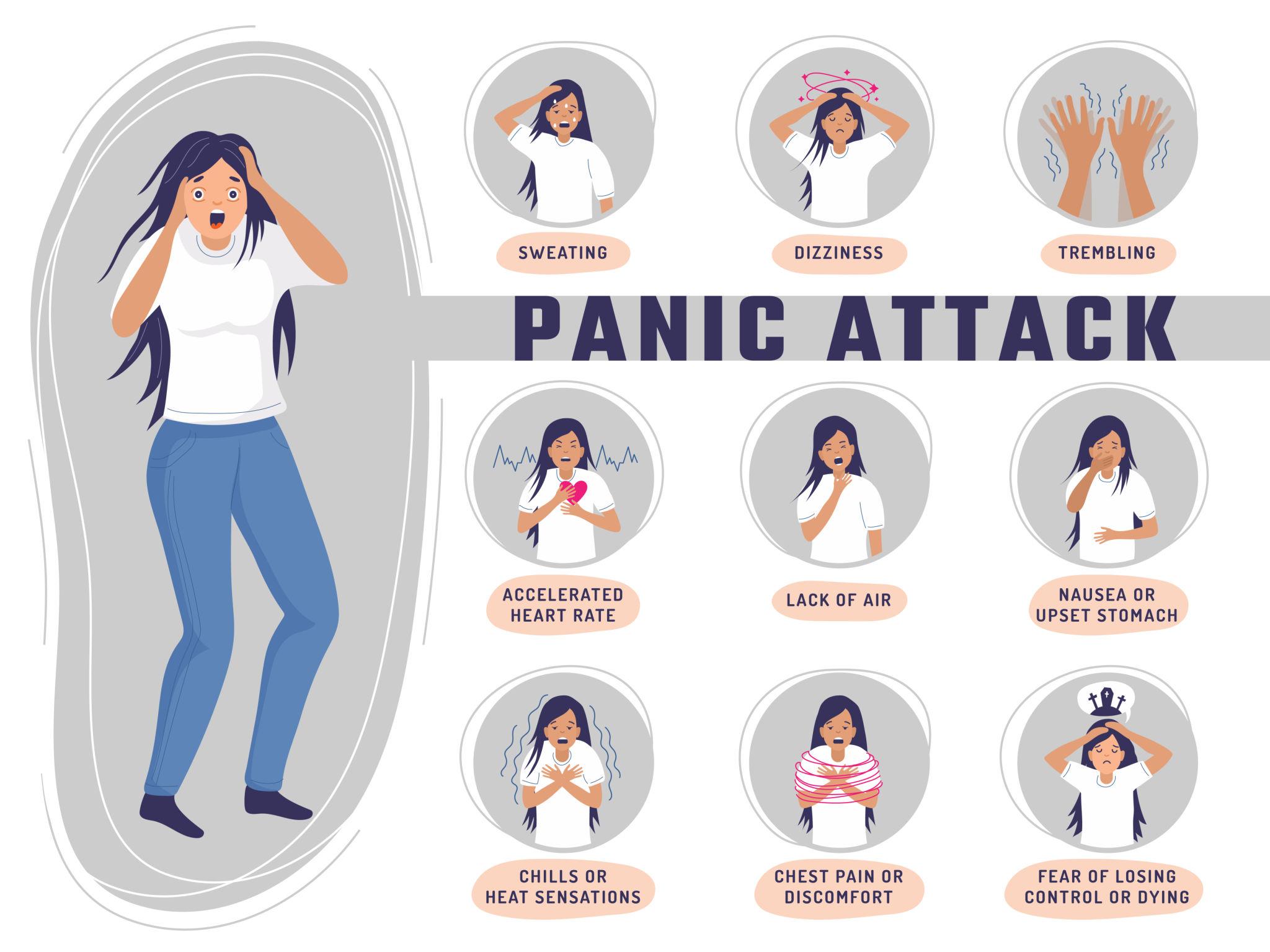
Coping Strategies for Students
Being a student ain’t easy, right? You’ve got exams breathing down your neck, that never-ending pile of assignments, and a social life that’s doing its best to stay alive. No wonder panic attacks become your unwanted college buddy. Seriously, research shows that a third of students battle anxiety disorders, a number notably higher than the average Joe out there. Maybe it’s the shaky self-esteem or the love-hate relationship with exams. Whatever it is, it’s a thing, a real big one.
So, here’s the plan for students who wanna kick panic attacks to the curb:
- Reach Out for Backup: Head to the campus counseling center or hit up a mental health pro. They’re your go-to squad.
- Mind Your Mind: When anxiety hits, try some deep breaths or meditation. It’s like having a chill pill without the actual pill.
- Routine Stuff: Keeping your days in order with a routine can keep you grounded and give you a sense of control.
- Move It: Get the body moving and the stress will slowly back off. Think of it as endorphins vs anxiety, and endorphins are the champ.
- Look After Yourself: Snooze once in a while, eat more than just chips, and remember to chillax. Your mind and body will thank you.
Try sprinkling these strategies into your day-to-day and you might just keep those panic attacks at bay while boosting your overall vibe.
Considerations for Working Professionals
Working world, schmorking world, am I right? It’s full of pressure points that could set off a panic bomb. Deadlines loom, bosses have their quirks, and somehow weekend plans slip through your fingers. It’s enough to make anyone’s heart race.
Here’s the lowdown for stressed-out workers needing a lifeline:
- Draw the Line: Know when work stops and “you time” begins. It’s the key to keeping stress at arm’s length.
- Find Your Zen: Whether it’s yoga, jotting in a journal, or just plain breathing calmly, sprinkle bits of stress-busting activities in your day.
- Call in the Pros: Don’t be shy to ring up a therapist or tap into your company’s EAP. They’re a lifeboat you should totally hop on.
- Speak Up: Chat with your boss or work mates about anxiety waves. They can’t help unless they’re in the know.
- Take Fiver: Smash the pause button and recharge as you go through your workday; it’ll keep that burnout monster away.
By understanding and responding to the hurdles working peeps face, you can fend off panic attacks and keep rocking in both personal and professional life. You got this!