Let’s talk about panic attacks, those wild, heart-pounding moments that can really throw you for a loop. For folks battling panic disorder, knowing what’s going on can make a big difference in tackling these intense episodes.
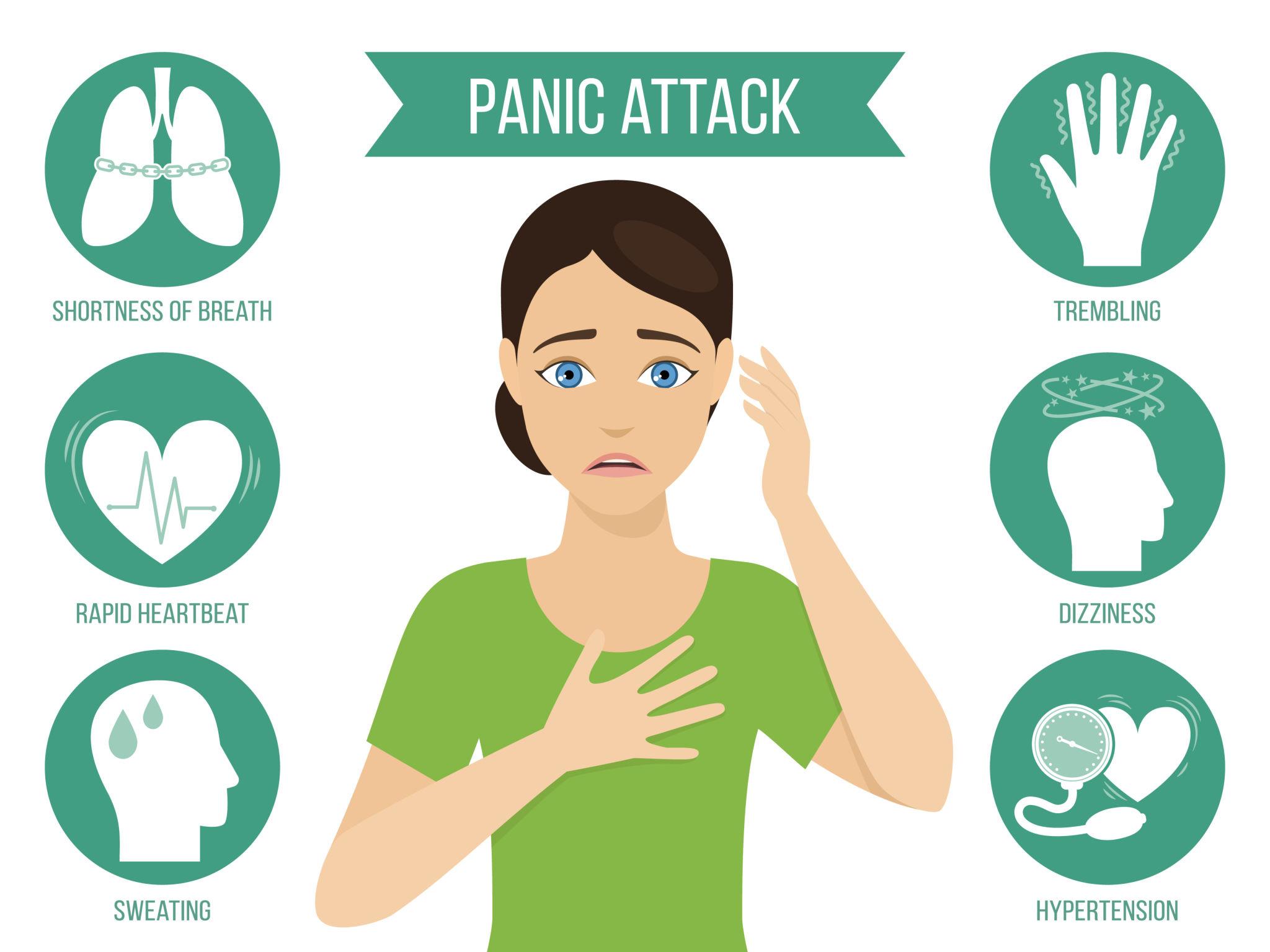
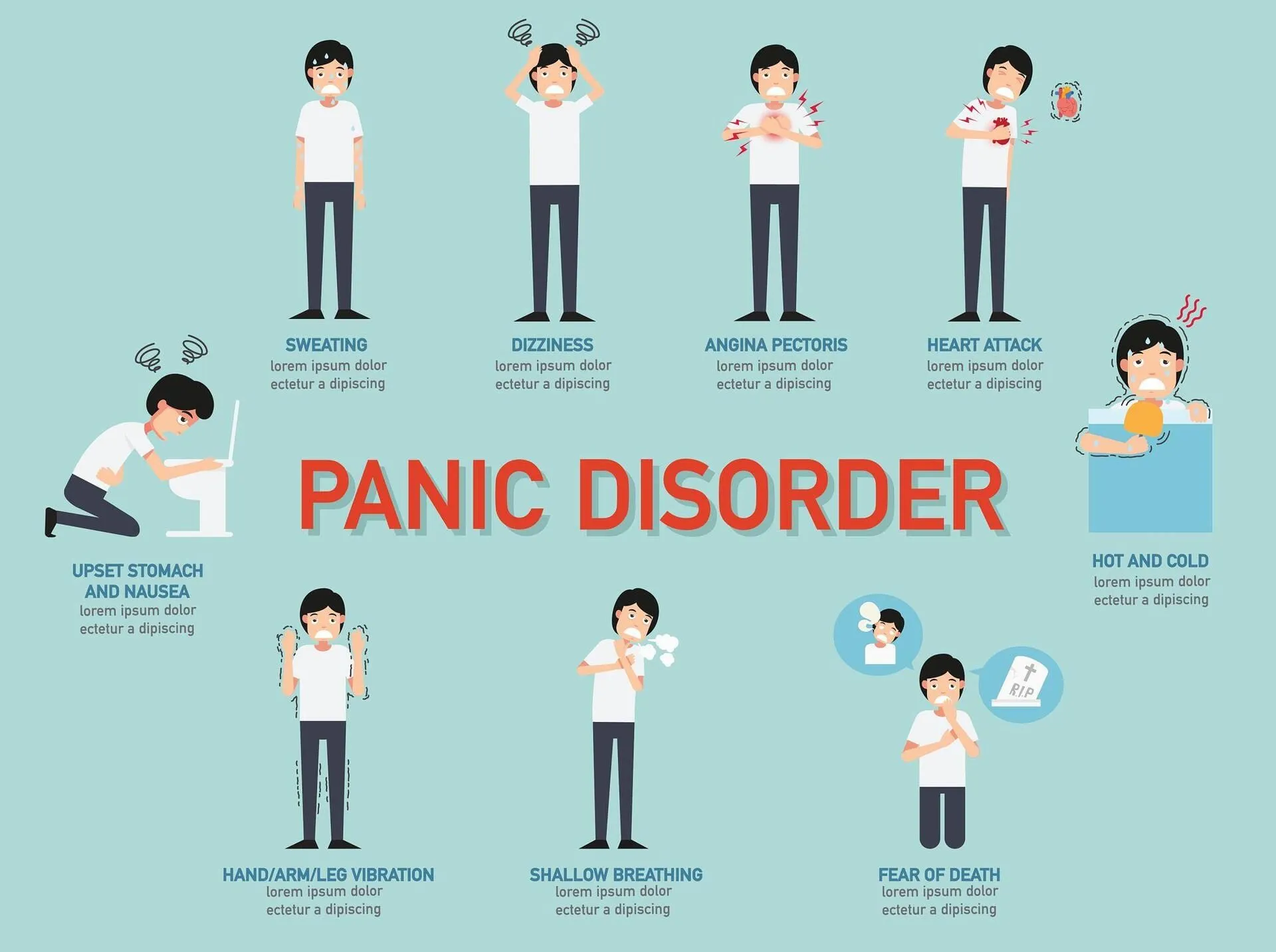
Panic attacks? Think of a sudden storm of fear that hits without warning. Your heart races like it’s in a sprint, breaths are hard to catch, and that queasy feeling in your stomach might make you think you’re about to keel over. It’s not just a little stress; it’s like your body’s going haywire. According to Healthline, the symptoms are real and they can make just getting through the day feel like climbing a mountain.
If you’ve had one of these attacks, you know it feels like things are spiraling out of control. You might even think you’re facing some massive disaster. The reality, though? Panic attacks themselves aren’t going to harm you physically. Figuring out what kicks these episodes into gear is super helpful in hanging on when they show up.
Significance of Panic Disorder
So, maybe it’s just a panic attack now and then. But if they keep crashing your party, it might be panic disorder. Healthline tells us it’s all about frequent, sudden attacks that can keep you living in fear of the next one. It’s like a siren constantly blaring in the back of your head, disrupting everything from work to your personal life.
If you think panic disorder is messing up your groove, don’t just tough it out. Reach out to a pro who can help you sort things out. Treatments like therapy or meds, as suggested by Cleveland Clinic, can seriously help in taking your life back from these bursts of panic. Getting a handle on what panic disorder really means and finding the right support are your golden tickets to feeling like yourself again, free from those unexpected whirlwinds.
Factors Contributing to Panic Attacks
Grappling with panic attacks ain’t a piece of cake, is it? Recognizing what kicks these episodes off and understanding the risk factors lurking behind them is like having a trusty roadmap. It’s all about giving folks a better chance at managing these anxiety eruptions.
Triggers for Panic Attacks
Panic attacks hit like a freight train—think heart pounding like a drum, gasping for air, or that queasy feeling in your stomach (Healthline). While what sets ’em off can differ from person to person, there are a few usual suspects:
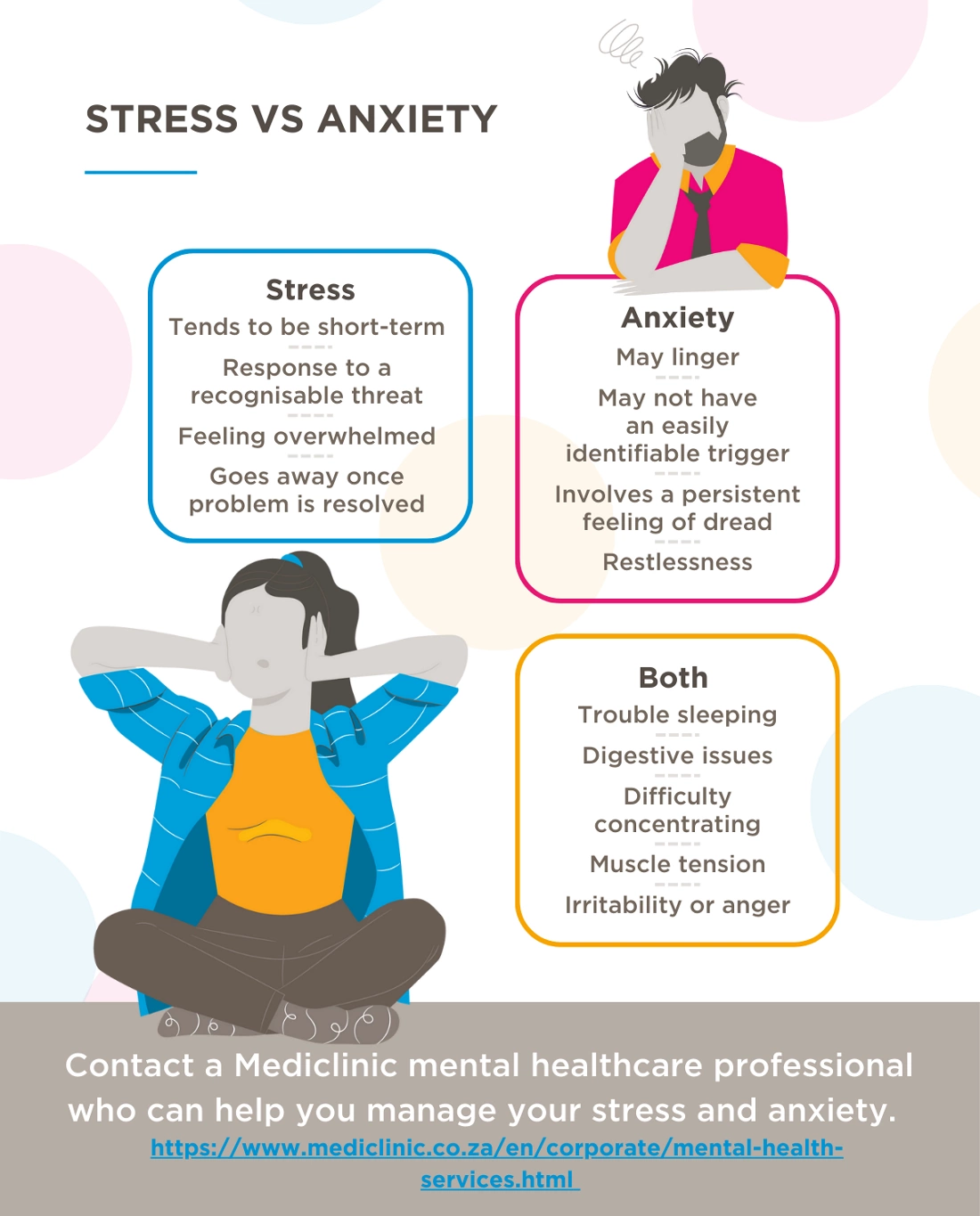
Stress: Much like that unreliable friend, stress has a knack for turning up when you least want it: be it from work overload, relationship squabbles, or life’s mischief. Can stress cause panic attacks?.
Sleep Disturbances: Not getting enough shut-eye or waking up in the middle of the night ain’t just a mood killer—it puts you smack in the panic attack danger zone. How sleep deprivation impacts panic episodes.
Trauma: Those who’ve seen their fair share of life’s harsh realities often carry around a panic attack trigger in their back pocket. The link between trauma and panic disorders.
Each person deals with their own list of culprits, so finding your personal triggers can be the first step in taking control.
Risk Factors for Panic Disorder
Ah, panic disorder—that fiendish shadow lurking with its recurrent attack surprises (Healthline). While no mad scientist has quite pinpointed its origins, some risk factors have a starring role:
Genetic Predisposition: Some folks have brain chemicals like GABA and serotonin that don’t always play nice, possibly throwing gasoline on the panic fire. The role of genetics in panic disorders.
Gender Disparities: Seems those assigned female at birth draw the short straw, being twice as likely to experience panic disorder than their male counterparts. It’s a gender card that’s worth investigating for better-targeted help.
Prevalence: You might see it more than you’d think – nearly 11% of the U.S. folks face a panic attack annually, and close to 2%-3% wrestle with panic disorder (Cleveland Clinic).
Grasping these elements means you’re better armed in your battle against panic disorder, enabling all to support their mental health with a proactive swing. Here’s to kicking panic attacks to the curb.
Best Apps for Identifying Panic Triggers
Alright, folks, it’s no secret we’ve all been clinging to our phones — and not just for doom-scrolling. Mental health apps are making a boom, with a whopping increase of over half during the 2019-2021 period, according to Brookings. It’s clear tech is becoming a lifeline for those of us wrestling with panic attacks. So, let’s take a peek into this bustling world of pocket therapists designed to help us dodge those panic triggers like ninjas.
Current Mental Health App Trends
If you’ve been browsing through your app store, you’ve probably noticed there are apps for just about every mental health itch you need to scratch. Whether it’s meditation buddies like Calm or Headspace whispering sweet nothings to help you breathe or a superhero therapist in your pocket like BetterHelp, there’s something for everyone. And then there are those cool AI sidekicks – think Elomia, Wysa, and Woebot – ready to lend an ear without judging your breakfast taco choices (Brookings). All these options together are like a buffet of wellness goodness, offering a balance of self-care, a comforting shoulder in the form of a therapist, and a digital hand to hold when you’re in the trenches.
Mobile Apps for Panic Disorder
With over 10,000 mental health apps hanging out on the digital shelf, many are like that friend who’s always there to help you sort out what’s got your heart racing (PMC). These apps bring a grab-bag of tricks to the table — think self-management tips, interactive exercises, a library stocked with resources and even a direct line to chat with real-life mental health pros. They might not have capes, but they’re lifesavers for figuring out what’s setting off your panic meter and on the double, too.
Whether you’re stuck in a moment of panic or plotting out long-term peace of mind, these apps are like handy little guides ready to help you sail the rocky seas of anxiety. Through cool features and a kick of personalization, they help you track those panic monsters and swing back with plans that get you back on track. It’s all about handing you the reins and shaking off that feeling of chaos when emotions climb sky-high.
User Perspectives on Mental Health Apps
Peeking into what users say about mental health apps paints a clear picture of how these tools help folks tackle anxiety and similar hurdles. Let’s see what’s buzzing.
User Feedback and Reviews
What people say in reviews really colors how we see mental health apps, especially those for anxiety. When folks rave about an app, they often mention how the info is spot-on, it doesn’t cost an arm and a leg, and how it’s as easy to use as catching a nap on a Sunday afternoon. Users love the way these apps slip into their lives without causing a ruckus and offer kind, no-strings-attached support. These gems of apps give people a feeling of strength and control over their mental well-being (PMC).
Flip that coin, and complaints might crop up about onboarding difficulties, worries about privacy data being treated like loose change, or challenges for those with physical hurdles. Chipping away at these issues is a must for developers looking to boost the app’s rating and get more folks on board for help with anxiety and panic flare-ups.
Barriers to App Adoption
Even though mental health apps have sprung up like mushrooms after rain, some bumps in the road keep many people at bay. Privacy worries aren’t just whispers in the night; they’re loud and clear blockers. Knowing they’re keeping my private stuff under lock and key and telling me the ins and outs of how it’s used builds trust in a big way (Brookings).
If an app makes you feel like a fish out of water right from the start, you might toss it aside and look for something a little more friendly. Simple interfaces and walk-you-through-it instructions can turn frowns upside down.
And let’s talk accessibility—apps should roll out the welcome mat for everyone, including those with disabilities. Keeping the doors open wide and fine-tuning features based on what users are saying can make these apps the go-to for battling anxiety and dread.
Listening to users, embracing the feedback, and bulldozing those adoption roadblocks are steps toward aging like fine wine in the mental health app scene. When developers keep the focus on what users actually need and feel, they craft tools that help folks march on with boldness and a little peace of mind in their mental health journey.
Promising Mental Health Apps
Taking charge of anxiety these days often involves the nifty aid of mental health apps. They’re like your pocket-sized sidekick offering support, tools, and handy strategies right when you need ’em. Here’s a peek into some of the top anxiety-fighting apps expected to shine in 2025, with features that really make ’em pop.
Top Mental Health Apps for Anxiety
MindShift CBT
Overview: Think of MindShift CBT as your anxiety-busting buddy. It’s got your back with proven tricks from Cognitive Behavioral Therapy (CBT) to handle anxiety, panic, and even pesky perfectionism.
Key Features:
Chill-out tools and mindfulness to help keep your cool.
Expert tips on sorting out those tricky thought and feeling tangles.
Real-life strategies for those pressure-cooker moments.
A community hangout spot for some solid peer support.
Key Features of Leading Apps
When folks are on the lookout for smart ways to tackle anxiety, a few must-have features pop up. These tools are the secret sauce ensuring users find each moment with the app useful and transformative.
Personal Touch:
Offers tailor-made advice and exercises, keeping tabs on progress to keep you motivated.
Set-your-own goals to tackle what really gets your anxiety gears grinding.
Hands-on Activities:
Dive into interactive exercises, from mindfulness to relaxation, for when life throws an anxiety curveball.
Mix of proven practices like CBT and mindfulness meditation rolled into fun, bite-sized helpings.
Help at Your Fingertips:
On-the-spot connections to crisis helplines or chat support if things get overwhelming.
A treasure chest of articles and self-help guides to arm you with the know-how to face anxiety head-on.
Easy-to-Use Design:
User-friendly menus and layouts that make using the app a breeze.
Simple steps and prompts ensure you’re never left guessing, with helpful feedback to track your journey.
Keep it Private:
Steadfast privacy rules to keep your info safe and sound.
Layers of data security measures, so what you share stays between you and the app.
Checking out these top-notch mental health apps, you’ll find resources and approaches that encourage better mental wellbeing. They offer practical support, science-backed solutions, and a user-friendly vibe that help keep anxiety in check and emotions more balanced.
Ensuring Privacy in Mental Health Apps
You know, when I use mental health apps, I’m laser-focused on privacy. It’s one of those big deal things that determine whether I’m going to stick with an app for support or bail out faster than you can say “data breach.” Trust is built on knowing my personal stuff is safe and sound. So, let’s dive into the privacy riddle of these apps and decode what keeps my secrets, well, secret.
Privacy Concerns in Mental Health Apps
According to a Brookings study, out of 32 apps, 22 had some messy privacy stuff going on. We’re talking issues where data got tossed around willy-nilly, users had next to no control over their info, and records were a hot mess. It’s no shocker that people are losing sleep over how their personal nuggets are being passed around in app-land.
Imagine my life details on these apps – gender, who I love, what’s been going on in my head. Picture that getting into the wrong hands or being shared with some smooth-talking advertisers. That’s a privacy nightmare right there! It’s essential to keep an eye on what’s being shared, ensuring that all this valuable info doesn’t fall into shady territories.
Data Security and Ethical Issues
Back in March 2023, remember the ruckus when the FTC went after BetterHelp? They had gotten cozy with external companies, handing over personal intel which wasn’t theirs to share, all for some advertising dollars (Brookings). This kind of breach serves as a wake-up call to everyone—data security isn’t just a fancy term; it’s the cornerstone of trust in a mental health setting.
App makers gotta step up their game. We’re talking tough security protocols to guard against prying eyes, asking for permission before using data, and being crystal clear with their data handling game plan. This is more than just ticking boxes for the regulators; it’s about creating a safe space where folks can openly address mental health without the worry of their details slipping into public view.
By shining a light on privacy issues and tackling data security head-on, mental health apps can build that fortress of trust we all need. It’s not just about keeping users around; it’s about showing that these apps are allies in our mental health journey. When privacy and ethics are the name of the game, we’re free to use these digital helpers with confidence, knowing our secrets remain locked away where they belong.