You ever had that heart-pounding terror sneak up on you outta nowhere? That’s a panic attack. These little monsters jump out of the shadows and hit hard when you’re least expecting it. They mess with your head and body, leaving you feeling like you’re losing it. Knowing what’s going on can really help in sorting these bad boys out and getting folks the right help.
Think of panic attacks as your body’s way of hitting the panic button out of the blue. You get slammed with a mix of crazy intense fear and a bunch of unpleasant symptoms like a freight train. Your heart races, you’re sweating bullets, and it’s like your breathing’s been snatched away. People might freak out thinking this is where it all ends, like, “Am I losing my mind here?”
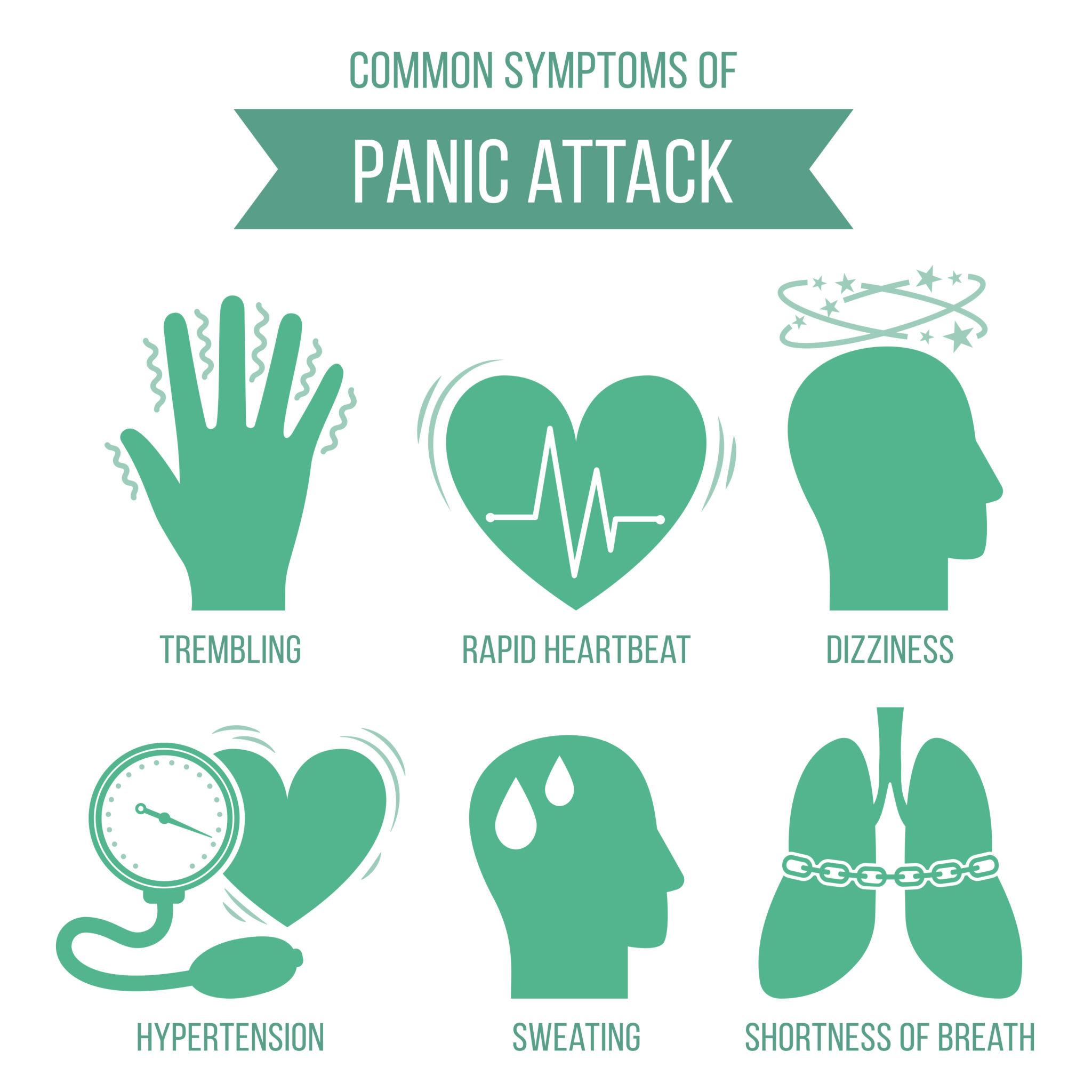
Here’s a laundry list of what you might feel when a panic attack hits:
Your heart’s doing the cha-cha or just going bananas
Sweating like you’ve run a marathon
Shaking like a leaf in a storm
Feeling like you’re suffocating
That weird choking sensation
Chest might feel like it’s got a ton of bricks on it
Stomach doing flips, maybe a bit of nausea
Dizzy spells or like you’re gonna pass out
Random chills or you’re overheating
Limbs might go numb or tingle
You might feel like you’re in a dream or not really in your own body
Terrified of losing control or “going nuts”
Scared you might just drop dead
Spotting these panic-attack warning signs is like having a map. It helps both you and your doc to figure out what sets ’em off, how to deal, and get the right treatments to keep your cool. Wanna get the full scoop on what lights these fuses come 2025? Check out our 2025 panic attack triggers article.
Causes of Panic Attacks
To grasp what’s behind panic attacks, we gotta consider the mix of biological stuff, mind games, and the world’s curveballs that make these overwhelming moments more likely.
Biological Factors
Okay, so let’s talk biology – your genes and brain chemistry can play tricks on you. If your family tree’s got a history of anxiety, you might be more likely to experience these panic moments. Yes, blame it on the gene pool—sometimes, it’s all in the family. Scientists have found out that neurotransmitters, like serotonin and norepinephrine (fancy words, I know!), might go a bit bonkers and stir up those dreaded attacks.
Psychological Factors
Now, onto the mind. If you’ve had some rough times or stress that seems to never end, your brain might be setting you up for panic attacks. Folks with haunting pasts or emotions they haven’t sorted can find themselves more frazzled. Plus, if your life feels like a stress test every single day and you’re dealing with it but not really dealing with it—cue the anxiety which could lead to those chest-pounding episodes.
Environmental Triggers
Then there’s the world outside—the wild card. Life events whap you on the head, routines do a 180, and here come the panic attacks. Memories of past fears, dodgy situations that get under your skin, or even social stuff that get you jittery can all flip the panic switch. Knowing what sets you off is half the battle; it’s like not backing into a corner when you see a storm brewing.
When we piece together the gene confetti, the headspace battles, and all the stuff life throws at us, we get a much fuller picture of why panic attacks happen. With that knowledge, you and the pros can cook up a plan to tackle these episodes head-on before they spiral. Don’t forget, mental health experts are your allies, and the right strategies can put the brakes on the chaos, helping you live life without constant freakouts.
Conventional Treatment Options
Alright, let’s get real about panic attacks and panic disorder. There’s the go-to options folks tend to lean on: medications and good ol’ psychotherapy.
Medication for Panic Attacks
When it comes to beating back those panic attack demons, medicine can really be your best buddy. Some docs say that sertraline and escitalopram are top dogs when dealing with panic disorder. Why? They’re effective and don’t mess you up too much with side effects. This info comes straight from medical whizzes over at the American Academy of Family Physicians. These pills can take the edge off those overwhelming feelings, letting you catch your breath.
Antidepressants, especially SSRIs or tricyclics, are often recommended when managing panic attacks. They’re known to lighten the load of severe panic symptoms and can even stop a full-blown episode in its tracks while boosting your quality of life. If one med doesn’t do the trick, doctors might try another one or mix things up to find what works best. It’s kinda like trying on shoes – not everything fits first go.
Psychotherapy for Panic Attacks
Then there’s the one-on-one chats, or as the experts call it, psychotherapy. Cognitive Behavioral Therapy (CBT) is often the MVP here for those who battle panic attacks. It’s like getting a manual on how your brain works, teaching ways to kick anxiety-fueled thoughts to the curb (Mayo Clinic). Through therapy sessions, folks face up to the things that get their hearts racing and learn how to handle, maybe even embrace them.
And if group settings are more your thing, you might find Cognitive Behavioral Group Treatment (CBGT) as useful. Research shows it’s a step up from just getting supportive talks for social anxiety (PubMed Central). By using a combo of different strategies, a real game plan can be made to tackle panic head on.
All in all, blending meds with therapy gives a one-two punch to panic attacks, especially looking into the crystal ball of 2025. With medications helping chemically and therapy building up mental strength, folks have a fighting chance at beating the panic and living their best lives.
Promising Alternative Treatments
When it comes to handling panic attacks, we’ve got some fresh ways through new meds and tech-based therapy that’s got folks talking.
New Meds in Town
Doctors are always on the lookout for fresh drugs to tackle panic disorder. Something called Eglumegad, which geek talk describes as an mGlu 2/3 receptor nerd, is doing some good stuff in cutting down panic problems. There’s also Levetiracetam, generally used for epilepsy, but showing it’s not scared of tackling anxiety issues too. These new meds give hope to folks who haven’t clicked with the usual treatment.
There’s more in the mix like duloxetine, reboxetine, mirtazapine, and nefazodone—names that might seem from a sci-fi movie but might be good news for panic disorder patients (NCBI). They offer something fresh and possibly more tolerable against the usual meds, which might be just what someone struggling with panic disorder needs.
Tech-based Therapy for Panic Attacks
Tech and mental health coming together? It’s a match! Prescription digital therapeutics, like DaylightRx, are changing the way we handle panic attacks. DaylightRx, approved by the FDA, steps in to help folks over 22 years dealing with Generalized Anxiety Disorder. And, it’s got a track record—70% feeling better and staying that way for more than half a year (Psychiatric Times).
These tech therapies are easy to reach and effective, which is why more people are using them. They offer engagement in a way that might suit specific needs, and with tech always moving forward, the room for customizing your experience is huge. Mixing digital therapy with old-school methods could provide the added support needed for long-term anxiety management.
By exploring these fresh treatments, those wrestling with panic attacks have a broader menu of options to suit their needs and tastes. As science keeps finding new stuff, the future looks bright for customized and effective ways to tackle panic, leaving individuals feeling empowered and on the path to recovery.
Managing Panic Attacks
Dealing with panic attacks is no walk in the park, trust me. The key is to have some solid strategies up your sleeve for handling those intense moments and also figuring out ways to keep them from coming back as often or as strongly.
Coping Strategies During Panic Attacks
When that wave hits, calming yourself is job number one. Here are some things that can help right then and there.
Deep Breathing: Sometimes you forget to breathe right when anxiety rolls in. Try this—take a big breath through your nose, hold it for a few, then let it out slow through your mouth. It helps calm the storm.
Grounding Techniques: Anything around that you can see, touch, hear, or even smell? Focus on those to drag yourself back to reality and away from those spiraling thoughts.
Progressive Muscle Relaxation: Start from your toes and go upwards, tensing and then relaxing each muscle group. It’s like a mini-project to send your body the memo to chill out.
Mindfulness Meditation: Tune in to what’s going on inside you without judging any of it. Let thoughts float by and just breathe. It can give you a bit of peace and the upper hand against the chaos.
Beyond the in-the-moment fixes, it’s good to have a game plan for the long haul—making panic attacks fewer and farther between.
Cognitive Behavioral Therapy (CBT): This one’s all about tweaking those thoughts and behaviors that make anxiety worse. It equips you with tools to handle those panic storms much better.
Exposure Therapy: This can sound a bit scary—facing your fears slowly and steadily in a safe environment—but it’s like training an immune response, reducing freak-outs over time.
Physical Exercise: Turns out, getting your body moving is fantastic for your mind. Whether it’s yoga, jogging, or weightlifting, exercise helps keep those anxious feelings at bay.
Mindfulness Practices: Adding a bit of meditation, yoga, or even some more breathing exercises to your day can balance your emotions better and help you relax. It’s a good way to pull the plug on stress before it sets off panic.
Sometimes, you might need extra support. Many online platforms now offer professional help right from your sofa. Our article on online therapy platforms for panic disorders has some great resources to start with.
Pairing immediate relief tactics with a long-term strategy empowers you to handle panic attacks more effectively. And don’t shy away from reaching out to healthcare or mental health pros for a plan that suits you perfectly. You deserve it, buddy.
Future Trends in Panic Attack Treatment
If you’ve ever felt like you’re plunged into a whirlpool of panic and anxiety, you know how important it is to keep up with the latest ways to tackle these tough moments. As we peek into the crystal ball of panic attack treatment, it’s good to be in the know about what’s shaking up the world of anxiety management.
Advancements in TMS Therapy
Transcranial Magnetic Stimulation (TMS) therapy has been turning heads with its novel approach to anxiety disorders. Recently, some smarty-pants scientists have started tailoring TMS treatments to an individual’s brain wiring, which translates to better results. Using snazzy brain scans and computer magic, these treatments are becoming more out-of-the-box to give your brain what it really needs.
Having multiple TMS sessions in a day is showing promise—they can fast-track relief from anxiety and depression, meaning folks might not need therapy for as long as before (Mind Brain TMS). When paired with antidepressants or a good chat with a therapist, TMS can work surprisingly well, making you feel more on top of things for the long run.
Potential Breakthroughs in Anxiety Disorder Treatment
Pharma is also stepping up with CTx-2103. Cingulate Therapeutics has cooked up a fresh version of buspirone using their Precision Timed Release (PTR) magic. This isn’t just the same old pill; it aims to keep working steadily all day, compared to the old-school short bursts. Just imagine needing only one pill to keep anxiety, OCD, and panic in check (BioSpace).
Anxiety? It’s not a fringe issue. Around 40 million Americans are tangled in its web, and roughly 31% of grown-ups in the U.S. are likely to get caught up in it sometime (BioSpace). This highlights the big push for better, more inventive treatments.
As the brainiacs in labs keep pushing forward, the road ahead for panic attack treatments might just be brighter than we think. There’s a promise of more customized treatments and better ways to chase away the shadows of anxiety. Keep your eyes and ears peeled for what’s up next as we aim for more personal and effective options in handling panic attacks in the coming years.