
 Understanding Panic Attacks
Alright, let’s break this down. Panic attacks—those sneaky, heart-thumping, breath-stealing episodes that seem to pop up out of nowhere—need to be understood for what they really are. It’s not just a bad day or feeling a bit stressed; it’s a whirlwind of sensations that grips you tight.
Definition of Panic Attacks
A panic attack is not just nerves getting the best of you. Imagine sitting there minding your own business, and bam! A wave of intense fear or discomfort crashes over you, hitting its peak in minutes. Your body and mind hit the panic button simultaneously, creating this illusion of impending disaster. The kicker? There’s often no real danger around. It’s like your body decided to throw a surprise party, but forgot to invite any logic.
Symptoms of Panic Attacks
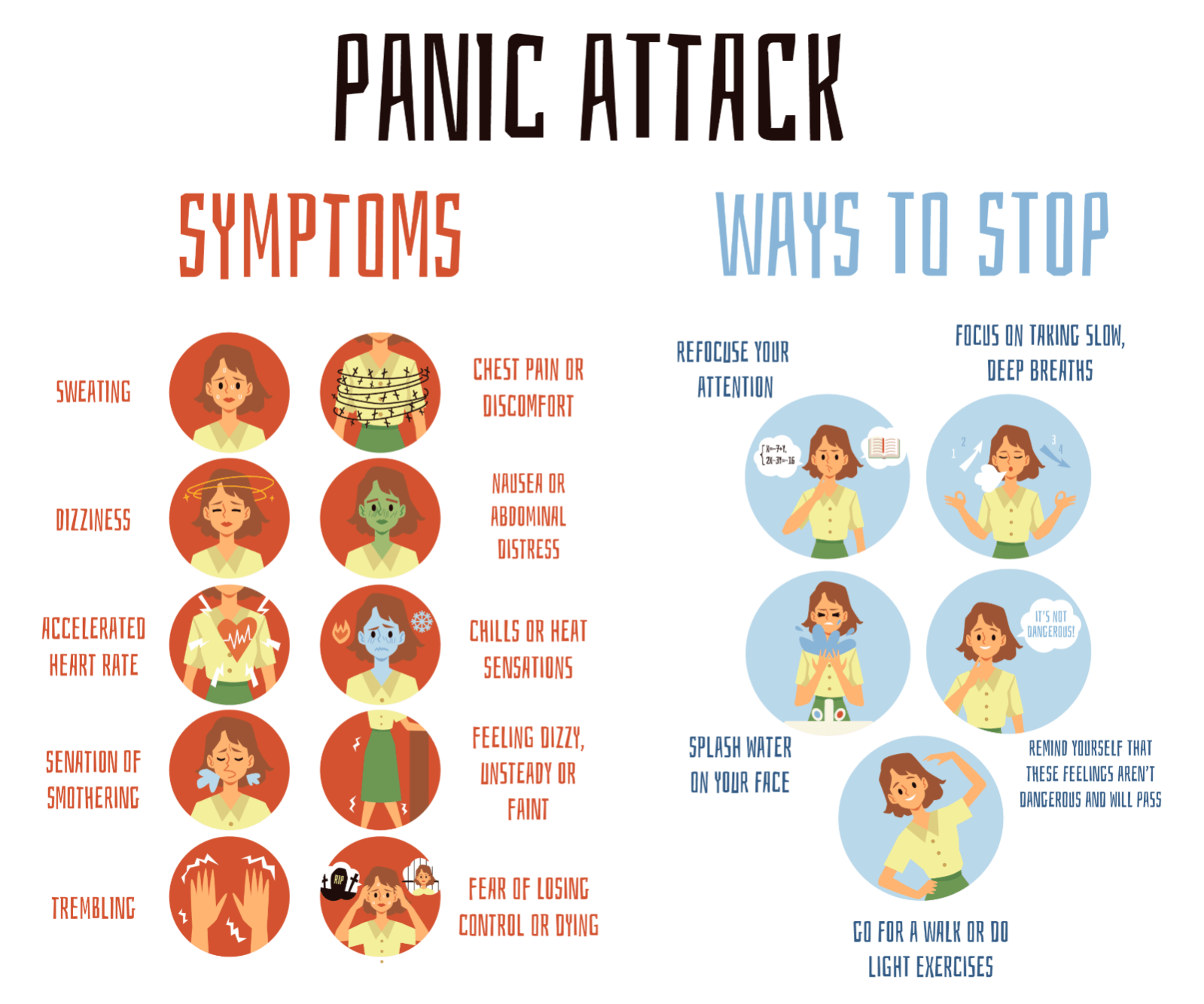
Let’s talk symptoms, cause they can turn a normal day into an emotional house of horrors. Some of the more familiar signs that pop up during these episodes include:
- Heart pounding like you just ran a marathon
- Feeling like the oxygen is playing hide and seek
- Break-out-the-towels sweating or your body doing the chill dance
- That annoying chest pressure that makes you wonder if it’s all in your head
- Your stomach doing somersaults or deciding it hates you at the worst times
- A dizzy spell that makes standing feel like a challenge
- Limbs take turns buzzing or going numb like they’re not your own
- A terrifying sensation that your mind’s going rogue
- The gripping fear that this all might be the end
For first-timers, a panic attack’s like a full-on mind-body ambush, leaving folks bewildered and scared stiff. Recognizing what’s happening is half the battle and helps you grab that lifeline.
Arming yourself with the knowledge about panic attacks unleashes your power to fight back, restoring a bit of calm with each understanding gained. Through awareness, you learn to strategize, turning those hectic moments into manageable matters and building up your very own resilience toolkit.
Factors Contributing to Panic Attacks
Let me take you on a ride through the chaos that is panic attacks. Don’t worry, I’ve got the map. Panic kicks you right in the gut when both biology and environment team up against you. Figuring out this unholy alliance gives you the upper hand in tackling these freak-outs.
Biological Factors
Biology ain’t just bats and birds; it’s a key player in panic drama, too. Think of it like your weird family reunion—genetics, neurotransmitters, and hormonal swings all hanging out, causing fuss. Got anxiety in the family tree? You’re likely to get the short end of that stick, feeling more panicky than Uncle Bob at a vegan picnic.
Those tiny brain chemicals, serotonin and norepinephrine, are the regulators of our vibe and stress. When they’re not doing their job (typical), it ramps up anxiety and, boom, you’ve got a panic attack (how hormonal imbalances trigger panic attacks).
And let’s not forget the everyday culprits like stress, lack of sleep, or that quadruple espresso (can caffeine induce panic attacks). They’re the straws that break the biology’s back. Tackling this mess means a cocktail of pills, therapy, and life tweaks.
Environmental Triggers
Now let’s chat about what’s happening around you. Picture a minefield of situations, events, and random stuff making your heart race. Life throws curveballs like it’s a game—stressful events, past trauma, social jitters, and all those phobias that come out to play when you least need them.
Been through something traumatic? Yep, seeing or experiencing triggers can make you hit those panic spikes faster than a cat video goes viral (the link between trauma and panic disorders). Change is another troublemaker—new jobs, break-ups, or financial lows stir the anxiety pot real good.
Spotting these everyday troublemakers helps you beef up your defense. Therapy, chilling techniques, or stress-busting tactics can turn this battle with panic into a quick skirmish rather than a long war.
Mixing the biology with what’s happening around you gives you the full picture to craft your own path to peace. Knowing what sets off the alarms means you can get your head back in the game and live life without panic running the show.
Coping Strategies for Panic Attacks
When panic hits like a sudden storm, having some go-to strategies can really help in riding out the chaos. A couple of trusty tricks that folks swear by are working on your breathing and getting your mindfulness game on.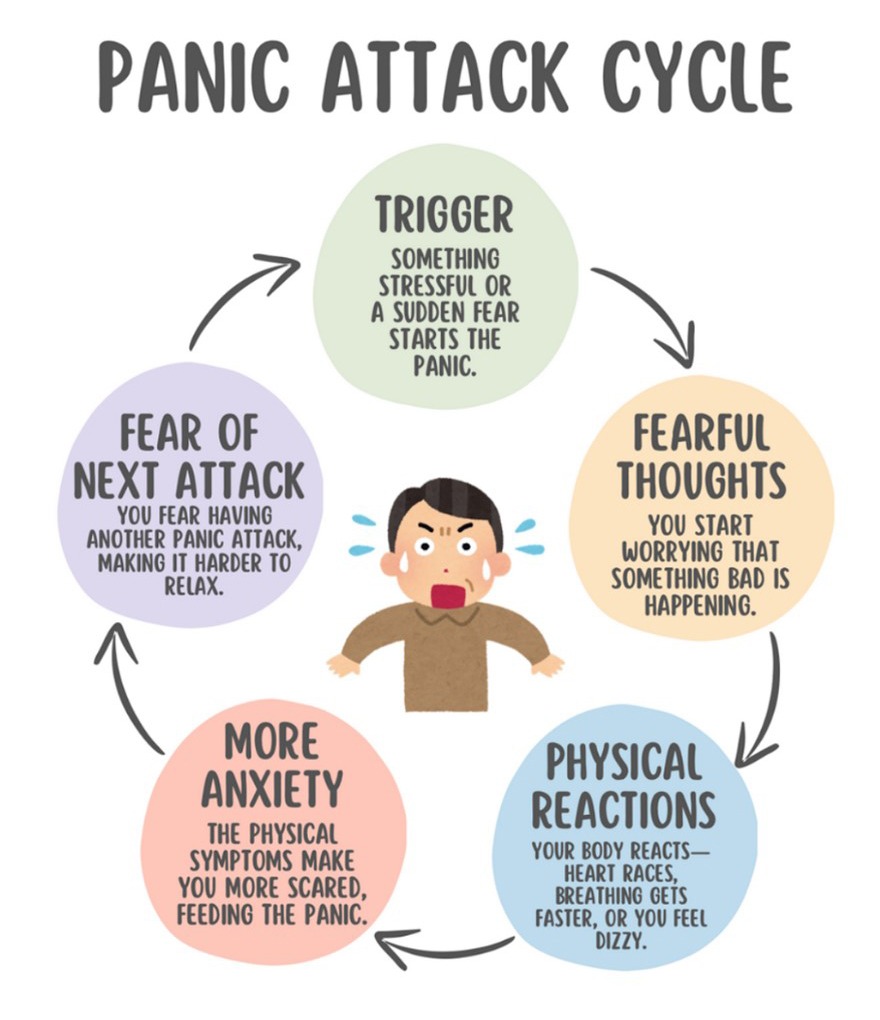
Breathing Techniques
Picture this: your heart’s racing, breaths come in sharp gusts, and it’s panic city. This is where knowing how to breathe—sounds basic, right?—can turn the tide. The trick is to slow things down, like engaging your brain in a chill session instead of a panic party.
One fan-favorite move is what’s called belly breathing. Forget your chest, think about filling your belly, like a balloon. Deep breath in through your nose, let your tummy grow big, and then let it all out through your mouth. Focus on this little routine, let your mind zoom in on it, and soon you’ll find the frantic scrambling of thoughts might ease up a bit.
Another handy trick is box breathing. Four even parts: breathe, hold, breathe out, hold. It’s simple math for your breaths and can anchor you right when you need it most.
Dig deeper into breathing hacks with our detailed piece on breathing techniques to stop a panic attack.
Mindfulness Meditation
Mindfulness is your buddy in the battle against panic. It’s like turning your mind’s lens to zoom in on right now, ignoring the past drama or future worries. Just you, in this moment, with no judgment vibes.
Science backs it up too. A study showed mindfulness could slow your breathing, calm your heartbeat, boss around your stress hormone, and even cool down inflammation (Mass General Brigham). Regular sessions can even tweak how your brain deals with feelings, making you a more seasoned rider of the emotional waves.
Add a dash of daily mindfulness, and you might notice the panic episodes losing their punch. Staying in the now and giving your thoughts a hug, rather than a battle, can bring about some inner zen.
Check out how tuning into mindfulness can be your secret weapon against panic with our article on how mindfulness can help manage panic episodes. By mixing breathing exercises with mindfulness meditation, you can stack the odds in your favor of coming through panic attacks smoother.
Techniques for Panic Relief
Alright, if you’re dealing with those heart-flipping, sweat-inducing panic episodes, I’ve got two tricks up my sleeve for you—guided imagery and visualization. These ain’t just buzzwords, they’re the real deal when it comes to keeping panic at bay.
Guided Imagery
Picture this: guided imagery is all about painting a picture in your mind where everything turns out just the way you’d want. It’s like dreaming a bit while you’re awake. You mentally walk yourself through your best-case scenarios before diving into anything that’s got your anxiety dialed up to 11. The idea is to quiet those nerves by zipping through friendly, happy images and stories in your head, making it easier to chill out and stay relaxed.
Now, think of yourself plonked down on a dreamy beach. You’ve got the softest sand, bluer-than-blue ocean water, and palm trees lazily doing their thing. With this mental getaway, you’ll get a breather and a little escape from panic’s grip. Trust me, imagining this kind of calm can sometimes shut down the chaos that anxiety sends your way.
You’re not just watching inside your head, you’re pulling out all the stops. Bring in the smells of saltwater, the silky sand squeezing between your toes, and that slightly warm breeze hitting your face—every single detail. When you do this, you’re not just chilling out; you’re giving those panic symptoms a well-deserved timeout.
Visualization Practices
Visualization is a bit like daydreaming your way out of trouble. It’s visualizing scenes that make you feel comfy, like mentally throwing a warm, fluffy blanket over your worries. It’s a mental trick to wrestle back some control when the anxiety train is picking up speed.
There’s a buffet of visualization practices out there. Whether it’s daydreaming about becoming a superhero at your next big thing or meditating on feel-good vibes, these techniques work magic on anxiety and even boost your self-esteem. They play a crucial role in whisking away your anxiety blues and bringing you back to a balanced state.
Adding these guided imagery and visualization routines to your everyday toolkit can give you potent ways to rise above those anxious moments. By practicing regularly, you awaken a mind-world of calm, sidestepping panic, and nurturing a stronger emotional foundation.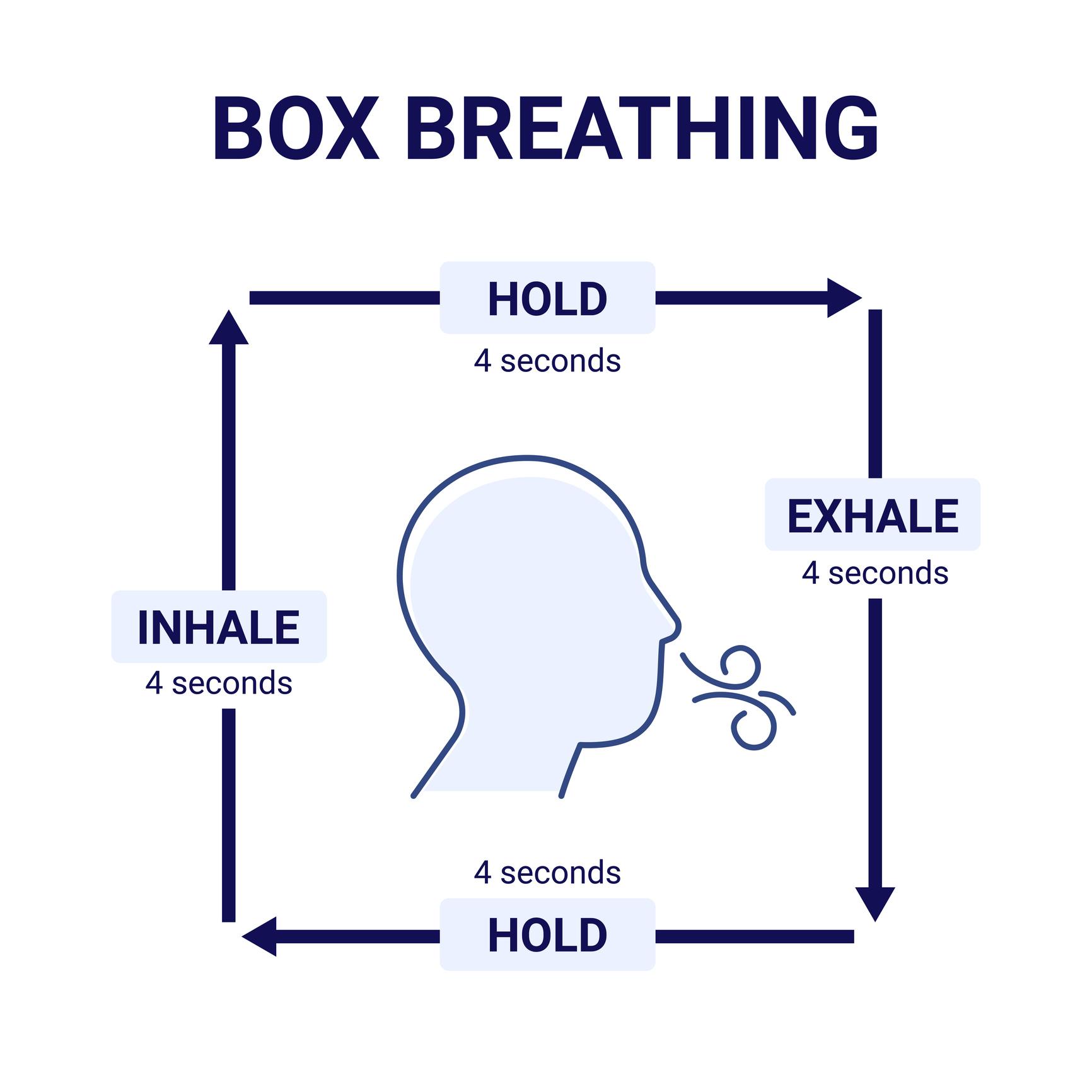
Kicking Back with Guided Meditations
Ever been in the throes of a panic attack and just want to hit the pause button? Enter guided meditations—a handy trick in taming those wild waves of anxiety and zoning in on some much-needed calm. Think of it as a mental getaway, where you create scenes or images that tickle all your senses. Usually, there’s a guide or mentor who takes the lead, helping keep you focused and on track during these chill sessions (Mayo Clinic).
Perks of Guided Meditations
Guided meditations offer some serious perks for folks dealing with panic attacks:
- Stress Buster: Imagine lowering those sky-high stress levels while cranking up the feel-good vibes.
- Kick Anxiety to the Curb: By painting mental pictures, you can dial down anxiety and maybe even change how you view yourself.
- Feel-Good Vibes: These mental time-outs can boost how you feel inside and leave you peaceful and chill.
Making guided meditations part of your daily groove can be a game-changer for tackling panic attacks and lifting your mental game.
Types of Guided Meditations
- Chillin’ with Guided Imagery: Picture yourself in laid-back spots like a sunny beach or shady forest, offering a brief escape from life’s hustle. It’s your chance to wind down and find solace when anxiety tries to crash the party (Verywell Mind).
- Visualizing Away Your Worries: Tweak your mind’s eye to conjure up peaceful scenes that counterbalance the body’s jumpy fight-or-flight response. These strategies lend a hand in curbing anxiety spikes, helping you channel that inner peace (Verywell Mind).
- Compassion Meditation: This one’s about seeing yourself and others with kindness and understanding. It’s like an empathy booster shot—less stress, more good vibes (Verywell Mind).
To really soak up the gains from guided meditations, try sprinkling visualization exercises a few times throughout your day, especially when anxiety’s knocking. If managing those jitters on your own gets tricky, a little help from healthcare pros can provide extra support and insights. By weaving these mental exercises into your routine, you can bolster your calmness and toughen up against the storm of panic attacks.
Long-Term Management of Panic Attacks
Taking on the beast that is panic takes more than a quick fix. It’s like training for a marathon, not a sprint, building up the mental muscles to keep stress and anxiety at bay. Two go-to methods for the long haul are Mindfulness-Based Stress Reduction (MBSR) and making changes in everyday life to focus on looking after yourself.
Mindfulness-Based Stress Reduction (MBSR)
MBSR isn’t just another buzzword – it’s been getting heads nodding since a study hit the scene back in ’92. This 8-week program does more than just talk the talk. It combines guided sessions, mindfulness drills, and moving meditations to give folks a toolkit for tackling life’s curveballs. People who dive into MBSR often find themselves pulling up in the driveway of calmness a lot more often. It helps them deal with panic attacks by being more mindful of their surroundings and staying in the driver’s seat instead of hitting the panic button.
Lifestyle Changes and Self-Care
Taking ownership of how we live day-to-day also makes a huge difference. It’s all about mixing it up to steer clear of stress and stay on the sunny side of the street. Exercise more, sleep enough, and eat well – it does wonders beyond keeping the doctor away. Whether it’s dancing out your worries, grabbing a yoga mat, or sitting down with meditation, these practices can really help in managing emotional roller coasters. Keep your circles supportive – having a tribe you can lean on matters. And don’t forget mindfulness can sneak into anything from washing the dishes to taking a walk.
Everybody’s path is different, but the main idea is the same: stay on this road of self-care. The goal? Building a toolkit of approaches that help keep panic attacks in check. By shifting the focus to long-term well-being, you can handle panic attacks like a pro and keep things balanced. Dive into that mindfulness stuff and tweak your everyday habits because it’s not just about feeling good – it’s about feeling in control.