
 Benefits of Journaling for Panic Disorder
 Benefits of Journaling for Panic Disorder
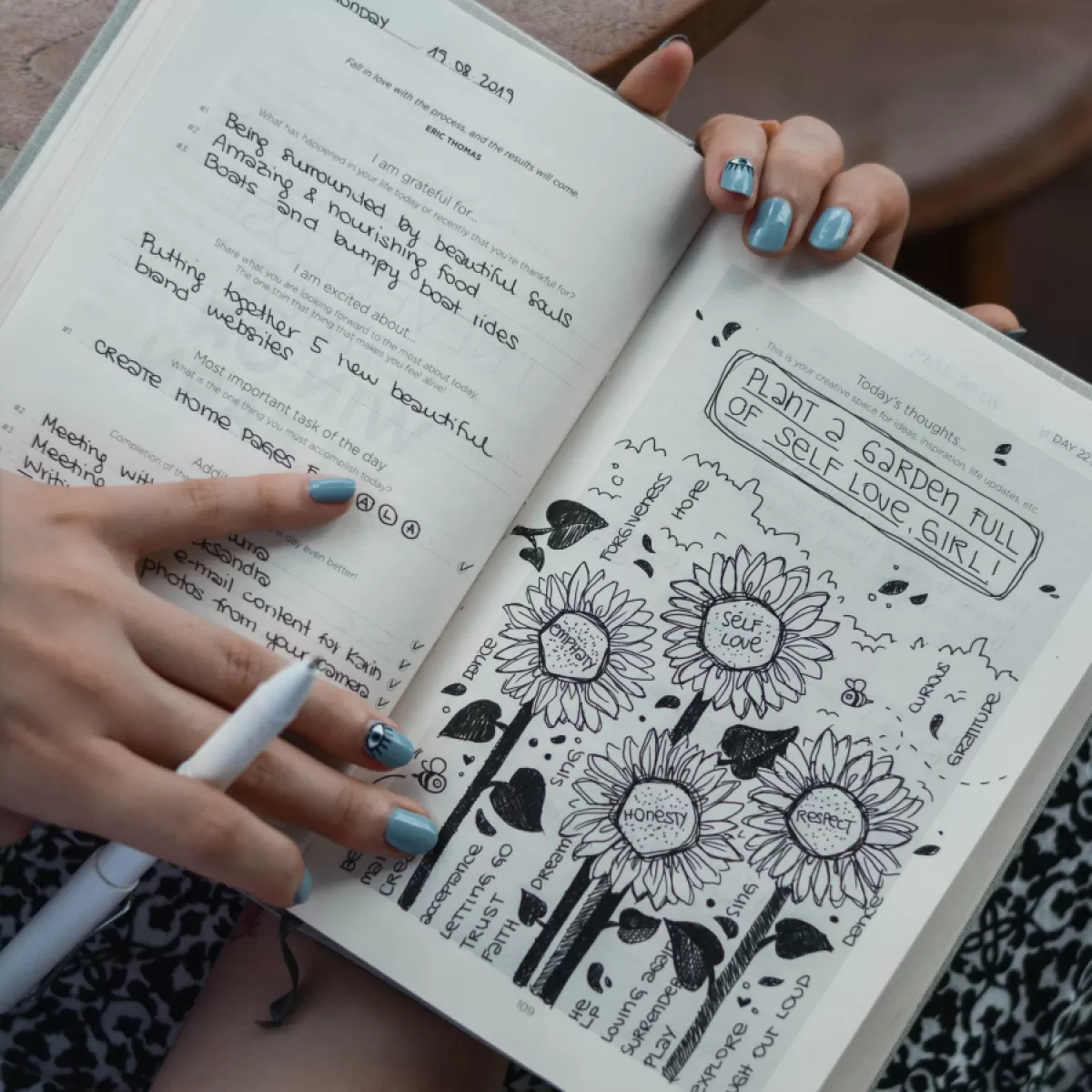
Diving into how journaling helps mental health, especially with panic disorder, I’m here to spill the beans on how jotting down thoughts can tackle stress and anxiety. Writing stuff out isn’t just putting pen to paper—it’s like having a mini therapy session on demand. Trust me on this—I’ve been down the same rabbit hole.
- Benefits of Journaling for Panic Disorder
- Impact of Journaling on Mental Health
- Types of Journaling Interventions
- Journaling for Anxiety Relief
- Clarity and Awareness Through Journaling
- Expressive Writing and Gratitude Journaling
- Challenging Anxious Thoughts
- Personal Growth and Coping
- Journaling for Emotional Resilience
- Best Practices and Tips
- Journal Prompts and Freewriting
- Thought Diary and Cognitive Distortions
- Evidence and Research Findings
- Poking Into Journaling’s Benefits
- The Feel-Good Side of Journaling
Impact of Journaling on Mental Health
Let’s face it, panic disorder can feel like riding an emotional rollercoaster without a seatbelt. Journaling is like having a personal diary where nobody judges you. It’s your space to unload all your worries and fears. Studies back me up on this—people who journal regularly tend to feel way better than those who don’t. In fact, a bunch of studies showed a slight improvement in mental health scores when folks gave journaling a go over those who stuck to traditional methods (NCBI).
Getting into the habit of writing down feelings helps you play detective on your thoughts. It’s like peeling an onion, layer by layer. You get to know your triggers, and those awkward panic moments, and even start noticing patterns. And when you get clued up on the root causes of your anxiety, it kinda pushes you towards self-improvement and new coping tricks.
Types of Journaling Interventions
Fancy journaling to tackle anxiety? There are a few paths you could trot down, and it’s all about what ticks your boxes. Two popular ways to journal for folks with panic disorder are expressive writing and gratitude journaling.
- Expressive Writing: This style is all about letting it rip. Scribble down your emotions, fears, and things that bring you the jitters without filtering your thoughts. It’s been proven to ease anxiety and depressive feelings, putting a lid on distress. People dealing with medical issues noticed an uptick in their mood after just a month of pouring their hearts out on paper (Medical News Today).
- Gratitude Journaling: Here’s where you flip the script. List out stuff you’re thankful for each day. It steers your mind from the stormy clouds to sunny skies, giving you a moment of zen and a brighter outlook on life.
Using these journaling styles on the regular gives folks with panic disorder a chance to turn journaling into a powerhouse of emotional strength, easing the anxiety vibes, and welcoming a good dose of self-discovery and calm.
Journaling for Anxiety Relief
When anxiety’s got you in its grip, there’s this simple magic trick – pen to paper. It’s not just scribbles; it’s a way to make sense of the crazy swirl in your head, spot what’s getting you jittery, and maybe even feel a bit less lost. We’re gonna chat about how jotting stuff down can shine a light on those tangled thoughts and give them some sense, and how that can help calm the anxious vibes.
Clarity and Awareness Through Journaling
Ever tried putting those racing thoughts into words? It’s like taking them out of the dark corner of your mind and seeing them for what they really are. Writing stuff down makes them real, not just whispers or shouts in your head. When you start piecing together your anxieties, you’re starting to see the threads – those little triggers and habits that poke at your peace.
Writing’s not just for figuring stuff out but also for seeing patterns. Like maybe every time you meet a certain deadline, stress spikes or when you skip breakfast, your mood tanks. It’s like having your personal anxiety playbook that can show you what ticks you off. With this sorta awareness, you’re not just a sitting duck when anxiety strikes – you know what’s coming and you can start learning how to dodge or deal.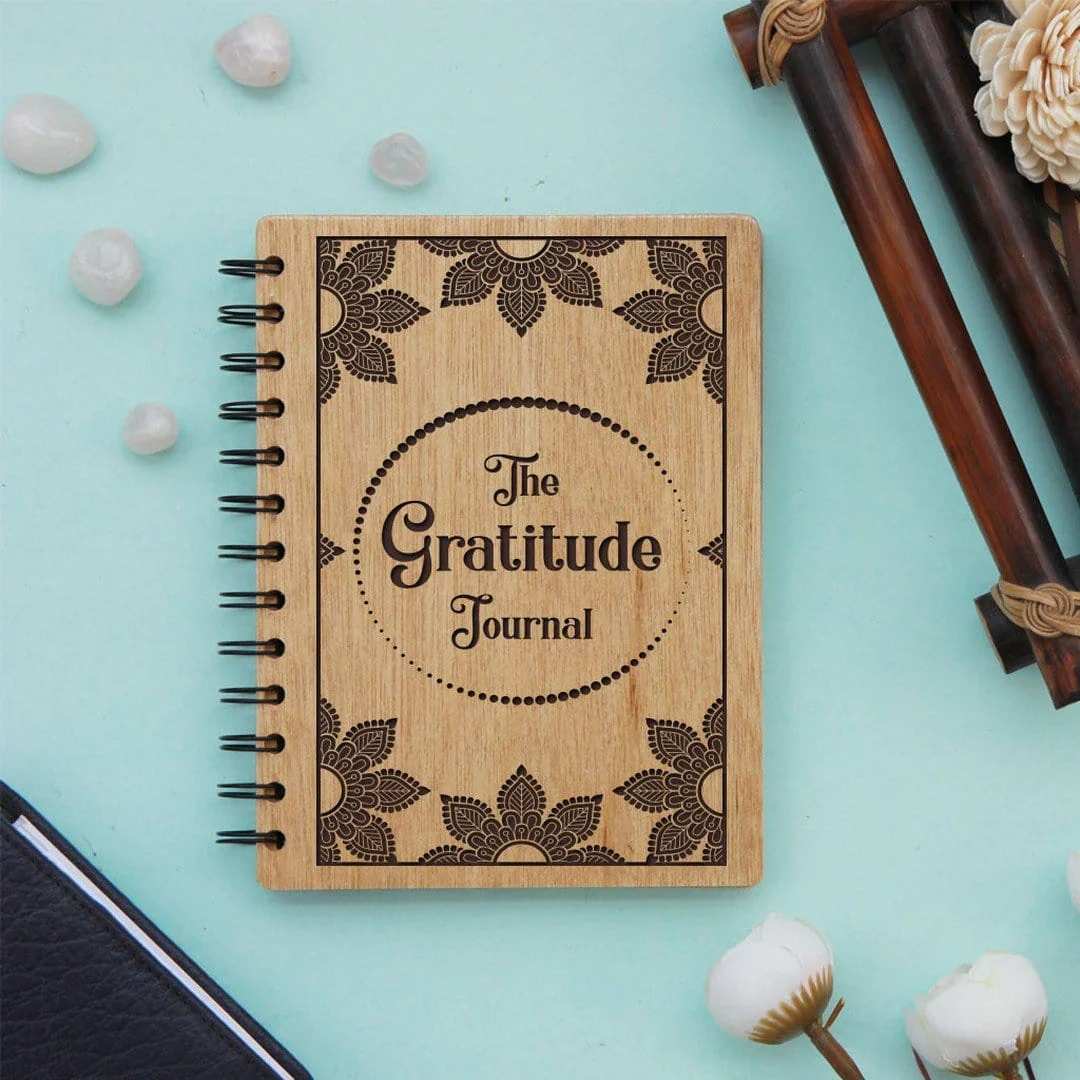
Expressive Writing and Gratitude Journaling
Expressive writing and gratitude journaling aren’t just fancy phrases; they’ve got solid backing in therapy sessions (NCBI).
- Expressive Writing: Here’s where the pen is mightier than bottled-up feelings. Pouring your heart onto paper can be a ticket to emotional freedom. You spill your guts about fears, worries, and whatever’s been eating at you, and in return, you score some sweet relief.
- Gratitude Journaling: No need for a Hallmark-level appreciation. Scribbling daily about little nuggets of goodness changes the focus from gloom and doom to a spark of positivity. It’s like flipping a switch, helping you to see the glass half full.
These little rituals have been shown to cool down the fires of depression and anxiety, especially with regular practice (Positive Psychology). Making space for these practices in your routine means getting to grips with your emotions, spotting triggers, and steering towards a better emotional state.
Challenging Anxious Thoughts
Dealing with panic disorder isn’t just about what we feel, but how we think. That’s where jotting down anxious thoughts and giving them a good grilling comes in. Putting your worries on paper lets you see them plainly and debunk them (Day One Blog).
Here’s how journaling can be your mind’s personal trainer:
- Spot Patterns: Helps you see what thoughts are playing on repeat, sparking panic like a broken record.
- Bust Myths: Ask yourself, “Is this thought even true?” and swap out hand-wringing for more level-headed thinking.
- Track the Wins: Keep tabs on how you’ve tackled those pesky thoughts and give yourself a pat on the back for every step forward.
A handy method for this is a thought diary. It’s your personal log where you can write down what’s bugging you, how it makes you feel, and give it a fresh perspective. Reframing these pesky thoughts helps build mental muscle, turning fear into just another obstacle you can handle.
By mixing up expressive writing, gratitude journaling, and challenging those pesky thoughts, you’re not just scribbling in a diary. You’re weaving together a powerful tool for self-discovery and a buffer against panic.
Personal Growth and Coping
When dealing with panic disorder, flipping through past hiccups using a journal can be a real game-changer for personal growth and dealing with life’s curveballs. Taking a stroll down memory lane helps me see the grit and spunk I mustered in tough times, making me realize that I’ve got what it takes to tackle newer bumps in the road. In fact, reflecting on wins can fire up your confidence for handling current stress, as Verywell Mind points out.
Journaling for Emotional Resilience
Journaling doesn’t just stop at personal growth; it’s a top-notch ally when building emotional resilience against panic disorder. Messy feelings turn into neat understanding on paper, as scribbling away your thoughts and fears for a bit has shown to pack quite a punch in reducing stress and beefing up that emotional armor. According to Day One Blog, spending a dozen weeks scribbling can seriously zap stress levels while upping that resilience game.
When I journal, my emotions and fears get a safe space to stretch out and make some sense. It’s more than a notebook—it’s my detective tool to uncover motives behind those panic episodes. By writing things out regularly, I start noticing the same pesky thoughts or triggers and can strategize to manage them better.
Journaling uncorks bottled-up emotions, giving them a release that feels like a breath of fresh air. Popping these onto paper is a soothing ritual, a space without judgment, not to mention, it’s kind of therapeutic. Medical News Today also gives journaling a thumbs-up for its power to dial down anxiety and distress, even improving the well-being of folks tanking through tough medical conditions pretty quickly.
So, making journaling a regular pitstop in my day helps map out a path for inner discovery, tackling panic, and maybe finding a slice of calm amidst the storm.
Best Practices and Tips
Figuring out how to scribble effectively can do wonders for folks wrestling with panic disorder and anxiety. If you’ve ever found yourself spiraling, thinking about trying journal prompts or freewriting might be a game-changer. There’s something genuinely magical hidden in these practices that helps calm those restless nerves.
Journal Prompts and Freewriting
Imagine having a cheat sheet to your thoughts—that’s what journal prompts are for. They get you going, helping you dig into the things rattling around your mind like feelings, what sets you off, and how you deal. It’s like having a heart-to-heart with yourself that can show you sides of you that you didn’t know were there. Things that might be the reason behind your jitters (Verywell Mind).
Then there’s freewriting—just letting words spill onto a page like water from a hose, no stopping to think. The trick is to loosen up and write whatever comes, giving your thoughts a lifeline out of your head. This no-rules-allowed style can help you unload built-up feelings, making room in your mind and shining a light on what’s been bugging you.
Getting into the habit of scribbling down your thoughts and feelings through prompts and freewriting could be a way to untangle emotional knots and come up with healthier ways to handle panic disorder.
Thought Diary and Cognitive Distortions
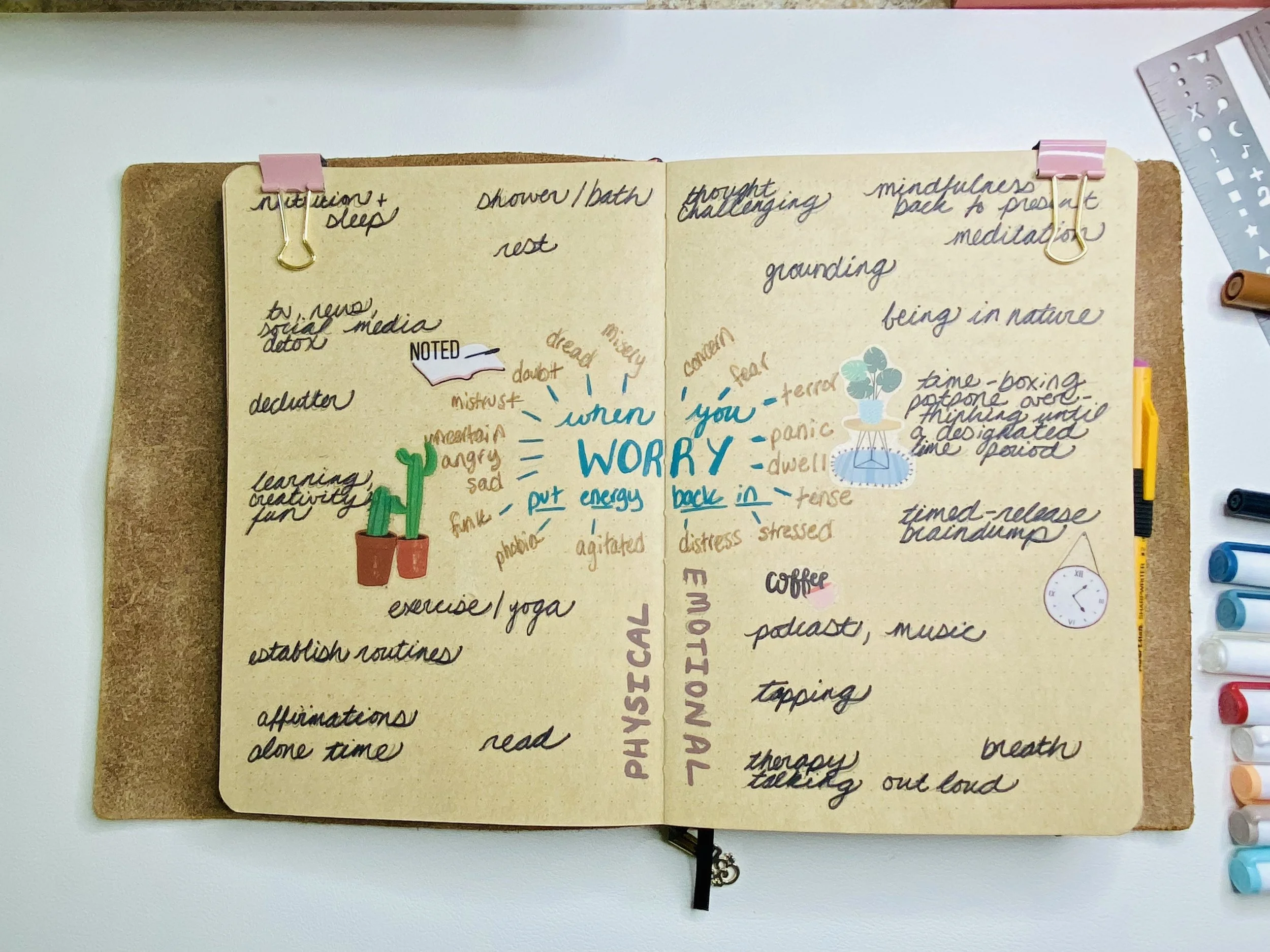
Keep a notebook handy and log those runaway thoughts. It’s like a detective work on understanding your anxiety. Write down stuff that gives you the jitters, the feelings that follow, and what you end up doing. This exercise lets you see if you’re falling into traps like thinking everything is a disaster or viewing things too dramatically (Verywell Mind).
Flip those anxious thoughts on their head in your journal. You might find out that what scares you isn’t as terrible as you thought. Scribbling down a cool-headed take can help swap panic for perseverance. As you keep at it, your anxiety may shrink, giving you a grip on your thoughts and feelings.
Regularly jotting down your experiences in a thought diary helps tear apart cycles of worry and rewrite gloomy scripts. Doing this consistently lets you tackle panic disorder with a kind heart toward yourself and a clear handle on what’s really happening inside.
Evidence and Research Findings
When it comes to journaling for dealing with panic disorders, plenty of evidence backs up how this simple act can be a real game-changer. Let’s dive into two big sections here: the research about how effective journaling is and the feel-good benefits it brings for folks battling panic disorders.
Poking Into Journaling’s Benefits
A solid meta-analysis studied 20 serious research trials and showed journaling can really perk up mental health. Folks who tried it saw more improvement than those who didn’t. The bright side? It wasn’t just stuck on one thing—journaling helps with PTSD, anxiety, and depression too. It’s like a one-size-fits-all tool for mental struggles.
Sure, not all research used the same methods, causing a few bumps in the road, so it isn’t ready for official approval across every mental health issue just yet. But, it hints really strongly that journaling helps people tackle panic disorders head-on.
The Feel-Good Side of Journaling
Now, looking closer at the good stuff from journaling, it’s clear that writing it out can be seriously helpful in keeping anxiety at bay. Saying what you need to say and writing down gratitude are two types that really shine in therapy, especially when used in the short run.
Plus, there’s this neat 2019 study that showed people who journal after rough times seem to handle stress better because their brains process emotions differently. This shows how writing can’t just help with mood, it boosts how we handle stress, making us tougher.
Journaling can also tackle those anxious thoughts by letting you face them down and tweak them, leading to less anxiety and a clearer view on life (Verywell Mind).
So, all this research and insight around journaling showcases an array of benefits that can really aid folks managing panic disorders. Embracing these research-backed perks, people can embrace journaling as a trusty tool on their way to feeling more balanced and less anxious.