Diving into how exercise messes around with panic attacks is a journey worth taking, showing a strong link between staying fit and keeping a calm mind. Wrapping your head around this relationship could really be the game-changer in handling those panic episodes.
Turns out, moving your body can really calm your nerves—even when they’re screaming the loudest. Stuff like tai chi, HIIT, or just a good old walk in the park can do wonder for leveling out that anxiety. The trick is to find what suits your style and stick with it. It seems doing any kind of exercise regularly helps keep panic at bay.
Benefits of Physical Activity
Here’s the scoop from the pros: aim for at least 150 minutes of chill aerobic activity or 75 minutes of the tough stuff every week. Also, toss in some strength moves twice a week to boost the perks (Mayo Clinic). Making a habit of busting out moderate to high-intensity exercises for a couple of hours weekly can lessen the odds of chronic illnesses and make a dent in anxiety and depression symptoms. This shows how being active can shield you from falling into mental health traps.
By tuning into how exercise works against panic attacks, folks can tap into exercise’s mighty powers to manage and reduce panic’s grip on their lives. Crafting a go-to workout plan based on expert advice could be just what you need to boost overall happiness and mental balance.
Guidelines for Exercise
Dealing with panic attacks through exercise might sound a bit unconventional, but setting the right goals and sticking to recommended activity levels can really help make this work.
Recommended Weekly Activity
According to the folks over at the U.S. Department of Health and Human Services, most healthy adults should aim for about 150 minutes of moderate exercise each week. That means things like brisk walking or a fun dance workout. If you prefer to break more sweat, then shoot for at least 75 minutes of vigorous activities like running or intense cycling. You can even mix both depending on what tickles your fancy and keeps your motivation levels up.
Don’t sweat it if you can’t knock it all out in one go. Sneaking short bursts of activity into your daily routine—like using the stairs instead of the elevator or taking a dance break now and again—can rack up those minutes and help you tackle stress and anxiety without even realizing it. Your body doesn’t operate on an all-or-nothing basis after all.
SMART Goals for Fitness
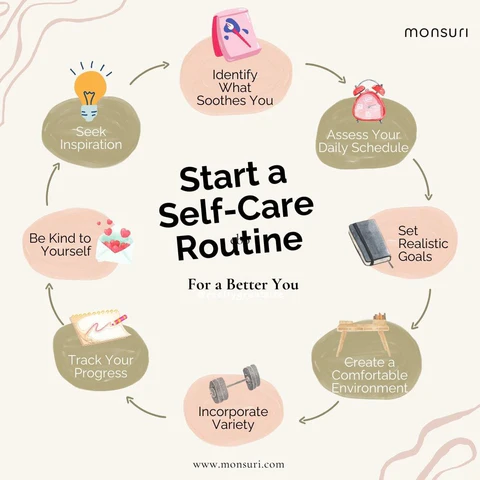
When it comes to setting fitness goals, think of them as SMART—Specific, Measurable, Achievable, Relevant, and Time-bound. It’s a bit like planning a road trip; you wouldn’t just hop in the car and drive aimlessly, would you? Well, maybe you would, but that’s not the typical scenario for reaching your destination. Similarly, with exercise, having clear goals is your map to success.
Figure out what’s feasible for you: how much time you can commit, what activities excite you, and how these fits into your lifestyle. Every goal you set should make sense for you, whether it’s completing a 5K run or mastering a new yoga pose. As you hit your targets, you’ll feel pumped and keep on going.
Before you dive into any new workout routine, a quick chat with a healthcare professional could be a smart move. They’ll make sure you’re staying safe and not pushing any boundaries that’re better left untested. Plus, they can tailor advice to suit your health, picking out the right exercises, intensity levels, and how best to complement other healthcare solutions you might be exploring.
In sum, by keeping tabs on these tips and firming up those SMART goals, you’re all set to let exercise work its magic on your panic attacks. Who knew sweating it out could turn into such a powerful ally? Embrace it and soon you’ll find yourself feeling stronger and more in control, ready to take on life with a newfound resilience.
Types of Physical Activity
Let’s chat about how staying active can really give those panic episodes a run for their money. Some workouts are like superheroes for stress—they sweep in and save the day. We’ve got aerobic exercises and strength training stealing the spotlight here.
Aerobic Exercises
Aerobic workouts are the go-to warriors against stress and anxiety. You work up a sweat and in return, your stress levels take a chill pill. Research from NCBI shows that regular aerobic shenanigans can help tune the body’s stress-response system. How? By regulating those sneaky stress hormones like CRF and ACTH that like to mess with your calm.
The Mayo Clinic says about two and a half hours of moderate exercise or a bit over an hour of the hardcore stuff per week is just the ticket for most folks. Whether you’re a fan of strolls, runs, swims, biking, or showing off your moves on the dance floor, keeping it regular can ease that stress away. And if you’re impatient like me, throw in some interval training—short, intense bursts will get you the benefits without hogging too much of your time.
Strength Training Benefits
Now, let’s talk about pumping iron—or at least, something that gets those muscles working harder. Strength training might seem like it’s all about the brawn, but it’s a mental health booster too. Focusing on those muscles not only tones your body but also lifts your spirits.
While cardio gets your heart going, strength exercises make your body tougher and more enduring. According to the Mayo Clinic, pretty much any exercise that ups your fitness game can kick stress to the curb. Whether you’re into lifting weights, using your own body as a gym, stretching resistance bands, or finding your zen in yoga, these activities can leave you with a sense of achievement and a solid confidence boost.
Mixing up aerobic drills with strength bouts gives you a robust way to confront those panic monsters. Find what types keep you excited and engaged, so you’ll stick with them and continue the battle against anxiety in the long haul.
Exercise and Anxiety
If you’ve been wrestling with anxiety, the power of a good sweat might be more potent than it seems. A bit of movement—whether that’s jumping on a bike, grooving in a dance class, or taking a fast-paced walk—offers some serious relief from those nerve-fueled flare-ups. Believe me, those extra steps can do wonders in keeping chronic anxiety at bay. Don’t just take my word for it. Harvard Health Publishing backs me up on this one. Stick around as I chat about how getting your body moving helps tame those anxious thoughts.
Role in Treating Anxiety
Here’s the scoop: a bunch of brainy folks dug into piles of data and published their findings in Anxiety-Depression. They found that getting your sweat on regularly means you’re less likely to be caught in the anxiety trap compared to the couch potatoes out there. More workouts equal less worry, simple as that.
Let’s break it down a bit more. Exercise seems to flick a switch in both our body and mind. You’ve got sparks flying in the brain, kicking off neurogenesis, aka your brain’s way of sprucing things up. That’s a fancy word saying your noggin’ could get a bit of a boost from working out, which is a plus for fighting off anxiety (National Center for Biotechnology Information). Also, if stress has you pinned, exercise seems to ramp down your body’s freak-out response. Regular physical activity tones down the HPA axis and sympathetic nervous system, helping you chill out instead of flipping out when stress hits (National Center for Biotechnology Information).
Effects on Anxiety Symptoms
Think of exercise not just as a quick fix for shaky hands or a racing heart, but like practice for managing whatever life throws your way. Hard workouts help us toughen up, letting us handle those unsettling feelings rather than crumbling under them (PubMed Central).
So, slide exercise into your schedule, ’cause it’s got your back in more ways than one. It’s not only about calming the storm of anxiety but also turning each step, each jump—even each beat of your workout playlist—into a tool for improving how you feel day to day. With these moves, you’re gearing up not just to manage anxiety but to boost happiness too, a win-win in my book.
Maximizing Exercise Benefits
To get the most out of physical exercise in cutting down on panic episodes, stick to regular workouts and pick activities that you truly enjoy and match your style.
Consistency in Physical Activity
You’ve probably heard it a million times, but sticking with a routine is the secret sauce for exercise to work its magic on panic episodes. When you’re active regularly, it helps shake off stress and boost your mood. Doing around 2-2.5 hours of moderate to intense exercise every week can keep those pesky chronic diseases at bay and lower your chances of running into them later (NCBI).
Think of your workout as more than just a task on your to-do list. It’s a committed buddy that stands by you, making sure you’re armed against anxiety and depression. And when exercise becomes a regular guest in your schedule, you not only enjoy a bit of peace from panic but also a long-lasting lift. Make exercise your reliable partner in keeping panic at bay, and watch as your routine becomes one of your best defenses.
Choosing Enjoyable Activities
Finding exercises that put a smile on your face is like selecting the perfect ice cream flavor—sweet joy guaranteed! Whether you’re strolling around the block, shimmying to a beat, pedaling down a path, stretching in yoga, or digging in a garden, choose activities that make you grin. When workouts become less of a duty and more of a treat, sticking to them becomes a breeze.
Don’t forget, when it comes to using workouts to tackle panic episodes, it’s all about your personal journey. By keeping your exercise clock in tune and your activities fun, you’re not just working out—you’re working on reducing those panic attacks. Commit to your exercise plan and embrace what makes you happy to tackle panic attacks with renewed zest and personal power.
Exercise and Mental Health
Moving your body doesn’t just shape your muscles; it also boosts your mind. Breaking a sweat can help you chill out and feel good, bouncing those blues away and taming any racing thoughts.
Long-Term Mental Health Benefits
Getting your heart pumping regularly can be a game-changer for feeling good over time. Experts say breaking a sweat for around half an hour most days can be super helpful for your brain and body (National Center for Biotechnology Information). Here’s some good stuff that happens:
Cuts down on long-term health issues
Cranks up your confidence
Sharpens your brain
Helps you stick around longer
When you go for that evening jog or morning yoga, your body tunes down the stress signals, making worries not stick around as much. So, when life gets rough, you’re better prepared to stay cool.
Consulting with Healthcare Professionals
Adding exercise to your routine doesn’t mean going in blind. Having a chat with health pros – be it a therapist or a fitness coach – can make all the difference. They can help you figure out what moves work best for you, keeping personal needs in mind.
Besides burning calories, working out turns up the feel-good chemicals in your brain, just like meds for mood swings. Plus, it helps your brain stay flexible and manage emotions better.
So, lace-up and make exercise a part of your daily grind. With a little help from the pros, unlock the endless mood boosts while keeping anxious thoughts on the sidelines.