When looking into panic attack triggers, it’s key to get the difference between panic attacks and anxiety attacks and to grasp the various things that can set off a panic attack.
Panic attacks shoot out of nowhere with a jolt of terror. Anxiety attacks, in contrast, tend to creep up on you, fueled by stress or looming worries. Panic attacks are noted in the DSM-5, and having multiple might hint at a panic disorder. They’re marked by fear, restlessness, and worry, which don’t usually come with anxiety attacks.
Types of Panic Attack Triggers
Panic attacks have their culprits, be they clear-cut or puzzlingly shadowy. Knowing what gets them going is a lifesaver for folks prone to these episodes. You’ll often see stress, trauma, and a family history of such disorders sharing the blame.
Beyond these, a few other suspects might stir panic:
Target Suspects
What’s Going Down
Chronic Illness
The stress and unknowns of a long-term illness can be a breeding ground for panic attacks.
Certain Medications
Some drugs might come with side effects that stir up or worsen panic attacks.
Temperament and Sensitivity
Folks who feel everything extra deeply may find panic creeping up on them more often.
Uncovering these triggers helps folks gear up with the right tools and methods to cool down troublesome panic attacks. Spotting what sets off panic versus anxiety and understanding the mess of triggers can arm individuals with ways to keep panic attacks in check.
Known Triggers of Panic Attacks
Delving into what sets off a panic attack is like unraveling a mystery. You know, the kind with a dramatic reveal but without the fun. Things that can tip the scales include stress that packs a wallop, life-altering traumas, and a family tree sprinkled with folks who’ve weathered similar storms. Let’s break it down, one trigger at a time.
High Levels of Stress
Stress is like that uninvited dinner guest who overstays their welcome. It’s everywhere: work, messy relationships, that stack of bills taunting you from the counter. When it cranks up, your body goes on high alert, and that can lead to a storm of fear and panic as if you’re being chased but can’t find your running shoes.
So, what’s the plan? Keep stress in check. Think yoga without the pretzels, or a quiet hobby you can lose yourself in. It’s about finding moments where you can breathe out the tension and get back to smiling once in a while. Swap stressful chaos for a bit of calm and who knows—you just might keep those panic attacks at bay.
Traumatic Events
Ah, life’s unwelcome plot twists: accidents, natural disasters, or dealing with tough situations. They take a piece of your courage and may have you on high alert, body ready to take flight or fight at the drop of a hat. They’re not just parts of a scary story; they’re triggers, potent enough to spark a panic attack.
If you’ve waded through trauma, don’t go at it alone. A therapist can help unravel those knots of fear and worry. It’s like cleaning the closet of your mind to make room for calm. By tackling the hard stuff, you might just soften the blow of those attacks.
Family History of Panic Disorders
Got some family history with panic disorders? It’s like inheriting that quirky nose but not quite as cute. If anxiety runs in your family, you’ve got a head start in knowing your tendencies. Genes can be little tricksters, handing down traits that make panic responses more likely.
But here’s the silver lining: knowing your family backdrop means you can hit pause on panic before it plays out. It’s like being handed a manual for early action and care. With eyes open and some informed moves, dealing with panic can be more about thriving than just surviving.
So, by piecing together the why behind these panic triggers, you get equipped with a toolkit to not just ride out the attacks but steer their impact away from your life. It’s about being aware, building up those resilience muscles, and reaching out for help when needed. You’ve got this—you’re not just surviving, you’re setting the stage for a life less interrupted by panic bumps in the road.
Additional Triggers of Panic Attacks
Let’s chat about what might trip up those panic attacks beyond the usual suspects like stress or trauma. Turns out, chronic illnesses, certain meds, and your own outlook might cause that chaos in your chest. Makes you clutch at fresh air sometimes, right? (Harmony Hills).
Chronic Illness
Living with something like a chronic illness is like being on a rollercoaster you didn’t sign up for. Constantly juggling symptoms, the “what-if” cloud, plus the physical drain, can easily mix into panic stew. If this sounds like you, maybe it’s time to buddy up with a doc or a mental health pro to keep those anxious shadows in check.
Certain Medications
Medications are supposed to be our pals, right? Helping you out of the sickness rut. But sadly, some can sneakily bring panic attacks to your doorstep. Yeah, a total plot twist! Important thing here—have a chat with your doc if things feel a little off. You might end up tweaking the dosage or even swapping meds to dodge the unexpected panic visits.
Temperament and Sensitivity
Now, let’s talk about those of us who are a little more on the sensitive or pessimistic side of things. If negativity is camped out in your head, and those emotions are ready to jump, you might find panic knocking more than usual. Pushing the ‘pause’ button with mindfulness, channeling the right vibes with CBT, or doing a little stress-busting might help you outsmart that panic before it even starts.
Recognizing these little gremlins of panic can help turn the light on the disorder, giving you a head start at owning your own calm. It’s crucial to eyeball both what’s going on inside and outside to handle life’s panic curveballs in stride. By arming yourself with the right tools and self-awareness, you’re more ready to face panic head-on, offering a shot at long-lasting peace upstairs.
Impact of Panic Attack Triggers
Understanding what sets off panic attacks and the domino effect they can cause is like standing in someone else’s shoes for a day. [Panic attack souls]/(what-causes-panic-attacks-a-complete-guide) is like unlocking this emotional Pandora’s box.
Physical and Psychological Effects
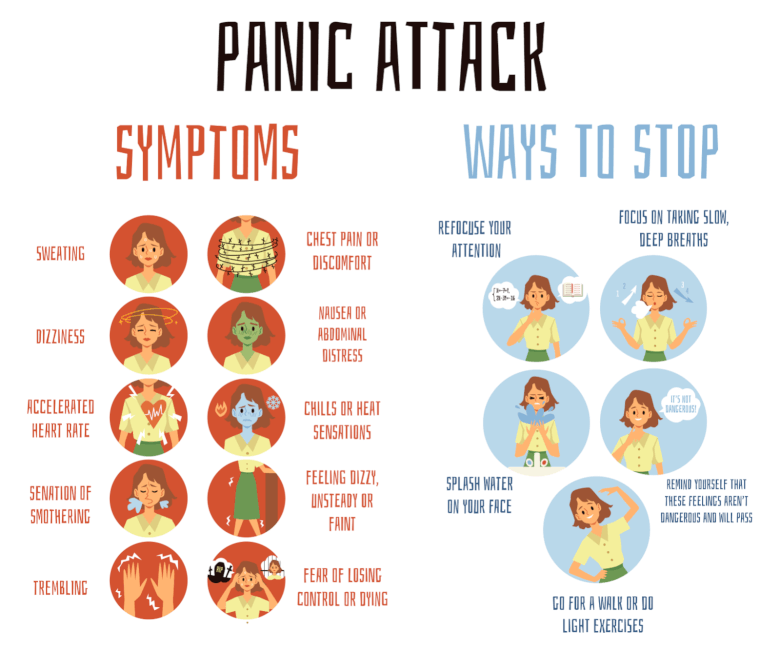
When panic attacks hit, they bring along a suitcase full of physical and mental baggage. Imagine this sudden surge of terror causing your body to do wild things, like:
Your heart playing a drum solo
Feeling like you’re breathing through a straw
Breaking out in a sweat like you’re running a marathon
Shaking like it’s an earthquake
Your stomach teaming up with agility, flip-flopping like a gymnast
The world spinning or tilting like you’re on a carnival ride
These effects can trick you into thinking something’s seriously wrong, dialing up fear to new heights during the episode.
Your mind isn’t spared either. Panic can leave your thoughts in a mess, like a tornado tearing through a trailer park:
The fear that you’re losing the plot
Feelings of being out of touch with reality
Persuaded that danger meters are sky high or that the end is nigh
A cloud of dread camping out in your head
After this, it’s no wonder you’re left feeling like a deflated balloon. The body and mind’s roller coaster really call for wise tactics to ride out these wild waves.
Vicious Cycle of Fear
A panic attack isn’t just a moment; it can kick-start a fear-in-a-loop problem that’s hard to shake off. It’s like getting stuck in an emotional hamster wheel. When a panic episode comes along, it plants a seed of terror about it happening again, spiraling into doubt and constant watchfulness.
You might start steering clear of places where past panic events happened, thinking you’re avoiding danger, while you’re actually helping the fear set up camp inside your head.
That fear can morph into an unavoidable shadow, making you anxious about getting anxious. It’s the monkey on your back. This anxiety treadmill fuels stress and cranks up the odds of panic attacks popping back to say hello.
Breaking this fear chain is like untangling Christmas lights. It takes a rounded-off game plan, looking at what sets you off and the mental hurdles that follow. Figuring out this complex web allows you to better ease through these episodes, fostering a meaningful recovery process.
Identifying and Managing Triggers
Taming the beast of panic attacks is like trying to unravel a mystery; it’s a rollercoaster of figuring out what’s happening and how to keep the ride smooth. We all have those sparks that can set us off, and knowing how to handle them is key to feeling in charge rather than adrift.
Therapeutic Coping Mechanisms
When panic sneaks up on us, having some tricks up our sleeve can really help. Therapists, standing by ready to assist, work hand in hand with us to come up with personal game plans that tackle triggers head-on. This isn’t a one-size-fits-all deal—it’s about digging deep, getting to know what sets us off, and finding ways to deal with it that actually work.
Imagine this: Cognitive behavioral loops, mindfulness moments, taking that deep breath—and chill vibes through relaxation. These aren’t just fancy concepts but hands-on tools to slip into our daily lives. With these, we’re stocking our toolkit to handle panic like a pro and keep a firm grip on life. If you’re hunting for more tools, swing by our coping with panic attacks: a step-by-step guide.
Prevention Strategies
Getting a grip on panic means sometimes looking ahead at how to shut the door before it even opens. Think of it as putting guardrails up where there might be a slippery edge. Know what sets you off? That’s half the game won! We can build a world around these triggers to keep stress levels nice and steady.
Regular workouts, calming mindfulness, and just the good ol’ art of chilling can work wonders here. Living life in balance, leaning on friends, and finding joy in day-to-day moments all play their part. Need some extra oomph? Check out our best supplements for stress relief and panic prevention if you want a little boost in your prevention plan.
Reducing Intensity of Panic Attacks
So, when panic does show up (because let’s face it—it happens), there are ways to take the hit and soften it. It’s like learning to surf: the waves might be wild, but we learn to keep our balance better each time. Slow, controlled breaths, grounding yourself in the moment, and even gradually facing triggers can help lessen the chaos.
Practicing these strategies regularly and leaning on professional guides when needed makes the panic less overpowering. Bit by bit, that feeling of getting tossed around by panic lessens, bringing that sweet sense of control and balance back.
In the quest to know ourselves and face these challenges head-on, there’s a chance for growth and steadiness. Like finding a path through a storm, understanding our panic triggers and managing them with a blend of therapy, look-ahead strategies, and intensity-dial strategies opens doors to finding that calm within.
Demographics of Panic Disorder
All right, let’s chat a bit about the who, what, and when of this pesky little thing called panic disorder. We’re talking about who’s most likely to get it, how many folks in the States are dealing with it, and those “where-did-that-come-from” moments known as panic attacks.
Gender Disparities
So here’s the scoop: People identified as female from birth are getting the short end of the stick here. They’re about twice as likely to have panic disorder compared to those identified as male. This info skips straight from the Cleveland Clinic, so you know it’s good stuff. We’re seeing how really crucial it is to dig into why gender is playing the role it does in panic disorder and figuring out how to give support without putting pressure on stereotypes.
Prevalence in the U.S.
Ok, hang on to your hats. About 2% to 3% of Americans are dealing with panic disorder. Sounds small, right? But that’s a chunk of the population that’s basically battling with their brain’s freak-out button. The Cleveland Clinic has the numbers, and they’re making it pretty obvious that we need more chat and awareness around it and better support systems for folks living with it daily.
Onset and Duration of Panic Attacks
Let’s get into the nitty-gritty of those panic attacks. They can sneak up on you out of nowhere, hit hard like a sudden wave, and leave you gasping. They peak quickly, like your Wi-Fi signal on a bad day, but thankfully they also start to taper off, not all in one go but slowly over time. This comes from the National Center for Biotechnology Information (NCBI). Knowing how these episodes roll out helps a ton in figuring out how to personally deal with them effectively.
Starting to understand the gender side of things, the wide reach it has in the US, and unpicking the chaos of a panic attack’s arrival, brings us closer to offering real support and treatment options that suit the person, not the statistic. It’s about time we start seeing people and not just percentages.
Risk Factors and Long-Term Effects
Understanding what sets panic attacks off and their consequences over time might help anyone dealing with them find a better path forward. Family background, life shocks, and the knock-on effect on day-to-day living play huge parts in how panic disorders take root and how they stick around.
Family History and Trauma
If panic disorders run in the family, you might be more prone to dealing with them. Our genes can sometimes make us extra sensitive to stress or anxiety, setting the stage for panic disorders. Plus, facing traumatic events can kick off those panic attacks like a bad memory that haunts relentlessly. Trauma can linger long after the event, impacting mental well-being, leaving anxiety levels spiked, and setting off panic when you least expect it.
Impact on Quality of Life
Just imagine living in fear of the next panic attack—it doesn’t just mess with your head, but your whole life. From work to play, constant dread can put a damper on everything. Relationships might feel the strain, and normal activities could turn into daunting obstacles. In some cases, folks might even develop agoraphobia, avoiding certain places or situations entirely. It’s like living in a smaller world, where productivity drops, social life fizzles, and leaning on others for support feels inevitable.
Treatment Approaches and Outcomes
Heading off panic attacks early can change the whole game, and knowing what strategies are out there is key. Counseling, meds, or a mix of both are the usual go-tos for managing panic disorders. How well these treatments work can depend on how serious the condition is and how individuals react. With therapy, people can learn how to cope better, pick up relaxation techniques, and start seeing those negative thoughts coming a mile away. Medications, like antidepressants or anti-anxiety pills, might be added to help ease symptoms and cut down the panic attacks’ frequency.
It’s crucial to reach out to healthcare pros if panic attacks are wrecking your peace or if panic disorder is on your radar. Getting help early and having a solid treatment plan can really tip the scales in your favor. By pinpointing risk factors, knowing the chaos panic can cause in daily life, and finding what treatment clicks best, you can tackle panic disorders head-on and find new hope and resilience.