
 Genetic Influences on Panic Disorder
Diving into genes and how they mess with our heads—right down to panic disorder—is like discovering where the monsters under your bed really live. Buckle up, we’re about to get personal!
Family and Twin Studies
When it comes to family baggage, genetics sure knows how to pack a punch. Turns out, if you’re stuck in a family where panic hits like second nature, you might not be alone—or the first. Studies suggest that your DNA might be playing a game of hot potato with panic disorder, with a guess around 30% to 40% carrying that spicy familial trait. So, thanks, family tree, for the inheritance! Stack these numbers up, and it becomes obvious that genes aren’t just a footnote in the story of panic; they’re somewhere in the intro too, potentially upping the odds for you and your kin. Our good friends at PubMed Central have the scoop on this one.
Linkage Studies
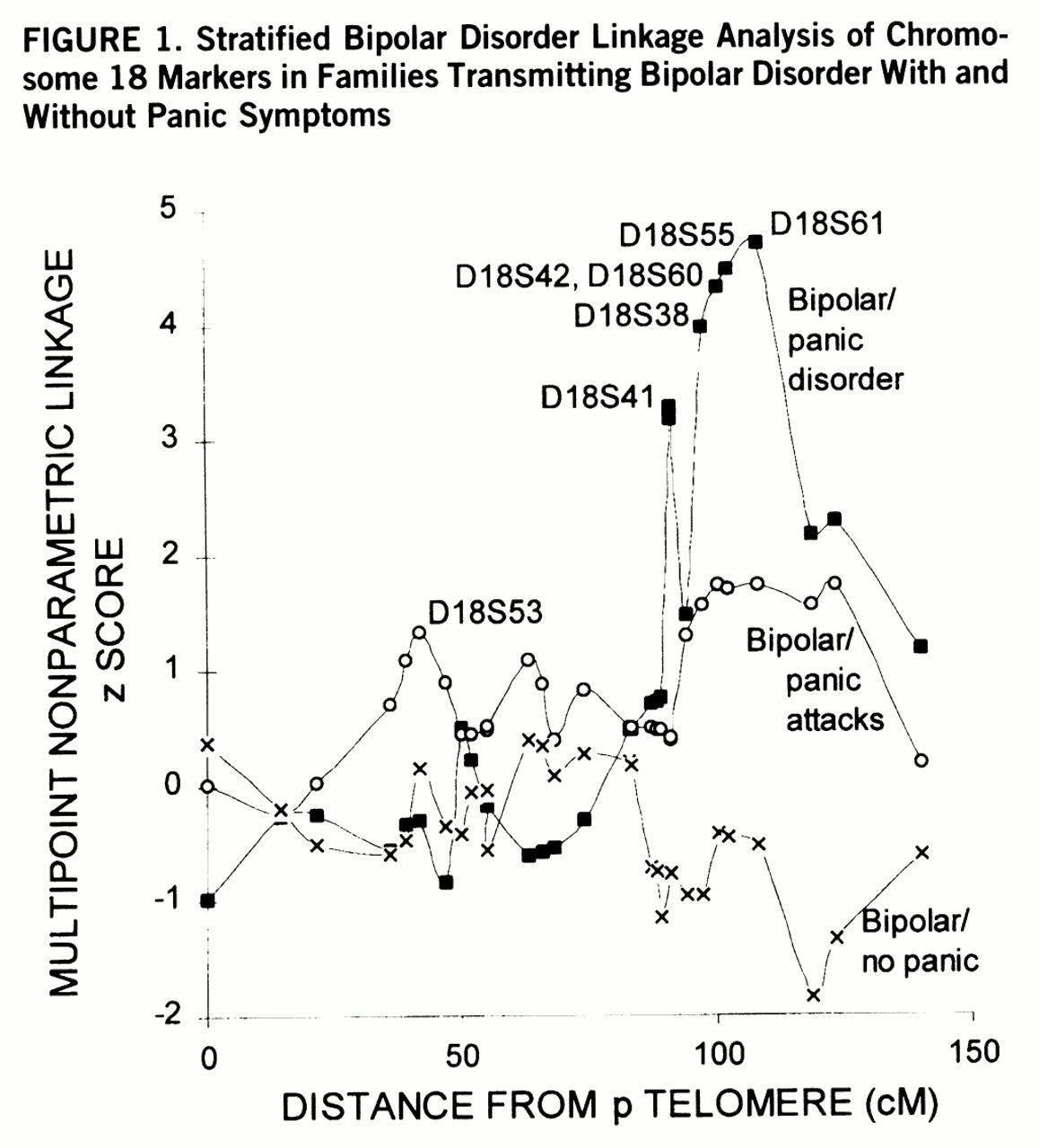
Here’s where it gets real funky—all those tiny bits in your DNA that make you… you. Scientists have been hunting down specific chromosomal treasure maps, including areas called 1q, 2q, 4q, 7p, 9q, and 15q. They’re nosing around to pin down how these might stir the pot of panic disorder. Consistency is this puzzle’s elusive piece, as what’s true in one genetic study may play hard to get in another. But hey, that’s what keeps the science dance interesting, right? Check it out where the serious folks chat, like at PubMed Central.
Candidate Genes
Onto the juicy bits—candidate genes. Think of these as suspects in the “Why am I freaking out?” mystery. Take the COMT gene, for instance—this little number’s involved in mopping up neurotransmitters involved in stress management, and some blame its variations for throwing a wrench in the calm works. Research tags the Val158Met polymorphism in this gene as a potential culprit, turning stresses into distress calls, linking genetic quirks to those unwelcome panic symptoms. Curious? PubMed Central has the details right there.
By peering into genetic blueprints through family ties, chromosomal maps, and nitty-gritty gene scrutiny, we’re piecing together what genes might have to say about our panic-filled jitters. Understanding this relationship offers a stepping stone to tailored help, turning research into reality for those wrestling with panic disorder’s impact. Keep your eyes peeled as science throws the genetic lifeline into the future of panic intervention.
Genetic Variants and Neurotransmitters
When it comes to genetics and panic disorders, we’re on a mission to see how our genes mingle with neurotransmitters. That means we’re digging into the chatter between the COMT gene, the serotonin swirls, and the whole gang of neurotransmitters that might be playing a wild game when it comes to panic disorders.
COMT Gene Associations
Let’s take a gander at the COMT gene, a big shot in breaking down stress-related neurotransmitters called catecholamines. Research has pointed fingers at the Val158Met polymorphism of the COMT gene, suggesting it may make some of us more prone to panic disorders. These genetic variations hint that catecholamines might have a hand in setting off those heart-pounding panic moments for some folks.
Serotonergic System Studies
Enter the serotonergic system, where serotonin is the star. Known for its role in mood swings, its relationship with panic attacks has caught the spotlight in research circles. It’s like serotonin’s got strings attached to panic symptoms, and studies have put a focus on how this dance influences panic disorders (PMC).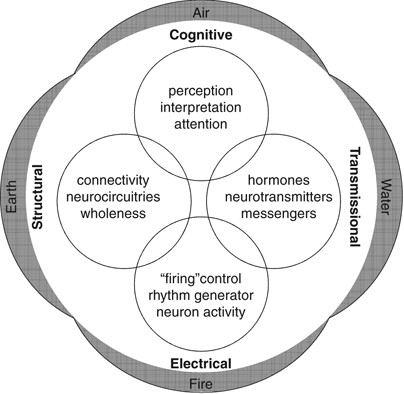
Role of Neurotransmitter Systems
The saga of panic disorders takes us on a journey through various neurotransmitter systems. We’ve got the lowdown on CCK, GABA, neuropeptide Y, and dopamine, all under the microscope for their potential roles in panic parade. But, like any good mystery, the evidence is a jumble, making it tricky to pin down a clear connection between these neurotransmitters and a knack for panic (PubMed Central).
Connecting the dots between genetic hiccups and neurotransmitter antics gives us a backstage pass to what’s cooking in the brain during panic moments. As research gets better, pinpointing the markers and imbalances tied to panic disorders might mean more personalized help for those wrestling with these troubles.
Genome-Wide Association Studies (GWAS)
When I dive into how genetics plays into panic disorders, Genome-Wide Association Studies (GWAS) serve as a treasure trove of insights into anxiety and stress disorders. This section lets me walk you through what GWAS has to say about the PDE4B gene, its link with psychiatric traits, and the eye-opening insights from those studies.
PDE4B Gene Findings
A pretty hefty GWAS took a deep dive into a vast group of folks battling anxiety and stress, and guess what? It found some pretty strong links between genetic blips in the PDE4B gene and these disorders. The study checked out no less than 68 genetic markers in the PDE4B gene that had significant ties to stress and anxiety (JAMA Psychiatry). And among these genes, rs7528604 took home the prize as the leading SNP showing how PDE4B throws its weight around in anxiety troubles (JAMA Psychiatry).
What’s more, changes in how Pde4b works were noticed in the brains of jittery mice under stress. This just makes it plain as day that PDE4B is a big cheese in anxiety and stress (JAMA Psychiatry).
Genetic Overlaps with Psychiatric Traits
Now, GWAS didn’t just stop at PDE4B. It also shone a light on the genetic mingling between anxiety-related disorders and a pile of other psychiatric traits. There’s a serious genetic echo between anxiety, depression, schizophrenia and even stuff like school performance and obesity.
The study tells us that about 28% of what makes us prone to anxiety and stress is thanks to our genetic blueprint. This genetic cocktail explains why anxiety and stress dance to the same genes that jive with other psychiatric quirks and outcomes.
Insights from GWAS Analysis
Peering into GWAS gives some damn interesting clues about what drives anxiety and stress disorders. Spotting PDE4B as a hotspot for these disorders is like unlocking a new level in developing specific therapies. Those findings about Pde4b brain shifts anchor its crucial role in these mental hiccups (JAMA Psychiatry).
The rich genetic web revealed by GWAS—from psychiatric buddies to lifestyle impacts—paints a whole new picture of anxiety and stress. And these fresh insights clear a path for pinpointing treatments, hopefully easing the load of these tangled conditions.
Epigenetic Factors in Panic Disorder
In panic disorder research, scientists are zooming in on epigenetic stuff that may play a big role in how these disorders show up and develop. Let’s take a stroll down this interesting path and see what’s cooking with gene tricks, life’s nasty surprises, and some gene behavior studies.
MAOA Gene Methylation
Folks have been chatting about the MAOA gene like it’s the hot gossip of the neighborhood. It seems that the way this gene is “silenced” or “loud” (that’s methylation in geek speak) is a pretty big deal in panic disorder, especially in women. When this gene isn’t silenced as much as it should be, things might go haywire with neurotransmitters and might ramp up the chances or severity of panic situations.
Influence of Negative Life Events
Life can throw curveballs, and those not-so-fun times can mess with how our genes behave. Studies are poking around at how bad life events tinker with gene setups like MAOA and GAD1, mainly in folks who are dealing with panic disorders. It’s kind of like when stress causes these genes to play tricks and might make panic disorders worse or even spawn them (NCBI).
Hypomethylation Studies
Digging into the way genes like MAOA and GAD1 behave when they aren’t “muted” enough has shown some eye-popping things. This lack of “quieting down” in certain genes is a big banner waving around in folks with panic disorders. These gene antics might explain a bit more about what’s happening under the hood of panic disorder and maybe even point to some therapy targets down the line.
Sifting through these epigenetic clues offers a peek into how our genes and the stuff happening around us buddy up to create or worsen panic disorders. By laying out the story behind these genetic shenanigans, researchers are getting us closer to cracking the code on what’s going on with these puzzling conditions.
Familial Risk and Heritability
When talking about panic disorder, it’s like getting a glimpse into how our family history plays out in our genes. There’s a lot that goes into why some of us might be more on edge than others, and genetics tend to run the show here, impacting not just us, but also our relatives.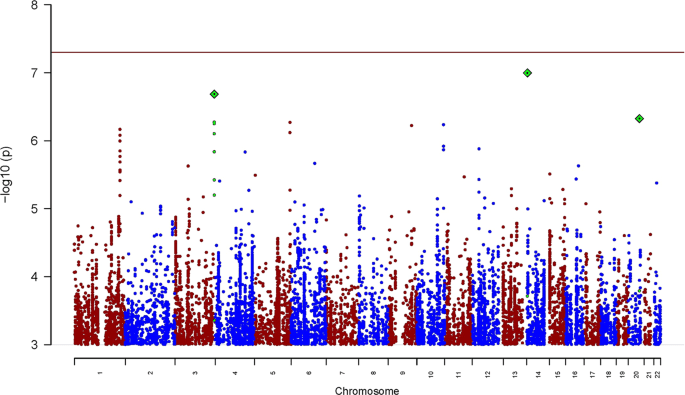
Risk Among Relatives
Researchers have noticed something interesting when rummaging through family trees and twin birth certificates: panic disorder tends to be a family affair. Studies point out the heritability of this condition hovers around 30%-40%. What this means is, if someone in your family hears the panic bells ringing, there’s a fair chance it could be genetic roots doing the talking.
Twin Study Findings
Now, if you’ve ever heard about those twin studies, they’re quite the eye-opener. Folks with identical twins seem to share panic disorder feelings more often than twins who aren’t the spitting image of each other. This close-knit link among monozygotic twins underlines that genetic fingerprints are heavy in shaping whether someone’s prone to panic (PubMed Central).
Contributions to Pathogenesis
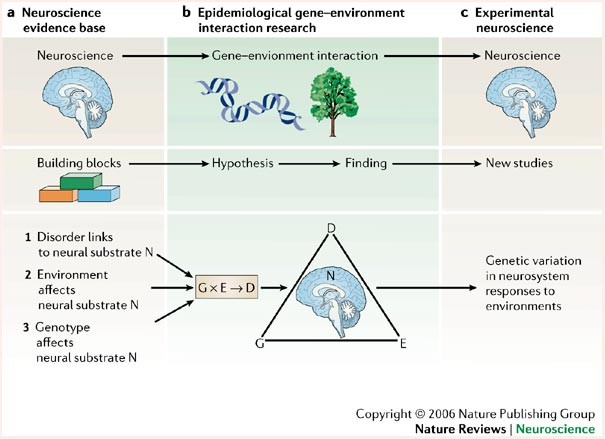
So, thinking about panic disorder’s origins isn’t just about DNA strands—it’s more like a tango with the environment. Your genetic story meets what’s going on around you, and bam, you’ve got a whole new picture of what might cause a panic episode. These genetic and environmental interactions highlight why the disorder isn’t a simple matter, and why figuring out someone’s unique mix can lead to smarter ways to spot and deal with it.
By getting into the nitty-gritty of family risk and heritability of panic disorder, we’re not just loading up on knowledge about its origins. We’re also piecing together a road map for tailored healthcare, helping those with genetic history find their way through personal treatment and preventive measures that recognize their specific needs.
Future Research Directions
I’m diving into some pretty mind-boggling stuff here—trying to crack the genetic codes behind panic disorders. It’s like piecing together a giant jigsaw puzzle that’s supposed to unlock more effective ways to help folks dealing with these intense feelings. Let’s have a look at where the research is heading.
Broad Phenotypes Exploration
Phenotypes are like the different flavors of a disorder, and by exploring the many faces of panic disorders, there’s a chance to get a grip on how genetics play into all this. From manic meltdowns to just feeling edgy all the time, different symptoms might have their own genetic triggers. And that’s exactly what scientists are itching to figure out. Through PubMed Central, they dig into this mixed bag of symptoms, hoping to spot key genetic markers.
Gene-Environment Interactions
Here’s where it gets juicy: it’s not just genes or the world around you. It’s how they go hand in hand. Say your genes give you a nudge in the direction of panic disorders, but what really tips the scale is your high-stress job, lack of sleep, or that triple espresso. Research, as seen in PubMed Central, is all about this tango between what you’re born with and what happens to you, offering a peek into why some folks get the short straw.
Pharmacogenetic Studies Focus
Working out how your genetic makeup changes how drugs work is like finding the holy grail of personalized medicine. Researchers are on a mission to tailor-fit meds to your genes so that treatment for panic disorders could become as unique as your fingerprint. Imagine a world where the docs don’t play a guessing game with prescriptions. Instead, they refer to genetic guides from PMC that connect the dots between genetics and medicine effectiveness, aiming for a better quality of life.
So, there you have it—by checking out these big-picture phenotypes, the word on gene-environment gossip, and smart pharmaco-gene matches, we’re hopefully headed for a better tomorrow. The aim? To bring peace to the people tangled up with panic disorders by honoring their unique genetic stories.