 Alcohol and Panic Attacks
Understanding Panic Attacks
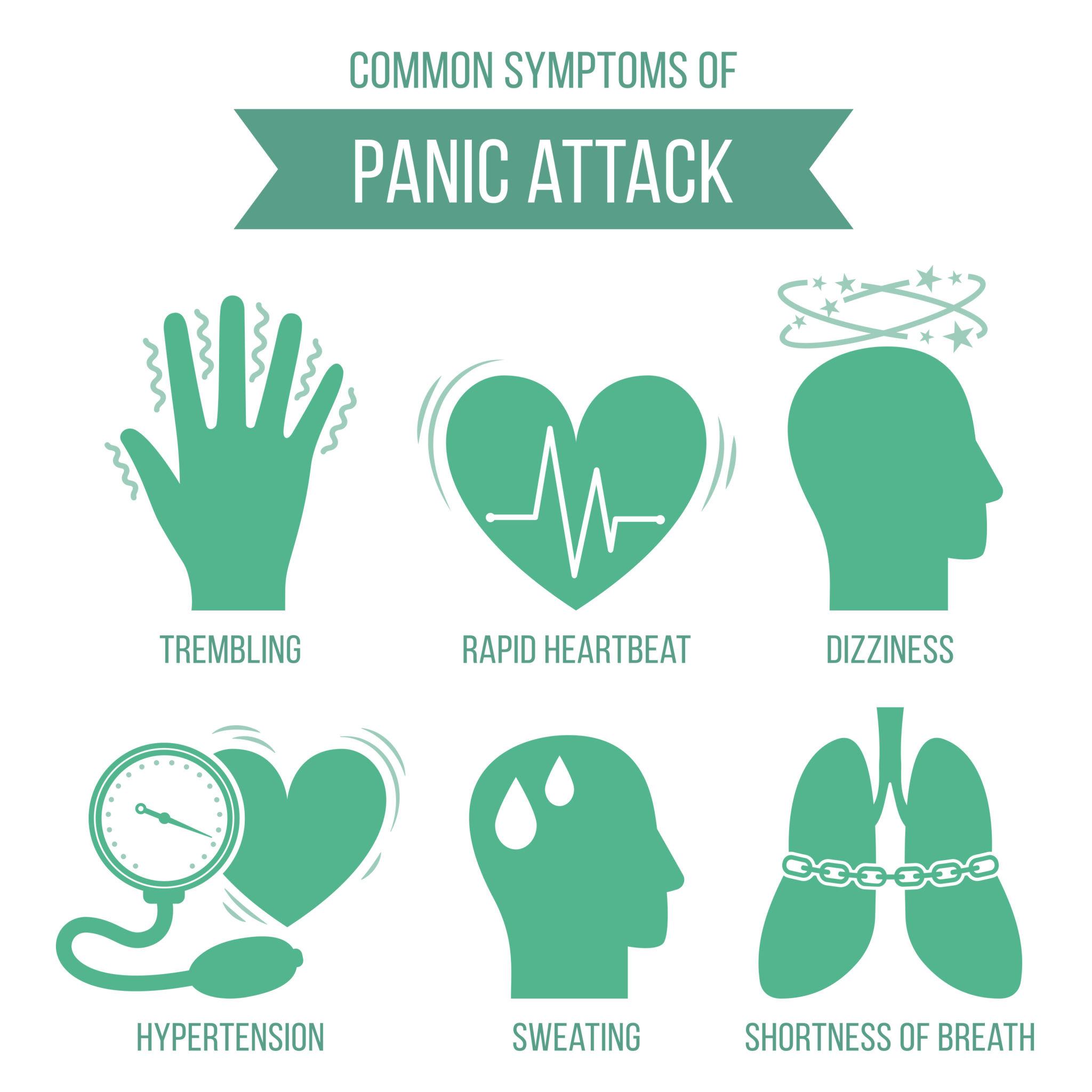
So, let’s chat about panic attacks for a minute. They’re these sudden, out-of-nowhere feelings of fear or dread that can hit you like a truck. Imagine your heart feeling like it’s run a marathon, your legs feeling wobbly, and breathing becoming a task harder than solving a Rubik’s cube blindfolded. Oh, and let’s not forget that heart-pounding “doom is approaching” feeling that can last anywhere from 5 to 30 minutes. It can mess you up, even after it’s gone.
Impact of Alcohol on Anxiety
Picture this: a drink to kick back after a long day. Sounds nice, right? A bit of alcohol can chill you out since it nudges your brain to release GABA, that friendly chemical that says, “Hey, relax.” But knock back too much, and that chill vibe starts to disappear. It’s like drinking away your supply of GABA, leaving you more wound up than a tight spring. And bam! There go your panic alarms ringing off the hook (Drinkaware).
Now, if anxiety is already hanging out in the corner of your mind, adding alcohol to the mix can stir things up even more. Alcohol tinkers with your body’s natural “fight or flight” reflex, making it unleash stress hormones that crank up your anxiety, including those anxiety spirals known as panic attacks (Drinkaware).
So here’s the real talk: if you find yourself tangled in anxiety’s web, keeping an eye on your booze levels is a wise move. During times when stress levels zoom up, maybe think about going easy on the alcohol to keep that GABA stocked up and panic at bay. Chatting with a pro, picking up some coping tricks, and maybe even ditching the drink can go a long way in taming that anxiety beast and giving those panic attacks the boot (Drinkaware).
Getting a handle on how alcohol and panic attacks are linked can be a game-changer. Being aware of how a nightcap can play games with your mind helps in making smarter choices about drinking. Doing so can not only shield your mental health but also keep those alcohol-triggered freak-outs in check. Taking these steps feels like you’re flipping anxiety the bird and taking back control.
Alcohol-Induced Anxiety
Feeling a bit jittery after a few drinks or been filled with dread the morning after? Yep, you’re not alone. Alcohol and anxiety play a nasty game that can be tough to break up. Let’s chat about how knocking back beers could send your mind into a tizzy, interacting with those all-important brain chemicals, and what happens when you slam the brakes on the drinking.
Mechanisms in the Brain
Pouring alcohol into your system is like tossing a party for GABA, serotonin, and dopamine—the brain’s lively crew. Alcohol loves playing with these chemicals, especially GABA. When GABA levels drop, you might find yourself tense and worrying like never before (American Addiction Centers). Getting to grips with how alcohol affects your brain can clear up why you might turn into an anxious mess with each sip.
Depleting GABA Levels
GABA is like a trusty bouncer, keeping your brain’s excitement in check. When drinking becomes heavier, GABA levels diminish, and anxiety cranks up. Some folks with those pesky panic disorders might actually make things worse when they try to quench anxiety with a drink (American Addiction Centers).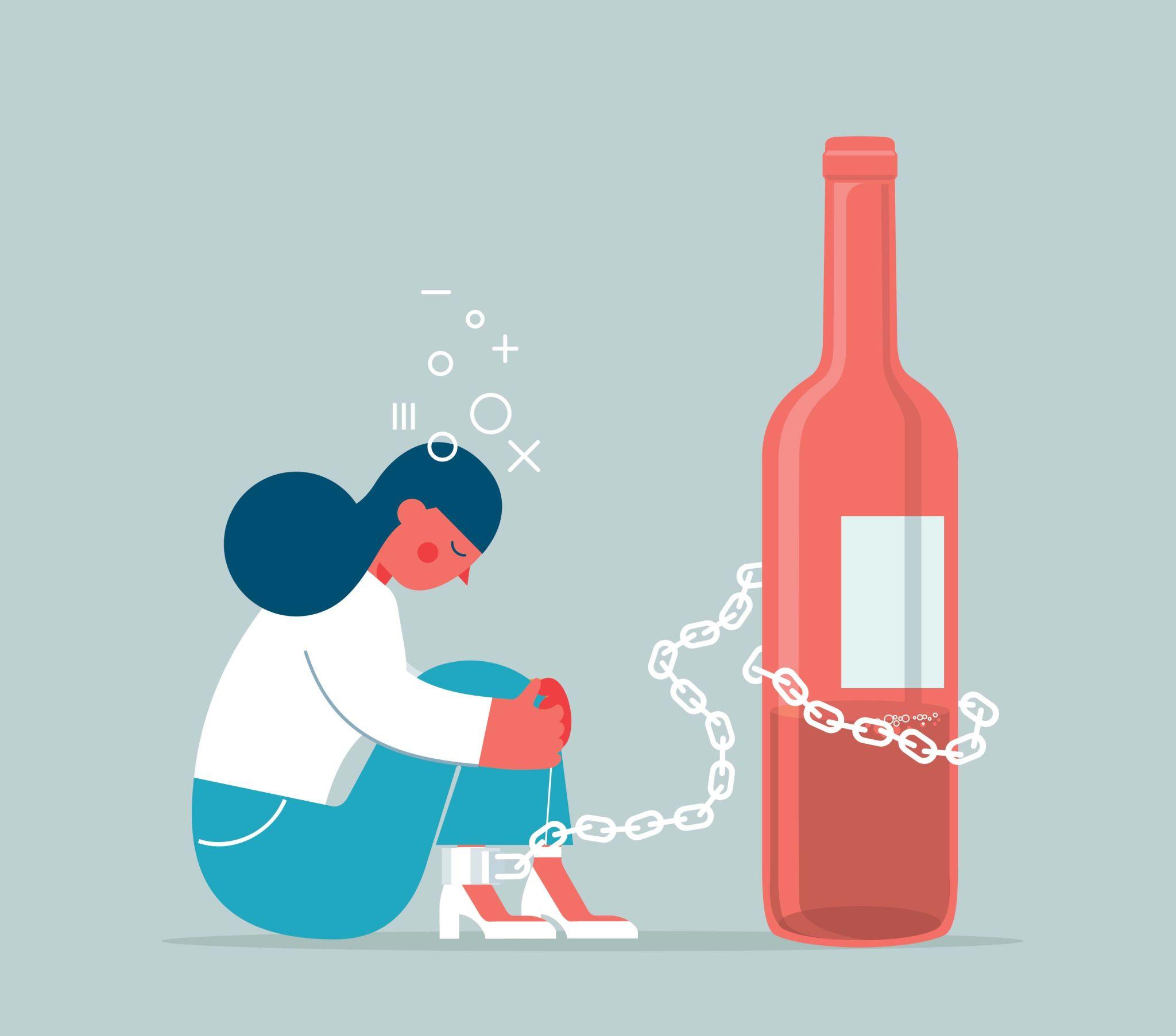
Panic Attacks and Alcohol Withdrawal
Downing too many drinks can spiral you into dependency, where your body starts expecting a cocktail more than you want to. Suddenly, the effects are less fun, and staying tipsy becomes a full-time job, fanning the flames of anxiety. Hit the pause button without easing into it, and withdrawal strikes with anxiety and panic sneaking up on you. It’s a real catch-22, especially for those already battling anxiety demons.
Balancing this wild dance between booze and nerves involves knowing the risks of self-medicating with alcohol. Seeking out some professional insights, like giving therapy a shot, might help shape healthier ways to tackle anxiety while also reassessing your drinks approach. When you know how alcohol messes with anxiety and panic attacks, you get one step closer to making thoughtful decisions about your mind’s health. It’s all about having the right stories to tell yourself and heading in the direction that’s best for you.
Managing Alcohol Consumption
Reducing Alcohol Intake
If you’re finding anxiety tagging along with your drinks, it might be a good move to scale back that alcohol habit. Instead of quitting cold turkey, easing off the gas pedal gradually is a safer bet because sudden drops in consumption could throw you for a loop. Keeping track of how much you drink can give you a clearer picture and help you cut back. Cutting down on drinks might just mean you keep your anxiety at bay, rather than letting it spiral out of control.
Think of it like this: keeping your drinking in check over time and checking in with yourself can really help stick with your goals. If things get a bit too tough to handle alone, reaching out for professional help, like chatting with a healthcare provider or leaning on alcohol support services, can be a game-changer. Swapping out drinking for other activities could also steer you towards a healthier path and boost your mental health.
Seeking Professional Support
When anxiety and alcohol start getting their wires crossed, getting some professional backup can really turn things around. Therapy and counseling offer a judgment-free zone to untangle those triggers, find healthier ways to cope, and see how anxiety and booze are playing off each other.
A good therapist can help you deal with the double whammy of anxiety and alcohol consumption. Together, you can come up with a personalized plan. This way, you’re not just masking the anxiety with drinks but actually addressing what’s really going on. Therapy can arm you with valuable tools and strategies for long-lasting mental health improvement.
Getting professional guidance means you’re taking a solid step towards taming the drinking, tackling anxiety head-on, and finding peace of mind. Remember, asking for help is not a weakness—it’s a solid move towards a well-balanced and healthier life.
Co-Occurrence of Alcohol Use and Anxiety Disorders
Digging into the link between knocking back a few too many and feeling anxious reveals a tangled mess that can really mess with your peace of mind. Let’s take a closer look at how relying on booze can play havoc with panic disorder and the pitfalls of trying to ease anxiety with alcohol.
Relationship Between Alcohol Dependence and Panic Disorder
Folks with panic disorder often get stuck in a nasty loop of relying on alcohol. At first, knocking back a drink might seem like it smooths over the worry-fest by pumping up a chill-out chemical in your brain called GABA. But here’s the kicker: downing too many can drain this key neurotransmitter, leading to more jitters and panic, ratcheting up the issues that panic disorder brings.
Plus, the fun doesn’t stop there. Withdrawal from alcohol can spark panic attacks, making this connection even messier. This risky cycle shows why looping in a pro for help is a must to tackle both the booze habit and panic disorder head-on.
Risks of Self-Medication with Alcohol
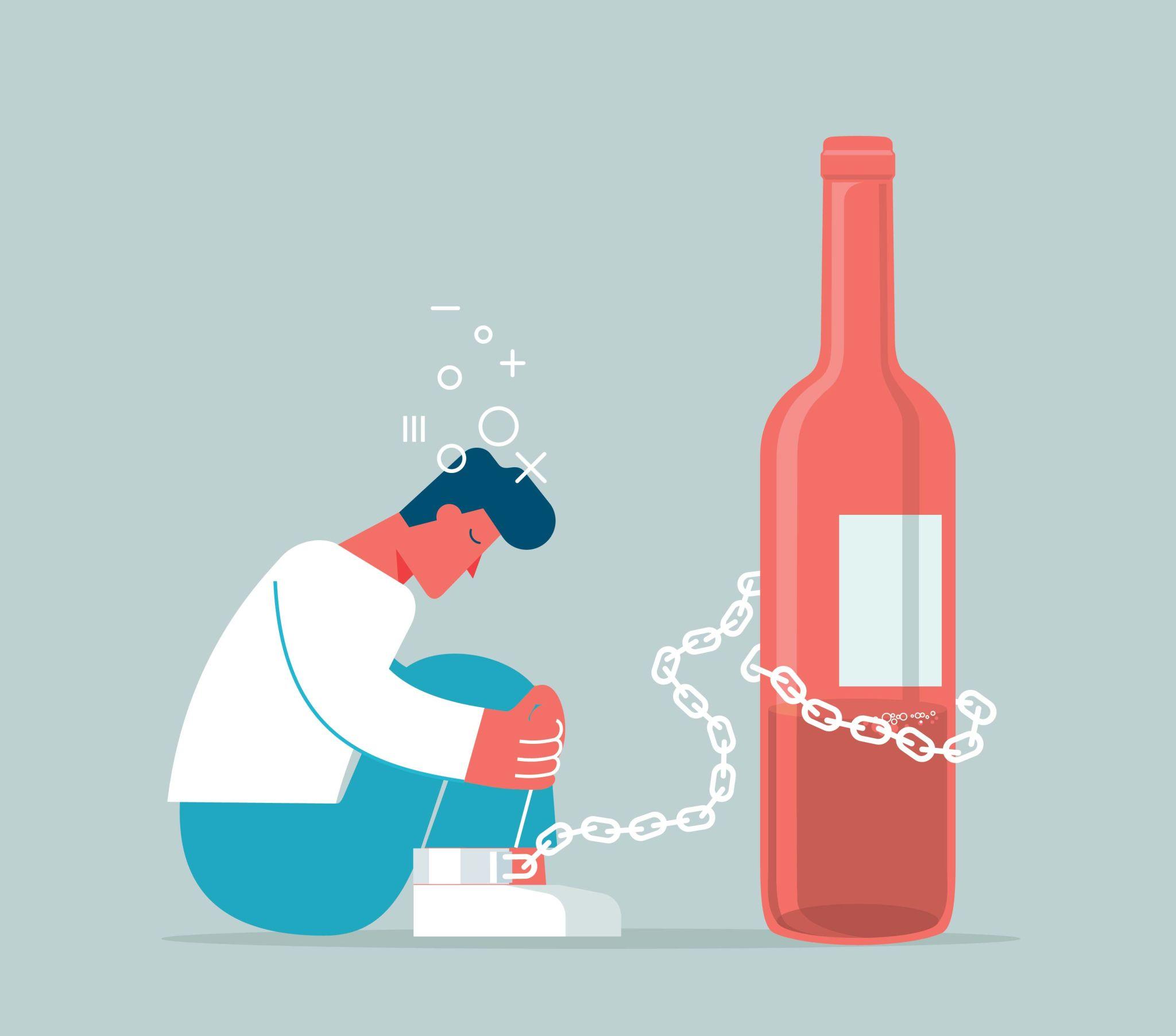
Reaching for a bottle to squash anxiety is a common trap, especially for folks dealing with panic attacks. But masking the real problems with alcohol just kicks off a bad loop, making anxiety worse in the long run. Heavy drinking can lead to a dependency, which means anxiety only ramps up when you lay off the sauce (American Addiction Centers).
Breaking free from this vicious circle demands recognizing the dangers of self-medicating anxiety with alcohol. Checking out other ways to cope and getting a helping hand from the pros opens the door to better mental health and feeling good long-term.
Grasping how booze and anxiety get tangled is key for folks wrestling with panic attacks. By taking on alcohol issues and finding the right kind of support, you can start on a journey to handle anxiety in a healthier way while keeping an eye on your well-being and recovery.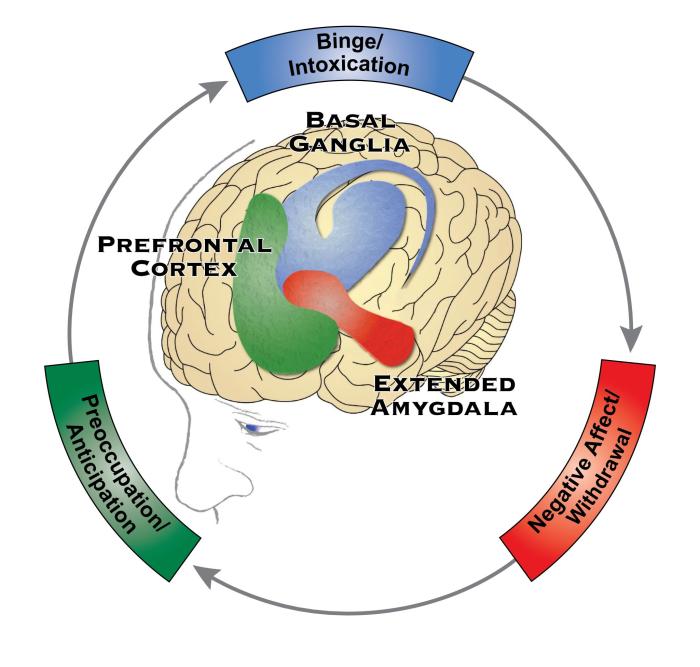
Alcohol Tolerance and Dependence
You know what? Alcohol tolerance and dependence are big players when we’re talking about how booze interacts with anxiety and panic attacks. It’s crucial to understand how tolerance and dependence develop to really see how they mess with your mental peace.
Development of Tolerance
Let’s break it down. Alcohol tolerance is that annoying phenomenon when your body demands more and more drinks to feel the same buzz. It starts small but can quickly become a troublesome habit, especially if you’re using alcohol as a crutch for anxiety relief. As the smart folks at the American Addiction Centers point out, relying on alcohol to tackle anxiety can trap you in a not-so-fun cycle.
So, what happens over time? Your body builds a defense against all that drinking, making you less sensitive to alcohol’s effects. It’s like your system throws up shields, forcing you to drink even more to achieve the same results. This can crank up anxiety issues and knock your mental health off balance.
Risks of Dependence
Now, let’s chat about dependence—it’s the rabbit hole you definitely don’t want to fall into. Unlike tolerance, dependence brings strong cravings and nasty withdrawal symptoms. These symptoms can jack up anxiety levels or even kickstart new worries, making the situation doubly tricky. The American Addiction Centers spell it out: reaching for alcohol to settle your anxiety creates a snowball effect, making anxiety worse.
Folks dealing with panic disorder might see alcohol as a quick fix to dial down anxiety. But trust me, heavy drinking only turns up the anxiety volume and can set you on the path to dependence. Plus, hitting withdrawal? That’s when anxieties really flare up, putting both your body and mind at risk.
Understanding how alcohol tolerance and dependence tango with anxiety can be vital for those wrestling with panic attacks. If you’re feeling overwhelmed, getting a professional on board can make a world of difference. Navigating this mess isn’t easy-peasy, but with a little empathy and understanding, you can handle these alcohol-related twists on your mental health journey.
Statistics and Prevalence
When we dig into the link between alcohol and panic attacks, getting a grip on the numbers and how widespread alcohol use and its disorders are helps paint the bigger picture.
Alcohol Consumption Stats
Back in 2021, a whopping 78.3% of people aged 12 or older in the U.S. confessed to having sipped alcohol at least once in their lives. Zooming into the grown-up crowd, about 23.3% admitted they went on a bender in the last month, and 10.6% of folks aged 12 or older were wrestling with alcohol use disorder (AUD). These stats came straight from the American Addiction Centers.
Now, if we’re talking about how these drinking habits shake up mental health, it’s pretty clear there’s a tangled web between tossin’ back a few and landing in the panic attack zone.
Commonness of Booze Troubles
Many folks battling AUD often have buddies like PTSD tagging along. Estimates say 15-30% of them have PTSD, and that figure shoots up to a jaw-dropping 50-60% in groups like military vets. This info’s from the horse’s mouth at NIAAA.
When alcohol use disorders dance with PTSD, it’s crystal clear that handling both issues together is crucial. Healthcare pros tuning into these intricate relationships can whip up better game plans for managing folks navigating both the booze blues and mental health challenges.