 Understanding Sleep Deprivation
I’m diving into the consequences of skipping out on sleep—turns out it’s like inviting anxiety and brain fog over for a never-ending sleepover.
Impact of Sleep Deprivation on Anxiety
Losing sleep isn’t just about being grumpy. It’s like tossing a spark onto a pile of anxiety kindling PubMed. The longer I stay awake, the more my worries start throwing a full-blown anxiety parade, with my mind as the main street PubMed.
To figure out just how sleep messes with my anxiety levels, there’s this thing called the State-Trait Anxiety Inventory (STAI) that shines a flashlight into those dark corners of the mind PubMed. If I’m already tiptoeing on the edge of worry, bad sleep pushes me right over, landing me in a no-swim zone of heightened anxiety NCBI.
Cognitive Effects of Sleep Deprivation
But wait, there’s more! Lack of sleep doesn’t just stir the anxiety pot—it tangles with how sharp my brain feels. Missing out on Z’s means my focus goes on a permanent coffee break. Memory? That might as well be a ghost, and making a simple decision feels as complex as quantum physics. My mood then crashes down like a dropped ice cream cone, leaving a sticky mess behind.
To pull myself out of this sleep deprivation pit, sticking to a sleep routine is like my nifty rope ladder. Tossing in a bit of Cognitive Behavioral Therapy can help me smooth out those wrinkles in my sleep schedule, making my brain feel a little less like scrambled eggs. Hitting the sack with a plan helps me gain clarity and unlock the chill to face all that life throws at me.
Emotional Impact of Sleep Deprivation
Let’s take a peek at how lack of sleep messes with our emotions. When you’re running on fumes instead of dreams, your mood can swing like a pendulum, making you impulsive, cranky, or downright snappy. The more sleep you miss, the more likely you are to brush shoulders with feelings like depression or paranoia.
Mood Swings and Impulsivity
Ever notice how after a rough night, everyone seems to be on your last nerve? That’s because poor sleep and anxiety can have you riding a rollercoaster of moods. Your brain’s emotional controls get all wonky, and suddenly you’re off-center, either ready to bite someone’s head off or laugh hysterically at nothing. Your filter’s out the window too—you might blurt out whatever pops into your head, whether it’s a good idea or just plain ridiculous.
Sleepy brains aren’t very good at weighing consequences. You might find yourself making rash decisions you’d usually avoid if only your brain wasn’t in slow-mo.
Associations with Depression and Paranoia
The emotional baggage just keeps piling up when you consistently get too little sleep. Over time, you might feel like you’re sliding into depression, trudging through life wrapped in a blanket of hopelessness. And then there’s paranoia. When sleep evades you, suspicion tends to overstay its welcome, shadowboxing in your mind. Suddenly, every rustle in the bushes is more sinister, and every sideways glance is a reason to worry.
Feeling like you’re stuck in a dreadful repeating cycle isn’t really living. You need sleep that makes you bounce back, not drag you down. Getting some z’s is more than important—it’s survival.
So, how do you stop this cycle? Well, getting your beauty sleep isn’t just a saying; it’s crucial for mental health. Start by tweaking your bedtime habits, maybe try some professional advice, and discover what kind of sleep works best for you. That way, you can kick the emotional chaos caused by sleep deprivation to the curb and feel more like the stable version of yourself.
Physiological Effects of Sleep Deprivation
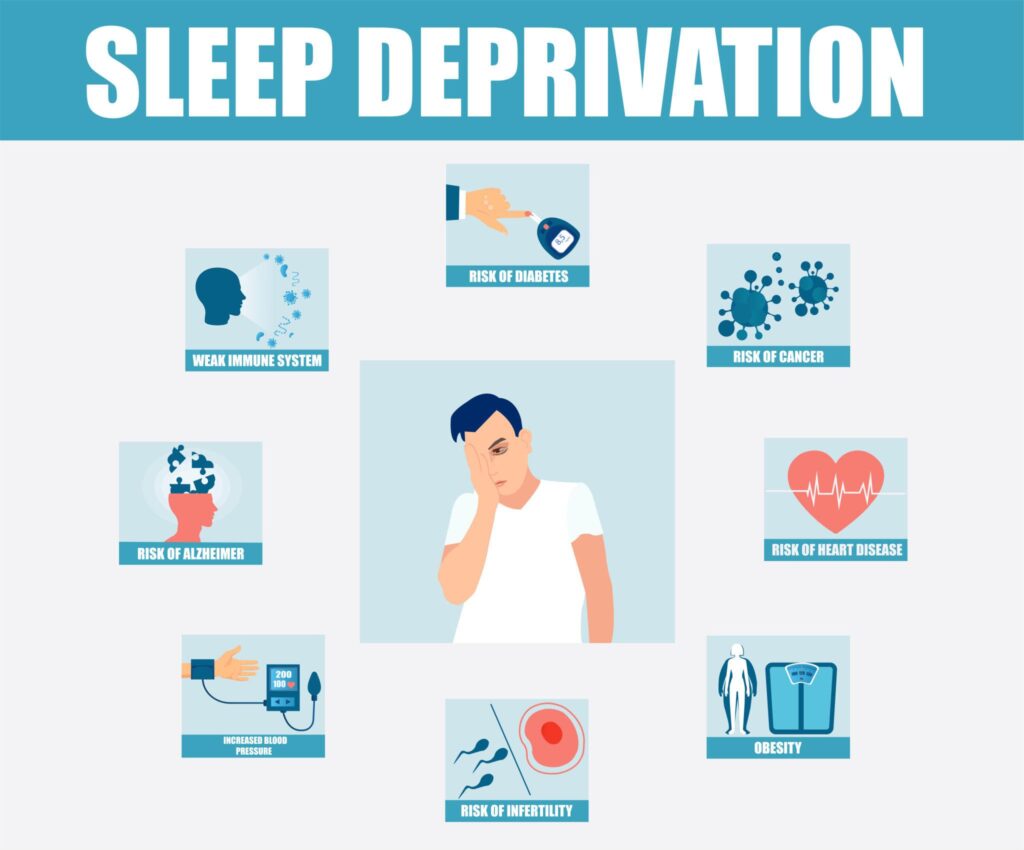
Dealing with panic attacks can be tough, but you know what else throws a wrench in the works? Not getting enough shut-eye. Missing out on sleep doesn’t just mess with your mental state; it can also take a punch at your heart, your immune system, and how your body handles food, opening a door to big health issues like heart disease, high blood pressure, inflammation, extra weight, and diabetes.
Cardiovascular and Metabolic Risks
If you’re skimping on sleep, your heart and metabolism might just throw a fit. Not only does it open you up to catching bugs more easily and messing with your body’s defenses, but it also throws a spanner in the works of your body’s metabolism. This can bump up your chances of stacking on weight, getting type 2 diabetes, or having heart troubles. What’s more, even after just a few nights of skimping on sleep, you might find your appetite on the rise, reaching for more snacks, while your body fires up more inflammation. Your heart rate might decide to tap dance a little faster, blood pressure follows suit, and lo and behold, up goes the sugar in your blood too.
Immune Function Disruption
Short-changing yourself on sleep can leave your immune system feeling a bit like it’s on vacation. Your defenses start slacking, making it easier for you to catch every bug that’s going around. And while your body is too busy not catching colds, the stress hormone, cortisol, might just decide to throw a party, hanging around more than it should. That can mean more weight gain and even play tricks on parts of your brain. This immune slip-up doesn’t only let infections invite themselves in but also lays the groundwork for issues in metabolism.
With more folks facing sleep troubles, it’s kinda hard to miss how lack of sleep spills over into both physical and mental health. Especially with something like the whole pandemic mess making sleep problems super common, lovingly nicknamed “Coronasomnia.” So, if counting sheep isn’t doing the trick, working on your sleep habits and thinking about getting some professional advice are smart moves to dodge the sleep deprivation trap and stay on top of your health game.
Sleep Deprivation and Mental Health
Let’s chat about something we can all relate to: lack of sleep and its link to mental health. It’s like the dark alley you’ve stumbled down after a party, where things can really get a bit hairy.
Relationship to Psychiatric Disorders
When I don’t get enough shut-eye, everything seems to go haywire. Chronic sleep deprivation isn’t just about feeling a bit groggy; it’s like leaving the front door open for a bunch of unwanted guests. Your immune system starts waving the white flag, making you ripe for all sorts of nasty bugs. What’s worse, it messes with your body’s balance – think obesity, diabetes, heart disease knocking at your door (NCBI). Just a little tweak here and there in sleep can help iron out these wrinkles in mental health.
Role in Aggravating Anxiety and Stress
Ever notice how stress skyrockets when you haven’t slept well? It turns out your brain’s like a gremlin when it’s cranky from lack of sleep. The amygdala, the part of your brain dealing with emotions, goes berserk over minor issues when the connections that usually keep it in check are snoozing on the job (News-Medical). This overreaction can turn your anxiety and stress up to eleven, making life seem like a never-ending episode of your least favorite drama.
There’s something transformative about a good night’s sleep, even when life throws a bunch of challenges at you. It turns out, improving sleep quality can ease mental health problems like depression, anxiety, and stress by a fair bit. Seriously, sleep’s basically free therapy – make it a priority and watch your mental health thank you later.
When you peel back the layers of sleep deprivation’s effects on mental health, you see how everything ties together. Fixing those sleep habits turns into a powerhouse strategy for reducing anxiety and stress, and boosting your mental armor. It all comes back to respecting the simple, powerful act of getting enough Zs – your mind and body will be forever grateful.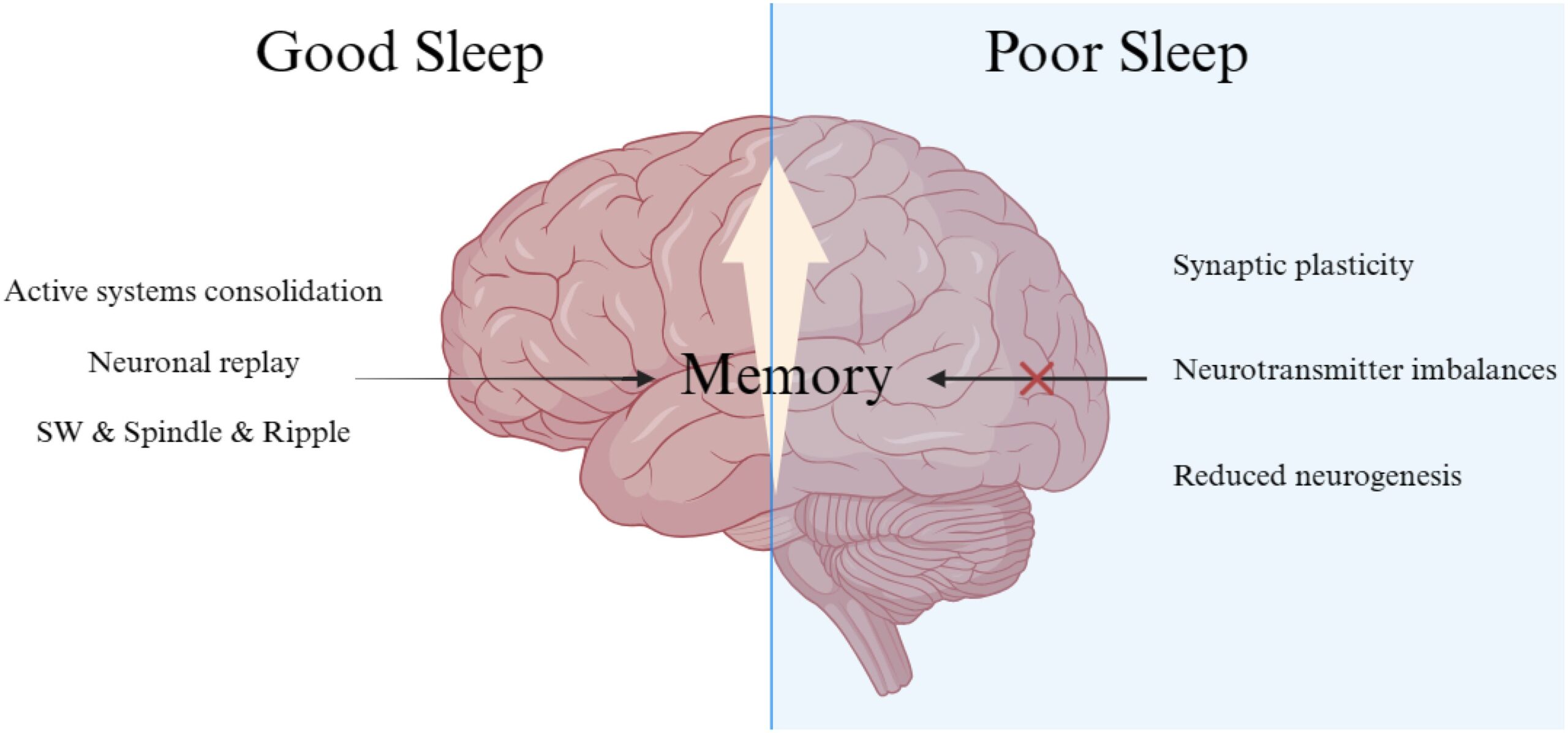
Sleep Deprivation and Panic Attacks
Have you ever pulled an all-nighter and then felt like your emotions were a tornado in your head the next day? It’s a weird twist, but not getting enough shut-eye can set the stage for panic attacks. Our bodies and minds act like a seesaw, balanced on sleep. Without enough z’s, that seesaw tips, messing with how we handle stress and emotions.
Triggers and What Makes Things Worse
So, here’s the scoop: when you’re sleep-deprived, your brain’s reaction to bad stuff gets amped up. It’s like your amygdala—the part of your brain that handles fear—goes haywire and ignores the chill-out signals it usually gets. This can send your emotions into overdrive, potentially sparking or worsening panic attacks (News-Medical).
And it doesn’t take weeks of missing sleep. Just skimping on sleep for one night can crank up anxiety, make you moody, or leave you feeling out of sorts. That shows how vital good sleep is for keeping your emotional cool and how missing out might be a trigger for panic (News-Medical).
Managing Panic Episodes
Handling panic attacks is like juggling; you need to keep your eye on what’s coming while keeping everything moving. If lack of sleep is a culprit, hitting the pause button to fix your sleep routine is a no-brainer.
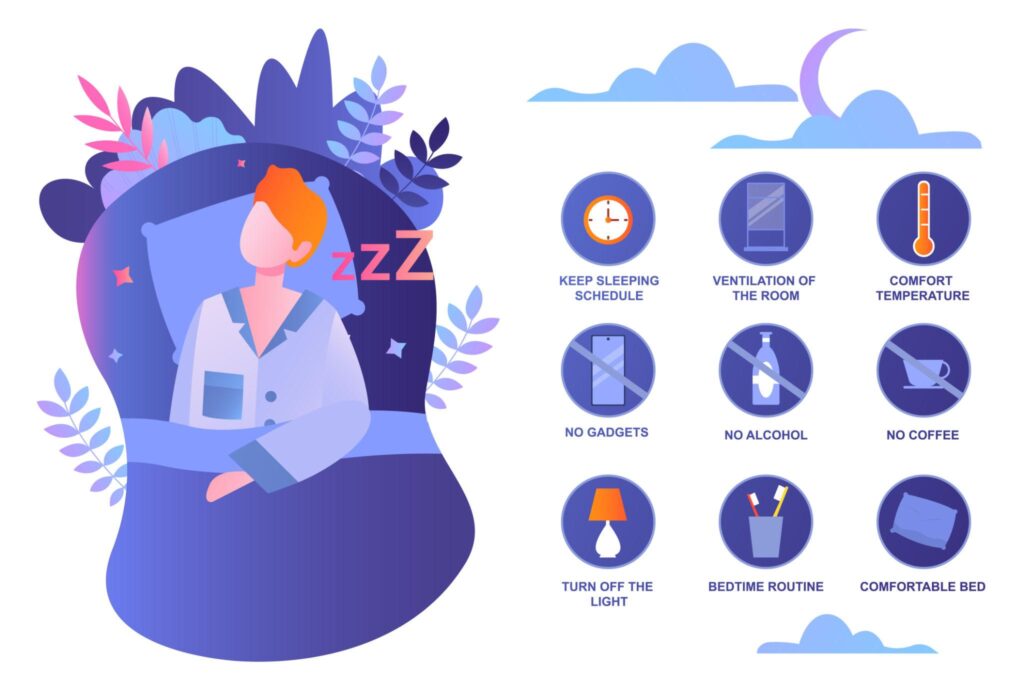
Try some relaxation rituals before bed to drift off more easily. Think of it as setting the mood for snoozing—get into a groove with a regular sleep-wake time, make your bedroom comfy, and maybe try some meditation to wind down.
For those bigger, gnarlier panic attack beasts, calling in a pro can be a game changer. Therapists who focus on anxiety and sleep can offer custom plans to help you regain control. Cognitive Behavioral Therapy (CBT) is a real powerhouse here, improving how fast you fall asleep and cutting down those anxiety spikes (NCBI).
Getting to know how sleep and panic connect is like shining a flashlight into the cave of your mind. It means you start catching the triggers before they pounce. Crafting a better sleep routine and facing down panic triggers with nice strategies can help you handle panic episodes more coolly. It’s about building resilience and being kind to yourself, all while chasing the restful sleep that keeps your emotions in check.
Improving Sleep Quality
I’ve been trying to wrap my head around how sleep deprivation messes with panic attacks. I’ve learned that getting better sleep could be a game-changer. So, let me share what we can try to tackle these issues and how Cognitive Behavioral Therapy (CBT) can work wonders for sleep.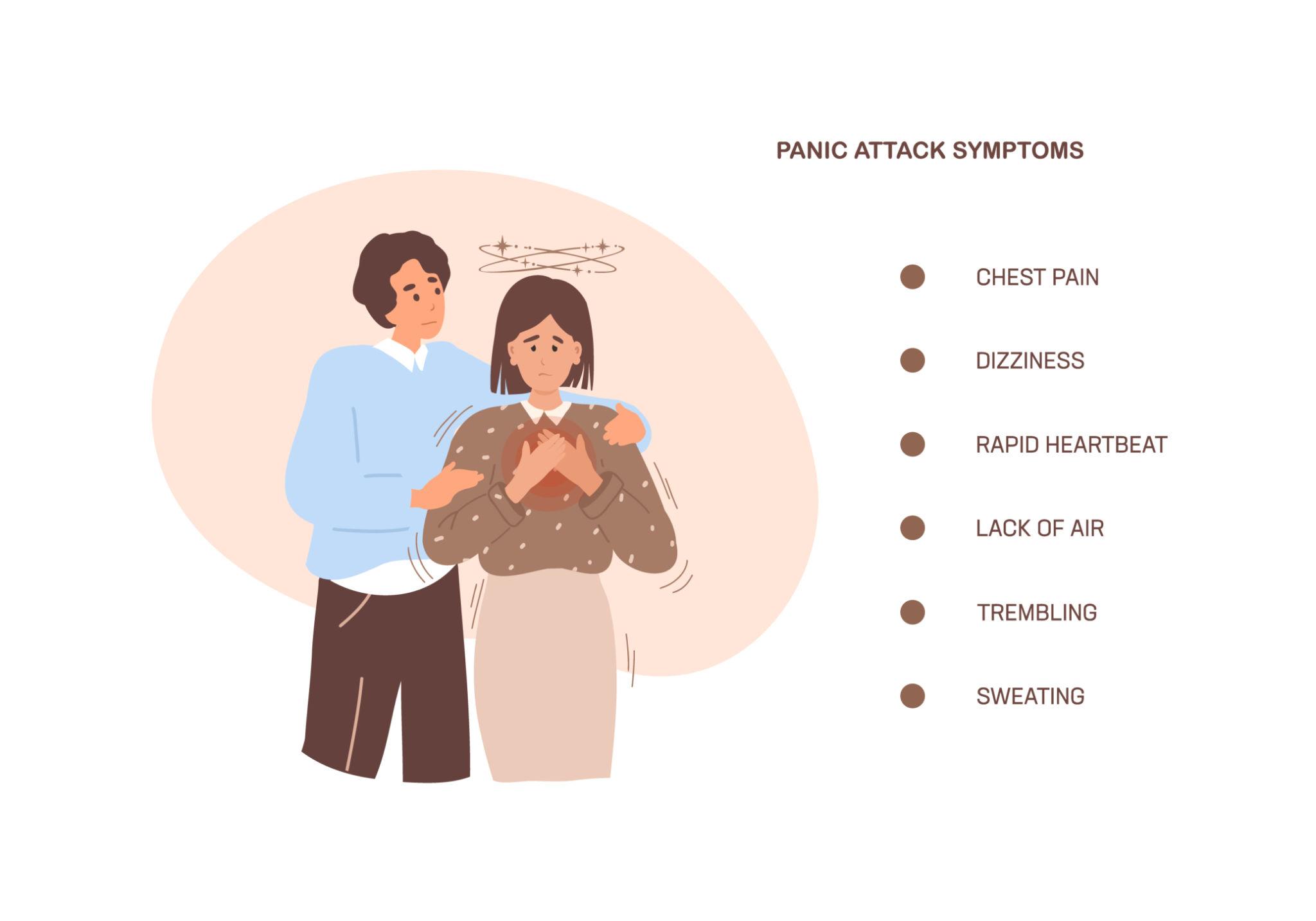
Strategies for Better Sleep
Getting quality shut-eye is crucial for my mental health. Here are some tricks to help achieve that peaceful sleep we all dream about, because, let’s face it, it can make a real difference in managing those pesky panic moments.
- Consistency is Key: I figured out that keeping the same bedtime and wake-up time every day, even on weekends, tells my body when to chill out and when to wake up.
- Set the Mood: Making sure my bedroom is as dark, quiet, and comfy as a cozy cave is a simple fix that really helps me snooze better.
- Ditch the Screens: As hard as it is, cutting out phone or laptop use before sleeping helps. Those blue lights? They trick my brain into staying awake, which I definitely don’t need.
- Chill Out Before Bed: Some nights, I do some slow-breathing exercises or even meditate a bit—it seriously makes my brain take it easy.
- Nix the Caffeine Fix: I’ve learned that a late-night coffee or heavy dinner can make my sleep go south, so I try to avoid that.
If these tricks don’t fit well with what you need, chatting with a sleep expert might set you on the right track specific to your needs.
Cognitive Behavioral Therapy Effects
CBT has been quite a revelation for me. For folks dealing with panic disorder or anxiety, this therapy is like a secret weapon for improving sleep. But it doesn’t work wonders on every aspect of sleep for everyone right away (NCBI).
The fascinating part? People who responded well to CBT for anxiety also noticed they could fall asleep faster (NCBI). This improvement seems to boost my overall mental health, showing just how connected sleep and well-being are (PMC).
Exploring ways to tweak my sleep habits and embracing the power of CBT gives me a fighting chance against sleep deprivation’s impact on panic attacks. Sleep health shouldn’t take the backseat; it’s a vital part of keeping my head and heart happy and healthy.