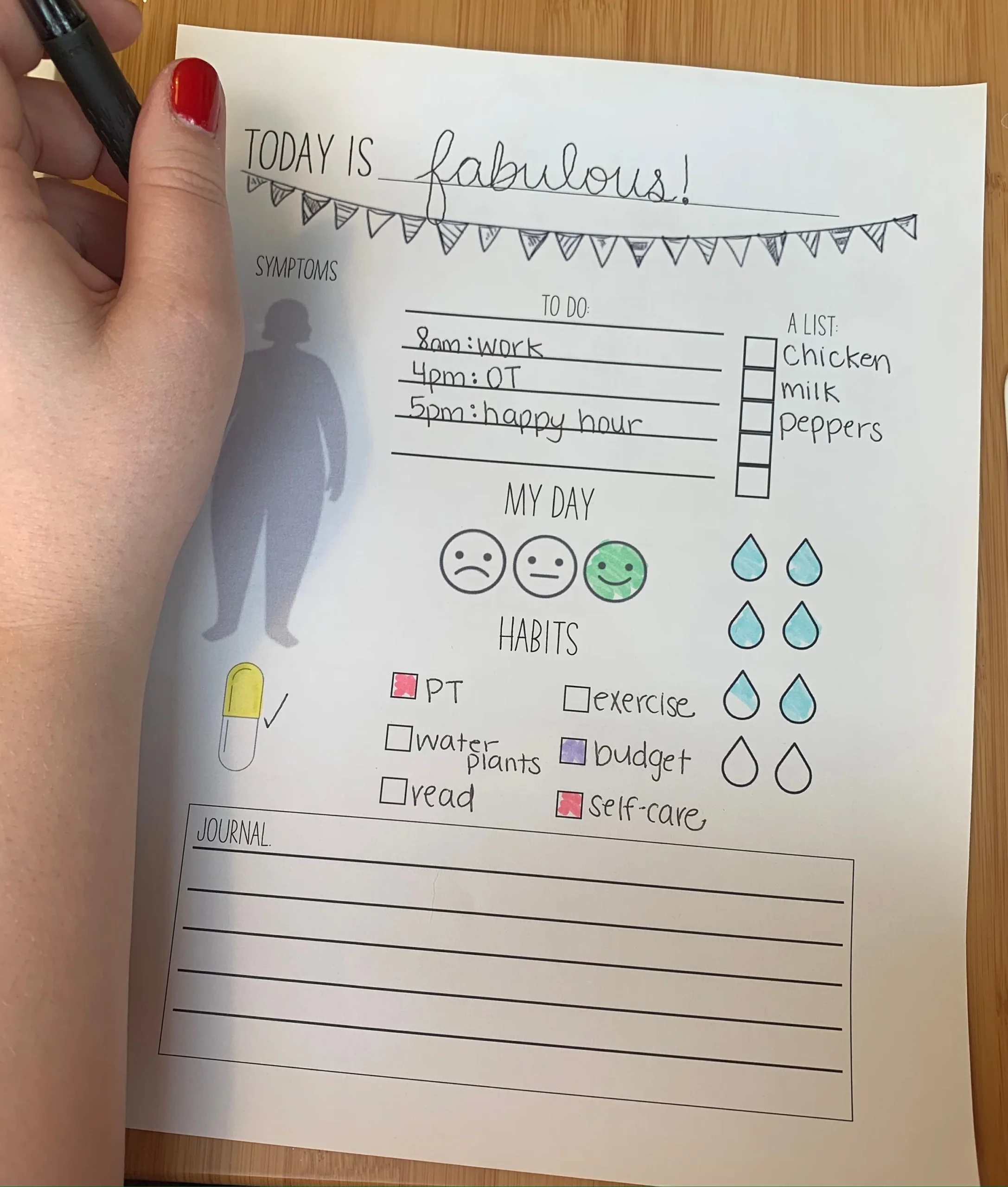

 Exploring Anxiety Journaling
Benefits of Journaling for Anxiety
Okay, so you’re feeling a bit on edge, maybe even bravely wrestling with anxiety. Can I tell you a little secret? Grabbing a notebook and just letting your thoughts spill all over the page can work wonders. Journaling isn’t just some poetic pastime – it’s a life jacket in the choppy sea of emotions. It’s like unlocking a private chat room where your scribbles give you the freedom to vent, dig around your fears, and maybe even have a mini panic party if that’s what you need.
Here’s the skinny: Carve out a measly 15 minutes a day for your pen and paper rendezvous, and before you know it, you’re on the pathway to feeling better. David Ibrahim, the wise head at Glendale Counseling Services in Los Angeles, says it’s pretty transformative for the soul, like opening the windows on a dusty, crowded attic.
A 2018 study even snuck in and proved the power of journaling. By focusing on these emotions, anxiety and its grumpy sidekick, depression, were shown to shrink while overall happiness wagged its tail in approval (Medical News Today). Journaling, folks, it’s like therapy on a budget.
Consistency turns journaling into your personal insight guru, helping you figure out the riddle of your thoughts and moods. It’s like being your private detective, uncovering clues on what sets off those anxious vibes. Not to mention, penning your feelings down can give you a superhero level of control, allowing you to peek at patterns and pivot away from those anxiety-inducing habits (HuffPost).
And as if that wasn’t enough, journaling gives your self-esteem a much-needed hug. This is your judgment-free zone, where you can let those raw thoughts out and find an unexpected friend in your own words. It’s like blowing a kiss to your mental health.
Bottom line? Journaling’s got layers. Alongside boosting your mood and mental gymnastics, it’s an express ticket to understanding and conquering that pesky anxiety beast. So, if you’re searching for a way to get a grip, grab that pen and let the soul-searching begin!
Different Approaches for Anxiety Journaling
Exploring a variety of ways to tackle anxiety journaling can really help in getting a grip on those emotions that just won’t quit. You’ve got a few methods in the toolbox: positive affect journaling, gratitude journaling, and the whole spill-your-emotions-on-paper gig, AKA expressive writing.
Positive Affect Journaling
Ever heard of the phrase “look on the bright side”? That’s pretty much the vibe of positive affect journaling. This is where you jot down those moments that made you smile or brought you some peace. Like when you find ten bucks in an old jacket or receive an unexpected compliment. It’s about making a conscious effort to focus on what’s good in your life. Bit by bit, this can nudge you toward seeing the glass as half full rather than half empty—helping those tangled anxious thoughts chill for a bit so you can feel more balanced.
To get started, jot down daily snippets of what made you feel happy, proud, or cozy inside. If you ever feel stuck in a downward spiral, flicking through these entries might remind you of the silver linings, creating a gratitude boost that strengthens your mental backbone.
Gratitude Journaling
Keeping a gratitude journal is like collecting the little gems of life you’re thankful for, no matter how tiny they seem. It nudges you to zero in on the positives and play down those shadows of worry lurking in your mind. This simple practice can end up being a real game changer, turning the volume down on stress and cranking up happiness.
According to plenty of smart folks who’ve done their homework, writing about what you’re grateful for helps inject a shot of sunshine into your day. It tunes you into the abundance surrounding you and fuels that inner glow, even when life throws rough patches your way.
Expressive Writing
Expressive writing, which some also call emotional or therapeutic writing, is where you let your pen fly and purge your mind onto paper. You don’t have to worry about structure, grammar, or making any sense—just raw, unfiltered emotion. It’s like having a heart-to-heart with yourself, free of any judgment.
Therapists often suggest this kind of writing as part of cognitive behavioral therapy (CBT). It’s a way to tackle those nagging thoughts that keep messing with your head—giving them a voice, then helping you figure out what makes them tick and how to keep them in check. The act of putting things into words can provide insights and relief from built-up tensions, paving the way for healing and self-awareness.
Mixing and matching these journaling methods can help you find what works best for your unique situation. Whether you lean toward embracing the good vibes, counting your blessings, or creating a safe space to spill your soul, journaling can become your best sidekick in conquering anxiety and promoting peace of mind. Keep that pen handy, and let the words flow.
Integrating Journaling into Therapy
Journaling’s like that old, trusty friend in therapy. It’s particularly handy in cognitive behavioral therapy (CBT) and for folks wrestling with anxiety. Let’s chat about how journaling and therapy fit like peanut butter and jelly, focusing on CBT and some nifty tricks that come with putting pen to paper.
Cognitive Behavioral Therapy and Journaling
Cognitive behavioral therapy—you might know it as CBT—loves a good journal. It’s a powerhouse tool for folks to sit with their thoughts, poke at their beliefs, and figure out which ones might need a little tweaking. Writing things down lets your brain take a breath and gives you a cozy corner for self-reflection (BetterUp).
In CBT, you’re encouraged to jot down your anxious musings, spot those triggers, and take notes on how you feel when stuff hits the fan. Journaling helps untangle those messy thought patterns, recognize when you’re going down a cognitive rabbit hole, and work on behaviors that aren’t doing you any favors.
And if panic attacks crash the party, a journal’s your go-to diary. Record how often they pop up, how intense they are, and see if you can connect any dots. This way, you and your therapist can tag-team to figure out the best moves to beat back anxiety, building some solid strategies and changing up how your brain reacts.
Therapeutic Techniques in Journaling
Therapeutic journaling isn’t just any scribbling; it’s got some cool moves like expressive writing and gratitude jotting. Research highlights these are powerful allies in therapy (PubMed Central). Expressive writing dives deep—think of it as a way to pour out those bottled-up thoughts and emotions. Letting it all out on paper can make those heavy feelings a tad lighter.
Gratitude journaling’s another trick, where you focus on the good stuff in life. It’s all about flipping the switch from doom and gloom to sunny side up, helping you take on a more upbeat perspective.
Therapists don’t just throw a journal at you and say, “Good luck!” They guide you on the art of journaling so it clicks with what you’re aiming for (PubMed Central). Learning these techniques builds your confidence to tackle anxiety and boost that feel-good in your head space.
When you mix journaling with therapy sessions, you unlock some self-reflection, spit out what’s bugging you, and change the way you think. This teamwork between writing and therapy lays down a path for managing anxiety and thinking long-term peace of mind. It’s all about giving you that safe spot to unravel your thoughts and feelings with a little help from your therapy pals.
Best Practices for Anxiety Journaling
Journaling can be your secret weapon in fighting those pesky anxious thoughts. Jotting things down helps you make sense of it all, track how you’re doing, and work towards a calmer mind.
Setting Up Your Journaling Routine
Nailing down a consistent journaling schedule is crucial for getting the most out of this habit. Choose a specific time each day to crack open your journal and let those thoughts fly. Doing this regularly can make life feel a bit more stable—like having your very own secret hideout where you can spill your guts and feel okay.
Check out this guide on daily routines for keeping panic at bay and see if you can slot journaling in as a main event. Whether morning journaling charges you up for the day or nighttime writing helps you wind down, pick a time that doesn’t make you roll your eyes.
Before you dive into writing, take a beat to get in the zone. Find somewhere quiet and comfy where you won’t be sidetracked. Turn this into something soothing with cozy lighting, chill tunes, or some scents that make the space feel like a hug.
Effective Journaling Prompts
Prompts are like your personal GPS through the maze of your mind, nudging you toward real insights. They spark deep thoughts, gratitude and help you pinpoint what kicks off your anxiety.
Try these prompts to get going with your journaling:
- Think back to something recent that got your anxiety buzzing. What went down and how did it make you feel? What ideas flew through your brain at that moment?
- Write about a time in your day when you felt unexpectedly calm or happy. How did that change your overall mood?
- List three things you’re grateful for today, no matter their size. How did recognizing these things change your feelings?
If you like a bit of structure, looking into specialized anxiety journals like The Depression Relief Journal or My Anxiety Journal could be helpful. They offer prompts and exercises to nurture your mental health.
By sticking these practices into your journaling mix, you can get to know yourself better, tame your anxiety beast, and find some inner peace. Keep in mind that being consistent and kind to yourself is important as you figure out your anxiety puzzle.
Impact of Journaling in Specific Populations
Journaling’s a bit like having a heart-to-heart with yourself, a way to untangle emotions and see things clearer. It’s especially helpful for folks dealing with tough stuff. Let’s chat about how this trusty pen-and-paper (or smartphone) activity might help three groups: folks battling cancer, young adults, and those dealing with chronic health woes.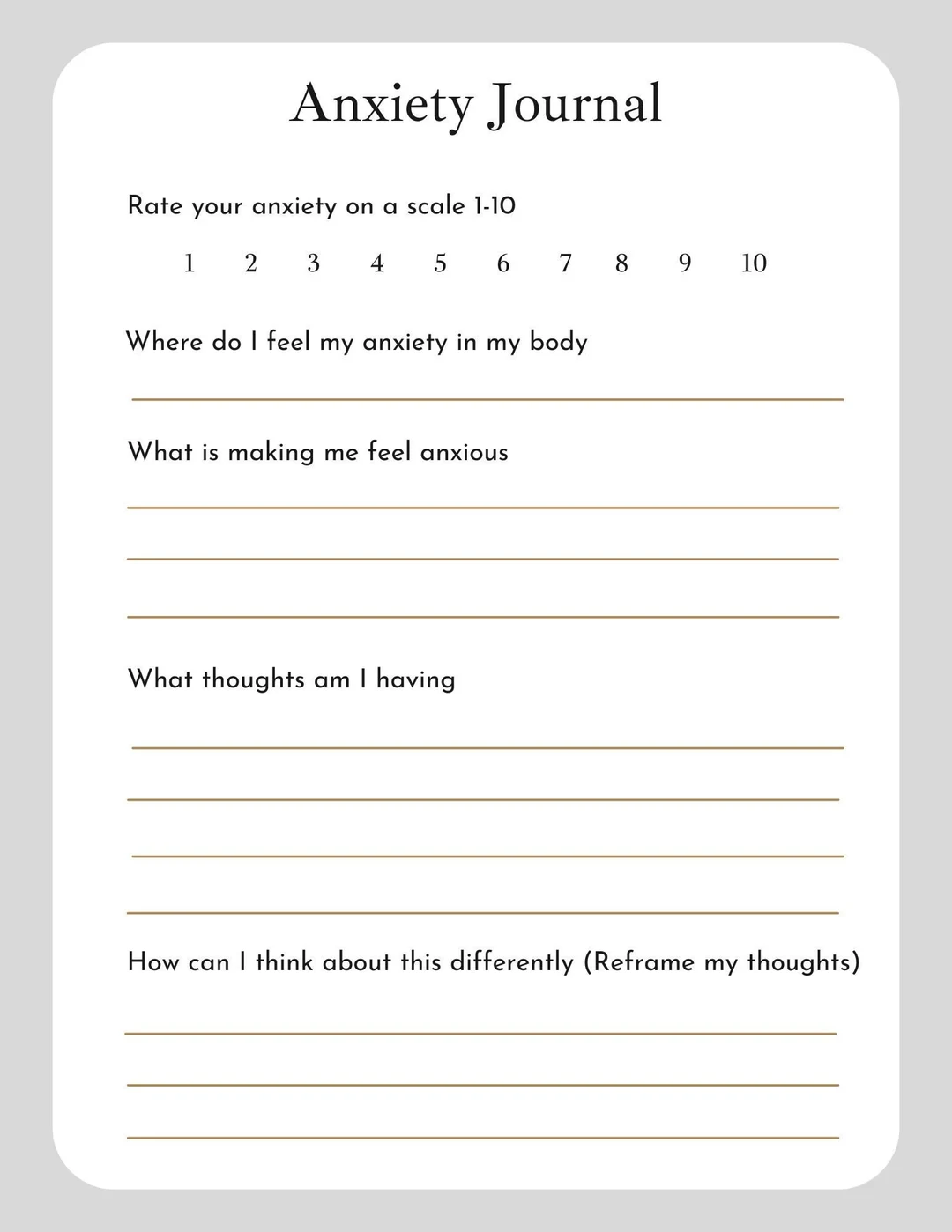
Journaling for Individuals with Cancer
Living with cancer can feel like running a mental marathon. For those who’ve received such a life-changing diagnosis, journaling can act like a vent for bottled-up feelings. Some folks have penned their way toward easing their minds, as highlighted in a 2021 piece by Medical News Today. It’s shown that scribbling down moments of gratitude can boost mental health and overall mood. Pouring thoughts onto pages helps folks sit with their feelings, find a bit of peace, and muster resilience for the road ahead.
Journaling for Young Adults
Young adulthood can be a real rollercoaster—big changes, big decisions, lots of feelings. A private journal can be a safe space to spill thoughts, dreams, and worries. According to research from NCBI, a 12-week journaling exercise focused on positivity can dial down stress and bump up happiness. Regular journaling can be a mirror, reflecting emotions and helping young folks understand themselves better, building a solid foundation of wellness as they grow.
Journaling for Chronic Health Conditions
Dealing with a chronic illness can be like wading through treacle, physically and mentally challenging. Journaling offers an outlet, a place to park thoughts and feelings about the daily grind. A study on Medical News Today noted that writing about emotions helped ease anxiety and depression, giving folks a mental boost. By recording what bothers or helps them, folks with long-term health issues can get a better grip on their situation and see how they’ve coped over time.
Making journaling a regular habit offers a space to breathe, reflect, and grow for people living with cancer, young adults, and those with chronic illnesses. Through putting pen to paper, people in these situations can face their challenges with a bit more grace, wisdom, and hope for the future.
Utilizing Guided Journals
Dealing with anxiety while trying to fit in some self-care? Well, guided journals might just be your new best friends. Here’s the lowdown on three top picks that can help you tackle anxiety and boost your mental health game:
The Depression Relief Journal
Maggie C. Vaughan crafted The Depression Relief Journal to be like your own personal cheerleader. It’s jam-packed with exercises and prompts that guide you through the ups and downs of depression. This journal helps you make sense of your emotions, flip your mindset, and find that tiny glimmer of hope when life feels like a rollercoaster.
My Anxiety Journal
Sophia Joyce’s My Anxiety Journal is the go-to for untangling the knots of anxiety. It’s got prompts and exercises to help you pinpoint what’s setting off your alarm bells, understand what makes you tick, and develop strategies to handle the stress. With pages for both weekly achievements and daily check-ins, it lets you track your mental health journey and boost your self-awareness.
Let That Sh*t Go Collaborative Journal
Meet the Let That Sh*t Go Collaborative Journal, thanks to Monica Sweeney. It’s all about shaking off frustrations and crafting new stories in a way that’s both cheeky and powerful. With its fun and impactful prompts, you can kick negativity to the curb, treat yourself with kindness, and look at life with a sunnier perspective.
Bringing these guided journals into your life could be your ticket to self-exploration, empowerment, and healing. They offer a set routine to help you sift through emotions, face down challenges, and build resilience against anxiety’s clutches. Dive into the world of guided journaling and unlock a path to self-reflection, personal growth, and that calm, collected peace of mind.