
 Understanding Wearable Technology
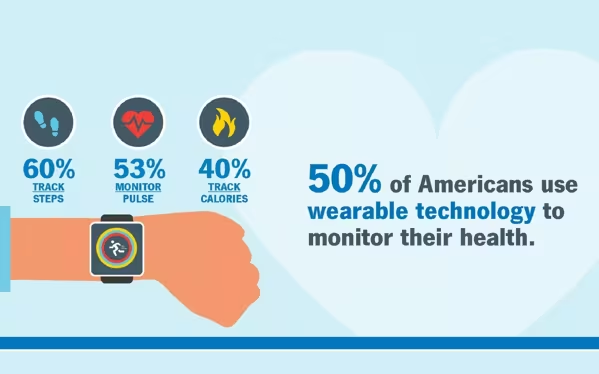
In today’s world of healthcare and wellness, wearable technology plays a huge part in helping us understand our bodies and minds better. Its main superpowers are checking up on us and catching stuff ahead of time with those smart sensors.
What Wearables Can Do
Wearables are like mini health detectives, always on the job. They track things like heartbeats, how much you move, and how much oxygen you’ve got in your system. Thanks to real-time data, they help you and the docs see patterns, spot weird stuff early, and make smart choices about your health.
One of the coolest things? Wearables let doctors keep an eye on you without needing you to be in the hospital. You get watched over, and any issues get caught before they become big problems. If you deal with anxiety or panic attacks, wearables are like a trusty sidekick, watching your body’s reactions and giving you info to tackle those stresses head-on.
Checking Things Out with Sensors
These little sensors collect info quietly, looking for patterns that might mean something health-wise. They track everything—from how you move and the number of steps you take to the light around you and noise levels. By piecing this stuff together, wearables might catch early hints of health troubles.
For folks dealing with anxiety and panic attacks, these sensors are invaluable. They scoop up details about stress, daily activities, and sleep. This kind of data can reveal what ticks you off, how intense things get, and what seems to help or not. Tapping into this info lets people understand their anxiety better and figure out what works as a calming strategy.
Wearable tech goes beyond just feeding you data. It puts power in your hands to tackle your mental health. Use it to figure out what stresses you out, and come up with personal tricks to stay calm and balanced.
For more ideas on keeping anxiety in check, check out resources like lifestyle changes to prevent panic attacks in 2025 and how to build a daily routine for panic-free living for tips on creating a peaceful mental space.
Importance in Healthcare
In healthcare, wearables are making waves by boosting how we keep track of and even predict health problems, particularly with mental wellness, like anxiety.
Detection of Biomedical Conditions
Wearables are like superheroes when it comes to spotting health issues early on. They’re fantastic at collecting data and picking up on patterns and warning signs. Just think about smartwatches; they keep tabs on your heart rate and can even catch atrial fibrillation before you know it. Healthcare pros are loving this tech because it’s like getting a sneak peek into your body’s secrets, letting them step in with the right help and tailored plans just for you.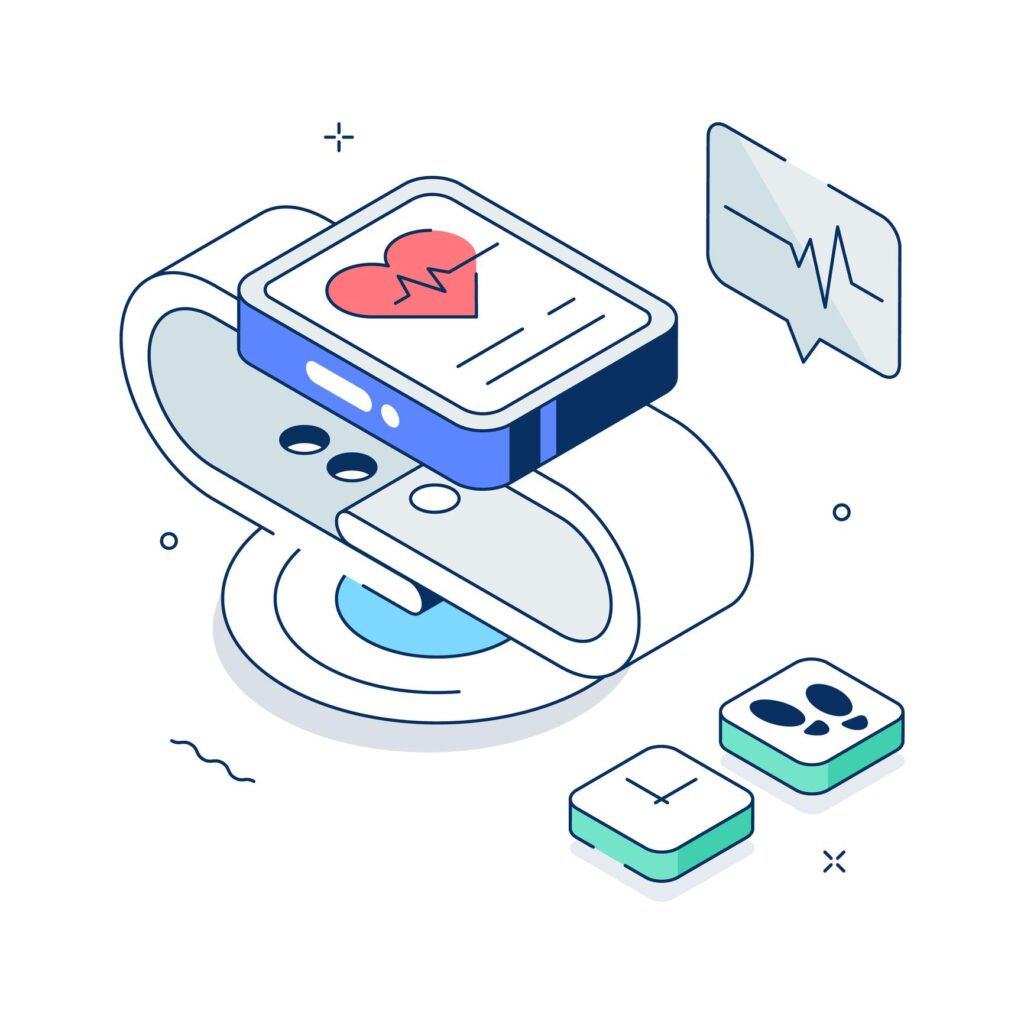
Predictive Function of Wearables
These nifty gadgets are crazy good at predicting health hiccups before they become full-blown problems. Wearable sensors, for instance, give a big thumbs up over the old-school ways of checking mental wellness. They’re cheap, easy, and they grab data while you’re going about your daily grind. They’re smart enough to gauge jitters, stress, and even forecast panic attacks. That way, you and your doc can jump in and calm things down before they get out of hand.
More folks are strapping on smartwatches and bands to keep an eye on and manage stress. Studies are waving at us, showing how wearables can really take the edge off stress through cool interventions and self-help tricks. This puts you on the path to managing stress in the long haul and nipping problems in the bud.
With all this data on your side, doctors can improve patient care, spruce up how treatments pan out, and help folks stay on top of their health with insight and action.
Challenges and Considerations
When it comes to wearable gadgets that promise to ease those pesky anxiety woes, you’re stepping into a tricky terrain. I’ve got a couple of hot potatoes here for you: making sure the data these nifty devices spit out is top-notch, and figuring out just how all those rules and regs apply to them.
Data Quality Concerns
So here’s the thing, the gizmos we’re using to track our anxiety levels sometimes have a hiccup or two. It all boils down to how good their sensors are, and let’s just say, consistency isn’t always their strong suit. NCBI points out that this hiccup can mean that the numbers you get can be all over the place, and that’s not really what you want when you’re trying to keep a handle on anxiety.
To sort this mess out, inventors and tech geeks behind these wearables need to step up their game. They’ve gotta make sure their sensors are sharp as a tack and keep their data collection methods on the straight and narrow. When the info you’re getting is solid, you’re in a better spot to tweak your personal anxiety-busting routine.
Regulatory Framework for Wearables
Now, let’s talk rules. The way these devices are treated in the healthcare world needs to be sorted out. There’s a lot of chat about making sure these gadgets hold water when it comes to clinical proof and delivering data that’s worth its salt. But, there’s still a fog around how exactly this info is collected, judged, and used. That issue keeps everyone on edge about how much they can trust what their device tells them (NCBI).
To clear this up, it’s time for the rule-makers and healthcare heroes to join forces and nail down some crystal-clear rules on handling everything from privacy to how we understand the data from these gadgets. Once they get their heads together and whip up some solid guidelines, folks can breathe a little easier knowing they’re getting the real deal from their anxiety managing tech.
The road to wearables saving the day for anxiety is riddled with these bumps: cracking the data quality puzzle and tying up loose ends in the rules department. When diving into the world of wearables to tackle anxiety, arm yourself with knowledge, chat with the pros, and don’t forget to keep an eye on both data reliability and sticking to the rules for the best shot at anxiety-beating success.
Wearables in Mental Health
In the field of mental health, swapping out the old-school methods for wearable tech feels like watching a grainy black-and-white TV transform into a 4K experience. We’re talking about devices that do more than just count steps—they keep a close eye on heartbeats and breaths, all while living on your wrist or tucked into your pocket. It’s like having a little sidekick that spots stress and anxiety before you even feel it coming (NCBI).
Advantages Over Traditional Methods
These wearables, they’re not like your mom’s old mood ring. They’re high-tech and have this personal touch that means everything’s all about you. Picture it: tracking your sleep and nudging you with tips to catch better Z’s, or watching your workout routine and suggesting tweaks just for you. This is anxiety management that knows you—like a best friend who’s got your back, keeping tabs on what makes you tick.
And it’s not just about catching stress early. These gadgets are on a mission to make us more mindful about our feelings and how we act on them. By drawing a full picture of your day—from how you move to how you sleep to who you hang out with—wearables help tackle stress head-on (HT World).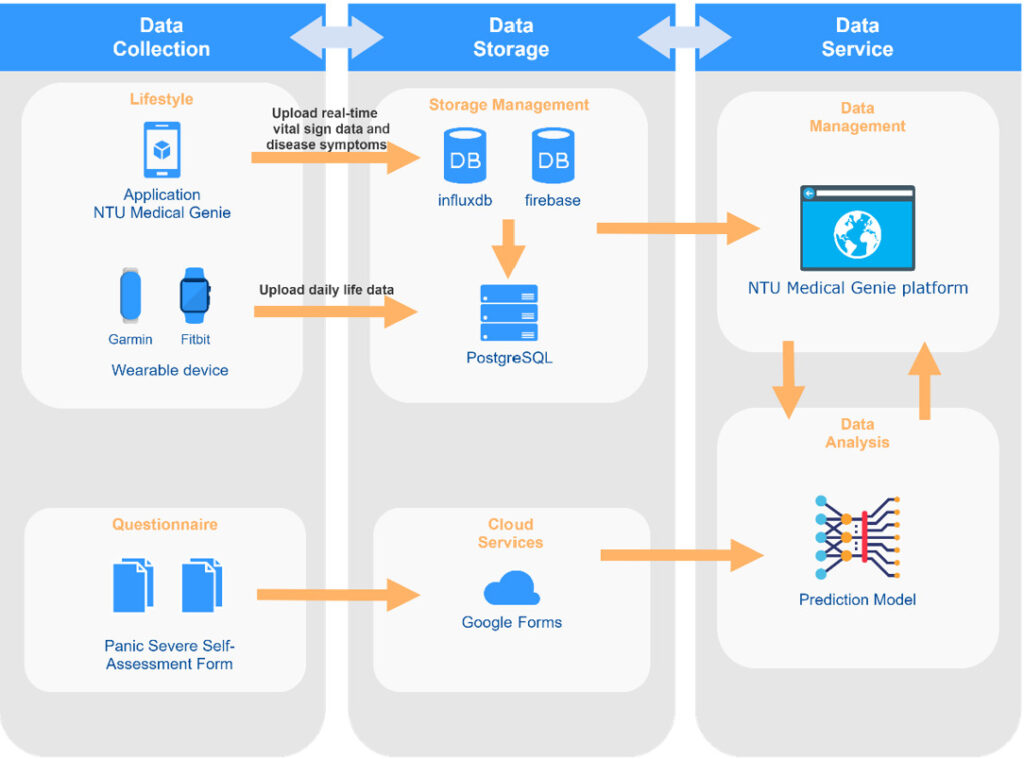
Applications in Anxiety and Panic Attacks
Wearable tech is like your own personal stress detective, sensing when things are going wonky before you even realize it. By keeping tabs on heart rates and sweaty palms (yep, it even knows that!), these devices can tap you on the shoulder when it’s time to chill out. No more letting anxiety sneak up on you when you can nip it in the bud (NCBI).
But the magic doesn’t stop there. These smart little helpers want you to feel on top of things, encouraging habits that keep those jitters at bay. By tracking things like how long you hit the hay, what you chow down on, and when you move it-move it, wearables set you up with goals and even give you a pat on the back when you meet them. Suddenly, taking care of your mental health feels like having a friendly competition with yourself (HT World).
The charm of wearable technology in mental wellness is all about pumping up those coping muscles and turning anxiety on its head. They hand over pieces of the wellness puzzle, helping you piece together a more balanced, aware, and chilled-out existence. Welcome to the new age of feeling good and owning your mental health journey.
Personalized Interventions
Ever thought about how those little gadgets on your wrist can help ease anxiety? Yep, wearables aren’t just for counting steps or sending texts; they can offer personalized support directly to you. They might collect data, but that data translates into tips that make anxiety and panic less burdensome.
Delivering Customized Recommendations
So, what’s the scoop on these wearables? Based on info from NCBI, they gather details like little detectives, figuring out what parts of life could use a boost. Whether it’s how you sleep, how much you move, or how you feel, wearables have got your back with simple suggestions.
| Suggestion | Purpose |
|---|---|
| Tweak Your Sleep | Getting some good shut-eye helps with stress, right? |
| Move Your Body | A little exercise goes a long way to lighten the mood. |
| Chill Techniques | Things like deep breathing and meditation are quick fixes. |
| Food for Thought | Eating right can help keep anxiety gremlins at bay. |
These aren’t just suggestions—the goal is to put control in your hands, create good habits, and keep anxiety in check over time.
Enhancing Traditional Treatments
Wearables give a cool twist to traditional anxiety treatments by offering a high-tech helping hand. They play nice with therapy or medication, bringing real-time insights into how your body and mind are handling stress.
According to HT World, here’s how wearables step up:
- Keep tabs on heart rate and sleep without you lifting a finger.
- Encourage you to get moving when you’re feeling sluggish.
- Help set goals for mental health winners like managing stress.
- Provide check-ins and virtual rewards to keep you engaged.
Bringing wearables into your routine means you can keep track of how you’re doing and make quick adjustments. It’s like having a little partner in your pocket, always ready to help. This collaboration between tech and traditional methods marks a leap forward in making anxiety management more personal and effective.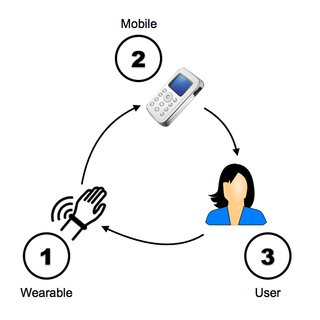
Studies and Effectiveness
When it comes to using wearables to help ease those nagging feelings of anxiety, the research is looking pretty good. Experts have been delving into how these tech gadgets can keep an eye on stress and help folks manage their mental wellness. So, let’s see what the buzz is about wearables monitoring stress and how they can impact mental health.
Monitoring Stress Levels
Wearable gadgets are like having a mini health assistant right on your wrist. They come loaded with sensors that watch out for things like how your heart’s beating and even changes in your skin when you’re frazzled (HT World). They pick up on stress in just about 20 seconds, checking things like oxygen levels, skin changes, and whether you’re running a bit hot under the collar, with accuracy levels right up in the high 90s.
A good look through the books shows how gadgets equipped with stuff like ECG, PPG, EDA, HR, and GSR can give insights into how wound-up or anxious someone is feeling. Top-notch smartwatches from well-known brands have been pretty dependable in research, consistently offering solid readings when it comes to understanding mental health (NCBI). It’s been shown that wearables, especially those that track heart rate variability, do a great job at keeping tabs on stress, with EDA and HR sensors really standing out for spotting when you’re under the pump (NCBI).
Impact on Mental Health Management
These sensors give you feedback in real-time about what’s going on inside your head and heart, helping you spot when things might be going off track. Say a wearable buzzes to let you know your heart’s racing more than usual—might be a good idea to take a breather. Most of the studies are quite upbeat, with more than three-quarters saying wearable tech is helpful for stress management. They explore self-regulation—like closing your eyes and counting to ten when tensions rise—and other preventive tricks to keep stress at bay (NCBI).
By giving stress a careful watch and offering immediate insights, wearables are like a powerful secret weapon in dealing with anxiety. They help you move in the right direction, giving you a fighting chance to tackle mental health head-on and feel better about life’s ups and downs.