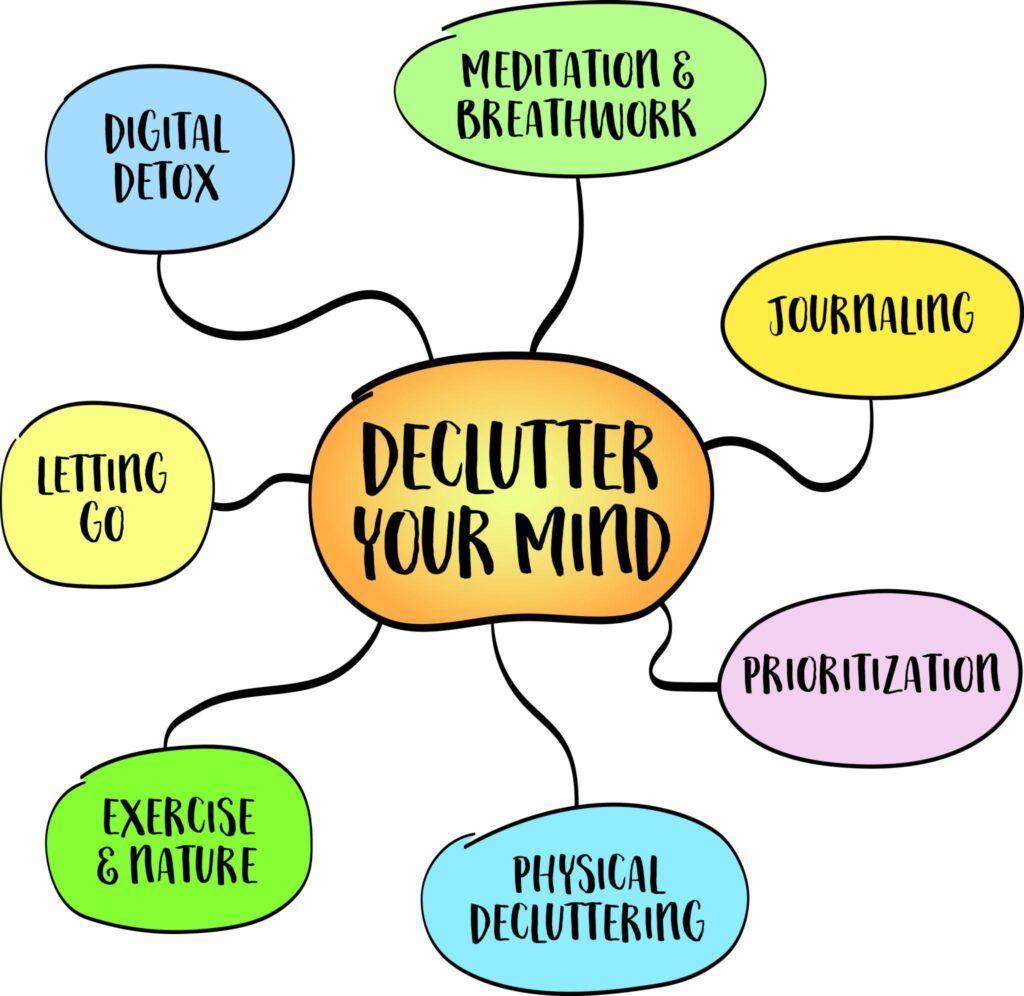
 Introduction to Minimalism in Reducing Anxiety
Alrighty, let’s talk about how becoming kind of a minimalist can actually help kick anxiety and panic to the curb. We’re going to dig into what minimalism really means and how it can help boost mental health.
Understanding the Concept of Minimalism
So minimalism isn’t just about having less stuff—it’s more like a lifestyle choice where you focus on living with intention and only keeping what really counts. Think of it as tidying up your physical world and your thoughts, tossing out the extras that cloud up life. By going minimalist, you’re shifting away from wanting all the things and instead, you’re keeping life simple, focusing on being thankful, and finding real purpose.
Impact of Minimalism on Mental Health
Back in 2009 in the US, a study found that living with more purpose and less stuff can seriously ease stuff like stress and anxiety. Keeping your space clean and clutter-free gives you a feeling of freedom and puts you in control. With fewer things to manage, there’s more room for happiness and fulfillment, plus a good dose of mindfulness.
Enough with the clutter; the more you clear out, the better you’ll feel. It brightens your emotional skies and makes your mind chill out a bit. A neat spot isn’t just about looking good; it feels good too, giving you a peaceful mind, which lowers those stress vibes. And hey, it turns out folks who love their homes and see them as organized are cruising with lower stress levels than those who find them chaotic, according to WebMD.
So as we peel back a bit more on minimalism and how it can beat down anxiety and panic, it becomes clear that living with less is actually living with more—more calm, gratitude, and purpose.
Minimalism and Decluttering Spaces
Living with less might just bring more peace to your life. Clearing out the clutter doesn’t just free up space in your home—it frees up room in your mind. Who knew piling up stuff could pile on stress! The zen of a tidy house is real, my friend. Tossing unneeded things could actually help you stress less and breathe easier.
Benefits of Decluttering for Anxiety Relief
Back in 2009, a study right here in the U.S. found that minimalism wasn’t just a fad; it was a real mood booster (Medium). Cleaning up the clutter isn’t just a chore—it’s a form of psychological magic. When you dump the junk, you’re not just clearing your closet, you’re clearing your head, too. Who doesn’t want to feel lighter and more at ease?
When you start letting go of those old shoes or extra mugs, you’re making room for peace. It’s like giving your mind a nice, long exhale. With a more streamlined space, your stress levels notice. You’re not just cleaning; you’re calming.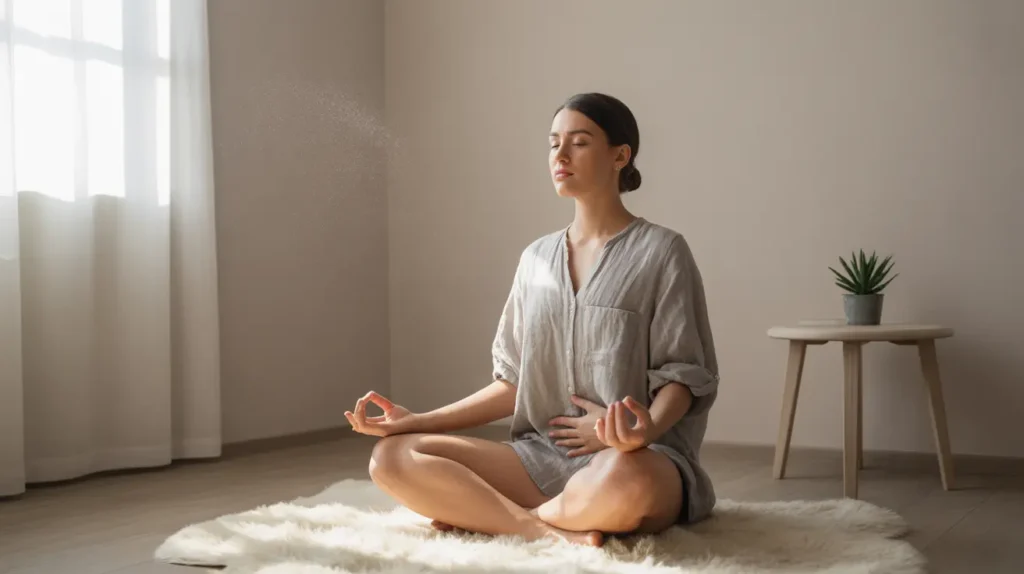
Minimalism and Emotional Well-being
Owning less gives you more time and energy to focus on what really fills you up, emotionally and mentally (Medium). Fewer shopping sprees and more mind space—that’s the minimalist promise. As you start to wipe away the excess, you’re likely to find more room for those moments that matter.
In a minimalist’s home, there’s no room for chaos. With fewer gadgets and gizmos, you’ve got more space for sanity and kindness to yourself. Ever tried meditating in a messy room? Less stuff equals fewer distractions, and more peace of mind.
Living in a cluttered place is like living in a pressure cooker. Minimalism throws open windows to a breeze of calm. As your rooms clear out, so does your headspace. Goodbye chaos, hello calm.
If you’re dealing with stress or anxiety, decluttering isn’t just tidying—it’s therapy. Take a cue from minimalism, fix up your space, and you might find you’re fixing up your mind, too. With less around, there’s more time for the truly important things that make your heart sing and your mind still.
Digital Minimalism for Anxiety Management
When I’m dealing with anxiety, trimming down my tech habits becomes surprisingly effective. You know, just being picky about my screen time and taking breaks from the social notifications helps me focus on what really counts.
Managing Anxiety through Less Screen Time
Too much tech love ain’t great for the ol’ headspace. There’s actually quite a payoff in terms of mental peace when I limit my digital interactions. Constantly staying wired can flood me with info, making my brain feel like it’s wrestling an octopus. Setting boundaries and creating “no phones allowed” zones in my routine gives me those sweet moments of silence, cutting through the chaos.
Turning the screens off can also help me snooze better. All that blue light messes with my body clock, making it hard for me to catch Zs. Unplugging an hour before I hit the sack gives my work-weary brain the breather it needs to doze off without tossing and turning.
Getting Back to Good Old Offline Fun
With life zooming past in the digital fast lane, it’s easy to forget about the offline stuff that used to make me smile. Digging back into hobbies, stepping into nature, whipping out some art supplies, or just breaking a sweat takes me away from the digital din for a bit.
These non-screen activities don’t just distract me from the worries but let me soak in the moment. Stuff like diving into a good book, wandering about, or indulging in a cherished pastime keeps me grounded, refreshing my own vibe and cutting out the anxiety.
Living by digital minimalism habits helps me strike a better balance with my devices, reminding me to put “me” first, and crafting a cozy sanctuary where my mind can unwind. Reconnecting with offline joys and sneaking in digital detox breaks can ease the anxiety load and sprinkle tiny bits of peace in the whirl of life.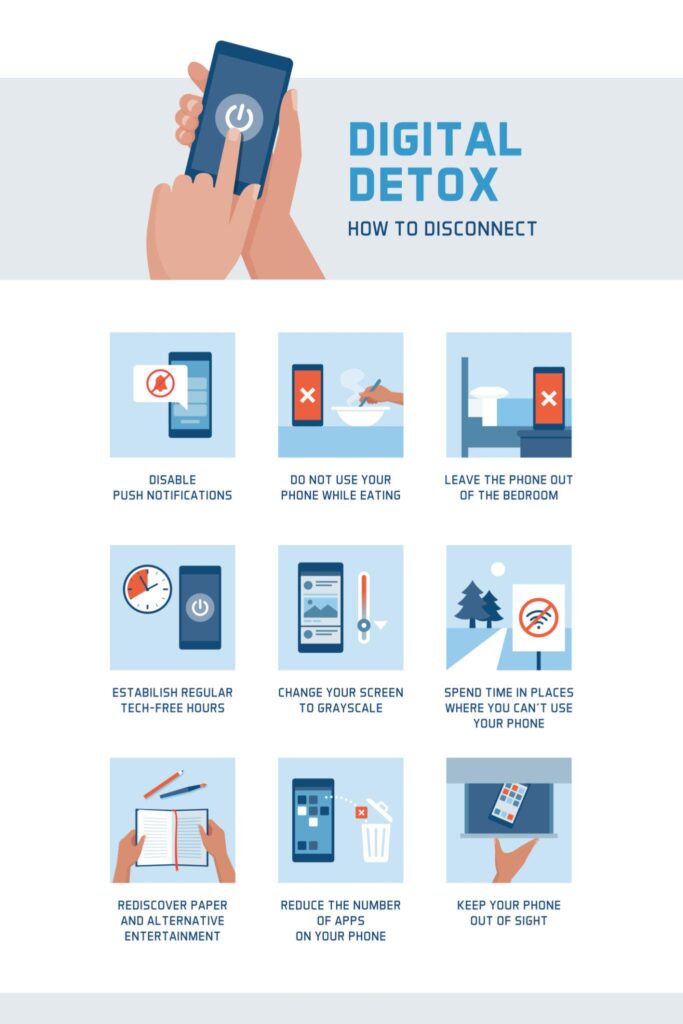
Minimalism and Decision-Making
Let’s chat about minimalism. It’s like a cozy blanket that calms anxiety and curbs panic attacks by cutting down clutter and making choices simpler. We’re diving into how living with less can make deciding stuff easier and help in chilling out in our everyday lives.
Fewer Choices, Less Anxiety
Picture this: one of the perks of minimalism is slashing down your options, which makes deciding way less stressful and cuts back on anxiety. Going the minimalist route means trimming down your stuff, your to-dos, and your whole way of life. It helps clear your head and quiet the mental chaos.
Living minimally makes you intentional about what’s truly important, pushing aside the fluff that causes stress. When there’s less to choose from, decisions are quicker, giving you that sweet feeling of control and serenity.
Cutting Closet Clutter
Now, think about your wardrobe. Minimalism works wonders here for kicking anxiety to the curb. Imagine a closet with just the right pieces. Less decision fatigue when getting dressed, right?
Tidy up that wardrobe! Go for a capsule collection or toss out the clothes that aren’t doing it for you. A neat closet means you won’t sweat over what to wear, and you’ll dodge that overwhelming feeling when your closet’s packed.
Going simple with your wardrobe leads to mindful choices, bringing a calm and confident vibe to how you dress. Focusing on things that spark joy instead of owning a pile of clothes can pep up your mornings.
By blending minimalist vibes into how we make decisions, we’re not just talking less stuff—we’re aiming for mental and emotional clarity. It’s like taking a breath of fresh air, guiding us to live a calm and centered life.
Environmental Influence on Anxiety
Let’s talk about how our surroundings can mess with our heads, stirring up feelings of worry and panic. Your environment can shape how you feel, just like animals are affected by where they live. It’s that important.
Impact of Environment on Mental Health
Ever walked into a messy room and instantly felt stressed or guilty? That’s your brain reacting to chaos. When there’s stuff all over the place, it’s like a million little reminders of what you haven’t done yet. And boy, does that spike anxiety!
If you’re living in clutter, chances are your stress levels are high too. Studies buzz that women who see their homes as neat have lower cortisol, that pesky stress hormone, while those surrounded by chaos are stuck with the high stuff (Thanks for the heads-up, WebMD!). So, yes, where you chill really affects how chill you feel.
Creating Calm Spaces with Minimalism
Let’s flip that coin and dive into minimalism—fancy talk for stripping things down to what’s really needed. It’s not just about having a clean room; it’s about creating a space that feels peaceful (Mia Danielle Blog). Simple surroundings free up mental space and can make you happier and more in control. Less stuff, less stress. Neat, huh?
But it’s not only about the stuff you see. Minimalism lets you declutter your mind too, helping you focus on the good stuff in life and shake off anxiety. It’s not just cleaning up; it’s about simplifying what gets your attention and energy (Quora). So, get rid of the extras, and create a peaceful home that cradles your mind and calms your nerves. Let your space be your Zen zone, supporting not just your life, but your peace of mind.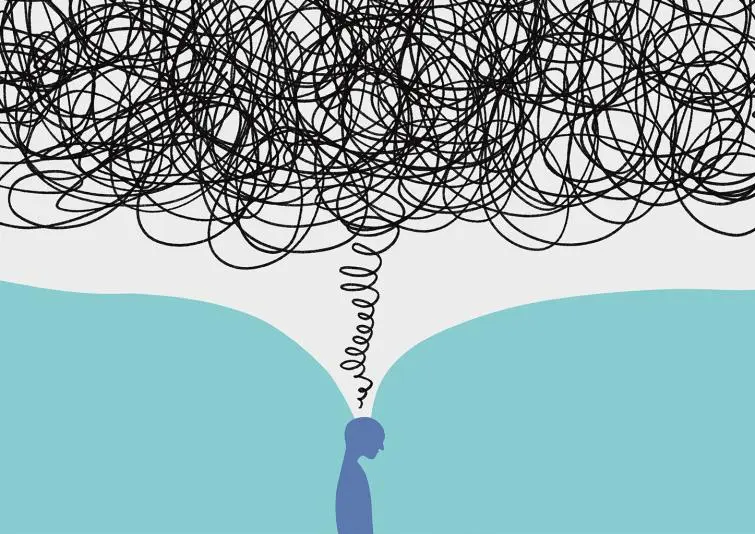
Lifestyle Changes for Long-Term Anxiety Relief
Trying to shake off anxiety for good? Well, look no further. Making a few tweaks to how you live might just be the ticket to feeling a whole lot better. Much of it boils down to two simple ideas: be careful with how you spend your money and choose experiences over things.
Mindful Spending and Conscious Consumption
Being thoughtful with your wallet isn’t just about cutting corners—it’s about making every dollar count. Think of it as adopting a minimalist lifestyle with an emphasis on what’s truly worthwhile. It’s like saving your pennies but also saving your peace of mind. When you’re picking out what to buy, ask yourself if it genuinely adds value to your life. The mantra here is: less confusion, more clarity, more cash for what really matters.
When you start picking purchases that sync up with what you really care about, it’s a massive relief. It’s like Marie Kondo-ing your finances. You’ll find less junk in your life weighing you down and stressing you out. What once felt like chains of bills and clutter can now feel like wings, letting you appreciate the good stuff you already own.
Chucking out the excess and only spending where it counts? That’s smart money talk. And it helps keep your stress meter in check too, setting you up for feeling good inside and out.
Embracing Experiences over Material Possessions
Tired of the buy, buy, buy mentality? You’re not alone. It’s way more rewarding to invest in experiences than in a lot of stuff that only fills your closet. Instead of drowning in things, dive into experiences that fill your soul. Whether it’s making new memories with friends or ticking off personal goals, opting for experiences enriches your life in a way that stuff can’t.
Focus on activities that get you buzzing—adventures that pump you up and foster real connections. This focus not only keeps you in high spirits but also builds your mental resilience and emotional health.
Switching gears from things to experiences can also zap loneliness from your life. By pouring yourself into relationships, self-improvement, and experiences that leave a mark, you make your life vibrant with memories, boosting happiness and a sense of belonging.
Kicking off a minimalist lifestyle, spending wisely, and treasuring experiences more than things can truly change your mental health game. These simple lifestyle shifts act like a booster shot for your anxiety levels, letting you lead a life that feels richer, more fulfilling, and just overall balanced.