
 The Impact of Music on Relaxation
When you’re piecing together your dream playlist for chilling out, you might be surprised by how much music can calm the chaos around us. This isn’t just a gut feeling—music has a real knack for tugging at our heartstrings to make us feel all kinds of ways. The right tune can whisk you off to a peaceful place, helping to ease stress and anxiety, like a warm hug when you need it most.
Aside from putting us at ease, tunes can get us fired up and ready to roll. Imagine cranking up your favorite jam to get pumped and motivated, whether it’s for tackling chores or smashing that workout session. Researchers from Healthline mention that music can spark the brain into action, making it easier to buckle down on learning and get stuff done. Got some classical tunes playing? Well, they’re not just for posh dinners—they can help boost memory and brainpower, making you read and remember like a champ.
But music isn’t just about kicking back; it’s got more to offer. It’s a real gem for lifting moods and sharpening minds. Whether you’re unwinding after a crazy day or looking for a mood boost, curating your own playlist could be just the thing. Mix it up—maybe classical, some jazz, or even sounds of nature—to pinpoint the beats that soothe your soul and help you wind down.
As you explore the harmony of music for relaxation, remember that your playlist could be shaping your feelings as you go. Pick the tracks that resonate with you and let them guide you to a place of calm and reflection. In search of tranquility, let music be your sidekick, offering comfort when life gets a bit wild.
Benefits of Music on Mental Health
Let me tell ya, music’s got a knack for making our minds feel better. It’s like that jam you can’t get outta your head, but in a good way! With all its rhythms and melodies, music can be an ally in life’s ups and downs. Wanna know more? Check out how music jazzes up your memory and helps out those with schizophrenia.
Memory Enhancement with Music
You ever notice how a catchy tune can help you memorize things? You’re not alone—research backs up that music gets your noggin’ working better. Listening to classical music can boost your brain power, especially when you gotta remember stuff like shopping lists or lines for a school play. It’s like having a secret weapon for your memory!
Playing your favorite tunes can fire up those brain cells, making it easier to hang onto new info. It’s all about keeping that brain engaged and making it tick like a well-oiled machine. So why not let music crash your study sessions or work hours? Gives you that extra edge to remember what matters most.
Music Therapy for Schizophrenia
Now, for folks dealing with schizophrenia, music therapy is like a superhero with a groovy cape. It’s not just about listening to tracks—it’s about using music to connect and heal. While we’re still unraveling all its secrets, there’s growing evidence that music can be a real game-changer in mental health care.
Music therapy for those with schizophrenia means tailored sessions, where music meets individual needs. It might involve jam sessions, thoughtful listening, or just vibing to the beats with a therapist. Music can stir emotions, get your brain wheels spinning, and help folks mix with others. It’s not just therapy; it’s a lifeline.
Incorporating music therapy can help people express what they feel, polish social skills, and sharpen mental focus. It’s proof that music’s not just noise—it’s nourishment for the mind. For many facing the hurdles of schizophrenia, music therapy opens doors to creative expression and meaningful connections.
In a nutshell, music’s magic isn’t just for toe-tapping or head-bopping. It’s about boosting brain power and offering a soothing balm for mental health. Try diving into different jams and make music part of your everyday life. Who knows, it might be the harmonious vibe you need for a better mood and sharper mind.
Music for Anxiety Reduction
Dealing with anxiety and kicking stress to the curb is quite the ride. And guess what? Your ultimate sidekick in this mission might just be music. It’s like that comforting friend who knows how to calm you down without saying a word. Music’s magic lies in its mysterious yet powerful spell on our brain, making us feel all relaxed and warm inside. So much so that science gives it a thumbs-up, noting that chill tunes can send cortisol—that sneaky stress villain—packing while rolling out the dopamine welcome mat for happy vibes [source: Harmony & Healing].
Diving into certain music genres, like classical or ambient, works wonders for stress busting. Take a leaf out of the University of Nevada’s book, where folks found their anxiety levels doing the Limbo after a bit of music therapy. And according to the Journal of Advanced Nursing, those who jammed out to music had cortisol levels doing the cha-cha downwards—less stress, more smiles, you say?
| Type of Music | Chilled-Out Factor (%) |
|---|---|
| Relaxing Music | 61% |
Now, imagine vibing to soothing music for just 30 minutes a day. It’s like a spa day for your mind, offering a sweet escape from life’s hustle and bustle. People often drift into those serene soundscapes, letting their thoughts free-float on a melody that cradles them in peace.
Ready to compose your playlist of pure zen? Dive into the world of classical masterpieces, ambient whispers, or nature’s harmonious hums. These soulful sounds are like a balm for frazzled nerves. Feel free to mix and match until you find your personal symphony that eases the mind and lightens the spirit.
In the grand scheme of dealing with anxiety, music is like a trusty compass guiding us to calm harbor. Just a few calming notes in your daily life can shift the tide from stress to serenity. So, kick back, spin your go-to soothing tracks, and let music lead you to that cozy nook of peace and quiet.
Relaxation Techniques and Stress Management
If you’re feeling frazzled by life’s never-ending to-do list, some nifty tricks can help quiet your mind. Learning different ways to relax might just be your secret weapon for snagging a bit of calm in today’s hustle and bustle world. And guess what? These techniques have the potential to improve your overall health, both mentally and physically!
Types of Relaxation Techniques
- Autogenic Relaxation:
Picture this: You’re lying on a comfy beach, the sun warming your skin, and your thoughts are drifting. That’s kind of what autogenic relaxation wants you to do—not exactly the beach bit, but using your imagination to create feelings of warmth and heaviness in your limbs to coax your body into relaxation. It’s all about using your brainpower to ease that muscle tension and bring about a little peace of mind. - Progressive Muscle Relaxation:
This technique is a bit like playing a relaxing Simon Says with your muscles. You start by tightening specific muscle groups for a few seconds, then release that tension and pay attention to how it feels. It’s a way to get cozy with your body’s response to stress and train yourself to spot different levels of tension and relaxation. - Visualization:
Visualization is like taking a mini-vacation without packing a suitcase. With eyes closed, you conjure up images of calming places or situations, filling your senses with the beauty of an imagined world and whisking your mind to another setting. Often, you’ll throw in deep breaths and maybe a touch of those muscle relaxing exercises to really seal the deal on finding that inner peace.
Importance of Regular Practice
Doing these relaxation tricks just once is like eating just one chip—it probably won’t satisfy you. Making them a regular thing is where the magic happens. When you understand how your body acts under stress, frequent practice helps you control those stress symptoms like a pro.
Starting the day with a bit of calm or sneaking relaxation into a break allows you to catch those stress triggers before they snowball. Over time, this habit doesn’t just provide immediate relief; it sharpens your stress-coping skills and boosts your feel-good vibes for the long haul.
What’s even better? You don’t need special equipment or a yoga retreat booking to practice these. Their simplicity and low-cost nature means you can incorporate them anytime, anywhere—ideal tools for wherever life takes you.
Adding these soothing practices to your everyday life toolbox is like finding a secret passage to better mental health and well-being. It’s a simple yet powerful way to keep stress from hijacking your happiness. So go on, give it a whirl, and let these techniques guide you to a more serene, less stressed-out version of yourself.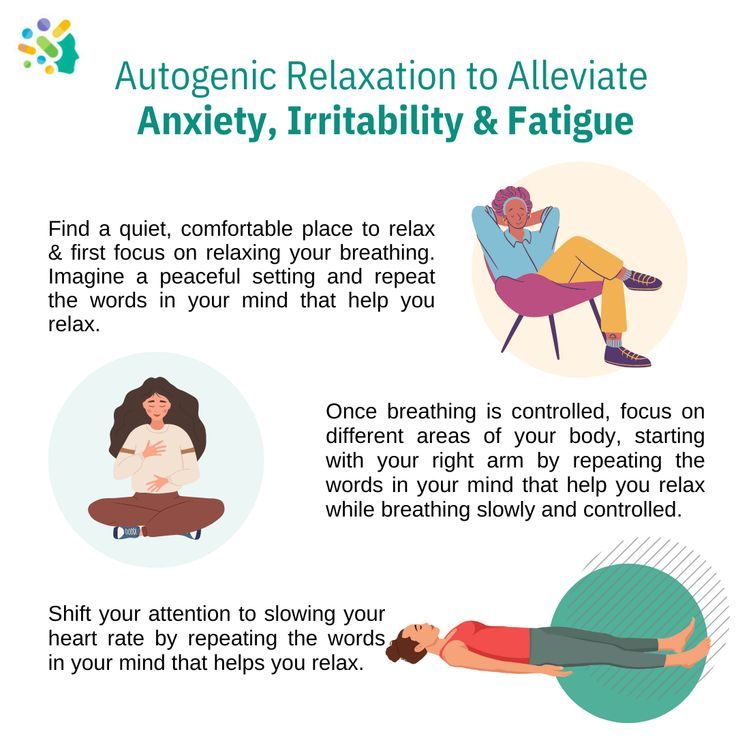
Progressive Muscle Relaxation
Progressive muscle relaxation is a nifty trick for peeling off stress and wrapping yourself in calm. It’s all about giving different muscles the stretch-and-chill treatment, helping you notice how your body reacts to stress.
Process of Progressive Muscle Relaxation
Got a cozy corner? Good. That’s where you want to settle in, sitting or lying down, away from life’s hubbub. Start by slowing your breath, letting each inhale and exhale ground you. Then, one muscle group at a time, flex for about 5 seconds – notice that tension? Cool. Then let go and let those muscles drift into relaxation for about 30 seconds. Do this from your toes to your noggin, or vice versa.
This step-by-step chill session helps you figure out the difference between being tense and being relaxed. Letting go of the tension paints a big picture of peace across your body.
Benefits of Muscle Tension Release
This muscle calm-down gig is packed with goodies for your body and mind. Here’s the scoop:
- Stress Less: As you systematically chill out each muscle, physical stress takes a backseat, giving way to relaxation.
- Ease Anxiety: It’s like a natural tranquilizer. Letting muscles loosen can calm those jittery nerves, promoting a self-centered calm.
- Catch Better Z’s: Playing this relaxation card before bedtime can tuck you in for a better night’s sleep and tackle those tossing-and-turning nights.
- Pain Buster: If muscle kinks are bugging you, this technique can ease the ache by melting away tension.
- Focus Boost: Make it a regular thing and watch your concentration and clarity sharpen in your daily do’s.
Making this a familiar part of your chill-time can work wonders for stress busters, keeping your mind sunny-side up, and finding a quiet corner in the chaos. Curious to explore more about dialing down stress and relaxing? Check out our guide on building a relaxation routine to reduce panic symptoms.
Visualization for Relaxation
When I need to chill out, daydreaming can be super helpful. One minute I’m lounging on a beach, the next I’m meandering through a quiet forest or lying in a meadow under the bluest sky.
This isn’t just about zoning out, though. By using my imagination, I create a mental escape where my stress takes a back seat. I hear the whisper of ocean waves, feel the sun warming my skin, or catch the sweet smell of flowers in the air. It’s like hitting an internal reset button. Visualization gives my brain a breather from all the crazy chaos buzzing around me daily.
Thinking up these cozy mental pictures helps me dodge the grip of anxiety and panic, crafting a quiet spot in my mind where peace takes the lead. By weaving these daydreams into my everyday routine, I find a sort of gentle balance and overall chill. Curious how to kick stress with visualization? Check out some of our cool stuff on building a relaxation routine to ease panic and jamming out to music therapy for panic disorders.