 Wearable Sensors for Panic Attack Monitoring
When it comes to tackling panic attacks, wearable sensors offer a neat little trick to keep tabs on your mental wellness. These nifty gadgets collect all the crucial data you need, helping you understand and keep track of those shaky moments.
Why Wearable Sensors Are a Game Changer
Wearable sensors bring some solid perks for folks dealing with panic attacks and mental hiccups. They’re handy, easy on the wallet, and snag real-life data, letting you keep an eye on anxiety, stress levels, and panic attack flare-ups without breaking a sweat Extra Context. By strapping on a sensor, you can keep check of your headspace and react in time to manage those overwhelming feelings.
What They Track and Why It Matters
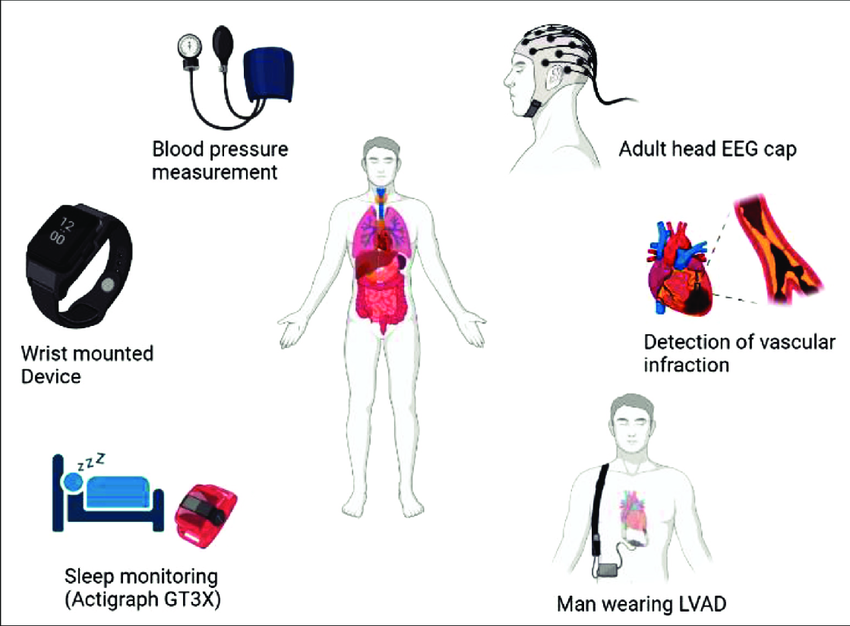
The cool bit about these little devices is their knack for collecting a whole bunch of data about what’s going on inside you. They measure stuff like how fast your heart’s thumping, your breathing rhythm, how well you’re snoozing, and how much you’re on-the-move Extra Context. By keeping an eye on these signs, you get a peek into your stress levels, helping you decide when it’s time for some self-care or dialing up your therapist.
Building wearable tech into the way we handle mental health is reshaping how we deal with panic attacks. These gadgets are paving the way for more personal and forward-thinking ways to cope, promising some nifty insights and on-the-spot advice that could really boost your well-being if panic’s getting the best of you.
Stress and Anxiety: Breaking Down Stress Detectors
When it comes to stress and anxiety, checking out how our bodies react can be a real game changer in keeping things cool and calm. Think of it like having an inside scoop on your emotional ups and downs. We’re talking heart rate and those nifty EDA sensors that give a peek into your nervous system’s work when you’re feeling the heat.
Why Your Heartbeat Matters
Keeping tabs on your heartbeat isn’t just for athletes tracking fitness—it’s a sneak peek into your stress and anxiety levels. Turns out, your heart tells a pretty solid story about what’s going on in your mind. Researchers (yep, the science folks) say watching your heart rate variability can clue you into anxiety or stress (source). Those gizmos we strap on our wrists? They’re not just tracking steps but also your stress levels. Pretty neat, right?
Here’s the kicker: by keeping an eye on heart rate shifts, you can spot stress triggers before they send you spiraling. Recognizing these patterns means you can jump in with stress-busting tricks when needed. Plus, you’re all set to tackle panic attacks with some solid backup. For a deeper dive into tweaking habits to dodge panic attacks, check out our piece on tweaking daily life to dodge panic attacks in 2025.
Getting the Lowdown with EDA Sensors
Then there’s the EDA (Electrodermal Activity) sensor magic. These sensors basically measure how sweaty your skin gets—that’s how your nervous system talks back when feelings fly high. Solid studies back the idea that these signals are rock-solid for spotting stress vibes (source).
Strap on a wearable with EDA sensors, and you’re getting real-time feedback on your emotional rollercoaster. With a little machine learning action, these devices analyze what’s going on under the skin, giving you customized advice tailored to you. Talk about upping your stress management game! If you’re keen on shutting down stress and upping the calm, think about routines that sync with your sensors. Need pointers? Check out how to mold your daily grind for a chill life.
Incorporating heart rate and EDA tracking is like having a secret weapon in your pocket, nudging you to understand your stress better and nail down strategies that keep the anxious jitters in check. Let’s keep the calm vibes going!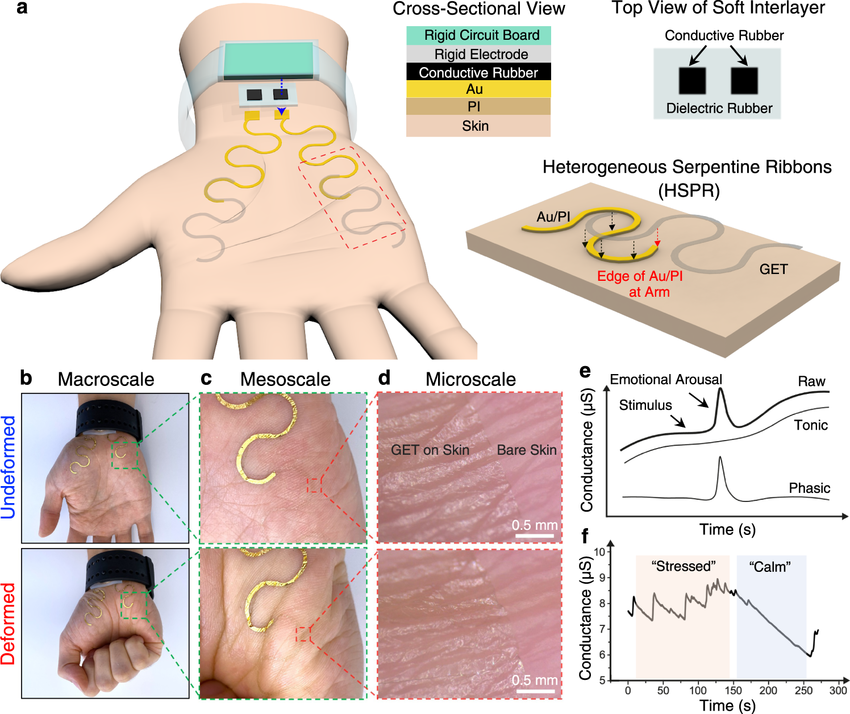
Machine Learning for Stress Detection
Managing panic attacks can be a real rollercoaster, but thanks to machine learning, we’re starting to see some light at the end of the tunnel. These tech-savvy algorithms are changing the game in stress detection, providing clues for heading off panic attacks before they take center stage.
Predictive Analytics for Panic Attacks
Imagine having a crystal ball that gives you a heads-up on a panic attack. According to those science whizzes at NCBI, machine learning is kind of like that. Take the random forest algorithm, for example—it’s like the superstar of prediction with an accuracy between 67.4% and 81.3% for different models. This brainy system looks at questionnaire data like the Beck Anxiety Inventory (BAI) and physiological stuff like your heart rate and how deep you sleep.
These predictive smarts mean you can spot the signs of a panic attack early and pull out your go-to stress-busting tricks before things hit the fan.
Algorithms and Machine Learning Techniques
Let’s dive into the techier side of things, where machine learning and stress detection are like peanut butter and jelly—they just belong together. You’ve got random forests, decision trees, and a bunch of other cool-sounding algorithms like adaptive boosting. They chew through data and spit out important insights about what might trigger a panic attack.
Over at JMIR Medical Informatics, they’ve been putting these algorithms through their paces. The random forest approach has been a standout, nailing those panic predictions with top accuracy.
With machine learning, we’re not just waiting for panic attacks to happen anymore. It’s like having an early warning system up your sleeve, allowing for all sorts of customized interventions and treatments. This clever use of data means a whole new way of dealing with stress, helping nip problems in the bud before they spiral out of control.
Wearable Devices in Panic Disorder
Let’s chat about something that’s shaking up the lives of folks dealing with panic attacks: wearable devices. These little gadgets are coming to the rescue by keeping an eye on your wellbeing around the clock. You’ve got your trusty smartwatches and some gizmos that soak up all kinds of environmental clues.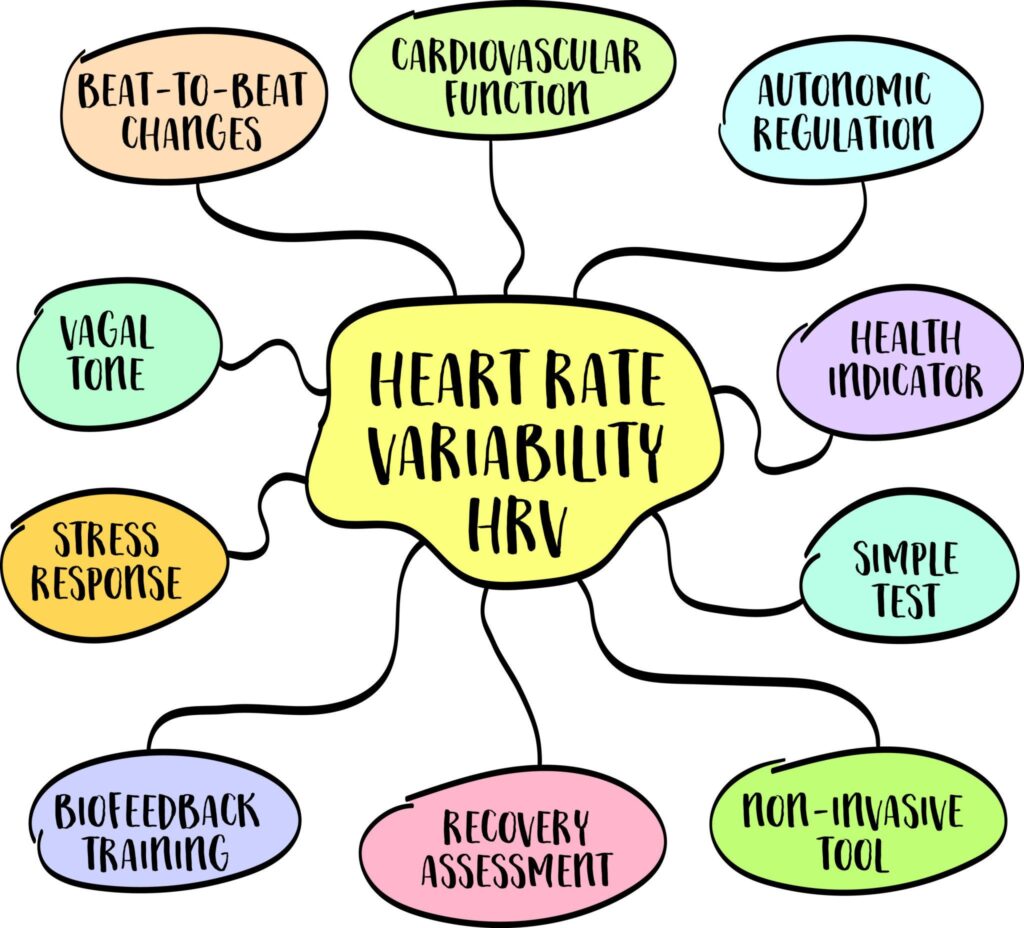
Longitudinal Monitoring with Smartwatches
Smartwatches have become a game-changer for folks wrestling with panic disorders. They’re your sneaky sidekick, keeping tabs on the lowdown like how you sleep, your heart’s rumba (heartbeat), how much ya move, and even keeping score on anxiety and depression. A research team tracked 59 brave souls over a year, monitoring their panic disorder tango using these wrist wizards.
Why are these gadgets such a big deal? Well, they let you peek into the tiniest shifts in your body and mind over time. You and your health squad can spot trouble before it even knocks at the door. Keeping an eye on things nonstop means you’re always in the loop about your mental mojo.
Environmental Data Integration
Don’t forget about the world around us—that’s a sneaky player in understanding these anxiety moments. Wearables can scoop up environmental tidbits that boost the accuracy of panic disorder management. By mixing info from questionnaires, bodily rhythms, and what’s happening around you, you’ve got a powerhouse for predicting those panic strikes.
Even brainy folks at JMIR Medical Informatics are buzzing about how blending environment data with health checks can paint a fuller picture. They look at the whole shebang—depression and anxiety scores, heartbeats, even sleep quality—to help with their predictions.
And hey, machine learning jumps in for some heavy lifting too, with tools like random forests and decision trees adding oomph to predictions. By letting these wearables gather and puzzle over environmental data, people get to know their panic triggers on a more personal level, helping them map out smarter ways to handle what life throws at them.
Tossing wearable gadgets into the mix doesn’t just keep tabs on you in real-time; it hands over the knowledge keys to manage your panic disorder better. With smartwatches tracking your every move and environmental data integration showing the bigger picture, you’re all set to stay ahead of the game and live with a little more peace in your pocket.
Wearable AI for Anxiety Detection
Let’s talk about how wearable tech can be your trusty sidekick when dealing with anxiety. Think about a smartwatch or a fancy fitness band that not only tells you when you’re due for a work break, but also lets your doc in on how you’re handling stress. Your gadgets and your healthcare team join forces, serving up custom strategies to ease your anxiety woes.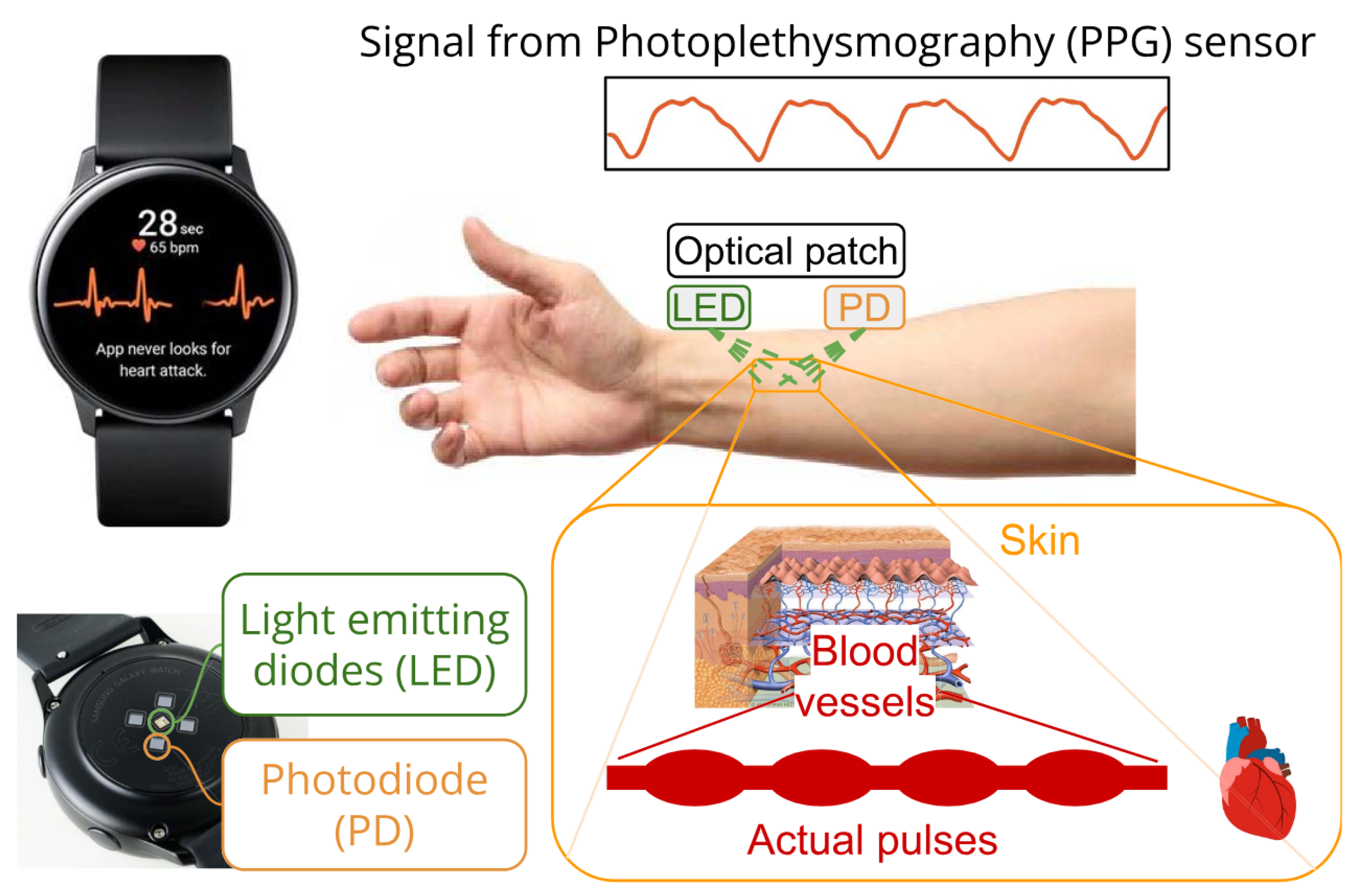
Screenings and Personalized Treatment
These wearable gizmos, teamed with the know-how of clinicians, have some serious chops in spotting and treating anxiety disorders. By mixing up the data from your device with expert insights, you can get a customized plan that’ll actually help manage anxiety. Plus, AI wearables put anxiety symptoms front and center, paving the way for earlier interventions and better care. You know how the earlier, the better, right?
Early Prediction Potential
One cool thing about AI wearables is they can sorta predict when anxiety’s setting up camp. Imagine getting a heads-up before an anxiety or panic attack hits. You could dive into some chill techniques like deep breathing, a bit of imagination escapism, or some serious relaxation grooves to fend off those anxiety monsters. And let’s not forget how this predictive magic can steer therapy approaches, like DBT, to manage anxiety better.
While AI wearables aren’t quite ready to play doctor entirely, they’ve got the potential. They still need a bit of help to figure out whether it’s anxiety or something else—or to pinpoint exactly which type of anxiety, like panic disorder or social phobia, is at work here. Getting this right is super important for mapping out the best treatment, whether it involves meds or some deep chats with a therapist.
Taking advantage of AI incognito detectives can give you fresh insights on living with anxiety, providing the nudge needed for tailor-made interventions and setting you on the path to a calmer state of mind. Merging this tech with professional wisdom not only boosts the support system but gives that much-needed personal touch to care, crafting a route to better mental health.
Predicting Panic Attacks
Guessing when panic attacks will strike is kind of like trying to predict a storm. Understanding the clues in questionnaires and our body’s signals helps us get ahead of these episodes.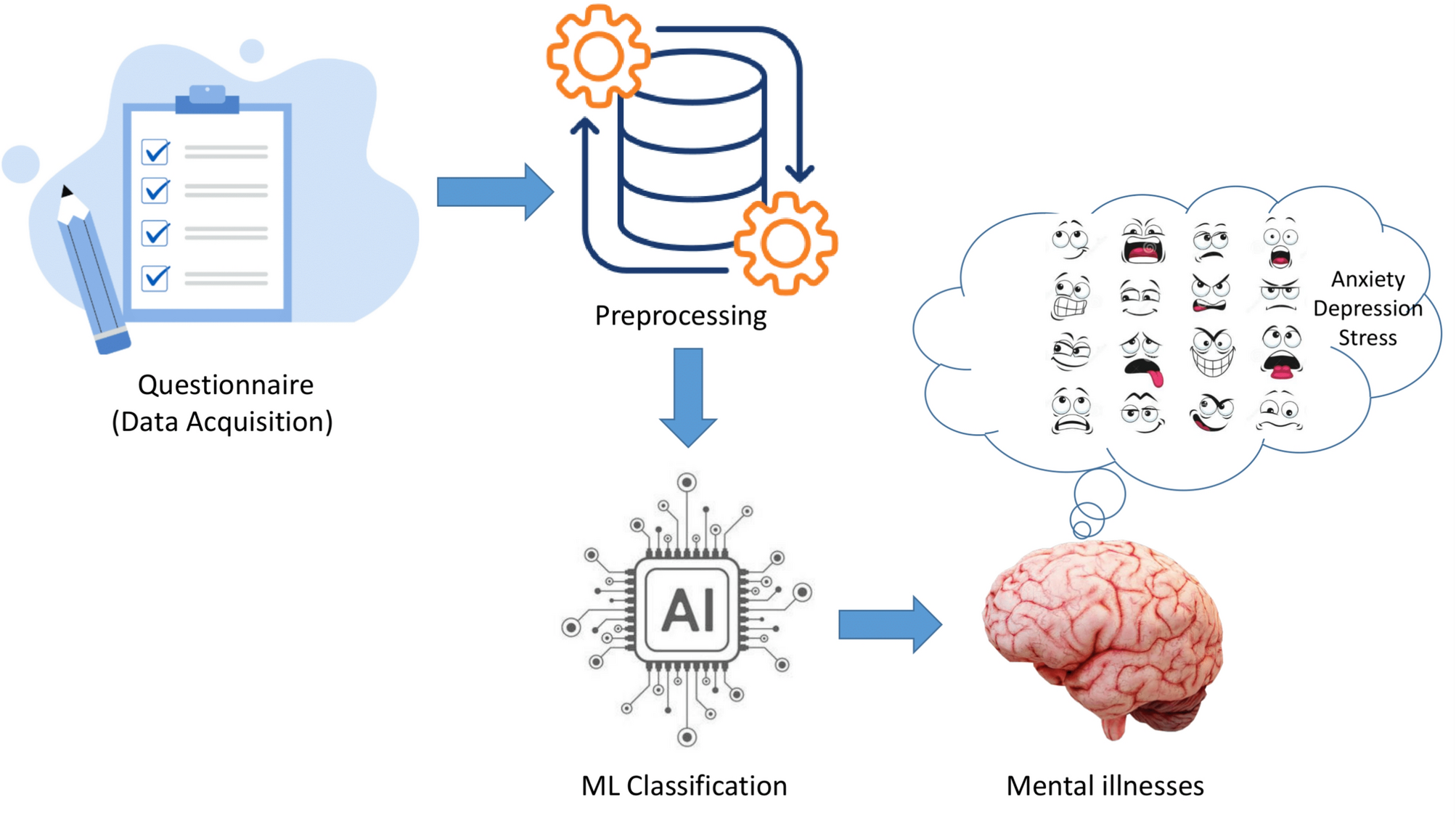
The Important Stuff for Predicting Attacks
Certain things matter a lot when it comes to predicting panic attacks. Stuff like questionnaires and body signs play a huge role in how good these models are. Things like the Beck Anxiety Inventory (BAI), Beck Depression Inventory (BDI), State-Trait Anxiety Inventory (STAI), and the MINI are like little detectives poking around in someone’s brain (NCBI). These tests give you the scoop on how someone’s feeling emotionally, which helps in figuring out when they might flip out.
Then you got physical signs like heart rate or how well you slept last night. Things like your average heart rate (HR), resting HR, and how much shut-eye you’re getting are golden nuggets that add depth to our prediction recipes. These body signals show how stress and anxiety are messing with you, helping us see if a panic attack is lurking around the corner.
Mixing Questionnaires with Body Talk
Mixing up answers from questionnaires with body stuff really helps in getting a clear picture of when panic attacks are coming. These clinical questionnaires, like the BAI and BDI, weigh heavy in checking out someone’s emotional state and how likely they are to have a meltdown (NCBI). Mix those answers with body signals and you get the full story about a person’s mental health, which sharpens our prediction powers.
On top of that, gadgets like smartwatches (think Garmin Vívosmart 4) gather all sorts of body data like sleep quality, heart rate ups and downs, activity levels, and emotional ups and downs (NCBI). Every blip and beep they gather helps spot danger signs early, giving people and their guardians a head start to manage the storms before they hit.
By jamming together questionnaire answers and body signals, we get models that talk back with smart advice and early cautions, making it easier to stay on top of panic attacks and stop them in their tracks.