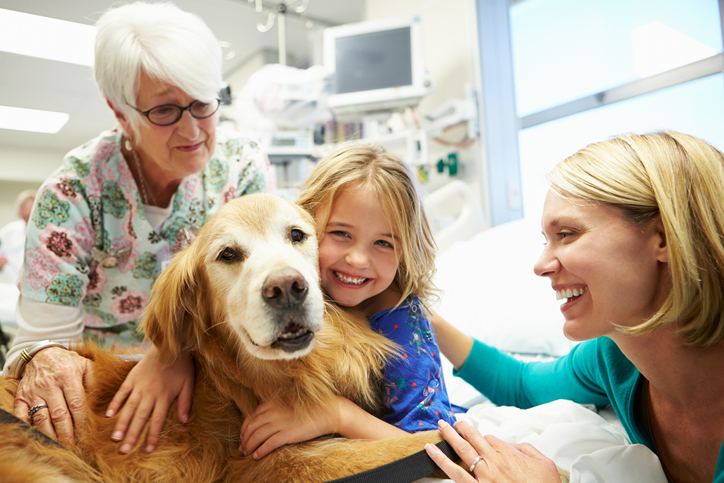

 Exploring Animal-Assisted Therapy
Alright, let’s wag into this topic. When we’re talking about therapy animals, especially dogs, they become the furry superheroes for folks dealing with anxiety and panic attacks. These pups aren’t just fetching joy; they’re trained pros in lending emotional support right when you need it most. But, move over therapy dogs, ’cause psychiatric service dogs are here with a specific skill set meant for folks wrestling with complex mental health things.
Benefits of Therapy Dogs
Now let’s bark about the heartwarming world of therapy dogs. These pooches have this magical ability to bring calmness and reassurance to the chaos of anxiety. Just being in the same space as these good-boys can flip your mood switch from panic to peace. Research even backs that up, saying hanging out with therapy dogs can dial down stress, anxiety, and fear, cranking up happiness and well-being instead.
These furry champions can really turn anxiety and fear on their heads, making them paw-some buddies in battling panic disorders. Science nerds have written about how these doggos bump up your happiness hormones and ease anxiety levels. They truly are the perfect sidekick in this mental health adventure.
Role of Psychiatric Service Dogs
Enter those psychiatric service dogs, the VIPs in the realm of mental health support. These four-legged legends go through next-level training, earning their ADA badges so they can trot around everywhere with their human beside them, providing customized assistance.
For folks struggling with anxiety disorders, depression, or even the rollercoaster of bipolar disorders, these dogs are like having a personal anxiety anchor. They’re trained to sense those anxiety vibes and bridge the comfort gap during panic attacks – they might even hand you your meds! They offer steadfast companionship, sticking by their human’s side like glue.
Psychiatric service dogs can make a world of difference, no bones about it. Studies prove that people hanging with these pooches report feeling more chill and less scared, their heart rates dropping, in contrast to folks without a dog buddy. These special dogs are like personal wellness coaches, bad-to-the-bone in beating panic.
In honoring the tremendous help that therapy and psychiatric service dogs provide, it becomes crystal clear how powerful their paws-on support can be for those wrestling with panic disorders. These animals wrap you in nonjudgmental warmth and bring furry smiles to tricky mental moments. They deliver an invaluable, paws-itively wonderful solution to facing anxiety head-on, one wag at a time.
Different Types of Therapy Animals
When I started searching for a way to tackle my panic attacks, I stumbled upon the amazing world of therapy animals. These furry (or not-so-furry) pals can make a huge difference when dealing with those overwhelming moments of anxiety. Let’s have a look at the three main types of these cuddly lifesavers: emotional support animals, pet therapy critters, and therapy animals in various places.
Emotional Support Animals
Emotional Support Animals (or ESAs if you’re into abbreviations) aren’t just your regular pets; they’re like emotional superheroes Recommended by mental health pros, these pets provide comfort to folks like you and me who are grappling with mental storms. They’re not trained like service dogs, but boy, do they know how to calm you down when needed! An ESA’s snuggles and presence can soothe nerves and offer a much-needed sense of security when the world feels like it’s spinning out of control.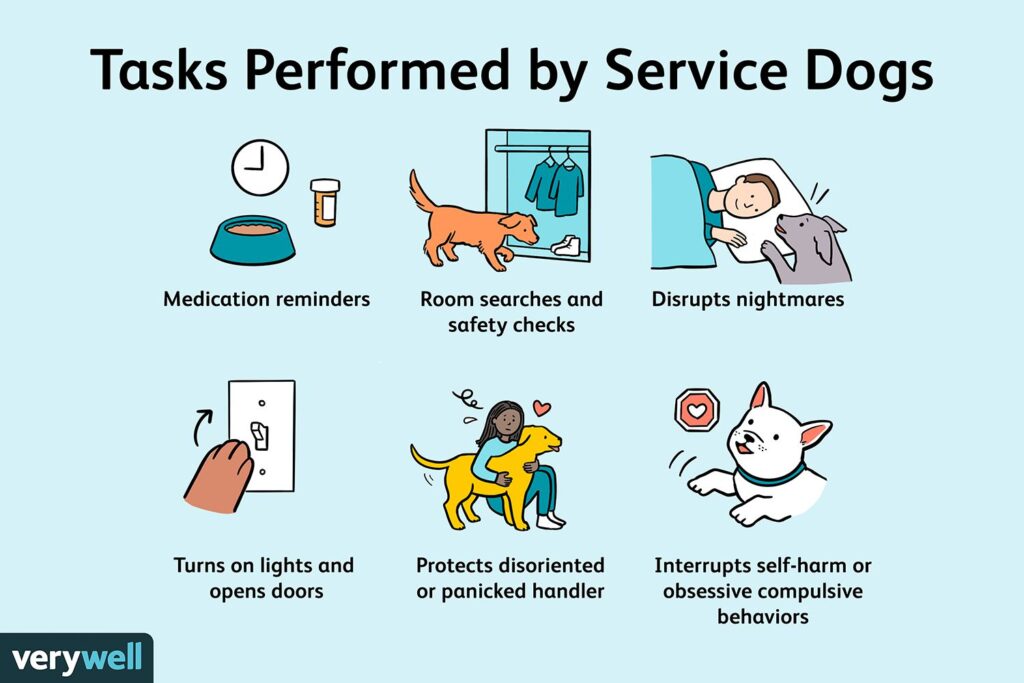
Pet Therapy with Various Animals
Pet therapy, also known as Animal-Assisted Therapy (AAT), is like a magic trick for the mind and body. This therapy ropes in trained animals, giving a little TLC to people who need it. Classic choices might be dogs and horses, but don’t count out the soothing swim of a fish or the cheeky antics of a guinea pig! The connection you forge with these therapy animals can lift moods, reduce stress, and even help you feel like you’re not alone in the world. Anyone who’s had a dog gaze lovingly into their eyes knows what I’m talking about!
Therapy Animals in Different Settings
You’ll find therapy animals in all sorts of places – from the bustling hospitals to the quiet corridors of nursing homes and schools, they’re spreading joy and healing in ways people just can’t seem to. But, hey, it’s not all sunshine and rainbows! There’s always a tiny risk of these helpful animals carrying around germs from one patient to another. So, folks in charge need to be super careful about keeping everyone safe. It’s all about striking a balance between the furry love and ensuring nobody ends up with a cold or worse.
Appreciating the unique roles these therapy animals play can open doors to new ways of handling panic. Whether it’s through the reassuring presence of an emotional support animal, the interactive fun of pet therapy with different critters, or structured programs with therapy animals helping in all sorts of settings, the love and comfort they offer can work wonders. They’re like the best friends you always needed to help get through tough times.
Considerations for Animal-Assisted Interventions
When thinking about bringing therapy animals into the picture for panic relief, you’ve got a few things to figure out. It’s all about ensuring these programs work well and are safe. So, what’s to think about? How about training the furballs, getting them the right certificates, picking the right ones, and dealing with any hiccups that could come up along the way?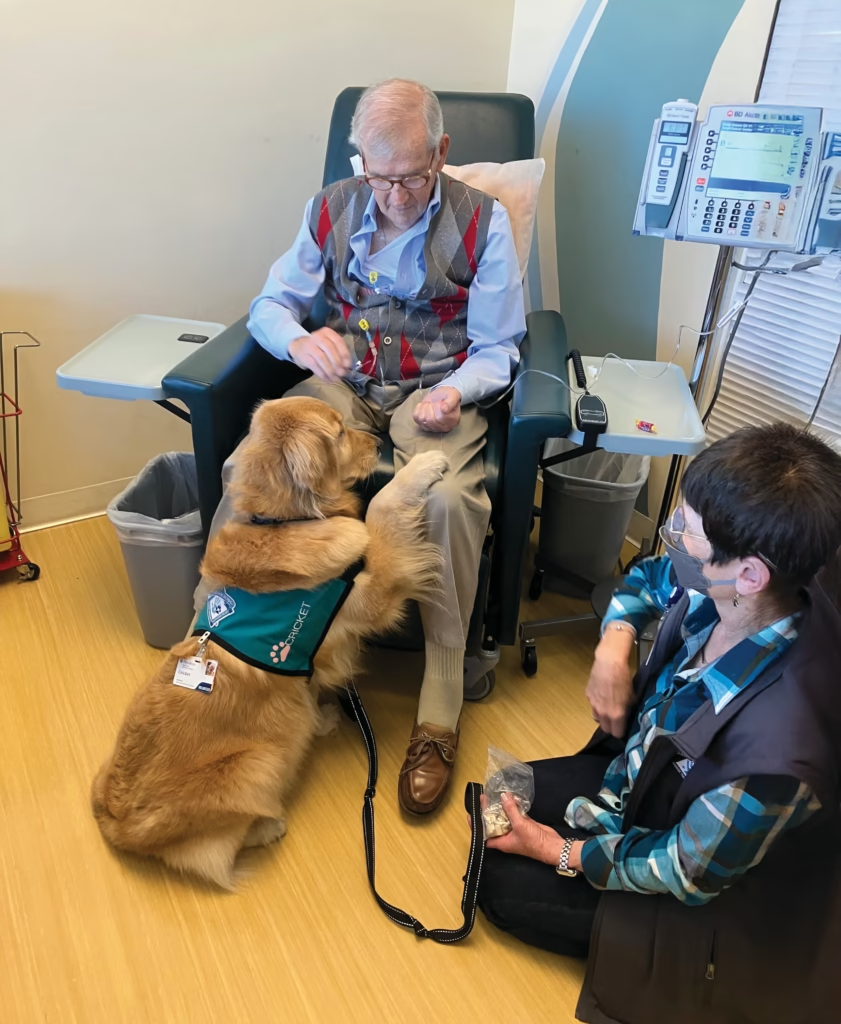
Training and Certification
The folks over at the American Veterinary Medical Association (AVMA) and Animal Assisted Intervention International (AAII) have laid down some rules for these therapy critters and their human buddies. Proper certificates and training make sure these animals are ready to step in and help folks slogging through a panic attack (Healthline).
Therapy animals are put through the wringer with all sorts of training so they know how to stay calm and helpful when people need them most. The handlers don’t just sit back either; they’ve got training, too, learning the ropes of how to guide and manage these animals in intervention sessions. By sticking to the playbook, therapy animals can be like a warm hug wrapped in fur for those who need them.
Selection of Suitable Animals
Figuring out the right animal for the gig is a big deal when it comes to animal-assisted therapy. You’ve got to think about what the person needs and wants, along with what the animal can bring to the table. Dogs, cats, rabbits… Even those charming little horses have all showed up to help out in one way or another, each bringing their own special vibe to the table for folks grappling with panic attacks.
The process is kind of like dating—you look at how the animal behaves, how well they train, and how they vibe with the person on the other end of the deal. You want to match the energy of the animal with the person’s comfort level and therapeutic needs so everyone walks away feeling like they got something out of the deal.
Potential Risks and Challenges
Sure, having therapy animals help with panic disorder relief sounds great on paper, but we’ve got to talk about the pitfalls—allergies, bites, and those pesky germs are just a few of the hurdles you might face (Healthline).
More than a few eyebrows have been raised on how we deal with infection controls when animals wander into healthcare zones. Sometimes it’s about how sketchy the paperwork can be around keeping these therapy animals healthy. We’re talking MRSA, Salmonella, and other sneaky germs that therapy critters might drag with them into spaces that need to stay clean (PubMed Central).
Down the road, more research could help weed out these risks while hanging on to all the good vibes animal-assisted interventions can offer folks dealing with panic troubles. By nailing the training, picking the right animals, and sidestepping the landmines, therapy animals can keep lending a paw—or a hoof or claw—to people managing panic disorders.
The Impact of Animal-Assisted Therapy
Animal-assisted therapy (yep, it’s a thing) brings a whole lot more than just fuzzy cuddles. It’s like they’ve got a sixth sense for pulling the tension out of the air and giving it a good ol’ fashioned kick. Whether it’s a pooch, a kitty, or even something like a snuggly guinea pig, these four-legged pals offer benefits that touch every part of human life.
Emotional Benefits
Let me tell ya, when you’re in the grip of a panic attack, having a furry buddy at your side can feel like a warm blanket for your soul. These furry friends have a knack for quelling anxiety and nudging people towards feeling better about themselves. Mindfulness? Check. Chilling out? Absolutely. The simple act of petting your therapy dog can calm your mental hurricane and remind you that hey, you’re okay right here, right now. It’s a real friendship, one where you feel understood and not so darn alone out there in the world (HelpGuide.org).
Have you ever hugged a dog? It’s like a little nugget of peace in this chaotic world. The hugging part does magic; it instantly relieves stress, fights off loneliness, and sets up a bond that’s both unexpected and uplifting (HelpGuide.org).
Physical Benefits
These critters aren’t just heart-warming; they’re heart-helping too. Believe it or not, hanging out with a therapy animal can work wonders on your heart rate. Your pulse might slow down just from their presence, kinda like your body saying “Thanks, I needed that” (NCBI).
And they’ve got a sneaky way of getting you moving. Dog wants a walk? You probably do too, you just didn’t know it. Walking and playing with therapy animals isn’t just about burning calories; it lifts moods and kicks those gloomy feelings to the curb. Imagine getting your daily steps in and feeling better all at once; it’s like winning the health lottery.
Social Benefits
These furry pals also seem to be the friend-making champs. It’s like they carry a magic wand that gets people talking and opening up. Therapy animals don’t judge, and their welcoming nature gives folks a platform to share what’s in their hearts without fear. Before you know it, you’re chatting with others, swapping stories, and building relationships that fill your social cup.
Therapy animals break down barriers and offer a soft spot to land when social situations seem tough. They silently teach us to trust, communicate better, and show empathy, all while delivering a warm and understanding presence.
These little guys are like superheroes disguised as pets, coming in with their capes to tackle the ups and downs of those panic attack storms. With them, anyone can find strength, love, and that comforting space to breathe more easily on their way to feeling better in body, mind, and soul.

Therapy Animals in Specific Populations
Ever been amazed by how a wagging tail or a soft purr can turn a tough day into a better one? In my own life, therapy animals have not just sprinkled a bit of joy but have filled rooms full of hope, especially for children with ADHD, teens managing Type 1 Diabetes, and preschool kiddos battling anxiety. Let’s dive into how these amazing animals have touched lives.
Children with ADHD
Imagine a hyper kid sitting down with a book and a four-legged friend. Sounds magical, right? Turns out, it is! Kids with ADHD have shown some impressive progress when they spend time with therapy animals. Drawing from NIH News in Health, kids spending just half an hour weekly reading to a dog became social butterflies, opening up with sharing and cooperation. These furry companions aren’t just play buddies; they’re emotional cheerleaders helping these munchkins navigate their world more smoothly.
Teens with Type 1 Diabetes
Teen years are full of drama, and throwing Type 1 Diabetes into the mix makes it even more challenging. Enter therapy pets! Taking care of a pet fish as a hobby sounds pretty chill, right? Well, it’s more than that for teens with diabetes. A quick tidbit from NIH News in Health shows teens gained discipline in maintaining their glucose levels when caring for their aquatic buddy. Feeding the fish wasn’t just about routine; it reinforced the critical aspect of their care—consistent monitoring. This act of caregiving subtly strengthens their accountability, showing that little fins can make big waves in helping manage health.
Preschool Children with Anxiety
When tiny humans get anxious, they need more than just words to feel secure, and that’s where our furry friends step in. Calm, cuddly, and absolutely non-judgmental, therapy animals are therapeutic magicians for preschoolers dealing with anxiety. Thanks to studies noted by NCBI, we’ve seen how animals can be the comforters in the storm, easing general, separation, and social anxiety. Whether it’s a doggie cuddle or some bunny calmness, these animals help young ones build social skills and emotional resilience.
So, when we talk about the magic therapy animals bring to these varied groups—children dealing with ADHD, teens managing diabetes, and anxious preschoolers—we acknowledge the warm, fuzzy, and healing bonds they create. These patient pals are not just comforting presence but genuine partners on a path to emotional and physical betterment. In their soft eyes and gentle nudges, they offer more than friendship; they deliver a heartfelt message of strength, companionship, and healing—a message we humans sometimes struggle to convey.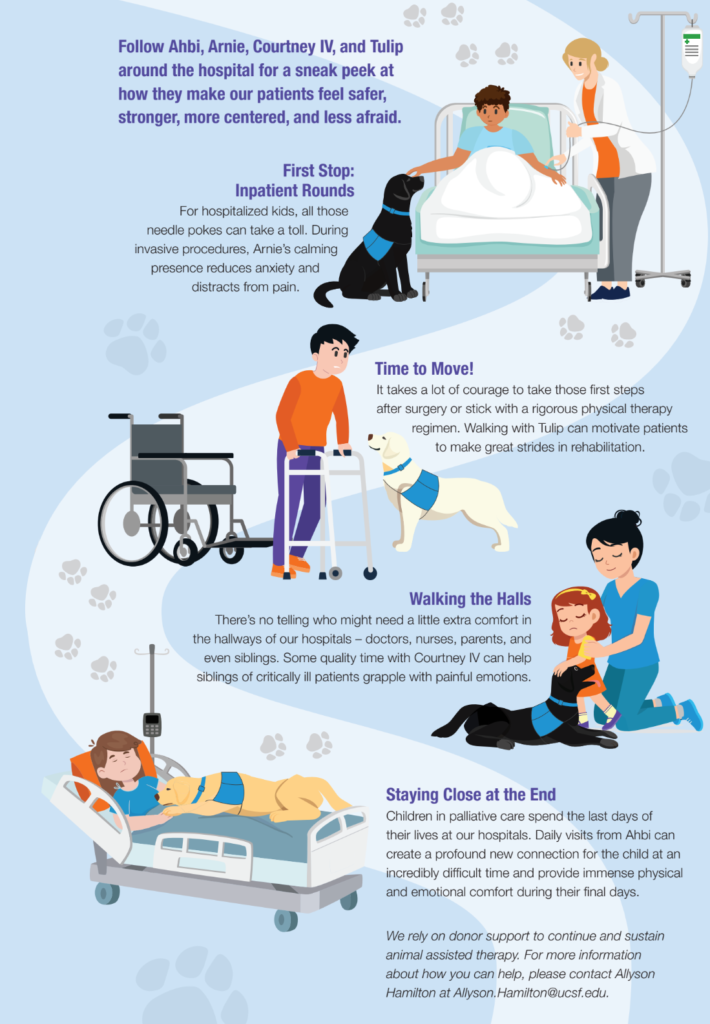
The Future of Animal-Assisted Therapy
Thinking about how animal-assisted therapy (AAT) fits into helping folks with panic disorders, it’s clear there’s a bunch of research out there already—and plenty more on the way—as we keep figuring out what works best. Let’s take a peek at what’s happening in this world, the bumps in the road, and the great paths forward.
Research and Efficacy
We’ve been pals with animals for what feels like forever—so it’s no surprise we’ve figured out they do wonders for our mental health! The folks over at NCBI tell us that hanging out with our furry buddies can really help with depression, PTSD, and anxiety. Especially dogs—they’re the goodest boys and girls, after all. Turns out, even just a short cuddle session can chill us out when we’re feeling stressed or rattled.
People battling with mood swings, tougher mental health struggles, or even addiction have shown improvements from just a few sessions with animals (NCBI). Animals bring a sense of peace and calm that just makes the world’s worries shrink for a bit. They instantly lower stress levels, making everything feel just a smidge more manageable.
Challenges and Opportunities
While everyone seems to be catching onto how fab animal therapy can be, there’s still stuff to work on. The biggie? How not everyone trains their therapy animals the same way. This inconsistency can make it tricky to always offer the same high standard of therapy.
Then there’s the question of picking the right animals. They need to be matched just right for folks with panic disorders—for the program to really shine. It’s all about finding animals with the right vibes and skills to connect in meaningful ways.
But hey, it’s not all roadblocks—there’s some big silver linings. Just think, if we could get AAT into places like hospitals, mental health facilities, or even the local community hubs, we’d be reaching so many more folks who could use a little animal magic in their lives. When healthcare pros, researchers, and animal experts team up, they can fine-tune AAT and really boost the success of these programs.
As we keep exploring the world of animal-assisted therapy, continuing research and new trials are super important. Our shared goal of tackling these hurdles will lead us to make AAT even better and more reachable for folks looking for relief from panic struggles. The future looks bright—with AAT offering real support and a chance at feeling a little more on top of things for anyone fighting the good fight against panic disorders.