
 Understanding Panic Attacks
Getting a grip on panic attacks is all about understanding these sneaky bursts of fear and how they meddle with day-to-day life.
Definition and Symptoms
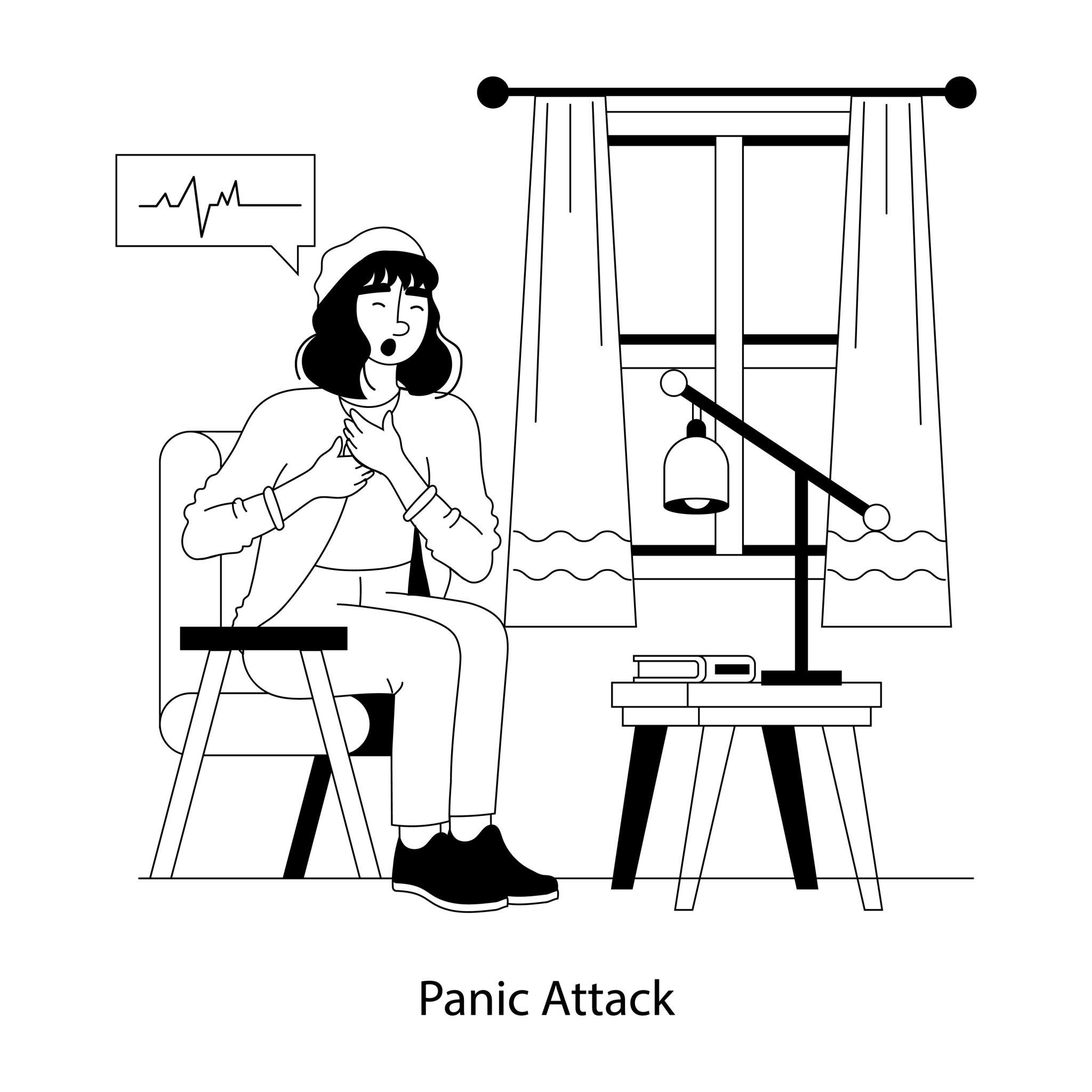
Panic attacks hit like a bolt from the blue – smack you with fear and anxiety, sometimes out of nowhere. You might feel like the world’s ending, your heart races, your chest tightens up, and it feels like you can’t catch your breath. But remember, even though it feels super scary, it’s not usually harmful (Verywell Health). The trick here? Spotting those wild thoughts that cause havoc, like fearing you’re out of control or having a health scare, is the first step in calming these freak-outs. Breathe deep and slow, it’s like telling your body to chill out and hit the brakes on a panic attack (Verywell Health).
Impact on Daily Life
Panic attacks sure know how to throw a wrench in the works of everyday living. Out of the blue, they’ll show up – even when you’re trying to catch some Zs or kicking back. They can make you jittery about when the next one’s gonna hit, which ramps up anxiety levels even more. When things get too much, the 54321 grounding trick is golden – it’s about getting back to the here and now through your senses. Smell, touch, see, hear, taste – dive into those and chase away the chaotic thoughts (Verywell Health).
Jotting down whes, the reasons aren’t clear as day, but writing stuff down helps connect the dots. Self-help? A big yes! Breathing exercises, grounding techniques—whatever works to keep panic attacks at bay. And if going solo doesn’t cut it, having a chat with a healthcare expert might be the best move. They can help piece together a plan with medicine, talk therapy, or other ways to keep panic disorders in check (Verywell Health).
Breathing Techniques for Panic Attacks
When dealing with panic attacks, calming your breath can be like finding a secret passage out of chaos. Breathing techniques are a lifeline, helping you get a grip when your mind is racing.
Importance of Deep Breathing
Deep breathing is like nature’s tranquilizer for anxiety. It can help ease breathing that feels all over the place. Picture this: each breath you take is like sending a gentle wave through your body, washing away tension bit by bit. The 4-7-8 breathing trick is a goodie. You inhale nice and slow for four seconds, hold that breath for seven seconds, and then let it go for eight seconds (Medical News Today).
When you focus on breathing deeply, you’re diving below the chaos and finding a pocket of peace. Your diaphragm and lower chest muscles get to work, loosening up the knots that anxiety ties. It’s about grounding yourself like an anchor, making the storm inside feel a little less wild.
Techniques to Calm Rapid Breathing
Panic attacks love to speed up your breathing, and that only makes things worse. But if you know some calming tricks, you can slow down the heart-pounding moments. Exercises like 4-7-8, Lion’s breath, or even alternate nostril breathing are good choices (Verywell Health).
By giving your breath a rhythm, you pull your focus back from the chaos. It’s like being the eye in the storm—calm and steady, while all the craziness swirls around you. Controlled breathing doesn’t just level out your breath; it anchors you, helping you feel more grounded when everything else feels out of control.
Once you get the hang of these breathing techniques, you can face panic attacks head-on. They’re like tools in your pocket—always there to help you bounce back with calm and control. Making these techniques part of your routine is like preparing yourself to handle whatever life throws at you, with a bit more peace in your pocket.
Specific Breathing Practices
When it comes to taming the nerve-racking beast known as panic attacks, specific breathing techniques can be your trusty sidekick. These tactics are all about finding your chill and kicking anxiety to the curb. I’ve got three you’ll want in your toolkit.
4-7-8 Breathing Technique
The 4-7-8 method is like a secret weapon against stress. Imagine inhaling through your nose nice and slow for a count of 4, holding that breath for 7 counts as if you’re savoring a delicious secret, then exhaling through your mouth for a count of 8, like you’re blowing out birthday candles. That long, slow exhale? It’s the key—it taps into your chill-inducing system, whispering to your nerves, “Relax, we’ve got this.”
Abdominal Breathing Benefits
Abdominal breathing, or when you’re letting your belly do the heavy lifting instead of your chest, is your personal reset button. Instead of those quick, stress-filled breaths, try drawing in air from deep down in your belly. Think of it as commanding your body into a state of Zen. This method not only reduces effort but really zones you into a feeling of calm. A perfect trick for when a panic attack rears its head.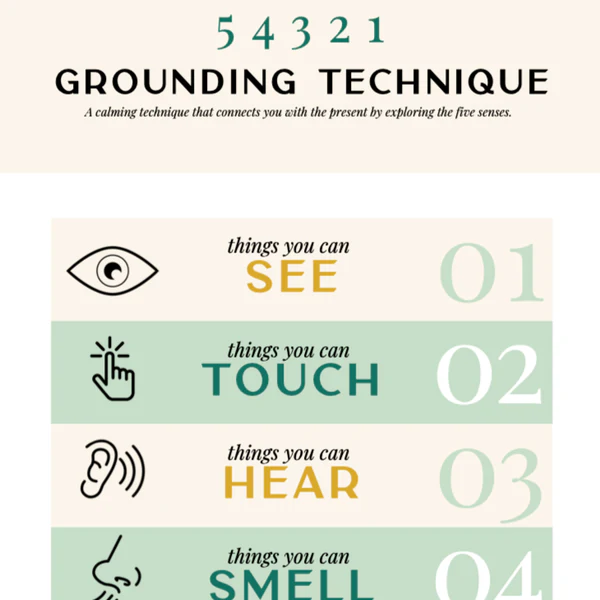
Equal Breathing for Anxiety Management
With equal breathing, it’s all about balance, like a see-saw on a calm summer day. Sit comfortably and find a rhythm—breathe in and out for equal lengths, like riding the gentle waves at the beach. This technique balances your body’s oxygen and carbon dioxide, flipping the switch to turn down anxiety and turn up tranquility.
Give these breathing tricks a shot next time you feel panic creeping in. They’re designed to provide instant relief and double as long-term anxiety management buddies. Consistent practice is the secret sauce that’ll make them even more effective at calming both your mind and your body.
Additional Breathing Methods
Trying out different ways to breathe can really help when you’re dealing with panic attacks. Using techniques like resonant breathing, progressive muscle relaxation, and mindful breath focus can help you chill out when things get a bit crazy.
Resonant Breathing Practice
Resonant breathing, sometimes called coherent breathing, is great for soothing anxieties and helping you relax. It’s all about those slow, deep breaths, making sure they flow at a steady pace. This kind of breathing can help steady your nerves and ease stress (Healthline).
When you’re freaking out or in the middle of a panic attack, this technique can help you find your cool. By syncing your breath to a certain pattern, you tap into your body’s relaxation system and push back against that “fight or flight” feeling.
Progressive Muscle Relaxation
Progressive muscle relaxation is all about calming the body to ease a panic attack. You work through different muscle groups, tensing then relaxing them, which can release tension and help with symptoms like rapid breathing and heightened anxiety (Medical News Today).
It’s super helpful during a panic attack to help manage the physical stress. As you focus on and relax each muscle group, you start to feel calm all over, which can then help you manage your emotions better.
Mindful Breath Focus Exercise
Mindful breath focus is powerful for dealing with panic attacks and calming down anxiety. You pay close attention to each breath and notice its natural rhythm. This gets you present, bringing awareness to the here and now.
During a panic attack, it serves as an anchor, pulling your mind away from racing thoughts back to the simple act of breathing. This can regulate your emotions, reduce stress, and create a sense of calm amid the chaos. When combined with other calming techniques, it can be even more effective in steering panic episodes into calmer waters.
These breathing techniques give you practical ways to manage panic in the moment. By weaving resonant breathing, progressive muscle relaxation, and mindful breath focus into your self-care routine, you’ll find it easier to face panic attacks with more strength and steadiness.
Coping Strategies During Panic Attacks
So you’re caught in the grips of a panic attack—not exactly a fun ride, right? Let me show you some no-nonsense tricks to get back in the driver’s seat and give those pesky symptoms a run for their money.
Grounding Techniques
When panic hits, grounding yourself can be like a splash of cold water bringing you back to reality. My go-to move? The 54321 trick that uses all your senses. Here’s how it goes: spot five things around you, feel four you can touch, listen for three you can hear, sniff out two smells, and savor one taste. It’s like hugging your brain and convincing it everything’s still anchored down, even when it feels like you’re floating away.
Got a favorite chill zone? Head there if you can. Changing the scene or just parking yourself somewhere quiet can help you catch your breath and really focus on calming down (Medical News Today).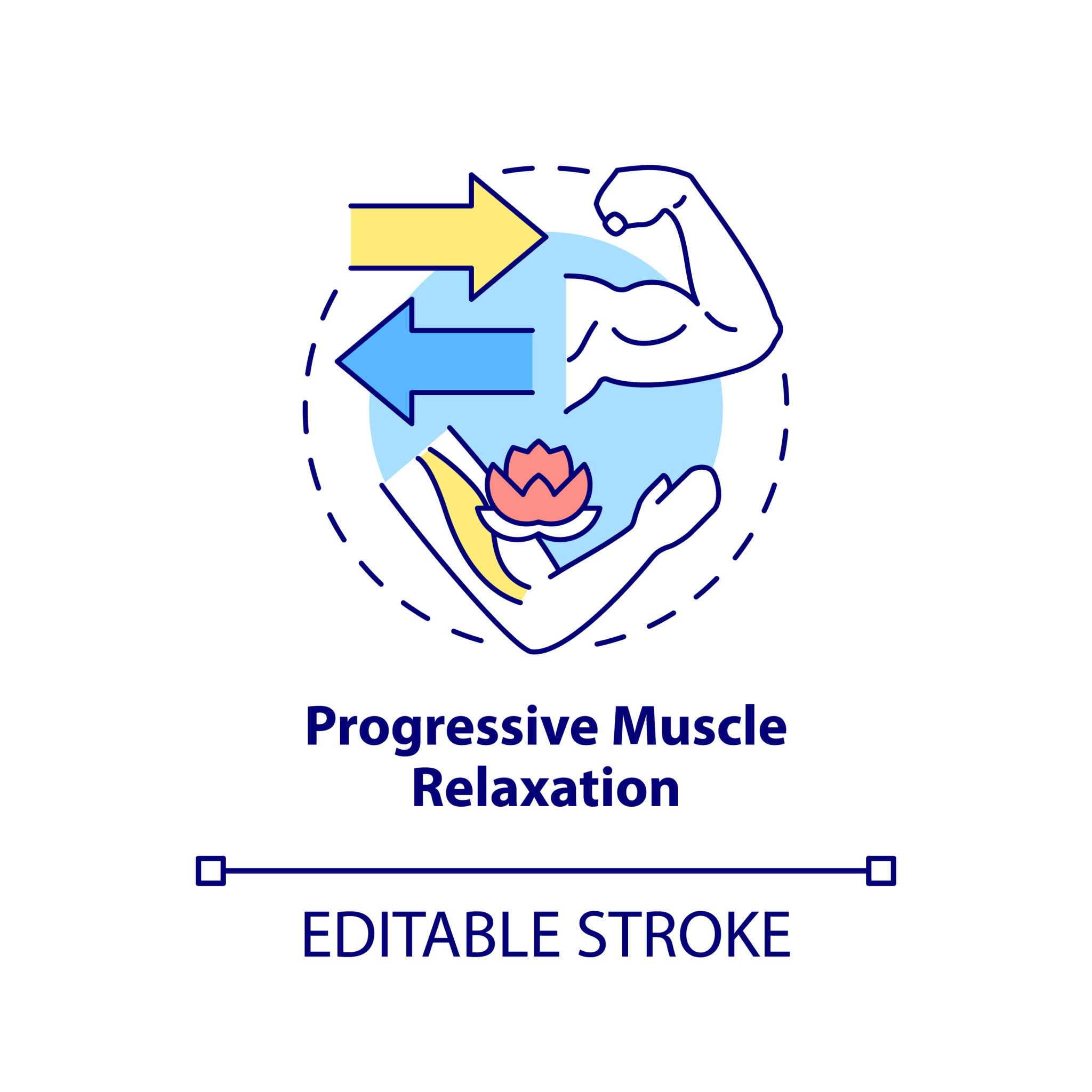
Journaling for Symptom Tracking
Ever tried jotting stuff down when you’re on edge? It’s like creating a map of your mind’s chaos! Writing in a journal when panic strikes can clue you into what’s riling you up in the first place. Track what’s happening with how you’re feeling physically and emotionally. You’ll see patterns, which is gold when talking to a therapist who’s trying to understand your personal anxiety monster (Verywell Health). Plus, getting it all out on paper? Weirdly calming.
Seeking Professional Help
I know, reaching out ain’t easy—but having a pro in your corner is less about laying on a couch and more like having a mental wellness coach. They’ll sling you with CBT, exposure therapy, or maybe meds that fit your style and situation (Medical News Today). It’s like having a toolkit custom-built for tackling those panic attacks head-on.
So, mix up these grounding tricks, break out that journal, and don’t hesitate to hit up the professionals. Alongside a sprinkle of self-care and a solid support crew, you’ve got your own recipe for facing those panic attacks with some serious guts and grit.
Lifestyle Changes and Long-Term Management
So, here’s the skinny on chasing away panic attacks – tweaking some bits and adopting long-term tactics can really mellow out those scary moments. We’re chatting about the big three: getting your sweat on with exercise, digging into cognitive behavioral therapy (CBT), and trying out some cool holistic stuff.
Routine Physical Exercise
Getting off the couch and moving around isn’t just about stayin’ fit – it’s like giving anxiety a little kick in the pants. Physical exercise gets those endorphins buzzing, and boy, do they work wonders on stress and anxiety. Plus, working out means you’re likely to sleep better, shake off muscle tension, and just generally feel awesome.
Think about mixing up your workouts – maybe a run or a cycle, some strength training, or even unwinding with yoga or a stroll around the block. Whatever floats your boat and fits into your life, go for it. You’ll be amazed at how much easier life feels when regular exercise is part of your day-to-day.
Cognitive Behavioral Therapy (CBT)
Ever tried Cognitive Behavioral Therapy (CBT)? It’s a front-runner in kicking panic and anxiety to the curb. Most folks (we’re talking over 60%) who dive into CBT notice major shifts in handling their anxiety. It’s all about picking up new skills and tricks to calm down those anxiety storms.
In CBT, you figure out your thought patterns, knock some sense into your irrational beliefs, and start reacting smarter to life’s messes. It’s like rewiring your brain to be the cool, collected boss of your anxiety rather than the other way around.
Holistic Approaches for Anxiety Relief
Want to go beyond the usual talk-it-out methods? You might wanna check out some holistic ways to chill out your anxiety demons. These practices look at the big picture – connecting mind, body, and spirit to boost well-being and emotional calmness.
Why not try mindfulness meditation, a whiff of aromatherapy, or bolster your diet with herbal goodies? Toss in some yoga or relaxation techniques. These options can really cut down stress and turn you into a more self-aware, emotionally resilient version of yourself, making anxiety more of a sidekick than a villain.
So there you have it. By marrying regular workouts with CBT and a pinch of holistic tactics, you carve out your road to taming those panic attacks long-term. These approaches don’t just help you cope – they empower you to conquer anxiety and find your zen, even when chaos kicks in.