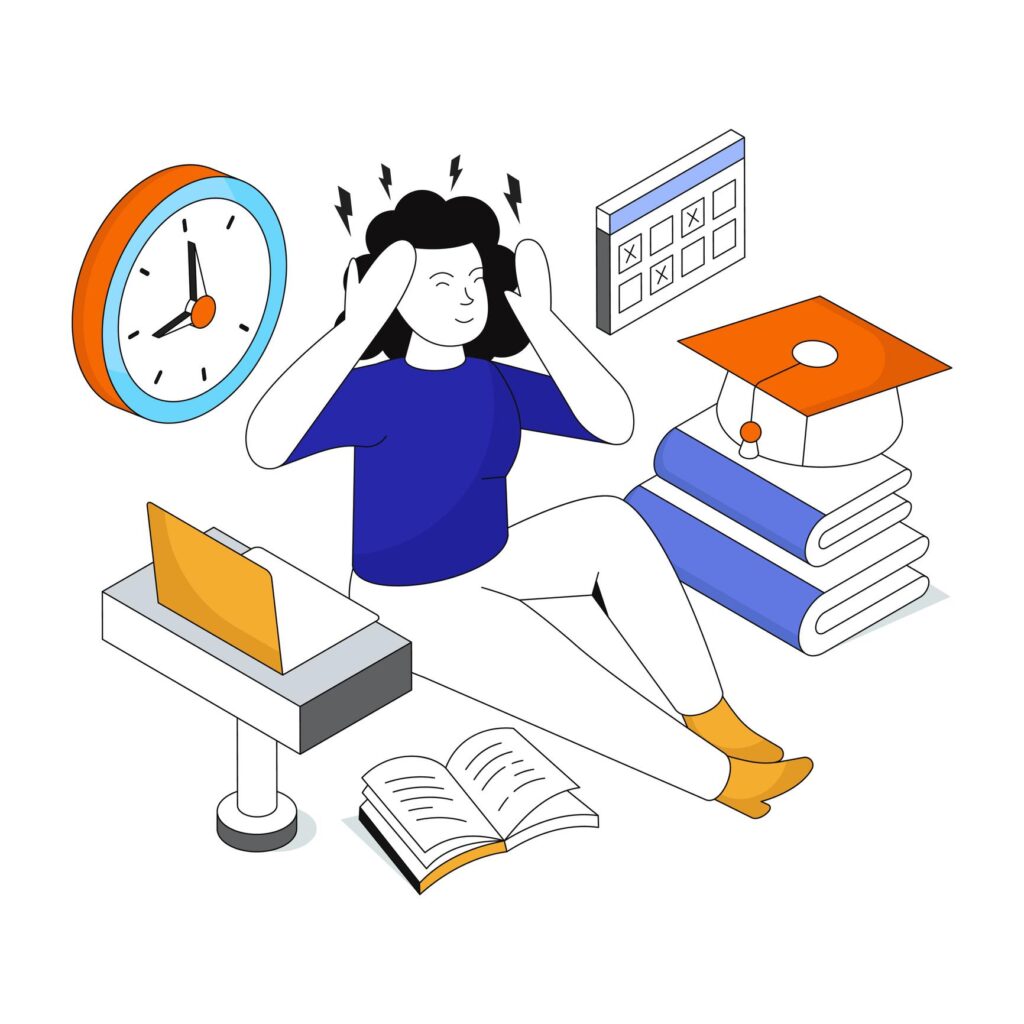

 Understanding Panic Attacks
Gotta grasp what panic attacks are if you want to figure out how to tackle them like a pro. Let’s break down what makes these moments freaky and what the deal is with their symptoms.
Overview of Panic Attacks
Panic attacks aren’t just about freaking out; they slam into your life like a flash storm. One minute you’re checking your phone, the next, a wave of fear or anxiety crashes over—intense but brief. Hits hard and fast, usually peaking in about 10 minutes, and then they start to chill out (Medical News Today).
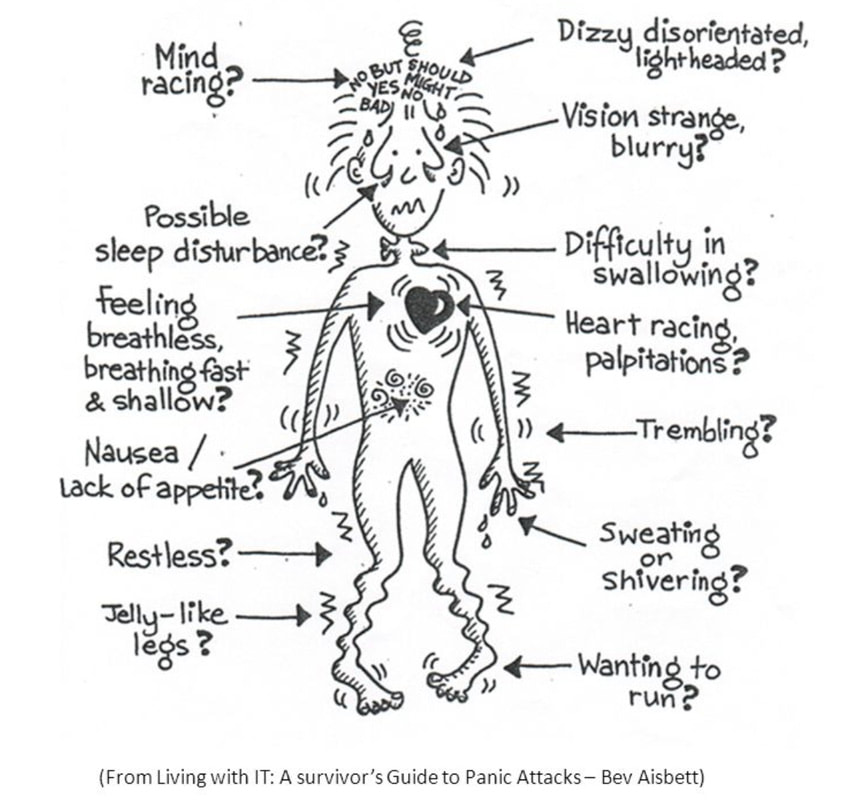
When you’re in the thick of it, it can feel like the world’s ending. Your chest might hurt, your heart races like a scared rabbit, sweat drips, you shake, and everything feels kinda surreal. It’s as if your body decided to host a mini-crisis, making you feel vulnerable and questioning if something’s gone seriously wrong. Those sneaky panic attacks tend to pop up without much warning, and man, do they know how to shake up your day-to-day groove.
Symptoms and Characteristics
No two panic attacks are twins. They come with a mixed bag of symptoms, and here’s the usual lineup:
- Fear so strong it feels like it’s tackling you.
- Heart thumping like it’s auditioning for a rock band.
- Sweat or chills saying ‘hello’.
- Shakes that could rival a leaf on a windy day.
- Breath that plays hide and seek.
- Chest feeling like you did 100 push-ups, no sweat.
- Feels like you’re gonna hurl.
- Dizzy spells or the world spinning around you.
- Tingling like pins and needles just moved in.
- A brain screaming, “We’re losing it, folks!”
To fight off these symptoms, you can try some solid tricks. Deep breaths—like the ones you take to blow up a stubborn balloon—help. Keep your senses busy with exercises like the 5-4-3-2-1 method. Or just get those muscles relaxed as if you’re lounging after a hard day (Medical News Today). These tricks help put your mind on a different track, taking the spotlight off the scary stuff and onto chill vibes.
Getting a handle on these panic attack shenanigans is step one in taking back control. Catch the signs, use the right tricks, and you’ll be rocking those episodes with a whole lot more calm and guts. You’ve got this, and a little peace and quiet is just around the corner.
Immediate Relief Strategies
When panic hits like a ton of bricks, having a few tricks up your sleeve can make a world of difference. Here are three ways to find your calm amidst the chaos:
Deep Breathing
Think of deep breathing as your go-to reset button. It’s all about bringing things back to basics—breathing in the good stuff and letting go of the bad. This simple act helps sideline the frenzy and invite a bit of peace.
Here’s how you can work on your deep breathing:
- Breathe in through your nose for four counts, nice and easy.
- Hold that breath for a second.
- Let it out slowly through your mouth over six counts.
- Do this a few times until the storm in your chest settles a bit.
Take a peek at our article on breathing techniques to stop a panic attack for more on this nifty trick.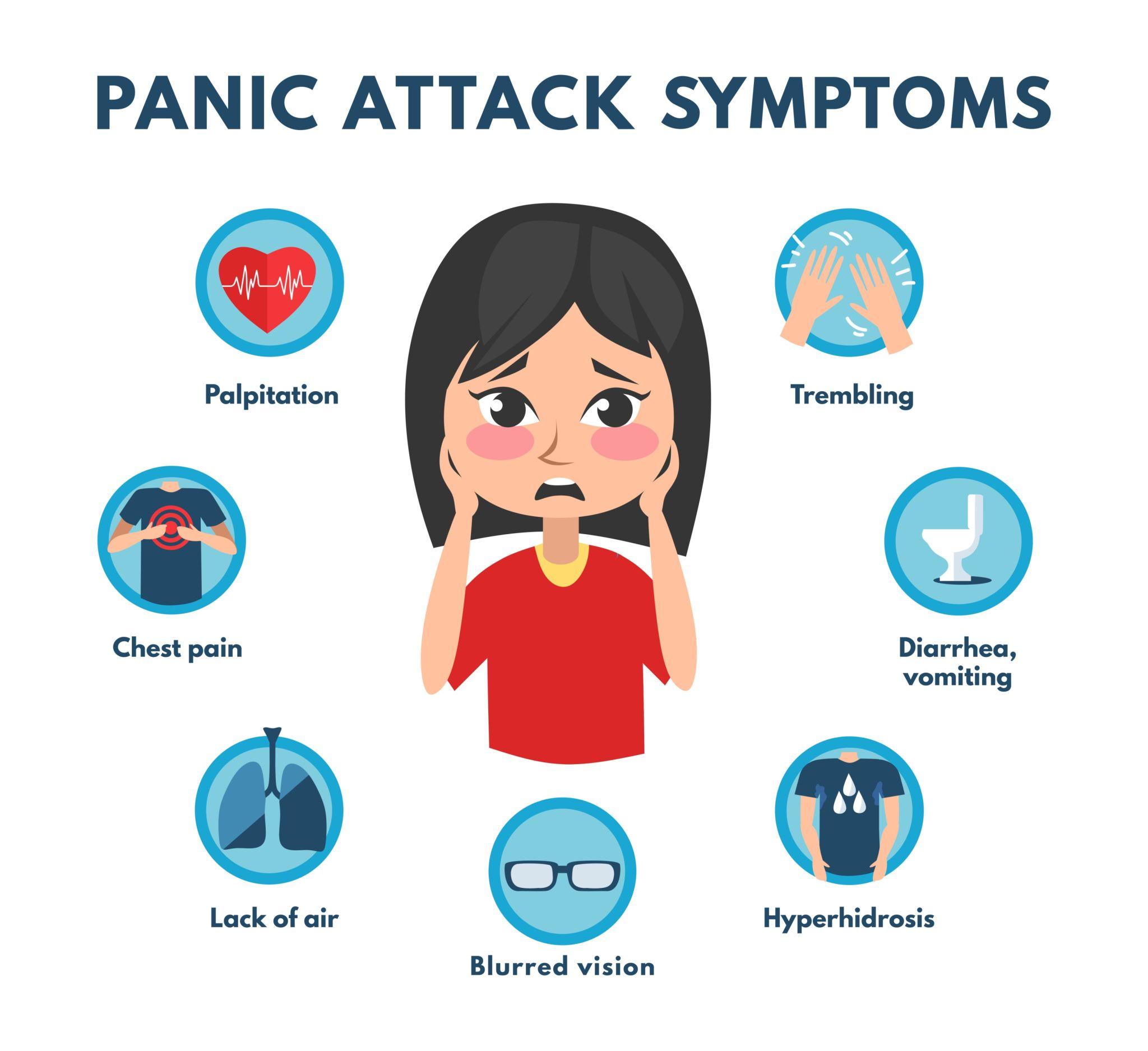
Grounding and Mindfulness
Grounding is like making sure your feet are planted firmly when the winds of panic blow your way. It’s about leaning into your present moment and keeping your senses open to the world around you.
Try grounding by:
- Spotting five things you can see, touching four things, hearing three, smelling two, and tasting one.
- Doing some muscle relaxation – clench up, then let go.
- Picture a place that makes you feel safe – could be a sunny beach or a cozy couch.
For a deeper dive into how mindfulness helps, check out our article on how mindfulness can help manage panic episodes.
Light Exercise and Movement
Getting your body moving, even a little bit, can lighten the load of anxiety. Exercise isn’t just for the grimacing gym-goer—it’s a chill-out strategy too. A brisk walk or some gentle yoga can shift your mind from worry to ease.
Research has shown exercise’s charm extends to our brain, helping it make new cells especially in zones that keep us upbeat and less worried. So, sprinkling light exercise into your days could be a key move in keeping panic at bay.
By folding these quick relief moves into your panic game plan, you’ll find yourself better equipped to handle those unruly episodes and steer your mental well-being back on course.
Long-Term Management Approaches
Trying to beat anxiety once and for all? Let’s chat about some tricks that might just work wonders. We’re talking about a mix of therapy, maybe popping a few pills (with your doc’s thumbs-up), and turning your daily grind into a healthier one.
Cognitive Behavioral Therapy (CBT)
Cognitive behavioral therapy (yeah, just call it CBT) is like the Jedi master of anxiety treatment. It helps you tell those pesky negative thoughts to take a hike. The way it works is pretty simple: thoughts, feelings, and actions are all buddies in this. CBT hands you some neat strategies to change how you see things and build stronger ways to cope when anxiety rears its head.
Rumor has it that blending this with mindfulness-based interventions, which is fancy talk for being present and chill, packs quite a punch against anxiety and its gloomy pal, depression (NCBI). Chat with a therapist, unravel what’s eating at you, and come up with a game plan that keeps anxiety at bay.
Medication Options
Besides therapy, popping some prescribed meds might be on the menu if you’re wrestling with hardcore anxiety. Sometimes mixing meds with therapy is the name of the game (Source).
A quick chat with your friendly neighborhood psychiatrist or doc might land you on meds like SSRIs or benzodiazepines. They’re not magic beans, but they might make dealing with anxiety a tad less overwhelming.
Lifestyle Changes for Prevention
Therapy and meds aside, shaking up your lifestyle can set the stage for keeping anxiety in check. Small tweaks—like getting your move on regularly, hitting the sack for enough z’s, and eating like you mean it—matter more than you’d think.
Breaking a sweat isn’t just about the Insta likes; it boosts brain health, which might help with anxiety and even depression (NCBI). Regular workouts—whether it’s yoga, running, or just lifting heavy things—can ease some of that anxiety burden.
Don’t skip out on stuff that makes you chill either. A bit of meditation, deep breathing, or being mindful now and then is the kind of armor you want. These habits not only calm you down during a rough patch but also shape how you deal with stress over time.
When you team up CBT, maybe a pill or two, and some lifestyle tweaks, you’re setting up a solid strategy against anxiety. Don’t forget, though—talking to a pro who gets you is crucial in building a game plan that’s tailored for your path to rocking that zen life.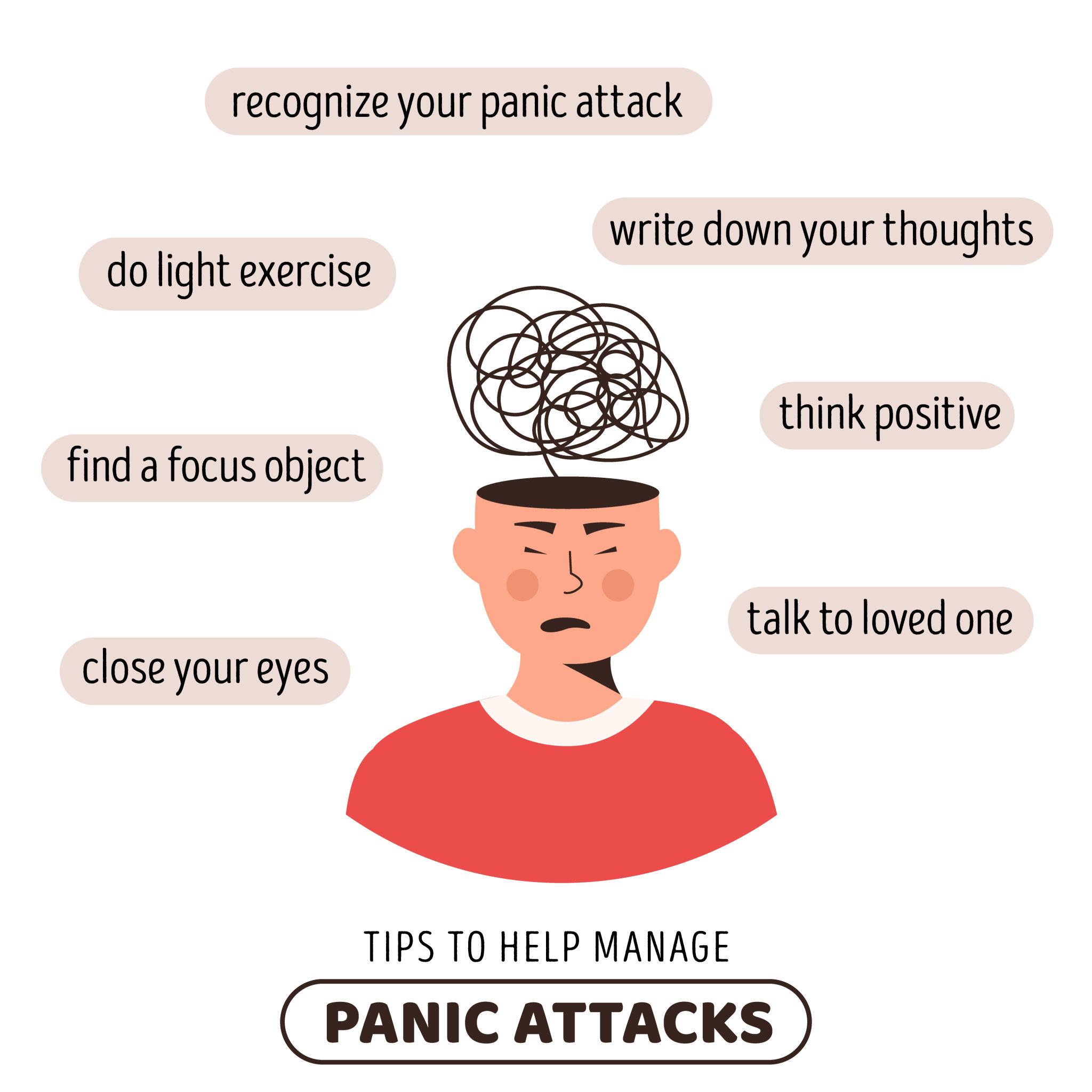
Anxiety-Reducing Tools
When life throws anxiety and panic your way, it helps to have some trusty tools in your back pocket. Think of breathwork, chill-out techniques, mindfulness tricks, and meditation as your toolkit for dealing with the stress monster. These methods not only tackle anxiety head-on but also set you up for feeling more at ease long-term. Who couldn’t use a bit more peace in their life?
Breathwork and Relaxation Techniques
Try some good old deep breathing when feeling a panic attack creeping up. Just by taking control of your breath, you can start to dial down the stress and find your calm. This becomes your go-to move. It’s like hitting reset on your system—getting back some of the control you may feel you’re losing. Breathe in slowly, breathe out slowly, and you’re back in the driver’s seat of your mind.
And don’t forget the power of good smells! Taking a whiff of lavender oil can do wonders for lowering the stress level and helping you relax (Medical News Today). Just a little dab and inhale, and you’ll find your groove again. Make these little breath-focused moments a habit, and watch your resilience against anxiety get stronger day by day.
Mindfulness-Based Interventions
Now let’s talk about mindfulness—basically living in the “now” and not beating yourself up over past mistakes or future worries. Study after study has shown how effective this is for keeping anxiety and its pesky cousin, depression, at bay (NCBI).
Start small: notice your thoughts, how you’re feeling, and your surroundings without jumping into judgment mode. Exercises like meditation or body scanning can really get you tuned into this approach. Regular practice can clear up the mental fog and equip you with superpowers to handle life’s curveballs.
Meditation Practices
Pencil in some “me time” for meditation if you want a real stress-buster. Meditation lets you hit pause on the chaos and take a moment for yourself. The folks over at the Mayo Clinic are all for it, saying it helps with the anxiety blues and boosts emotional health (Mayo Clinic).
Think of it as your mental massage—letting the mind wander through focused calm. You get to decide how you want your sessions to go, which makes meditation super easy to fit into your life. Whether it’s a quick few minutes or longer sessions, a little meditation goes a long way in tackling anxiety and keeping mental health in check.
With the right mix of breathwork, chill methods, mindfulness, and meditation, you pave your way to living more peacefully with less stress. Everyday practices can help build your emotional super-suit, strengthen your ability to handle stress, and encourage a lasting feeling of ease and mental well-being. Get ready to power through life’s stressors with a newfound calm.
Online Resources for Anxiety
Turns out, the internet’s got more than just memes—it’s a treasure chest for those wrestling with anxiety. From apps that help you chill to virtual therapy and support groups, it’s almost like having a personal anxiety SWAT team in your pocket.
Wellness Apps and Tools
- Headspace: You probably hear the name headspace tossed around a lot. One tidbit from the science folks at UCSF: spend about 10 minutes a day with Headspace, and it might just kick stress to the curb for months. It’s got guided meditations and teaches mindfulness to whip your anxiety into shape.
- Sanvello: If life’s throwing lemons and you’re fresh out of sugar, give Sanvello a try. It’s designed to help you cope with anxiety, stress, and depression. With coaching and a community to lean on, you’re not fighting the mental wellness battle alone.
- MindShift CBT: This one’s for when your brain’s acting like it’s auditioning for a voice-over role in a horror movie. MindShift uses cognitive behavioral therapy to help quiet those pesky anxious thoughts.
- PTSD Coach: If PTSD is your unwanted houseguest, this app’s here to help you show it the door. Created by the pros at the VA and the Department of Defense, it’s packed with info, assessment tools, and techniques to manage those symptoms.
- CBT-i Coach: Sleep’s been cheating on you? CBT-i Coach is there to help patch things up. Available for iOS and Android, it’s free and loaded with methods to get your sleep hygiene back on track, so you can stop counting sheep and start sawing logs instead.
Virtual Therapy Platforms
Ever tried therapy in your pajamas? Virtual platforms might not offer cocoa and a comfy couch, but they’ve got licensed professionals ready to chat. Perfect if you’d rather not spill your guts in person or just enjoy the convenience of therapy without getting out of your slippers.
Support Communities
Sometimes talking to folks who just get it is all you need. Online anxiety support groups offer spaces where people band together, sharing battles and victories. Through forums, social media, or special websites, these communities remind you that your struggles are a shared human experience, and virtual high-fives are just as heartwarming.
Why go it alone against anxiety when there’s a digital army waiting to back you up? With these resources by your side, you’re not just getting to the next day—you’re building a fortress of peace of mind.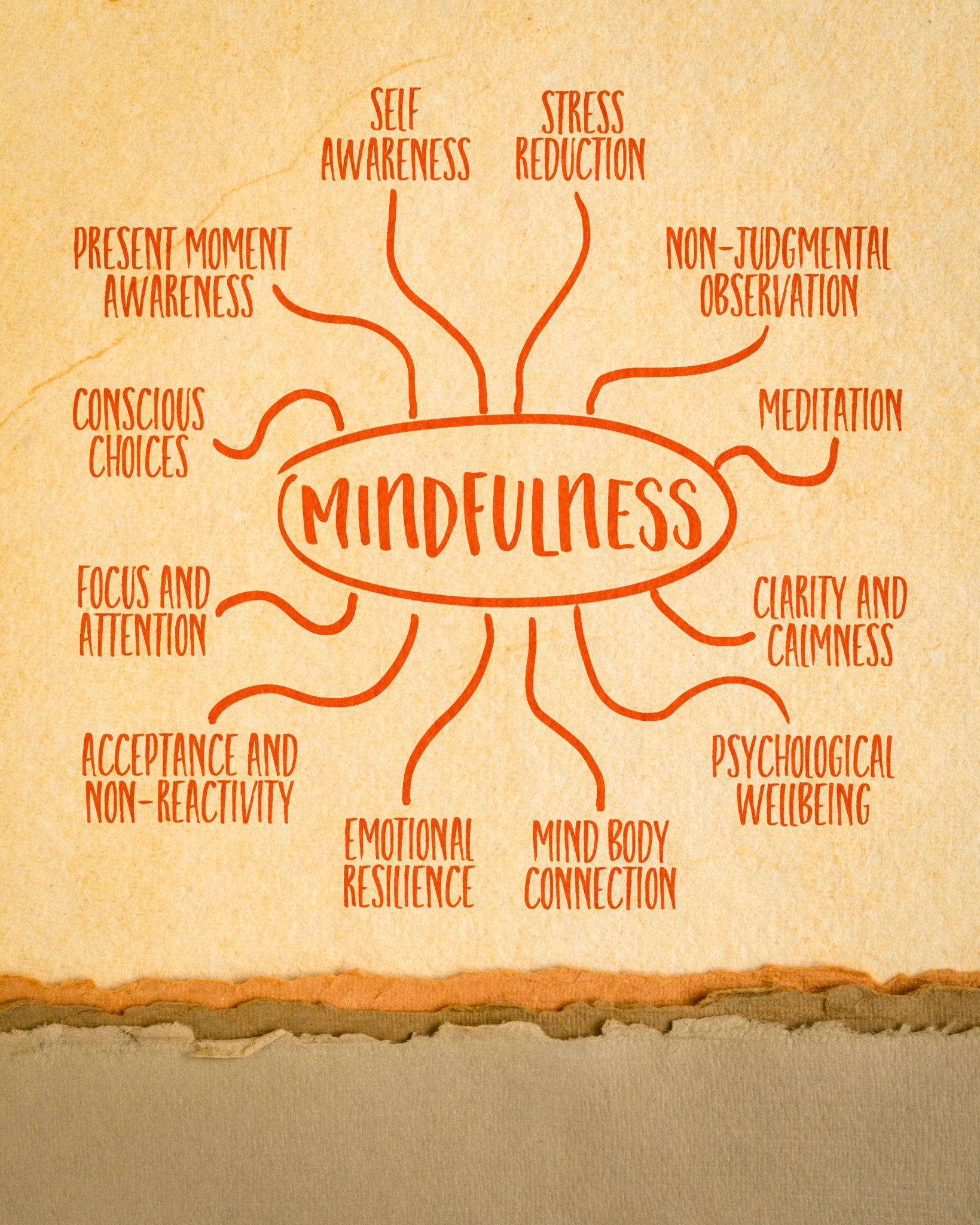
Supporting Specific Demographics
When it comes to handling anxiety, it’s important to think about the different needs of various groups of people. Here, we’re digging into anxiety management tips for college students, working folks, and those who provide care, like caregivers.
Anxiety Management for College Students
Life as a college student can be a stress rollercoaster that often leads to anxiety. In fact, a report by the National College Health Association found out that 63% of students felt intense anxiety during their first college year (Harvard Health Publishing). To help them out, college students can try:
- Healthy Coping Tricks: Finding comfort in stress-busting stuff like mindfulness habits, getting moving with exercise, leaning on friends and family, and keeping a good balance between school and life.
- Taking Advantage of Counseling Services: These on-campus resources offer mental health support, guidance from counselors, and a sense of community through support groups.
- Routine Building: Keeping a regular schedule can give a student a sense of order amid the chaos of college deadlines and social events.
- Practicing Self-Care: Simple but vital things like getting enough rest, eating well, and working out can really help one’s mental and physical health.
To dig deeper into anxiety management strategies for students, check out tools like Headspace suggested by UCSF Wellness Resources (UCSF Wellness Resources).
Strategies for Working Professionals
Folks on the job face stress that can crank up the anxiety meter. To keep work anxiety in check, here are some practical ideas:
- Quick Stress-Relief Techniques: Using quick tricks like taking deep breaths, practicing mindfulness, and penciling in short breaks can help ease workplace stress.
- Defining Clear Boundaries: Making sure there’s a line between work time and personal time to avoid burnout for that healthy work-life balance.
- Managing Your Time Well: Rank tasks by importance, skip procrastination, and share the workload when needed to keep the stress mountain from growing.
- Getting Help from Experts: Chatting with mental health pros, tapping into employee support services, or even therapy can be lifesavers against work-related anxiety.
By bringing these into play, professionals can better handle the stress from work and create a more supportive atmosphere.
Tools for Caregivers
For those caring for people with anxiety issues—whether they’re children or older family members—playing an active role in easing anxiety is key. Here are some tricks caregivers can put to good use:
- Show Positive Habits: Exhibit calm and healthy ways to cope, communicate, and handle emotions to create a positive and supportive vibe around the house.
- Promote Open Conversations: Building a safe space where talking about anxiety, feelings, and fears is welcomed—it fosters trust and understanding.
- Maintaining Routines: Setting up and sticking to predictable daily schedules helps reduce anxiety by providing a sense of certainty and comfort.
- Practice Self-Care: Remembering their own needs too, caregivers can better support others by taking breaks and looking after their own well-being.
Equipped with these tools, caregivers can effectively help manage anxiety and offer much-needed support to those they care for.
Education and Awareness
Dealing with anxiety and panic disorders isn’t just a personal battle—it’s a big deal for everyone. So, let’s bust some myths, chat about its impact on public health, and look at where we’re headed in tackling anxiety.
Public Health Implications
Anxiety hits home for a lot of folks—almost 29% of people in the U.S. face it at some point. That’s like saying if you hang out with four friends, at least one of you will experience it. Back in the 90s, it cost the economy a whopping $42.3 billion! Anxiety comes in different flavors: you’ve got your General Anxiety Disorder (GAD), Panic Disorder (PD), Posttraumatic Stress Disorder (PTSD), Obsessive-Compulsive Disorder (OCD), Social Anxiety Disorder, and good ol’ Specific Phobia, among others. Yet, a ton of people who need help don’t get it because of the stigma or just plain unawareness. Many don’t even see a doctor. But that’s got to change if we want healthier lives.
Common Misconceptions
Let’s get real about anxiety. It’s super common and not something to hide in a closet. Everyone has their own way of coping—breath control, muscle relaxation, imagining a peaceful place, questioning panic thoughts, or even talking to themselves with kindness. There’s too much noise about what really causes anxiety, like wrongly thinking meds are the number one bad guy for panic attacks. That’s why I’m all about sharing accurate info and changing how we think about anxiety.
Future Directions for Anxiety Management
Moving forward, fighting anxiety is getting all about staying well-rounded. Physical exercise is our secret weapon—it boosts our mood and strengthens our brains, acting like a nifty shield against anxiety. Research keeps unveiling fresh ways to personalize anxiety treatments, and it’s all about finding what works best for each of us because we’re all a bit different.
By schooling ourselves and others about this big anxiety thing, by getting rid of the wrong ideas, and by looking at exciting future treatments, we’re not just helping those who have anxiety. Nope, we’re making sure everyone gets the support they need to feel safe and understood, leaving anxiety a bit less daunting and a lot more manageable.