
 Understanding Panic Attacks
If you’ve ever been caught in the throes of a panic attack, you know it’s like your mind’s playing tricks, making you feel like you’re spiraling out of control. Let’s break down what panic attacks are all about and what clues can tip you off that one’s coming on.
Definition of Panic Attacks
Panic attacks might just crash your calm like uninvited guests to a party. These sudden moments of sheer terror bring with them intense physical freakouts, all without any real danger lurking around the corner. When you’re caught up in one, your mind convinces you something crazy is happening—whether it’s a heart attack or your reality slipping away (Mayo Clinic). If these panic episodes start crashing your scene regularly, and you’re constantly worried about the next one creeping up, it could turn into panic disorder, which could seriously mess with your groove in daily life.
Symptoms of Panic Attacks
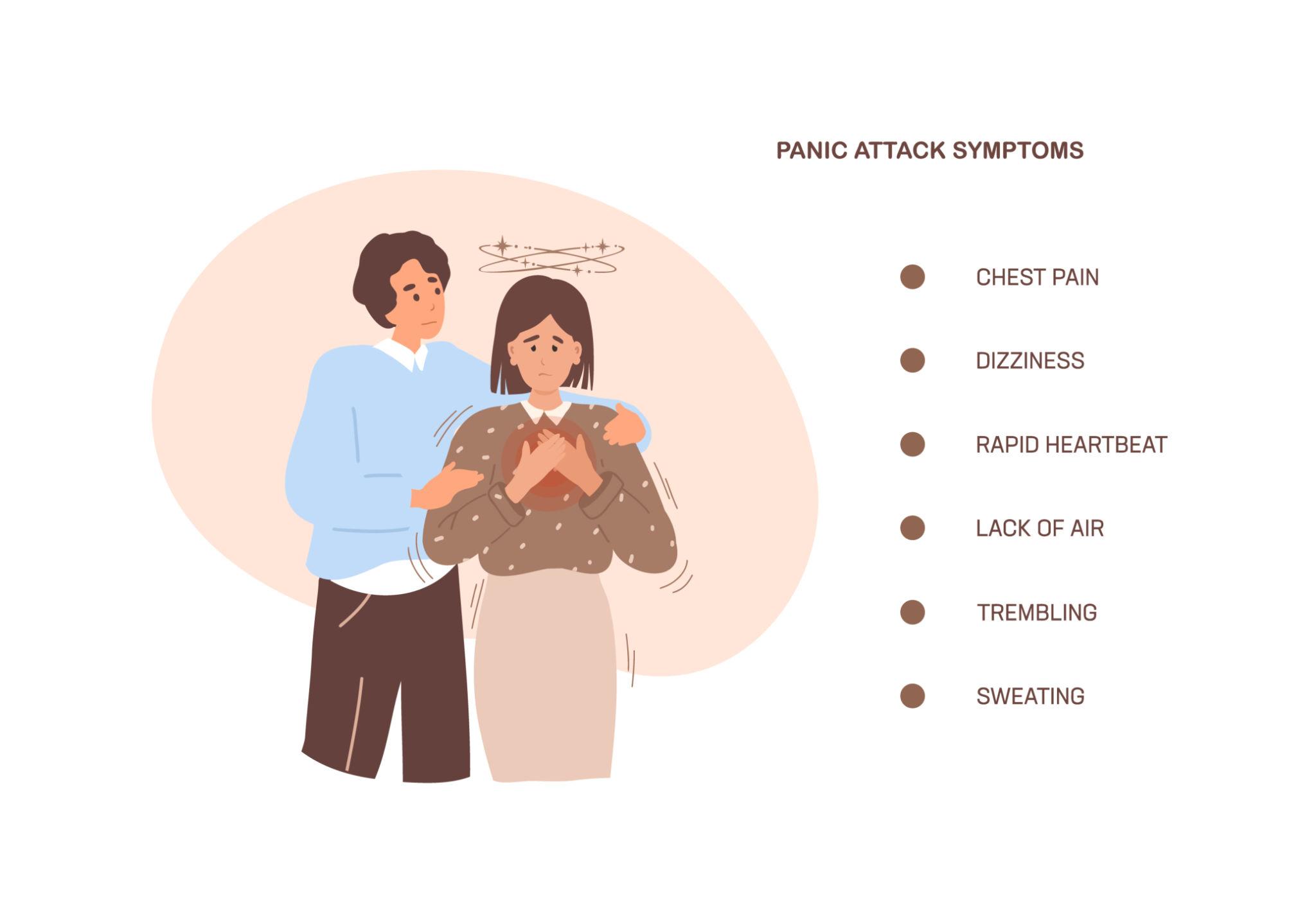
Here’s the lowdown on what a panic attack might throw your way:
- Heart’s racing so fast it’s doing its own workout
- Sweating like a jog on a hot day
- Shaking like you’ve seen a ghost
- Struggling to catch your breath like you’ve run a marathon
- Tightness or pain creeping into your chest
- Stomach acting up as if on a roller coaster
- Getting woozy, like you’ve spun yourself dizzy
- Fearing you’re losing your grip on reality
- Afraid you might not make it through this
- Feeling numb or like you’ve stuck your fingers in an electrical socket
- Shivering or heating up in turns
These panic moments usually hit the climax within minutes, sticking around for about 5 to 30 minutes before bowing out (NHS Inform). Despite the body and mind’s chaos, remember; these episodes aren’t out to get you for good.
In short, knowing what panic attacks are and recognizing their red flags is key to taking charge. By spotting these signs and getting the right help, you can dial down the drama and bring some chill back into your mental spaces.
Coping Strategies During a Panic Attack
You know that awful feeling when it feels like your body and mind are conspiring to throw the mother of all tantrums? Yep, that’s what I mean by a panic attack. When this happens, knowing a few tricks can really take the edge off. Check out these three solid strategies to help you keep it together:
Deep Breathing Hacks
Deep breaths, my friend—your secret weapon. When you feel that wave of panic getting ready to crash over you, just focus on taking those slow, deliberate breaths. You might be wondering why, but here’s the scoop: this kind of breathing jacks up oxygen to your noggin and helps dial down the crazy anxiety levels you’re feeling.
Here’s how you can out-breath your panic:
- Scoot yourself somewhere comfy and maybe quiet.
- Suck in air through your nose nice and slow, and let your belly puff out.
- Hold that breath for just a beat; not longer or you might blow up like a balloon.
- Let it all out slowly through your mouth, making sure you empty your lungs.
- Rinse and repeat a few times until you’re feeling more Zen and less frazzled.
Interested in more breathing magic? Check our piece on breathing techniques to stop a panic attack.
Grounding Tactics
When your head’s in a spin, grounding techniques can be the anchor you need. This five-senses trick named the 5-4-3-2-1 method helps snap you back to the here and now instead of floating away on a cloud of panic:
- Spot 5 things you see around you (even if it’s just the laundry pile).
- Touch 4 things that you can physically feel.
- Listen for 3 things, the more mundane, the better.
- Pick up the scent of 2 things, if you can.
- Lastly, remember 1 taste or bring a nice one to mind.
Tuning into your senses might sound hokey, but it really works. By getting the senses into gear, you trick your brain into focusing on what’s real, right now. That’s a win for sanity during panic attacks.
Want to dig deeper into grounding tricks? Peek at our full guide on using grounding exercises during panic attacks.
Visualization Techniques
Imagine a place where your stress just drifts away. That’s visualization in a nutshell. Picture an escape hatch in your mind when the panic alarm goes off, like lounging on a sun-kissed beach or wandering through a serene forest. Tailor it to what makes you feel safe and cozy.
When panic strikes:
- Shut your eyes and focus on those slow breaths.
- Imagine that happy place of yours, down to the tiny details.
- Let your senses roam—see the colors, hear the sounds, feel the textures.
- Stay lost in this serene mental image until you notice the panic losing steam.
Visualizations can be that emotional reset button during a panic storm. Curious about using mindfulness and visualization together? Check out how mindfulness can help manage panic episodes.
Playing with these methods can foster a sense of ‘I’ve got this’ during the stormy seas of a panic attack. Give ’em a try, see what clicks, and use these tactics to manage both the stress and intensity of panic effectively.
Long-Term Management of Panic Attacks
Managing panic attacks over time isn’t a one-size-fits-all deal, but there are a few tried-and-true methods that can help you find your calm. We’re talking about getting your body moving, filling the air with sweet aromas, and consulting with someone who gets it.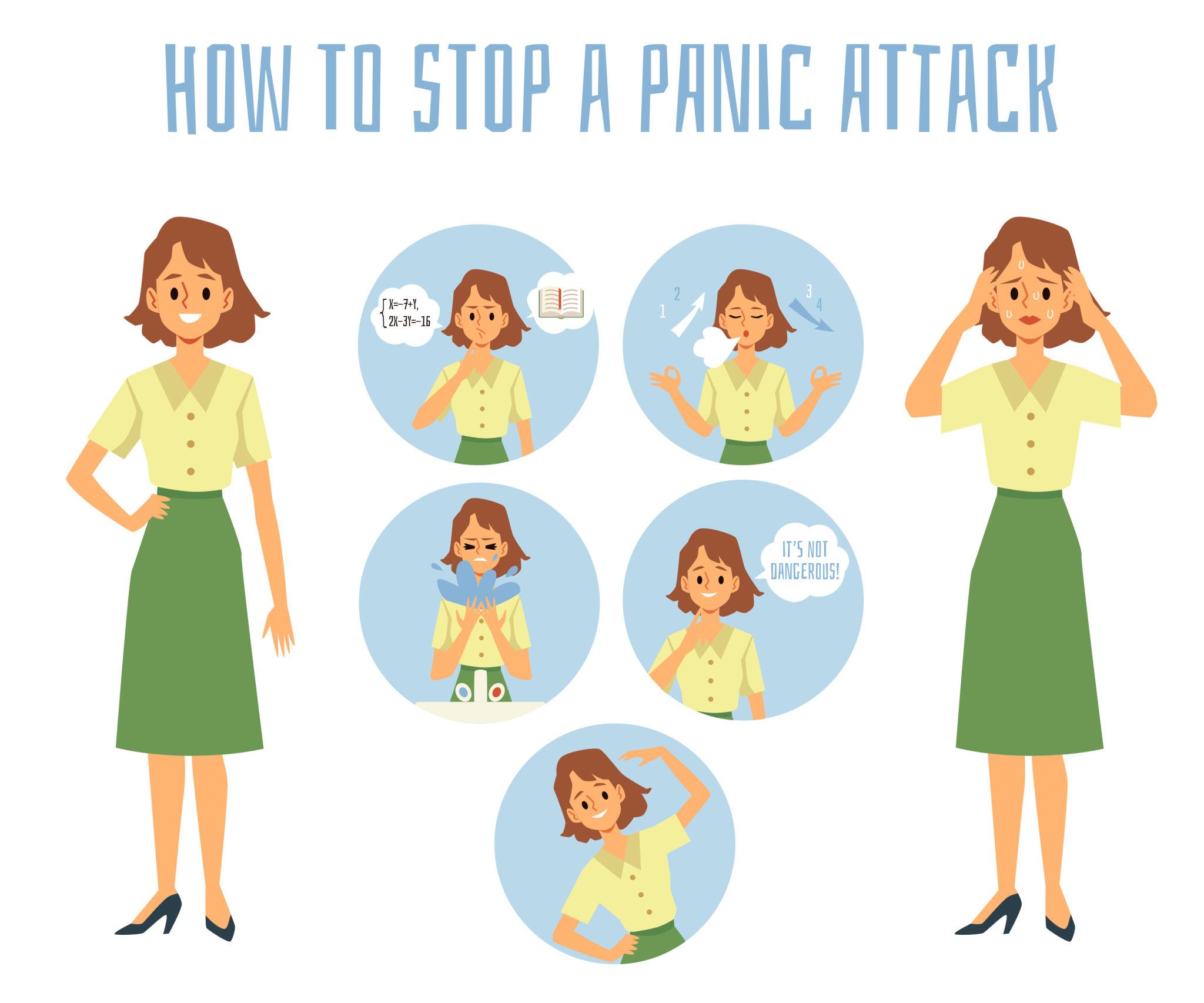
Getting Moving with Light Exercise
Working up a sweat with light exercise, like taking a stroll or practicing easy yoga, really does wonders. It helps you control your breathing, boost those feel-good chemicals, and generally gives you a mood pick-me-up. Make it a habit and you might notice those heart-racing moments getting fewer and further between.
Sniffing Out Aromatherapy
When stress levels rise, sometimes all it takes is a whiff of something relaxing, like lavender. Aromatherapy—using essential oils—can mellow out your mind. Whether it’s a diffuser, a few drops in your bath, or a personal inhaler, find the scent that takes you to your happy place. Play around with different smells until you find yours.
Talking It Out with a Pro
Sometimes, sitting down with a professional is the way to go. Panic attacks can throw a serious wrench in your everyday vibe. Therapists can offer strategies like CBT or exposure therapy, which teach you how to navigate those anxious waters. In certain situations, medication might be a part of the plan to help smooth things over. Getting professional advice can make a world of difference in finding what works for you.
Incorporating some exercise, trying out aromatherapy, and talking with a pro can set you up with a solid game plan. Everyone’s journey is different, so mix and match until you hit on what works. Take charge and build up that resilience. You got this.
Triggers of Panic Attacks
Getting a grip on what sets off panic attacks is like finding the missing piece to the puzzle of managing and dodging them. They can sneak up on you from various corners, like stress, some health hiccups, meds, or lifestyle choices.
Stress as a Trigger
These days, stress seems to be lurking around every corner, ready to pounce. Everything from jobs, relationships, cash worries, and the huge wave of life’s demands can crank up your anxiety, suddenly springing a panic attack on you. Picture this: you’re trying to juggle work deadlines and a family get-together, and boom, it hits you. Learning how to chill out like a boss with mindfulness, or maybe some zen breathing, can keep those stress-triggered panic attacks at bay.
Health Conditions and Medications
Now, let’s chat about the medical stuff. Certain health glitches, like thyroid ups and downs, heart stuff, or breathing issues, might just be the culprit behind panic attacks. Ever felt jittery after taking certain meds? Well, some prescriptions and stimulants could tip the scales towards a panic attack. Keeping in touch with your doc about these and ensuring everything’s in check can help nix those panic episodes before they start showing up uninvited.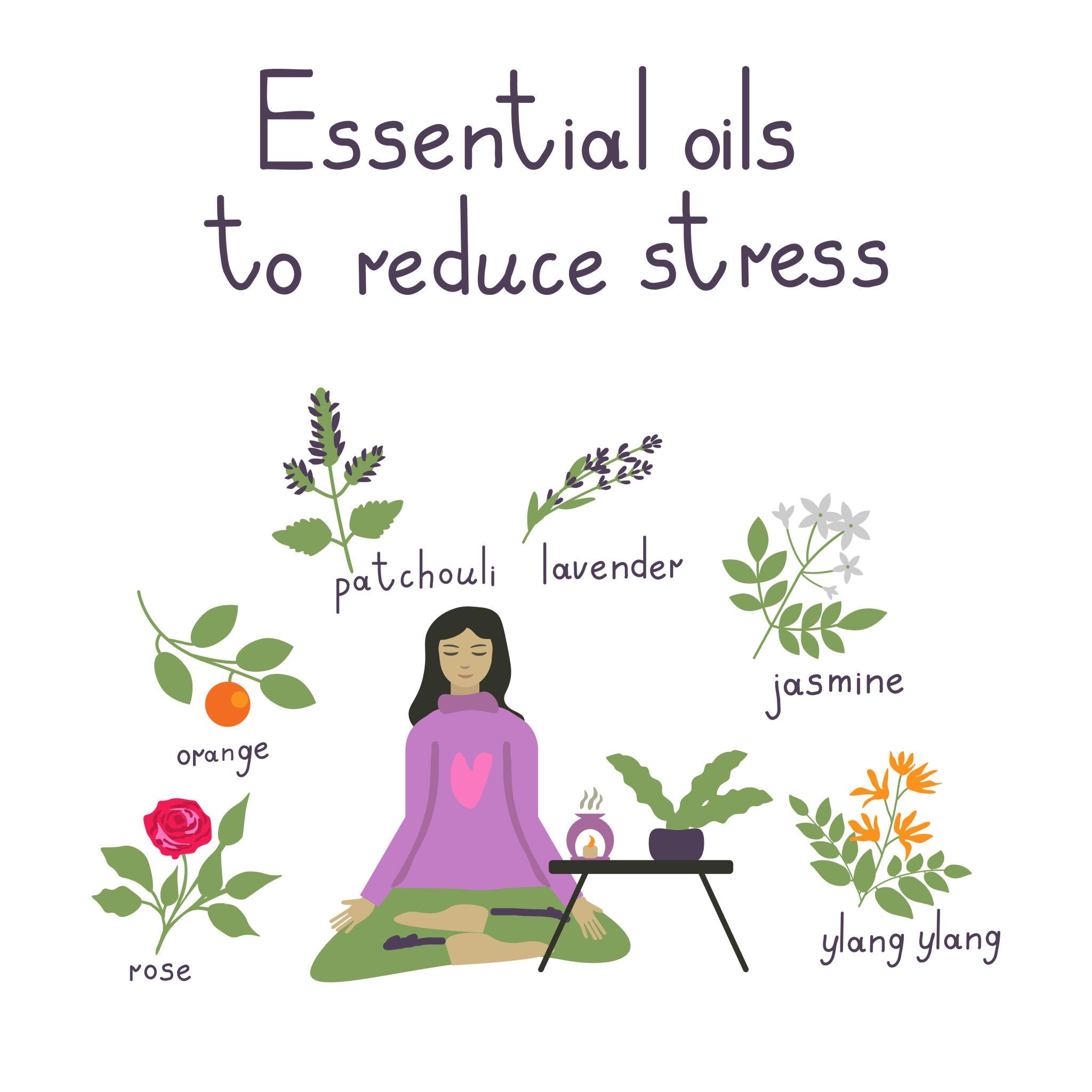
Lifestyle Factors
What about how you live your life? Stuff like booze or recreational nights out might toss your body’s balance out the window, paving the way for panic shenanigans. Oh, and that extra-large coffee might give you more than a morning buzz – it could have you spiraling into anxiety. By giving the cold shoulder to habits that mess with your head or nerves, and kissing energy-draining diets goodbye, you can put up a stronger defense against lifestyle-induced panic attacks.
Understanding what lights the fuse for panic is your first step to regaining control. Spot your personal triggers and arm yourself with ways to sidestep them. Professional advice and taking the healthy route are your ally in managing panic attacks, making room for a more chill and contented life.
Seeking Help for Panic Attacks
Alright, let’s talk about something that’s not exactly dinner-table chat, but super important: managing the chaos of panic attacks. When one of these bad boys hits you like a freight train, knowing when to reach out for help can totally change your world. Don’t just sit there in a pool of sweat; calling in the cavalry—like a trusty therapist or other mental-health pro—can be a lifesaver, literally.
Therapy Options
Jumping into therapy isn’t laying on a couch like in the movies. It’s more like having a GPS guiding you through the twisty roads of your mind. Cognitive Behavioral Therapy (CBT) is like the Swiss Army knife here. It’s all about rewiring how you think and, hopefully, stopping the runaway train of panic before it takes off. Then there’s exposure therapy—think of it as baby steps into a scary world, helping you face what freaks you out and realizing it’s not the big, bad wolf after all (NIMH).
Chatting with a therapist is like having a co-pilot while flying through a storm. It helps you untangle the mess in your head and find better ways to handle stress. Get your brain on your side and those panic attacks might just learn who’s boss.
Medication for Panic Disorder
Sometimes, despite our best tricks and tools, we need a little more help, like medication. We’re talking about things like SSRIs and SNRIs—these are pharmaceutical superheroes for your noggin. They might take some time to kick in but can help your brain figure out how to chill out a bit. Then there are beta blockers—your secret weapon for when your heart’s pounding louder than a rock concert (NIMH).
Now, if you’re really in the thick of it, benzodiazepines could be your quick-fix. But don’t go overboard with these—they’re like that friend who’s fun in small doses but can cause chaos if you party with them too hard. Collaboration with your doc is key to keeping the balance and avoiding unnecessary side hustles like side effects.
Figuring out whether therapy, medication, or a combo platter is the best fit for you means grabbing life by the horns and wrestling that panic into submission. Personalize your game plan with the help of a mental health pro to get life back on track. It’s your story—own it and pen the ending you want!
Anxiety and Panic Attack Prevention
Picture this: you’re trying to keep those panic attacks at bay. It all boils down to spotting your triggers and dealing with them head-on. By figuring these out, handling stress like a pro, and having your own cheer squad, you can seriously cut down those panic episodes.
Identifying Triggers
Let’s say you’re always on edge—could be work deadlines, family drama, health worries, or even that triple espresso you gulped down this morning. Stress is a big deal when it comes to panic attacks (Banyan Treatment Center). But other things like certain meds, too much caffeine, social situations, bad past times, or money stress might also set you off.
Now, that’s where you put on your detective hat and figure out what’s making it tough. Look at your surroundings, the people in your life, and your daily habits. Once you nail down what’s jazzing up your anxiety, you can improvise ways to tone it down.
Stress Management Strategies
Keeping stress in check is like having the secret recipe to dodge panic attacks. Doing chill stuff can help, like a little yoga session, getting lost in a book, or just breathing deeply until your shoulders loosen up. Think of it as your own personal chill-out playlist for your brain.
Eating like you care, getting a good night’s sleep, and moving your bones with a little exercise are winners for your stress levels. Some find their calm through stuff like pretending you’re on a beach (guided imagery) or slowly relaxing each muscle in your body.
Building a Support System
You know what’s golden? Support. Keeping company that gets you and stands by you when the waves of anxiety crash is key. Whether it’s a tight-knit fam, besties, or even a group chat with folks who’ve been through the same, having people there makes a world of difference.
Maybe a professional ear will help too. Therapists can guide you in learning how to communicate your needs and understand the deeper parts of what makes anxiety tick. Keep those chats open with anyone who can help; it’s crucial for your mental wellness journey.
By figuring out what kicks your anxiety into gear, managing your stress like a champ, and surrounding yourself with a solid support system, you’re setting yourself up for fewer panic attacks and more peace. It’s all about taking care of yourself, and sometimes, that’s all about asking for a little help along the way.