

 Understanding Panic Attacks
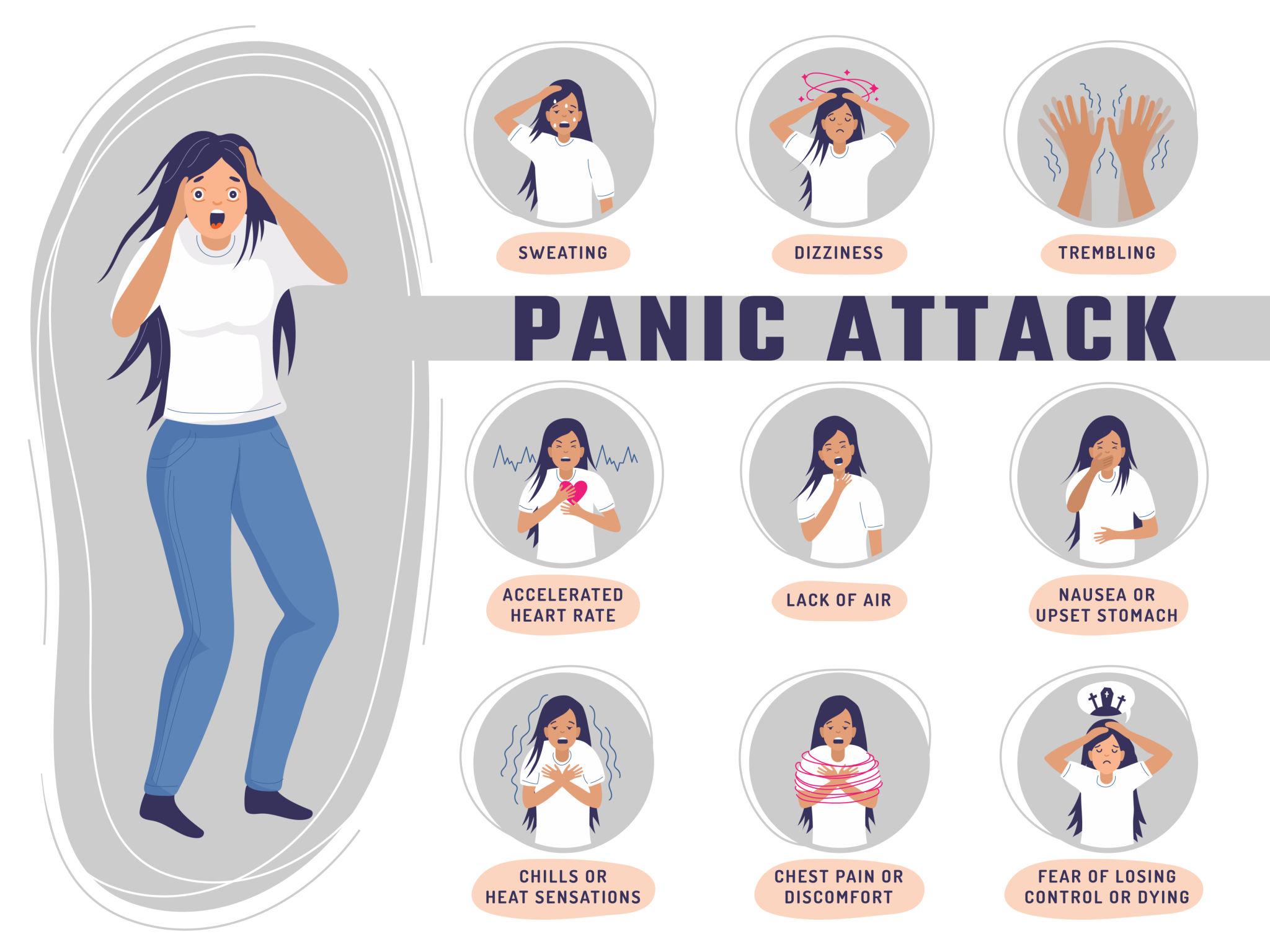
Have you ever had a day where your heart goes from zero to sixty in a flash, like it’s trying to win the Indy 500? Panic attacks can crash in like that, bringing an overwhelming rush of fear or anxiety that hits harder than a toddler’s tantrum in a grocery store. They pop up like those surprise pop quizzes we all dreaded, but don’t worry—they usually have a reason for appearing. This whirlwind of adrenaline is your body’s built-in alarm system doing its best impression of a fire drill, complete with a fast-beating heart, sweaty palms, and the shakes.
The Nature of Panic Attacks
Picture this: you’re suddenly struggling to gulp in air, your chest is in knots, the world feels like a dizzy merry-go-round, and dread wraps itself around you like an old sweater. Panic attacks tick all those boxes. It’s like your mind and body throw a chaotic party you’re not sure you RSVPed ‘yes’ to. The good news? They won’t harm you. Sure, they pack a punch when you’re in the midst of one, but they aren’t life-threatening, even if they feel like a horror movie’s climax.
Impact of Panic Attacks on Daily Life
The aftermath of panic attacks can be like that sticky gum on your shoes—every step reminds you of the mess. They can make it tough to juggle friendships, keep a job, or even motivate yourself to leave the house. It’s the ultimate party pooper, turning “wonderful days” into mini avoid-the-world marathons. People dealing with this might steer clear of places or situations, hoping to dodge another attack. The constant apprehension can take over if you’re not careful.
Life, job, school—you name it—can all feel like climbing Mount Everest with panic disorder weighing you down. Scared of another episode? You might find yourself tiptoeing through life, making some big changes to keep that beast at bay. The silver lining? You’re not alone, and help is there for the taking through healthcare warriors, wise therapists, or supportive groups that get it.
Grasping what panic attacks are all about and how they shape your day-to-day can be the first step to camouflaging your life in some zen. With the right info, you can tackle those anxiety spikes and lead a meaningful life, no matter how many hurdles this mental health hiccup throws your way. Craving more intel on what lights the fuse of panic attacks or how stress can play a part? Dig around for resources designed to shed light on taming this unpredictable beast.
Medications and Panic Attacks
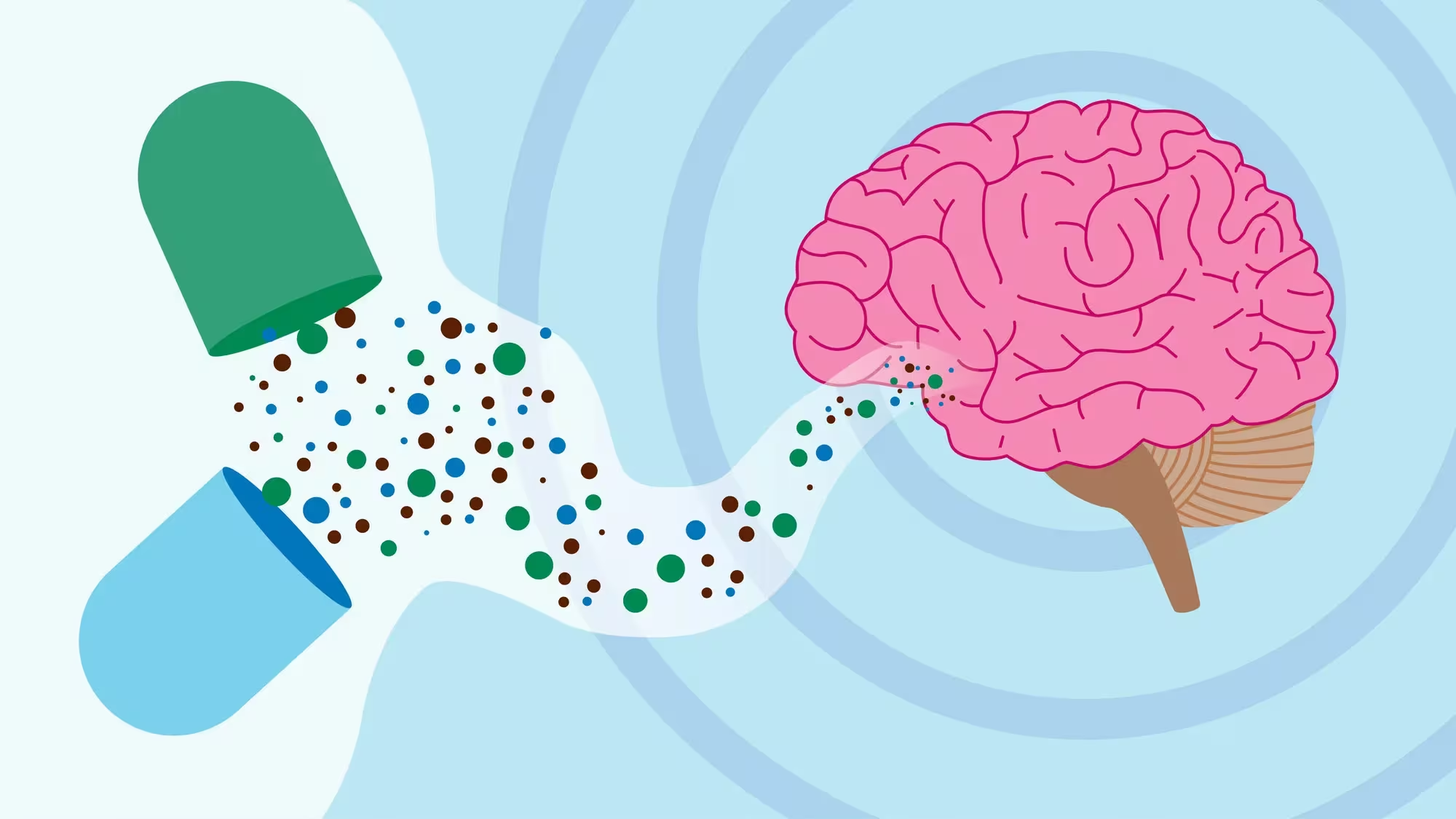
Trying to figure out how to handle panic attacks? Meds can be a big part of the picture, helping to ease those grip-it-to-the-seat symptoms. It’s super important to get a handle on how these meds can both calm things down and sometimes stir the pot, so you and your doc can whip up a treatment plan that really clicks.
Medications for Panic Attacks
There are a handful of meds docs often dish out for tackling panic attacks. Each one works a bit differently to help keep the freak-out moments in check:
- Selective Serotonin Reuptake Inhibitors (SSRIs)
- Serotonin and Norepinephrine Reuptake Inhibitors (SNRIs)
- Benzos (gotta love their street cred)
- Beta-Blockers
- Tricyclic Antidepressants
Per the Cleveland Clinic, these meds can really dial down the panic meter, giving folks a breather from the heart-palpitating chaos. Though they have their differences, the goal is the same: to lighten the load so you’re back in the driver’s seat.
How Medications Can Trigger Attacks
Okay, here’s the scoop: while meds can come to the rescue, they might also throw a curveball by cranking up anxiety in some folks. Knowing how meds can trigger panic attacks helps both patients and docs make the right call.
- SSRIs and SNRIs: Here’s the deal according to the Mayo Clinic: When you start these meds, you might feel more jittery before they start working their magic. If the shakes don’t chill after a bit, tweaking the dosage or trying out a different med could be the way to go.
- Benzos: Benzos can hit the brakes on a panic attack real quick, says the National Institute of Mental Health (NIMH). But there’s a catch—get too cozy with them, and you might find you need more to get the same effect, or even worse, feel brought down by rebound anxiety.
- Beta-Blockers: These meds are the go-to for things like fast-beating hearts, but every once in a while, they might backfire, amping up symptoms instead of chilling them out, as the NIMH also notes. Keeping tabs on how you feel and touching base with your doc for adjustments is a must to hit that treatment sweet spot.
Once you’re wise to the meds and their quirks, you and your healthcare team can map out a plan that keeps your panic attacks in check while taking care of your overall sanity. Keep the lines open with your doc about how you’re feeling on the meds. That way, you both can tackle any twists and turns that pop up on your journey to calmer days.
Biological Factors
Getting to grips with what sends panic attacks running rampant through your brain means understanding some of the quirks biology throws our way. Two big players in these unsettling surges of fear are chemical hiccups in the brain and an overactive amygdala.
Chemical Balancing Act
Some brain chemicals like gamma-aminobutyric acid (GABA), cortisol, and serotonin have to play well together to keep mood and anxiety in check. When these guys get out of line, which experts like those at the Cleveland Clinic have pointed out, panic attacks can crash the party.
If your chemical balance is teetering, you might find panic knocking at your door, even when there isn’t a reason to be scared stiff. Meds and therapy can help pull these neurotransmitters back in line, making panic less of a looming threat.
Hyper Alert Amygdala
The amygdala, the brain’s mighty protector in charge of emotions and stress alerts, can sometimes go into overdrive, as researchers have noted. For those of us living in the land of panic disorder, this overexcited state can turn everyday moments into heart-pounding experiences (Cleveland Clinic).
When this tiny powerhouse does a little too much, it can twist non-threatening situations into towering threats, leaving you caught in a whirlwind of panic. Tackling amygdala hyperactivity with therapy might just calm that storm, letting you breathe easy again.
Taking a closer look at how these parts of our biology tangle together shows why panic attacks can be so tricky to untangle. By treating chemical balance and amygdala overdrive issues, anyone fighting panic attacks can begin to steer their thoughts back to calmer waters and find steadiness in their day-to-day.
Psychological Triggers
Let’s take a closer look at what messes with our heads when it comes to panic attack triggers. In this puzzle of panic, the mind isn’t just a playground; it’s a battlefield. Phobias and the looming terror of another attack are like secret agents working in the shadows to spark off those nasty episodes we dread. Let’s get to grips with this so we can figure out what’s really going on.
Phobia-Related Triggers
If you’ve got a phobia, you know life’s little surprises can sometimes feel like a full-blown ambush. Triggers tied to what you’re afraid of can hit like a ton of bricks, sending you into a spiral of panic. Talk about a tough time, right? The trick to handling these curveballs is through talkin’ it out in therapy and cooking up some personal coping concoctions that fit your fears just like that favorite old sweater (Cleveland Clinic).
Fear of Having a Panic Attack
And here’s the kicker—just the thought of having a panic attack can be enough to trigger one. It’s like being scared of your own shadow, frantically peeking around every corner expecting it to leap out at you. This nasty paradox piles on the pressure, pushing anxiety through the roof and often pulling the panic attack trigger itself (Cleveland Clinic).
Untangling the mess of phobia-related triggers and the cycle of fearing fear itself isn’t just eyebrow-raising; it’s life-changing. With a mix of therapy, building awareness like a muscle, and nixing those false alarms, folks can face these psychological gremlins head-on. And with time, patience, and maybe a splash of humor, you might just find yourself dancing on that battlefield instead of ducking for cover.
Treatment Options
I’ve been in your shoes, trying to figure out how to get a grip on panic attacks that can make life feel like an uphill climb one moment and a nosedive the next. The upside is there are trusty treatment solutions out there; ones that offer quick fixes and long-range game plans. From personal experience and heaps of research, two strategies really pop: Cognitive Behavioral Therapy (CBT) and meds.
Cognitive Behavioral Therapy (CBT)
Cognitive Behavioral Therapy (CBT) is like a mental toolbox for dealing with panic attacks. Imagine having a skilled guide helping you untangle the mess of thoughts that fuel your panic. CBT shows you how to change the story running through your head and rewrite how you react. One neat trick it uses? Exposure therapy – it lets you face fears slowly and safely.
Diving into CBT is like starting a fascinating detective story where you crack the case on what sets off your panic. You get to tackle whacky thoughts, learn cooler ways to deal with panic, and conjure up a rock-solid courage to deflate those waves of fear. It’s all about tweaking your viewpoint to dance more gracefully through panic mishaps.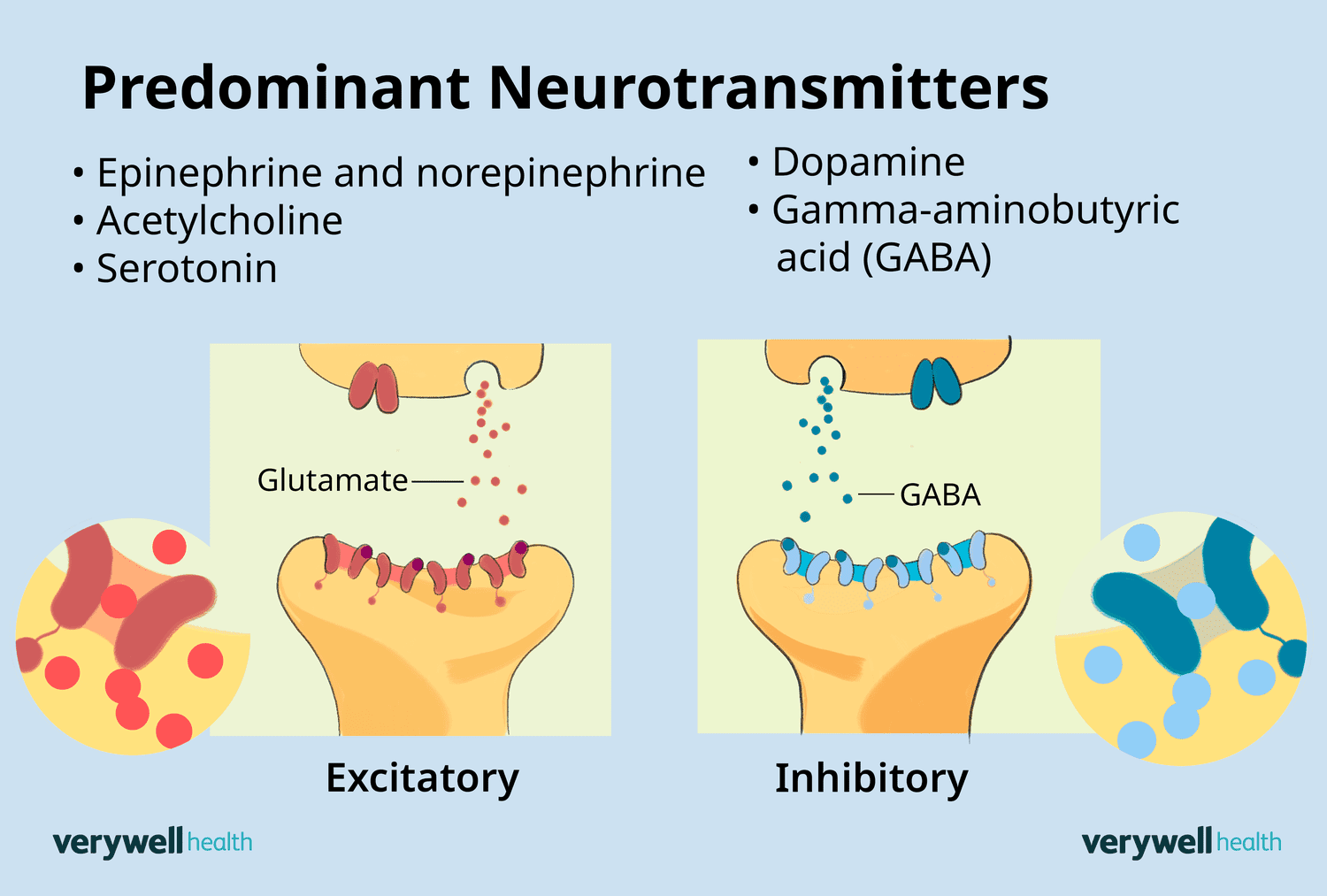
Medication Management Strategies
Now, let’s talk meds. They’re an essential player in the panic squad, sometimes teaming up with therapy, other times flying solo. We’re talking about trusty companions like SSRI and SNRI antidepressants, beta-blockers, and benzodiazepines which can help dial down those panic-stirred symptoms.
- SSRI and SNRI Antidepressants: These guys fiddle with your brain’s wiring, aiming to calm the chaos over time. Worth a mention, they’re not overnight miracles and might need a hot second to show results.
- Beta-Blockers: Think of them like a bouncer for your heart and sweat glands, keeping physical freak-outs like fast heartbeats and sweat in check.
- Benzodiazepines: Fast and furious relief is their forte, but they’re a short-term buddy because they can be a bit clingy if left unchecked.
The trick is, different meds vibe differently with each person. So, it’s smart to buddy up with a healthcare expert who’ll help you draft a game plan that works for your special cocktail of needs.
Check out Cognitive Behavioral Therapy (CBT) to get a feel for how therapy can help, and see if Medication Management Strategies could be your thing. With some support, empathy, and collaboration with the pros, you can weave your way towards a future where panic episodes don’t call the shots anymore. Sharing what helped me might nudge the door open for your path to peace.
Preventative Measures
Living with panic attacks can really throw a wrench in your day-to-day grind, be it at the office or in the classroom. It can mess with the quality of your life, pushing some to flip their routines upside-down to dodge another episode.
Lifestyle Modifications
Tweaking your routine can be a game-changer in wrangling panic disorder. We’re talking about adding chill-out activities like mindfulness meditation, yoga, or just breaking a sweat regularly. Keeping tabs on what you eat, getting your beauty sleep, and steering clear of that jittery coffee or any anxiety-boosting stuff are also wise moves.
Tech comes to the rescue too, with handy mental health apps and resources for tracking those panic vibes and aiding self-care. Therapy or joining support groups can be your sidekicks in cooking up top-notch coping strategies and boosting well-being.
Support Systems and Resources
It’s important to know that panic disorder’s got a knack for striking in the late teenage years or early adulthood. Ladies seem more prone to this than gents, which highlights the need for gender-focused treatments and networks.
Cognitive Behavioral Therapy (CBT) is a big shot in tackling panic disorder. It teaches folks to flip the script on those nasty thoughts and actions that fuel panic attacks. Then there’s exposure therapy—a slice of CBT—that nudges you closer to feared scenarios bit by bit, cutting back on the duck-and-hide routine that fires up panic symptoms.
Building a solid support squad, with pros, family, and pals, can make tackling panic disorder a whole lot smoother. Tapping into reliable online therapy platforms, reading up with educational materials, or joining community support groups can arm you with handy tips and advice for dealing with panic attacks.
By smartening up daily habits, reaching out for some pro advice, and leveraging the support around you, you can take control over panic disorder. So, lift your spirits, knowing you can make life better by managing panic like a boss.