
 Impact of Sleep on Mental Health
Let’s chat about how sleep plays a part in keeping our minds chill and collected. Good sleep isn’t just about feeling refreshed, it is about keeping our whole system—both body and mind—in check.
Importance of Quality Sleep
- Not enough good sleep? You’ll likely crank up the stress reaction and zap those happy vibes.
- Sleep is that secret sauce for a happy brain and a strong body.
Sleep Deprivation and Mental Health
- Skimping on sleep can kick off or crank up issues like feeling down, being on edge, or even having thoughts about ending it all.
- When sleepless nights become the norm, it’s easier for bad feelings to snowball, piling on the pressure and risk.
- Got anxiety? You’ll know how those restless nights can turn into a nightmare cycle when life’s pressures mount.
- Studies say sleeping well means trimming down on the snacks and shedding some pounds, but missing out leads to munchies and extra padding.
- Lack of sleep can mess with your mood and make you more jittery, especially if you’re already wound tight.
- Panic attacks? They’re those sudden surges of fear that can hit hard and heavy. Keep happening? It might mean you’re juggling more than you think.
- Ignoring panic disorder because of no treatment means you’re looking at more dark thoughts and less of the good stuff like hanging out with friends.
Clearly, catching those Z’s is more vital than just dodging yawns. It can be a game-changer in managing stress storms and living your best life.
Dietary Factors and Mental Health
You ever have those days where you’re munching on your salad and suddenly feel like you’ve just conquered the world? There’s a reason for that. Turns out what you eat doesn’t just affect your waistline; it tinkers with your headspace too. Let’s talk about the magic (and science) behind eating right for your mind’s sake, especially if you have the blues or the jitters.
Nutrition and Mental Well-being
So here’s the scoop: what you put on your plate can give your brain a standing ovation. You see, things like protein, B vitamins, vitamin D, magnesium, zinc, selenium, iron, calcium, and omega-3 fatty acids are like the cheerleaders for your brain and nervous system. Now, if you skip out on those, your mood might just decide to take a nosedive (NCBI).
The trick? Eat a variety of goodies! Gobble up those colorful veggies, juicy fruits, nuts, and fish. These foods are like little mood boosters that can keep the clouds of depression at bay. And hey, did you know a bit of zinc can make your antidepressants work better? That’s like giving your mental health a double high-five (NCBI).
Effects of Dietary Choices on Depression
There’s something fishy going on with fish, folks. And it’s good! Turns out, your food choices can either be your foe or your friend. Load up on fiber, especially from veggies, to keep those depressive vibes at a distance. It’s been shown that increasing fiber can reduce the chances of depression by about 5% (NCBI).
Let’s talk Mediterranean for a sec. Olive oil, nuts, fish, and whole grains are your new besties if you want a happier you. People sticking to this diet saw a whopping 32% less risk of depression — and even just giving it a semi-go offered a 23% reduction. It’s like sunshine in food form, according to some smart folks who studied it (Source).
So there you have it. Eating smart isn’t just for fitting into your jeans; it’s about keeping your head happy and your heart healthy. So why not plate up with the good stuff and keep those bad vibes away? Your mind will thank you, for real.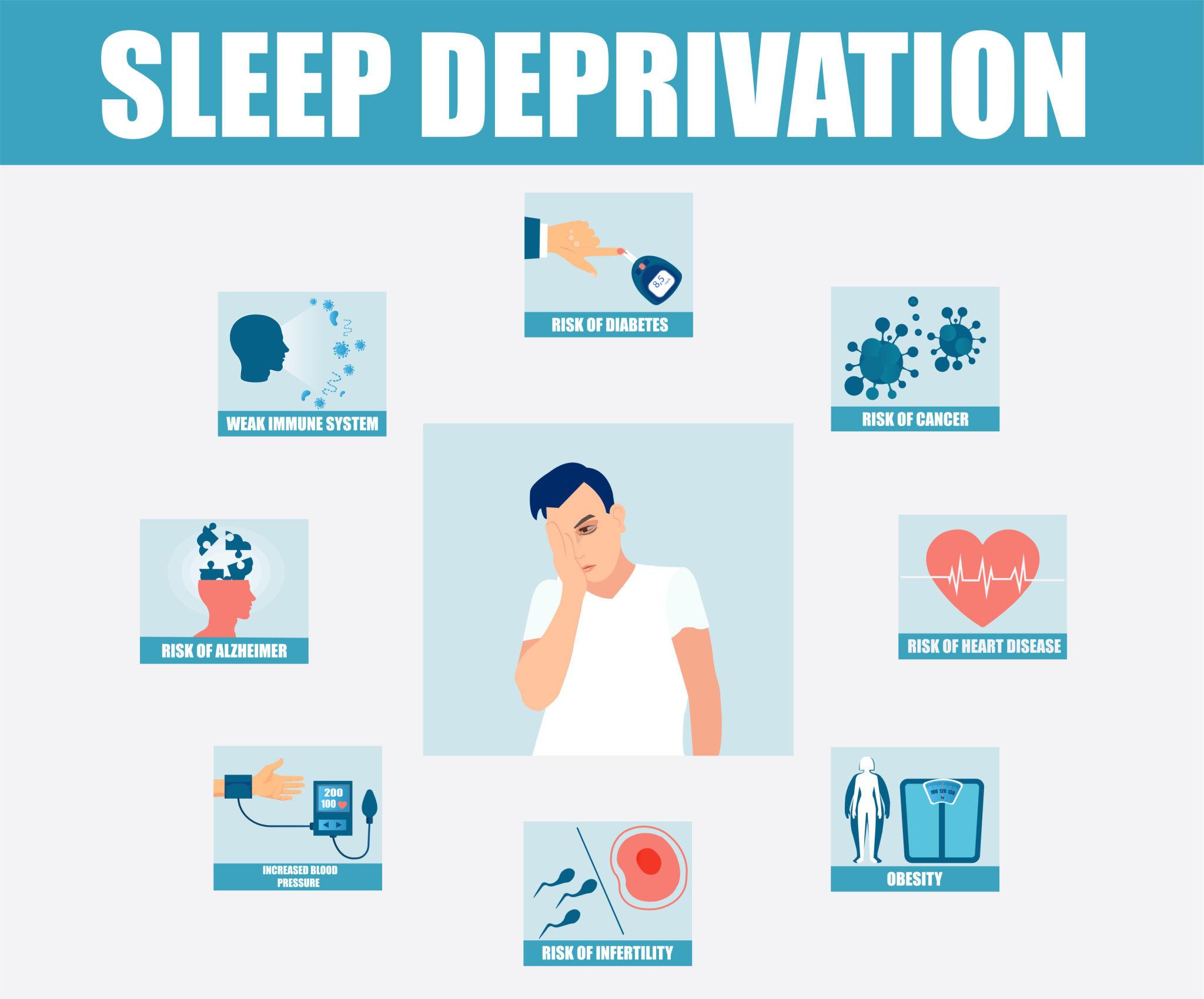
Genetics and Panic Disorder
So, let’s chat about panic attacks. Those sudden, heart-pounding waves of anxiety that seem to come out of nowhere and leave you wondering if something’s wrong. Surprisingly, your family tree might have something to do with it. Panic disorder sometimes runs in the family, like your great-grandmother’s secret cookie recipe. It’s all thanks to some biological stuff happening upstairs in the brain (NIMH). If one of your relatives felt like the world was caving in at times, there’s a chance you might feel the same.
Genetic Predisposition to Panic Attacks
Picture your brain as a bustling city. Now imagine some wacky traffic controllers like GABA, cortisol, and serotonin trying to keep things moving smoothly. If they’re not doing their job, well, a traffic jam of panic might hit you fast and hard (Cleveland Clinic). These are just some fancy names for the chemicals that help us stay balanced and happy. When they’re out of whack, they might crank up the drama, leading to those dreaded panic scenarios.
There’s a mix of stuff like hormone levels and funky gene variations that add spice to this panic dish. So if your family members tend to clutch their pearls easily, best believe you might want to peek at your history and give some thought to caring for your noggin.
Biological Processes in Panic Disorder
You know what really stinks? Those panic attacks that pop up uninvited, like guests at a party who overstay their welcome. They hit hard, peaking within minutes—and then you’re left chewing your nails, worried about the next time they’ll visit (Mayo Clinic). The fear of going through it again could have you dodging certain situations.
Most folks notice the signs when they’re transitioning from teenagers to adulthood, and women seem to have a bigger target. There’s a whole cocktail of reasons such as hereditary tendencies and heavy stress that play a part in rolling out the panic welcome mat. Getting a handle on the genetic nitty-gritty and figuring out how panic disorder ticks means you can wave goodbye to feeling out of control, and focus on the support and help you need.
Genetics and biology are the not-so-hidden puppet masters pulling the strings behind panic attacks. Understanding how your DNA party influences these episodes can arm you with better ways to manage what’s going on upstairs. Want to dig a little deeper into panic attack culprits? Check out our deep dive on what causes panic attacks: a complete guide.
Treatment Options for Panic Attacks
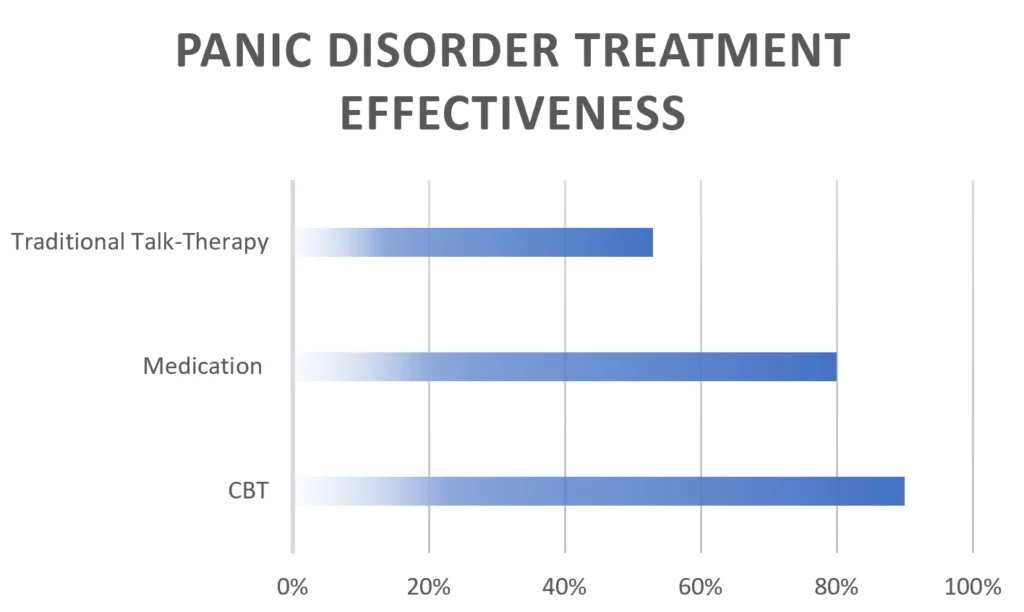
So, you’re tangled up in the mess of panic attacks. I get it – it feels like your own body plots against you. Let’s chat about ways you can tackle these overwhelming episodes and breathe a little easier. We’ve got two big players here: cognitive behavioral therapy (CBT) and medication. Both aim to keep those freak-outs in check and help you feel like yourself again.
Cognitive Behavioral Therapy
Ah, CBT – kind of like your brain’s personal trainer, but way less sweaty. This therapy is like a one-on-one coaching session that helps you spot and tackle those pesky thoughts and behaviors fueling your panic. According to smarty-pants folks over at the National Institute of Mental Health, CBT is a top-notch way to deal with panic attacks and disorders.
Picture this: you’re huddled up with your therapist, breaking down your fears into bite-sized pieces you can actually manage. It’s like peeling back the layers of an onion, but without the tears. You’ll challenge those gnarly thoughts and face fear-inducing situations gradually – kind of like diving into the shallow end before hitting the deep water.
The goal? Arm yourself with fresh strategies to tame panic both immediately and in the long run. Dig deep, tackle those anxiety roots head-on, and you might just find yourself dodging the panic parade more often than not.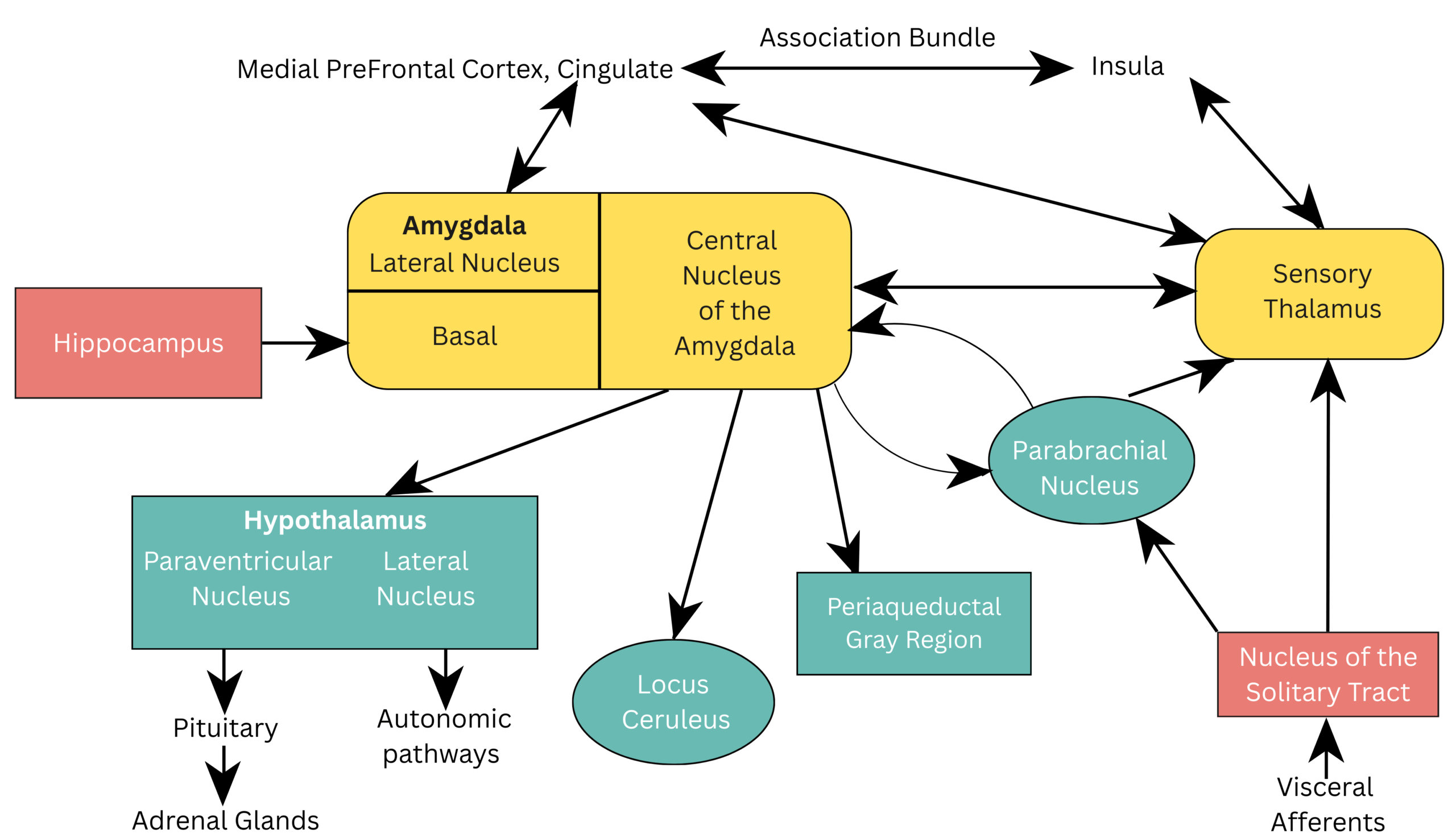
Medication for Panic Disorder
Now, let’s pivot to medications – like your personal peacekeepers. These aren’t just any pills. We’re talking about selective serotonin reuptake inhibitors (SSRIs) and serotonin-norepinephrine reuptake inhibitors (SNRIs). These medications act like a calming breeze for brains plagued by panic. When those symptoms mess with life – sweaty palms, pounding heart – this might be the relief you’re hunting for.
Our pals at the Mayo Clinic say meds become handy when therapy ain’t cutting it alone. These little helpers work by balancing your brain chemicals, keeping panic at bay like a shield stopping a storm.
Teamwork makes the dream work – it’s all about collaborating with a healthcare provider to pin down which medication and dosage match your needs. Sometimes a cocktail of therapy and meds does the trick, providing a lifeline to those grappling with relentless panic.
By marrying CBT with medication, you’re not just playing offense and defense; you’re orchestrating a full-on blitz against panic disorder. This dynamic duo digs into both the mind and body, offering a robust strategy for taming panic attacks and steering toward a worry-free life.
Here’s the bottom line: getting professional guidance and sticking to a personalized treatment plan can completely transform the way you manage panic attacks and regain your mental balance. Whether it’s knocking out these episodes with therapy, medication, or both, there’s a whole arsenal of tools ready to support you through the chaos. Hang in there, relief is just around the corner.
Lifestyle Factors and Anxiety
Digging into how our daily habits affect anxiety shows just how much our physical state affects our mind, especially when it comes to keeping active and eating right.
Exercise and Anxiety Reduction
Moving that body of yours helps not only your muscles but also your mind. Exercise isn’t just about fitting into those skinny jeans – it’s about feeling good upstairs. Whether it’s jogging, dancing, or even a brisk walk, getting your heart pumping can lift your spirits and clear your mind. Science says that sweating it out helps your brain chill, working wonders against the nerves and jitters. It tones down that fight or flight response, making stressful moments a bit less, well, stressful. It’s as if your brain gets a little reboot, ready to handle life’s curveballs. So if anxiety’s knocking, maybe it’s time to lace up those sneakers.
Time and again, studies back up what we probably already know deep down – moving makes us feel better. It’s not just for gym enthusiasts but for anyone feeling weighed down by life. Whether you’re just feeling a tad anxious or dealing with something more persistent, exercise is like a trusty sidekick, always there to pick you up.
Role of Nutrition in Managing Anxiety
What we chow down on matters too. Our food choices have a sneaky way of playing with our emotions. Eating right can be like giving your brain a big, warm hug. Some foods help the chemicals in our brains that manage our feelings behave better. It’s fascinating how a well-balanced meal can help calm those racing thoughts and shaky hands. Seriously, it’s like magic on a plate! Foods rich in omega-3, complex carbs, and antioxidants can do wonders for staying calm and collected when life gets chaotic.
A good meal isn’t only for the taste buds. It’s your brain’s fuel, giving it the juice it needs to stay sharp and relaxed. Eat smart, and your mind might just thank you with a little peace and quiet, at least until the next meal.
By sneaking in a workout and eating wisely, you’re not just taking care of your body but also giving your brain a fighting chance against anxiety. It’s about teaching your body and mind to cope with life’s ups and downs. These tiny lifestyle changes are like little seeds that can grow into a forest of calm and resilience.
Long-term Management Strategies
Living with panic attacks is like trying to thrive in a room with a mischievous monkey running loose—it can be unpredictable and exhausting. But fear not! With some meaningful tweaks in your lifestyle, you can outsmart that monkey and even chuckle at its antics now and again. We’re talking food that fuels your body and exercise that lifts your spirits. Let’s jump in!
Dietary Modifications for Mental Health
Ever notice how some meals leave you feeling groggy, while others make you want to conquer the world? That’s no accident. Eating right isn’t just about waistlines; it’s about feeding your brain—your personal command center. Dive into a rainbow of fruits and veggies, whole grains, lean proteins, and those golden healthy fats, and you’re onto something good. Each bite sends your brain the right chemical cocktail to keep those panic attacks at bay.
Hold off on those sugary sodas and mystery meat pizzas. They might seem convenient, but they’re like handing the monkey a megaphone! If you’ve ever battled low moods or anxiety, turn to omega-3s, magnesium, and probiotics. Found in foods like fish, nuts, seeds, and yogurt, these guys are your secret allies against the blues and a nervous system in overdrive. And if you’re unsure what’s best for you, chat with a health pro who’s got the know-how and is ready to help you tailor the healthiest menu for your mind.
Incorporating Exercise into Daily Routine
Here’s a hot tip: Moving your body can help silence the chaos in your head. We’re not talking Olympian-level feats here. A jog, a yoga session, or even your best boogie moves around the living room can do wonders. It’s like telling that pesky monkey, “Thanks, but I’ve got better plans.”
Aerobic exercises—think walking, running, or cycling—not only get your heart pumping but also unleash a flood of those all-smiles hormones, endorphins. And here’s some exhilarating science for you: regular movement ramps up the production of BDNF, which is quite pivotal in stabilizing your mood. Those with panic disorders might benefit even more from this protein boost as it’s like a balm for the brain.
Getting into an exercise groove doesn’t need to feel like a Herculean task. Start with a stroll down the block—perhaps challenge a buddy to a step contest. As you find your rhythm, up the ante with more sessions or new activities that tickle your fancy. Who knew that managing anxiety could also mean mastering the electric slide or nailing that yoga warrior pose?
Wrapping it Up
By feasting on wholesome meals and letting those body moves work their magic, you’re fortifying yourself against the grip of panic attacks. These lifestyle choices are not mere band-aids; they offer a sturdy platform for a happier, more resilient life. So, go ahead and personalize your strategy, seek advice when you hit a snag, and remember, even small changes can lead to monumental shifts in how you feel. Your happiness isn’t just a dream—it’s within reach, one delicious bite and joyful skip at a time.