
 Understanding Panic Attacks
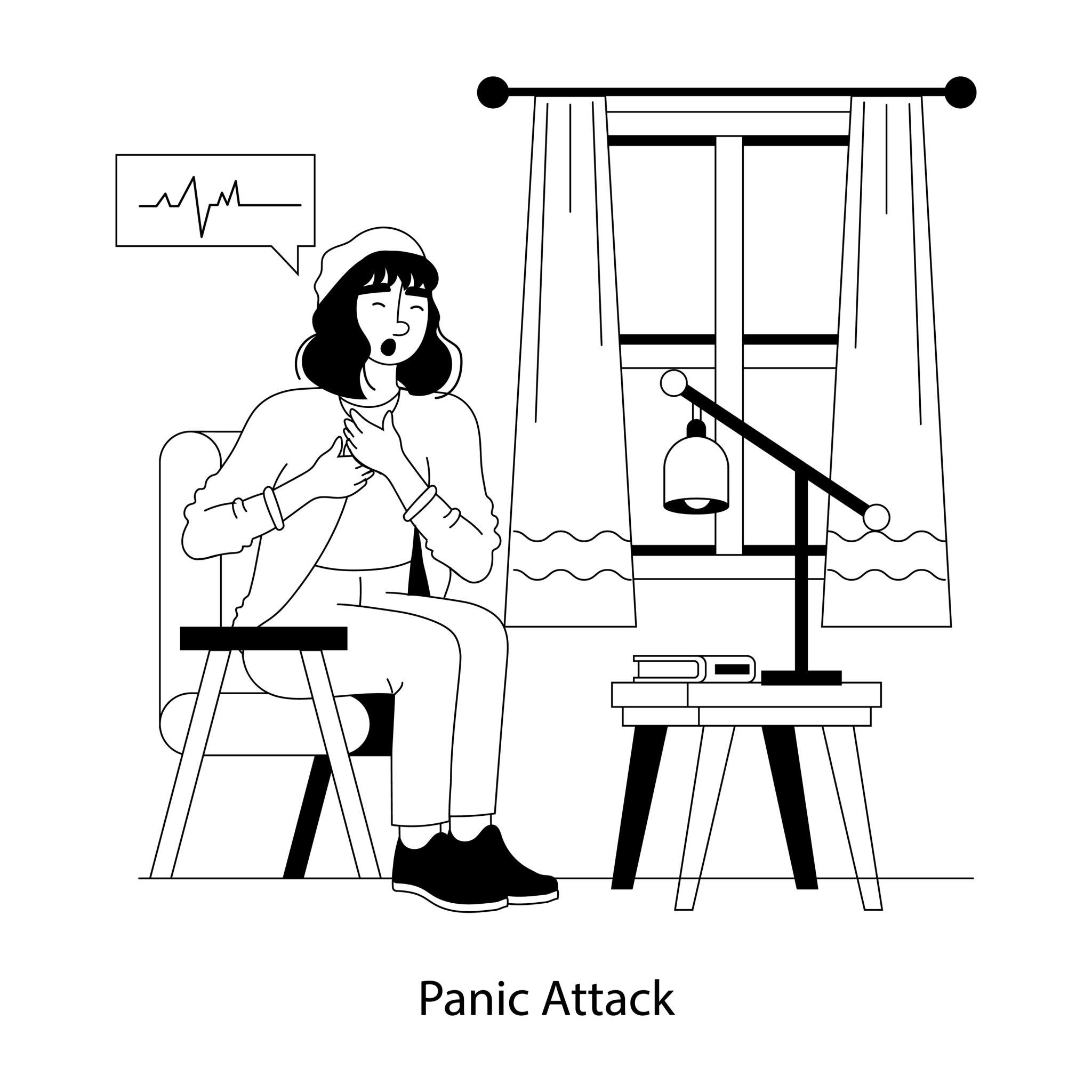
Panic attacks can be downright terrifying, like your brain just pressed the panic button without permission. They’re those sudden waves of fear and doom that catch you off guard, leaving you breathless, shaky, and sweaty. No one really signs up for this ride, but knowing what you’re dealing with can help you take back some control.
Nature of Panic Attacks
So, picture this: everything is calm, and then BAM! Out of nowhere, you’re hit with a wave of fear. Sometimes it’s a sneak attack, other times a certain situation is the culprit. Whatever the case, these panic attacks don’t take their time—they come on fast and furious, hitting a crescendo in just a few minutes. You’re dealing with symptoms that might make you think you’re on a roller coaster: chest pain, dizzy spells, nausea, or feeling like you just checked out of reality. The more these attacks pop up and say hello, the more they mess with your daily life, steering you toward avoidance and cranking up your anxiety levels.
Want to dig into what might set these attacks off? Check out our article where we break down things like stress, genetics, and even past bad times that can trigger these episodes.
Impact of Panic Attacks
Panic attacks don’t just pack a punch and leave. They like to stick around and cast a shadow over your life. After a few rounds in the ring with these attacks, you start living with the anticipation that the next one is just around the corner. It’s like living with a cloud over your head, nudging you to avoid places or situations you’ve linked to panic.
But that’s not all—panic attacks can spill over, messing with how you interact with others, your job, and just your general happiness. It’s more than fair to acknowledge how emotionally draining they can be and why finding help or some sort of support system can be a game-changer in dealing with these challenges.
For more juicy tidbits about how panic attacks and anxiety disorders like to tag-team your brain, our article dives into how they overlap and how you can manage them. Knowing this stuff means you’re on the right track to finding practical ways to manage and maybe even natural remedies to chill those panic symptoms out.
Natural Remedies for Panic Symptoms
Herbal Supplements for Anxiety
I’ve found over time that herbs really do their part when anxiety comes knocking. Chamomile, ashwagandha, lavender, passionflower, and kava specifically have helped me chill out during panic spells. These plants seem like little miracle workers in helping to ease anxious vibes (WebMD).
Exercise and Endorphins
Let’s talk moving and shaking—exercise! Getting up and moving around isn’t just about keeping fit; it lights up those feel-good endorphins like a Christmas tree. Whether I’m sweating through a fast-paced walk, bending into a yoga pose that feels just right, or passing a ball around with friends, it’s like giving my brain a little happiness boost from all sides. Trust me, your anxiety shrinks down a size when you’ve got those endorphins pumping.
Aromatherapy for Anxiety Relief
Who knew a little sniff-sniff from a bottle could mellow you out? Essential oils like lavender or chamomile spill out calming fragrances that make anxiety think twice before sticking around. It’s like a spa day for your mind, and I’m all for anything that turns down the volume on stress (WebMD).
CBD Oil for Anxiety Management
CBD oil’s been buzzing around lately, and I’ve jumped on that train too. Made from hemp but low on the THC stuff that gets you high, this oil has managed to keep my anxiety in check and handle minor aches and sleepless nights. It’s a piece of the puzzle I can’t do without in my anxiety kit these days.
Weighted Blankets for Calming Effects
Ever tried a weighted blanket? It’s like a gentle hug that sticks with you while you’re chilling or sleeping. The pressure somehow whispers to my brain to slow down and unwind, reducing that anxious hum in the background. I’d recommend it to anyone needing a little extra comfort during anxious times.
Mindfulness Meditation for Anxiety
Mindfulness meditation has got something going on. Sitting in the moment and focusing my mind on just being here now does wonders. It smooths the edges off stress and lifts my mood with none of that jittery residue anxiety tends to leave. A little meditation each day keeps the stress demons at bay, so to speak (Wellness Road Psychology).
Slipping some of these natural tactics into your routine might just be the ticket to easing those panic symptoms and keeping your mind at peace. Between the herbal boosts, a bit of daily exercise, some aromatic help, CBD oil, the gentle press of a weighted blanket, and mindfulness, there’s a hold full of tricks to try. Here’s to finding your calm and keeping panic on a leash!
Lifestyle Changes to Manage Anxiety
Managing anxiety takes a bunch of different tweaks in everyday life to give your mind a bit of a break. Bringing these strategies into your routine can really change the game for your mental health.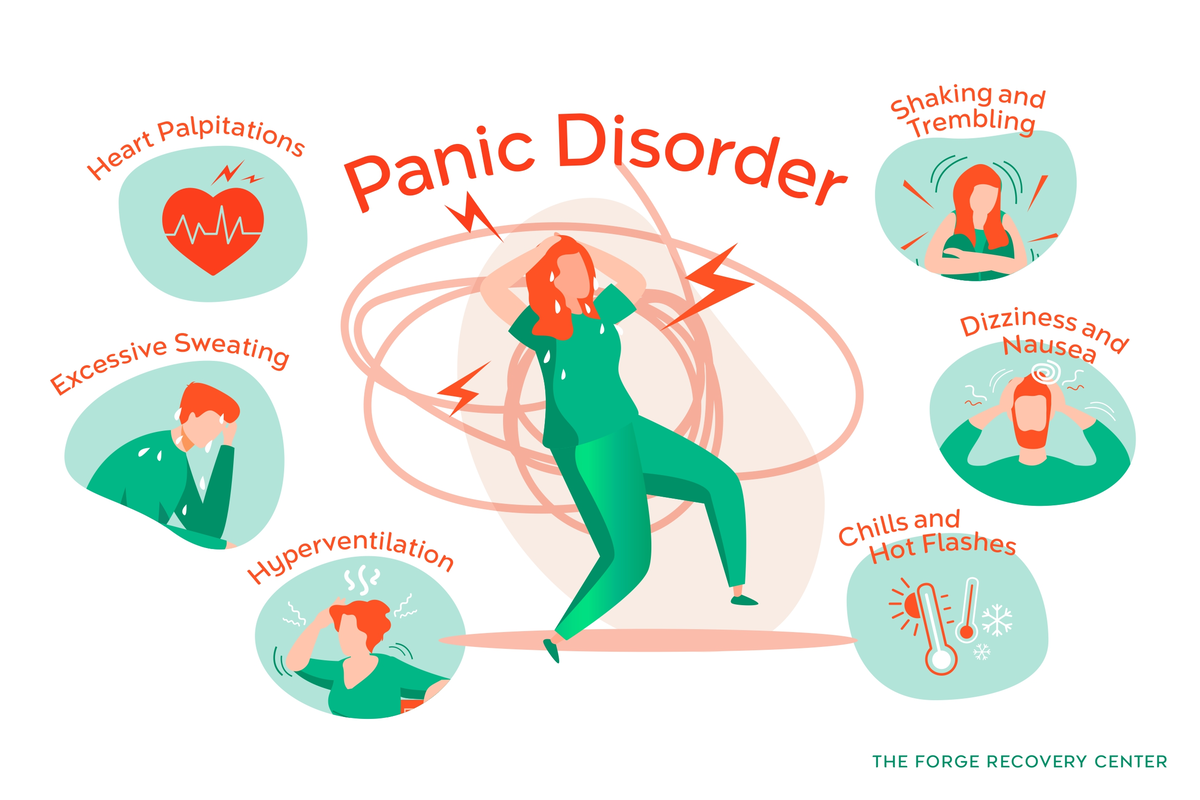
Time to Move: Physical Activity
Getting off the couch and moving around is a great natural fix for those anxious feels. Exercise gets those endorphins, our body’s natural happy juice, flowing. This boosts your mood and chills those jitters (WebMD). Whether you’re into yoga, a good walk around the block, or some team sports, a little sweat session can ease anxiety by upping your serotonin levels and unclenching some stress and worry.
Eating Right: Diet and Nutrition
What’s on your plate matters when it comes to keeping anxiety in check. Adding omega-3s, antioxidants, and vitamins to your meals helps keep your mood steady. Munch on some salmon, toss some nuts and blueberries in, and don’t skip the leafy greens. It’s all about eating well to help your mind stay balanced and chill (Wellness Road Psychology).
Plant Power: Herbal Remedies
Plants have been coming to the rescue for ages when stress hits hard. Think herbs like ashwagandha, lavender, and chamomile, which are known for keeping the peace in your mind and body. Whether you sip them in tea, scent your space, or take them as supplements, these herbs give you some relief from those heavy anxious vibes (Wellness Road Psychology).
Thought Reset: Cognitive Behavioral Therapy (CBT)
CBT is like having a magical toolbox to tackle anxiety without popping pills. With a therapist’s help, you can sniff out the thoughts and habits making your anxiety run wild, and swap them out for better, healthier ones. It’s all about giving you practical skills to face anxiety head-on and stand strong in tough moments (Wellness Road Psychology).
Keep Calm: Stress Management Techniques
Adding some stress-busting techniques to your mix can dial down the tension and turn up the calm. Deep breathing, muscle relaxation, and mindfulness really do wonders for a frazzled mind. Personalizing a stress plan can help you handle what life throws at you and build up your emotional strength.
Pen to Paper: Journaling for Anxiety
Letting your thoughts loose on paper is a powerful way to deal with anxiety and those overwhelming feels. Writing out what’s in your head can shine a light on what’s triggering you, letting you sort through your emotions. Regular journaling helps you see patterns, set improvement goals, and brings a deeper self-awareness that leads to better mental habits.
Effective Herbal Supplements
If you’re feeling the weight of anxiety or stress, there’s a good chance you’ve considered going the natural route. Exploring tried-and-true herbal remedies can be pretty reassuring. Let’s have a chat about four standout herbal helpers: Ashwagandha for Stress Reduction, Chamomile for Generalized Anxiety Disorder, Lavender as a Calming Agent, and Galphimia Glauca for Anxiety Treatment.
Ashwagandha for Stress Reduction
Ashwagandha? Sounds like something exotic, right? Well, it’s a superstar when it comes to handling stress and anxiety. A small study back in 2019 showed some pretty cool findings: people taking 600 mg of Ashwagandha felt way less stressed, slept better, and even had lower cortisol (that pesky stress hormone) levels. Not bad for a humble herb, eh? You can check out more about it on Medical News Today.
Chamomile for Generalized Anxiety Disorder
Now, who hasn’t heard of chamomile? It’s not just for sleepy teas! This garden-variety herb holds some promise for managing generalized anxiety disorder. Picture this: a clinical trial in 2016 found that folks who popped chamomile daily for 12 weeks saw lighter anxiety symptoms compared to those using a placebo. You can dig deeper into this on both Medical News Today and WebMD.
Lavender as a Calming Agent
Lavender’s soothing smell isn’t just for spa days. The compounds in lavender work their magic on your brain, encouraging a calming effect. Research supports that lavender essential oil can act as a short-term anxiety remedy. And from 1996 to 2016, it stood strong among top herbs for anxiety and depression, offering comparable benefits to typical meds minus the nasty side effects. Curious? Check more details over at Medical News Today and NCBI.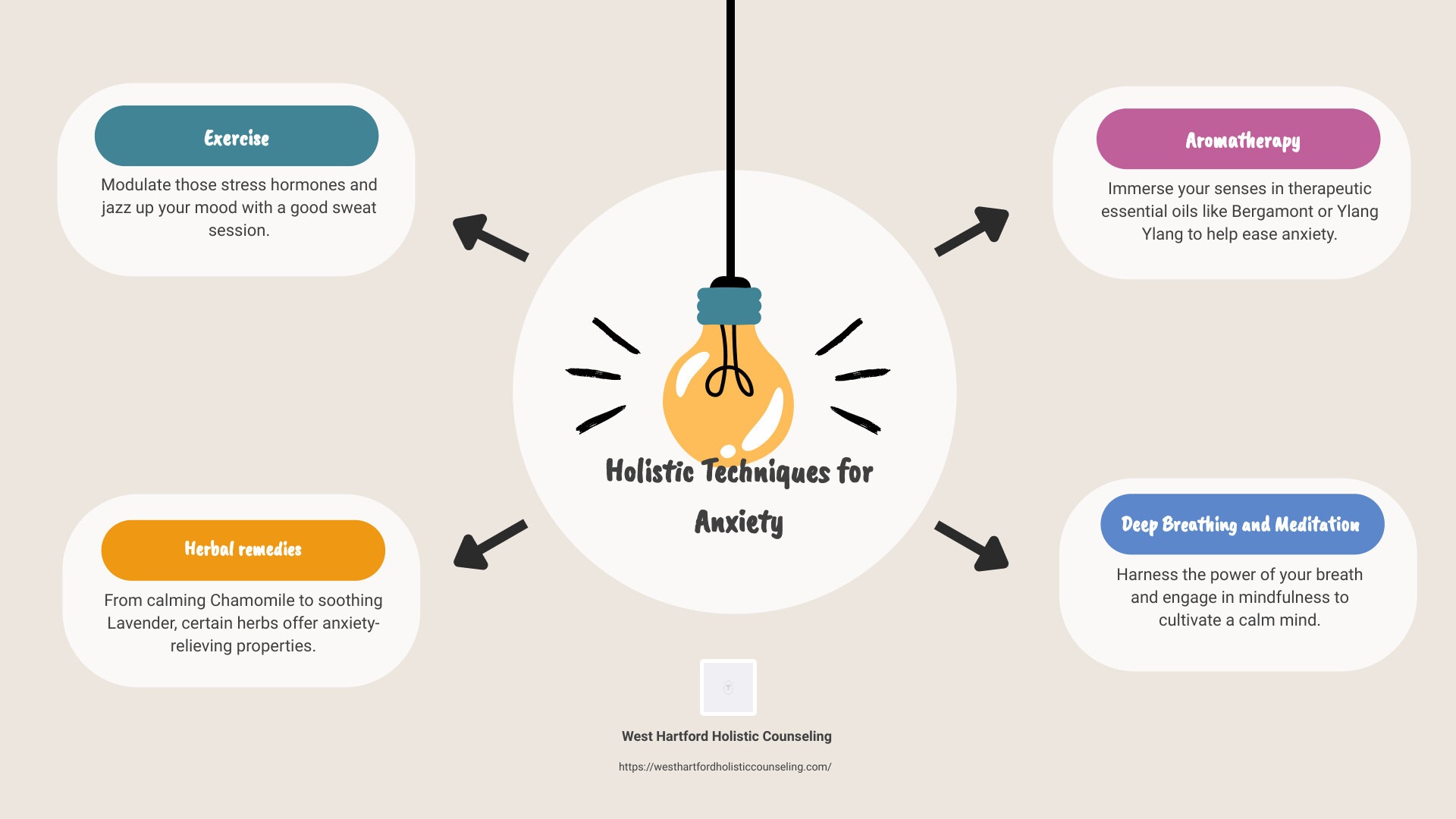
Galphimia Glauca for Anxiety Treatment
Ever heard of Galphimia glauca? Didn’t think so! This less-known plant boasts serious calming chops in anxiety management, though it’s not widely used—blame the scarcity. In 2018, it received a highlight for its anti-anxiety potential. For more info, swing by Medical News Today.
So, there you have it: a quartet of herbal heroes—Ashwagandha, Chamomile, Lavender, and Galphimia Glauca—ready to lend a hand with keeping stress and anxiety in check. These natural choices can be gentle-yet-mighty allies for bolstering mental well-being.
Notable Herbal Remedies
When you’re feeling a little jittery and are looking to calm those nerves the natural way, some herbs have shown they might just do the trick. Here’s a rundown of some herbal buddies that can help take the edge off.
Passionflower for Nervousness
First off, there’s Passionflower – that’s Passiflora incarnata if you wanna get fancy. It’s got a reputation for helping folks chill out when they’re feeling all fidgety. A few studies have given it a thumbs up for easing anxiety and helping you unwind (Medical News Today). It’s kind of like nature’s stress ball, helping you relax when life has you bouncing off the walls.
Kava for Anxiety Relief
Next up is Kava, which has been in the anxiety-busting game for a while. It’s cited as having properties that can ease those worries. Some research even suggests that it’s pretty effective for people dealing with generalized anxiety disorder and similar issues. Kava’s ability to calm the mind has made it a go-to for many trying to escape the anxiety spiral (NCBI).
Lysine and Arginine Combo
Then there’s the tag team of lysine and arginine. Together, they have been shown to take down anxiety symptoms without causing weird side effects. The duo helps your body handle stress better by taming those pesky cortisol levels. If you’re after a natural aid to make those anxious thoughts scatter, this combo might be your jam (NCBI).
Magnesium Supplements for Anxiety
Rounding out the lineup, we have magnesium supplements. A bit of this magic mineral can go a long way when you’re grappling with anxiety. Studies back it up, showing that magnesium, sometimes teamed with other herbs, can help calm those jitters. It may not be a cure-all, but it plays nice with your mental health (NCBI).
These herbal choices give a natural option to folks needing a bit of relief from anxiety or panic woes. Trying them out as part of a bigger plan that includes lifestyle tweaks and therapy might just be what you need for a bit more peace and less panic in your life.
Integrative Approach for Anxiety
Managing anxiety effectively can sometimes feel like wrangling a stormy sea; thankfully, there’s a whole toolkit out there to help calm the waves. I’m talking about mixing herbal and nutritional supplements with therapeutic interventions like Cognitive Behavioral Therapy (CBT). Let’s chat about how this plan pulls its weight, along with how herbs stack up against medications, and a glance at some alternative herbal remedies.
Herbal and Nutritional Supplements
Herbal supplements are turning heads these days for their knack for taking the edge off anxiety. According to some studies, a solid 71% showed positive results with herbal supplements for treating anxiety—without the pesky side effects you might dread. Old favorites like ashwagandha and chamomile aren’t just old wives’ tales; they’ve been used since forever in traditional medicine to soothe nerves and bring a bit of peace to our chaotic minds.
Nutritional sidekicks like magnesium are also getting popular for easing anxiety woes. They step up by keeping your brain’s neurotransmitters in check and supporting the whole mental wellness gig. When thrown into the ring with other holistic tactics, these herbal and nutritional allies can really help lighten the burden of anxiety and boost that all-important calm.
Cognitive Behavioral Therapy Benefits
If you’ve had a friend rave about CBT sessions helping them manage anxiety, they were onto something. CBT’s got game—it identifies how we trap ourselves with crummy thoughts and actions fueling anxiety. As you dive into CBT, you pick up neat tricks for coping with stress, relaxing on command, and tackling issues head-on.
Studies back it up: those who’ve rolled with CBT often see their anxiety nosedive and find their general mojo taking an uplifting turn. With herbal supplements and CBT hand in hand, you’re laughing at anxiety from both inside and outside the headspace.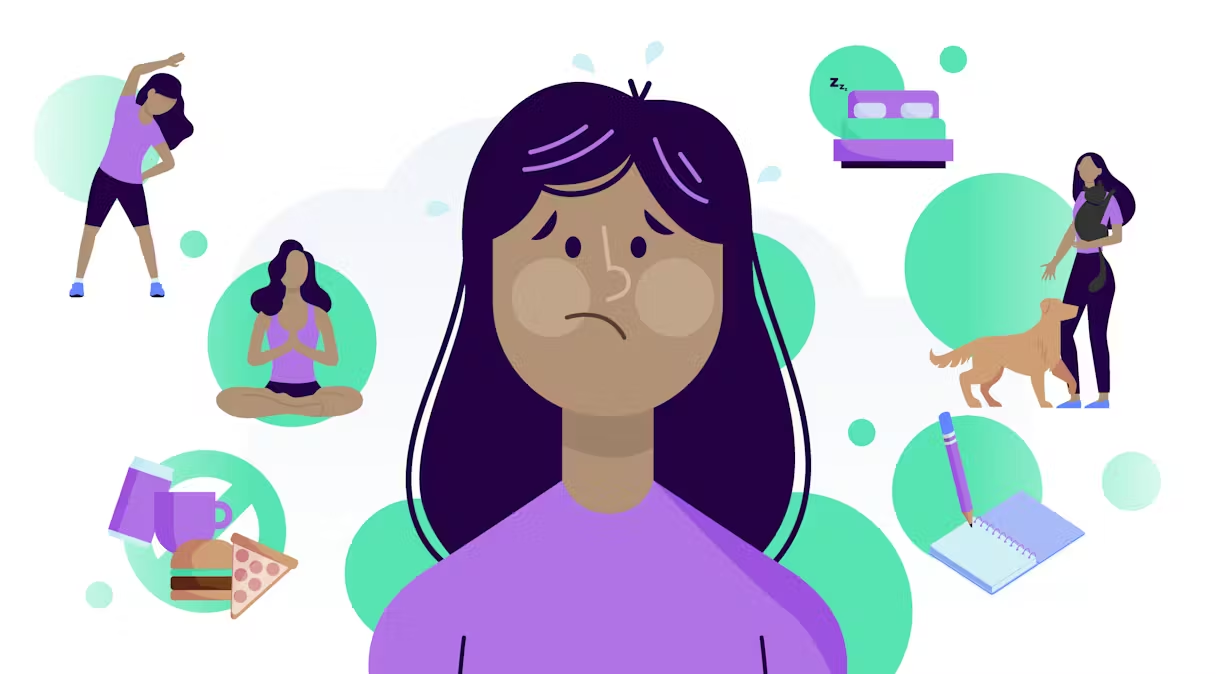
Comparative Study on Herbs and Medications
If you’re curious about how herbs measure up to meds when tackling anxiety, here’s the scoop: a comparative study found herbs delivered solid anxiety and mood bonuses with a pretty good safety score next to standard treatments (NCBI). Herbs like passionflower and kava show some kick in calming anxious vibes, giving folks a viable alternative to run-of-the-mill prescriptions.
This study flags the need for more digging into set recipes and dosages of herbal cures to really amp up their anxiety-busting powers. Thinking about herb routes gives people the shot at holistic paths that play nicely with mainstream meds, crafting a tailor-made plan just for them.
Alternative Herbal Approaches
Besides the go-to herbal options, some lesser-known remedies, such as black cohosh, chamomile, and passionflower, deserve a nod for their anxiety-mellowing potential. The science results are a mixed bag, sure, but they still offer hope for those angling for a natural anxiety antidote (NCBI).
Taking a swing at herbs like American skullcap, flax oil, garlic, sage, and blue-green algae can toss more tools into the anxiety-busting toolbox. These alternatives provide a blend of choices catering to what each person needs and vibes with, broadening the field of natural anxiety solutions.
By going for a combo deal of herbal plus nutritional supplements and CBT, folks can get a well-rounded leg up on anxiety and enhance their whole wellness game. This catch-all strategy points to a sustainable and customized way of finding mental equilibrium and sturdiness when facing those pesky anxiety hurdles.
Seeking Professional Guidance
Look, dealing with anxiety and feeling like you’ve got a buzzing hive in your chest can be overwhelming. Trust me, I’ve been there. One thing that’s made a world of difference for me—and can for you, too—is getting some pro guidance. Chatting with those who really know their stuff can give you those aha moments and the support you need right when you need it. So, let’s have a heart-to-heart about why having a consult matters, how docs and therapists fit in, the magic of CBT (yep, it’s a game-changer), and why mixing in some natural remedies can make your whole plan even better.
Importance of Consultation
First off, you’ve got to talk to folks who know their stuff: therapists, counselors, and all those good eggs. It’s like having a roadmap when your brain feels like a traffic jam during rush hour. They’ll get into the nitty-gritty of your symptoms, cook up a treatment plan just for you, and help you find ways to handle those overwhelming feelings. Sprinkle in some honest chats and you can start to see a little light through that anxiety fog.
Role of Medical Professionals
Doctors, shrinks, and the like—they’ve got your back. They’ve spent years figuring out what makes anxiety tick and can help zero in on what you’re going through. Their insights are like having a treasure map to better days. Whether it’s meds, therapy gigs, or a mix, listening to their advice often leads to feeling a bit more like yourself.
Cognitive Behavioral Therapy (CBT) Effectiveness
CBT is like therapy’s rock star. Think of it as a workshop where you and your therapist crank up that inner handyman, fixing up the loose screws and squeaky wheels in your thinking. You get to tackle those less-than-helpful thoughts and learn to respond, rather than react, to anxiety’s never-ending surprises. Studies have shown that CBT can really turn the tide, helping you feel more in control rather than swept away.
Combining Natural Remedies with Medical Advice
Yoga, essential oils, tea drinking—whatever helps you find your zen can be a great sidekick to more traditional treatments. But heads up: It works best when you’re also talking to a doc or therapist who knows how to blend these herbal heroes with what they prescribe. Going this combined route you get a well-rounded approach, making sure your mind and body are getting what they need for a stronger, happier you.
Walking this path is all about leaning into the support from pros who’ve got the know-how, giving CBT a try, and embracing those lovely natural remedies with a sprinkle of professional guidance. Owning that you’re seeking help is a brave step—one that can lead to better days ahead. You’re worth the support team and the effort, my friend.