
Identifying Panic Attack Symptoms
Getting a grip on the signs of panic attacks is the first step in tackling them head-on. By pinpointing panic attack triggers and getting familiar with the physical symptoms that come with a panic attack, folks can ride out these overwhelming moments with a bit more calm and control.
Recognizing Panic Attack Triggers
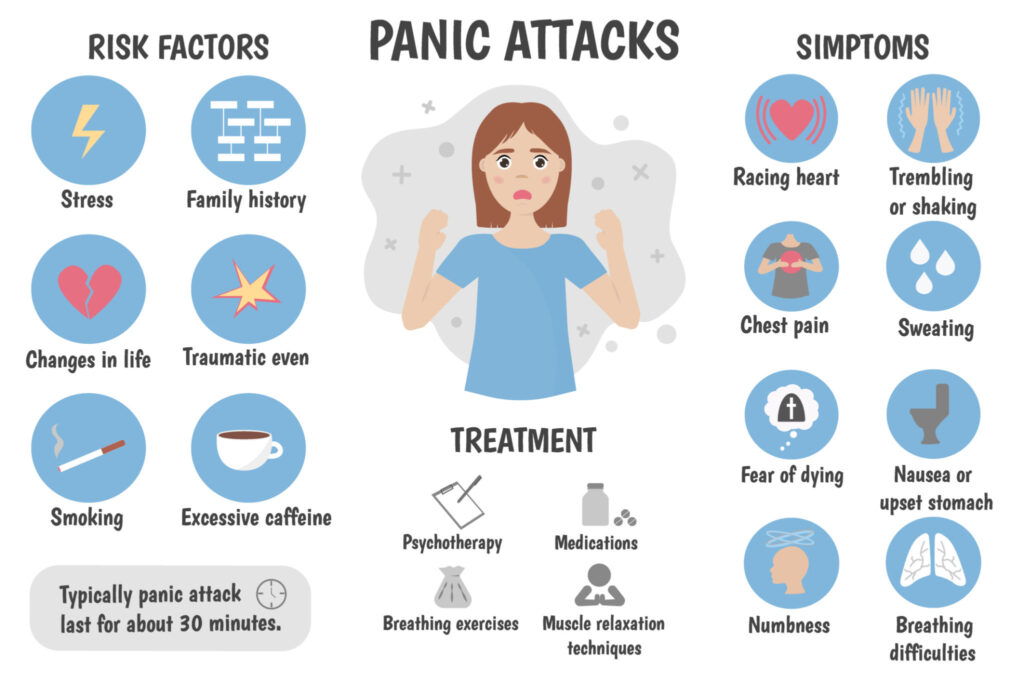
What sets off a panic attack is not one-size-fits-all; it’s different for everyone. Common culprits might include stress, specific fears, big life shifts, or certain meds. Knowing what makes you tick is key to staying ahead of the game and keeping panic attacks at bay. When you double-tap on your own triggers, it opens the door to putting proper coping strategies in play when things start to spiral.
Once you figure out what’s setting you off, tailored game plans like managing stress better, creating safe spaces, and boosting your overall mojo are easier to put into action. Coming to grips with how food, lifestyle vibes, and where you’re hanging out feed into this can also help build a better defense and a smoother ride through challenges.
Understanding Physical Symptoms
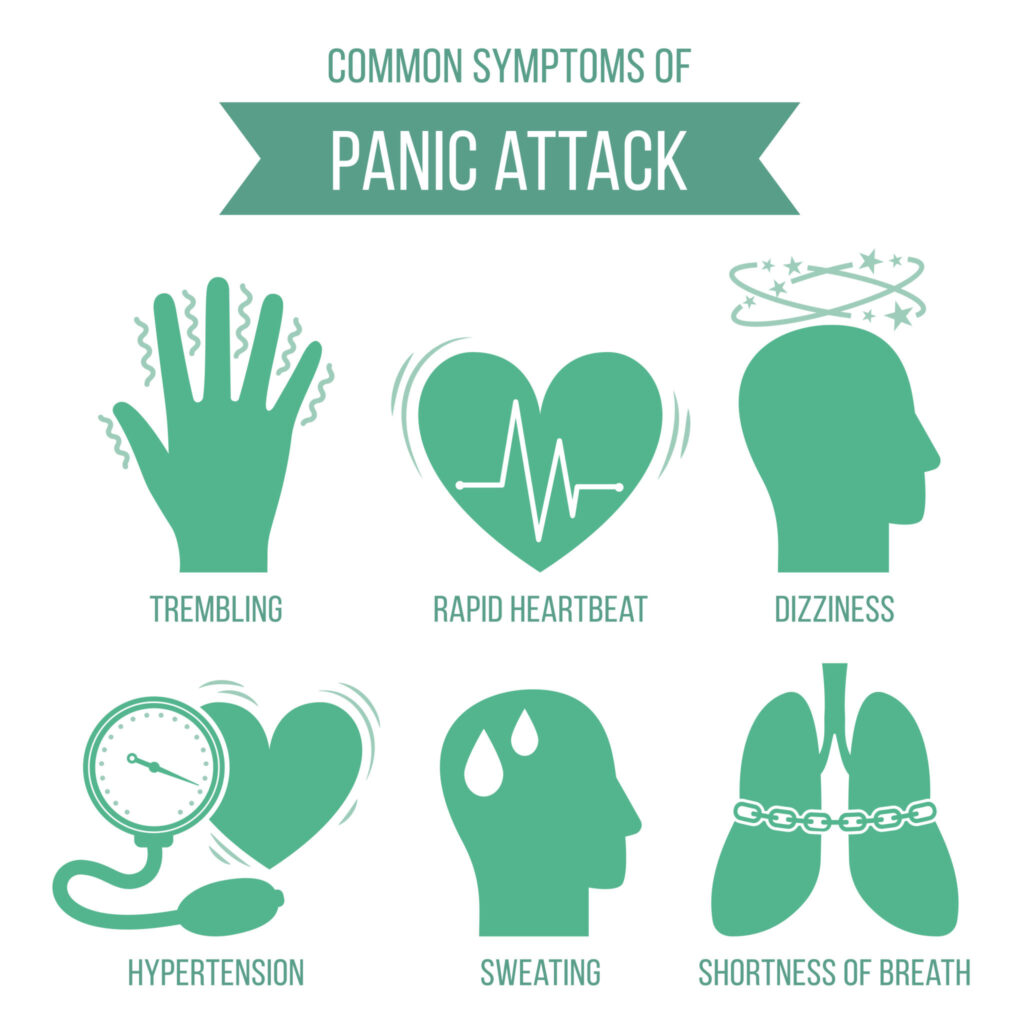
Panic attacks often hit hard with symptoms that get your heart racing, make it tough to breathe, squeeze your chest, spin your head, or even make you break a sweat. Feeling these physical sensations can make the freakout and fear factor go through the roof.
Tuning into these physical tells is a biggie for dialing down the intensity and length of an attack. Just knowing these feelings are short-lived and won’t actually harm you can be comforting. That’s where things like deep breaths or just relaxing your muscles can work like magic to chill out your body’s stress alarm.
Being in the know about these signs also means you’re better equipped to talk with doctors or loved ones. When you can spell out what you’re going through, snagging the right help or crafting your own coping hacks gets easier, leaving you feeling a bit more on top of things.
By spotting what sets a panic attack off and getting a handle on the physical signs, you’re better positioned to steer through these tricky times with courage, self-knowledge, and the right tricks up your sleeve. For more tips on self-care and lasting relief, check out our article on lifestyle changes to prevent panic attacks in 2025.
Managing Panic Attacks
Dealing with panic attacks can feel like wrestling with a wild storm inside your own head. But hey, don’t despair! There are ways to handle them, both in the heat of the moment and over the long haul.
Immediate Coping Strategies
When panic hits, it’s like your brain’s throwing a surprise party without your permission. For those hair-raising moments, having some quick tricks up your sleeve can really help. Deep breathing is not just for yoga enthusiasts – it can seriously mellow things out. Ground yourself by focusing on details around you — notice the colors, sounds, or textures. Got a favorite song? Tune in and focus on it carefully. Physical activities like a brisk walk, or just finding a cozy nook to calm down, can slow down the panic train.
Everyone’s panic is their own kind of monster, so you gotta find what tames yours. Chatting with a mental health expert can be like getting a custom-made panic-zapper. Find someone local or maybe a helpful group online to get your bearings.
Long-Term Management Techniques
While quick fixes are handy, building a long-term battle plan is where the real magic happens. Stuff like cognitive behavioral therapy (CBT) is a real game-changer. It’s kinda like having a personal coach who helps you face down those panicky moments and figure out why they kicked off in the first place (Mayo Clinic).
And sometimes, taking medication can be another layer of support. Stuff like SSRIs and benzodiazepines can be real lifesavers if panic grips you tight (Mayo Clinic). Doctors are the best buddies on this front, ensuring you get what fits best for your needs without those pesky side effects.
Think of your long-term strategy like assembling a superhero team. Therapy, meds, healthy living, and relaxation can all join forces. Finding allies — from therapists and support groups to pal groups — can equip you with the tools to steady your ship and ride through those stormy waters like a champ.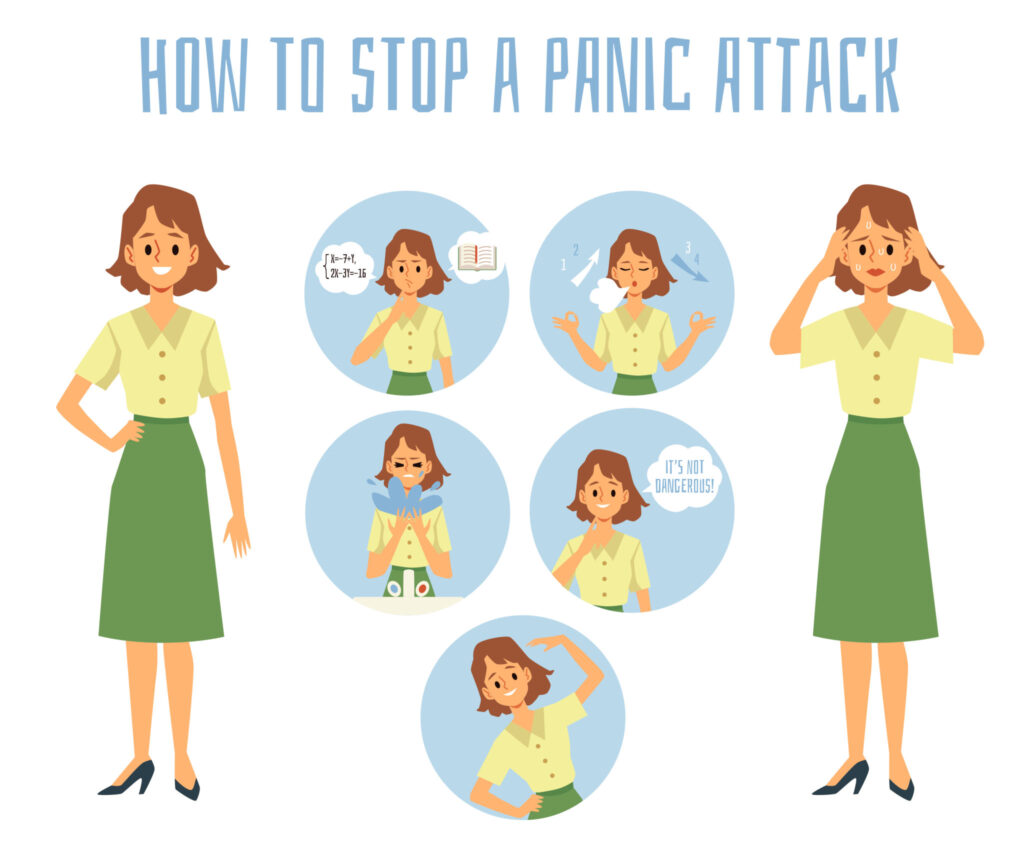
Treatment Options for Panic Attacks
Panic attacks can really throw a wrench in your day. Finding the right way to handle them is key to getting back some peace of mind. When I think about tackling panic attacks, two options pop up: therapy and medication.
Psychotherapy for Panic Attacks
When it comes to therapy, cognitive behavioral therapy (CBT) is often in the spotlight. It’s great for helping folks understand what’s going on, develop smart ways to cope, and tackle the fear that hits when panic kicks in. I read up on the Mayo Clinic’s thoughts — say you’re seeing improvements after just some weeks, and within a few months, you might notice a real change in how you feel.
For anyone battling panic attacks, having these sessions can be like having a toolbox ready to fix things when they go haywire. You have pros guiding you with tips and tricks tailor-made for your issues.
Medication for Panic Attacks
Then, there’s the meds like SSRIs and good ol’ benzos. They can be lifesavers in turning down the volume on panic attack symptoms, making them less frequent and milder. If you don’t see a change with one kind of medicine, your doc might suggest mixing it up or trying a combo. Usually, there’s a bit of a wait — a few weeks — before you might feel that these meds are doing their thing.
The Mayo Clinic mentions to keep an eye out for side effects and bring up anything that’s not sitting right with you when you’re chatting with your doctor. Sometimes, it takes a bit of trial and error to land on the right med mix and dosage.
When thinking about meds, having those chit-chats with your doc are super important. Discuss your symptoms, any health history they should know about, and what you prefer in terms of treatment. Working together, you can draw up a plan that’s just for you and get that mental wellness train rolling again.
Diving into therapy and medications can really pack a punch against panic attacks. Remember, what works wonders for one person might not be the right fit for another, so team’s everyone’s best bet in figuring out your perfect path.
Self-Care and Lifestyle Adjustments
When it comes to chilling out and tackling panic attacks, a little bit of pampering yourself and switching up your daily routine can really go a long way. Doing the extra bits and bobs alongside getting some professional help can make life a lot more manageable and keep those panic symptoms at bay. You’re getting an all-in-one package for dealing with panic attacks.
Self-Care: Your Panic Attack Partner
Getting cozy with self-care can be a lifesaver when those panic attacks roll around. No doubt, getting professional help is topnotch, but taking the reins on your own well-being through self-care can totally power you up to tackle panic like a pro. We’re talking about finding your groove with chill-out techniques and maybe even fancying up your lifestyle.
Try easing into things that make your mind and heart happy. Mindfulness, a deep deep breath when things get stormy, or just doing what makes you smile and relax can mend your emotional wellbeing. You’ll be stacking up strength and becoming a bit more panic-proof as you go along.
Lifestyle Swaps for Keeping Panic at Bay
Aside from your self-care treats, spicing up your lifestyle can pack a punch for facing those panic attacks head-on. Little tweaks in the day-to-day can get those anxiety levels to chill and kick those panic triggers to the curb. You’ll be setting up a lifestyle that’s all about keeping mental peace front and center.
Getting a steady routine going is like clutch. A bit of order and predictability can make anxiety back off. Think about mixing in some good-for-you meals, sticking to an exercise plan, and making sure you catch those Z’s with good sleep habits. Your panicky vibes might just wave the white flag.
What about adding some fun and feel-good activities like yoga, meditation, or even a hobby you’re into? Keeping it zen can dim the crazy stress levels. Plus, making your workspace less stress-heavy and saying “nah” to stuff that heaps on the stress is all part of making those lifestyle changes stick.
So, roll up those sleeves, get your self-care toolkit out, and make those lifestyle tweaks happen. You’ll set your space to feel like home, pump up that resilience, and keep panic away. Always remember to check in with a professional to map out a game plan that keeps feeling-good vibes locked in for a boost in well-being and quality of life.
Resources for Managing Panic Attacks
When it comes to handling those sudden bursts of anxiety we call panic attacks, the right tools can really make a difference. Let’s break down a couple of solid resources that can lend a hand: mental health apps and online therapy options.
Mental Health Apps and Their Benefits
We’ve all heard about apps that help keep us mentally in check, right? These apps are fantastic because you can use them anytime, anywhere, which is great news for dealing with anxiety and panic attacks. Jumping into 2025, top picks like Calm, Headspace, and Worry Watch are leading the charge. They offer nifty features to help with mindfulness, meditation, and tracking anxiety (Rainey Counseling Services).
The magic of these apps lies in their dedication to mindfulness and relaxation, crucial for bringing peace to a bustling mind during anxiety spikes. By diving into guided meditation sessions or trying a few breathing exercises, these apps can ground you and help you take back control of your mind.
Apps like BetterHelp and Talkspace even offer therapy by pros—which is pretty neat if you’re looking for that therapy fix. They won’t totally replace chatting face-to-face, but consider them a buddy to the traditional therapy playbook, bolstering your overall mental health game (Rainey Counseling Services).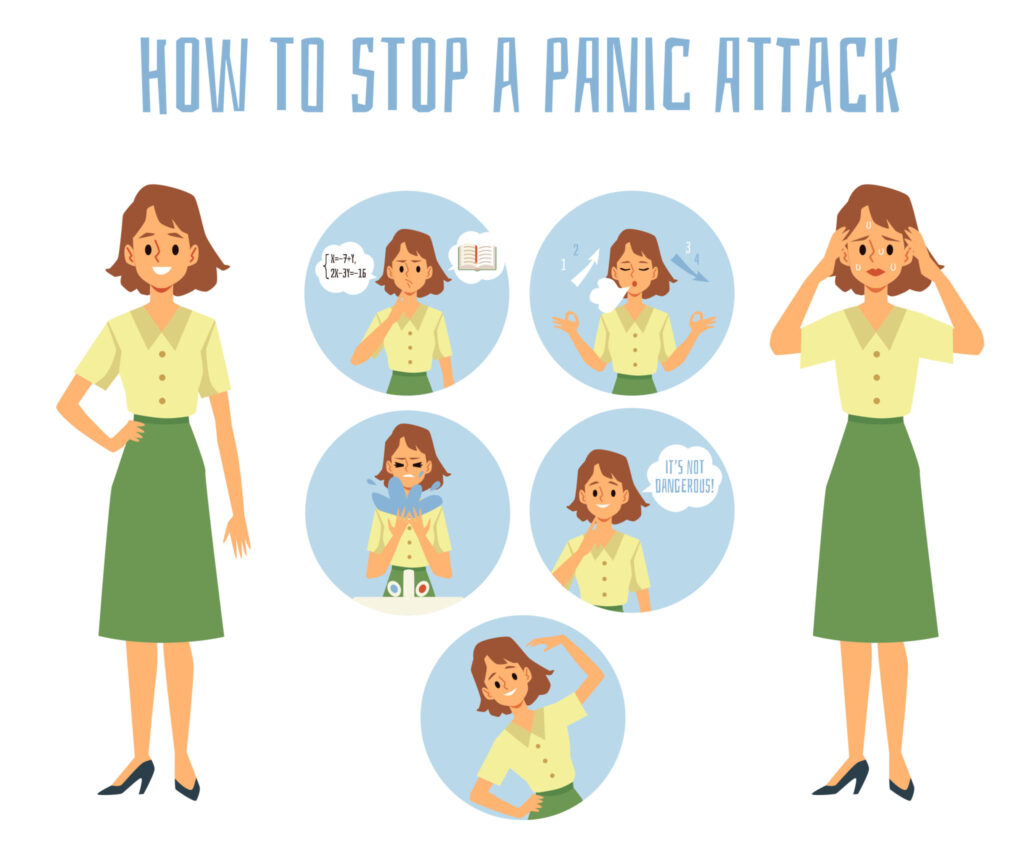
Online Therapy Options
Now let’s chat about online therapy. This is a real gem for anyone wanting help without leaving their couch, especially for tackling panic attacks. Platforms such as BetterHelp and Talkspace connect you with licensed therapists without the need for a waiting room.
These online services offer different types of therapy, like cognitive behavioral therapy (CBT), which does wonders for treating panic disorders (American Academy of Family Physicians). They’re perfect for folks who either can’t get to a traditional therapist or just like the idea of staying home.
While browsing online therapy options, make sure the platform fits your personal needs and has certified pros who know how to tackle panic attacks. Using online therapy, you can get the support you deserve to manage these attacks with confidence. For more tips and tricks on managing panic attacks, check out our resources on lifestyle changes to prevent panic attacks in 2025 and how to build a daily routine for panic-free living.
Panic Attacks in Specific Populations
Panic attacks don’t discriminate by age; they hit anyone, anytime, as I’ve seen personally. Some folks might be more vulnerable due to where they are in life, and caregivers – bless them – often find themselves caught in the fray trying to help.
Impact on Different Age Groups
Panic disorder affects about 5% of us here in the US, and folks from different age groups experience it in their own distinct ways. Think teens or young adults, for instance. They’re already dealing with the chaos of school, friendships, and the scary step into adulthood. You can imagine the added stress when panic attacks decide to join the party. Toss in those pesky hormones and fluctuating emotions, and it’s a recipe for intense anxiety.
For the middle-aged crowd, life is juggling act. Between work, family, and health issues creeping up, panic attacks can be sparked by job pressure, relationship woes, or just that existential “what’s the meaning of it all?” crisis. Trying to wear all these hats without losing it can really set the nerves jangling.
Then, there are our seniors, confronting the challenges of aging. Health concerns, the isolated moments, the inevitable thoughts on mortality – they all can be triggers. If you’re also dealing with other health problems, panic attacks might just come knocking a bit louder and more often, too.
Getting a grip on how panic attacks express themselves across ages is essential. It lets us better support these individuals and fine-tune interventions for each unique situation. Equipped with this understanding, we can help shape customized strategies to ease the burden of panic attacks more effectively.
Challenges Faced by Caregivers
Caregivers – whether family, friends, or pros – are the unsung heroes for those facing panic attacks. Still, providing that much-needed support presents its own trials.
First off, panic attacks and anxiety can be a real puzzle to understand. Sometimes even we, as caregivers, get things wrong or fumble in our support efforts due to misconceptions. The emotional heaviness and chance of burnout is real, adds pressure as we try our best to help loved ones through anxiety’s storms.
Striking a good balance is another hurdle. We want to offer just enough support but not so much that it nurtures dependency or avoidance of facing fears. And don’t forget, caregivers have their own stress and worries to deal with, all while caring.
By recognizing caregivers’ needs and arming them with resources and self-care tips, we bolster their ability to be the backbone these individuals need. Forming supportive circles and tapping into helpful resources allows caregivers to stay strong and foster positive spaces for those battling panic attacks.