
 Understanding Panic Attacks
I’ve realized that getting a handle on panic attacks can make all the difference when you’re stuck in the eye of the storm. These attacks are like fear’s surprise parties, complete with all the decorations of a full-blown alarm without any real fire, if you catch my drift. According to the pros over at the Mayo Clinic, if you’re dealing with these babies more than you’d like, it might be tagging along with a brother called panic disorder, which can really cramp your style.
Definition and Impact
When a panic attack barges in uninvited, it doesn’t knock politely; it just busts right in whenever it feels like it. Symptoms tend to hit peak crazy in minutes and leave you utterly wiped out afterward. Think about avoiding spots that might set off another one, and you’ve got the picture of how these things mess with not just your body but your peace of mind and daily grind, too.
Onset and Symptoms
The trick is knowing when one’s creeping up. We’re talking about heart pushing 100 on the speedometer, chest clenched up tighter than a drum, a sweat like you’ve run a marathon, and a voice inside whispering ‘this is it.’ However, a few deep breaths can yank the reins on runaway anxiety, a tip from CPR AED Course. Do this, and you might find you’ve slowed the freight train of panic down a notch or two.
During the storm, I remind myself that all these wild sensations will pass like a quick hiccup in time – 10 minutes tops, and then it’s downhill from there. Feeling like a tense rubber band waiting to snap? Progressive muscle relaxation can take the edge off and is a pretty handy trick I picked up, thanks to CPR AED Course.
Getting a grip on what panic attacks throw at you, knowing the culprits behind them, and understanding their physical and mental antics, lays the groundwork for figuring out your playbook. Own up to the toll these attacks take, and with a bit of homework on beating them, you’ll ride out the wave and come out the other side stronger and smarter.
Coping Strategies for Panic Attacks
Panic attacks are like uninvited guests who show up and turn your world upside down. But fear not, because you can learn to handle them. Think of these attacks as waves and suddenly, you’re a surfer with a board of coping strategies: breathing tricks, grounding games, and calming mantras.
Deep Breathing Techniques
Ever felt like you’re running a marathon without moving? That’s what panic attacks do. They speed up your heartbeat and make your chest feel like it’s in a tiny cage. So, you gotta breathe like you’re inflating a balloon in your belly.
Imagine inhaling slowly for four counts and then exhaling for another four. It’s like your very own rhythm secret dance for the lungs. This technique doesn’t just calm you during an attack, but it sneaks into your everyday routine, making stress management feel like a walk in the park.
Wanna know more about deep breathe practice and how it can transform you into a Zen master? Check out some breathing apps and online videos that guide you like an old friend.
Grounding Exercises
Feel like you’re floating away when anxiety hits? Grounding exercises can be your anchor, tethering you back to the real world. The 5-4-3-2-1 method is like a mini scavenger hunt for your senses. Spot five things to see, four to touch, three to hear, two to smell, and one to taste. It’s an instant refocus, pulling your mind away from fear and back to the here and now.
Regular practice can make these grounding exercises second nature, a ninja skill for staying calm. Intrigued to know more about how this works and other tricks? Look into stress management planners and apps that offer guided grounding experiences.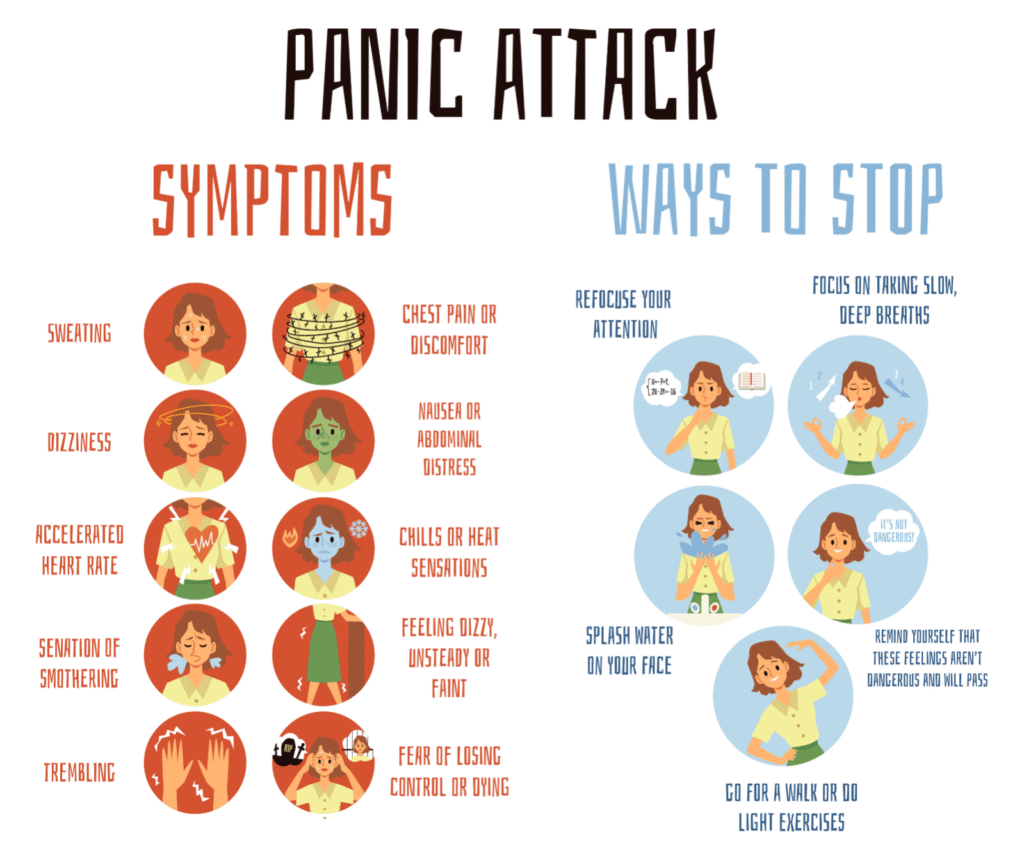
Mantras for Calmness
Mantras can be your new BFF in times of panic. They’re like catchy tunes that push the scary thoughts to the background. Whether it’s “I am safe,” “This too shall pass,” or even “Chill mode activated,” these words become your mental playlist, helping to gently redirect your thoughts from chaos to calm.
Figure out which mantra strikes a chord with you, like picking a favorite song. Say it under your breath or shout it to the rooftops if you need to. Mantras, repeating them can become as natural as your heartbeat, especially in stressful moments.
Want to explore an entire library of mantras or even create your personal soothing script? Dive into self-help books and relaxation apps that guide you through mantra magic. As you wrap yourself in the power of these words, you’ll find a pocket of peace amidst the panic storm.
Lifestyle Adjustments for Managing Panic Attacks
Dealing with panic attacks has been quite the ride for me, and I’ve discovered just how helpful some lifestyle tweaks can be. Changing up my everyday life has really taken the edge off those sweaty-palmed, racing-hearted moments.
Light Exercise Benefits
Turns out, breaking a bit of a sweat through simple exercise like walking or doing easy workouts can actually work wonders. I stumbled on this info from Medical News Today. They said that a casual stroll or any light exercise helps you breathe easier during a freak-out moment. There’s something ridiculously calming about moving in rhythm, and let’s not forget the shiny endorphins that left me feeling like a champ.
| Exercise Type | What It Does for You |
|---|---|
| Walking | Helps keep breathing steady, lifts your spirits |
| Gentle Workouts | Chills you out, makes life feel a tad brighter |
| Yoga | Keeps your mind in check, dials down stress |
| Swimming | Seriously chills out the mind and body |
Sneaking in these activities into my day-to-day has been like giving stress the ol’ boot, leaving fewer chances for panic attacks to rear their ugly heads. Curious about which exercises can chase off panic in 2025? Check out our guide on best exercises for panic relief in 2025.
Identifying Triggers
Figuring out what sets these panic attacks in motion is a massive game-changer. Once I got a grip on the things that flicked my panic switch, it was easier to dodge or deal with them heads-on. The folks over at Medical News Today swear by spotting or steering clear of triggers to dial back the panic attack drama.
Here’s a few common culprits:
- Stress, the uninvited guest
- Caffeine or other jittery-inducers
- Episodes from the past that haunt your present
- Sleep schedule all over the place
- Overloaded social situations or stage fright
Knowing these triggers is like carrying a cheat sheet, helping you craft plans that fit you just right. If you need tips on spotting these pesky triggers and tackling them like a pro, have a look at our piece on lifestyle changes to prevent panic attacks in 2025.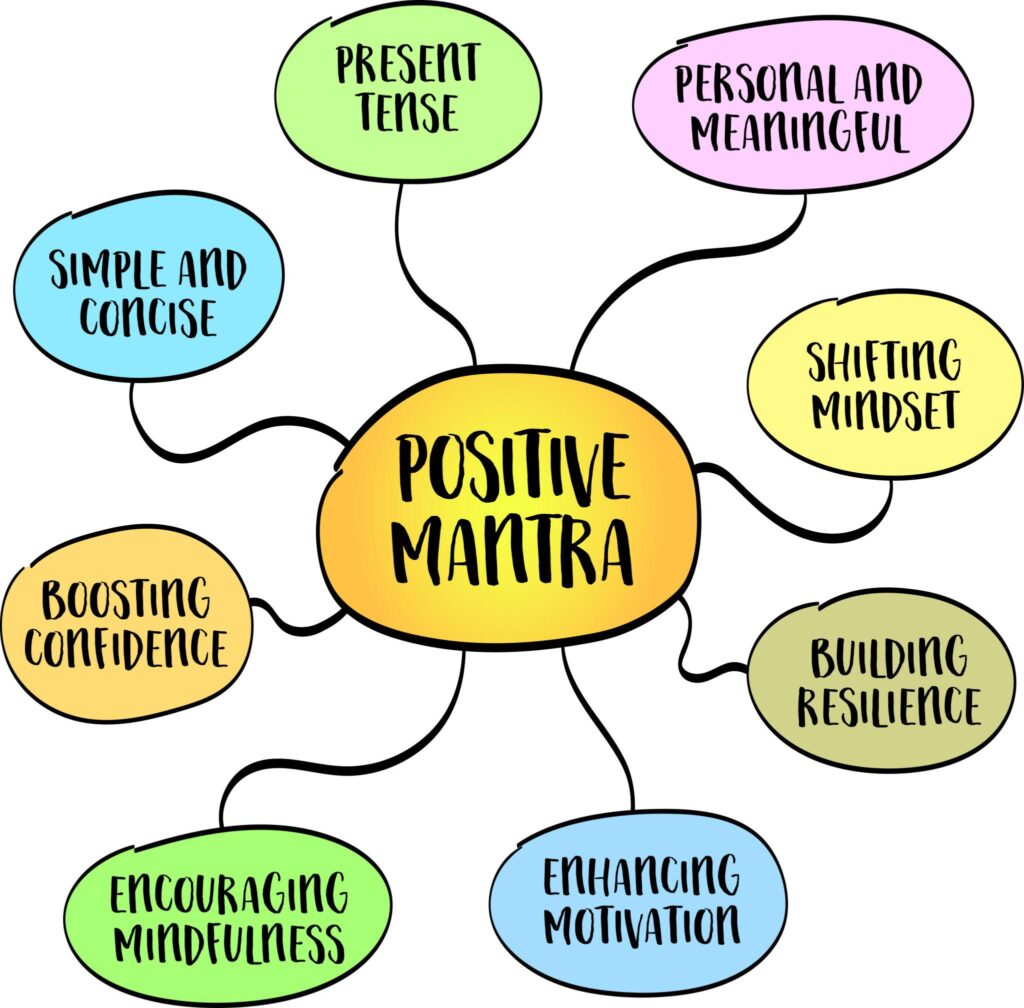
Importance of Seeking Help
Even though panic attacks won’t set off alarms for a heart attack (no matter how real it feels), reaching out is a lifesaver. Those symptoms can mimic serious stuff, emphasizing that a doctor’s opinion is golden (Mayo Clinic). When the going gets tough or panic attacks become frequent visitors, getting professional help can change everything for the better.
Remember:
- Don’t be shy, a mental health expert is right there to listen and help.
- Discuss options like therapy or meds with healthcare pros.
- Get your posse of friends, family, or join support groups for that extra lift.
Once I acknowledged that seeking help was key, tons of resources opened up, paving the way to turn the chaos into calm. For more on how therapy plays a role in beating panic disorders and finding the right therapist, check out our article on how to find a therapist specializing in panic disorders.
Effective Tools for Panic Attack Tracking
Dealing with panic attacks ain’t a walk in the park, but having the right gear can really help you find your way through the whirlpool of emotions. In this article, I’m gonna chat about some handy tools for keeping tabs on those pesky panic attacks including symptom trackers, relaxation practice trackers, and wearable gizmos.
Symptom Trackers Overview
Imagine symptom trackers as your diary, spilling the beans on how you’re feeling each day. The Panic Symptom Tracker lets us jot down and look back at signs we’re spotting daily. Keeping tabs on our ups and downs helps paint a clearer picture of what might be causing those panicky bouts. Looking back at this info can also be handy when chatting with your therapist or doctor about what seems to set you off or calm you down (Psychology Tools).
Relaxation Practice Tracker
The Relaxation Practice Tracker Panic Attack Worksheet isn’t just a mouthful. It’s a nifty way for us and our healthcare folks to get a handle on how often panic crashes the party and how bad it gets. By scribbling down what relaxes us and when our attacks hit, we can spot patterns and see which chill-out methods work best. A little notebook of calm, if you will. This information is gold for crafting personalized plans that actually help (Carepatron).
Utilizing Wearable Sensors
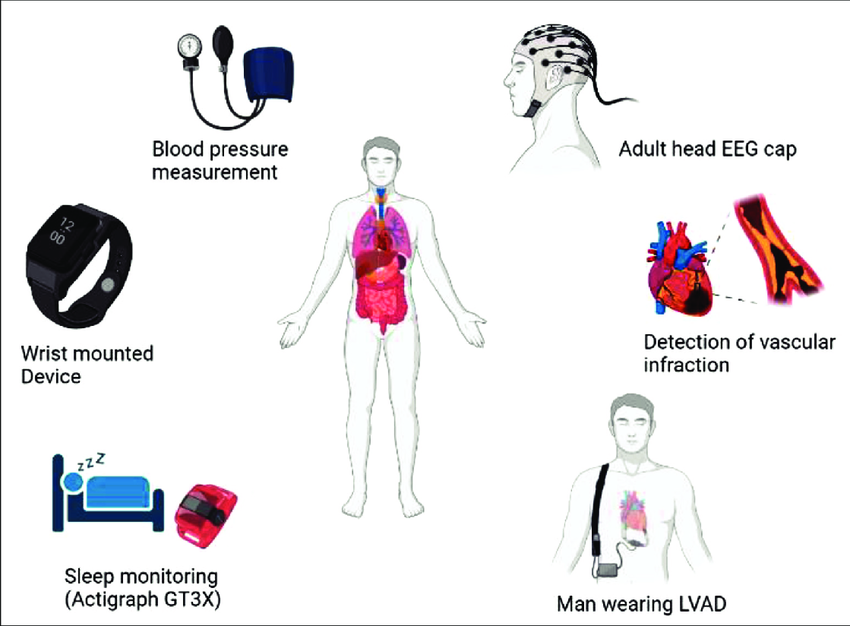
Wearable sensors—yep, those snazzy watches and rings—are game-changers for keeping an eye on our brain’s well-being. These gadgets are like little sidekicks, taking note of our heart’s pitter-patter and the rhythm of our breath. When things start ramping up, they give us the 411 before we spiral into a panic mess. Knowing our stress and anxiety ebbs and flows means we can nip things in the bud, armed with real-time feedback (NCBI).
Bringing wearable tech into our daily routines means having a finger on our mental health’s pulse at all times. It’s like having a buddy who clues us in when it’s time to breathe deep and steady. Getting proactive means we’re more in control, stopping a full panic meltdown in its tracks (NCBI).
Mixing symptom trackers, relaxation trackers, and swanky sensors into your panic game plan can really up the ante on understanding and managing those episodes. By clicking with these tools, you’re better equipped to gather worthy insights, whip up treatment plans that actually stick, and of course, work your way toward long-lasting peace of mind.
Personalized Treatment Plans
When it comes to dealing with panic attacks, it’s like finding the right fit for a pair of shoes—you gotta make it personal to make a difference. Personalized treatment plans are like your secret weapon for tackling the challenges of panic disorder. Through crafting a plan that’s just right for you, and keeping tabs on your progress, these plans help you take back control when things get tough.
Tailoring Therapeutic Approaches
Think of tailoring therapeutic approaches like picking out your favorite jeans—they gotta be just right for you. Customizing treatment is all about finding strategies that meet your specific needs. This isn’t a one-size-fits-all scenario. It’ll dive into details like how often panic attacks show up, what’s setting them off, and what helps you the most. Getting these answers means teaming up with healthcare whizzes who can nail down the right game plan to keep those panic attacks in check.
Check out handy tools like the Relaxation Practice Tracker Panic Attack Worksheet to help experts see how often panic attacks happen and how rough they are. With this info, they can cook up a treatment plan that’s made-to-order for your symptoms and what’s going on in your life.
Structured Self-Monitoring Benefits
Setting up a routine for tracking what makes you tick can work wonders for panic attack management. Using something like the Relaxation Practice Tracker can give a clear picture of your symptoms, triggers, and how relaxation tricks are working out for you. It’s kinda like being your own detective—figuring out patterns in what makes you anxious, and then tweaking your moves accordingly.
In a 2019 nugget from the Journal of Anxiety, Stress & Coping, it’s clear that keeping a check on yourself regularly can really help you deal with anxiety better. By staying consistent with this self-check, you can spot trends, see if the relaxation tricks are working, and switch gears if they ain’t.
With personalized treatment plans zeroing in on what works best for you and with a little help from handy tools, dealing with panic attacks can get a whole lot easier. It’s all about teaming up with medical pros and using tools like the Relaxation Practice Tracker to take those preemptive strides. It puts you in the driver’s seat, steering towards a more peaceful and in-control life.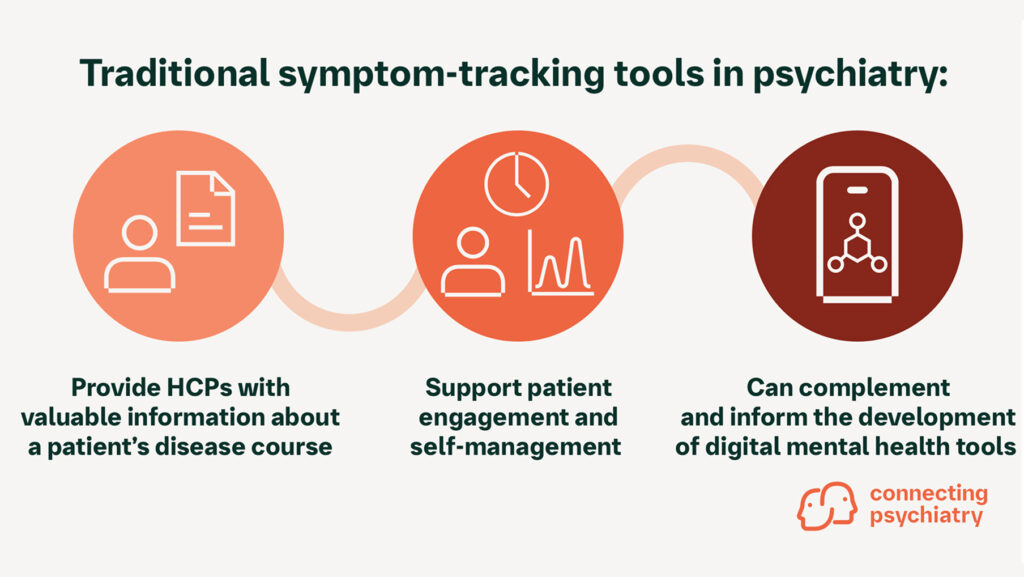
Predicting and Preventing Panic Attacks
Managing panic attacks ain’t easy, but being able to predict and stop them beforehand can be a real lifesaver for folks wrestling with anxiety. I’m talking about using clever tech like machine learning, gadgets you wear, and on-the-spot help to change the way we deal with these sudden bursts of panic.
Machine Learning Algorithms
I’ve seen how smart these machine learning algorithms can be, pulling out the crystal ball to predict panic attacks with an accuracy that’s kinda spooky—in a good way. Take the random forest algorithm, for instance; it can predict attacks with up to 81.3% accuracy just by breaking down stuff from questionnaires, your heart’s wild tempo, and even what’s going on around you. This prepares healthcare folks to step in early, planning out the care and steering you clear from that spiralling abyss.
Wearable Devices Analysis
Then we’ve got wearable devices, which are like a little buddy keeping tabs on you. Smartwatches, rings, and other gizmos come with these nifty sensors that can read your heart rate variability (HRV). While sometimes these gadgets can be a bit hit-and-miss statistically, mixing HRV data with what you jotted down in your mood diary can really boost how well we predict panic attacks. It’s all about jumping in with help before you hit panic town.
Real-Time Intervention Strategies
Real-time intervention is all about catching those panic vibes when they’re just starting. Bringing together predictions from algorithms and data from wearables, doctors can dish out just-the-right-size interventions based on what sets you off and how you react. Picture this: apps sending you chill-out alerts, or your wearable nudging you to do a breathing exercise or a quick cognitive trick to keep the panic monster at bay.
Blending these techy predictions, nifty wearable tech, and quick-on-the-draw interventions gives us a solid plan to better manage panic attacks. By plugging into tech and letting data steer the ship, folks actually get a say in their mental adventure. Imagine taking the wheel, swerving past panic, and finding calm shores again.