
 Understanding Panic Attacks
You might be here because you’ve experienced the rollercoaster known as a panic attack or perhaps you’re just curious. Either way, let’s unravel these intense moments together, in a way that’s easy to grasp.
What are Panic Attacks?
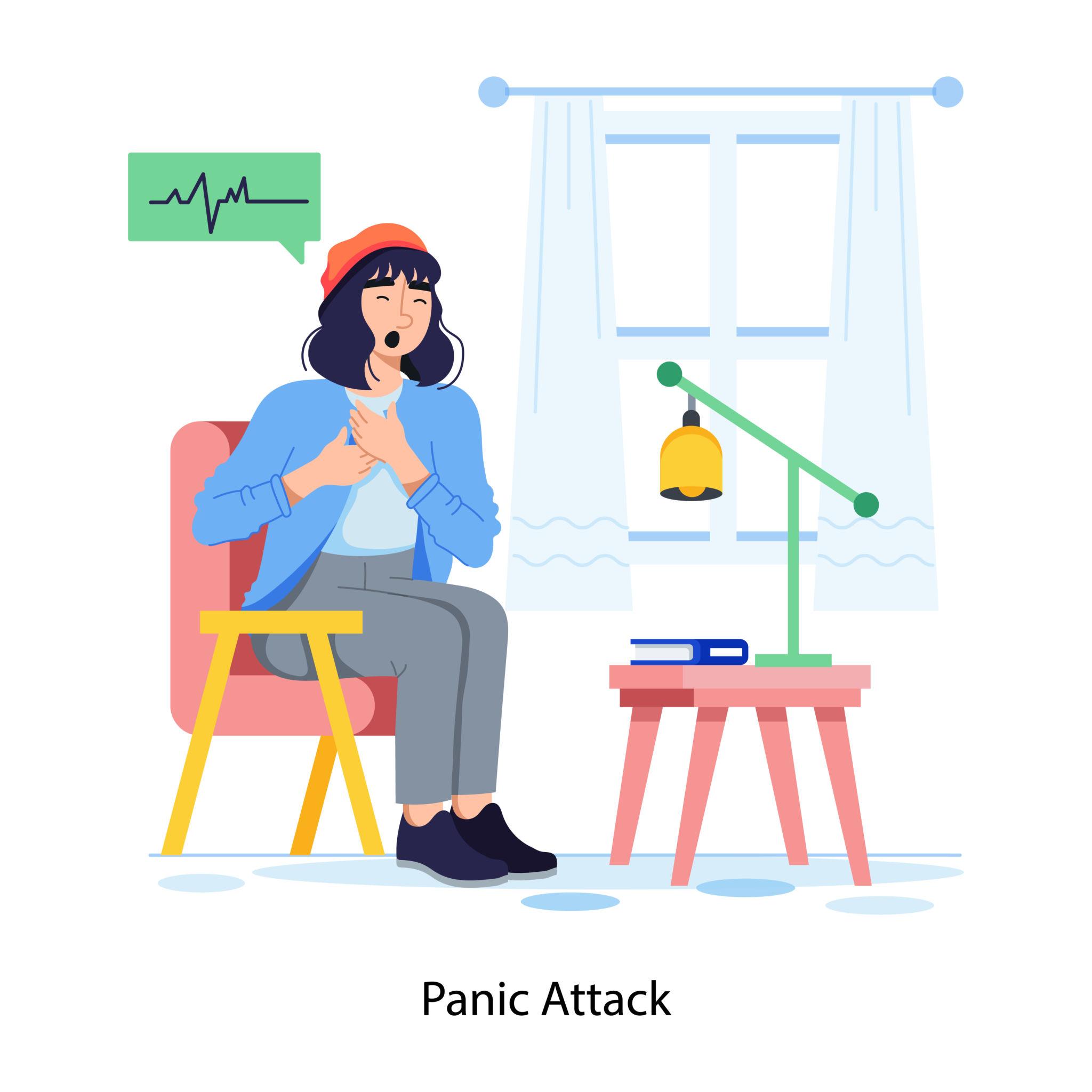
Ever felt like your heart’s in a race against Usain Bolt, and you’re losing? That’s a sprinkle of what a panic attack feels like. They sneak up on you with a rush of fear or unease that hits its peak in minutes, leaving you reeling with a cocktail of physical and emotional jolts. Unpredictable and often scary, these attacks can feel like losing control in a room with no exits.
Picture this: you’re going about your day and suddenly—boom—a storm of rapid heartbeats, chest tightness, shaking, and breathlessness takes over. Emotions? Oh, there’s plenty, like you’re watching life from afar, a dread looming over, making you want to skedaddle.
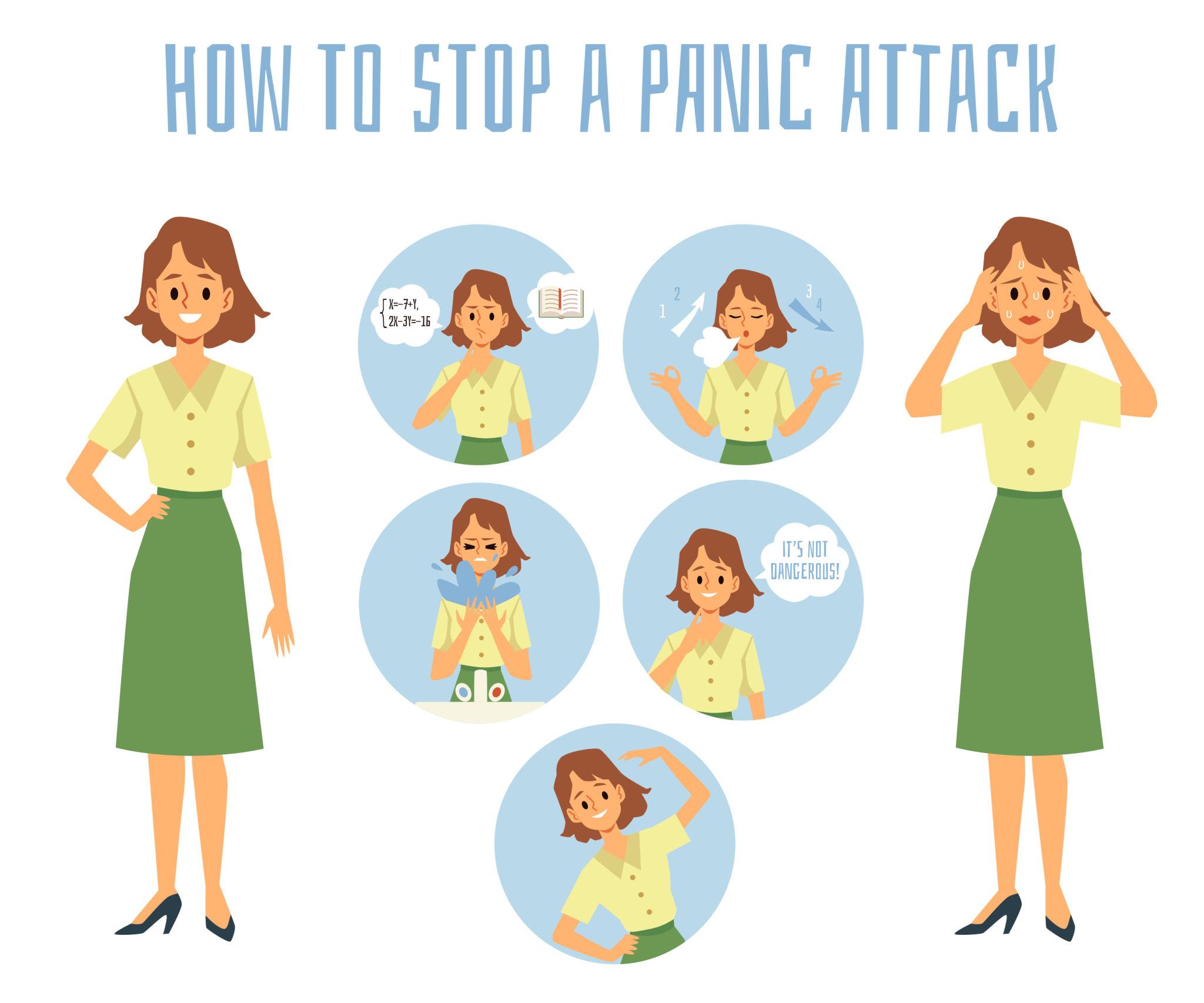
While it might feel like the world’s ending, panic attacks are not dangerous. Knowing your foe is half the battle; recognizing these symptoms sets the stage for taking back control when they strike.
Physical and Emotional Symptoms
How do you know you’re in the clutches of a panic attack? It’s all about the cues. Physically, your body’s throwing a party you didn’t ask for with signs like:
- Heart beating like a drum solo
- Chest feeling snug or achy
- Playing hide and seek with your breath
- Head spinning like a top
- Sweating buckets
- Shaking like a leaf
- A stomach doing somersaults
Over on the emotional front, it’s a whole other drama:
- A tidal wave of fear or worry
- Doom looming like a black cloud
- Feeling like you’re the only one without a script
- Questioning if you’re still tethered to reality
- An urge to flee the scene reminiscent of an action movie hero
Pinning down both physical and emotional symptoms is your toolkit for crafting strategies to handle these hiccups and finding the right kind of backup. Spotting them early can make these turbulent rides a bit smoother.
Given that panic attacks play their sneaky game with little warning, particularly when you’re out and about, prepping yourself with this intel and some tried-and-true strategies could make a world of difference. Whether you’re navigating a meeting, mingling at a party, or just living your everyday life, recognizing and responding to these signs is your front-line defense against letting them rule the day.
Triggers of Panic Attacks
Getting hit by a panic attack can feel like being caught in a storm outta nowhere, especially when surrounded by strangers. Trust me, knowing what sets them off, whether it’s the usual suspects or sneaky buggers, can really help in keeping these episodes on a tight leash.
Common Triggers
We all have our quirks when it comes to what trips the panic wire. Here’s a bunch of usual culprits:
- Stressful Situations: High-pressure scenes like looming work deadlines, clashing over the remote at home, or keeping your budget afloat can kick off a panic attack (Brigham and Women’s Hospital).
- Physical Exertion: Going all-out at the gym or doing heavy-duty chores can sometimes spark an attack, particularly if your body doesn’t play well with high energy bursts.
- Caffeine Intake: Cranking up on cups of joe or downing energy drinks can rev up anxiety, flicking the switch for a panic marathon.
- Traumatic Events: Memories we’d rather forget but can’t seem to shake off can pop up outta nowhere and pull the panic trigger.
Unexpected Triggers
And then, just to keep things spicy, sometimes attacks jump us from unexpected shadows:
- Environmental Factors: Things like packed rooms, blasting sounds, or muggy weather can blindside us, especially if you’re someone who gets frazzled by too much going on.
- Internal Stressors: Sometimes our own minds aren’t too friendly, with nagging worries or future worries ratcheting things up to panic territory.
- Biological Sensitivities: In some folks, there are inner workings—like hormonal swings or mismatched brain chemicals—that can casually nudge panic into the spotlight (University of Pennsylvania).
Grasping these common and surprise triggers of panic attacks offers a solid chance to spot troublemakers and cook up some plans on how to face them or sidestep them if possible. Remember, panic attacks don’t send invites—they can gatecrash your calmest days, so having a plan for both obvious and sneaky triggers makes tackling these flare-ups a lot smoother.
Coping Strategies for Panic Attacks
Finding ways to cope with panic attacks is super important for those who want quick relief and long-term strategies. Here, we’ll check out a few tricks that really help: deep breathing, chill aromatherapy, and grounding techniques.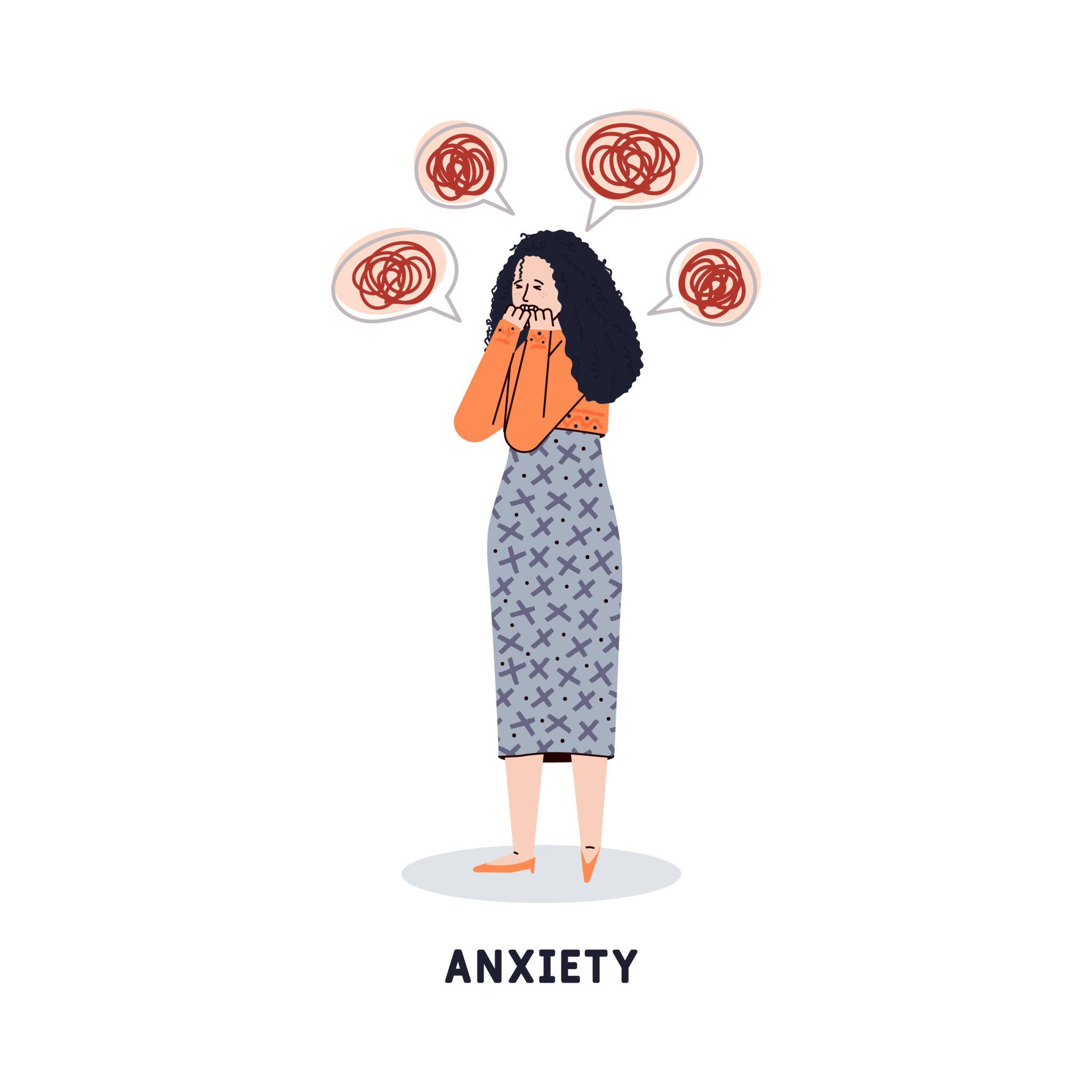
Deep Breathing Exercises
When anxiety hits like a freight train, it’s often paired with stuff like rapid breathing and that awful tight feeling in the chest. Here’s where deep breathing comes to the rescue. Panic attacks usually peak pretty quickly, within about 10 minutes, then slowly fade away.
The magic of deep breathing is simple: breathe in deeply through your nose, hold it a sec, then let it go slowly out your mouth. This can help calm your breath down, ease hyperventilation, and bring a bit of peace when you’re freaking out.
Aromatherapy with Lavender Oil
Lavender oil isn’t just for grandma’s soap—it’s legit amazing for anxiety. A 2019 study found that sniffing lavender could actually lower anxiety levels. If lavender isn’t your thing, no worries! Oils like chamomile, bergamot orange, or lemon could be your jam (Medical News Today).
To get some aromatherapy action in your life, you can use a diffuser to spread lavender goodness around your place. Or, just rub a little dab of diluted oil on your pulse points or sniff it straight from the bottle to help chill out during those tense times.
Grounding Techniques
Sometimes panic hits you out in public, which is super awkward. Grounding techniques can really help out. By concentrating on something tangible around you, it’s possible to drag your mind away from the panicky thoughts and keep in the here and now.
Try to focus on your senses during a panic storm. Pick up something and describe its texture, color, and shape. Listen to the sounds around you and feel the sensations. This keeps you grounded and can help dial down the crazy intensity of a panic attack.
Using these coping strategies for panic attacks can arm anyone with the right tools to get through the rough patches and offer support for the long haul. Playing around with different ways and picking what works best for you can kick panic attacks to the curb and help take back control.
Psychological Tools for Managing Panic Attacks
When you’re hit with the whirlwind that is a panic attack, a little bit of psychological trickery can make a world of difference. We’re talkin’ techniques like mantras and positive affirmations—these are your new best buddies when it comes to cracking anxiety’s grip and snatching back some peace.
Mantras for Anxiety Reduction
Mantras aren’t just for yoga class! They’re like a mental lifebuoy. Picture this: You’re in the middle of a panic storm—heart racing, breath galloping—and you start chanting, “Keep calm, carry on.” Simple phrases, like “This too shall pass,” help tune you into a calmer frequency. It’s like hitting pause in the chaos. Breathing gets back on track, and those tense muscles start letting go (Medical News Today). By keeping these words on repeat, you’re anchoring yourself right back to now, offering a haven amidst the storm.
Trying out different mantras til you find your jam will reward you with a trusty sidekick at your beck and call when panic knocks. It’s all about finding the words that calm your inner storm and give you back the control.
Focusing on Positive Affirmations
Now, let’s chat about positive affirmations. Think of them as your hype crew when you’re feelin’ vulnerable, especially when you’re out in the wild—public places where panic likes to stir up a show. Positive self-talk like “I am in control” or “This moment doesn’t define me” can flip the script from fear to strength. It’s about feeding your brain some good vibes and boosting that self-confidence when the going gets tough.
When the panic shows up uninvited in public, positive affirmations work their magic, anchoring you back in the moment, dialing down that wave of chaos (Zencare). Dr. Bianchi suggests cozying up with self-care, using your go-to coping routines, and sticking around the scene instead of darting back home after such an episode (Healthline).
Blending mantras and positive affirmations into your panic playbook gives you a shot at staying stronger and more centered during a panic swing. Choose what whispers strength to you, and before you know it, you’ll be handling panic with a newfound confidence and calm. Remember, sussing out the psychological tools that fit you like a glove is key to keeping panic at bay and returning stability when vulnerability strikes.
Managing Panic Attacks in Public
Facing panic attacks in public can feel like trying to keep a balloon from popping in a room full of porcupines. Those familiar, comforting spaces and people we rely on seem miles away. Wrangling this beast of a challenge involves understanding its quirks and gearing up with effective tricks.
Bumpy Ride of Public Panic Attacks
Dr. Kristin Bianchi, a smarty from Maryland’s Anxiety HQ, mentions that dealing with panic on the streets or in Starbucks isn’t quite like doing so in your cozy nook at home. Out there, strangers are watching, and their presence might just crank up that panic volume (Healthline).
To add some salt to the wound, your panic might not come with a neon “I’m panicking” sign. Instead, folks might just think you’re having an off day, which can mess with your head even more. It’s a good reminder that appearances can be deceiving, and folks often have no idea what’s simmering beneath the surface (Healthline).
Crafting Your ‘Comfort Arsenal’
Dr. Bianchi’s no dummy – she advocates for a nifty “calm down kit” if you’ve got public panic attacks on your playlist. Think of it as your superhero utility belt, loaded with stuff to help you breathe and feel grounded (Healthline):
- Breathing Playbook: Handy dandy guide for deep breaths that’ll bring you back to center.
- Sense-Soothing Sniffer: An inhaler packing lavender or chamomile to hit the chill button.
- Fidget Friendly Object: Small item that’s like a tactile hug.
- Pocket Pep Talks: Little notes to remind you that you got this.
- Noise Blockers: Earphones to dip into some zen tunes or whispered meditation tracks amid chaos.
If that panic beast roars while you’re out and about, hit pause on bailing out the door. Dr. Bianchi recommends staying put and squeezing in some on-the-spot self-care (Healthline). It’s about using what you’ve got with you to ride out the moment and gain confidence outside your comfort bubble.
By packing a trusty ‘calm down kit’ and getting a handle on what makes public panic tick, you can stride into those anxiety-inducing spots with a bit more steel and swagger.
Seeking Help for Panic Disorders
Thinking about reaching out for help with panic disorders? That’s a big move right there, and it can seriously help you manage those pesky symptoms. There are plenty of ways to go about treating it, like therapy sessions or popping some prescribed meds. Let’s break down what therapy and medication options are usually thrown into the mix when tackling panic disorders.
Therapy Options for Panic Disorder
Therapy is like the backbone of dealing with panic disorder. It focuses on digging into those deep-seated issues causing all the fuss and builds up some solid coping skills. If you’ve heard of Cognitive Behavioral Therapy (CBT), you’ll know it’s pretty much the top dog for handling panic disorders. Those folks at Brigham and Women’s Hospital say CBT works about 70 to 90 percent of the time for treating panic problems. It’s a brain workout, reframing negative thoughts into a more ‘I-got-this’ mindset.
CBT helps spot those thoughts driving your anxiety bonkers and shakes them up a bit. When you learn to look at them differently and build ninja-like coping tactics, you can manage to chill out more often and keep those panic episodes from going haywire. Plus, therapy is a safe space where you can chat about what’s setting off your anxiety, with a side bonus of crafting your own game plan to tackle it for the long haul.
Medication for Panic Disorder
Sometimes, a little pill can go a long way alongside therapy, helping to tone down panic disorder symptoms. The right meds work wonders on brain chemicals, dialing down the frequency and roar of panic attacks. But the trick is finding what suits you best, considering your health background and what not, which is why you’d want a healthcare pro in your corner.
Don’t expect lightning speed results though. The National Institute of Mental Health (NIMH) points out that landing on the perfect treatment might mean mixing and matching meds for a bit. Keeping the convo rolling with your healthcare provider helps track how things are going and make switches where needed.
Pairing therapy and medication with everyday good habits—like getting enough shut-eye, exercising regularly, munching on balanced meals, and hanging with pals—can really up your game in handling panic disorder. Living healthy can give your treatment a boost and helps pave the way for recovery and a better life overall.
Taking that step to seek help for panic disorders can help regain control over your life. Talking to healthcare folks about therapies and meds can help chart out a path that fits you best. Early intervention and a thorough approach can make a real difference. So don’t hesitate to start those conversations to figure out your road to recovery.