

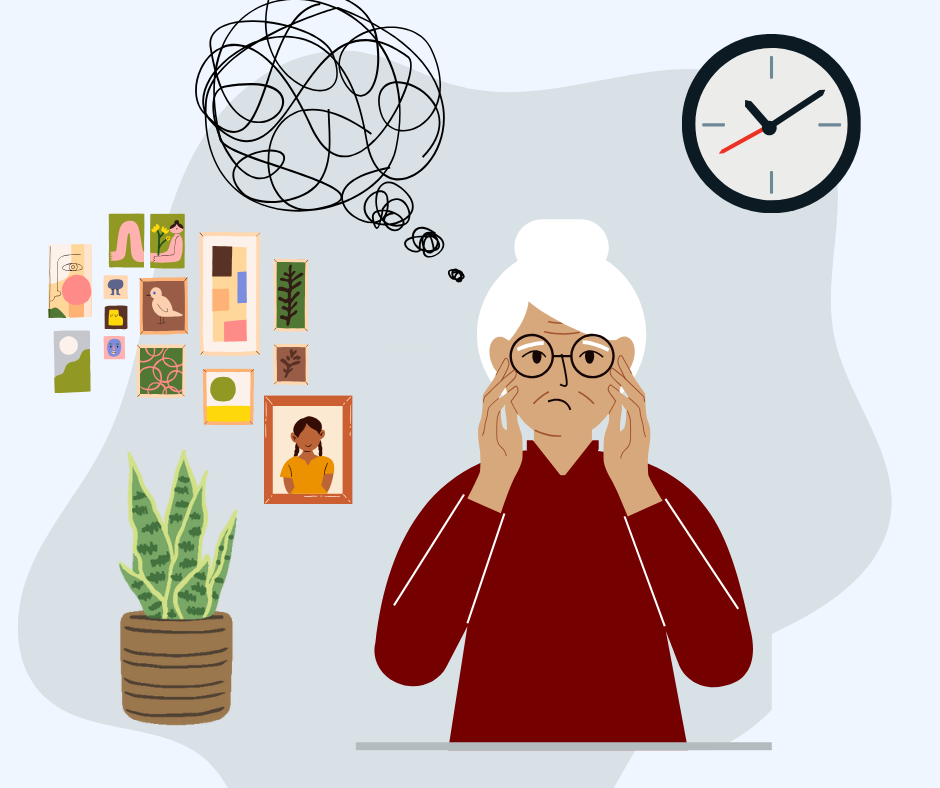
 Understanding Panic Attacks in Seniors
Let’s chat about panic attacks among seniors. It’s big-time important to tell these apart from other health issues. Seniors are more likely to have heart problems, so when they feel that panic washing over them, they might think it’s their heart acting up. So, it’s wise to double-check it’s not a heart attack before labeling it as just a panic attack, especially if this is their first rodeo with such an episode.
Differentiating Symptoms from Medical Conditions
Panic attacks in the older crowd can bring some rough stuff like racing heartbeat, feeling breathless, chest tightness, dizziness, a sense of losing control, and even some shaky hands and a queasy stomach. Talk about a rollercoaster ride! These symptoms also look like a bunch of other medical problems, which can be pretty confusing. So, knowing your symptoms inside and out is key to figuring out what’s up and getting the right kind of help.
Impact of Panic Attacks on Older Adults
When panic attacks hit seniors, it’s not just a little hiccup — it can shake them up real good, messing with their day-to-day vibe. Many older folks freak out thinking it’s a major emergency, like a heart attack, which just adds to the anxiety and makes everything worse.
Spotting these signs early and stepping in ASAP can make a huge difference. Catching it early means getting them the help they need and throwing in a good support net. Healthcare pros are your go-to crew for untangling these panic trip-ups from other medical scares, giving seniors the right care and calm they need.
Being on top of what makes seniors tick and what makes them fall apart is part of looking out for them. By understanding what panic feels like for our older folks, we can be the comfort crew they need, offering care and understanding that’ll boost their mood and keep their spirits up. This way, we can lend that friendly hand they might need when panic comes knocking.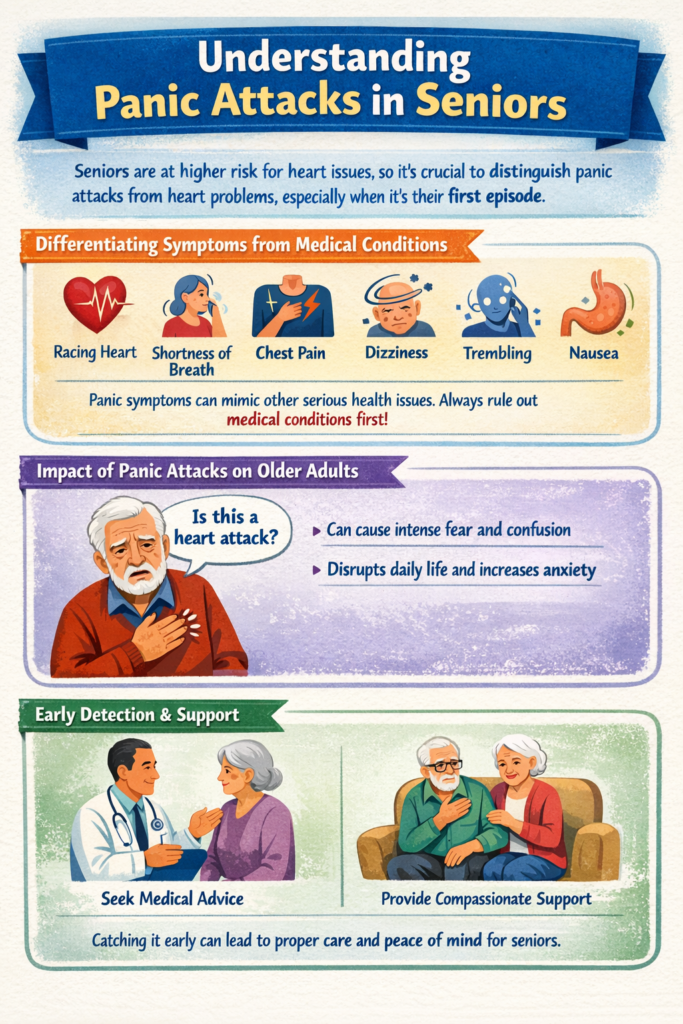 Recognizing Signs and Symptoms
Helping our elderly parents deal with panic attacks means spotting the signs and symptoms quickly. Knowing what to watch for, both phy
sically and emotionally, is key so we can step in and support them when they need us the most.
Physical Manifestations of Panic Attacks
Panic attacks can sneak up on you, looking like different health issues. Here are some of the physical signs to watch out for:
- Heart racing like it’s running a marathon
- Struggling to catch a breath
- Chest feeling tight
- Dizzy spells
- Overwhelming fear
- Shakes
- Queasy stomach
These symptoms can be pretty intense, both for our parents and for us as caregivers watching them go through it. It’s a bit unsettling, to say the least. The Mental Health Association of Maryland shares some good pointers on how to recognize these signs, shedding some light on these scary episodes.
Common Triggers for Panic Attacks in Seniors
Figuring out what sets off panic attacks in our senior loved ones helps us figure out how to cut them off at the pass. Here are some things that might trip the wire:
- Messing with their routine or environment too much
- Big life changes or stressful events
- Worrying about health or medical issues
- Feeling cut off from friends or family
- Side effects from medication
- Old traumas creeping back in
Getting a handle on these triggers can make all the difference. It’s like putting together a game plan that keeps them calm and helps stop those attacks in their tracks. When we know what might trigger their anxiety, we can help make things a bit smoother and a whole lot less scary for our elderly parents.
Keeping an eye out and understanding these panic attacks’ signs and triggers means we’re better equipped to support our elderly loved ones with kindness and care. Being there with an open heart and a watchful eye can truly bring some peace and calmness to their lives.
Factors Contributing to Panic Attacks
Biological Factors
Psychological Factors
Alright, so let’s chat about panic attacks in older folks, shall we? We’re diving into what might set these heart-pounding episodes in motion. There’s more than one piece to this puzzle, let’s start putting it together with a mix of biological and psychological insights.
Biological Factors
First up, we’ve got the biological side of things. You know those tiny chemicals buzzing around in your brain? They’re called neurotransmitters. Ones like serotonin and norepinephrine can mess with your mood and how you deal with stress, making panic attacks more likely to crash the party. Oh, and let’s not overlook the genetic bit—sometimes it’s in the family tree whether you like it or not.
As we age, brains change too. And these natural changes can make it harder for seniors to keep their emotions and stress in check, making panic attacks more frequent or severe. It’s like an old car engine—it’s tougher to keep things humming smoothly as the years roll on. (Blue Moon Senior Counseling).
Psychological Factors
Now let’s switch gears to the psychological stuff. Some earlier anxiety problems might still be hanging around like uninvited guests. Things like generalized anxiety disorder or the fear of open spaces (agoraphobia) can turn up the volume on panic attacks. And those past traumatic events? If they’re not dealt with, they might just rear their ugly heads again.
Don’t forget the nonstop stress many seniors face—whether it’s the loss of someone dear, having to pull the plug on working life, or moving into a new living situation. All this can crank up the chance of panic attacks showing up at the door. These life changes can feel very unsettling and might strike a chord strong enough to ring those alarm bells. (Blue Moon Senior Counseling).
Alright, so what’s the takeaway? By zooming in on both the biological and psychological triggers, caregivers and healthcare folks can whip up strategies that really help. It’s about digging into these roots to offer the kind of care that doesn’t just stick on a band-aid but truly makes life better for older adults. After all, everyone deserves to feel at ease in their own skin, right?
Providing Support and Care
Taking care of elderly parents dealing with panic attacks is a journey that demands creating a space where calm feels like a warm blanket on a chilly night. Panic attacks can be terrifying and disorienting for anyone, especially our older generations.
Importance of Creating a Calm Environment
When a loved one is hit with a panic attack, their surroundings can make things a whole lot better or worse. So, how do we tilt the scales towards comfort? Think gentle. Soft lighting, calming music (maybe their favorite tunes from way back), and the soothing sound of your voice telling them everything’s gonna be alright can work wonders.
Don’t underestimate the power of being there, just hanging out with them, letting them know they’re not alone. Simple breathing exercises, like counting to three as they inhale and exhale, can really help settle those racing thoughts and jittery bodies.
Educating Seniors on Treatment Options
Knowledge is power, especially when it comes to tackling panic attacks. Once they know what options are out there—from therapy sessions to meds or maybe a mix of both—they might feel like they’ve got more control in the driver’s seat of their own life.
Encourage them to chat with professionals who get what they’re going through. Therapists can be awesome guides, helping them understand what’s at the root of these attacks and how they can go about quieting them down.
Stay on top of knowing what might trigger or signal an incoming panic attack. That way, it’s like they’ve got an early warning system for action. Recognizing these cues leads to easier management of their situation.
Looking out for them means patience, a whole lot of heart, and making sure they feel at ease and cherished in their surroundings. Prioritizing their happiness and showing them paths to feel better can change the game for them big time. If you’re curious about more tips and tricks for helping someone tackle panic attacks, check out our article on supporting a loved one with panic disorder.
Professional Support for Managing Panic Attacks
Dealing with panic attacks in our older folks isn’t something to mess around with; having the backup of professional help really matters for their peace of mind. Let’s chat about how senior counseling can be a game-changer and the smart hacks out there to support and manage panic attacks in a nifty way.
Role of Senior Counseling
Senior counseling? It’s like finding the secret sauce when dealing with panic attacks in older age. According to Blue Moon Senior Counseling, this service is all about creating a relaxed vibe, getting folks to open up, giving them emotional grounding, and teaching them about what’s going on and how to handle it. This way, counselors help smooth out those tough episodes and give seniors the tools to handle the bumps in their mental health journey.
When elderly parents chat with senior counselors, they’re stepping into a judgment-free bubble where they can voice worries, fears, and the whole nine yards about panic attacks. Professionals dish out tips and tricks custom-fit to what they need, helping them get back in the driver’s seat of their mental well-being.
Smooth Strategies for Tackling Panic Attacks
Senior counselors got the game plan for handing out custom-fit advice to help seniors tame and tackle panic attacks. By lending an ear and offering strategies that get to the heart of what seniors face, counselors partner with them to build up their toolkit against the mind games of panic.
By zeroing in on what sets off panic attacks and how they show up in seniors, the personalized game plan is all about bulking up emotional strength and handing over real-world tools to face those hairy spots. We’re talking about chill-out techniques, cognitive approaches, and mindfulness habits that align with what each person is comfortable with.
Through organized chats and ongoing assistance, senior counseling hands seniors the know-how and fortitude to handle panic attacks like champs. By nurturing a supportive and understanding space, counselors stand beside seniors, boosting mental well-being and making life a little less scary.
Opting for pro help through senior counseling can flip the script for elderly parents dealing with panic attacks. With counselors taking center stage and the smart strategies they bring to the table, seniors can find their groove, get the guidance they need, and meet their mental hurdles with grit and self-assuredness.
Coping Strategies and Lifestyle Changes
Dealing with panic attacks in our elderly loved ones can be tricky, but tweaking their daily routines with some practical strategies can make a world of difference. Two of the most effective approaches are Cognitive-Behavioral Therapy (CBT) and embracing healthier lifestyle choices.
Cognitive-Behavioral Therapy (CBT)
Cognitive-behavioral therapy, or CBT as those in the know call it, is like magic for folks wrestling with panic attacks. It’s not some mystical spell, though; it’s a smart, straightforward method that helps seniors recognize and tweak those pesky negative thoughts feeding their anxiety. With a skilled therapist in their corner, seniors can learn to see things in a new light and arm themselves with some pretty nifty strategies to tackle anxiety head-on.
CBT gives our elderly a toolkit full of ways to deal with stress and those pesky triggers that can set off panic attacks. With these handy skills, they might find themselves having fewer episodes and tackling them with less intensity when they do occur. If you’re curious about how CBT might specifically help your parents, reaching out to senior counseling experts can offer more insight and support.
Healthy Lifestyle Interventions
Livening up their lifestyles with some healthy tweaks is a big win when managing panic attacks. Exercise isn’t just about looking good in yoga pants; it pumps out endorphins that chill anxiety and amp up relaxation. Think gentle strolls or swapping a squishy armchair for some chair exercises tailored to what they can handle.
Then there’s deep breathing and meditation, like hitting the mute button on anxiety. These relaxation techniques teach our parents to bring in some mindfulness, calming their emotional responses and reducing the odds of panic setting in. Keeping a balanced diet is like giving their body the right fuel, helping stabilize emotions and supporting their health overall.
Mixing CBT with a healthier lifestyle isn’t just a quick fix, but a sturdy foundation. This combo can reduce anxiety, boost resilience, and arm our elderly parents with the right stuff to tackle panic attacks, making life a little brighter and a lot calmer.