

 Understanding Panic Attacks
Man, panic attacks—what a whirlwind! One moment you’re fine, and the next, you’re hit with a tidal wave of fear and discomfort. It’s like a mental roller coaster that plunges you into a state of “oh no, what’s happening?” It’s both unsettling and downright terrifying.
Definition of Panic Attacks
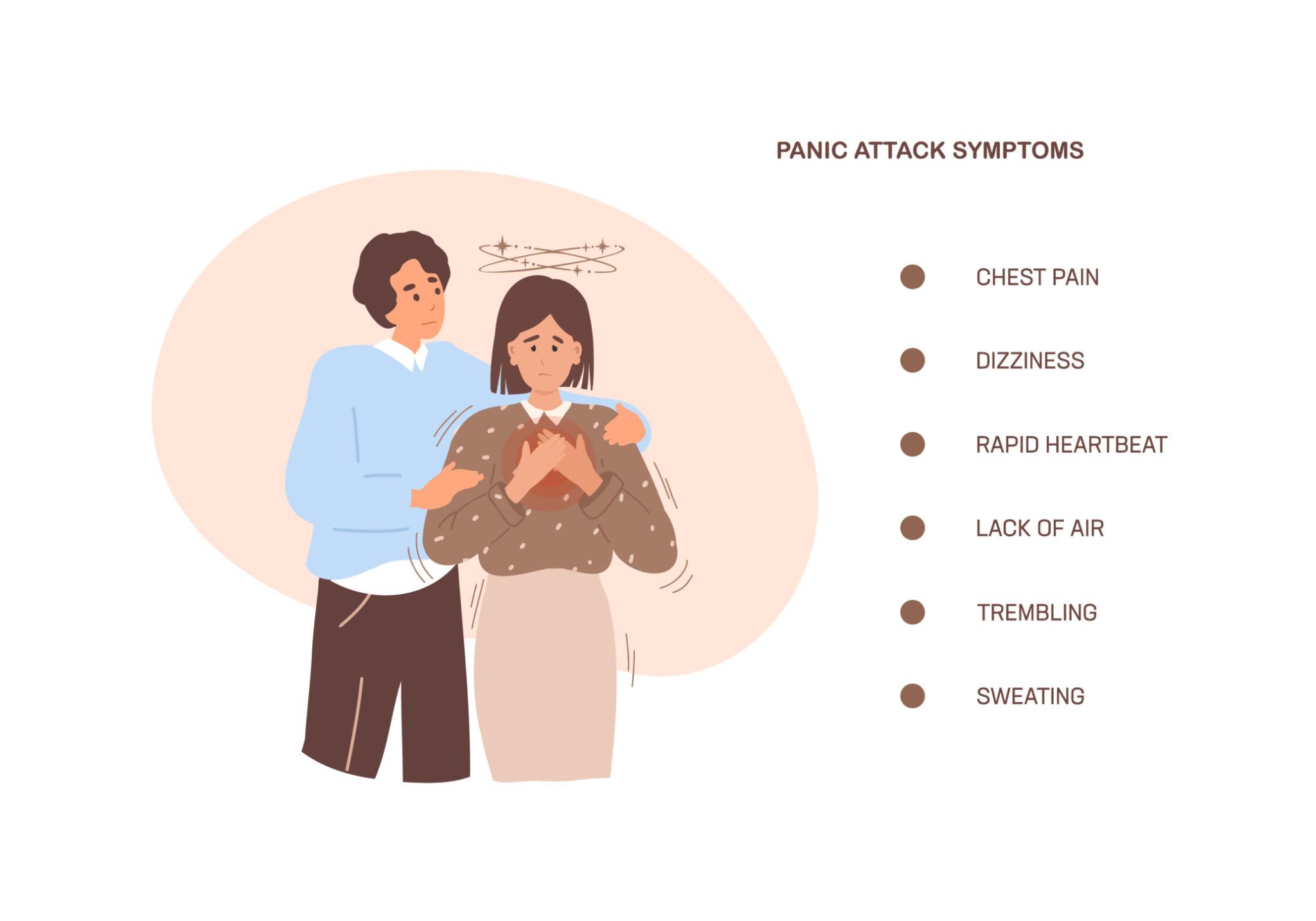
Panic attacks throw a funky mix of symptoms at you, kind of like a surprise party you’d rather not attend. We’re talking breathlessness, your heart racing like a runaway train, and sweating like you just ran a marathon. Sometimes your chest tightens up enough to make you think, “this is it!” You get hit with these symptoms so fast and hard, it feels like everything’s spiraling out of control (Verywell Mind).
Symptoms of Panic Attacks
It’s not just your body that’s in overdrive—your mind takes a hit too. You might feel like you’re in some sort of dream state, floating away from reality. There’s this nagging fear that you’re losing it. Physical symptoms tag team with these mental ones, making it hard to focus on anything else. These episodes are no joke; they can really mess with your day-to-day (Choosing Therapy).
Knowing what a panic attack looks like is like having the enemy’s playbook. Spotting these signs means you can start figuring out ways to tackle them head-on. It’s kind of like a superhero move—recognizing and dealing with these panic episodes helps you reclaim control. If you want to dig deeper, check out some insights on what causes panic attacks: a complete guide to get a better grip on what’s going on.
Importance of Cognitive Behavioral Therapy (CBT)
If you’re tackling panic attacks and panic disorders, Cognitive Behavioral Therapy (CBT) is a superstar in the lineup of treatments. Let’s see why CBT is a game-changer for folks dealing with these overwhelming conditions.
Role of CBT in Panic Attack Treatment
Picture this: you’re in a session with your therapist, and you’re unpacking all those pesky negative thoughts that cling like gum on a shoe. Those thoughts can knock your confidence and amp up your jitters. But with CBT, you’re not just sitting there—you’re actively working on flipping the script in your head.
And it’s not just about chatting; it’s about strapping on your boots with solid coping tricks, especially if agoraphobia’s thrown into the mix. CBT is like a tool belt, loaded with strategies to handle those nerve-wracking moments like a boss (Verywell Mind).
Effectiveness of CBT for Panic Disorders
Research loves CBT as much as a kid loves candy, continually backing up its spot in the panic disorder hall of fame. Whether you’re using it on its own or teaming it up with meds, CBT’s got the goods for easing symptoms (American Academy of Family Physicians).
The pros in the field give CBT the nod thanks to its laser-focused approach and speedy results. It’s got a proven track record, winning over other therapies like panic-focused psychodynamic psychotherapy and applied relaxation training.
So, what’s in CBT’s secret sauce? It’s a blend of learning, breathing exercises, muscle relaxation, rethinking your thoughts, and some real-world practice, working like a dream team to boost your progress (NCBI).
To wrap it up, CBT is a top pick for those wrestling with panic disorders, with lots of guidelines singing its praises. Plus, with online options now available, it’s easier than ever to start kicking panic to the curb.
Components of Cognitive Behavioral Therapy
Cognitive Behavioral Therapy (CBT) has some standout tools that really pack a punch in helping folks handle and even conquer panic attacks. We’re talking about stuff like psychoeducation, retraining how you breathe, and letting go of that muscle tension.
Psychoeducation in CBT
Psychoeducation is like giving panic attacks a clear name tag. It’s about peeling back the mystery around these attacks, pinpointing what sets them off, and finding ways to smack them down. Knowing what’s happening and why is like having a flashlight in a dark room, guiding individuals to cut through the panic with tailored strategies and not let it run their day. Some pretty smart folks even say mixing up this education with other CBT tricks can really help tackle panic disorders (NCBI).
Breathing Retraining Techniques
One nifty part of CBT is teaching folks how to get a grip on their breath during panic attacks. Breath is the surprising superhero here—train it well, and it can slow that racing heart and put the brakes on out-of-control anxiety symptoms. Steady breathing brings you back to now, wrapping you in calm when panic tries to whirl you around. It’s almost like breathing exercises hold a secret code to dialing down panic’s big, scary show (Choosing Therapy).
Muscle Relaxation in CBT
Let’s not forget muscle relaxation—another rock star player in CBT. This is about nudging your muscles into chill mode, one set at a time, when panic storm clouds gather. Turning the focus to relaxation shifts attention away from panic, helping to melt that block of anxiety ice and ease the mind and body. These relaxation moves are your buddy, turning down the volume on panic symptoms and turning up the calm (Choosing Therapy).
Mixing psychoeducation, breathing tricks, and muscle Zen into CBT’s game plan for panic disorder doesn’t just hand people a how-to guide—it gives them a toolbox. This combo of know-how and practice doesn’t just tell you what panic is—it shows you how to face it down and beat it up as part of a long-term recovery plan.
Strategies in CBT for Panic Management
So you’re facing down the beast of panic attacks using some good old cognitive-behavioral therapy (CBT). Let’s dig into a few key tricks of the trade that help folks tackle the chaos of panic head-on.
Cognitive Restructuring Techniques
Getting right to it, one staple in CBT for combatting panic is a little something called cognitive restructuring. We’re talking about challenging those mental bullies—those negative spirals that kick the door open for panic attacks to strut in. The aim is to spot these pesky thoughts and give them a makeover into something less panic-inducing. What happens is that people start seeing their panic through a fresh lens, allowing themselves to deal with it in a healthier way. You slowly train your brain to chill out and see the world without the panic-induced blinders on.
In Vivo Exposure Therapy
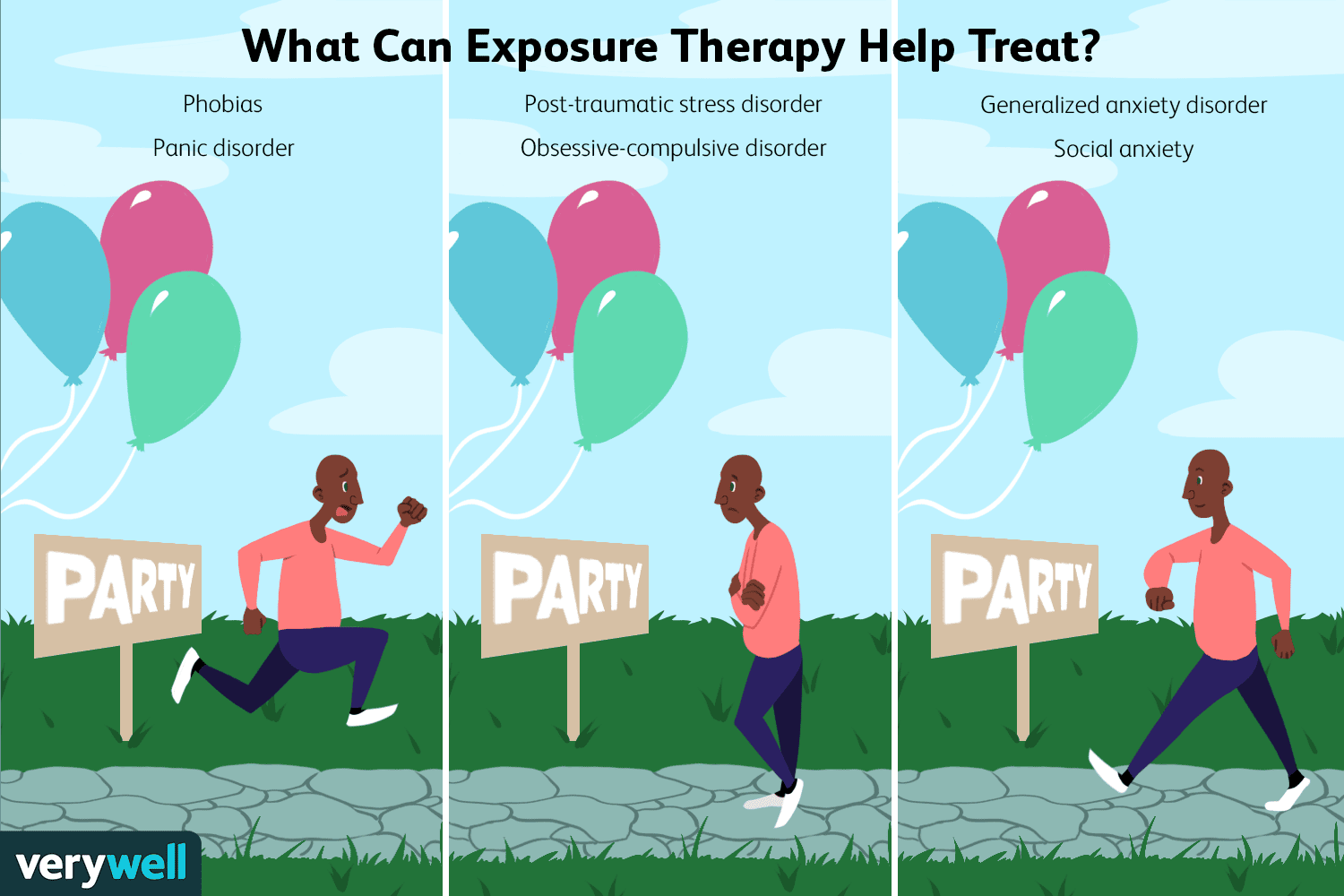
Next up, we have in vivo exposure therapy. Yeah, the name sounds like a blast from a sci-fi flick, but it’s way more down to earth. This is all about purposely stepping into those terrifying scenes that get your heart racing and palms sweaty. It’s like building a friendship with fear; the more you hang out with it, the less of a big deal it becomes. Shoo away the fear by staring it down in real-life settings. Studies show that this getting-your-feet-wet method, especially when combined with interoceptive exposure, works wonders to actually reteach your brain that panic doesn’t have to rule the roost.
Interoceptive Exposure Exercises
Now, hold onto your hats for interoceptive exposure exercises. Picture this: you’re inducing the heavy breathing, heart racing, and queasy stomach in a safe zone to make peace with those internal body sensations. When your body starts pulling the same tricks that accompany a panic attack, you use this exercise to remind it that you’re the one in charge. In an oddly counter-intuitive way, by intentionally triggering those symptoms, folks learn to chill them out and ease their panic-stricken nerves. It’s all about embracing what you’d rather run from and mastering your own responses.
These cognitive restructuring, in vivo exposure therapy, and interoceptive exercises are like a triple-threat combo in the CBT toolkit for managing panic. Each part helps untangle the messy weave of thoughts, feelings, and actions that team up to cause panic attacks. Through this, there’s a legit roadmap to getting the upper hand on panic, helping people not just manage but actually live the way they want—minus the unwanted company of panic.
Comparing CBT Delivery Formats
When it comes to Cognitive Behavioral Therapy (CBT) for dealing with panic disorders, there’s more than one way to skin a cat. Different folks like different strokes, so let’s break down three ways you can get your CBT fix: getting face time with a group, one-on-one sessions, or going the guided self-help route.
Face-to-Face Group Therapy
Some people dig the group vibe; they say sharing is caring. In this group setup, you chat it up in a room with folks who are in the same boat as you. Studies give a thumbs-up to this method, showing it works better than just going about it the usual way.
| CBT Delivery Format | How it Stacks Against the Usual Method |
|---|---|
| Face-to-Face Group Therapy | Pulls ahead with a score difference of -0.47 |
| Face-to-Face Individual Sessions | Close call with a score difference of -0.43 |
The folks at NCBI back this up, touting face-to-face group therapy and the individual meet-ups as winners in tackling panic disorders. Even DIY-style guided self-help shows a good track record.
Face-to-Face Individual Sessions
Need a bit more personal time? Face-to-face individual sessions might be your cup of tea. It’s just you and the expert on your panic packed journey, ensuring you get the special treatment you deserve.
Those smartypants over at PubMed Central say these private moments, in sync with group sessions and guided versions, tend to do better than your run-of-the-mill treatments. It boils down to personalized care and really connecting with your therapist, making CBT shine in the panic department.
 Guided Self-Help CBT
If you’re the self-starting type on a budget, guided self-help CBT might be more your lane. It’s pocket-friendly and practical, offering you the reins to control your speed, while a therapist is just a call away if you need some GPS guidance.
The brainiacs at PubMed Central noticed this guided route is pretty good at knocking down the walls of panic and agoraphobia. While going it totally alone might leave you hanging, having a guided map ensures you don’t stray too far from your path to tranquility.
Understanding what each shrink-styled method brings to the table helps you decide which matches your panic puzzle the best. Whether you get card-carrying therapy with your peers, prefer solo face time, or fancy a guided self-help hustle, CBT’s got options to help you boot stress and claim back your peace.
Efficacy and Acceptability of CBT
Cognitive Behavioral Therapy (CBT) is a big deal when it comes to tackling panic disorders. It’s like having a trusty toolbox for easing the nagging symptoms that weigh people down. Checking out how well the bits and pieces of CBT work can give us a peek into its superpowers for those caught in the panic loop.
Effectiveness of CBT Treatment
Research featured by the NCBI shows that CBT is like a superhero in the fight against panic disorders. It’s about highlighting the parts of CBT that really pack a punch. Using this fancy network meta-analysis approach, experts figure out which bits of CBT are making the biggest splash in treating panic disorders.
| CBT Component | Effectiveness |
|---|---|
| Psychoeducation | High |
| Cognitive Restructuring | Moderate |
| Exposure Therapy | Significant |
| Breathing Retraining | Effective |
| Muscle Relaxation | Positive |
This table reveals the smorgasbord of CBT strategies at play. They offer varying levels of relief for symptoms of panic disorder. Catering CBT techniques to what a person truly needs means healthcare providers can supercharge the treatment journey, helping folks feel better, faster.
Acceptability of CBT Delivery Formats
According to a thorough review by PubMed Central, different CBT setups like group face-to-face, one-on-one, and guided self-help CBT blow traditional panic disorder treatments out of the water. These styles shine in boosting how well folks manage their symptoms and in fostering good vibes all around during therapy.
In the world of CBT for panic disorders, how the therapy is delivered does affect how engaged and committed a person becomes. Giving folks options, like guided self-help CBT, ups the chance they’ll stick with it, and it opens doors to those who might otherwise miss out. By adjusting for individual preferences, treatments have a better shot at long-term success and helping manage those panic monster symptoms for the long haul.
Realizing the power and nice-to-have aspect of CBT elements and different delivery choices is central in adjusting treatment plans to fit all kinds of people dealing with panic disorders. With insights scooped from research and clinical smarts, health pros can dish out custom-fit and top-notch CBT plans, giving people the stronghold they need to thrive and manage symptoms like a pro.