

 Understanding Psychological Debriefing
Let’s chat about psychological debriefing – a way to help people deal with anything traumatic they’ve experienced. It’s not about putting folks on a shrink’s couch right away but rather giving them some breathing room to talk it all out, usually within a day or three of the event (The Human Condition).
Introduction to Debriefing
So, back in ’83, this psychologist named Jeffrey T. Mitchell came up with the idea. He focused on helping those in the thick of things, like first responders and those in the military, who deal with chaos on the regular. Over time, the concept’s spread, finding its way to people dealing with all sorts of traumatic scenarios.
Purpose and Process
The main idea here is to offer a quick shoulder for those who’ve been through the wringer, creating a space where they can let it all out and not bottle up their fears or worries. Ideally, this process helps people cut through the fog of what happened, figure out how to cope, and sidestep some of the long-lasting emotional mess that trauma can bring.
But, it’s not all sunshine and rainbows. Recent studies throw a bit of shade on the whole debriefing thing, questioning if it really cuts down on post-traumatic stress disorder (PTSD) and other mental health hiccups like some thought it would (VA). For those who went through something massive and horrendous, this kind of debriefing might not just be useless but even counterproductive.
Moreover, the International Society for Traumatic Stress Studies points out that while companies might find debriefing handy to keep things running smoothly, it’s not a surefire way to fend off mental health issues after a traumatic event. Studies even hint that doing a solo session might not stop PTSD and could potentially heighten the chance of PTSD and depression popping up later down the line (PMC).
So, what’s the takeaway here? Well, it’s clear that one-size-fits-all doesn’t work. Knowing when and for whom this type of debriefing is actually helpful is crucial. For some, exploring other ways like trauma-focused cognitive-behavioral therapy might be the smarter move. As research and our understanding continue to grow, dissecting the pros and cons of psychological debriefing becomes essential to better support those rocked by tough experiences.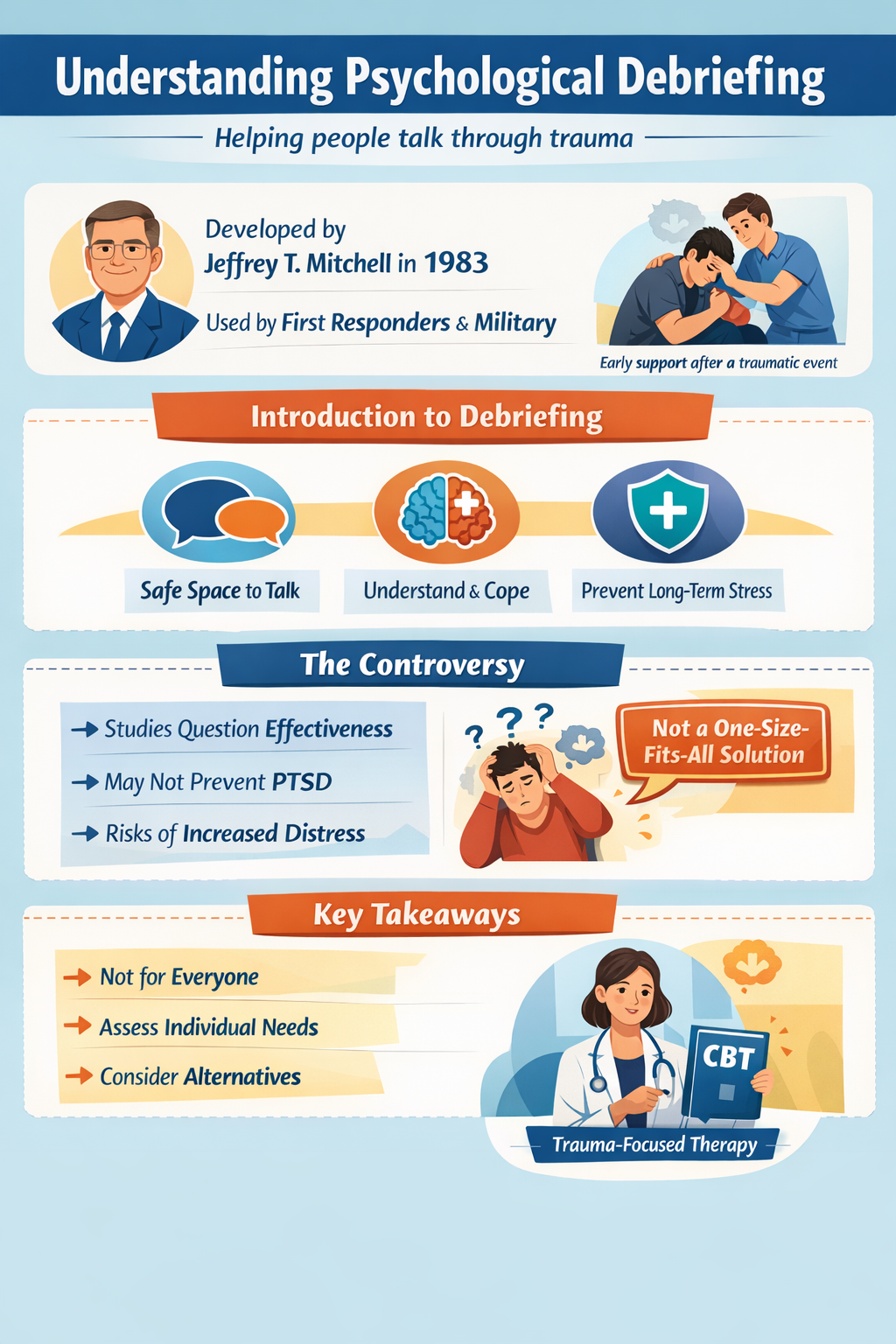
Effectiveness of Psychological Debriefing
Let’s have a chat about how well psychological debriefing actually works when you’re dealing with people who’ve been through some real tough times. It’s kind of pivotal to consider the science behind it and take a gander at any debates and worries folks have.
Research Findings
So, there’s all kinds of research out there showing mixed results on whether psychological debriefing can prevent Post-Traumatic Stress Disorder (PTSD) or even lessen the mental stress for folks. Some studies say that sitting down for a single session of debriefing didn’t stop PTSD from showing up or bring down the stress levels compared to folks who didn’t go through it at all. Heck, one study even flagged a bigger risk of PTSD in those who got debriefing (PMC). This kind of shakes up the faith in debriefing as a go-to fix after something horrible happens.
And then there’s stuff about Critical Incident Stress Management (CISM) – which is basically the jazzy way to say debriefing – not really doing the job it’s supposed to among folks like healthcare workers (PubMed Central). All this just makes you wonder if sticking to psychological debriefing as a routine thing post-trauma is really the best idea.
Controversies and Concerns
Here’s where we get into the hot talk. Despite being all the rage, psychological debriefing’s been getting some side-eye lately. At first, people thought it was the go-to move after stuff like natural disasters or traumatic shocks. But recent chats in the research world suggest that maybe this isn’t the one-size-fits-all hero we thought it was, and it could even backfire.
Take, for instance, those who’ve just lost someone dear. Debriefing for them might crank up the stress rather than dial it down. McNally, Bryant, and Ehlers (2003) ring a bell with their doubts about whether jumping into early interventions like debriefing is really the golden ticket to bouncing back from traumatic stress.
Got to point out there are more personal things at play here: how the person saw the incident, already having mental health battles, ongoing stress, and how they think people should react could all sway how someone gets through trauma. Psychological debriefing, by its very quick chat nature, can sometimes stir up more trouble than it solves (PubMed Central).
When you really dig into what the research presents and the beef people have with psychological debriefing, it helps the pros make smart calls on the best ways to help folks who’ve been through the wringer.
Applicability of Debriefing
In the heart of critical incident stress management, psychological debriefing techniques are like invisible armor for folks who’ve been through the wringer with traumatic events. Knowing who really needs this kind of support is the key to helping minds heal. Two main groups often find themselves in the hot seat for psychological debriefing: First Responders and Healthcare Workers. These folks are in the line of fire when it comes to dealing with intense situations.
Target Audience
First Responders – we’re talking police officers, firefighters, paramedics, and search-and-rescue troops – these brave souls are on the frontline, diving head-first into sticky situations day in and day out. They’re the superheroes without capes, battling through stress and chaos. That’s why debriefing is their ticket to processing emotions, dialing down stress levels, and keeping disorders like PTSD at bay.
Then there’s the Healthcare Workers, which include nurses, doctors, and our mental health warriors. Their daily gig involves dealing with all kinds of emotional rollercoasters in hospitals and clinics, often putting their own mental health on the backburner. Debriefing offers them a safe zone to hash out thoughts, tackle emotions, and grip onto coping hacks that can help fend off burnout (PubMed Central).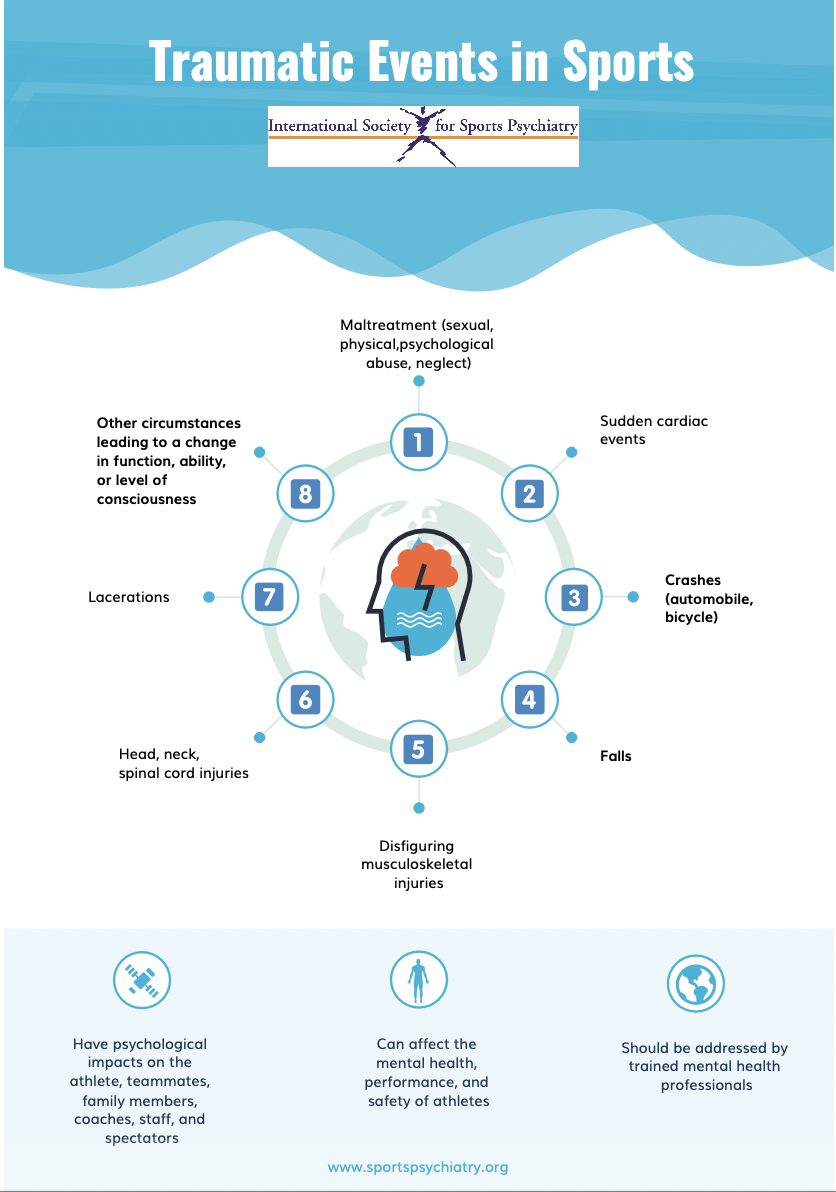
First Responders and Healthcare Workers
For First Responders, a debrief after a tough shift can be a real game-changer. It’s like a mental reset button that helps them shake off immediate stress and arm themselves with strategies to face whatever comes next. Research throws in its two cents, suggesting that debriefing is especially good for those in emergency roles, helping them handle the not-so-flashy, everyday stresses better.
Study after study backs the idea that debriefing isn’t just a feel-good session but a practical tool to keep long-term psychological issues from sneaking up on first responders and healthcare workers. By handing them a structured approach for venting and getting some emotional backup, debriefing turns into a resilience booster, speeding up recovery and pulling overall well-being into a way better place (PubMed Central).
Knowing the unique trials that First Responders and Healthcare Workers go through shines a big ol’ spotlight on why they need debriefing custom-made for their world. By honing in on what really matters to them and helping build a mental fortress, psychological debriefing doesn’t just help them muddle through – it lets them take on their tough jobs with mental health as a top priority.
Criticisms of Psychological Debriefing
Let’s cut to the chase—psychological debriefing has been under fire for a while now due to concerns about its effectiveness and potential to cause more harm than good. It’s crucial we weigh these criticisms to make sure folks who’ve been through trauma get the right kind of help they need after the dust settles on a critical incident.
Potential Harm
There’s been a ton of chatter in recent studies and reviews about how debriefing might not be the greatest thing since sliced bread. Turns out, for some folks who’ve been through the wringer, debriefing doesn’t really cut it when it comes to lowering risks of PTSD, depression, or anxiety. In fact, for those who’ve really seen some stuff, it might actually make things worse (VA PTSD).
Here’s the kicker: debriefing can jack up your stress levels—unintentionally, of course. If someone’s already wrestling with mental health issues, or if the trauma they faced was life-threatening, a brief debrief can serve to amplify their distress. So, the common single-session approach aimed at anyone and everyone post-trauma isn’t backed by evidence as a foolproof fix for stress or a PTSD shield (PubMed Central).
Lack of Efficacy
Another beef with psychological debriefing: it often just doesn’t do what it says on the box. A detailed Cochrane review took eight randomized trials to task and found no noticeable dent in psychological woes post-debriefing, prompting them to call for an end to mandatory debriefing sessions. These studies also showed that a one-and-done debrief didn’t stop PTSD from knocking on the door or ease the mental strain after trauma. Some even found debriefing could up the PTSD stakes compared to leaving the person to process on their own, highlighting potential downsides to this practice (PMC).
These points really throw a wrench into the works of using psychological debriefing as a go-to method for supporting people and warding off long-lasting mental fallout from traumatic events. It’s on the shoulders of organizations and mental health pros to chew over these criticisms thoroughly when piecing together trauma response strategies for first responders, healthcare workers, and anyone else caught up in traumatic incidents.
Alternatives to Psychological Debriefing
When it comes down to helping folks through the rough patches of life, the frenzy that’s critical incident stress management, I’ve got my head wrapped around some fresh alternatives to the old-school psychological debriefing methods. I’m talking about stuff like brief cognitive-behavior therapy and a peek at what’s brewing on the horizon for trauma response.
Brief Cognitive-Behavior Therapy
Forget about dragging things out forever. Brief cognitive-behavior therapy (CBT) pops up just when you start reeling from a nasty shock, setting up camp around the two-week mark after the trauma goes down. We’re chatting here about four or five meetings tops. The magic of this approach is backed up by some serious eggheads over at the Society of Clinical Psychology. It’s like giving people the mental tools to rearrange their thoughts and behavior, so they can shuffle those overwhelming feelings right out the door.
Future Directions
Things aren’t stuck in the mud anymore. Trauma care research is all about tweaking and experimenting with new tricks that actually work. The cool kids on the block are all about stuff that keeps folks strong in the long run—think resilience workouts, trauma-informed practices, and coping strategies that fit like a glove for whoever’s on the other side of that couch. The goal here is to stop folks from spiraling after they’ve lived through the chaos of a critical event.
It’s about time we take a hard look at that psychological debriefing everyone swears by. Too many studies (like this one from PMC) are telling us what we kinda feared—it might not stave off PTSD and could crank up anxiety levels even further with just one session. Eyeing evidence-packed approaches like brief CBT can change the game, making sure we’re genuinely helping those tangled up in the throes of trauma, right when it counts most.
Considerations for Debriefing Practices
Taking care of the mental health of first responders and healthcare workers is a big deal, especially after they’ve been through something intense. When it comes to managing stress from critical incidents, debriefing is where it’s at. Get it right, and you’re doing wonders for these everyday heroes. An evidence-backed plan that includes good recommendations can really up the game for helping those who’ve seen the rough side of life.
Evidence-Based Approach
When it’s time to kick off a debriefing session, sticking with what the research says is golden. Think of it like this: it’s not just about having a chat; it’s about tapping into methods that work. According to the experts at the Society of Clinical Psychology, psychological debriefing’s all about getting in there with emotional support ASAP after something major goes down. The idea? Stop PTSD and other issues in their tracks. Most times, this means gathering folks together for a group session that lasts a couple of hours shortly after the incident.
That said, while some folks feel better after these sessions right away, there’s a catch: not everyone walks away with lasting results. Studies have shown that sometimes debriefing might not always help in the long run and could even make things worse for some individuals, as per the Society of Clinical Psychology.
Recommendations for Implementation
Given that debriefing might not always be the winner, it could pay off to think about different paths like brief cognitive-behavior therapy (CBT) for handling acute stress disorder. The Society of Clinical Psychology makes it clear that brief CBT, which is offered within a couple of weeks after the trauma over a few sessions, stands out because researchers have given it a thumbs up for being effective.
Organizations should not forget that debunking the effects of debriefing, especially for healthcare workers, provides a mixed bag. Studies from PubMed Central point out that Critical Incident Stress Management (CISM) and Psychological Debriefing might not be cutting it when it comes to stopping PTSD symptoms or other bad outcomes from traumatic gigs. This is why it’s super important to keep digging into research and tweak practices that are most helpful and least harmful.
By leaning on proven methods and sensible recommendations, organizations can fit debriefing into a mold that suits the unique jams faced by first responders, medical staff, and others who’ve been through the wringer. This approach doesn’t just make the support better, it also helps boost the spirits and sturdiness of everyone dealing with the fallout from such intense happenings.