
Understanding Critical Incidents
(Psychological Effects of Critical Incidents) When it comes to critical incidents, we’re talking about those unexpected, intense moments that shake you up and demand quick action. These events can have quite the toll on your mind, affecting anyone caught in the middle.
Definition & Impact
Let’s break it down: critical incidents are those shocking events that hit hard and fast, leaving a trail of stress and sometimes trauma in their wake. Think about natural disasters, severe accidents, or life-threatening situations. They can turn your world upside down, and it’s the emergency responders, healthcare workers, and folks right smack in the middle who often feel the brunt of it first. They might initially feel numb or in disbelief, and down the road, they could face challenges like PTSD.
The more intense the incident, the more likely it can cause long-lasting mental hurdles. Research reveals that PTSD affects a good chunk of disaster victims, with around 30% to 40% struggling within the first year after the event. Things like ongoing stress, new troubles, or losing social support can make bouncing back even tougher.
It’s normal to feel stressed before or after these crises hit. Whether it’s a natural calamity or human-made tragedy, these events can wreak havoc on lives through injuries, loss of homes, or losing loved ones. Just being in the vicinity of such chaos can affect people in significant ways.
Psychological Effects
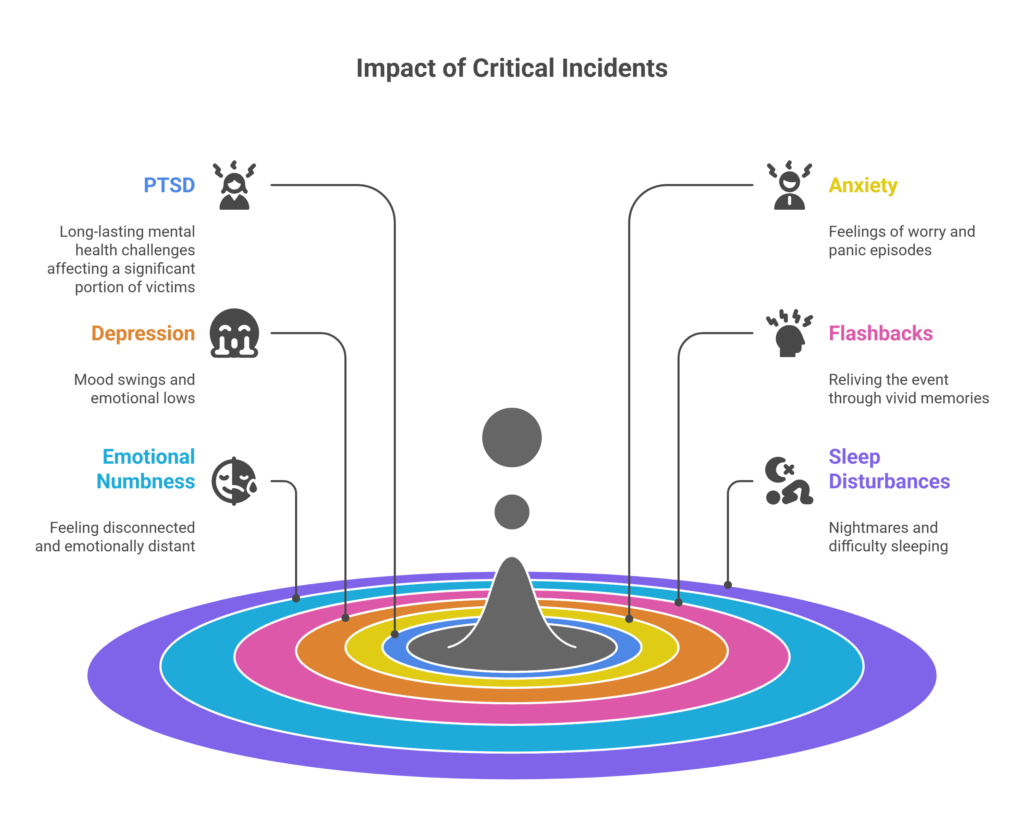
The aftermath of a critical incident isn’t just about picking up the pieces; it’s about managing how it messes with your head and heart. Here are some common psychological effects:
- Feeling anxious or having panic episodes
- Sliding into depression or having mood swings
- Reliving the event through flashbacks
- Going emotionally numb or feeling disconnected
- Struggling with sleep or experiencing nightmares
It’s all about recognizing these signs and getting the right help. If you—or someone you know—is finding it tough after experiencing such an event, reaching out for professional support is a solid move. Things like psychological first aid can make a meaningful difference, allowing you to tackle the stress head-on and work towards healing and recovery.
Coping Strategies After Critical Incidents
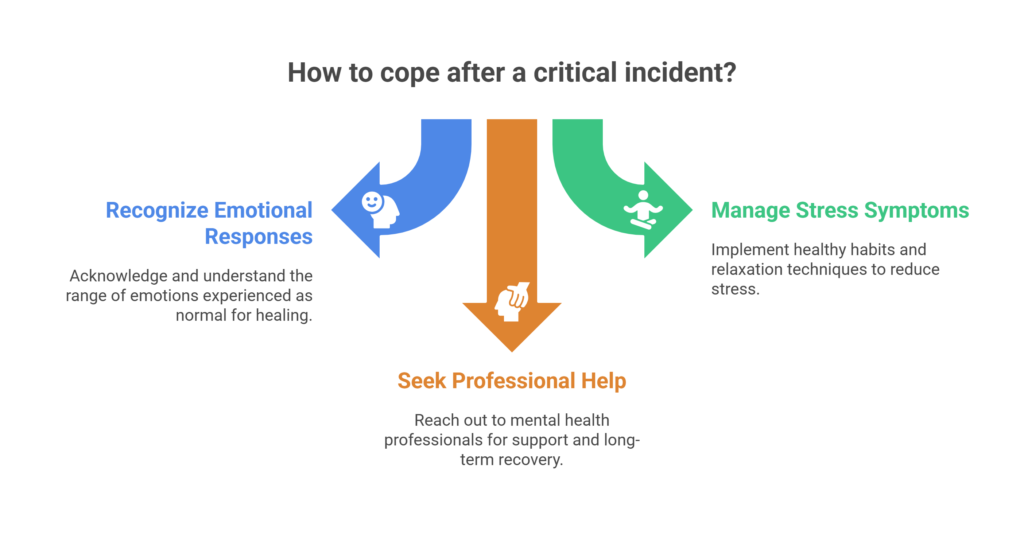
Handling the fallout from tough situations isn’t a walk in the park, especially for first responders and emergency personnel who face intense events. It’s vital to get a grip on effective ways to deal with the aftermath and shore up mental health and resilience. Let’s explore how recognizing emotional reactions, managing stress, and reaching out for expert help can lead to recovery.
Emotional Responses
Surviving a critical event can throw a whirlwind of emotions at you—fear, shock, denial, anger, and even sadness (NIMH). It’s key to acknowledge these feelings as normal parts of healing. Everyone’s going to have a different emotional reaction, and that’s okay; these feelings can change as time goes on. Tapping into support from buddies, mentors, or mental health pros can offer a safe space to talk it out and work through feelings.
Keep an eye on emotional distress and watch out for warning signs like ongoing fear, confusion, or anxiety over things connected to the event (SAMHSA). Encouraging a place where emotions are shared and dealt with reinforces psychological safety and emotional mending.
Managing Stress Symptoms
Stress—whether it hits your mood or body—isn’t unusual after a critical event. Physical symptoms like messed-up sleeping patterns, eating changes, or increased use of substances can occur (SAMHSA). Tuning into healthy habits every day can help keep you on an even keel.
Doing stuff that helps you relax and take care of yourself, like mindfulness, exercise, or hanging with family, can lower stress (NIMH). Sticking to a routine, eating well, and making sure you catch enough Zs are important for managing stress after an incident. If stress gets too heavy, reaching out for professional help is a solid step towards long-term recovery.
Seeking Professional Help
Knowing when to bring in the experts is a huge part of dealing with the aftermath of critical incidents. Ongoing or worsening distress—like constant anxiety, mood switches, or physical stress signs—might mean you need specialized mental health assistance (BetterHelp). Therapy or counseling with trauma-focused cognitive-behavioral therapists can offer specific strategies to address trauma and build resilience.
Help extends to critical incident stress management programs that include debriefs, crisis counseling, and therapy tailored for responders and others affected. Creating a strong support system with mental health pros, peers, and communities is key to a full recovery plan. Never forget, asking for help is a sign of strength and a step towards healing and bouncing back.
Psychological First Aid (PFA)
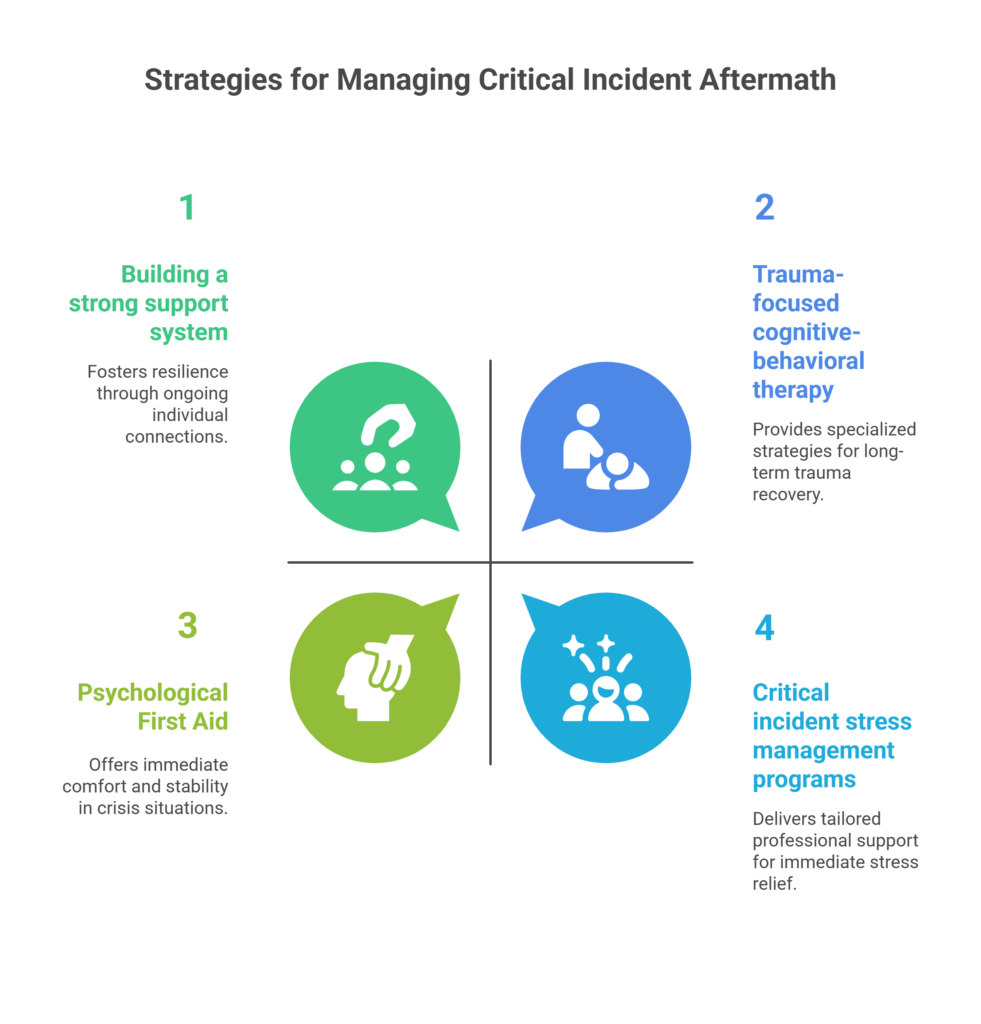
After a crisis hits, it’s super important to offer some Psychological First Aid (PFA) for those caught in the storm. This isn’t about slinging bandages; it’s about offering mental comforting with three core steps: listening like you mean it, having leaders who are there to help, and making people feel steady and firm again.
Active Listening & Safe Spaces
Playing listener-in-chief is a big part of easing someone’s mind after things go pear-shaped. Just being there, genuinely hearing what folks have to say without throwing shade, lets ’em know they’re not alone in this mess. Creating a spot where folks can talk without worries of being judged—this is key. Nod along, ask gently, and give them that mental room to breathe and heal.
Making sure the area is chill, free from the chaos of everyday madness, allows sharing and feeling to come more naturally. It’s not just about ear-bending; it’s a whole-body presence, letting them know it’s okay to feel and express. Encouragement and empathy—they’re not just fancy words but necessary tools in this kit.
Support from Managers & Leaders
Now, if you lead the herd, you’re gonna want to step up. Your support can turn a rough ride into something more bearable. Listening is part of your job—being that understanding figure who’s down to earth and approachable can help lighten the mood even in challenging times. Leaders don’t always have the answers, but they sure can create a vibe of togetherness and trust.
When things pop off, your team looks to you. You gotta be all about transparency and clear talks, addressing the issues head-on. Picking up morale with a nod to what your folks are going through, alongside some real honest-to-goodness thanks, can work wonders for everyone’s get-up-and-go.
Providing Stability & Reassurance
At the heart of PFA is making folks feel like the ground under their feet isn’t shaking. Establishing some groundwork where they know today’s gonna roll into tomorrow in a predictable fashion helps ease jittery nerves. Being the rock, providing advice and real things they can do, helps keep those anxiety gremlins in check.
A steady word from trained helpers, responsible leaders, and just humans who care—they offer warmth amidst the fog. Assuring them that this battle isn’t one fought alone, that there’s light and help down the track, spreads hope. Help them with steps for self-care, point to support services, and you’re not just offering relief—you’re lighting up paths of resilience.
Recognizing all this—listening ears, safe places, strong leaders, and the calm after the storm—you lay the foundation. These are the bricks paving the way to recovery and strength for folks riding out the psychological hurricane after they’ve taken a hit.
Professional Support for Recovery
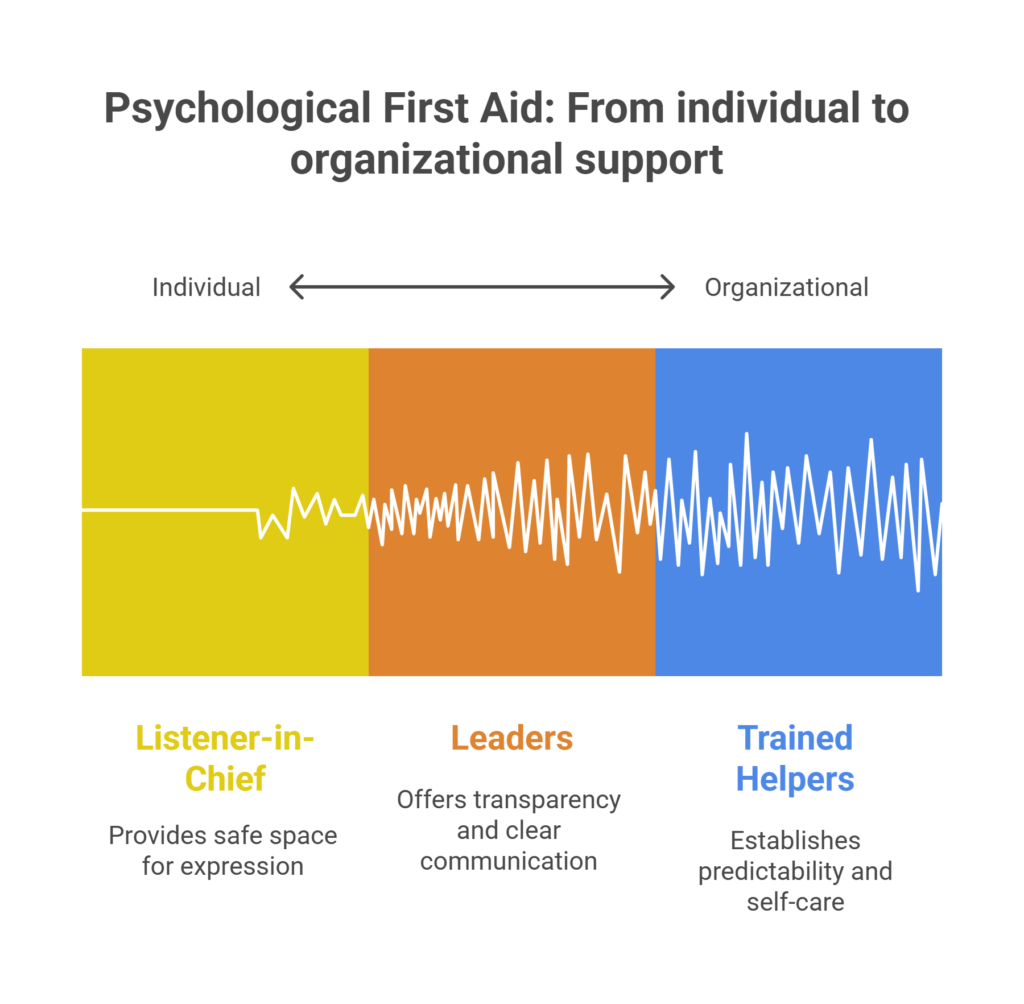
Getting professional help after experiencing trauma—it’s a game-changer. Whether you’re sitting down with someone in person or hopping online for a chat, knowing where to turn and what resources are out there is like having a survival kit for your heart and mind.
Accessing Mental Health Providers
Team up with local mental health pros, and boom, you’re on your way to feeling better after a rough patch. These folks are trained in all the right stuff. We’re talking trauma-focused cognitive-behavioral therapy (trauma-focused cognitive-behavioral therapy), crisis intervention know-how (crisis intervention counseling techniques), and other smart moves that help you bounce back and build strength.
On-Site or Virtual Counseling
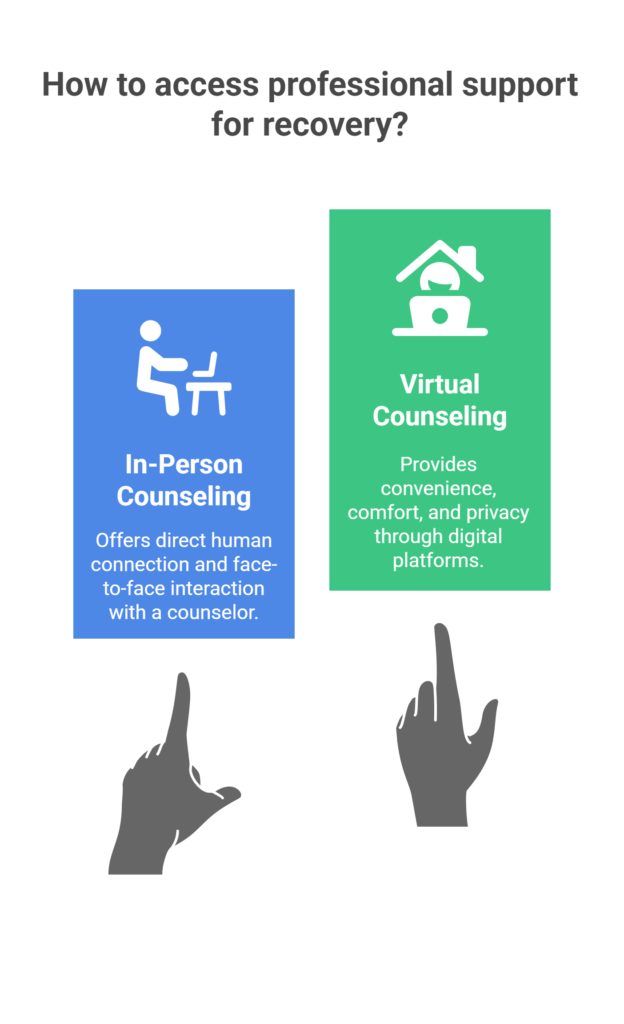
Whether you prefer sitting across a desk or lounging on your couch with a laptop, having choices for how to get help makes it so much easier. In-person talks mean face time with your counselor—it’s all about that human connection. But if you’d rather keep it digital, virtual counseling is your best buddy—convenient, comfy, private.
Resource Recommendations
A handy list of life-savers—like crisis hotlines, shrinks, and group chats—gives people the superpower to take action on their recovery road. This list is crucial if you’re looking for a bit more than just therapy sessions. We’re talking tips on handling life’s knocks (coping strategies for traumatic events) and activities to build up your resilience, especially if you’re on the front lines yourself (resilience-building activities for emergency responders).
In crisis moments, having a pro to talk to is a must for dealing with the mental whirlwind that follows a critical incident. By rallying together with mental health providers, people can tap into the care and help they need to get back to their feet. Getting help isn’t a weakness, it’s a power move. By reaching out, folks can work their way back to feeling strong and sturdy again.
Organizational Support Post-Incident
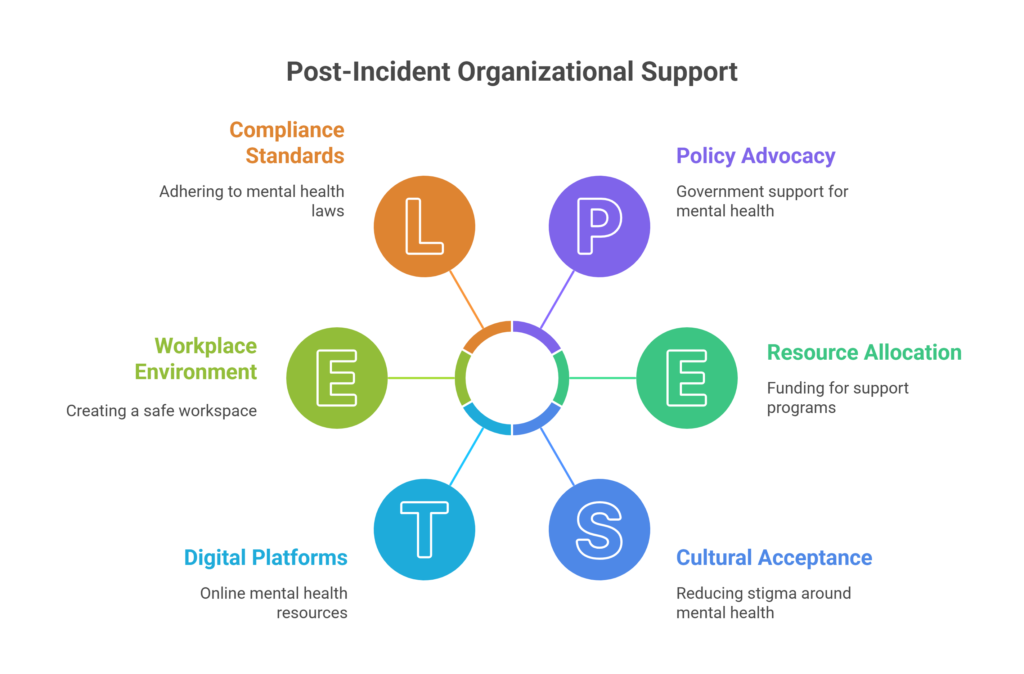
After something major shakes up the workplace, it’s crucial to rally around those affected and get them back on track. Creating an environment that’s supportive and comforting helps folks deal with stress and bounce back. Here’s how to make sure folks feel cared for after a storm hits:
Cultivating a Supportive Culture
Think of building a support base like throwing a cozy blanket over everyone. Folks need to feel safe, valued, and listened to. Letting people spill what’s on their minds—whether it’s worries, fears, or loads of ideas—is vital after chaos. Encourage talking it out, so no one feels they’re facing the world alone.
Open Dialogues & Trauma Education
Getting everyone talking is like opening up a pressure valve. It can help build understanding and bring compassion to the surface. Teaching the ins and outs of trauma and stress can turn on a light bulb for people about what they might be going through. With this knowledge, they’re more likely to seek help and support when things get heavy.
Regular Employee Check-Ins
A quick chat with the folks at work, just to see how they’re holding up or if they’re frazzled, can go a long way. Checking in regularly shows folks you care and want to be there for them. It helps to gauge how they’re doing post-chaos and gives a window to offer any extra support if needed. Routine check-ins can catch issues before they snowball and make everyone feel like they’ve got a teammate cheering them on.
By weaving these practices into everyday life at work, you’re helping to create a place where healing and bouncing back can happen. Having those talks, learning about stress, and checking in are key pieces to making sure folks can find their footing again after life’s thrown them a curveball.
Technology for Mental Health Support
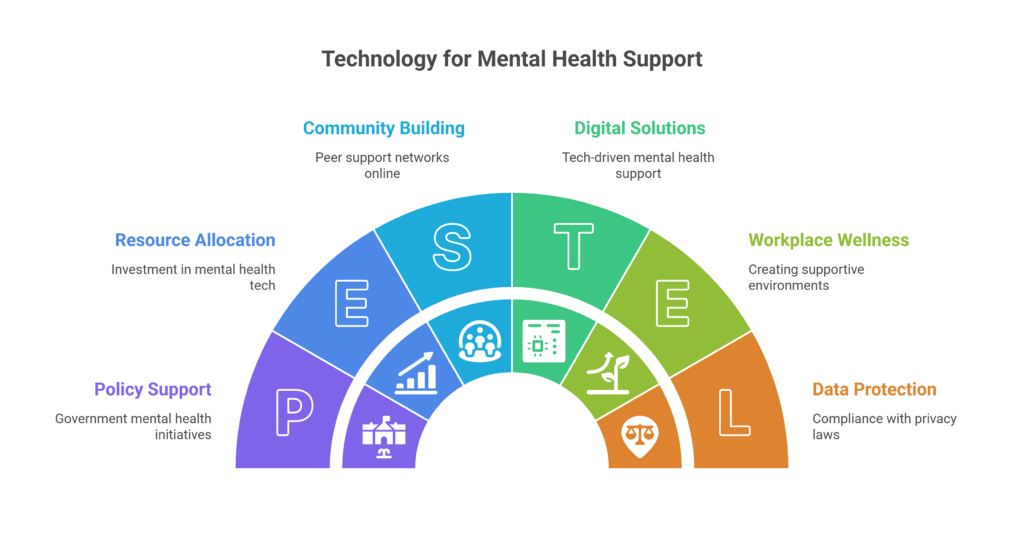
Our gadgets and gizmos ain’t just for games and cat videos anymore—they’ve got a vital role in helping us tackle mental health challenges, especially when we’re hit by life’s curveballs. For folks feeling the weight of tough experiences, technology steps up as a helping hand. Let’s break down three key tech tools in this space: digital surveys and feedback, promoting mental health apps, and virtual peer support groups.
Digital Surveys & Feedback
Picture this: companies getting serious about mental health by shooting out some quick questions online. Digital surveys and feedback systems are game-changers, letting organizations get a peek into how people are really feeling after going through tough spots. They ask about stress levels, emotions, and whether the support that’s already there is cutting it. And because it’s all anonymous, folks can be real without worrying about any side-eye.
This kind of immediate, straight-up feedback helps companies hop on issues before they turn gnarly. Making sure everyone knows they’re free to voice what’s on their mind shows that mental health is a real priority.
Mental Health Apps Promotion
These days, your phone can help keep your mind in check—there are tons of apps for that! Encouraging folks to try out mental health apps puts the power of well-being right in their hands. These apps are like digital toolboxes packed with resources from stress busters and chill-out techniques to guided meditations and all sorts of self-help goodies.
Organizations that spotlight well-reviewed apps help folks get into the swing of looking after themselves. Whether someone’s battling stress, anxious vibes, or past trauma, these apps can help people toughen up and smooth out those coping skills. Getting the word out on these apps shows how important it is to keep your mind in shape.
Virtual Peer Support Groups
Let’s get real for a moment. Sometimes, chatting with people who’ve been through the same type of hell you have is priceless. Virtual peer support groups set up these gut-level honest spaces to connect. They’re like a comforting hug from people who get your struggle. Through group chats and sharing, members can speak their truth and get the nod of understanding they so need.
Being part of these groups helps shake off that lonely feeling and builds a sense of community. Sharing tips and tricks on managing stress and hearing “You’re not alone” can really make a difference in healing. These circles create a web of support that’s all about camaraderie and encouragement when facing tough times.
Embracing tech like digital surveys, mental health apps, and virtual peer groups isn’t just about staying hip with the future—it’s about stepping up to make mental health support easier to get and more effective. Using these tech tools in mental health care highlights a genuine effort to stand by folks and build resilience when life gets rough.
(Psychological Effects of Critical Incidents)