
Understanding PTSD Prevention
Early Interventions for PTSD
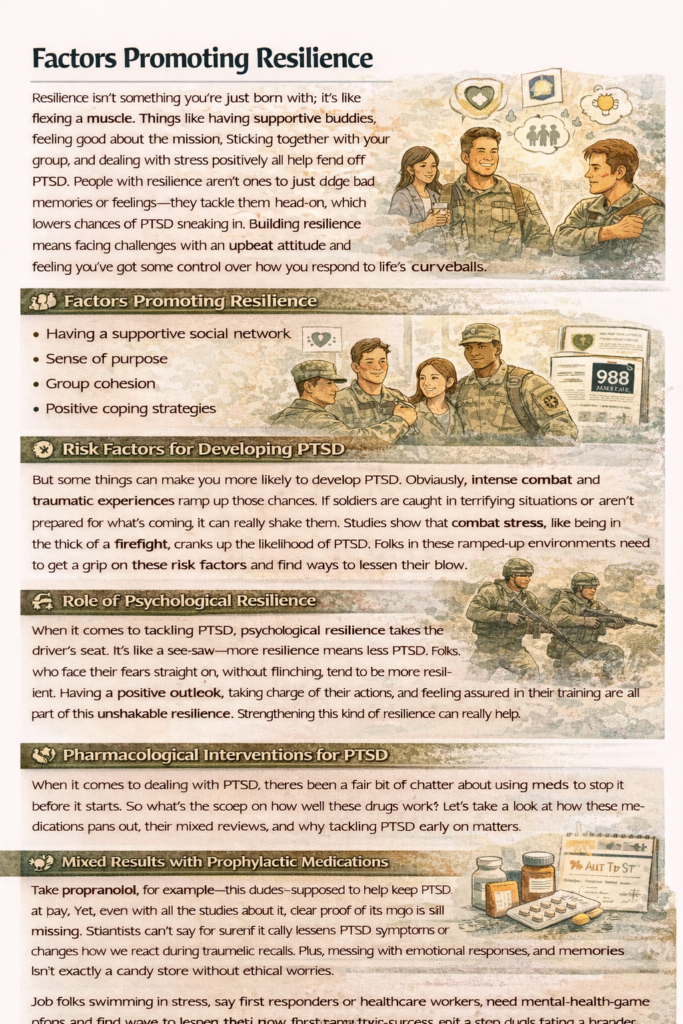
I’ve been digging into this whole thing about stopping post-traumatic stress disorder (PTSD) before it really kicks in. After something earth-shattering happens, jumping in with early help can seriously make a difference. The research folks have been telling us that these early moves are a game-changer, especially when it comes to really tough stuff like sexual assault. They’ve noticed a pretty big drop in those nasty PTSD symptoms just a couple of months after stepping in early – say, between 2 and 12 months – when you stack it against the usual kind of care (NCBI).
Natural Regression of PTSD Symptoms
Right after something traumatic, like a sexual assault, people tend to be swamped by a whole bunch of PTSD symptoms. It’s common as rain to see about 94% of folks with full-blown PTSD signs within a week of the event. But hey, as weeks roll into months, things tend to ease up on their own. By about three months, the number of people still grappling with it shrinks to like 45-48%. This natural ease-up speaks volumes about how tough people can be and how symptoms kinda simmer down with time (NCBI).
Consequences of PTSD
PTSD is no joke with its ripple effects on people who’ve gone through sexual assault. It’s a common aftermath, striking about 30-50% of those folks. The trouble is, PTSD doesn’t just waltz away quickly. It can hang around for over 9 years, turning life upside down for them – messing with their social lives, relationships, and work stuff (NCBI).
This chaos from PTSD doesn’t stop at just affecting the person – it shoots up the costs for treatment and care and makes finding help a needle-in-a-haystack thing without prompt action. That’s why catching it early after a traumatic scene is a must if we want to cut down on the PTSD spread and the headaches that come with it. Spot it soon and jump in with help, and you’re setting up a smoother ride and better future for folks hit by life’s big punches.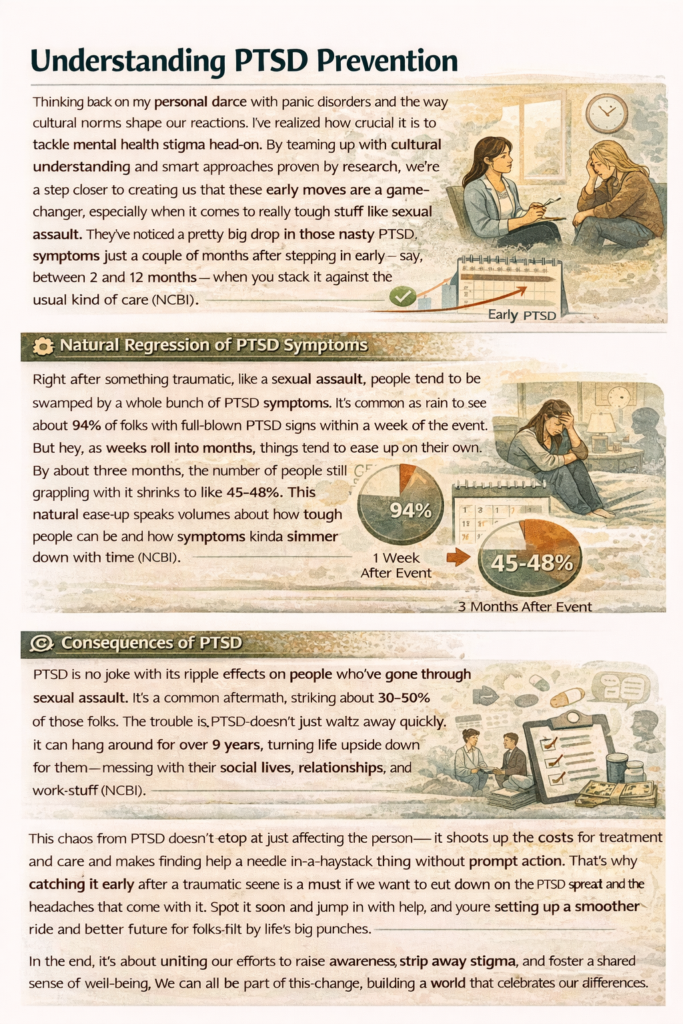
Interventions Post-Trauma
Dealing with the chaos after a critical incident ain’t no walk in the park. But getting on the prompt wagon of intervention can make a big difference in handling the trauma. I’m gonna chat about why getting help fast matters, what nudges post-traumatic stress disorder (PTSD) to barge in, and why you shouldn’t be shy about reaching out when life feels like it’s doing somersaults.
The Need for Speed in Treatment
Once you’ve taken a rough ride through a traumatic event, getting help sooner rather than later is smart. Dodge those spiraling symptoms and make life a tad easier (Mayo Clinic). Chatting with mental health pros can throw you a lifeline, helping tackle the headspace turmoil and warding off full-blown PTSD.
The Rolodex of PTSD Onset
Unpacking the Pandora’s box of PTSD isn’t cut and dry; it’s a cocktail of stuff, really. The triggers are like a jigsaw puzzle with bits like the wild intensity of the trauma, any mental storm clouds you had before, and the kind of backup squad you’ve got after it all blows over (Mayo Clinic). Docs and experts are still playing detective with this syndrome, trying to piece together why PTSD picks some folks over others.
Why Help Straight Away is a Game Changer
When life throws you lemons in the shape of a big, gnarly incident, don’t bottle it up. Getting help quickly stops stress from snowballing into PTSD (Mayo Clinic). Your fave supports, from best buds to therapists, can work like a super squad, helping you stick it out and find some mental peace.
Folks like first responders, medics, and anyone caught in a trauma typhoon should totally appreciate how early action can change the game. Being clued up about fast-tracking treatment, understanding the roots of PTSD, and valuing support can steer you back to mental clarity and resilience. Keeping yourself in the know lets you grab the reins of your mental health after a stormy ride.
Risk and Prevalence of PTSD
Let’s get a grip on the risks and how often Post-Traumatic Stress Disorder (PTSD) pops up. This is super important for handling critical incident stress right, and can help steer us towards better ways to prevent and deal with it. Here, I’ll lay out some stats on PTSD, reasons why it happens, and point you to some online help for mental health, just in case.
Statistics on PTSD Prevalence
Grab this: about 6 out of every 100 folks will deal with PTSD at some point. It’s more common in women than in men (NIMH). Turns out, rough experiences aren’t rare. Resnick and team mention that 69% of adult women in the U.S. have faced trauma, and the National Comorbidity Survey says a big chunk of both men and women have been through something traumatic at least once (AHRQ). These numbers make it clear why we gotta be on the ball in dealing with this stuff early.
Factors Affecting PTSD Development
PTSD isn’t picky—it can come from the nature of the traumatic event itself or from biological stuff like your family’s medical history. Getting what’s behind PTSD is key to coming up with a solid game plan to prevent it. By figuring out what ramps up the risk of PTSD, mental health pros and everyone else can work on dodging these risks and staying tough when life’s messy.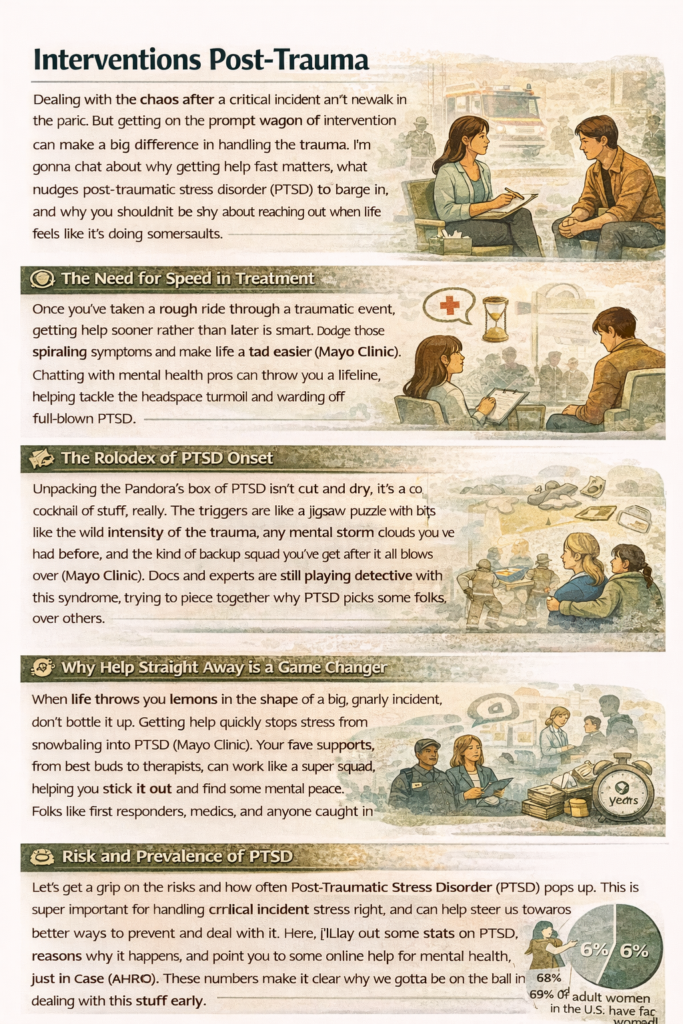
Online Resources for Mental Health Support
Getting some mental health support is key for folks rocked by major events or involved in crisis programs. The Substance Abuse and Mental Health Services Administration offers a nifty online tool to help folks find mental health services nearby. Plus, there are pointers on talking with doctors about mental health (NIMH). Having these resources handy helps connect people with the right care, playing a huge role in keeping PTSD at bay and dealing when it hits.
Tackling PTSD’s risks and dishing out access to mental health goodies is vital in a thorough critical incident stress management strategy. By blending these practices into crisis programs, everyone—organizations, pros, and individuals—can jump in together to stop PTSD in its tracks and soften its blow.
Prevention Programs
Let’s chat about crisis intervention for PTSD prevention. We’ve all heard stories of the impact that life-altering events can have on folks, but what’s less talked about are the programs out there that help folks sidestep the effects of traumatic experiences. We’ve got programs on deck for reducing traumatic exposure, tackling PTSD before it starts, and zeroing in on Acute Stress Disorder (ASD).
Strategies to Reduce Traumatic Events
It’s pretty clear that having less trauma in the first place makes a world of difference in keeping PTSD at bay. Think of it like a toolbox filled with safety measures and responder training that helps folks avoid getting caught in the storm. With solid safety practices, killer training for our first-line heroes, and a knack for spotting trouble before it kicks up dust, organizations can seriously cut down how often these events happen. It’s really about being alert beforehand and setting up guards before things go south.
Effective Interventions for PTSD Prevention
When it comes to squashing the bud before PTSD blooms, a mixed bag of proactive tactics does the trick. Spotting those early warning signs of trauma-like your spider sense tingling-then stepping in with heart-to-heart talks, trauma-focused cognitive-behavioral therapy, and crisis chat strategies really hits home. Jumping into action quick-style helps folks deal with those instant shock waves, dealing a hefty blow to future PTSD woes. Think of it as helping people understand their whirlwind, finding ways to handle it, and emerging a bit more battle-ready.
Focus on Acute Stress Disorder (ASD)
ASD is like the warm-up act that often leads into the full PTSD concert. But focusing on treating ASD before it becomes the main event can really make all the difference. Catching folks with ASD and lending a helping hand early on sets the stage for less intense symptoms down the road, sometimes stopping the PTSD train in its tracks. This angle underlines jumping in early and softening those acute stress hits to save folks from facing the long-term rainclouds of psychological stress.
When it comes to stopping PTSD in its tracks, it’s all about throwing together programs that respect the quirks and pasts of those caught up in trauma. Bringing together steps to dodge trauma, tried-and-true methods to fight off PTSD, and a laser focus on acute stress reactions, we’re working towards a world where folks are not just surviving but thriving after critical incidents.
Protective and Risk Factors
When dealing with PTSD after a crisis, figuring out what helps build resilience and what might make someone more likely to develop PTSD is pivotal. These factors are like traffic signs guiding how people react to life’s toughest moments.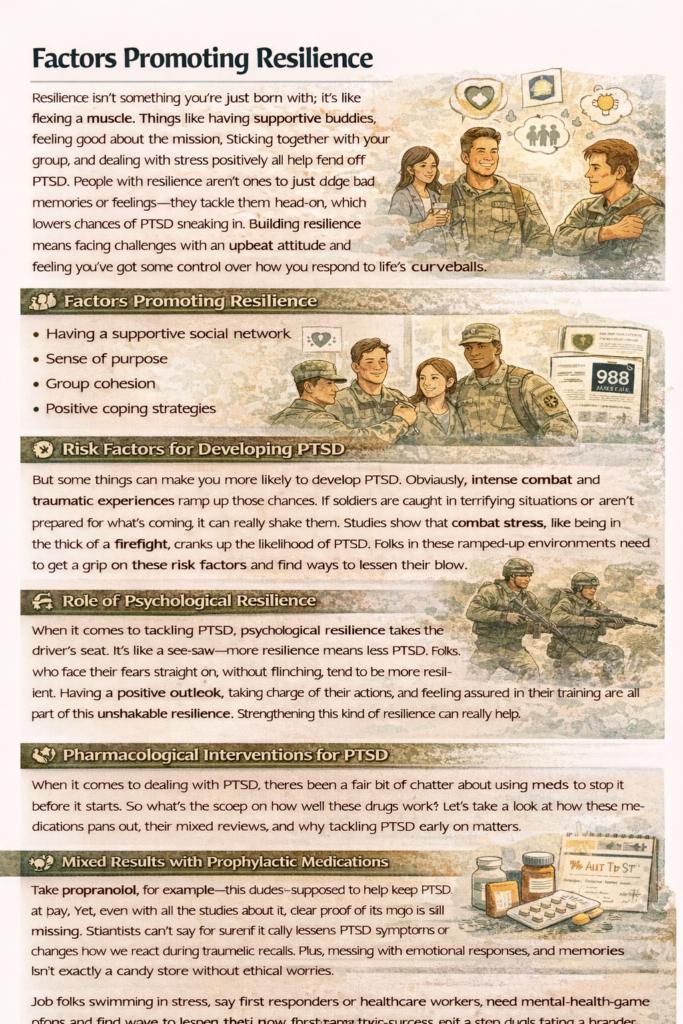
Factors Promoting Resilience
Resilience isn’t something you’re just born with; it’s like flexing a muscle. Things like having supportive buddies, feeling good about the mission, sticking together with your group, and dealing with stress positively all help fend off PTSD. People with resilience aren’t ones to just dodge bad memories or feelings – they tackle them head-on, which lowers chances of PTSD sneaking in. Building resilience means facing challenges with an upbeat attitude and feeling you’ve got some control over how you respond to life’s curveballs.
Risk Factors for Developing PTSD
But some things can make you more likely to develop PTSD. Obviously, intense combat and traumatic experiences ramp up those chances. If soldiers are caught in terrifying situations or aren’t prepared for what’s coming, it can really shake them. Studies show that combat stress, like being in the thick of a firefight, cranks up the likelihood of PTSD. Folks in these ramped-up environments need to get a grip on these risk factors and find ways to lessen their blow.
Role of Psychological Resilience
When it comes to tackling PTSD, psychological resilience takes the driver’s seat. It’s like a see-saw – more resilience means less PTSD. Folks who face their fears straight on, without flinching, tend to be more resilient. Having a positive outlook, taking charge of their actions, and feeling assured in their training are all part of this unshakable resilience. Strengthening this kind of resilience can really help people manage the fallout from crises and avoid the PTSD pitfall.
Understanding these resilience builders and risk factors is like putting armor on first responders, healthcare folks, and anyone who’s been through a traumatic ordeal. Action steps can be anything from finding support, leaning on coping methods, to building a community. All these can help you boost resilience and dial down the PTSD risk after intense incidents. So, pull in those around you, face your challenges, and remember, you’re not alone on this resilience journey.
Pharmacological Interventions for PTSD
When it comes to dealing with PTSD, there’s been a fair bit of chatter about using meds to stop it before it starts. So, what’s the scoop on how well these drugs work? Let’s take a look at how these medications pans out, their mixed reviews, and why tackling PTSD early on matters.
Effectiveness of Pharmacological Treatments
Researchers have dug into various meds like painkillers, benzodiazepines, propranolol, and SSRIs to see if they can prevent PTSD. Some studies hinted at good news, noting that these medications might say “not today” to PTSD symptoms, but the jury’s still out on their overall success. The findings are all over the map—some say yay, while others just shrug (AHRQ).
Mixed Results with Prophylactic Medications
Take propranolol, for example—this dude’s supposed to help keep PTSD at bay. Yet, even with all the studies about it, clear proof of its mojo is still missing. Scientists can’t say for sure if it really lessens PTSD symptoms or changes how we react during traumatic recalls. Plus, messing with emotional responses and memories isn’t exactly a candy store without ethical worries.
Importance of Preventive Efforts
When we’re talking about crisis intervention, stopping PTSD from popping up in the first place is huge. Meds have had their shot as preventive measures, but since their success isn’t a slam dunk, taking a broader approach to prevention becomes key.
This is where early interventions like trauma-focused cognitive-behavioral therapy (trauma-focused CBT) and critical incident stress management (CISM) jump into action. These strategies help people deal with traumatic events head-on. Mixing these proven interventions with continuous support really strengthens resilience and helps dodge PTSD.
Job folks swimming in stress, say first responders or healthcare workers, need mental-health game plans. Think psychological debriefings, stress-busting practices, and mental health resources made just for them. By shining the light on prevention and throwing in a mix of crisis intervention tricks, we’re setting the stage for a supportive, bounce-back spot for anyone standing on the edge of traumatic happenings.