
 Understanding Seasonal Anxiety
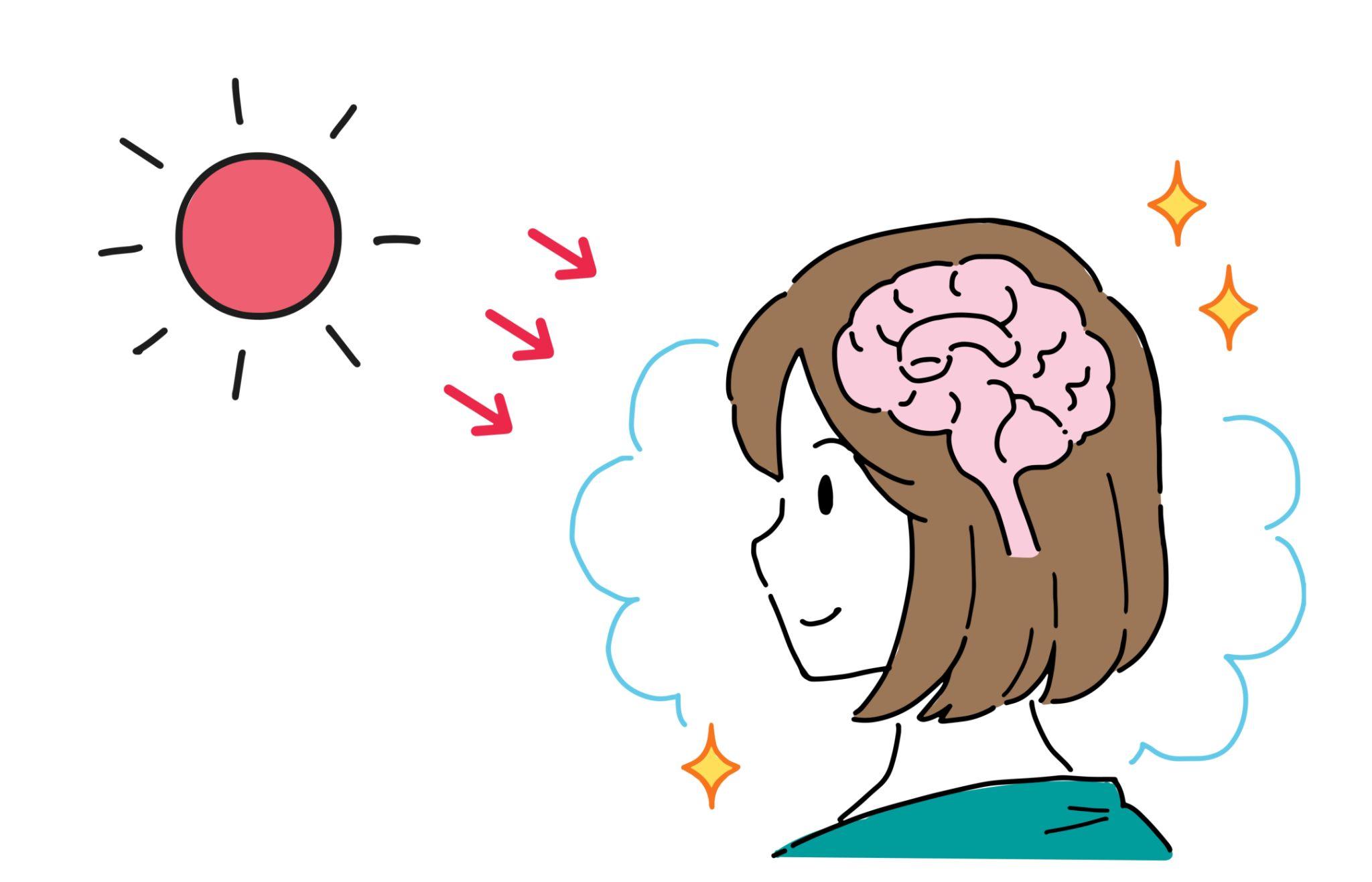
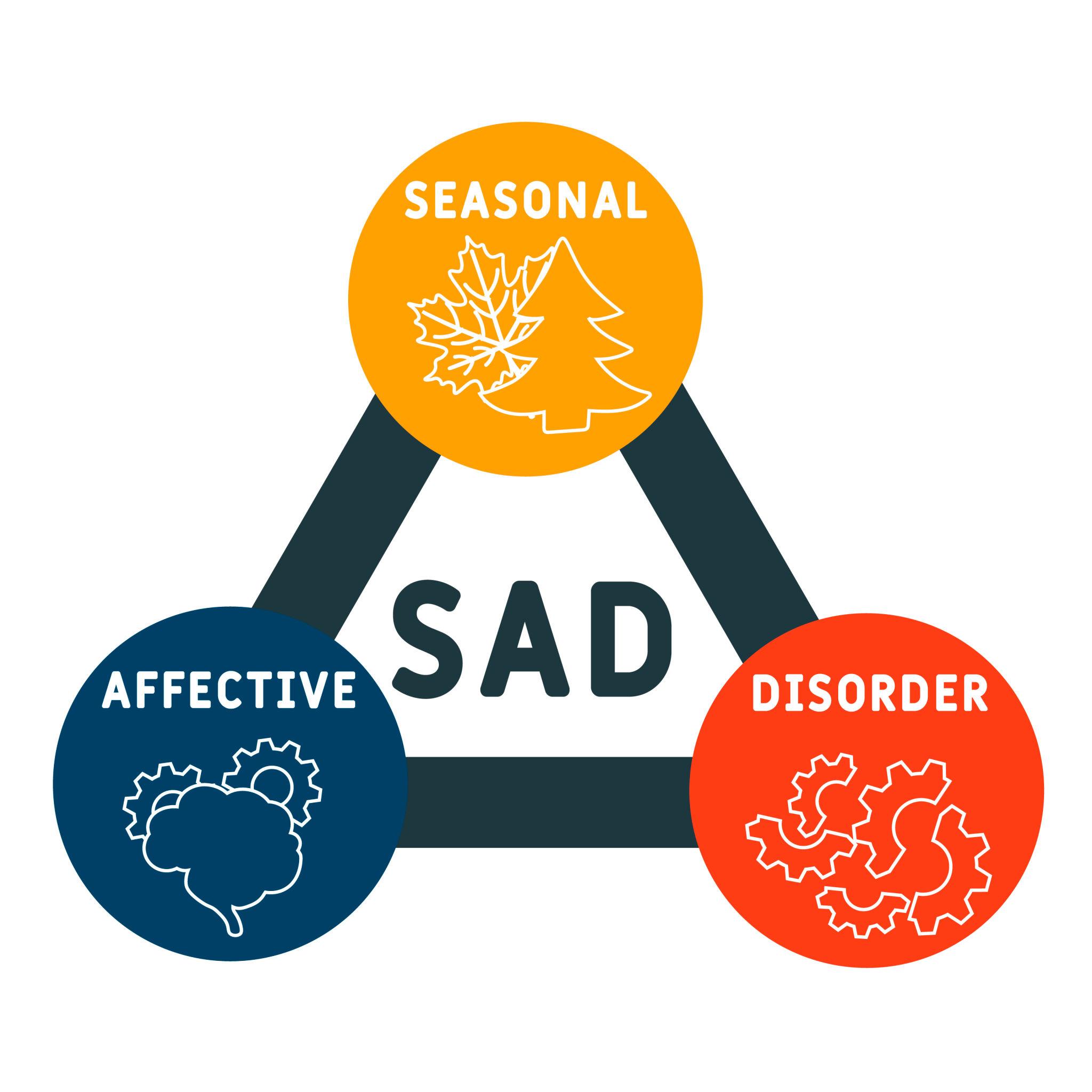
Seasonal anxiety, often linked with the all-too-familiar seasonal affective disorder, or SAD, flips life upside down during particular seasons, usually in those dreary winter months. But hey, it’s not strictly a frosty problem. Anxiety tied to the change of seasons can pop up anytime, often nudged along by big weather changes. You know, like when fall hits hard, and you blink, and suddenly, it’s snowing (RockBridge Counseling).
Take it from those who’ve lived through it. There’s Sarah, who when winter rolls in, feels like the walls are closing in on her. Her anxiety spikes, and she’s stuck indoors, twitching at every flake. Then there’s Tom, dealing with those wild mood swings each time Midwest weather throws him a curveball with sudden storms and temp drops. And Emily’s got her own story; spring’s extended daylight freaks her out, leaving her stressed and anxious (RockBridge Counseling).
Research has pointed out the bond between the changing seasons and our mental wellness. The sneaky SAD creeps in mainly in winter, thanks to the dim light vibes. Plus, when Mother Nature throws out some extreme weather fits—like tornadoes or floods—they can amp up anyone’s anxiety (RockBridge Counseling).
About millions in the U.S. tango with SAD, mostly starting in those young adult years. More women get caught up in it than the fellas, especially up north where winters have way less daylight. It’s like, the further from the equator, the darker it gets (National Institute of Mental Health).
Folks dealing with SAD, specifically the winter version, often see their serotonin levels taking a nosedive. You know, the brain chemical that keeps us from losing our minds. Less daylight? Yeah, not helping that. Throw in a lack of vitamin D for good measure, and no wonder people feel even worse since it’s said to boost serotonin in the first place (NIMH).
Putting the puzzle pieces of seasonal changes and mental health together can help anyone caught in this seasonal mess take stock. Spotting what kicks off the anxiety and how it shows up means you’re one step closer to handling your mental battles and surviving those tough seasonal curves.
Seasonal Patterns in Panic Attacks
Dealing with how the seasons affect panic attacks is a big part of managing them. It’s like Mother Nature herself knows how to push our buttons, making life a little more intense during certain months. Notably, August and December tend to bring more panic attacks out of hiding.
Seasonal Peaks in Panic Attacks
Experts and everyday folks alike have noticed a spike in anxiety and mood swings in winter for those struggling with panic. A deep dive into the lives of 133 brave souls showed that their experience with seasonal mood swings was more frequent than the average person’s battle. This wave of anxiety in winter ties closely to a condition known as Seasonal Affective Disorder, or SAD for short. It’s key to have a buffer plan stacked up for when these seasonal blues hit hardest.
Connection to Seasonal Affective Disorder (SAD)
SAD, bless its heart, is like that nosy neighbor that only drops by during late fall and winter, then disappears as soon as the sun hangs around longer in spring and summer. When it’s winter, our serotonin, a main player in our brain for keeping our spirits up, decides to take a nap due to less sunlight. This can make those of us with SAD feel like we’re battling uphill with a weight tied to our ankles.
The link between anxiety and the changing seasons isn’t just small talk—it’s a big deal affecting mental health. It’s crucial for those of us to get wise on how different seasons can mess with our anxiety levels. The right strategy can make a world of difference. And if winter has you or someone close feeling frazzled, it’s worth considering talking it out with a professional who can help paint a brighter picture on those dreary days.
Triggers of Seasonal Anxiety
Ah, good ol’ seasonal anxiety. Every year, as predictable as pumpkin spice products hitting the stores, it sneaks up on us. Like a nosy neighbor, the weather shifts can really mess with our minds.
Weather Shifts and Anxiety
It feels like Mother Nature has her moods, which seem to toy with ours. When the days start getting shorter, and the sun decides to clock out early, some folks might start feeling a little off. Think about transitioning from those summer shorts to bulky winter coats—it’s not just a wardrobe change. It can stir up anxiety for some of us. If you’ve ever noticed your spirits dropping alongside the temperature, you’re not alone. The gloom can weigh on moods, making everything seem a bit more challenging than usual.
And let’s not forget about those wild weather events—tornadoes, floods, wildfires! They don’t just destroy landscapes (oops, said I wouldn’t use that word!). They can also ratchet up our stress and fry our nerves. The constant fear of the unknown can worsen anxiety, making us feel like we’re constantly on edge.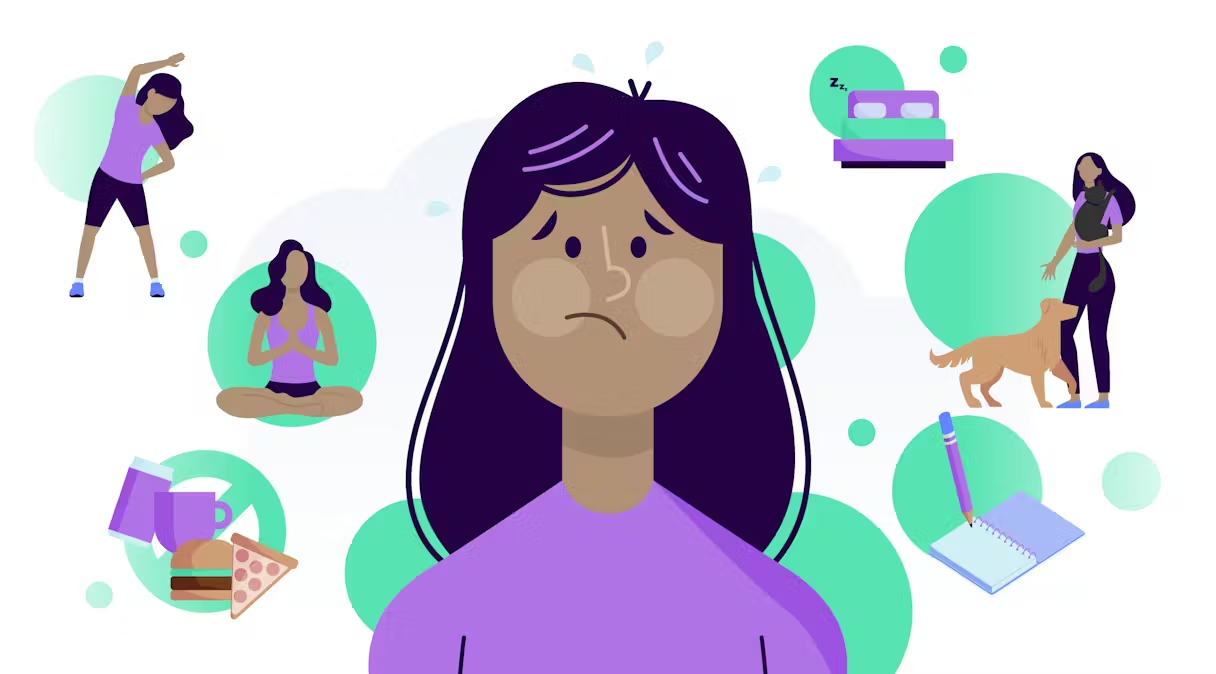
Effects of Seasonal Weather Patterns
I bet you’ve heard of Seasonal Affective Disorder (SAD)—sounds kind of fitting, right? It’s that gloomy cloud that decides to hang around in winter, just when you’re already missing the sun. When daylight takes a winter break, it’s like our brains forget how to make the chemicals that keep us feeling good.
If the winter blahs hit you hard, it might be worth trying out a few methods to fight back. There’s light therapy, where you basically bask under a bright lightbox for a while each day—like bringing a piece of summer into your living room. People also use therapy, Vitamin D supplements, or sometimes if things get really tough, antidepressants. Bottom line? You don’t have to fight it all by yourself.
Recognizing how our emotional ups and downs tie in with Nature’s antics can really help us handle them better. Instead of letting anxiety creep up and take over, acknowledging these seasonal triggers can be a game changer. Try to find what works for you to lift those heavy blankets of gloom and let a bit of sunshine in—even if it’s metaphorical. Because you, my friend, deserve to feel good, no matter the season.
Coping Strategies for Seasonal Anxiety
Dealing with anxiety that seems to change with the seasons can be a real struggle. Lucky for us, there are some methods I’ve found to keep those nerves at bay, like soaking up some light and staying on top of my sleep game. These small changes can make a world of difference when anxiety kicks up.
Light Therapy and Sunlight Exposure
When those gray skies start to bring me down, I look to light therapy like it’s a superhero for Seasonal Affective Disorder (SAD). Sunlight boosts our mood by upping serotonin, keeping those gloomy feelings at bay according to the folks at the Jefferson Center. But when Mother Nature decides to hide the sun, special lamps can step up to the plate, giving us the light dose we need.
It’s not rocket science. Just sit by one of those lamps for about half an hour at breakfast time. Light boxes are magic for the winter blues, working to replace the sun’s hugs we miss out on when it’s cold and dark outside. The National Institute of Mental Health says getting into this routine can help keep the mood swings and panic at a low simmer.
Consistency in Sleep Patterns
Winter snooze patterns can be a bit wonky, right? Darkness messes with melatonin, leaving us feeling all out of sorts. But sticking to a sleep schedule can keep those brain chemicals in check, helping me stay mentally sharp and emotionally steady, as the Jefferson Center mentions.
Building a calming pre-sleep routine can be like wrapping yourself in a soft mental blanket, prepping the mind for peaceful slumber. It’s a small but mighty effort to keep anxiety at arms’ length when the seasons shift.
Switching on that light therapy and guarding my sleep like precious treasure is more than just self-care; it’s a shield against anxiety. By honing these habits, I feel a sense of control and calm, ready to roll with whatever the year brings, like a pro deep in zen mode.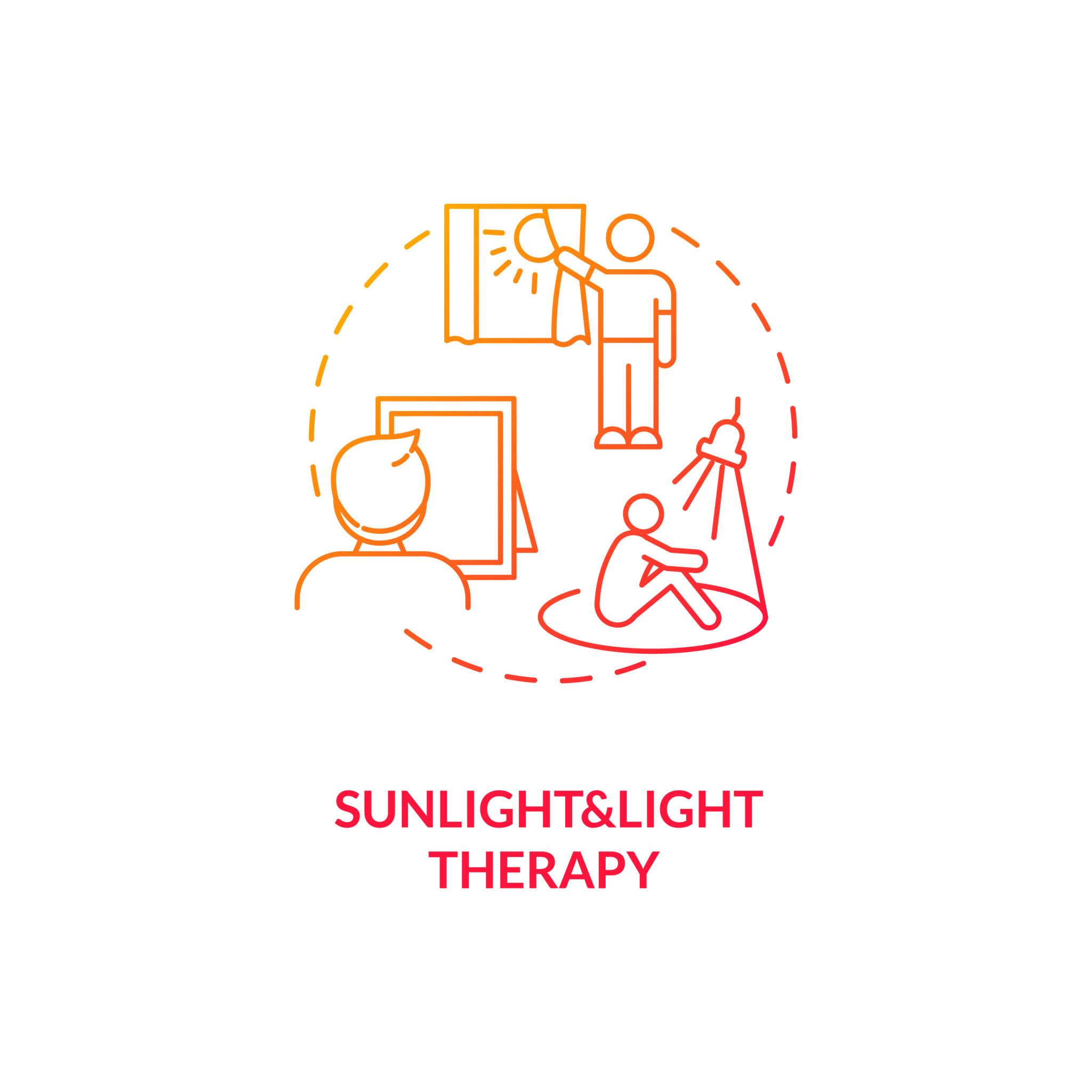
Lifestyle Adjustments for Seasonal Anxiety
When dealing with the ups and downs of changing seasons, some plain old life tweaks can do wonders for keeping anxiety at bay. We’re talking regular exercise and getting outside, two game-changers for folks feeling the seasonal blues.
The Power of Moving Your Body
Getting your sweat on is like having a secret weapon against those wintertime woes. Whether you’re jogging, lifting weights, or stretching out in yoga, shaking a leg for just 30 minutes daily can release those feel-good endorphins that help you tackle “meh” moods. The Jefferson Center even recommends a good workout to chase away winter blues, like Seasonal Affective Disorder (SAD).
When you’re out there moving, it’s not just your body that benefits. You’ll find yourself feeling happier, more energized, and maybe even a bit proud of your dedication. Sure, it’s great for the body, but it’s a natural way to lift the mind too. So when seasonal stress creeps in, trust in a little sweat therapy.
Embrace the Great Outdoors
There’s magic in a little sunshine and fresh air, particularly for those grappling with seasonal anxiety. Raindrops may be falling on your head, but when the sun peeks out, let it shine on you—it’s fantastic for your mood thanks to serotonin, the body’s mood booster. If stepping outside isn’t possible, consider bringing that sunlight indoors using special lamps that mimic natural rays, a tip wisely shared by the Jefferson Center.
Getting outside isn’t just about soaking up some rays; it’s a breath of fresh air, literally! A stroll in the park, a touch of gardening, or breaking a sweat with some outdoor sports can do wonders to lighten your mood and soften the grip of stress and anxiety. Mother Nature’s got our backs more than we give her credit for, so let’s make an effort to step out and embrace her offerings.
Being mindful of how exercise and outdoor time weave into our lives helps us stay ahead of anxiety’s sneaky seasonal attacks. These everyday habits don’t just boost our physical health but also fortify our mental defenses, keeping us strong and resilient when the atmosphere turns gray.
Seeking Help for Seasonal Anxiety
Dealing with seasonal anxiety can really throw a wrench into your life, and figuring out how to get a handle on it is super important. There are lots of ways to get the help you need, like chatting with mental health pros or even just realizing that you need a little nudge to get back on track.
Professional Mental Health Support
If winter makes you want to hibernate more than a bear, it might be time to talk to someone who knows their stuff. I’m talking therapists, psychologists, or even psychiatrists. They’re like personal trainers for your brain and can teach you how to sidestep those tricky seasonal traps (RockBridge Counseling). They’re pros at coming up with game plans that actually fit you, so you don’t have to argue with your brain about getting out of bed.
Maybe it’s traditional therapy sessions you need, like cognitive behavioral therapy (CBT) which has a good track record for people who feel like their mood follows daylight savings time (National Institute of Mental Health). A bit of professional help can shine a light on those dark corners of your mind, and give you the boost you need to keep seasonal stress from taking over.
Self-Recognition of Need for Assistance
Realizing your usual tactics aren’t cutting it anymore is a brave move. It’s all about owning up to what’s going on and deciding to do something about it. If you feel like your seasonal anxiety is making daily life a drag, reaching out isn’t just smart; it’s empowering (RockBridge Counseling).
This epiphany can lead to all sorts of helpful things, like confiding in a friend who’s always got your back, diving into online resources, or booking time with a counselor. By standing up and saying, “Enough’s enough,” you’re already heading in the right direction.
Just remember, you’re not trekking this path alone. Armed with the right advice and a support crew, tackling the seasonal blues head-on is totally in your reach. Keep your mental wellness front and center, and never hesitate to lean on others when you need it. You’ll soon find that you’re stronger than you think, no matter how short the winter days get.