
 Importance of Sleep Hygiene
I’m here to spill the beans on how getting your Z’s right can really help tackle those pesky panic attacks. We’re not just talking about a quick nap; we’re diving into what makes sleep hygiene a game-changer for your overall vibes and well-being.
Understanding Sleep Hygiene
Sleep hygiene isn’t just a fancy term. It’s about the little habits and patterns that make sure you’re nodding off well and waking up fresh. It’s basically life’s cheat code to feeling physically and mentally chipper. Nail these habits, and you’ll be dreaming easy. Good sleep means drifting off quicker, staying snoozing longer, and waking up with a well-rested smile.
Benefits of Good Sleep Habits
Getting in the groove with solid sleep habits works wonders. You’ll notice your productivity cranking up, your relationships getting smoother, and maybe even fewer colds ruining your week. Quality sleep isn’t just about keeping your body in check—it’s a huge boost for your mood and brainpower too. When sleep’s a priority, stress takes a backseat, and panic attacks might just hit the road. Now, who doesn’t want a slice of that happiness pie?
Embracing these sleep-friendly routines doesn’t just make you a morning person; it’s your secret weapon against panic attacks. By fitting these practices into your daily mix, you’re not just catching better sleep; you’re setting up a chill zone for your mind and body to tackle stress and anxiety when they pop up.
Impact of Anxiety on Sleep
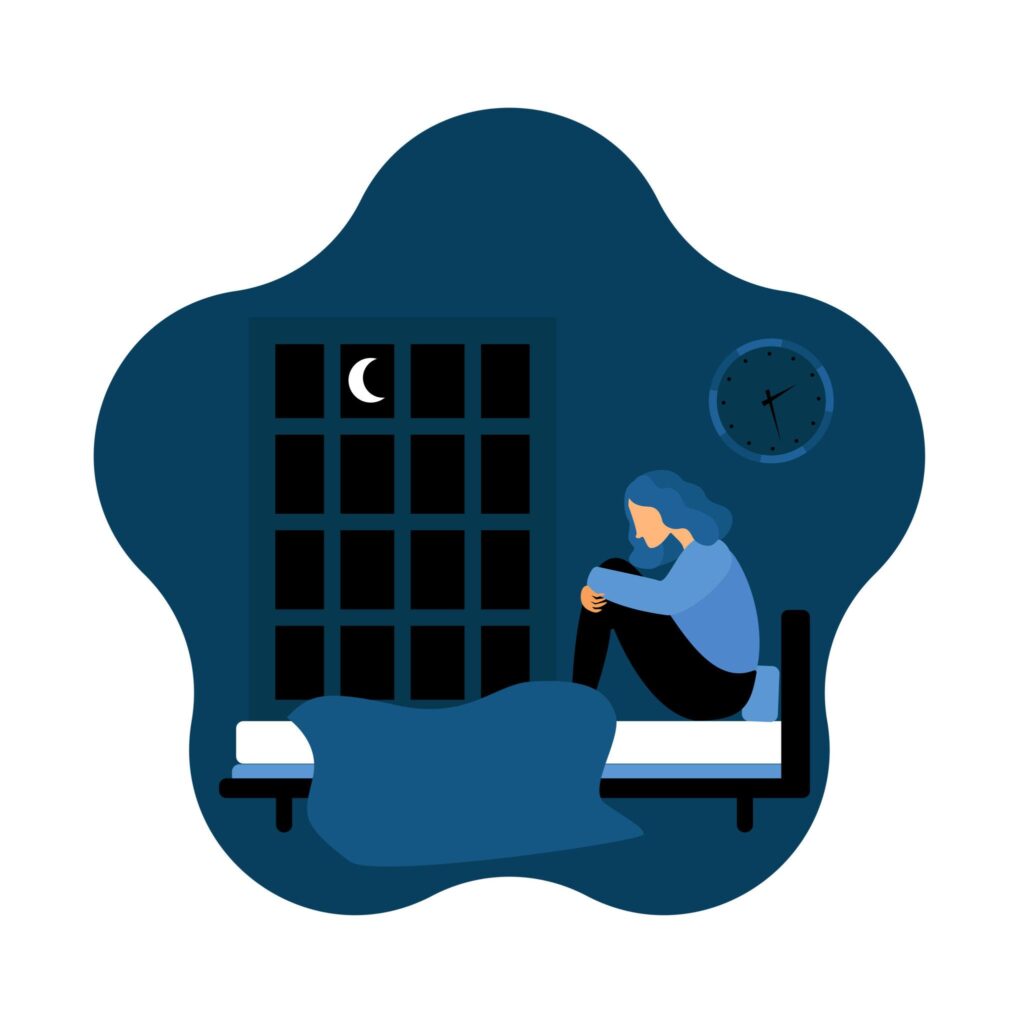
We’ve all had restless nights thanks to anxiety, right? It’s that unwelcome guest who overstays its welcome, especially when it comes to hitting the hay. While anxiety can show up in all sorts of unexpected ways, it’s the nightly toss-and-turn that really stands out. There’s a bit of a tangled dance between anxiety and sleep. One plays havoc with the other, messing with both how long and how well we sleep.
Anxiety and Sleep Quality
Feeling like your brain’s running a marathon when it’s supposed to be winding down? Yep, you’re not alone. Anxiety brings that all-too-familiar mental race, often leading straight to insomnia. When stress levels rocket, falling asleep feels like an Olympic event. The folks over at the Sleep Foundation have pointed out that sleep troubles like insomnia are a common companion for those wrestling with anxiety disorders. More than 90% of folks with PTSD, particularly following combat, struggle with sleep problems.
Anxiety Disorders and Insomnia
Here’s a kicker: people with anxiety are like light sleepers on heavy dose. They’re super-sensitive to stress, and that makes sleep a frequent casualty. It’s like anxiety leads the charge, poor sleep follows, and the cycle continues till you’re stuck in a loop. When sleep’s out of whack, it often nudges us towards the snack cupboard, paving the way to weight gain and even obesity. On the flip side, good sleep can steer us towards healthier food choices, keeping that waistline in check. Studies back this up, showing that a diet loaded with calcium, magnesium, and vitamins can help catch those elusive Zzz’s.
Over in Tabuk city, Saudi Arabia, a study found that sloppy sleep practices were a big red flag for depression (NCBI). Those feeling down in the dumps were more common among the bleary-eyed bad sleepers compared to folks with decent bedtime habits. It shines a light on why keeping solid sleep routines isn’t just good sense—it’s a shield against mental health blips.
So, what’s the takeaway here? Seeing how anxiety and sleep are intertwined reminds us of the value of focusing on good sleep habits. By choosing mindful lifestyle tweaks, setting up a calm sleep zone, and finding the right help, there’s hope. You can sleep better, tackle anxiety head-on, and boost your well-being all-around.
Relationship Between Sleep and Panic Disorders
Dealing with panic disorders really boils down to getting a handle on how sleep and anxiety play off each other. There’s a couple of spots where this gets really obvious: when you’re jolting awake in a full-blown panic and how these freak-outs mess with your snooze time overall.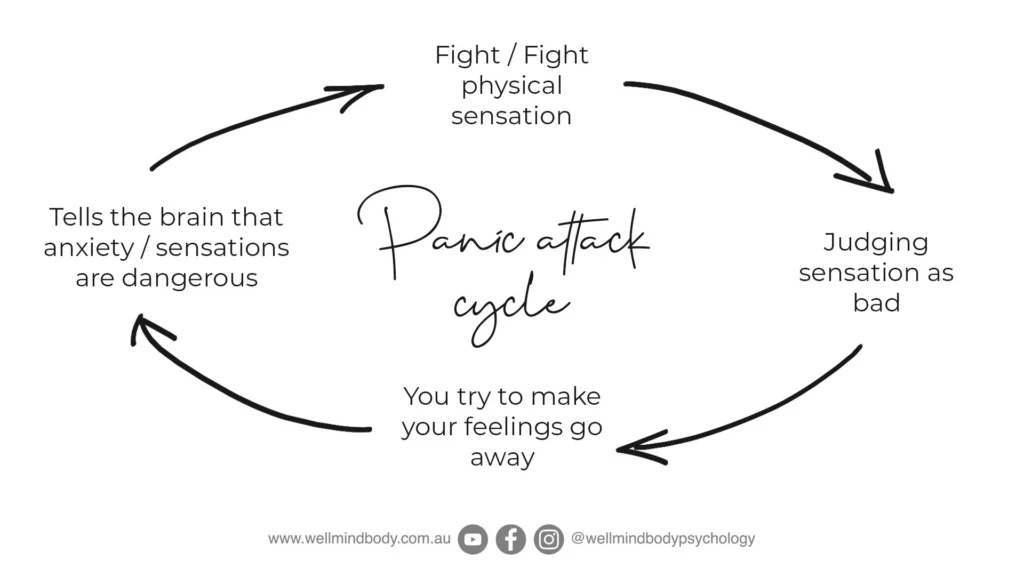
Nocturnal Panic Attacks
You’ve got those panic attacks that come outta nowhere in the middle of the night, which is a real sucker punch if you’re trying to just get some shut-eye. A good chunk, around 18% of all panic attacks, decide to strike when you’d least expect them, according to Dialogues in Clinical Neuroscience. These nighttime surprise attacks usually hit when you’re deep into late stage 2 or early stage 3 sleep and are different from your run-of-the-mill sleep terrors and nightmares.
Tackling these night attacks means getting creative with something like cognitive-behavioral therapy. This kind of help gives you tools to tackle those fear-conditioned responses or any avoidance you might have around sleeping. When you start breaking apart what sets these off and how you react to them, you get closer to reclaiming that sense of safety and calm when hitting the hay.
Panic Disorder and Sleep Disturbances
Living with panic disorder can seriously twist up your sleep schedule and wreck your snooze quality. When you’re constantly revved up by anxiety, it’s no wonder that the sandman keeps skipping your place. Trouble falling asleep, crashing into a fitful slumber, or waking up more exhausted than when you hit the sack are all too real. And when you’re tired, the panic gets worse, so it’s this nasty merry-go-round of anxiety and crappy sleep.
If you’re wrestling with both the panic and sleep issues, a whole-body approach might help. Think about setting up a cozy sleep spot and sticking to a rock-solid bedtime routine to give yourself a better chance at clocking those Z’s and unwinding before you turn in.
Making sense of how sleep and panic disorders are linked is key for finding ways to tackle both the anxiety that’s bubbling underneath and the sleep mess it creates. By zeroing in on tips to boost your sleep game and improve sleep quality, there’s a chance to take big steps toward wrangling those panic attacks and feeling better overall.
Strategies for Improving Sleep Hygiene
Let me tell ya, sleep hygiene isn’t just a buzzword—it’s a lifeline for folks dealing with panic attacks. Giving some TLC to the way you catch those Z’s can make a world of difference in shaking off those pesky nighttime worries. I’m gonna let you in on two strategies that’ll bolster your sleep game, and in turn, help you manage panic episodes like a pro.
Establishing a Sleep Routine
Imagine the night soothing you to sleep and the morning nudging you awake, right on cue. That’s what a consistent sleep routine can do. Going to bed and waking up around the same time every day can give your internal clock a little pep talk: “Yo, it’s sleep time,” or “Rise and shine, buddy!” It’s a simple hack to get better sleep.
Here’s how you can whip your sleep routine into shape:
- Pick a bedtime and wake-up time, aiming for a solid 7-hour snooze (Sleep Foundation).
- Wind down with chill activities like reading, doing some easy stretches, or a bit of meditation to psych your brain and body up for bed.
- Skip the late-night scrolling or intense activities when you’re getting ready to hit the sack—think calming vibes only.
Nail that sleep schedule and pre-bedtime calm-down, and you’ll see fewer sleep disturbances setting off those panic episodes.
Creating a Restful Sleep Environment
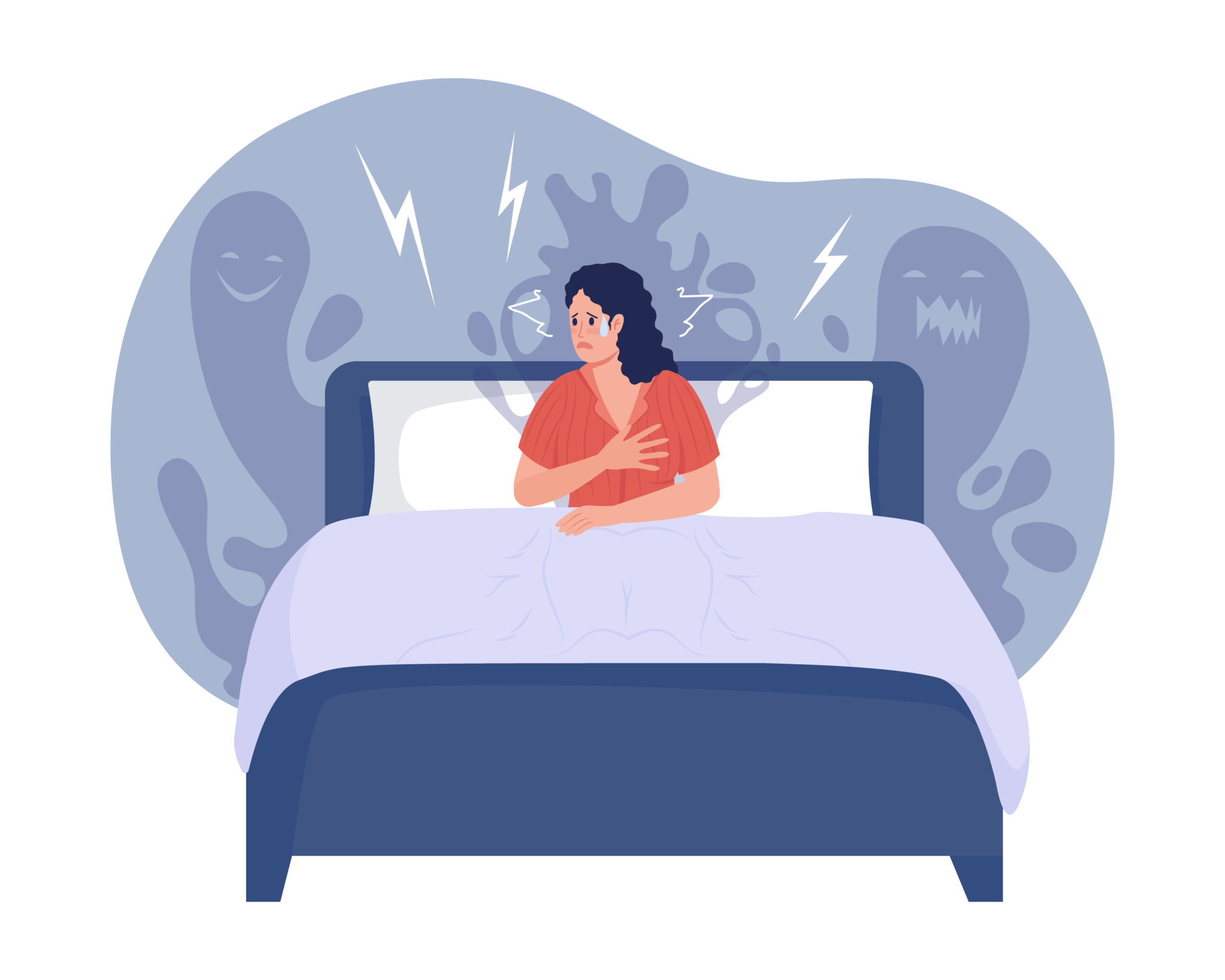
Think of your bedroom as a cozy haven where stress checks out at the door. The right sleeping vibes can usher in relaxation, warding off panic’s nighttime visits.
Spruce up your sleep spot with these easy tweaks:
- Keep it cool, dark, and hush-hush in the bedroom for max serenity.
- Look into a comfy mattress and pillows that cradle you into dreamland.
- Dial down the screen time and artificial lights an hour before sleep, so your sleep hormones can do their thing.
Design your sleeping space to be your personal zen zone, helping you glide peacefully into dreamland. A serene sleep setting can work wonders on taming those panic jitters.
Taking these sleep hygiene steps seriously can lead to a significant boost in your sleep quality and help in keeping panic episodes at bay. By sticking to regular sleep cycles and setting up a peaceful sleep space, you roll out the welcome mat for better sleep and well-being, arming you with the oomph to tackle panic attacks with grit and grace.
Addressing Sleep Issues in Various Groups
If you’re dealing with panic attacks, you know that sleep problems really stack up. Let’s take a look at how sleep troubles and mental health shake each other’s hands, and why different folks face unique hurdles in keeping their sleep game strong to better manage panic.
Sleep Habits and Headspace
Catching some solid Z’s? That’s a biggie for mental health. Crummy sleep is a common buddy of anxiety disorders. Stress cranks up the sleep struggles for anxious folks, making it even harder to clock in those snooze hours (Sleep Foundation). With PTSD from military action, more than 90% of people say insomnia is a regular pain. This tight-knit bond between sleep quality and mental health shows why getting a grip on sleep hiccups is key for keeping panic in check.
Sleep Hassles Across Disorders
Missing out on quality shut-eye wrecks mental health, ramps up symptoms, and can even heighten the risk of suicide. Sleep shortage sends negative emotions through the roof and dulls the brain fogging up focus, learning, and memory (Columbia Psychiatry). The so-called “Coronasomnia,” brought on by pandemic stress, has tangled up sleep for over half of Americans with amped-up daily worries and broken routines.
Getting a handle on sleep disruptions means crafting a plan that fits different needs like a glove. Cognitive-behavioral therapy (CBT) is showing its chops by lowering anxiety and tweaking sleep for the better. Tossing in CBT for insomnia (CBT-I) can help particularly stubborn insomnia when standard anxiety-targeted CBT falls short (Sleep Foundation). By clocking how mental health and sleep habits are buds, we’re able to whip up smart strategies to boost overall vibes and dial down mental health issues.
Knowing what makes sleep challenges tick across different groups is like holding the key to crafting spot-on help for those battling panic attacks. Spotlighting both sleep health and mental well-being lets us mold personal game plans for lasting ease and a better shot at making life awesome again.
Seeking Help and Support
Let’s get real here—dealing with panic attacks and figuring out how sleep fits into the mix can be tough. But hey, you’re not doing this alone! Getting some help is key if you’re looking for real, lasting change. Chatting with healthcare pros opens doors to advice that’s all about you and your life.
Consultation with Healthcare Professionals
Having a rough time with sleep or those pesky panic attacks? It might be time to see a doctor, psychologist, or someone who knows their stuff about mental health. They’re equipped to give support, throw out some solid options for treatment, and basically be there for you. That little chat becomes pretty important when sleep issues get out of hand, linger too long, mess with your health or safety, or drag other health issues into the mix (Sleep Foundation).
Taking the step to talk with a healthcare whiz means you’ll get a closer look at things like how you’re sleeping, those panic moments, and how you’re doing overall. That look can uncover why your sleep and panic patterns are acting up, leading to a game plan that’s all about what you need.
Importance of Personalized Advice
The real treasure in seeing a pro? Advice that gels with you, because let’s face it: A one-size-fits-all approach isn’t the answer. They bring the science to the table with tips and strategies that match your story.
Dealing with panic attacks and busted sleep means suggestions could span lifestyle tweaks, therapy doors, med know-how, and tricks for better sleep routines. With personalized advice, you’re in the driver’s seat, steering your way through panic bumps and sleep glitches.
Remember, you’re not charting this course solo. Tapping into some pro advice puts you firmly in control of your sleep routine, panic strategies, and what a balanced life looks like for you. Want more on taming panic attacks and upping your sleep game? Dive into our articles on lifestyle changes to dodge panic attacks in 2025 and building a rock-solid routine for a panic-free life.