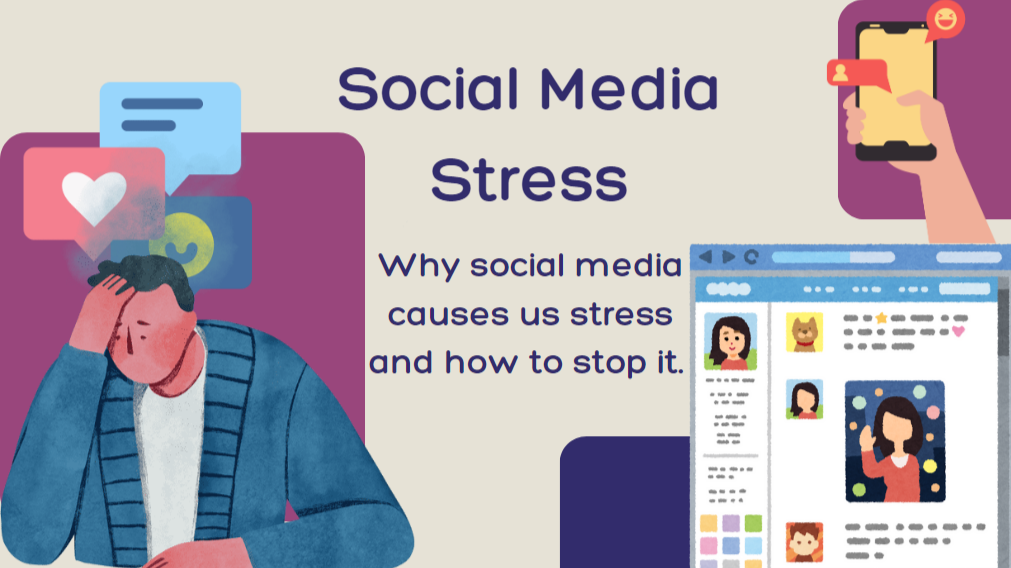
 Social Media and Panic Attacks
Let me take you through my adventure of living with panic attacks, where social media played quite the rollercoaster role. It’s not just me; loads of folks have felt the same pinch when it comes to mental health pressures, especially with how certain things can set off panic attacks. When I got the hang of these things, it was like finding the missing puzzle piece in my healing journey.
Impact on Mental Health
Harvard Summer School did this eye-opening research showing how too much social media is like adding fuel to a fire, setting off all sorts of mental health troubles. You’ve got depression, anxiety, sleepless nights, and that impulse thing. Constantly peepin’ at others’ shiny, happy lives can whack you over the head with a bad case of “I’m not good enough,” cranking up anxiety and stress to unbearable levels.
I know this all too well, ’cause every flick of my thumb on those endless feeds felt like a punch to my self-esteem. Just trying to keep up with looking fab online was like lugging around an invisible ton of bricks, only making my panic attacks worse.
Triggers for Panic Attacks
Now, what kept pokin’ my panic button was how addictive social media is. Just like Harvard Summer School mentioned, it’s a dopamine buffet—with endless scrolling, videos playing back-to-back, dinging notifications, and all the flashy colors. This wild ride of needing “likes” and “follows” winds you up with anxiety and makes you a sitting duck for validation.
Oh, and who could forget FOMO—fear of missing out—like a little devil on your shoulder? Watching everyone else’s “Oh-so-perfect” moments can haul in feelings of being left out and super lonely. Running the rat race to match up with this fake perfection fuels anxiety, pushing that panic attack button over and over.
By seeing how social media was doing a number on my mental headspace, I started realizing I needed a good ol’ social media detox. It was about setting up a safer digital spot that helped nudge those panic triggers away. By spotting what set me off, I finally started to carve out a digital space that had my back when it came to mental peace and chilling out the panic.
Benefits of Social Media Detox
Ditching social media for a bit can really shake things up for the better, especially if you’re looking for ways to chill out and manage those bouts of panic. Here’s why taking a breather from the pixelated chaos might just be the ticket.
Positive Changes in Mood
Turns out, signing off from the social buzz can actually brighten up your mood. Some smart folks did a study with college students that showed even a short break from all that scrolling can lift your spirits. By hitting pause on the digital commotion, you might ditch those nasty feelings of not measuring up or being anxious about every little thing.
When you step away and dive into stuff that makes you happy and helps you think, you might just find your emotional mojo again. Spending time away returns you to the bits of yourself that bring contentment and joy.
Improved Sleep Quality
Ever feel like a zombie? Unplugging from social media might just give you better shut-eye. A study looked into young adults restricted to just 30 minutes a day of social media, and what do you know? Better sleep for them, too!
Good ol’ sleep is like mental health gold. It helps you tackle stress and those racing thoughts. Kicking social media to the curb at night could just help you hit the sack with a clear mind and let you drift into relaxing dreams instead of scrolling purgatory.
Enhanced Productivity
Pulling the plug on endless social media won’t just ease your brain; it could crank up your productivity. Think of all those lost hours spent scrolling—now they’re yours again! Folks often find themselves way more focused and fired up to get things done.
Cutting down on digital noise hones your attention span, making it easier to nail down tasks and finish what you start. This gives a little pep to your step and a shot of confidence, which is good for anyone’s self-esteem.
By regularly stepping back from social media, you’re giving yourself the chance for a healthier connection with technology and maybe even a clearer mind. Remember, it’s about finding that balance and rediscovering your personal peace.
Studies and Findings
I’ve been thinking about how a little break from social media can work wonders to zap those jittery panic trigger moments. Imagine it as a digital cleanse—no need for kale smoothies, just less screen time. I’m going to share some juicy bits from research that talk about ditching social media for your peace of mind, ease, and whole-life satisfaction.
Results on Well-Being
So, there’s this interesting study yelling at us from the Journal of Social and Clinical Psychology, saying that if you cut down social media to about 30 minutes a day, you’ll feel like you’ve taken a big swig of happiness juice (CNET). With less scrolling, you might stop playing the comparison game and be more present in the moment.
Turns out, stepping away from the scrolling spiral is like hitting the pause button on the brain chaos. Breaks from the constant news loop and social ta-tas help grab a bit of peace. Try some social media detox and you might find yourself handling life’s curveballs without a freak-out.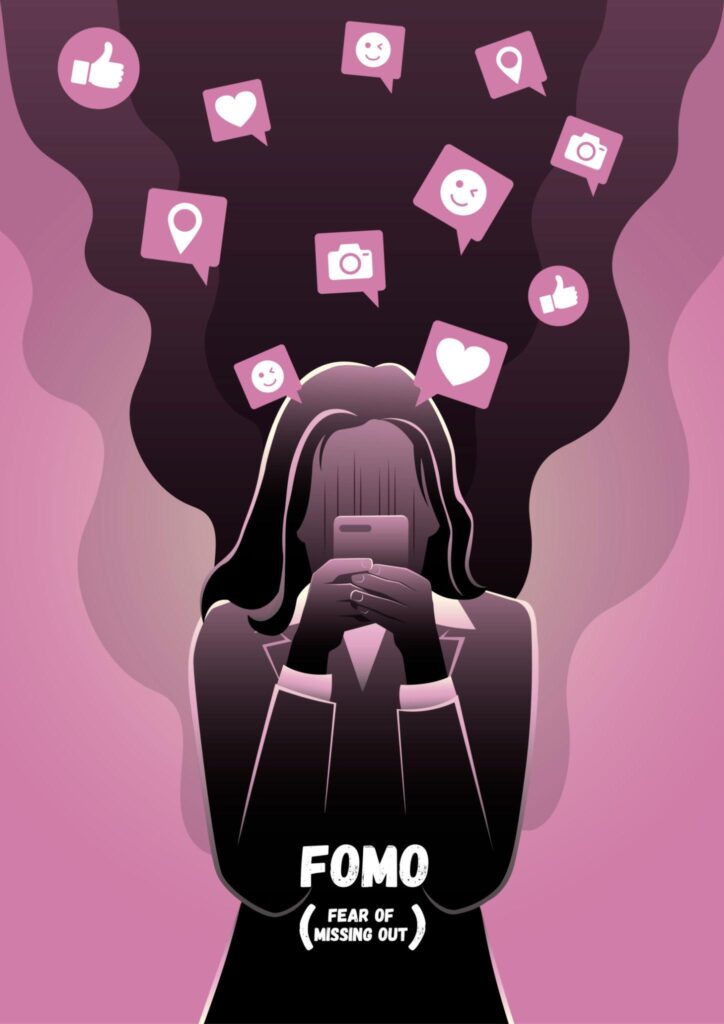
Reduction of Anxiety
Here’s the scoop—cutting back on social media can dial down your anxiety. A study with college go-getters who took social media breaks for a day up to a week showed they felt less anxious (CNET). Leaving the online buzz behind led them to feel like themselves without the pressure cooker of digital life.
By deciding when and how much social time equals screen time, you can swipe away the anxiety and feel more grounded. Spot what on social makes you twitchy and scale back. Your mind, it seems, wants to be chill and not on a roller coaster of likes and retweets.
Impact on Overall Life Satisfaction
Here’s a shocker—even just seven days without Instagram envy can boost your life vibes. Folks who dared to unplug reported brighter spirits and more satisfaction with their lives (CNET). Saying “buh-bye” to curated feeds and alerts gave them the brain space to enjoy life’s little pleasures and do cool offline stuff.
Backing away from the screen can make real life a whole lot richer. It’s in these little pockets of silence without our noses stuck in our phones that we can find true happiness. By experiencing the world face-first rather than through a screen, our lives become rooted in what’s real and fulfilling.
Taking tech breaks and doing social media detox means having a healthier tech-life balance. It’s about putting our mental peace first and enjoying life minus the digital chaos. Find that sweet spot where your gadgets coexist with your mindful zen-like state, and watch your satisfaction soar.
Strategies for Detox Success
I’ve been on a quest to handle my panic triggers, and part of that journey involved a social media detox. Along the way, I stumbled on a few tricks that helped turn my mental chaos into serenity. It turns out, taking a step back from endless scrolling can do wonders for your brain. Here’s what worked for me.
Gradual Detox Approach
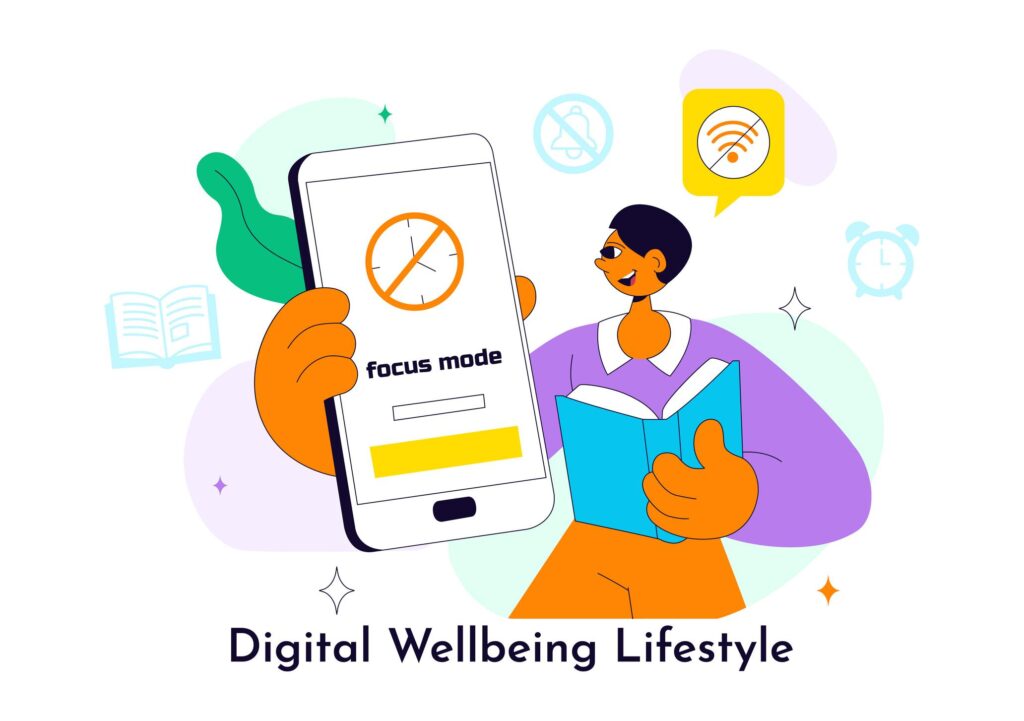
Diving headfirst into a social media detox can be a bit much, so going step by step really helped me. Cutting off cold turkey might sound heroic, but easing into it keeps the FOMO and jitters at bay. I started by slowly cutting down my screen time and setting small, realistic targets. It’s like weaning yourself off that one too many morning coffee cups—baby steps, people.
Taming Temptations
Navigating a detox means setting yourself up to resist those late-night doom-scrolling urges. I muted notifications and tidied up my digital space. It’s like cleaning out the garage—everything in its place so you’re not tempted to play with distractions. I set little rules for myself, like only checking socials after a certain time, which pretty much ended my accidental 2-hour Instagram black holes.
Staying Connected
Going offline doesn’t mean going off-radar. Keeping in touch with my squad outside the realm of double taps was a game-changer. I picked up the phone more and even had the odd lunch date or two. There’s something about real-life laughter and eye contact that no emoji can match.
With these strategies tucked in my pocket, I found the detox to be a liberating ride—kind of like trading in a clunky jalopy for a sleek, new bike. By easing into the process and staying connected to people in 3D, I discovered a more balanced way of living, both mentally and socially. So if you’re considering a social media detox, go for it. Your mind will thank you later.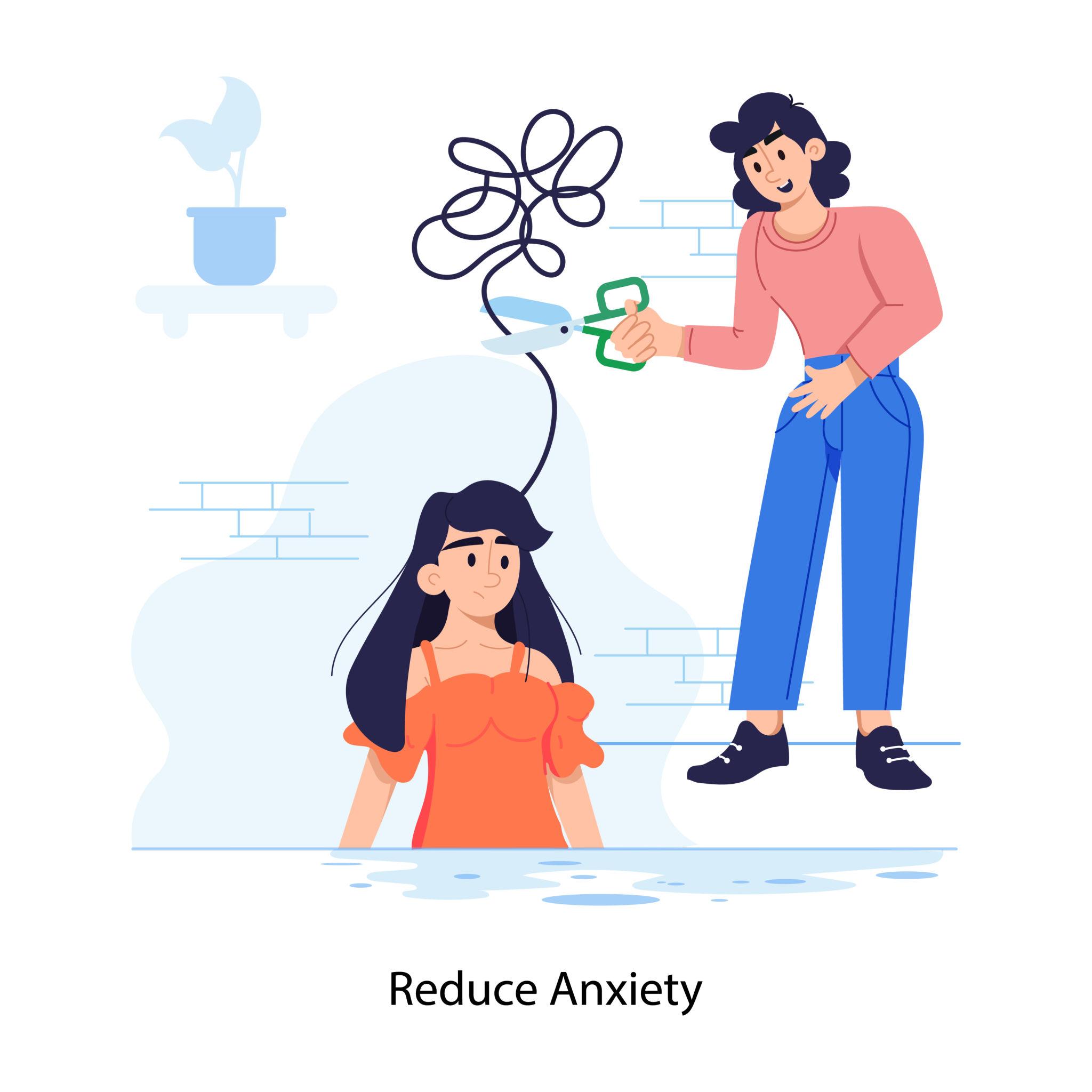
Coping with Social Media Stress
My own journey in dealing with panic set off by social media was a bit of a rollercoaster, finding out what specifically pushed my buttons, learning to cut myself some slack, and putting my well-being at the front of the line. These steps were the golden ticket to getting back my sanity and finding some calm amidst all the buzzing notifications and endless scrolls.
Identifying Triggers
Figuring out what on social media got my heart racing was like solving a mystery. YoungMinds highlights how sad or anxious content can mess with your head. By pinpointing these panic buttons, I made my online space a tad more friendly, easing my mind from jumping into panic mode every other day.
Importance of Self-Acceptance
Learning to be kinder to myself was a game-changer in this whole social media detox thing. I gave myself permission to unfollow those toxic accounts and put my mental health first. They say (and I totally agree) that endless scrolling is like catnip for anxiety. With a sprinkle of self-acceptance, I tackled those challenges with a touch of self-love.
Promoting Self-Care
Getting into the groove of self-care was super important for dodging social media stress and the dreaded panic vibes. I made time away from screens a regular thing, found my zen through calming activities, and soaked in nature whenever I could. CNET once shared about a study where college students felt way better after cutting back on social media. Trust me, taking care of myself made all the difference in managing those pesky panic triggers.
Figuring out social media stress and its grip on panic attacks calls for a personal approach — one that zeroes in on what sets you off, embraces self-kindness, and encourages some well-deserved self-care. By leaning into these strategies, I was able to snag my mental peace back and breathe easier in a digital space that once had me tied in knots.
Teen Perspective
Teenagers today have it tough. Social media, which was just a click away from becoming a digital friend, now stands as the bossy overlord of their lives, messing with their heads and poking their panic buttons. It’s like they’re caught in this permanent whirlwind of likes, comments, and endless scrolls, making the young ‘uns a bit jittery in the noggin department.
Effects on Adolescents
So, here’s the scoop: Some brainy folks over at the Harvard Graduate School of Education have been poking around this whole mess. Turns out, teens glued to their screens are having a rougher go of it. We’re talking about ticking time bombs of sleepless nights, feeling as alone as a stranded sock in the dryer, and worrying about whether the universe secretly hates them.
According to what these brainiacs found, it’s not just the dudes. Teenage girls are really spinning into sad-and-anxious-ville, especially with all that screen-gazing. Social media’s like this funhouse mirror, screwing up self-images, making being popular a big ol’ ball of emotional rollercoasters, and turning self-expression into an awkward flop that leaves them feeling more ‘who am I?’ than ever before.
Worse still, social media’s version of an atta-boy is a string of likes and follows, which often leads to that sweaty-palmed feeling of approval chasing. And surprise, surprise, this pressure cooker of popularity can twist peeps’ happy place into a pit of self-doubt and panic, growing those stress levels faster than grandma’s sourdough starter.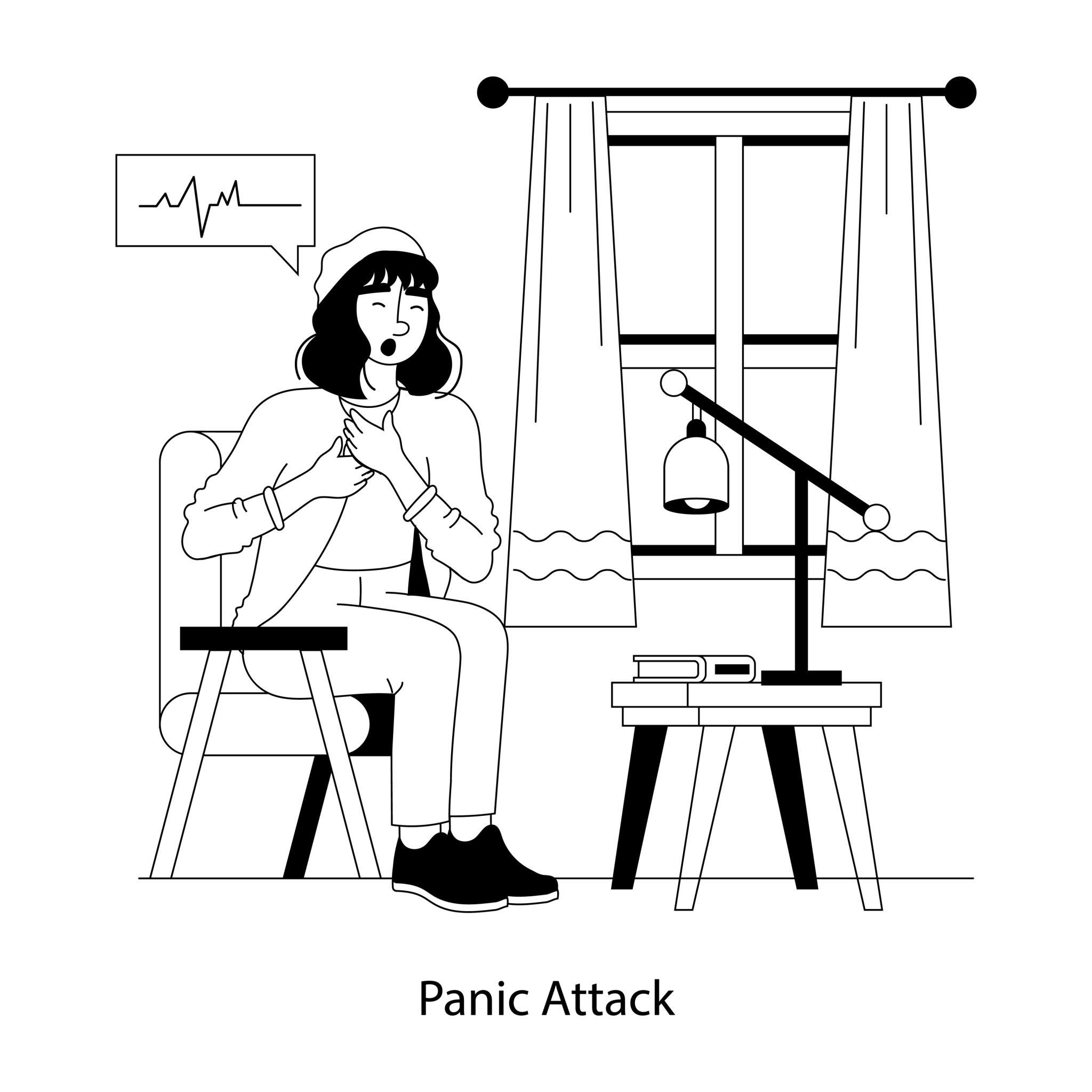
Parental Role in Support
Now, here’s the kicker — parents don’t have it all figured out, but they can lend a hand. While teens surf this mind-boggling wave of online madness, parents need to be the savvy surf instructors they never knew they were. Emily Weinstein, from Harvard, gives a nod to parents for speaking teenage and being the ears when teens spill their virtual baggage.
The key to chillin’ out social media stress? It’s all about balance. Keeping an eye on screen time (without helicoptering), suggesting a tech hiatus every now and then, and teaching teens how to behave online like the sensible humans they are. Parents can also set the stage for heart-to-hearts about setting online boundaries and practicing self-kindness during those low-key quarrels with an app.
When families team up, armed with open chats and a sprinkle of mental health awareness, they can give panic-inducing social media a major run for its money. By linking arms with their kids and occasionally a trustworthy mental health pro, parents can help create the kind of future where social media is less a triggering menace, and more like an occasional splash in the online kiddie pool.