
 Understanding Panic Attacks
Let’s chat about panic attacks. They’re those intense bursts of fear that make us feel like we’re on a rollercoaster ride, minus the fun. If they keep showing up uninvited, you might be dealing with a panic disorder. But here’s the kicker—they won’t harm you physically. Still, they can make life feel like a never-ending obstacle course (Mayo Clinic).
Symptoms and Onset
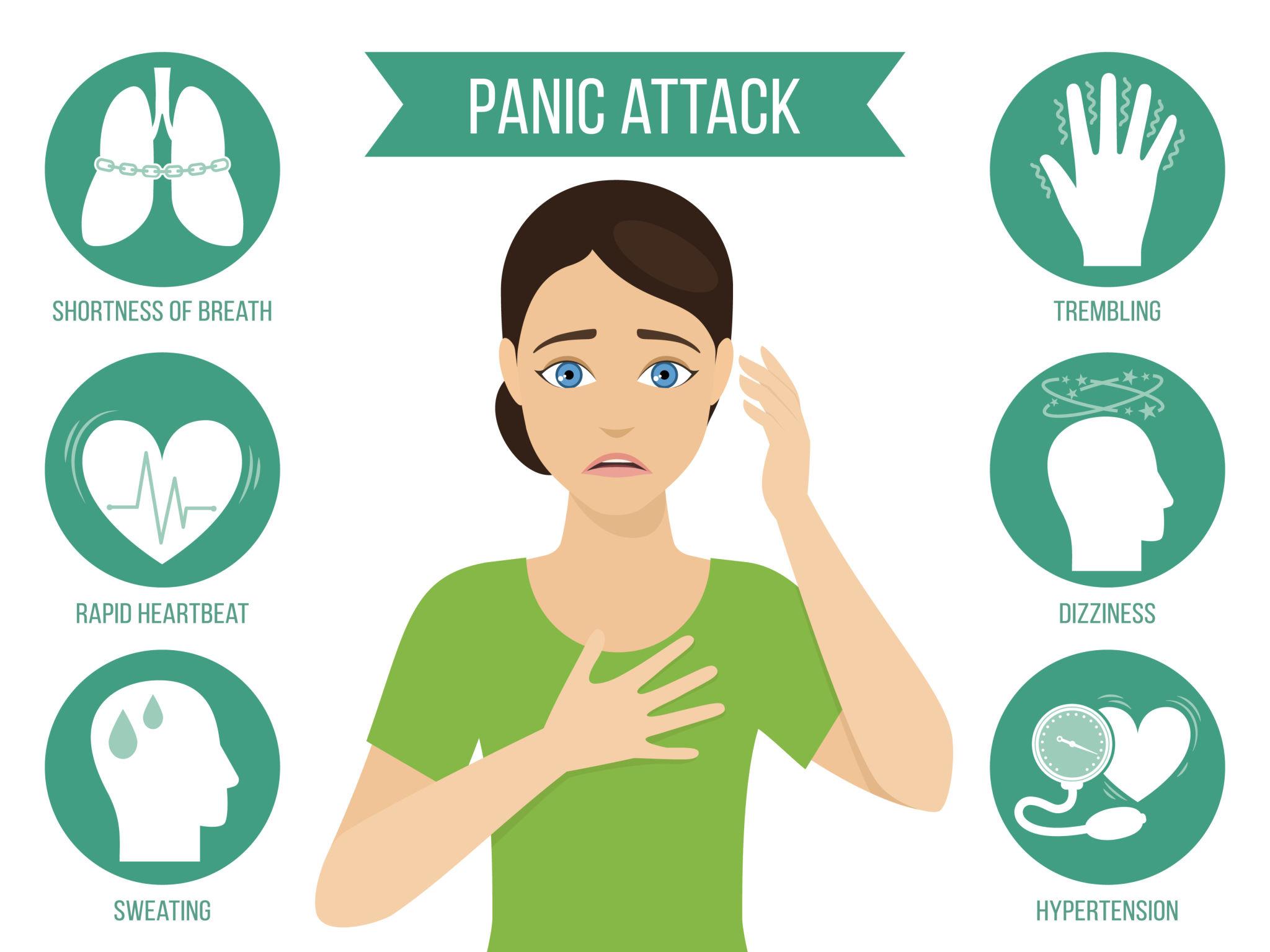
Panic attacks might hit you with:
- Heart racing like you’ve just run a marathon
- Sweaty palms and muscles that can’t stop shaking
- Breath that feels like it’s suddenly in short supply
- A feeling that your chest is playing a cruel game of squeeze
- Stomach acting up like it’s on a thrill ride
- Head spinning and not in the fun carnival way
These can crash in anytime—from a few times a day to just now and then. And yeah, they often have folks overhauling their routines to avoid the drama (NIMH).
Spotting a panic attack early can make a world of difference—it’s like catching a storm before you’re caught without an umbrella. Understanding what tips these attacks off means you’re better armed to face them head-on. Curious for more on this? Our take on understanding panic attack triggers in 2025 might be just the thing.
By getting a handle on panic attacks and their effects, you’re essentially setting up your own lifeline. Keeping yourself informed gives you a fighting chance to handle these ride-the-wave moments. So, arm yourself with knowledge and resilience, and be ready for whatever comes your way.
Factors Contributing to Panic Disorder
Getting a grip on what kicks off those dreaded panic attacks is key to managing and treating them well. These attacks can spring up from a jumble of reasons, including stuff like age, gender patterns, family tree quirks, and even the environments we’re steeped in.
Age and Gender Trends
You know, panic attacks don’t care how old you are; they can show up whenever they feel like it. However, they frequently pop up when folks hit their late teens or early adult years. It’s a tricky time, loaded with life shifts and rising stress levels. Add to that mix the fact that women tend to get hit with panic disorder more often than men, according to the National Institute of Mental Health. Knowing when and how panic disorder tends to rear its ugly head can help in catching issues early and crafting better strategies to deal with it.
Family History and Environment
Blame it on the genes or maybe what goes on in our surroundings—both play a big role in panic disorder. Turns out, if panic disorder runs in your family, you’re more likely to experience it too (Mayo Clinic). Plus, where you grow up and the events life throws at you can tip the scales in favor of a panic disorder knocking on your door. Scientists are on it, trying to untangle how genes and environment team up to make treating panic disorder more directed and effective (NIMH).
Getting to the bottom of age and gender patterns associated with panic disorder, along with understanding the influence of family ties and surroundings, can help shape treatment options. This awareness empowers folks and healthcare pros alike to tackle these panic episodes more skillfully, boosting long-term wellness and overall life satisfaction.
Treatment Options for Panic Disorder
Dealing with panic disorder is like battling a two-headed dragon—you need the right mix of talk therapy and meds to tackle both the symptoms and what sets you off. The goal? Fewer panic attacks and more peace of mind.
Psychotherapy Approaches
First up, let’s chat about therapy with a big focus on Cognitive Behavioral Therapy (CBT). This popular method is all about teaching you to react differently when those waves of anxiety hit during panic attacks. The really cool part? CBT actually helps cut down on attacks as you train yourself to spot and squash those unhelpful thoughts before they spiral out of control. It’s like being a mental detective, piecing together clues to your fear and gradually getting tougher in situations that used to knock you down.
Your therapist’s office becomes your safe space to dig into your feelings and reactions, helping you untangle the who-what-why of your panic disorder. You’ll pick up some solid tricks for steering through anxiety like a pro.
Medication and Combination Therapy
Sometimes, you might need more than just talking, which is where meds step in. Meds like SSRIs, SNRIs, beta-blockers, and benzodiazepines are in the toolkit for handling panic disorder, though nailing the right one for you might take a little mixing and matching. Think of it like dating—you might have to try a few before you find “the one.”
These meds are meant to put the brakes on those intense panic symptoms like a racing heart or shaky hands. SSRIs and SNRIs tweak brain chemistry to help keep things chill, while beta-blockers are great for slowing your heart rate. Benzos can be a quick fix to calm your nerves, but they’re not the kind of thing you want to lean on too long.
Team up meds with therapy, lean on your mental health squad, and pretty soon you’ll have a game plan that fits you like a glove. This mixed method looks at both what’s happening in your head and how your body reacts, giving you a well-rounded way to handle panic attacks and step into life with more confidence.
Role of Support Groups in Managing Panic Disorder
Peeking into the role of support groups in handling panic disorder reveals the good they deliver to those battling this tough condition. These groups gather folks who’ve been in similar shoes, creating a space where you can swap tales, empathy, and know-how.
Benefits of Support Groups
Support groups are like that friend who gives the best advice—they’re packed with practical, helpful stuff from people who’ve been there, done that, according to the Mayo Clinic. They’re a haven where you can spill your story, trade survival tips, and get a real-world scoop on panic disorders and their fixes. This vibe of shared learning dials down feeling trapped in your own head and brings in a wave of support and optimism.
Getting together with folks in the same boat lets you pick up new ways to cope, keep a sunnier outlook on tough days, and feel less alone in dealing with panic attacks. By swapping tales and cheering each other on, you find fresh energy and hope to tackle the hurdles that come along.
Online Support Groups
Chatting with folks online has taken mental health support up a notch, making it easier for anyone, anywhere, to jump in, as pointed out by the Mayo Clinic. Online groups let you reach out from your couch, skipping borders so you’re part of a worldwide support system.
Sure, online spaces have their plusses like flexibility and staying anonymous, but there’s a flip side too—misinformation lurks, and it’s not quite the same as chatting face-to-face (Mayo Clinic). Still, the perks of going online mean accessing vital tips, connecting with folks who’ve been there, and grabbing support when you need it makes online support groups a priceless ally in fighting panic disorder.
Jumping into support groups means picking up fresh coping tools, upping your self-care game, and soaking up optimism for what lies ahead. Riding on the power of shared stories and community, these groups lift those with panic disorder toward managing challenges, finding strength within themselves, and starting down the road to healing and happiness.
Practical Strategies for Coping with Panic Attacks
Folks hitting those panic attack peaks know it ain’t a walk in the park. But having some tricks up your sleeve can really help bring down the freak-out levels and boost that good ol’ feeling of control. We’re talking about grounding techniques and chill-out hacks that can make life a whole lot more bearable.
Grounding Techniques
Grounding’s like a lifeline back to the here and now—useful when your brain’s doing somersaults during a panic attack. By zoning in on what’s right in front of you and engaging your senses, you can hit pause on those runaway thoughts. Here’s the lowdown:
- 5-4-3-2-1 Method: Get your mindfulness game on by clocking 5 things you can see, 4 things you can feel, 3 things you can hear, 2 things you can sniff, and 1 thing you can taste. This trick distracts the mind from that stress spiral and brings things back to basics.
- Positive Affirmations: Mantras like “This too shall pass” can steer you through the storm. Saying stuff like that out loud or in your head can be the anchor you need when anxiety’s got you in a chokehold.
Relaxation Methods
Finding your chill is crucial to wrangling those panic vibes. Relaxation methods step up to quiet down stress and boost a sense of peace when panic strikes. Here are some go-to moves:
- Deep Breathing: Deep breathing is a superhero in disguise. Taking deliberate, slow inhales and exhales can chill your heart rate and dial down panic-level breathing.
- Progressive Muscle Relaxation: By tensing up all your muscle groups one at a time, then letting ’em loose, this technique can melt away tension and anxiety, leaving you more relaxed than a cat in the sun.
And hey, while you’re at it, getting regular sweat sessions on the calendar is a bonus. Exercise—like a casual walk—can smooth out your breathing, get those happy hormones flowing, and ease anxiety in the long run.
During a panic episode, looping in someone you trust can really turn the tide, especially when you’re out and about. Letting a friend or colleague know can help make space when you feel suffocated, ensuring you get the understanding and care needed during those rough spots.
Mix and match these techniques to suit your style. Whether it’s grounding or relaxation, or any other clever coping strategies you pick up along the way, you’ll figure out the best way to tackle panic attacks. That personal touch can make all the difference in managing what feels unmanageable.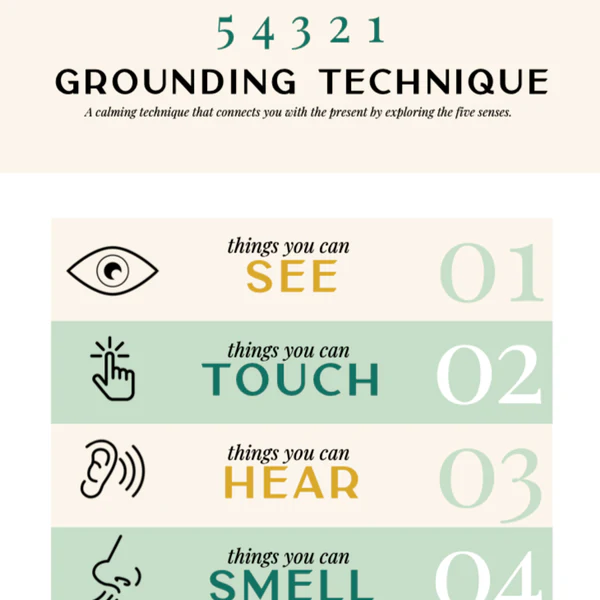
Building a Support System
Creating a solid buddy system is crucial for folks dealing with panic disorder. It offers understanding, a shoulder to lean on, and practical help to tackle symptoms while boosting social life’s quality. We’re talking about rallying around people, be it family, friends, or mingling in a support group.
Why Support Systems Matter
For someone wrestling with panic disorder, having a team of people who get it can make a world of difference. Emotional support, practical tips, and feeling part of a crew can totally flip the script on one’s mood and daily life (Amaha Health). Shared experiences and a bit of empathy relieve loneliness and offer a safe place to talk about ups and downs.
Group therapy and support groups are like the bread and butter of dealing with mental health (ADAA). They’re easy on the wallet, gel well with one-on-one therapy, and make counseling accessible without the eyebrows being raised. These groups not only lend a listening ear but also dish out practical advice and tactics to handle life’s quirks with panic disorder.
Chatting with Your Peeps
Keeping the communication lines open with your squad is key to dealing with those panic hiccups. Talking about what you’re going through, your worries, and how you manage them with your loved ones can bolster those bonds and set up a cushion of support. Open chats about your struggles and what you need can make you feel less like you’re on an island.
Getting your family and friends clued-up about panic disorder—what sets it off and how they can help—makes a big difference. By chatting with them, you can lay out your dos and don’ts, letting them cater to your unique requirements. This kind of understanding and open line of communication helps nurture an emotional safety net, which is a game-changer when handling symptom flare-ups.
Piecing together a support network, both through formal groups and casual hangouts, can really step up your game when dealing with panic disorder. By putting effort into building a kickass support team, you unlock endless resources, companionship, and empathy that fuel your resilience and keep your spirits lifted.