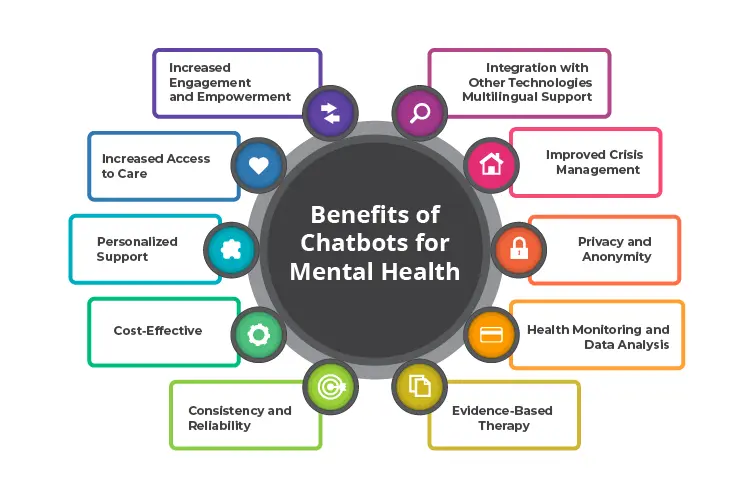

 Utilizing Technology for Panic Management
When it comes to managing those nerve-wracking moments of panic, technology has become my go-to buddy. With the marvels of artificial intelligence (AI) and these nifty wearable gadgets, I’ve discovered new ways to keep a check on my mental health and stay on top of those pesky panic episodes.
How AI Is Changing the Game
AI tools are like that wise friend who just gets you. They’re helping shrink appointments with psychiatrists by collecting all kinds of data on how I’m feeling and what I’m up to. This way, doctors can see trends, make predictions, and suggest interventions that actually make sense for someone like me who deals with panic (NCBI).
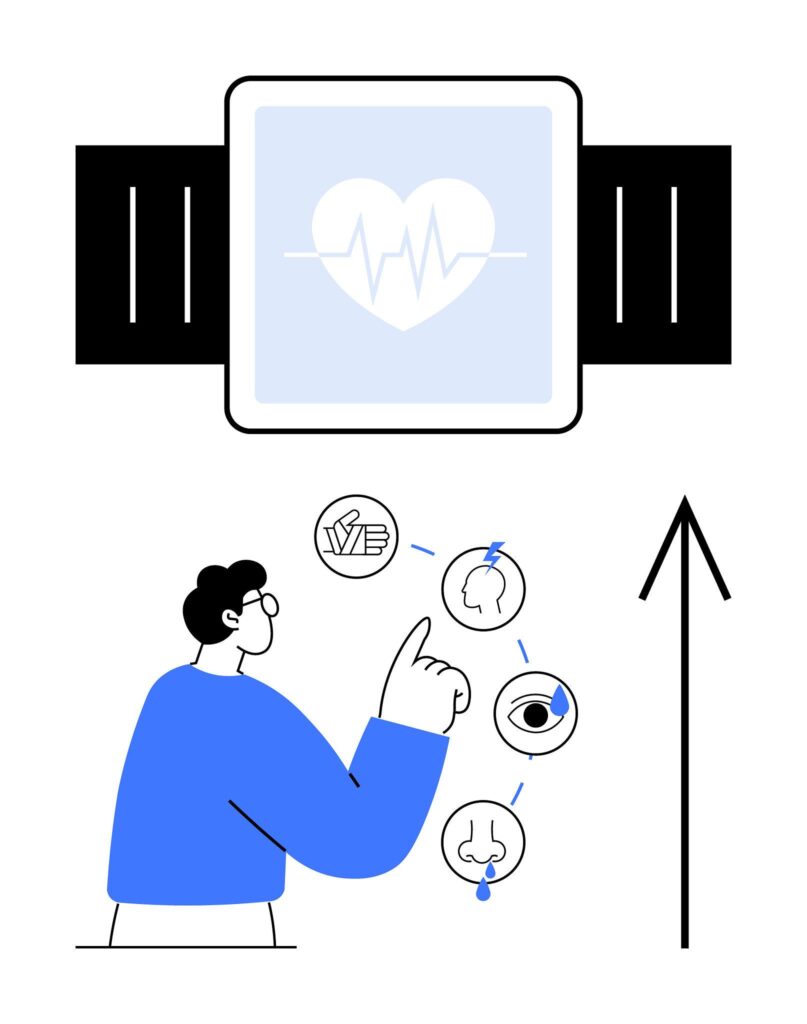
Those wearable thingamajigs with AI are like my personal bodyguards. They keep tabs on how well I’m sleeping, how active I’ve been, my heart’s rhythm, and even the tone of my voice—I’m talking next-level insights here. Looking for more info on how wearables can chill out anxiety? Check out our piece on the role of wearables in reducing anxiety symptoms.
Gadgets That Know You Better Than You Do
AI and wearable devices are like the Batman and Robin of mental health tracking. Research has been lighting the path, showing how these sensors wear several hats, helping folks like me who face a range of stress levels, even to those living with serious anxiety (JMIR Mental Health).
There’s some solid science behind it too. Studies say that wearable AI tools are smart at spotting anxiety, able to pick up on those signs way before they start screaming at you, like a superhero with a sixth sense.
By getting on board with AI and wearables, I’m not just winging it—I’m banking on these digital sidekicks to help me keep my mental gears greased. It’s all about catching those panic-triggering signals early enough to do something about it. These tech wonders aren’t just about dodging panic attacks, they’re about living better, even when anxiety tries to steer my ship.
Virtual Reality Interventions for Anxiety
Look, dealing with anxiety is no walk in the park. But guess what? Virtual Reality (VR) is stepping up as a cool way to lend a helping hand. This bit’s about how VR helps folks handle their nerves and the role gamification plays in this tech-driven therapy.
Efficacy of VR in Anxiety Treatment
There are real stories about Virtual Reality Exposure Therapy (VRET) doing wonders, especially for those who fear heights. Imagine yourself facing your fears head-on in a virtual setup—a little nerve-racking but safe. And it’s working, folks are actually feeling less scared (NCBI).
It gets better with some brainy tech talk—like using machines that learn (fancy, right?) and those electrical head measurements, EEGs. They can cruise through your fear levels and manage to hit a neat accuracy, almost like 73%. What a breakthrough, huh? It’s like getting inside the mind to see what ticks when anxiety hits.
Gamification in VR Therapy
It’s not all nerdy tech, though. Chuck in some game magic, and you’ve got therapy that’s more like fun! This isn’t just clicking buttons; we’re talking about worlds with challenges that keep folks coming back for more. Imagine beating levels in a game but doing it in therapy. Feels pretty satisfying, no?
With these game elements, therapy actually becomes a bit of a treat. Folks start seeing their fears as hurdles they can jump over, and earn little wins. It’s like therapy but with bonus rounds, and who says no to that?
VR therapy, especially when spiced up with some game fun, is something new and exciting for treating anxiety. It’s not all technical, it’s personal too, giving people a way to tackle stress that fits them just right. Dive into VR and see how stepping into these virtual worlds can make the real world a bit less scary.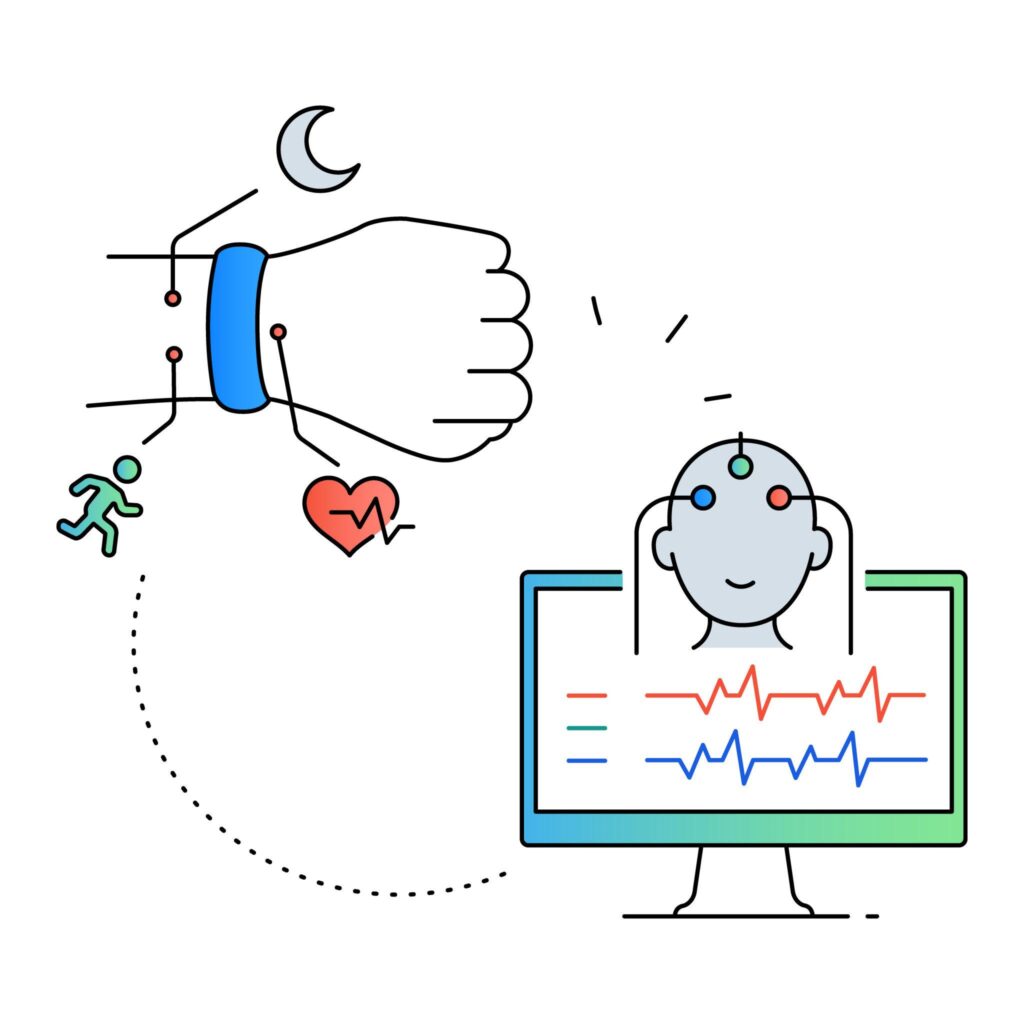
Mental Health Apps for Anxiety
So, you’ve got a bit of the jitters, huh? You’re not alone, and that’s where those nifty mental health apps come in handy. They’ve become trusty sidekicks for folks looking to keep their sanity in check. These apps are packed with features to help you keep tabs on anxiety symptoms and offer that much-needed support when you’re feeling all sorts of ups and downs.
Symptom Tracking and Support
Ever wish you had a little guardian angel keeping an eye on your stress levels? Well, symptom tracking apps are the next best thing! They work their magic using things like your phone’s sensors to figure out if you’re movin’ and groovin’ differently, who you’re chattin’ up, or even how fast you’re talking. It’s like having your own pocket therapist ready to spot when you might be spiraling (NIMH).
These apps give you the lowdown on what gets your anxiety gears going and help you see the patterns. That way, you can catch those anxiety monsters before they growl too loud. With all these insights, it’s easier to jump on helpful habits and practices that keep the panic at bay.
Popular Apps for Anxiety Relief
Look, the app scene is like a candy store for those fighting anxiety. When you’re scrolling through endless app options, each one tries to outdo the others with cool features (NIMH). They use smart tricks to sense when you’re feeling off and send nudges or give you just-in-time support.
- BetterHelp: Feeling like you need to chat with someone who gets it? BetterHelp connects you to real, human therapists who know the drill on anxiety and other stress-boiling stuff. Folks dig it because you can spill your beans in so many ways – written text, voice chats, or whatever works for you.
- Calm: This app is like a warm hug for your brain, with its chill vibe and stash of calming goodies. You’ll find everything from guided meditation to soothing bedtime tales. Oh, and it has goodies for kiddos too, helping young ones handle their worries like champs.
Whether you’re light on cash or just geeked out on tech support, these apps are modern marvels that fit right in your pocket. They’re like a toolbox of tricks, ready to help you tackle those nagging nervous Nancys and build your wall of resilience against life’s curveballs.
AI in Anxiety Detection
I’m amazed by how Artificial Intelligence (AI) is changing the game when it comes to mental health. It’s a bit like having a friend who knows when you’re feeling off before you even realize it. AI, mixed with those nifty gadgets we wear, is stepping up to the plate to catch anxiety sneaking in before it takes over.
Role of Wearable Sensors
You’re probably wearing something right now that could be checking out your heart rate, counting your steps, or maybe even listening to your voice for changes. These wearables, packed with AI smarts, are like little detectives for your health. They keep track of your sleep, notice when you’re unusually active, or when your heartbeat is a bit off. All this data helps pick up hints that anxiety or depression might be lurking around. It’s like having a personalized weather forecast for your mental state, warning you before the storm hits.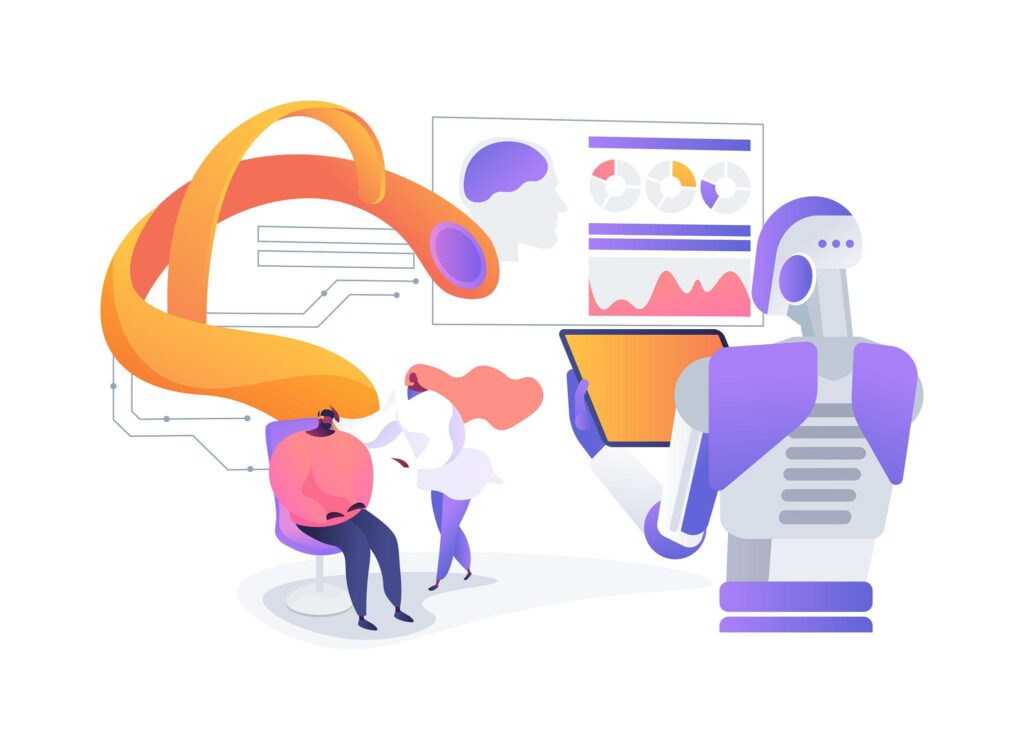
Potential of AI Technology
The potential with these AI gadgets is honestly mind-blowing. Combine some smart algorithms with your trusty wearable, and suddenly, you’ve got a system that can spot anxiety quicker than your last-minute rush for coffee in the morning. It’s like having a personal alarm that alerts you before anxiety knocks you down.
These techy companions aren’t just speeding up the detection process—they’re making it more accurate. Knowing what’s up with your anxiety early on can mean getting the help you need faster, and that’s a game changer. Imagine cutting down on those “I wish I’d known sooner” moments. That’s the future with AI in mental health, helping us all get a little more personal and a whole lot more proactive in taking care of ourselves.
Mental Health Virtual Assistants
Stepping into the world of mental health support, mental health virtual assistants (MHVAs) become your trusty sidekicks in the quest for well-being. They bring a truckload of benefits and have a buffet of features that help people take charge of their emotional wellness.
Benefits of MHVAs
One of the best parts about MHVAs? They never clock out! It doesn’t matter if it’s the middle of the night or early morning; they’ve got your back whenever you’re feeling off (Avidon Health). This always-there attitude brings a kind of comfort, knowing you can lean on them in times of need.
These digital pals also offer help that’s just right for you. Thanks to some snazzy tech and artificial intelligence, they tune into what you need and how you like things done. They can suggest coping tricks, keep tabs on your mood, and even serve up self-care tips, helping you cruise through mental turbulence with a stamp of confidence. You get to call the shots in your mental health game plan.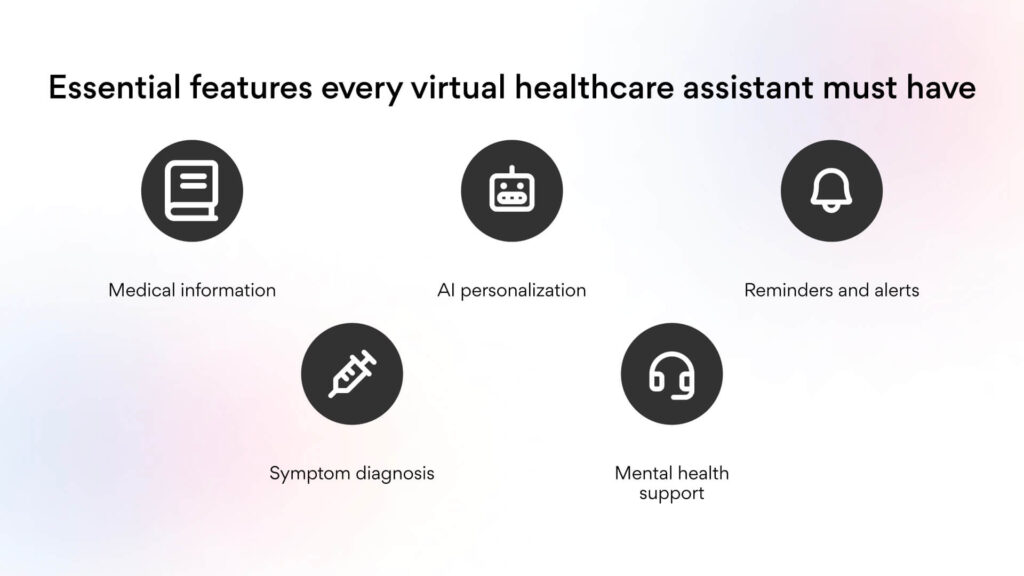
Diverse MHVA Functions
MHVAs wear many hats, tackling a bunch of mental hiccups like anxiety, stress, and feeling blue. And they’re pros at lending a listening ear during those emotional rollercoasters (Avidon Health).
Beyond just being a digital shoulder to lean on, these assistants throw in handy dandy tools that back up what you learn in therapy and keep you on track between visits. They’ve got a stash of resources, ways to cope, and educational goodies that help you stay in the driver’s seat of your mental health.
By rolling with MHVAs, folks dealing with panic or low times can lean on a custom blend of care, tips, and support. These virtual champs walk with you on the path to mental health, giving you a cheer and a nudge as you move forward.
Integrating Tech for Personal Care
When it comes to mental health, tech has really changed how we deal with panic attacks. Nowadays, folks have tools at their fingertips that actually help manage these intense feelings when they pop up.
Quick Help Tools
Imagine having a device that can sense when you’re about to get anxious. Wearable gizmos packed with smart AI can do just that. These little heroes detect when something’s amiss, helping predict anxiety attacks. It’s like having a personal sidekick that flags trouble before it gets out of hand, giving you the upper hand in handling anxiety and putting you back in control.
With these tools, anyone in a panic can get instant tips and support. They’re like having a wise buddy, ready to offer a helping hand and solid advice for calming down. Plus, they boost your self-awareness, hooking you up with the right resources when life’s curveballs come flying.
Leveling-up Therapy
Tech is really shaking up traditional therapy methods too. Those high-tech wearable sensors have your back when it comes to spotting anxiety signs. They kick in with targeted help to calm things down, making you feel a lot better (JMIR Mental Health). It’s about taking charge, using real-time data to squash stress right when it’s bubbling up.
And get this—virtual reality paired with AI is like therapy’s dynamic duo. By diving into VR worlds, individuals face their fears head-on in a worry-free spot, chasing off anxiety in style. Research even shows that tracking brain activity with cool neural networks can spot stress levels with solid accuracy, especially for fear of heights (NCBI). This is game-changer stuff, offering a safe way to practice managing anxiety without the real-life pressure.
By weaving these modern tools into care plans, people dealing with panic attacks get the best of both worlds—timely support and enhanced therapy. Blending the immediacy of gadgets with smarter therapy options arms individuals with the confidence to tackle anxiety head-on, build inner strength, and journey towards a brighter emotional future.