
Tools for Panic Attack Management
Dealing with panic attacks isn’t exactly a walk in the park, but having a game plan and some handy tools can make a world of difference. I’ve found that a couple of real lifesavers in my arsenal are apps that dish out ways to cope and self-help books dedicated to understanding panic attacks.
Apps for Coping Strategies
These days, there’s no shortage of free apps designed to help folks like me deal with anxiety and panic attacks. Whether I’m overwhelmed or just trying to keep calm in a tough moment, a swipe here and a tap there gets me access to all sorts of helpful stuff—like guided meditations, breathing exercises, and stress-busting activities. The COVID-19 pandemic added a whole new level of anxiety, so having these digital tools within reach has been a real godsend.
| App | What It Does |
|---|---|
| Calm | Perfect for unwinding with meditations, bedtime stories, and breathing exercises. Calms the nerves right down. |
| Headspace | Handy for mindfulness training, meditation guides, and sleep aids. Keeps stress in check and wellness on track. |
| Insight Timer | Packed with meditations, music, and mindfulness exercises to keep the mind balanced and healthy. |
Self-Help Books on Panic Attacks
I’m one of those folks who believes in the power of a good book, especially when I’m trying to get a grip on panic attacks. Books like “Facing Panic: Self Help for People with Panic Attacks” give me straightforward advice that’s actually useful. Written by folks who’ve done their homework, it breaks down panic attacks in a way that makes them less intimidating (ADAA). With its tips and techniques, I’ve picked up some solid methods for handling panic situations and learned how to manage other issues like anxiety disorders and depression that often tag along.
For anyone looking to tackle panic attacks head-on, self-help books are honest pals—providing practical advice and encouraging words to build strength and keep moving forward.
Pulling these tools into my routine for handling panic attacks has shaped a more proactive way of living with this challenge. By blending in the right apps and turning the pages of enlightening books, I’ve geared myself up to face panic disorder with newfound courage and resilience.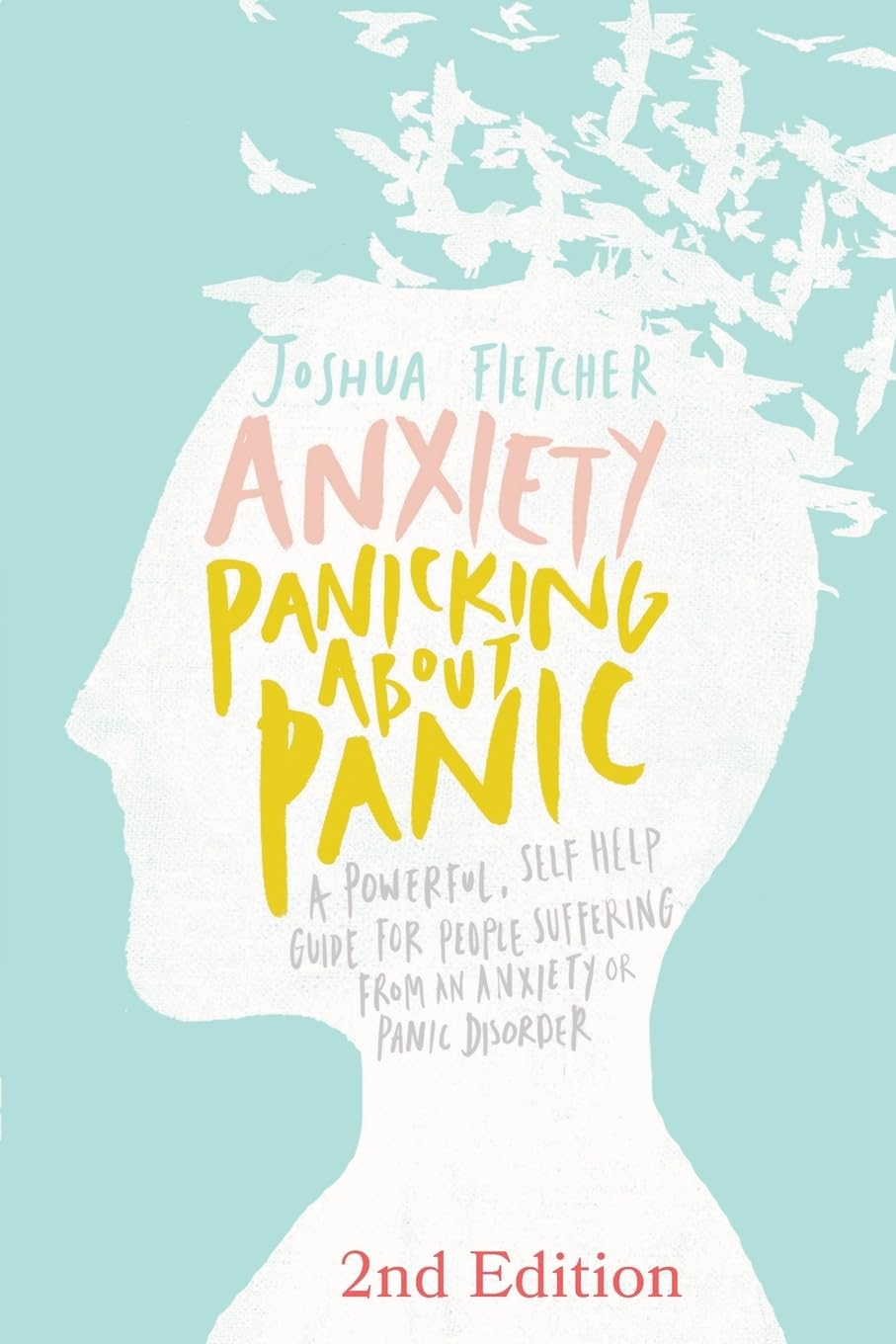
Physical Activities for Anxiety Relief
Kicking anxiety to the curb with some good ol’ physical movement ain’t just about keeping those muscles in check. Nope, it’s a mind game too. So, let’s dive right into how getting your sweat on helps melt away that anxiety and which breathing tricks keep you grounded when the going gets tough.
Benefits of Exercise
Hitting the gym or even just taking a brisk walk has its perks, especially when anxiety’s knocking. People who break a sweat regularly seem to brush off anxiety symptoms more easily than the couch potatoes out there (Harvard Health Publishing). Here’s why you should move around:
- Supercharging Self-Esteem: Nothing pumps you up like a post-exercise glow. You’ll walk taller.
- Ward Off the Nasties: Regular exercise helps fend off those pesky chronic diseases.
- Mental Armor: It’s like a helmet for your mind, shielding you from anxiety and its cronies.
- Taming the Stress Monster: Swap stress for zen with adjustments to the HPA axis, whatever that means (PMC).
- Natural High: You know that feeling? Like you’ve just hugged a puppy. That’s exercise kicking in its anti-anxiety powers (PMC).
Trying to squeeze in 2-2.5 hours of moderate to high motion-action weekly can brighten up that mental space of yours.
Breathing Techniques for Calmness
Anxiety rolling in like a storm? Don’t worry, breathing’s your umbrella. Slow and steady breaths can really take the edge off. Here’s what helps when the nerves start to fray (Medical News Today):
- Diaphragmatic Breathing: Take your breath down low. It’s like a deep sigh for your diaphragm.
- 4-7-8 Breathing: Count to 4 for breathing in, hold on to that sweet air for 7, then take your time to let it out over 8.
- Box Breathing: Picture a square: in for 4, hold for 4, out for 4, and chill for another 4 before starting over.
Add these steady-breathing magic tricks to your routine and you’ll be handling anxiety like a pro. Mix these breaths with some sweaty physical action, and you’re looking at a solid recipe for tackling anxiety and giving yourself the long-lasting chill vibes you deserve.
Lifestyle Adjustments for Panic Relief
Grounding Techniques
Panic attacks can be a wild ride, and it’s like being stuck on a runaway train. When that happens, grounding techniques can really save the day. One method, the 54321 exercise, is like a mini a vacation for your mind. It helps you snap back to reality by making you focus on using all your senses. Here’s how it works: find 5 things you can see, 4 you can touch, 3 you can hear, 2 you can smell, and 1 you can taste. It’s like playing a game with your senses to distract your brain from the chaos.
This 54321 magic does more than just fill the time—it breaks that panic cycle and brings some chill vibes back. Regular practice means you’re ready for action whenever anxiety tries to crash your party.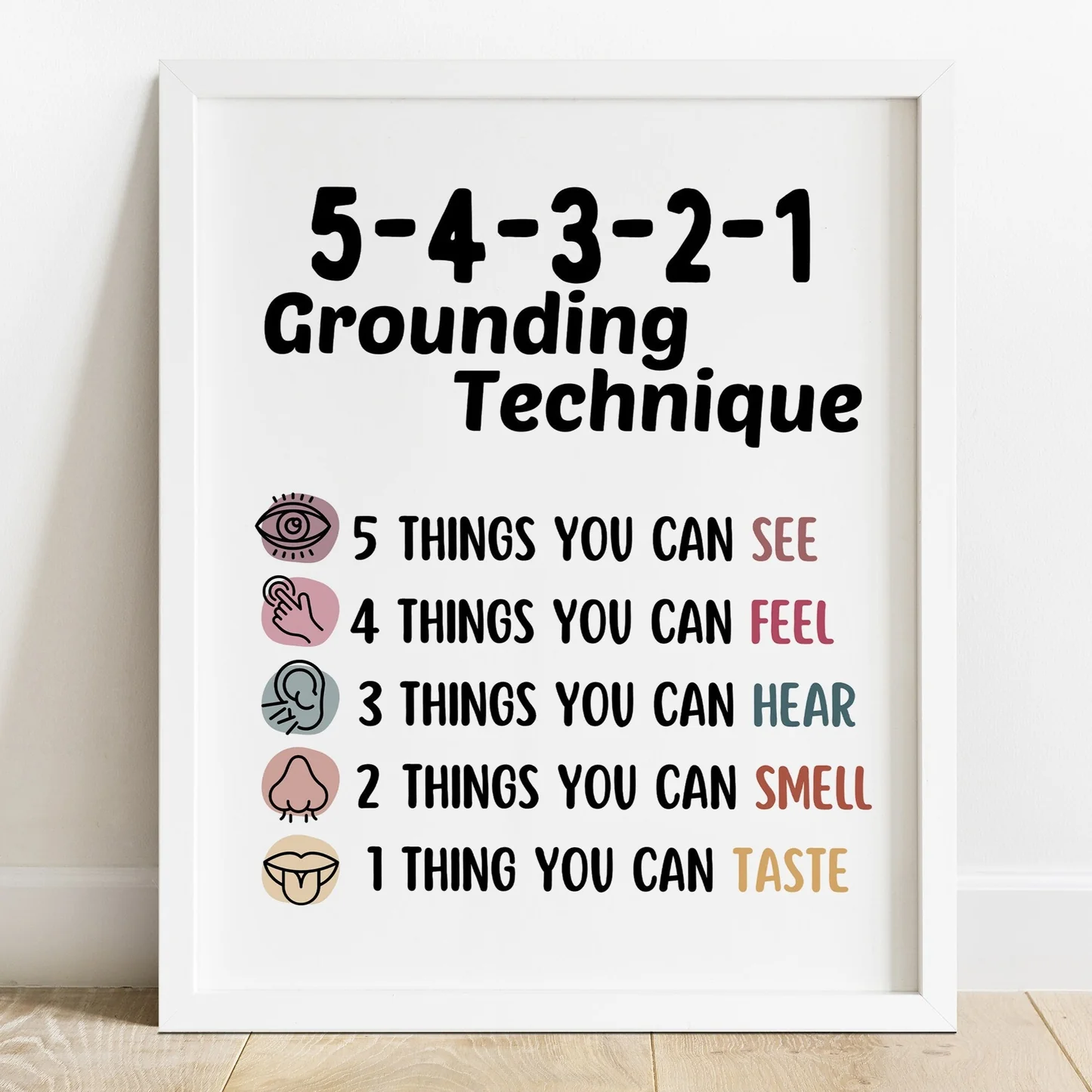
Muscle Relaxation Methods
Now let’s talk about turning the tension down a notch with progressive muscle relaxation. It’s the “squeeze and release” strategy for your body, aimed at easing those knots of stress. You concentrate on one muscle group at a time, clench it, then slowly let it go. It’s a bit like unwinding a tightly coiled spring inside you.
Science backs it up, too! This technique can tone down stress levels and soothe your mind. During a panic attack, it’s your secret weapon to regain command over your body’s autopilot.
Make muscle relaxation a part of your daily lineup. It’s like training for the big game but in this case, you’re prepping to tackle anxiety. With this routine in your pocket, you’ll be prepped to handle panic attacks like a seasoned pro, restoring your cool and reclaiming your peace.
Medication and Professional Options
So you’re up against panic attacks and want to know what can really help? Let’s get into what medication and therapy can do for you. A blend of these can help create a well-rounded plan that suits your needs.
Medications for Panic Attacks
Medications can be a game-changer by taking the edge off panic attacks, easing immediate symptoms, and helping with ongoing anxiety management. Here’s a rundown of some popular meds and what they’re good for:
| Type of Med | Popular Choices | What You Need to Know |
|---|---|---|
| Benzodiazepines | Xanax, Valium | Quick relief, but don’t get attached. These can be addictive, so they’re mainly for the short haul. |
| Antidepressants | SSRIs | Good for the long run. They help keep your brain chemicals balanced and chill out those unexpected attacks. |
| Anti-Seizure Meds | Pregabalin, Clonazepam | Help dial down anxiety symptoms, lending a hand during those sudden panic moments. |
Before you pop any pills, chat with a doctor to make sure you’re on the right track with both the type and amount of medication that suits your unique case. Want more info on panic meds? Hit up our article on best self-help books for panic attack relief.
Therapy for Panic Disorder
Medications aside, therapy can play a massive role in managing panic attacks and the anxiety behind them. Therapy helps dig into what’s really causing your panic and offers tools for coping. Here are some therapies that might work wonders for panic disorders:
- Cognitive-Behavioral Therapy (CBT): This one’s all about rewiring your brain to change those unwanted patterns of thinking that lead to anxiety and panic attacks. It’s like hitting the refresh button on your thoughts and can make a big difference over time.
- Exposure-Based CBT: Here, you’ll face your fears head-on, bit by bit. By gradually exposing yourself to triggers, you learn to handle them better, leading to fewer, less intense panic episodes.
Mixing therapy into your game plan for tackling panic attacks can be a big win. It offers strategies that can last a lifetime. Curious about therapy options? Check out our article on top resources for managing panic attacks in 2025.
Knowing how medications and therapy can help with panic attacks is like having a personalized map to guide you through the storm. Stay close with your medical and mental health teams—they’re your best bet for understanding panic disorders and finding a road towards feeling better and stronger.
Understanding Panic Attacks
Dealing with panic attacks can feel like trying to find the lightswitch in a dark room. They can come on sharply and unannounced, leaving you glued to the spot. Getting a grip on what sets them off and how your body reacts can make a massive difference in keeping them at bay.
Triggers and Responses
Panic attacks don’t tip their hat to any specific cause, but they love a good ambush when things flip from calm to chaotic. Picture your body’s fight-or-flight response leaping into overdrive, as if a lion just pounced on you — only there’s no lion, just thin air and maybe yesterday’s argument still jostling your nerves. (Mayo Clinic).
Panic-inducing triggers are as unique as fingerprints. Maybe it’s a towering pile of deadlines, a spider hanging out above your sofa, or your heart deciding to run a marathon while you’re drinking coffee. Tracking these triggers like a detective can equip you with the tools to tackle them head-on.
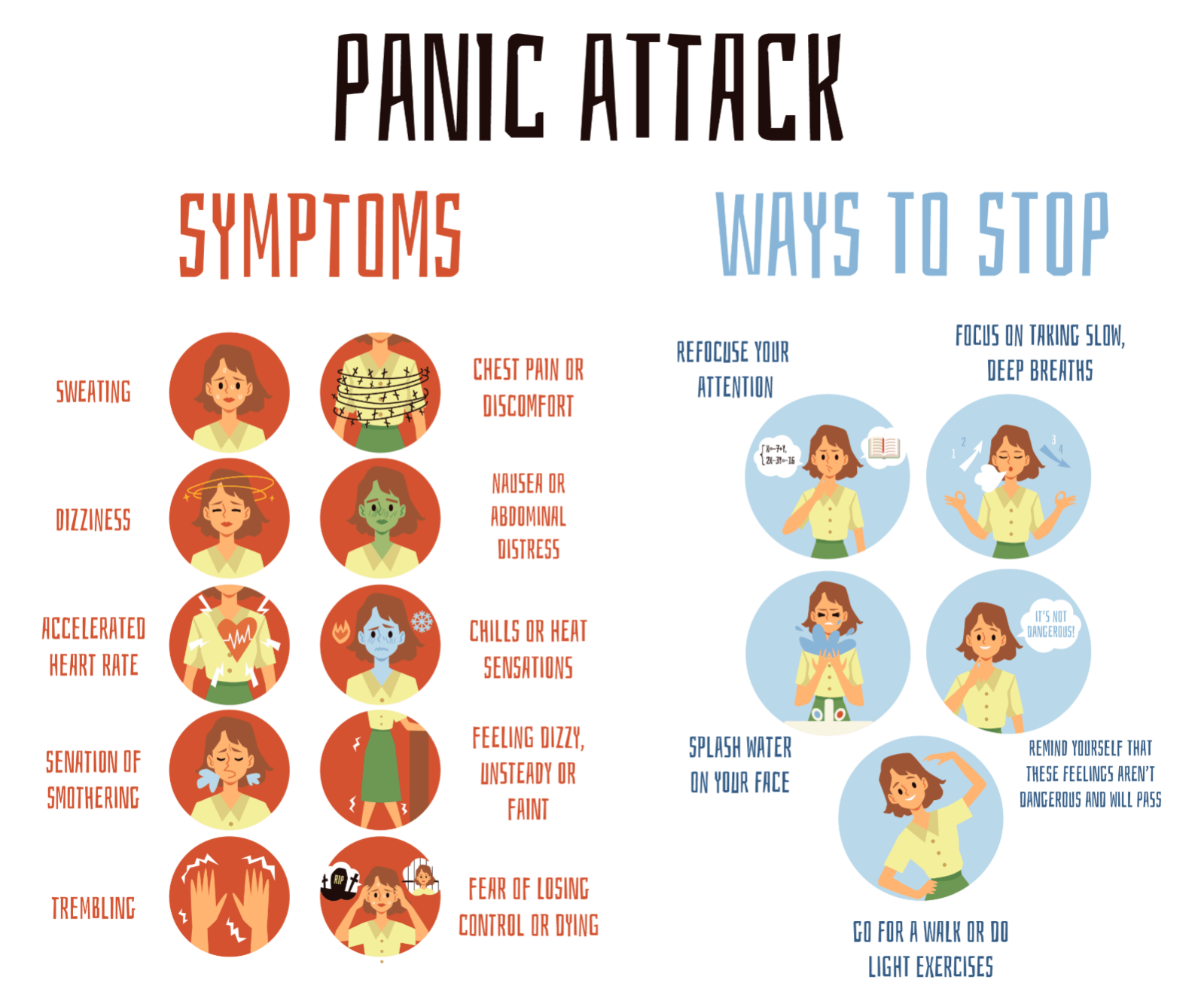
When the panic switch is flipped, you might find yourself with a pulse that plays drums in your chest, hands damp and unsteady, or air suddenly an ex— a squeeze away. Spotting these signs early lets you throw the brakes on with strategies that fit you just right.
Symptoms and Distinguishing Factors
Those panic gremlins often start causing mayhem during your late teens or twenties, showing a preference for making a nuisance out of themselves more often among women than men. Risk factors are a mixed bag, involving personality quirks or life events that shake your foundation (Mayo Clinic).
Here’s a quick lineup of the rascals’ favorite tricks:
- Sudden dread overload, like the world’s about to crash
- Heart racing like a scared rabbit
- Sweating, shaking like your body’s been hit by a chill—shake
- As if you’re extracted breath through a kinked-up straw
- Feeling like someone’s sitting on your chest
- Stomach somersaults and nausea
- Dizzy spells that make you wobble like a top
- A numbed body that’s forgotten to connect to the brain
Understandably, these can make you think it’s something else, like your heart playing a cruel game. But if chest pain and scary symptoms come knocking, getting checked out ASAP might save you from unwelcome surprises (Verywell Health).
Cracking the code of what makes panic attacks tick—and the symptoms they bring along—could set you on the right path towards managing them. Grabbing a lifeline from a pro and forming your own toolbox of survival tricks is a smart way to wrestle back the wheel from panic disorder and reclaim your mental health zen.
Coping Strategies and Prevention
Handling panic attacks needs a mix of personal tactics and professional help. Using the right strategies can make a big difference in how often and how severe your panic episodes are. Let’s dig into some useful tips and treatments that might help you regain control over your panic symptoms.
Self-Help Suggestions
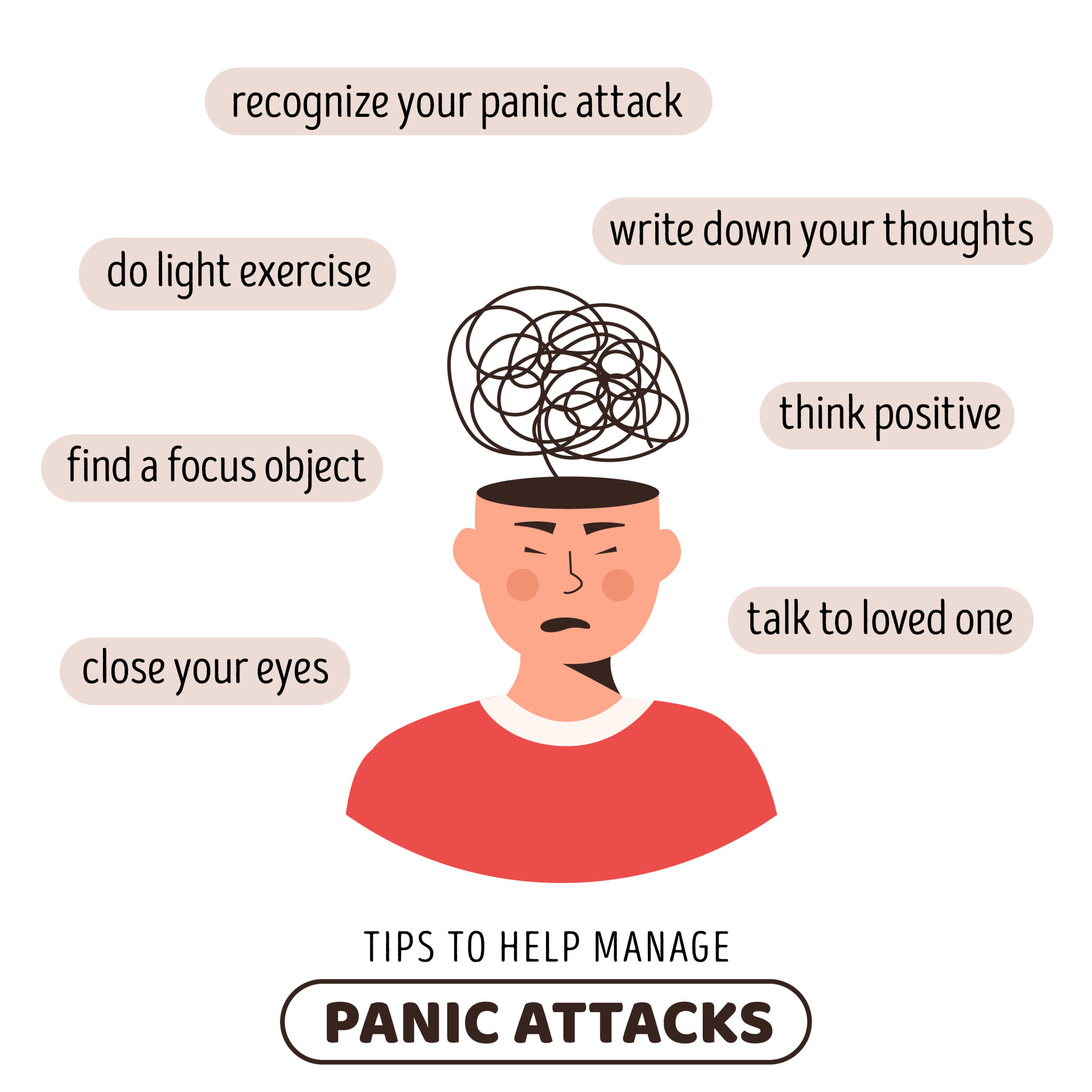
Sometimes, you just gotta help yourself out. Whether it’s practicing breathing techniques or finding your zen through mindfulness, these can throw a wrench in the works of anxiety and stop it in its tracks. Ready to dive in? Check these out:
- Breathing Techniques: Ever heard of belly breathing? Not just a catchy name, it’s a simple way to relax and slow down your racing heart. You inhale deeply through your nose, let your belly rise, and exhale slowly through your mouth. Do it a few times. (Maryland Primary Care).
Breathing Technique How to Do It Diaphragmatic Breathing Inhale deeply through the nose till your belly lifts, then slowly exhale through the mouth. Repeat as needed. - Box Breathing: Try box breathing if you need a little structure. Breathe in, hold, breathe out, hold—like drawing a square. It helps keep your mind and breathing in check (Maryland Primary Care).
- 4-7-8 Breathing: This one’s all about creating a relaxing rhythm. Breathe in through your nose for four counts, hold for seven, and out through your mouth for eight. Works like a charm to chill you out (Maryland Primary Care).
Want more tips to fend off the panic monster? Check out a routine to keep panic at bay and get a futuristic take with lifestyle changes to avoid panic attacks in 2025.
Medical Treatment Options
If doing it on your own ain’t cutting it, getting some medical backup is a solid plan. Seeing a healthcare whiz can open doors to treatments like medication or therapy. Let’s break down some choices:
- Medications: Forget googling symptoms. A doctor might prescribe meds like SSRIs, benzodiazepines, or other types of antidepressants to help ease what you’re dealing with (ADAA).
- Therapy: Cognitive-behavioral therapy (CBT) gets a shout-out here. It’s like having a guide who helps you spot what sets you off and equips you with tools to manage your panic.
Putting personal strategies and medical treatment in the same corner can be your best fight plan against panic attacks. Customize your approach to fit your life, and don’t hesitate to seek help from professionals when needed. Keeping your mental health on track is the real game-changer for finding relief and well-being long-term.