Panic attacks can feel like an unwanted blast from a firehose of emotions, leaving me drenched in anxiety and questions—one of those big questions is how my hormones fit into the picture. Turns out, there’s this brain buzzword: orexin. Let’s break it down in friendly terms.
Orexin is kinda like the caffeine of the brain—a natural stimulant keeping everything alert and awake. I found out it’s got some fingers in the pie when it comes to panic attacks. Imagine a seesaw—too little orexin and you might find yourself dozing at odd hours, as in narcolepsy; but tip the other way, and suddenly, panic attacks show up uninvited. When too much orexin is in play, the brain is on hyper-drive; imagine hitting a gas pedal too hard on a windy road—your heart races, palms sweat, and that smothering feeling sets in.
How does this actually happen? Well, if sodium lactate (a fancy name for a chemical that can cause panic) takes a field trip through my system, it tweaks the brain areas where orexin hangs out—hello, anxiety! Supercharged vigilance and a jumpy switchboard in the brain; it’s like having a really nosy neighbor.
Impact of Orexin Levels on Anxiety Behavior
Here’s the kicker: folks dealing with panic disorder have more orexin swimming around in their brain juice than those who don’t. For me, that changes things up. Especially when you notice higher levels in those with panic issues minus depression compared to those juggling depression too. It’s like orexin is being sloppy targeted just at panic, a subtle nudge to say, “I see you,” to panic disorder.
When the orexin system decides to party too hard, panic attacks become the uninvited guests crashing the shindig. Luckily, science is cooking up some interesting potions by creating drugs that put a “do not disturb” sign on the orexin receptor. These breakthroughs offer a sliver of hope for mending panic disorder—a relief as soothing as finding that one perfect excuse for skipping a stressful event.
The more I learn about orexin meddling with anxiety and causing panic attacks, the clearer the strategies become for seeking peace. Whether through potential new drugs or embracing a holistic game plan, there shines a beacon (of hope) in gaining a grip over panic symptoms. At the end of the day, tinkering with those hormonal balances might just be the ticket to riding out life’s emotional roller coasters with a steadier hand.
Stress Hormones and Panic Triggers
Alright, let’s chat about something we’ve all felt at one point or another: stress and its annoying pal, panic attacks. You ever wonder why your body seems to go haywire when you’re stressed out? It all boils down to those sneaky stress hormones: adrenaline and cortisol. These guys are notorious for kicking up a storm when it comes to panic attacks and anxiety. Let’s dive right in.
Release of Adrenaline and Cortisol
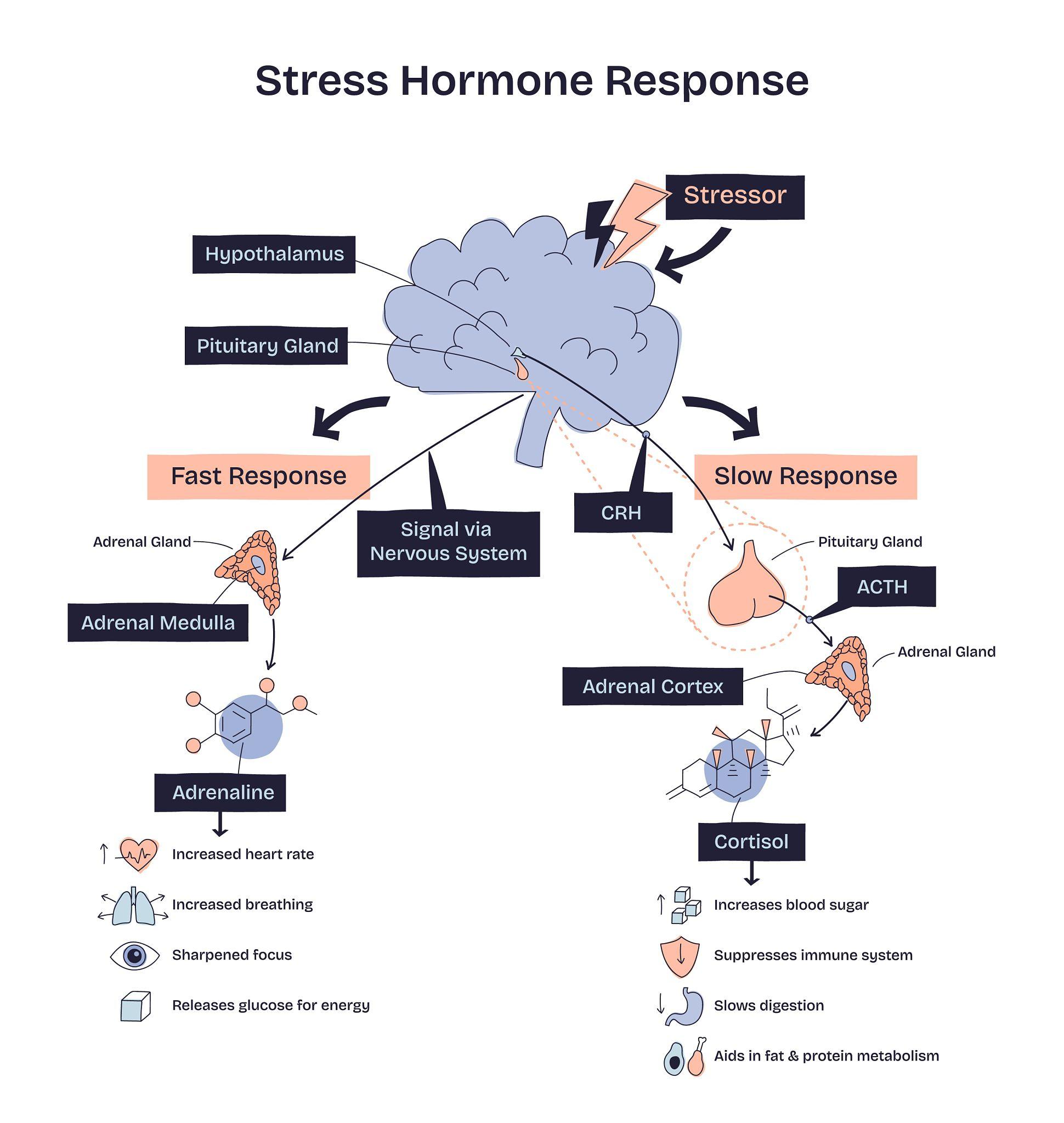
Picture this: you’re walking down the street when bam! Something stressful happens. Your brain, being the over-zealous alarm system it is, sends a message to your adrenal glands, pulling the adrenaline and cortisol lever. Next thing you know, they’re rushed into your bloodstream. Think of it like that frantic last-minute prep you do when guests are on their way over. This ‘fight-or-flight’ response? It’s your body gearing up to tackle whatever danger it thinks is lurking around the corner (Mayo Clinic).
Adrenaline, your internal caffeine shot, cranks up your heart rate, spikes your blood pressure, and dumps glucose into your bloodstream like it’s going out of style. The idea’s to turn you into a superhero, ready to dodge danger at a moment’s notice.
As for cortisol, it’s the brains behind the operation. It makes sure you’ve got sugar coursing through you to keep your mind sharp and your energy levels high (Mayo Clinic). It’s got a few more tricks up its sleeve too—like helping with tissue repair and keeping your immune system in check.
Effects of Long-Term Stress on the Body
Now, here’s where things get sticky. That “guest-over” stress is fine once in a while, but if you’re hosting every night, you’ll eventually burn out. Spend too much time under stress’s thumb, and the whole stress harmony goes off-key. Constantly high cortisol levels won’t just mess with your digestive, reproductive, and growth systems, but they’ll keep holding your mental state hostage, increasing feelings of anxiety and other mood disorders (Mayo Clinic).
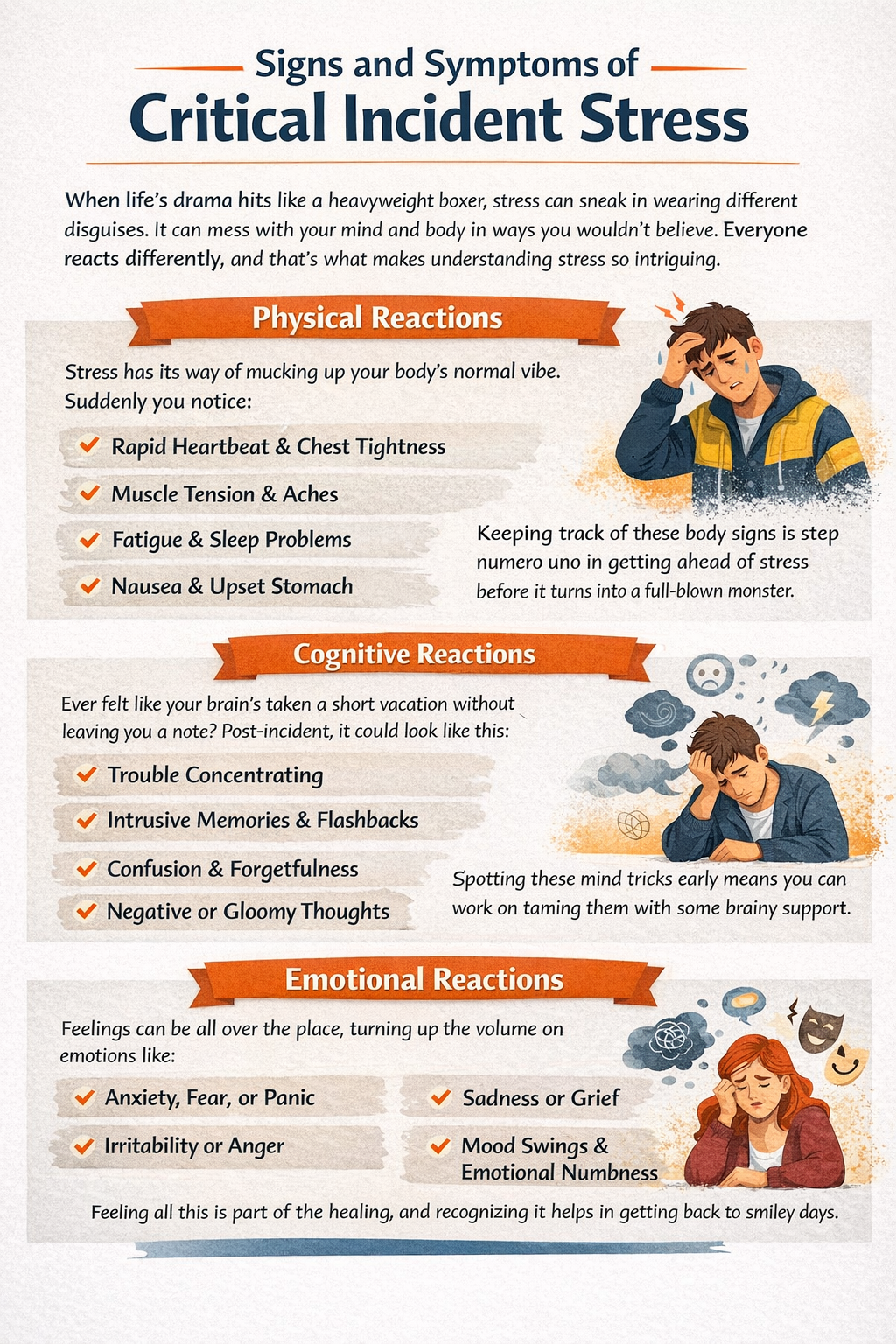
Living in this high-alert state can also stir up some frustrating physical symptoms—flipping your heart rate, speeding up your breath, tensing your muscles, and drenching you in sweat (Harvard Health Publishing). Getting to grips with how stress hormones and panic triggers are playing tag team in your body can arm you with the tools to better manage panic episodes and calm the constant hum of everyday stress.
Hormonal Imbalances and Anxiety
Let’s chat about how those sneaky hormone changes can mess with our minds, stirring up anxiety like nobody’s business. Hormones are more than just bodily messengers—they’re the little gremlins who can tweak emotional chords, and when they’re out of whack, you might find yourself jittery or overwhelmed.
Influence of Hormonal Fluctuations on Anxiety
So, picture this: hormones like cortisol, insulin, estrogen, and testosterone are the major players dunkin’ on your mental peace. If they go out of line, as Cleveland Clinic notes, anxiety might come knocking harder than usual. For example, cortisol—the “stress hormone”—when it’s pumped up for too long, you might feel like you’re living on the edge.
Link Between Hormones and Anxiety Disorders
The circus that hormones can create in our heads is quite something! Some folks even find themselves struggling with anxiety disorders thanks to these hormone mischiefs. Did you know NIH Research Matters points a finger at orexin for messing with minds, possibly sparking panic attacks with its over-enthusiastic antics?
Grasping this connection isn’t just about blaming your hormones but opening doors to fresh ways of tackling these emotional hiccups. Chat with your doc, maybe even get those hormone numbers checked! It’s a step towards figuring out what your body needs to simmer down those anxiety vibes, offering some personalized relief that fits just right.
Specific Hormonal Triggers
Getting into the nitty-gritty of how hormonal imbalances mess with our heads shows some clear culprits. Let’s talk about cortisol issues and those pesky changes during menopause and that infamous monster, depression.
Impact of Cortisol Imbalances on Anxiety
Cortisol, your body’s main stress superhero, jumps into action whenever life throws a curveball. But what happens when our cortisol system goes haywire? Suddenly, you might feel like you’re on a panicky rollercoaster ride, kicking anxiety into overdrive. It’s like your mind’s fight-or-flight response gets stuck in the “on” position, which isn’t fun for anyone.
Stress overload messes with cortisol levels, keeping them high and wreaking havoc on our mental peace. Elevated cortisol levels become like an anxiety megaphone, cranking up our restlessness and tension, setting the stage for panic attacks to frequent our lives. Tackling cortisol imbalances isn’t a one-size-fits-all deal, but taking up chill vibes through stress-busting activities, sprucing up your daily habits, and sometimes chatting with docs can help level out those stress chemicals.
Hormonal Changes During Menopause and Depression
Menopause—our delightful transition into the golden years—invites a bunch of hormonal jugglers into our mental circus. We’re talking serious mood swings here. Those estrogen changes don’t just affect our bodies, they also fill out a whole emotional drama series with starring roles in anxiety and depression. This can hit pretty hard, especially during the run-up to full menopause.
As estrogen takes a nosedive, mood issues turn up the volume, with gloomy episodes featuring prominently. Alarms ring when chemicals like DHEAS and GABA that help our mood go wonky, supporting this unpleasant mood symphony.
The good news? There’s hope. Researchers found mixing usual antidepressants with a splash of estrogen goodness makes a potent elixir against menopause-linked blues. Patches like transdermal 17β-estradiol have been shining stars in smoothing out emotional waves, bringing some calm to the storm in many women’s lives.
Handling hormonal bellyflops in menopause means taking a team approach: consider hormone therapy, mental health support, and lifestyle tweaks. Tackling these hormonal hurdles head-on helps ease anxiety and cut down on panic attacks. Whether it’s yoga, therapy, or a personalized hormone plan, finding what clicks can reclaim peace of mind.
Managing Hormonal Imbalances
Keeping your hormones in check might be your secret weapon against those nerve-wracking panic attacks. It’s not just about popping pills; blending some relaxation hacks with maybe a dash of medical help can level things out.
Coping Techniques for Stress
Stress and hormones are like peanut butter and jelly, they often stick together, sometimes too much. By keeping stress in the backseat, you can tone down those panic attacks and possibly even feel like a new person. Who doesn’t want a calmer mind, less anxiety, and an uptick in life satisfaction? (Mayo Clinic).
Try calming the chaos with some deep breaths, meditation, or even a bit of yoga. Trust me, stress hormones like cortisol hate these calming vibes. Add some exercise to your routine, gab with friends, eat well, and don’t skimp on sleep – it’s the backbone of stress-busting.
For ongoing stress battles, shake things up with the Relaxation Response – think deep breathing, imagining tranquil scenes, repeating a prayer, or moving through yoga or tai chi flows (Harvard Health Publishing).
Medical Interventions for Hormonal Imbalances
Sometimes your hormones are just begging for medical attention, especially if they’re throwing panic parties. A trip to an endocrinologist or a specialist might be the key to identifying the hormonal culprit, and devising a plan that works for you.
Your treatment could involve hormone patches, pills, or surgeries to set your hormones straight. Make sure to get a full workup and step-by-step medical advice to keep those hormones behaving and panic at bay.
Changes like pregnancy, menopause, or switching up your contraceptives can make your hormones wiggle, affecting moods and even ramping up anxiety or the blues (Medical News Today). Getting expert advice on navigating these shifts can keep your mental boat steady.
Layering stress management with suitable medical action empowers you to tame those hormone-triggered panic episodes. Find peace in stress-busting and rely on healthcare pros to steer your hormonal ship right. So take that first step, because a balanced hormone life is a happier, panic-free life.
Lifestyle Changes for Hormonal Balance
It’s time to ride the wave of healthier habits for hormone harmony. You don’t need to become a meditation guru or a gym fanatic overnight, but tweaking your daily routine might just be the ticket. Stress? Less of it. Sleep? More of it. These little shifts can do big things for calming hormones like the ever-annoying cortisol. A calmer you is a happier you!
Exercise and Cortisol Regulation
Getting off the couch and moving your body is one of the best stress-busters around. When you exercise, it’s like giving your cortisol a bedtime story and a warm blanket. The Cleveland Clinic says a bit of movement can work wonders on those pesky stress levels.
Type of Exercise
How It Helps
Running, Cycling, Dancing
Tosses out stress, lifts your spirits.
Lifting Weights
Smooths out those hormonal bumps and boosts your mood.
Yoga and Pilates
Chill vibes, less stress, and a happier hormone cocktail.
Mix up a little heart-pumping cardio, some confidence-building weight lifting, and wrap it all up with yoga or Pilates to keep your cortisol chill. It’s not just about fitting into your favorite jeans; it’s about making your heart and mind feel lighter and brighter.
Importance of Mindfulness and Sleep
Imagine a life where stress barely phases you. Yeah, that starts with mindfulness and beauty sleep. Techniques like catching your breath, meditation, or even envisioning that dream vacation can shush stress and amp up the calm vibes. Check out Harvard’s take on the matter.
Practice
Why Your Hormones Like It
Meditation
Cortisol levels hit the snooze button.
Just Breathe
Nervous system—meet chillax mode.
Visual Daydreaming
Sends anxiety packing.
And let’s talk sleep, folks. If you’re skimping on sleep, you’re doing your hormones dirty. Nighttime is when your body hits the reset button and shifts those hormones back into their groove. Enough sleep and your mood’s happier, your thoughts are sharper, and stress suddenly seems manageable.
So why not give it a shot? Dive into calming practices like meditation, and make bedtime your best time. You’ll not only keep those pesky panic attacks at bay but build a stronger, stress-ready you. It’s all about setting a solid foundation for feeling good all around, enough to withstand whatever life throws your way.