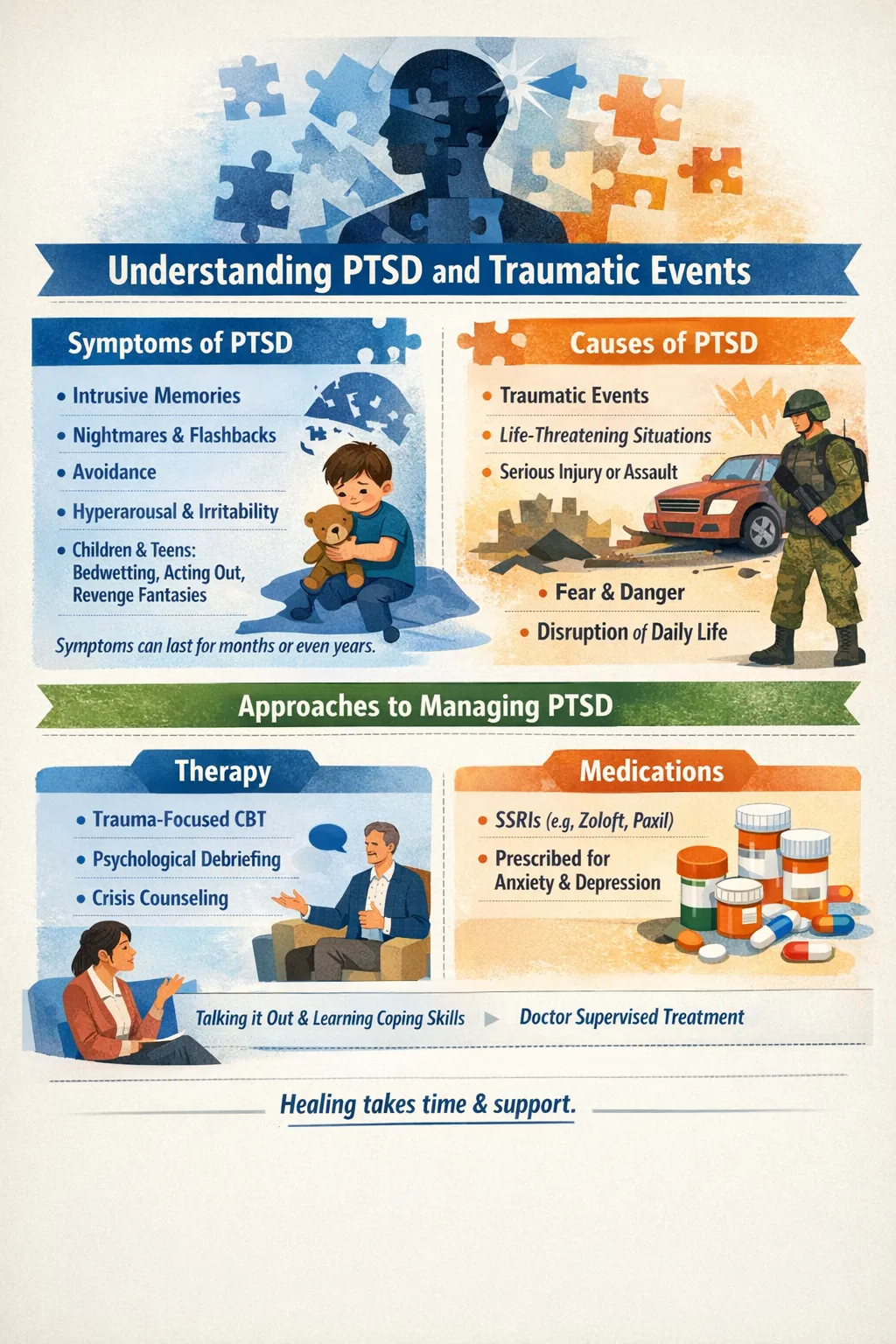
So, let’s talk about panic attacks. They’re like those sudden scares that manage to throw your body into a state of total freak-out, even when there’s no real reason to hit the alarm button. Something as simple as chilling on your couch, where nothing’s seemingly wrong, suddenly feels like a Broadway horror show. Panic attacks rise fast, bathtub drain fast and often leave you feeling like a smartphone on 5% battery (Mayo Clinic).
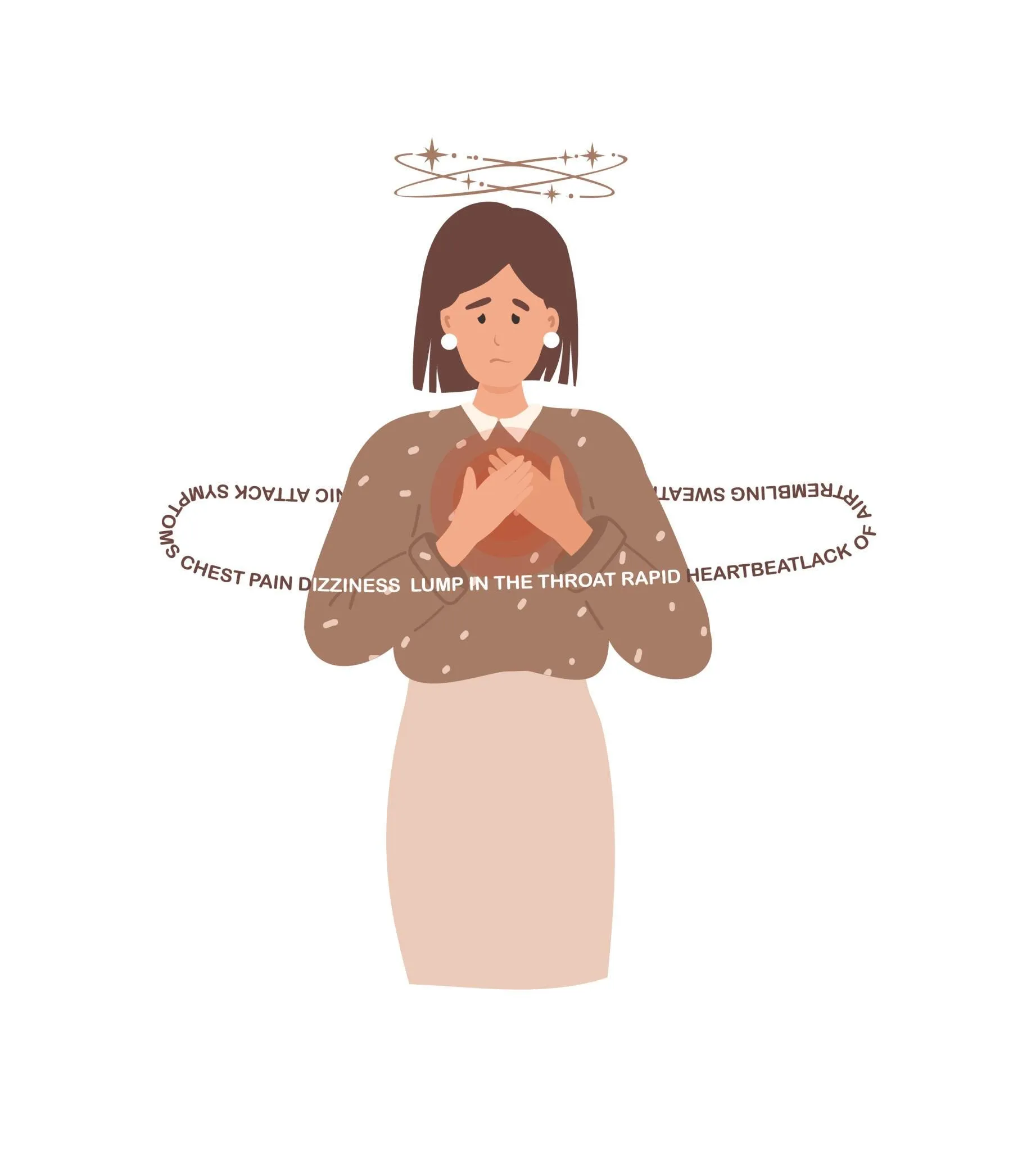
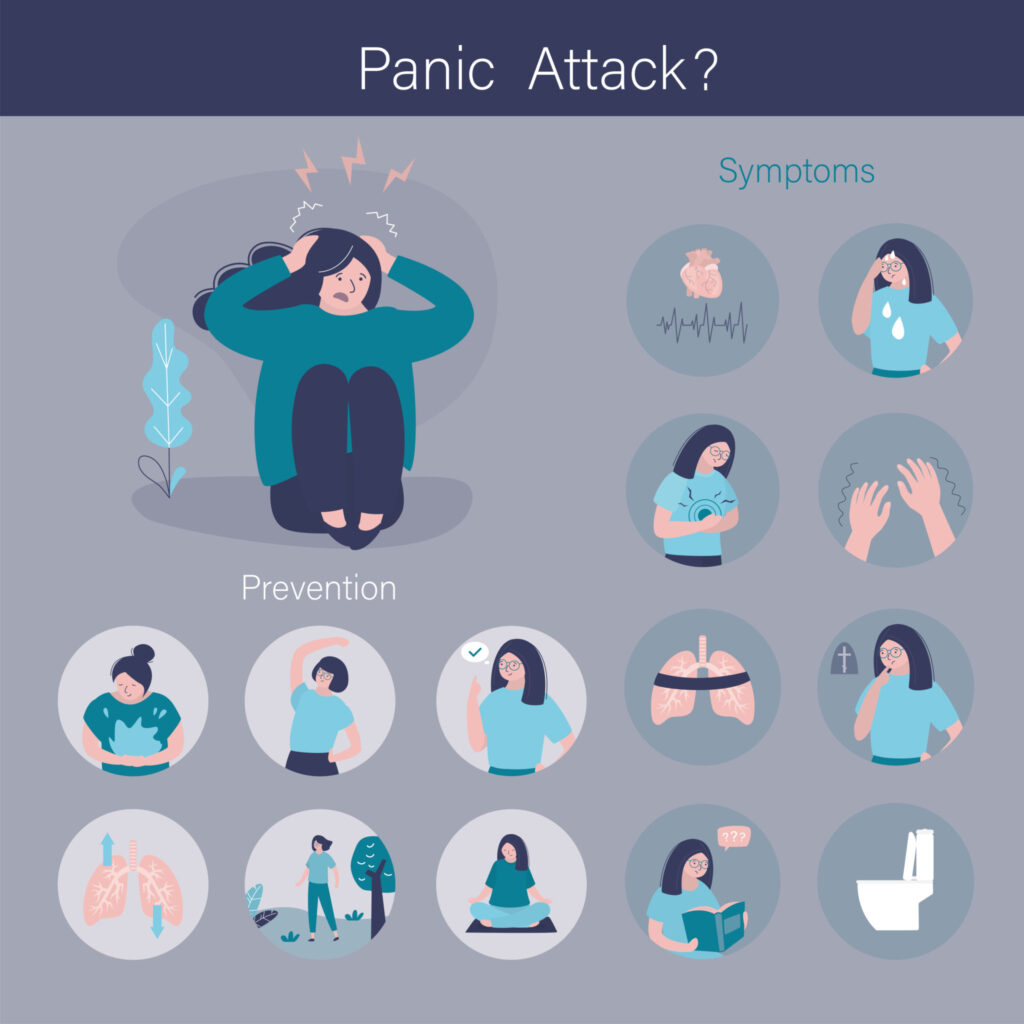
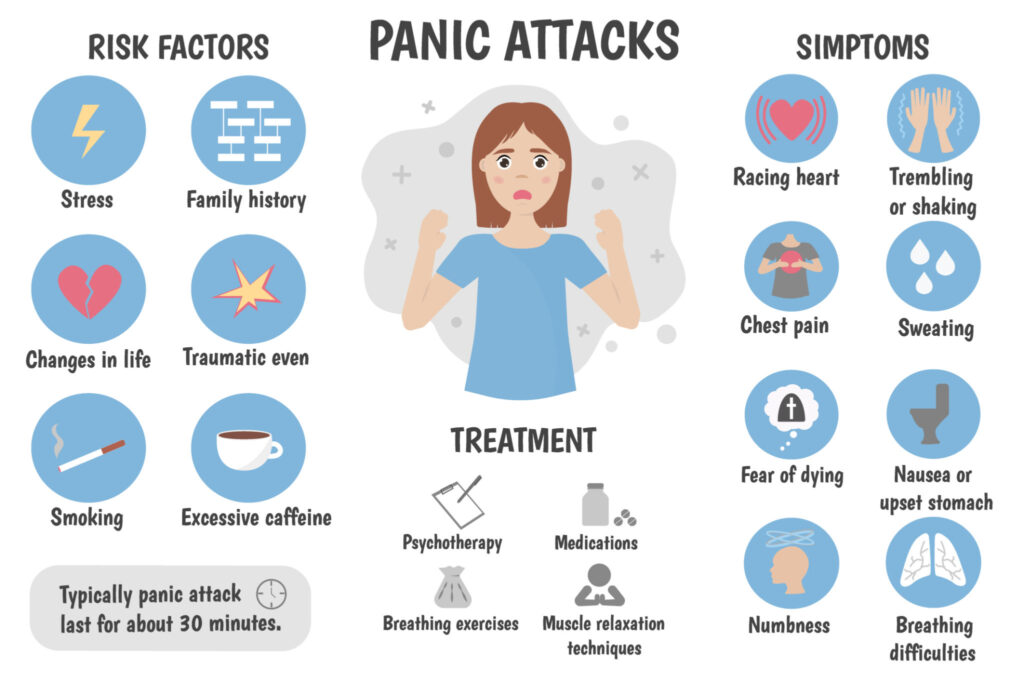
Ah, the buffet of panic attack symptoms. Some of us may dabble in a bit of this and that, but they really have a way of making their presence felt. Here’s the usual lineup you might face:
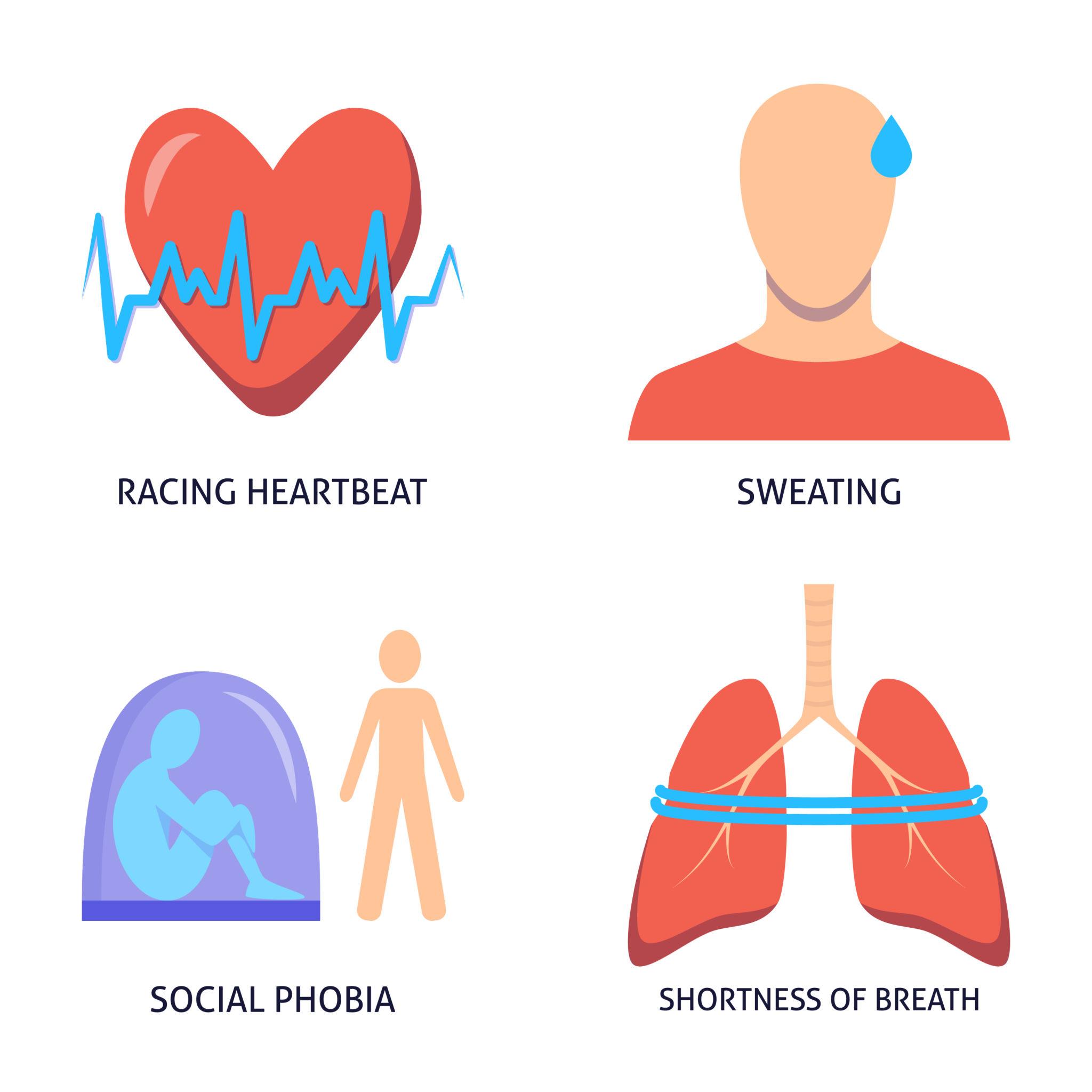
Your heart’s doing its best impression of a rock drummer
A sharp jab to the chest (not the love kind)
Gasping like you’ve just sprinted a mile
Hands all jazzed up on shake mode
Sweat patches that recall awkward teen years
A merry-go-round headspin
That stomach-twisting carnival ride feel
Freaky sensations like numbness or that ‘pins and needles’ thing
Temperature flip-flop from chilly to toasty
Brain screeching it’s about to lose all control
Mind you, these symptoms aren’t just playing physical. They stick around in the emotional corner, too, shaping everyone’s experience a tad differently. If you know someone dealing with this symphony of stress, do holler at a pro for solid advice.
Duration and Frequency of Panic Attacks
Picture this: out of nowhere, panic’s in the driver’s seat, whether you’re cruising in your car, sauntering through the mall, snuggled in bed, or trapped in a board meeting. The length of these bumpy rides varies. Most last from about 5 minutes to almost half an hour, but some folks have weathered the storm for as long as an hour (Cleveland Clinic).
These attacks crash anyone’s party from once-in-a-blue-moon to repetitive gatecrash. The regularity can vary especially with stress or health issues, ticking down like one unpredictable countdown. Getting the hang of how long and often these attacks come helps folks and their docs sketch out personalized battle plans. It’s all about getting ahead of these tornadoes with some proactive defenses, professional support, and mastering those ‘keep-calm’ tactics. Want a deeper dive into panic attack triggers and how to schmooze them? Check out our article on understanding panic attack triggers in 2025.
Factors Contributing to Panic Attacks
Understanding what sets off those heart-pounding panic attacks isn’t just a guessing game. Turns out, a few usual suspects like a misbehaving part of the brain called the amygdala and a mess of certain brain chemicals—GABA, cortisol, and serotonin—are frequently to blame.
The Role of Amygdala Dysfunction
Picture the amygdala as the brain’s panic button. When it goes haywire, even a creaky floorboard might seem as scary as a lion’s roar. Folks with panic disorders often have an amygdala that’s fired up more than a cat in a room full of rocking chairs. This means they’re on high alert all the time, spotting threats where there might not be any.
Chemical Imbalances in GABA, Cortisol, and Serotonin
Now, onto those moody chemicals—kind of like the cast of a soap opera in your brain, playing out dramatic roles:
GABA: Think of GABA as the brain’s chill pill. It’s a calming influence but when it’s low, things can get pretty wild. Low GABA might leave the brain in a fluffy of anxiety, on edge and set for a panic attack at the slightest stressor.
Cortisol: Known as the “stress hormone,” it’s like a drama queen in your head, always ready for the next crisis. If you’re stressed out, cortisol kicks into high gear, which can keep your system on red alert and have you feeling like you’re in constant danger.
Serotonin: The “feel-good” guy, serotonin, makes sure everything feels balanced and bright. But when it ditches the party, anxiety likes to step in and seize the spotlight, turning even mundane moments into panic-filled episodes.
Putting the pieces of the amygdala and these brain chemicals together is like working a jigsaw puzzle of why panic attacks happen. Getting them sorted out with targeted treatments and a few lifestyle tweaks might just be the ticket folks need to regain some peace and a normal rhythm in life—back to the slow waltz rather than the jitterbug.
Prevalence and Demographics
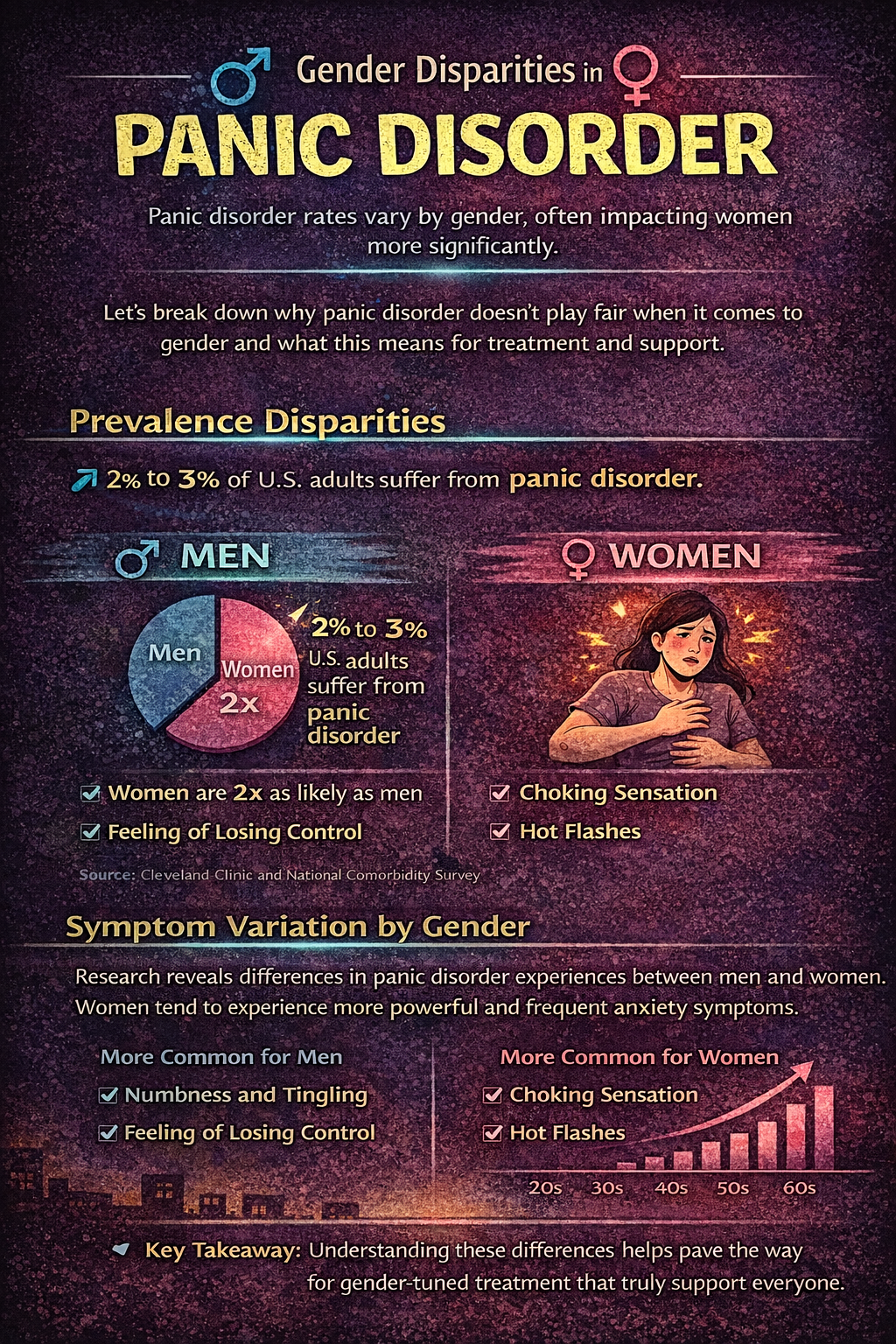
Let’s talk about the panic disorder scene: around 2% to 3% of folks in the U.S. are hit by it. Women tend to draw the short straw, being about twice as likely to face this challenge compared to men, who might get a bit of a free pass on this one (Cleveland Clinic). Panic disorder often gatecrashes the party during those awkward late teenage years or when you’re just dipping your toes into adulthood, and trust me, women feel its presence way more than men do (NIMH, Mayo Clinic).
Gender Disparities in Panic Disorder
You can’t ignore the glaring gender gap in panic disorder. Women bear the brunt here, being more prone to panic attacks than men. The stats and studies point out that those assigned female at birth walk on thinner ice with this disorder (NCBI). There seems to be a bit of a genetic relay race going on, with panic disorder tendencies passing down the family line, and genes playing puppet master in its prevalence.
By getting a grip on who panic disorder targets and how widespread it is, we’re better equipped to tackle its effects head-on. Spotting these gender differences is like holding a magnifying glass to the problem, helping us craft better support and care for those in panic’s grip.
Triggers of Panic Attacks
Panic attacks, they’re sneaky little devils and can pop up when you least expect them. But let’s get to know them better by checking out what typically sets them off. Mainly, we’re looking at the stuff around you and a little bit of family history.
Environmental Factors
What’s going on around you can stir up the kind of anxiety that leads to a panic attack. Maybe it’s the pressure from your boss breathing down your neck about project deadlines or having to host a family dinner for 12 right after a 10-hour workday. Stressful events, memories that sting, or even just seeing a spider the size of your palm can make things go haywire for someone prone to panic attacks.
Loud noises like your neighbor’s rock band practice, packed places like a New Year’s Eve party, or even that cologne that reminds you of your ex—these can all trigger panic for some folks. Knowing what sets you off is key to sidestepping a meltdown.
Genetic Predisposition
Sometimes it feels like panic attacks are inherited like your uncle Fred’s wacky hair. Five genes: NPY, ADORA2A, COMT, and IKBKE; they are the usual suspects when it comes to feeling that sense of overwhelming fear. Panic disorders can run in families, but scientists are still scratching their heads about why one sibling might have it and another doesn’t.
The chances are decent, roughly 30%-40%, that if your twin freaks out in crowded elevators, you might too. Studies highlight genetic quirks, like the BDKRB2 and NPY5R genes, that might throw in their two cents regarding your panic attacks.
Even some chromosomal regions have been pinpointed as accomplices in this genetic hullabaloo. Knowing what might be in your DNA when it comes to panic attacks helps in spotting it early, figuring out treatments that might work best for you, and keeping potential problems at bay.
By keeping an eye on both what’s happening around you and what you were handed down through family genes, you can better control panic attacks when they strike. Being on the lookout for stress, understanding your personal triggers, and using these insights gives you a leg up in managing what panic attacks throw your way.
Impact on Daily Life
Ignoring panic attacks is like playing with fire; these buggers can really mess with your day-to-day grind. If you let them fester without tackling them head-on, you might land yourself in a bigger pickle than you bargained for. Tuning in early can really amp up your mental and physical well-being.
Complications of Untreated Panic Attacks
Picture this: You’re always on edge, wondering if you’re gonna be ambushed by another panic attack. It’s like borrowing trouble from tomorrow and it ain’t fun. Your mind’s in overdrive, and it takes a toll on how you feel, both upstairs and in your general health. Your work, relationships, heck, even grabbing a carton of milk from the store, starts feeling like climbing Everest. (Mayo Clinic)
When these attacks keep hitting the repeat button, they get tougher to shake off, kinda like a lingering bad song stuck in your head. They might even drag along additional baggage like anxiety or depression, making the case for getting the right help pretty strong.
Relationship to Agoraphobia
There’s a sneaky little thing called agoraphobia that might join the chaos if panic attacks run wild without check. It’s the fear that adds an extra layer of dread to facing everyday situations like catching a bus or hanging out in a busy mall (Mayo Clinic). You end up dodging scenarios that might trigger panic, which might leave your social life and work in a bit of a knot.
If agoraphobia muscles its way in, heading out feels like a monumental task. It can cramp your style with social isolation, not being able to hold a job, or having a hard time keeping up with basic errands. Getting a handle on panic attacks and possible agoraphobia is like buying insurance for a smoother everyday life.
By understanding these lurking dangers and how panic attacks and agoraphobia can team up like a bad duo, you’re taking a major step towards reclaiming your world. Buddying up with a therapist, exploring different treatment plans, and learning tricks to manage your symptoms can give you a fighting chance to steer your life back to the tracks and handle your day-to-day stuff with ease.
Managing Panic Attacks
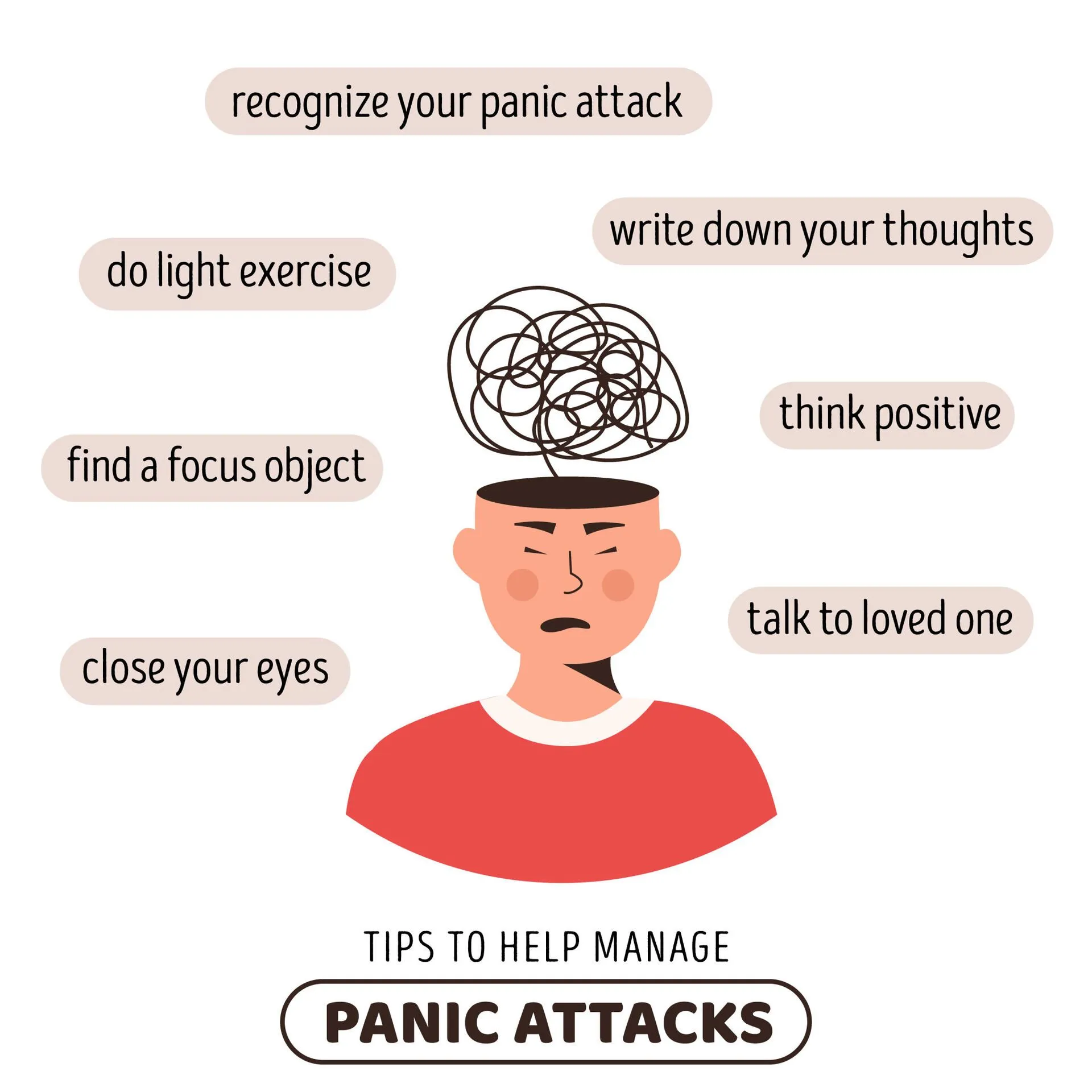
Alright, let’s have a heart-to-heart about panic attacks. They can sneak up on you and knock the wind outta your sails. But the bright side? There’s a whole smorgasbord of ways to tackle these freaky moments head-on. When we figure out what’s out there to help—like talking to someone or trying self-help tricks—we’re basically strapping on armor against panic.
Treatment Options for Panic Disorder
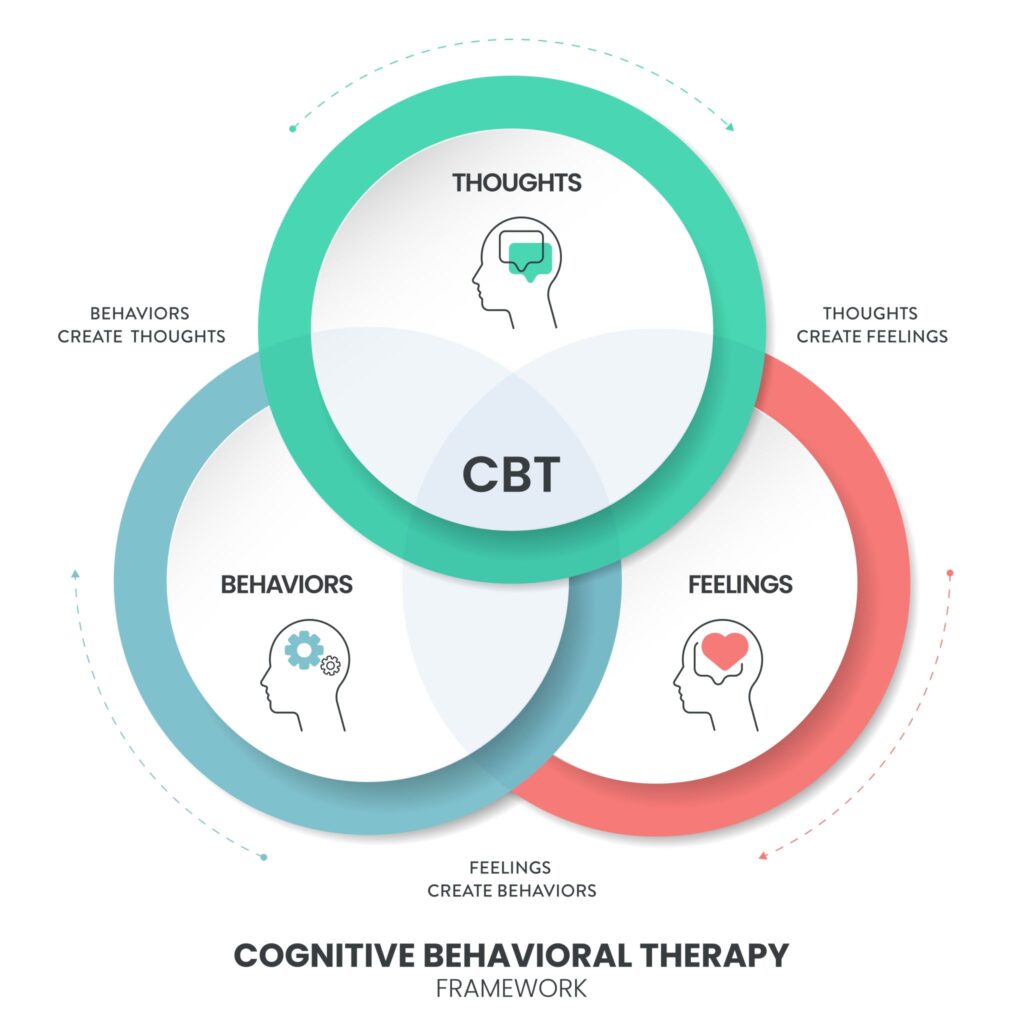
So, panic disorder—it’s like your mind throws surprise parties—except nobody asked for ’em. These anxiety parties can really mess with your daily groove if you don’t reign them in. Lucky for us, there are ways out. We got therapy, meds, or a mix of both to help us keep panic attacks in check. Cognitive-behavioral therapy, or CBT for friends, is a go-to therapy (NIMH. It’s like a mental boot camp where you learn to tackle negative thoughts and habits. You’ll pick up tricks for chilling out and dealing with stress so that panic attacks start losing their bite.
Sometimes, meds like SSRIs or benzos become sidekicks to help fight those beastly attacks. But it ain’t a solo mission—you’ll want a doc or therapist riding shotgun, finding what fits best for you.
Cognitive Behavioral Therapy (CBT) Benefits
Ever heard the phrase “mind over matter”? Well, CBT kinda runs with it. It’s about believing in your ability to handle panic (ACNP). With CBT, you’re playing detective—finding what’s setting off those panic alarms, learning to chill, and saying “nope” to freak-out thoughts.
It’s about taking those brain-training workouts and putting them to work in real life. You and your therapist work together to decode the panic puzzle, and soon enough you’re armed with ways to handle the crappy stuff head-on. CBT is all about building up your defenses so you can bounce back quicker or avoid panic meltdowns altogether.
So, whether you’re buddying up with cognitive-behavioral therapy or picking other paths, it’s about making that decision to push back against panic. Bringing in a pro to help chart your course is key—so you get the backup and know-how you need for smoother sailing in the ocean of panic disorder.
Panic attacks can come out of nowhere, leaving you feeling like a deer caught in headlights. One minute you’re fine, the next you’re swept up in a tidal wave of fear, with your body and mind going into overdrive.
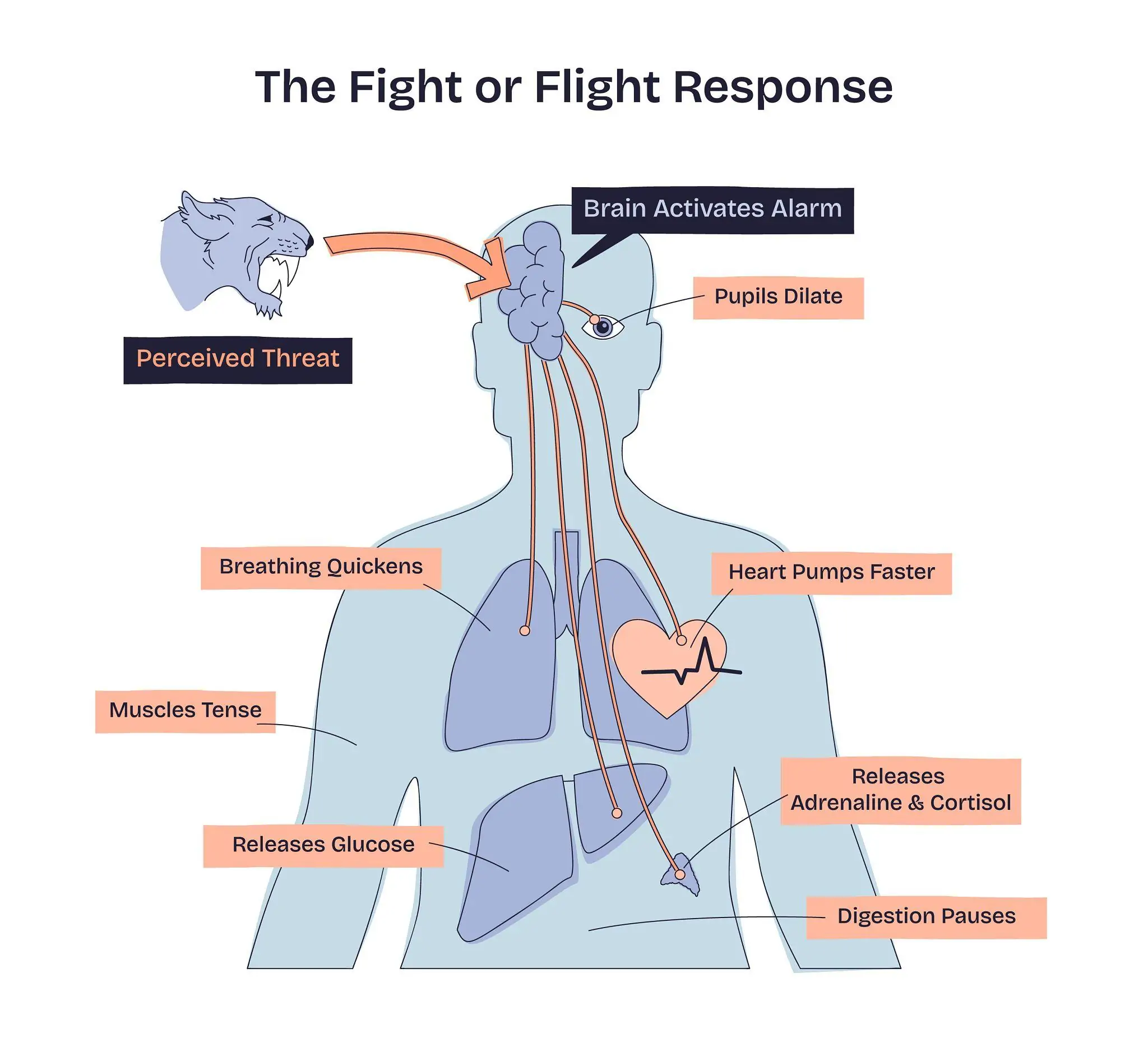
Think of panic attacks as your body’s fire alarm. Except, sometimes they go off even when there’s no smoke to be seen. During these moments, your brain hits the panic button, setting off a chain reaction. Heart starts pounding like a drum solo, breaths become short—like you just sprinted a mile—and every muscle tenses like you’re about to enter a wrestling ring. It’s wild, but it happens even when there’s really no threat around—just too much adrenaline making a mess of things.
Fight-or-Flight Response
Now, the whole fight-or-flight gig is what’s behind these panic attacks. It’s like your body’s age-old invisible shield against danger. You see, when your brain picks up on trouble (whether real or just in your head), it switches to autopilot, telling your body to either gear up to battle it out or to get outta there. So, heart races, sweat pours, the whole shebang. It explains why during a panic attack, everything feels so… intense, like the world’s ending.
Getting a handle on this whirlwind starts with understanding why these panic signals go off. Once you’re in the know, it’s easier to tackle those heart-racing, breath-stealing episodes. Knowledge is power, right? It’s all about figuring it out and finding the help you need to stay calm and carry on.
Triggers of Panic Attacks
Getting a grip on what sets off a panic attack can be a game-changer. Let’s break it down. Stress and meds seem to top the list when it comes to pushing those panic buttons.
Stress as a Trigger
Stress can be as pesky as a mosquito at a barbecue for folks who deal with anxiety issues. When life’s pressures pile up, it’s a short trip to panic-ville. Instead of fighting off tigers, your body’s panic mode kicks in even if you’re just running late to a meeting. Knowing how to tackle stress goes a long way in dodging panic attacks. So, go on and explore some online therapy options to keep stress at bay.
If you’re someone who’s prone to wigging out, it’s helpful to know what’s stressing you out. Once you’ve got that intel, try some zen stuff like deep breathing, meditation, or sweating out your worries at the gym. Easy does it, right?
Medication-Induced Triggers
Pills can be surprisingly tricky. Some meds, while treating one thing, might stir up panic jitters. Things like caffeine-laden pills, steroids, ADHD treatments, asthma drugs, thyroid prescriptions, and even seizure meds can trip you up into a panic dance (WebMD). It’s wise to have a chat with your doc to see if any meds are messing with your vibes.
Don’t forget, things like a little too much coffee or alcohol can mimic panic symptoms, too. Knowing if it’s anxiety or the side effect of a substance helps figure out the next move to take.
Getting hip to stress triggers and meds that might send your heart racing is half the battle. Manage them, and you’re on your way to not letting panic trip you up as you go about your day.
Common Panic Attack Triggers
When you think about the things that set off panic attacks, two big troublemakers come to mind: social gatherings and those pesky trauma flashbacks.
Social Events
If you’ve ever felt butterflies on steroids before a party, you’re not alone. Those with social anxiety disorder often find shindigs and casual meet-ups to be the perfect recipe for a panic attack. Facing a swarm of people or even someone you don’t know can send your anxiety into overdrive, spiraling into a full-blown panic (Banyan Mental Health). The idea of making small talk, being judged, or just feeling out of place can make anyone’s stomach churn.
Folks battling this kind of panic can benefit from having a game plan. Think of it like suiting up for a big game—take some deep breaths, maybe practice a little mindfulness, and talk to your friends or family who get it. Knowing your comfort zone and sticking to your gut will totally help in keeping that panic at bay.
Trauma Reminders
Imagine a song or a place taking you right back to a moment you’d rather forget—powerful, right? It’s not unusual for those with PTSD to experience panic attacks brought on by memories of trauma. A quick flash of the past—a look, a sound—can flip that stress switch and bring on intense fear and anxiety (Banyan Mental Health).
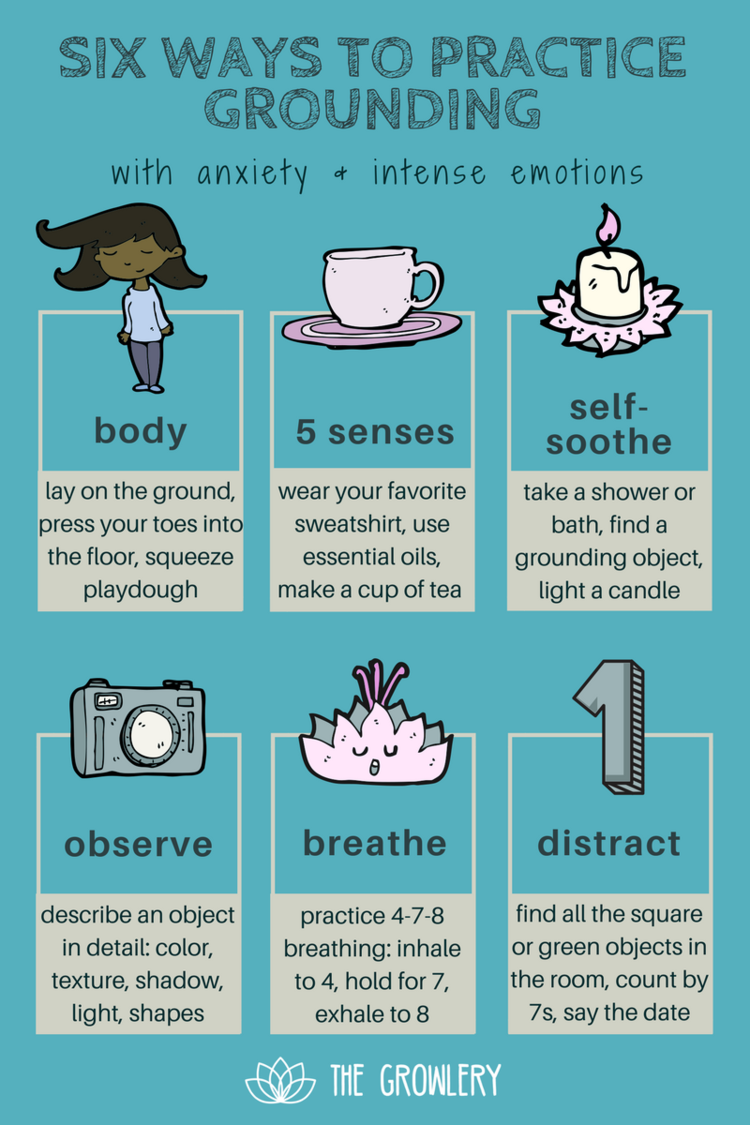
To tackle these flashback-induced freakouts, diving into trauma therapy can be a game-changer. Grounding exercises, where you focus on the here and now instead of the past, can really help too. Therapies like cognitive-behavioral therapy (CBT) can also help untangle the emotional mess that these reminders bring up.
Knowing what sets you off is a super important step in dodging panic attacks. Think of them as your personal triggers, staring you down until you face them with a carefully crafted game plan, often with the help of pros or loved ones. With a little attention and some support, reclaiming control over your mental well-being becomes do-able.
Physical and Genetic Factors
Let’s jump into what really makes those panic attacks tick. It’s not just in your head—there’s a backstage theater of brain chemistry and family genes pulling strings behind the scenes.
Biological Processes
I once heard someone say panic attacks are like your brain suddenly remembering it’s locked the door but not sure if it’s turned off the stove—you’re slammed with a wave of “what if’s?”. It’s no wonder a little brain part known as the amygdala, our emotional HQ, is often the culprit. When it’s overreacting, your body’s getting ready for a fight or flight moment (Cleveland Clinic). Throw hormonal messengers like GABA and serotonin into the mix, and you’ve got fireworks in your head whenever stress knocks on your door.
Sometimes, life’s not-so-subtle hints like meds for ADHD or a sneaky thyroid pill side-effect can mimic a panic scene too (Better Health Victoria). If we understand what’s happening under the hood, we might just tune-up the engine in a way that keeps it calm and cruising.
Genetic Influences
Now let’s chat about family—those genes might have given you dad’s nose, but they also play a part in panic attacks. If Aunt Susie or Grandpa Joe had ’em, it wouldn’t be surprising to see the pattern repeat. Scientists are deep in the genetic library, finding stars like NPY, ADORA2A, COMT, and IKBKE shining a light on the panic map.
Certain gene tweaks, the kind passed down in families, can set the stage for panic attacks (ncbi.nlm.nih.gov). Knowing this genetic script helps in crafting a more personal strategy to managing panic scenarios. When the genetic puzzle pieces fit, treatments can hopefully be less about guesswork and more about getting to the source of the storm, offering calmer skies ahead.
Seeking Medical Advice
Dealing with panic attacks out of the blue is no picnic. It’s like your body just hit the panic button without telling your brain. Getting help from a doc can really help sort out what’s going on, nail down the diagnosis, and figure out the right way to tackle it.
Symptom Recognition
Spotting the signs of a panic attack is your first step towards grabbing that lifeline of medical support. Though everyone experiences attacks a bit differently, here’s the usual suspect lineup:
That awful fear-or-doom feeling, like you’re trapped in a horror flick
Heart racing as if you just ran a marathon
Struggling to catch your breath or suddenly breathing super fast
Chest pains that make you think twice
Sweating bullets or shivering like you’re in a freezer
Violent shakes or the jitters
Room spinning or threatening to spin
Stomach doing somersaults or feeling queasy
If these symptoms hit hard out of nowhere, especially when there’s no obvious reason, you might be in panic country. But rather than guess, it’s smart to huddle with a healthcare pro to rule out other culprits like diabetes or your thyroid misbehaving.
For a spot-on diagnosis and the right game plan, a healthcare provider is your go-to. They’ll check out the whole picture: your symptoms, your health rap sheet, and how you’ve been doing lately.
Diagnosis and Treatment Options
When you make that call for help, docs will do a full workup to pin down what’s up with these panic attacks or other related stuff. They might:
Peek into your medical past
Check you over with a fine-tooth comb
Run some tests to nix other conditions
Get a handle on your symptoms and how often they crash the party
Once the mystery’s cracked, they’ll match you with treatments based on what’s going on and what you personally need. Taking down panic attacks often means pulling out a bag of tricks, like:
Talking it out in Psychotherapy, especially Cognitive Behavioral Therapy (CBT), to figure out what’s triggering these panic ninja moves and how to sidestep them.
Meds like antidepressants (SSRIs and SNRIs), beta-blockers, or benzodiazepines, which can help tame the wild ride (NIMH). Heads-up, though: pills take time to work their magic, and a doc should keep an eye on things.
It’s more than just taking what’s prescribed. Sticking to the plan your healthcare provider sketches out means showing up for checkups to mark progress. Catching panic attacks where they start is key if you want to take your life back from this kind of anxiety ambush. If these attacks keep barging into life uninvited and turning everything upside down, it’s high time to ring up a professional. Getting some expert advice might just pave the way to feeling better and getting life back on track.
Epigenetic Factors in Panic Disorder
When I ponder the ins and outs of panic disorder, peeking into the whole epigenetics thing has become pretty vital. Now, I’m not talking about tinkering with your DNA blueprint here. Epigenetics is all about those nifty changes in how your genes act without messing with the DNA itself. Picture this: environmental stresses, how you live your life, and even the kinds of treatments you try can all nudge these changes.
Role of Epigenetics
Diving into recent digs, researchers have found some cool stuff about how our genes might be doing a little dance in the world of panic disorder. Look at genes like MAOA, GAD1, and CRHR1. These guys have a spotlight when they go through hypomethylation –- fancy talk for when a methyl group takes a hike from a gene. This switcheroo could meddle with how neurotransmitters do their thing and how we handle stress, potentially showing up as panic symptoms.
Grasping these gene whisperings gives us a peek into the biological secret recipe that might kick off or keep panic disorder hanging around. The goal here is for researchers and docs to use this knowledge to tune treatment to each person’s needs and get a closer handle on panic disorder.
Impact on Treatment Plans
Alright, here’s where the rubber meets the road. The connection between epigenetics and panic disorder might just shake up how we tackle treatment. There’s chatter that approaches like cognitive behavioral therapy (CBT) might play a part in tweaking those gene markers tied to panic disorder. By zeroing in on specific epigenetic markers via therapy and other methods, we could potentially shift how genes express themselves and offer some relief from panic attack symptoms.
Bringing the epigenetic angle into treating panic disorder introduces fresh paths for precision care. Addressing those genetic quirks contributing to the disorder means healthcare pros can whip up treatment plans that hit right where it helps, tackling the core of panic attacks. It’s all about enhancing treatment impact and equipping folks with tools to handle their panic disorder better, longer.
By digging into how epigenetics and panic disorder align, we get not just knowledge but also open the door to inventive treatments harnessing gene regulation wonders. This learning expansion gives those wrestling with panic disorder a way to tailor their care, get symptom relief, and aim for a happier, more stable life.
Roughly 11% of us in the U.S. have danced with panic attacks, according to Imagery and Music. It’s a wild ride, and getting a handle on what sets these episodes off can really help manage them.
Impact of Panic Attacks
When panic attacks hit, they’re not just picking on your body—they mess with your head and emotions, too. You’ve got that sudden fear hitting like a freight train, leaving you feeling like you’re in a fog. Your heart’s racing like you’re in a sprint, you’re sweating bullets, trembling like a leaf, and sucking air like it’s going out of style. This only cranks up the anxiety monster even more.
After the storm passes, you’re left wiped out and jittery about when the next one’s gonna come knocking. It’s like an emotional hangover that crashes your daily routine, messes with your social life, and just makes everything feel harder. Getting on top of this beast means finding ways to manage all this chaos.
Common Triggers of Panic Attacks
Tons of things can pull the trigger on a panic attack. Everyone’s got their own mix that sets them off, but some usual suspects are big personal losses, life changes, or stress that sticks around like a bad smell. Sometimes it’s a phobia or a memory that gets up in your grill.
There are also those little things—like a smell or sound—that can sneak up and flip the panic switch. Folks dealing with stuff like panic disorder, social anxiety, or depression might find they’re more prone to these freak-outs.
Figuring out what sets you off and understanding your unique panic attack cocktail are key to crafting your own survival kit. By tackling both what’s in your face and the sneaky stuff below the surface, you’re laying down a solid plan to keep these panic party crashers at bay.
Music Therapy for Panic Disorders
Exploring music therapy to tackle panic disorders can be like discovering a soothing oasis in the desert of anxiety. Music, a universal language, can play an instrumental role in easing symptoms linked with panic attacks. Now, let’s see how those melodies and rhythms work their magic.
Benefits of Music Therapy
Music therapy is not just about jamming to your favorite tunes. It’s an immersive experience that dives into your emotions, lifts your spirits, and helps you get a better handle on yourself and the world around you. Imagine it being like wrapping yourself in a warm audio blanket. Research has shown it’s quite effective at dialing down anxiety lions that roar inside you, offering a sense of relief and helping you keep those emotions in check (PubMed).
When you’re in a frenzy and your heart’s pounding like a drum, music can calm the noise. The soothing beats help slow your heart, ease muscle tension, and give anxiety a one-way ticket out. This relaxation is like a passport to a calmer mind, allowing you to better take on your anxiety battles (Moriah Behavioral Health).
Tailored Music Sessions
Now, onto the good stuff—customized music sessions. These aren’t just cookie-cutter programs. It’s like choosing your own playlist to fit your mood. Whether you’re strumming a guitar, belting out a song, or putting pen to paper to write lyrics, music therapy is a playground for creativity. This active engagement lets you reflect, process emotions, and face anxiety head-on. It’s like water for your creativity, giving you the tools to tackle those tricky feelings (Moriah Behavioral Health).
When you personalize these sessions to match your likes and goals, music therapy becomes a powerful ally for those panic battles. Whether it’s understanding yourself at a deeper level or finding joy in the rhythm, music therapy opens the door to relaxation and healing.
So, throw music therapy in your anxiety toolkit—it’s not just a quick fix. It’s a long-haul buddy for better emotional health and calmness. With its tailored melodies, music therapy tells anxiety it’s time to take a hike, offering a nurturing space to conquer panic disorders and find that peace you’ve been searching for.
Bringing Music Therapy Into Your Life
When it comes to using music therapy for panic disorders, there are two main tricks up our sleeve: getting hands-on with active music therapy and chilling out with receptive music therapy.
Active Jam Sessions
Active music therapy is all about diving headfirst into making music. Whether you’re belting your heart out, getting funky with an instrument, or just making up a tune on the spot, the idea here is to let those tunes help you let off steam and understand yourself better. It’s like giving your emotions a voice, and sometimes, even a melody can calm those stormy panic moments.
Music therapists are like your musical BFFs, guiding you to get the best out of these sessions. They’re there to match whatever beats you need on any given day. And no worries if you can’t tell a chord from a cord; it’s not about nailing a performance, but embracing the therapeutic groove instead. If you’re looking for more life hacks to dodge panic episodes, check out lifestyle changes to prevent panic attacks in 2025.
Kick Back and Listen
Receptive music therapy is the laid-back cousin of active therapy. Just pop in some tunes or sit back for live music that a therapist picks out especially for you. It’s a chill way to sink into the emotions that music stirs up and might just lead you to some zen moments. The therapist chooses the setlist depending on what vibes you fancy and what therapeutic goals you’re aiming for.
Research shows that listening to music can seriously help reduce anxiety and lift your spirits, which is super helpful if you’re dealing with any health challenges. Plug in and tune out to create your own little oasis in the chaos. A good playlist can turn those shaky moments into an opportunity to mellow out and reflect (PubMed Central).
Whether you’re strumming or streaming, music therapy with a certified therapist is like having a personal concert that’s all about you. Sessions can happen anywhere you feel safe—whether it’s a hospital, school, or any place where you feel at ease. Everything from the length of the session to what you do in it is adaptable to make sure it’s just what you need.
So why not mix up both active and receptive approaches? Music’s got the magic to boost your mood and strengthen your mental defenses. And if you’re itching for more ways to kick stress to the curb, look into how technology can help manage panic episodes for added tips and tools.
Effectiveness of Music Therapy
Digging into the whole music therapy thing for panic disorders, you’ve got to check out what pros have already figured out about music helping with anxiety. These study results and breakdowns give us a pretty good look at how music might actually be a game-changer when it comes to handling panic stuff.
Studies on Music Therapy for Anxiety
Researchers are onto something big here—music therapy can dial down anxiety in ways you can actually see happening. Over on PubMed, there’s a study showing that folks who went through music therapy felt way less anxious compared to those who didn’t. We’re talking a Standard Mean Difference (SMD) of -0.36, and those numbers don’t lie with a Confidence Interval (CI) of -0.54 to -0.17. It’s like magic but backed by science.
They also noticed the feel-good vibes kick in right during the therapy sessions. On the flip side, these chill effects didn’t stick around for long after the therapy ended, so regular jam sessions might be key. This opens up a whole avenue for figuring out how to keep the benefits coming long-term.
Subgroup Analysis Results
So, who’s benefiting the most from this musical fix? Subgroup analyses show it’s pretty much everyone. Whether you’re below or above 60, living it up in a developed nation, or hustling in a developing one—music’s lifting spirits across the board. It’s clear that a range of demographics can groove to the rhythm of therapeutic beats and feel a real shift in anxiety levels.
The subgroup breakdown really hammered it home. Anxiety saw a drop across the board—SMDs from -0.24 to -0.59—regardless of who you are or how many therapy sessions you rack up. Music therapy’s got something for everyone, making it a solid ally in the anxiety battle for folks dealing with panic disorders.
Diving deeper into how tunes can tame panic disorders helps us see how music might just be the buddy we need in fighting anxiety and lifting well-being all around.
Long-Term Management of Panic Attacks
Dealing with panic attacks can be a real hassle, but you don’t have to face them alone—you’ve got options. I mean, sure, the idea of handling panic attacks long-term might sound about as fun as wearing wool socks on a hot beach, but understanding the right tools can really make a difference. Two big guns in the game? Psychological therapies and medication. Let’s dive in.
Psychological Therapies
Getting to the bottom of what causes those unsettling panic attacks is step one. Enter psychological therapies—your roadmap to calming the chaos. One superstar in this field is cognitive-behavioral therapy (CBT). This method teaches you to spot those pesky thoughts that rev your anxiety up to ten (Imagery and Music). With the help of a therapist, you can learn to figure out what triggers these episodes, how to chill out before they hit, and even how to head them off at the pass.
Apart from CBT, options like exposure therapy and acceptance and commitment therapy (ACT) also come into play. They work by slowly introducing you to your fears and teaching you how to deal with anxiety without breaking a sweat.
If you’re the DIY type, self-help approaches like mindfulness meditation and relaxation exercises can add a bit of zen to your life—that is, when integrated with what you get from a pro. Pull it all together into a solid plan, and you’re on your way to minimizing panic attacks over time.
Medication Options
Sometimes, therapy might not cut it alone, and that’s where medication steps in. You might not dig the idea of popping pills, but sometimes it’s what you need to keep your cool. Common picks? Selective serotonin reuptake inhibitors (SSRIs) and benzodiazepines.
SSRIs help balance the mind’s mood traffic, smoothening those wild emotional rides. Meanwhile, benzodiazepines work quickly to soothe those nerves and cut the edge off panic when it comes knocking.
Pairing these meds involves a little trial-and-error, and it’s best done with a doctor you trust. Keeping track and maybe tweaking the dosage now and then makes sure they do more good than harm.
Putting it all together—a fusion of psychological strategies and medication—gives many folks a lifeline, swapping fear for control. With these, managing panic attacks isn’t just wishful thinking; it’s the path to feeling more like yourself again—calmer, steadier, and ready to handle whatever life throws your way.
Addressing Panic Attack Triggers
Ever wonder why panic attacks sneak up out of nowhere? It all boils down to a mix of stuff that can set these unsettling episodes in motion. Panic attacks can have roots in both biological and social factors, which differ from one person to another. Figuring these triggers out can really help in handling panic disorders.
Biological and Social Factors
Panic attacks don’t just come from nowhere—they can be nudged along by different biological and social bits and pieces. On the biology side, things like inherited traits, brain chemistry, and health issues play their part. And then there’s the whole environment thing: how you were raised, stuff you’ve been through, and who you’re hanging with can be in the mix, too.
Social stuff like going through big changes, losing someone close, or diving into situations that bring on the jitters can set off panic attacks. And, let’s not forget about the stress from smoking or dealing with mental stress—it can crank up the chance of a panic attack. Keeping these things in mind is important for squashing panic episodes before they start and knowing how to handle them if they do.
Potential Triggers for Panic Attacks
Panic attacks can be sparked by all sorts of things, from those little stressors that pop up to bigger fears and past traumas. Short-term stresses like losing a loved one, major life shifts, and sudden changes can be a fast track to panic-ville. Even things that strike fear in your heart can send you spiraling into panic just like that.
Some folks might find themselves in the grip of a panic attack when certain things remind them of old hurts. These cues can ramp up the anxiety, making it tough to go about the day without fearing the next wave of panic.
Getting your head around what might trigger a panic attack and knowing how biological and social bits play into it is key to coming up with ways to cope and getting the help you might need. Facing these triggers directly means you can better handle panic attacks, aiming for a smoother and calmer life overall.
Panic attacks, those sudden jolts of fear and unease, can turn your world into a whirlwind of chaos. Wrapping your head around what’s happening when panic hits you is your secret weapon for keeping these episodes in check.
Let’s chat about Panic disorders, which are these uninvited guests that just show up and throw a tantrum whenever. These surprises can make your heart race like it’s in a marathon, leave you gasping for air, and cause the sweats like you’re in a sauna. Then there’s that creepy feeling of doom crawling over your shoulder.
Here’s the thing—having a panic attack once in a blue moon is one thing, but living with a panic disorder is a whole different ballgame. It doesn’t just visit—it moves in and likes to mess up your daily routine. For anyone dealing with regular, intense episodes, seeing a mental health pro is a smart move to figure out what’s going on and how to handle it.
Impact of Panic Attacks
Now, if we peek beyond the sweaty palms and pounding heart, the impact of panic attacks is like having an unwelcome shadow. It’s not just about the panic—it’s about the aftershocks that ripple through your mental space. Worry settles in about when the next attack might crash the party, and before you know it, you’re steering clear of places or situations that might trigger your anxiety.
The ongoing nature of these attacks can really throw a wrench into things, making it tough to keep up with work, friendships, and just feeling okay in your own skin. Finding the right treatment and support—whether it’s talking things out with a professional or checking out online therapy options—can make a difference. These tools help reel in those symptoms and boost your overall mental health to better handle the panic storm when it comes.
Effective Treatment Options
When it comes to tackling panic disorders, I’ve found a good mix of strategies that can really help folks tackle those overwhelming panic attacks. We’re talking about Cognitive Behavioral Therapy (CBT), meds that actually help, and good ol’ psychotherapy.
Cognitive Behavioral Therapy (CBT)
Let me tell you, Cognitive Behavioral Therapy (CBT) is one of those powerhouse therapies that make a real difference for people dealing with panic. It’s all about rewiring that brain, honing in on those pesky thoughts, and flipping the script on those stressful situations. Desensitization is a big deal in CBT, where you start facing those fear-triggering situations head-on, one small step at a time, so you learn not to freak out (Verywell Mind).
Folks leave CBT with some seriously handy tools that help them rethink the way they see panic attacks, turning those freak-out moments into just another day. Sitting down with a pro, you’ll pick up some real-life skills to handle the panic waves before they become tsunamis.
Medication for Panic Disorders
Medications can be lifesavers when panic strikes, especially when it feels like you’re trapped under a wave of anxiety. SSRIs are the go-to meds; they do this cool thing where they make your brain chill by adjusting serotonin levels. This usually means less frequent and less intense panic attacks (Verywell Mind).
Sometimes, though, when you need that immediate calm, benzodiazepines step in. They’re like a quick cab on a rainy day—perfect for short sprints but not for the long haul because you might get too comfortable with them.
Psychotherapy for Panic Disorders
Then there’s the heart and soul of therapy: Psychotherapy for Panic Disorders. Digging deeper with Panic-focused Psychodynamic Psychotherapy (PFPP) can be an eye-opener. It gets into your hidden feelings and old stories—the stuff from way back that might fuel your panic today.
PFPP gives you a chance to unravel all that and heal some of those emotional wounds. By understanding what triggers your panic, you can face it head-on, armed with resilience and self-awareness.
Together, these methods—whether it’s a mixture of meds like SSRIs or benzodiazepines, combined with CBT or PFPP—create a customized plan that tackles panic disorder from all angles. Collaborate with your healthcare team to find what suits you best, because feeling better is personal, and everyone’s got their own path to follow.
Online psychotherapy.
Benefits of Online Therapy
When tackling anxiety and panic disorders, online therapy is like having a reliable friend who’s always there, ready to help. Hanging out in your PJs at home, connecting with top-notch mental health pros without the drama of traffic or parking. So, let’s chat about what makes online therapy such a great option, focusing on why it’s so darn convenient and how it brings specialized care right to your doorstep.
Convenience and Accessibility
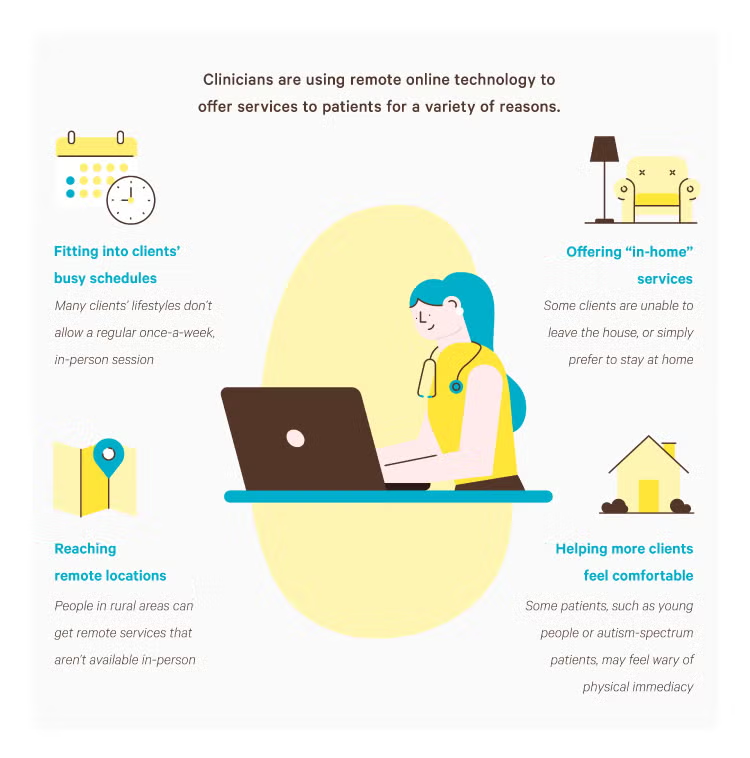
Online therapy is like having a therapy genie in a bottle granting you easier access to mental health support. No more battling the traffic jam or squeezing sessions into an already too-crowded schedule. For folks juggling busy lives, living in the middle of nowhere, or dealing with social anxiety that makes stepping out feel like climbing Everest, online therapy is your new BFF.
Plus, you get to pick a time that suits your Netflix binge-watching schedule… or, you know, work. Whether it’s about calming a panic storm or finding long-term peace, online therapy’s ready to slide right into your day, making mental health support feel like a warm, fuzzy blanket that’s always there when you need it.
Specialized Care Offered Online
On these virtual therapy couches, experts trained to work with anxiety and panic problems are at your service. With online therapy, you’re not just talking to someone who gets it; you’re tapping into a wealth of wisdom. Techniques like CBT, known for its straight-talking style, and mindfulness magic, tailored just for you, are at your fingertips.
Even if panic and anxiety aren’t your only hurdles, these platforms offer a menu that includes everything from depression to specialized therapy like CBT, making the whole mental healthcare thing feel less like a maze and more like a walk in the park.
Choosing online therapy means inviting convenience and specialized care into your life. It’s like having a mental health toolkit, tailored just for you, accessible right where you are—all with the flexibility of an elastic waistband. With these benefits, taking charge of anxiety or panic feels less “Oh no, not again” and more “Let’s do this!”
Top Online Therapy Platforms
Online therapy is making waves as a super handy way to tackle anxiety and panic. You can now get top-notch advice from home—no traffic jams or waiting rooms needed! Here’s a look at some of the big players providing help for panic disorder.
MindWell Urgent Care
MindWell Urgent Care shines with their team of mental health pros who really know their stuff when it comes to anxiety and panic. They provide custom guidance to support you through panic attacks, ensuring you don’t have to do it alone.
Talkspace and BetterHelp
Talkspace and BetterHelp are well-known for offering flexible ways to chat. Whether you’re into messaging, video calls, or plain old talking on the phone, they’ve got you covered. The choice is all about what works best for you and your therapist (CNET).
Brightside and Talkiatry
Brightside: Brightside sets you up with 45-minute therapy sessions, and if you’ve got insurance, they might take it. Quite a bunch—63% of users—said they liked their time with the platform.
Talkiatry: Talkiatry offers solid support for panic issues along with a bunch of other mental health concerns. Their personal touch with treatment plans makes sure your care is all about you and your needs.
These platforms are getting a lot of love from the people using them and have become go-to places for dealing with panic disorders. They give you the tools to get through your mental health ups and downs confidently, without leaving your couch.
Success Stories and Research Findings
Digging into online therapy for panic disorders, there’s a treasure trove of success stories and research that show how effective this new-age approach can be.
Testimonials and User Experiences
Loads of folks have tried online therapy for panic disorders and have loads to say about it. They share stories about how their mental health took a turn for the better and how online therapy gave them the tools to handle their symptoms.
Many users talk up the ease and comfort of therapy over the internet. Being able to talk to a therapist from the couch in your living room and the freedom to squeeze sessions in whenever life gets hectic, that’s a game-changer. For a lot of people, chatting with a pro online makes getting help feel more casual and less punishing.
Every time someone shares how they tackled their panic attacks or picked up better coping tricks, it shines a light for others in the same boat. These stories shout out loud about how important it is to have care that fits like a glove and to build real connections with therapists on the healing journey against panic disorders.
Research on Online Therapy’s Effectiveness
Science is backing up what people are saying. There’s a ton of research looking into how online therapy stacks up against in-person sessions. A piece on CNET from 2020 showed that online cognitive-behavioral therapy (CBT) matches the results of face-to-face CBT in easing depression.
Another study from NCBI (NCBI) took a peek at internet-based treatments for adults with panic disorder, showing there’s a buffet of ways to self-manage symptoms. Online CBT, whether one-size-fits-all or more personalized, has worked wonders in helping people with panic symptoms.
Research has repeatedly given a thumbs-up to Cognitive Behavioral Therapy (CBT) for handling panic disorder. Therapists using CBT zero in on what’s setting off panic attacks and work with individuals to throw a wrench in the anxiety-feedback loop.
Putting testimonials together with hard science paints a vivid picture of how powerful online therapy can be. Digital platforms for therapy aren’t just some hot trend—they’re real options that make getting professional help easy and open for anyone going through the ringer with panic disorders.
Considerations for Therapy
Finding the right fit for handling panic disorders can be a game changer. A couple things are important for making therapy work: the platform you choose and how therapy is delivered. Let’s chat about both and how they can shape your treatment experience.
Choosing the Right Therapy Platform
Browsing through a slew of online therapy platforms can feel like searching for a needle in a haystack. You gotta find one that jives with your needs. A couple popular options are Brightside and BetterHelp, both ready to roll out a red carpet for those dealing with panic disorders.
Brightside: This one’s all about 45-minute talk therapy sessions and putting your insurance to good use. Costs less than you might think, and nearly two-thirds of folks from a survey felt pretty good or really good about their sessions.
BetterHelp: Offering a beefed-up package—four sessions a month with chat and group support tossed in—that’s a win! Why the group therapy? Because it matters; 94% hit them up monthly.
When you’re picking a platform, think about the dollars and cents, what people say about it, who the therapists are, and what’s on the menu. Different companies, different benefits—assess which one rings true for you.
Impact of Therapy Delivery Methods
How you get your therapy—via a therapist or doing it solo—can make a huge difference when you’re tackling panic symptoms. Cognitive Behavioral Therapy (CBT), dubbed by many as the champ, is worth a look.
The research backs it up. Multiple interventions sticking to CBT have racked up great reviews and success stories over regular approaches.
Guided and personalized CBT online programs work their magic too. Whether you’re flying solo or with a co-pilot (i.e., a therapist), both show they’ve got what it takes to relieve those panic symptoms.
When it comes down to it, whether it’s therapist-guided or DIY online programs, they’re neck and neck. Therapist-guided might edge out slightly in sticking with it and tackling severe panic symptoms, but overall, your comfort level and what floats your boat matter equally (NCBI).
So, take stock of these thoughts when cherry-picking a therapy platform and getting a handle on how different methods affect your progress. Go with what feels right to conquer panic disorders and make the most of your therapeutic journey! Prioritizing your comfort can lead you towards happiness and peace of mind.















 Effective Treatment Options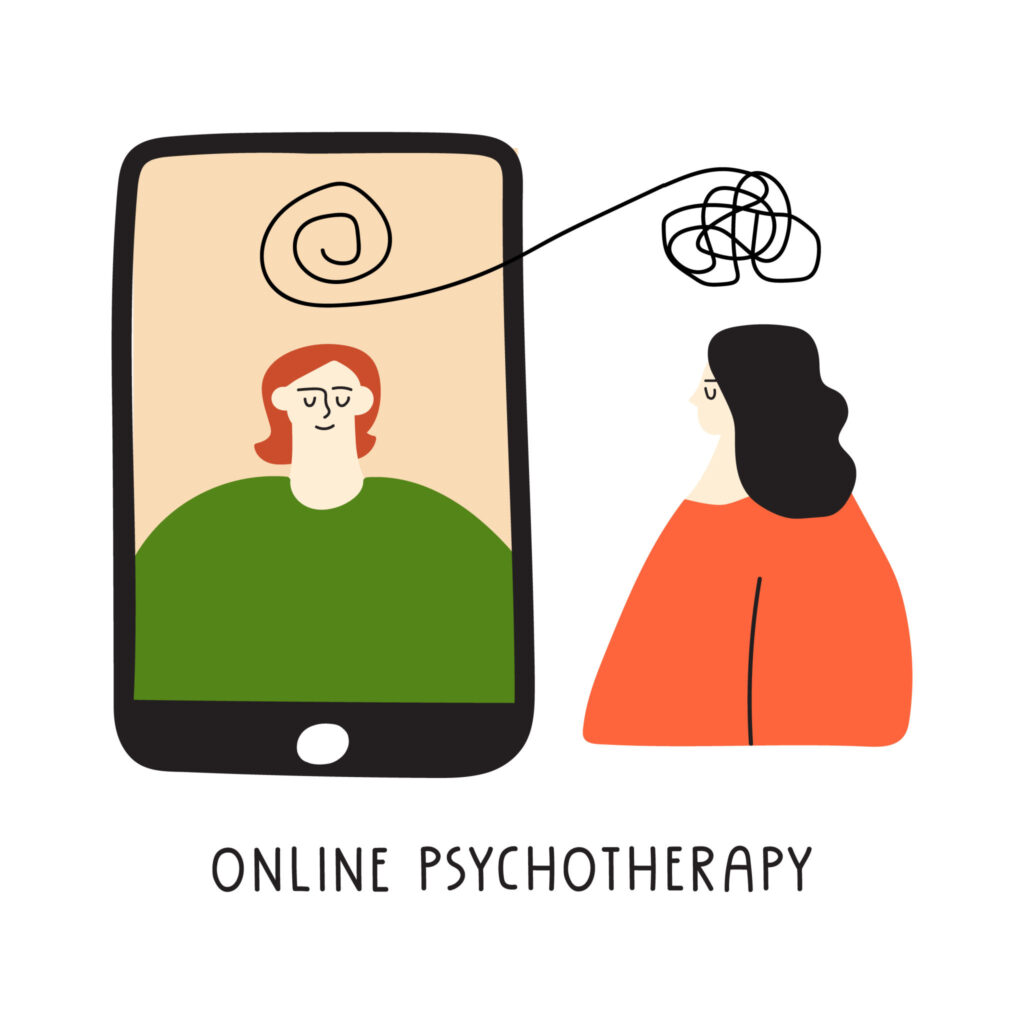
 Success Stories and Research Findings