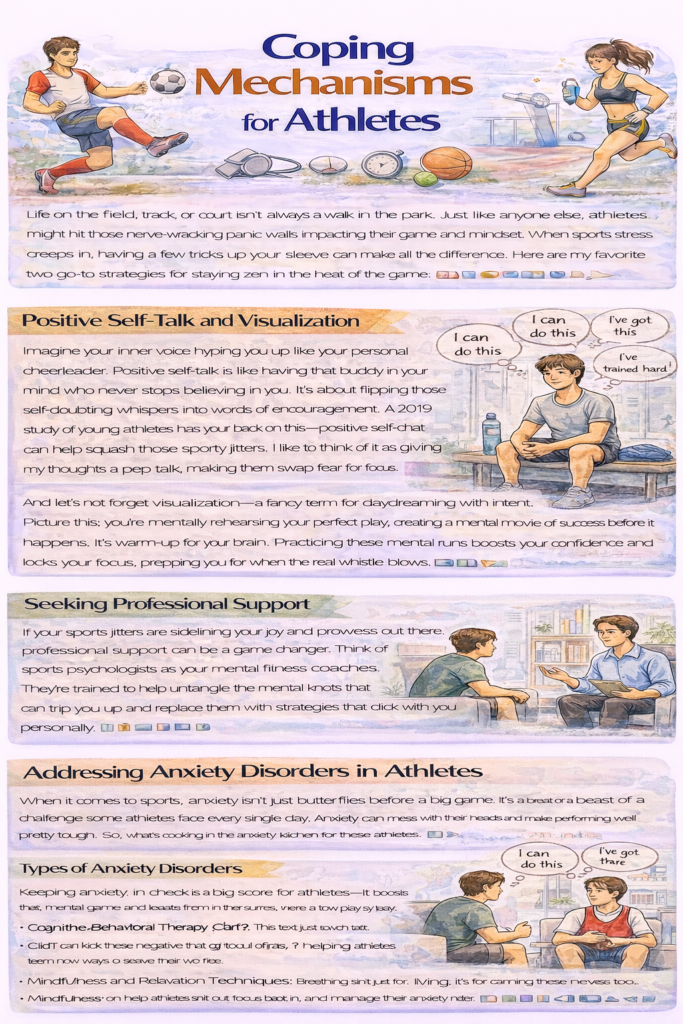

Understanding Anxiety in Athletes
Let’s chat about something that’s as real as a last-minute touchdown – anxiety in athletes. It’s right up there in importance with hydratring and nailing that practice session. We’re talking about understanding and tackling mental health in sports. Making anxiety just another player on the field – and educating athletes on how to deal with it – is crucial for those who are on the wild ride of competitive sports.
Normalizing Anxiety in Athletics
Every athlete, from the teen trying out for the high school team to pros in big leagues, bumps into anxiety. It’s like an uninvited training partner that shows up unannounced. Seeing it as just another part of the game – instead of a boo-boo – helps athletes get used to it. If you label it as a bad thing, your brain might just scream “run!” or “freeze!” right when you need to score that three-pointer. Instead, if we teach athletes that anxiety isn’t the villain but a part of the team, it turns the stress of the big game into a management skill.
Educational Resources for Athletes’ Mental Health
The weight of anxiety is no joke, and it’s not just you feeling it. The big guys at the National Collegiate Athletic Association (NCAA) say 85% of athletic trainers spot anxiety disorders among student athletes. Yup, that’s more than a few of us who need some guidance in managing that heart-pounding moment before the whistle blows (NATA).
Every athlete out there needs tools to keep their mind as sharp as their game. Resources that give them the armory to tackle anxiety head-on can really make the difference. Take Athletes for Hope (AFH); they’re doing awesome stuff with their Athlete Mental Health Resource Guide, helping athletes spot the signs of stress in themselves and their pals and lending a hand when it’s needed (Athletes for Hope).
So, what’s our takeaway? Busting the myth around anxiety and mental health scares in sports is vital. We need a sports world where anxiety is just another play to outsmart and where athletes have all the gear they need—mental and physical—to keep going strong. With all this in place, athletes can build mental strength and remain at the top of their game, rain or shine.
Prevalence and Impact of Anxiety in Athletes
Hey, being an athlete isn’t just about flexing muscles or breaking records. It’s also about wrestling with nerves and jitters. Sports performance anxiety, or plain ol’ performance wobbles, can creep in on about 30 to 60 percent of us athletes (Healthline). This anxiety can seriously mess with not just the mind, but the body too. It’s like trying to run with a backpack full of bricks. Recognizing and tackling this head-on is crucial.
Statistics on Sports Anxiety
The numbers don’t lie—30 to 60 percent of athletes deal with anxiety that can turn even the best game-plan into spaghetti. This isn’t just a handful of folks; it’s a big chunk of the team grappling with nerves that can throw everything off balance. Finding ways to kick this anxiety to the curb is vital for keeping us in peak condition, both mentally and physically.
Risk Factors for Sports Anxiety
A bunch of things can stir up anxiety on the field. Stress from practicing, the heat of competition, keeping injuries at bay, bouncing back from them, and hitting the ground running again—all these can light the anxiety fire. Believe it or not, being a bit jumpy or anxious can actually lead to more sports injuries—and nobody wants that (Open Access Journal of Sports Medicine).
Feeling nervous isn’t just a game spoiler; it can be all-consuming and mess up your day-to-day life (UPMC HealthBeat). The good news? By knowing what triggers these jitters, athletes like us can learn how to keep cool and steady our performance, whether we’re on the field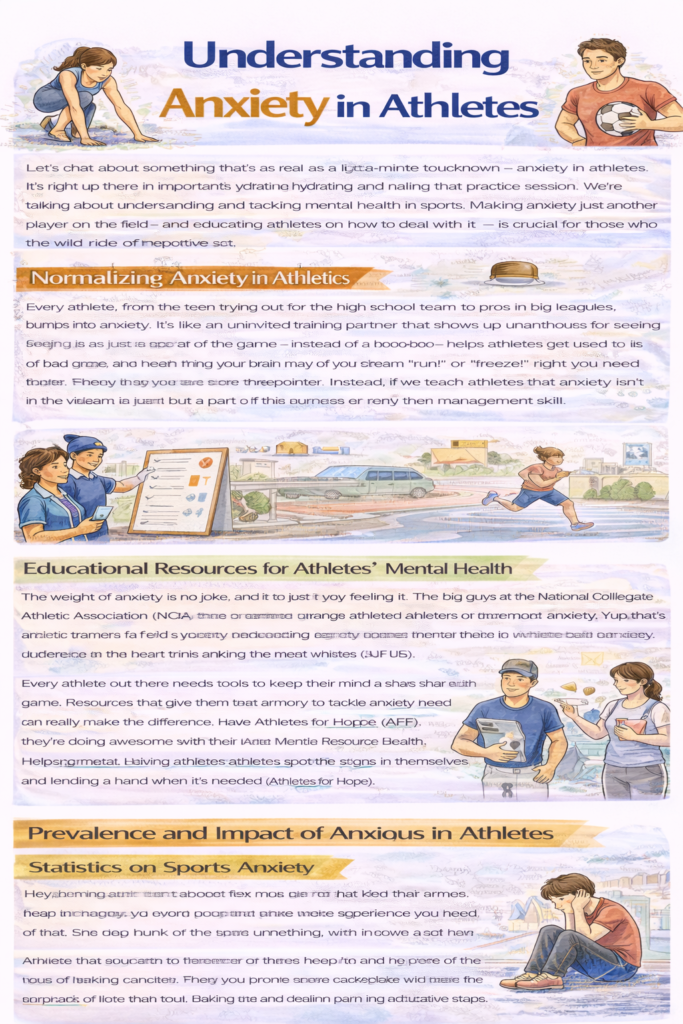 or off it.
Strategies for Managing Sports Jitters
Sports jitters got you wound up? Let’s break it down. Keeping your cool is crucial to keep you performing your best, both on the field and off. Two solid ways to kick those game-day nerves to the curb are getting in on mindfulness and having a good chat with a sports shrink.
Chillin’ with Mindfulness
Imagine this: you’re at bat—or in the zone of whatever sport you play—and you feel the stress breathing down your neck. That’s when mindfulness can be your MVP. Techniques like deep breathing, meditation, and imagining yourself winning (go ahead, flex those brain muscles!) can help you mellow out and sharpen your focus (NATA). Staying tuned into the moment lets you handle stress better and keep your game face on, no matter what gets thrown your way.
And don’t forget other chill-out tactics like muscle relaxation or yoga. It’s about nudging your brain and body into a relaxed state so they don’t freak out when the pressure’s on. These tricks not only help keep stress in check but also keep your head clear and performance-ready—whether you’re on the field or dealing with everyday life hassle.
Talking It Out with Sports Psychologists
Sports psychologists can be real game-changers for athletes, helping tackle both the mental and physical sides of things (NATA). These pros work alongside athletes to crack the code on any mental roadblocks, cook up coping methods, and make them mentally tough.
In one-on-one sessions, sports shrinks use talk therapy and mind-sharpening exercises to guide athletes through their anxiety, boosting mental performance. They dive into how athletes think, feel, and act on game day, offering new perspectives for overcoming hiccups. This understanding helps athletes shoot for more than just physical goals but mental buckets, too.
Bringing mindfulness into your routine and having a sports psychologist in your corner can do wonders for managing all that sports stress. By mastering these approaches, athletes can power up their mental toughness, elevate their game, and embrace every challenge with grit and grace.
The Psychology Behind Performance Anxiety
When it comes to understanding sports and the jitters that hit right before performing, it’s a mix that can really throw a wrench in an athlete’s game. Here, I’ll lay out some reasons why anxiety runs the show and how it messes with your A-game.
Theories Explaining Sports Anxiety
Experts—those folks who know a thing or two about sports and stress—have thrown some ideas around to explain why getting sweaty-palmed before a match is a thing. You might’ve heard of the inverted-U or drive theory, basically saying that a bit of nervousness might be good for ya, but too much and, boom, your performance nosedives (Open Access Journal of Sports Medicine).
Newer theories like “multidimensional anxiety” or “catastrophe theory” break it down a bit more. They tell us whether your anxiety gives you an edge or leaves you tripping over your own feet depends on a whole load of factors unique to you.
If anxiety’s giving you or someone else a hard time, with signs like panic attacks popping up in young adults, check out our guide on how to spot a panic attack in young adults.
Impact of Anxiety on Athletic Performance
Anxiety can be more than just butterflies; it’s like a stiff wind against your sail when you’re competing. Models like Yerkes-Dodson and others try to make sense of the tension athletes feel.
Faced with big games, athletes often feel the squeeze—performance goes out the window when stress hits like a ton of bricks. The pressure of wanting to impress the crowd can put anyone on edge, making those well-practiced moves feel unnatural and clumsy (Verywell Mind).
And then come the panic attacks—faster heartbeats, feeling woozy or worse, that make things really uncomfortable.
Athletes often find themselves in a loop, fearing failure and then performing poorly, which is exactly what they dreaded all along. This mindset can become a nasty cycle that’s hard to break.
Finding a way through the web of performance anxiety can be challenging, but reaching out to professionals and learning how to cope can ease the stress. For those figuring out how to support friends or family dealing with these struggles, take a look at our article on supporting a loved one with panic disorder.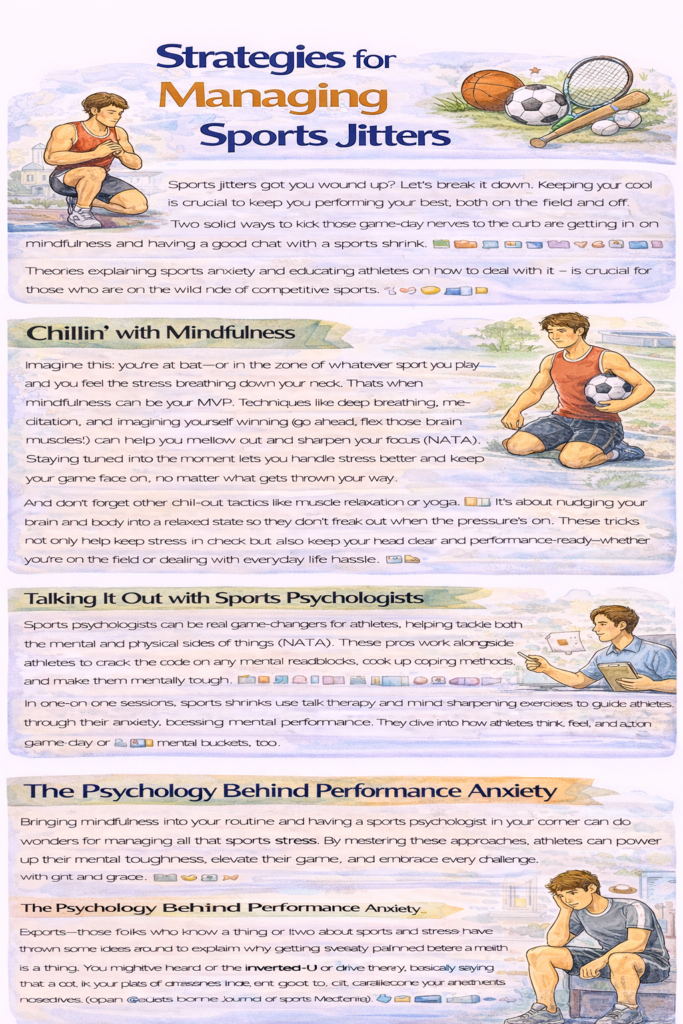
Coping Mechanisms for Athletes
Life on the field, track, or court isn’t always a walk in the park. Just like anyone else, athletes might hit those nerve-wracking panic walls impacting their game and mindset. When sports stress creeps in, having a few tricks up your sleeve can make all the difference. Here are my favorite two go-to strategies for staying zen in the heat of the game:
Positive Self-Talk and Visualization
Imagine your inner voice hyping you up like your personal cheerleader. Positive self-talk is like having that buddy in your mind who never stops believing in you. It’s about flipping those self-doubting whispers into words of encouragement. A 2019 study of young athletes has your back on this—positive self-chat can help squash those sporty jitters. I like to think of it as giving my thoughts a pep talk, making them swap fear for focus.
And let’s not forget visualization—a fancy term for daydreaming with intent. Picture this: you’re mentally rehearsing your perfect play, creating a mental movie of success before it happens. It’s warm-up for your brain. Practicing these mental runs boosts your confidence and locks your focus, prepping you for when the real whistle blows.
By weaving positive self-talk and visualization into my training, I’ve found myself steadier under pressure. They’re my mental armor, helping me handle the chaos of competition with a cool head and steady heart.
Seeking Professional Support
If your sports jitters are sidelining your joy and prowess out there, professional support can be a game-changer. Think of sports psychologists as your mental fitness coaches. They’re trained to help untangle the mental knots that can trip you up and replace them with strategies that click with you personally.
It’s vital to remember that asking for help isn’t a failure—it’s smart play. Reaching out means you’re serious about your game and yourself. These pros equip you with strategies and a mental toolkit to keep your head in the game when anxiety tries to bench you.
On top of tapping into sports psychology, linking up with therapists or counselors can add depth to your coping strategies. They offer a judgment-free zone for unpacking any underlying stuff that might be fueling your anxiety, giving you more room to grow stronger mentally and emotionally.
In my experience, blending positive chatter, vivid daydreaming, and a bit of professional nudge has empowered me to keep my game face on, anxiety off, and to perform without boundaries—right where I want to be.
Addressing Anxiety Disorders in Athletes
When it comes to sports, anxiety isn’t just butterflies before a big game; it’s a beast of a challenge some athletes face every single day. Anxiety can mess with their heads and make performing well pretty tough. So, what’s cooking in the anxiety kitchen for these athletes? Let’s figure it out and find some ways to help ease those worries so they can hit their peak without that nagging fear hanging over them.
Types of Anxiety Disorders
Just like not all coaches yell and not all games are won or lost in overtime, anxiety disorders come in different types too, with each one feeling a bit different:
- Generalized Anxiety Disorder (GAD): Imagine a constant buzz of worry about every little thing. For athletes, this isn’t just background noise; it’s a full-on distraction that pulls focus away from their game.
- Panic Disorder: Think about sudden, intense fear crashing over you—like the fear of missing a winning shot magnified a thousand times. Panic attacks can take athletes from top form to a confidence crash in seconds.
- Phobias: Fear doesn’t always play fair. It can be super specific, like fear of missing that crucial shot or getting hurt again. Such fears can change how athletes think and play.
Figuring out which type of anxiety an athlete faces opens doors to helping them choose the right game plan for dealing with it.
Managing Anxiety for Optimal Performance
Keeping anxiety in check is a big score for athletes—it boosts their mental game and keeps them in the zone. Here are a few play-by-play strategies:
- Cognitive-Behavioral Therapy (CBT): This isn’t just couch talk. CBT can kick those negative thoughts out of play, helping athletes learn new ways to tackle their worries.
- Mindfulness and Relaxation Techniques: Breathing isn’t just for living; it’s for calming those nerves too. Mindfulness can help athletes chill out, focus back in, and manage their anxiety ride.
- Sport-Specific Mental Skills Training: It’s like weights for the brain. Training with sports psychologists lets athletes pump up their emotional control, build their self-belief, and ease their nerves when it’s time to shine.
It’s vital for everyone involved—athletes, coaches, trainers—to work together, making mental health part of the game plan every day. Tackling anxiety disorders head-on helps build an understanding community that’s about both mind and body strength in sports.
By recognizing athletes who battle anxiety and rallying around them with support, we can craft a more caring and inclusive sports world. Through education and access to the right tools, athletes can rise above the anxiety hurdles to hit their best stride, both on the field and in life beyond the scoreboard.