
Understanding Anxiety in Older Adults
Let’s chat about something that doesn’t get as much attention as it should—anxiety in our older folks. It’s all about getting what drives these feelings and making life a bit easier for those golden agers out there.
Prevalence and Impact of Anxiety
Getting older comes with its own set of curveballs, and sometimes those can feel like dealing with a pesky inner worry-monster. According to the National Center for Biotechnology Information, anxiety’s a pretty big deal among our senior pals, playing a major part in the uphill battle of disabilities they often face. And let’s be real, the general hush-hush around mental health doesn’t help matters, making life harder than it needs to be.
The whole ageism thing doesn’t do any favors either. It’s like adding extra baggage for seniors who just want to enjoy their golden years. That’s why we’ve got the UN and WHO stepping in with the ‘Decade of Healthy Ageing (2021-2030)’ to give age-old stereotypes the boot and cheer on healthy, joyful aging.
Factors Contributing to Anxiety in Older Adults
Anxiety can come knocking for lots of reasons. Knowing what sets it off is key to helping our older relatives chill out more. Here are some common anxiety triggers:
- Loss of Independence: Imagine this—one day, you’re in charge of your life, and the next, it’s like you’re losing the driver’s seat. Blue Moon Senior Counseling points out that getting around less easy or needing a hand with things can make seniors feel like they’re losing their independence—stress central.
- Health Issues and Chronic Pain: Health’s a biggie. Dealing with aches, symptoms that don’t quit, or juggling too many pills is a major stress-fest. The worry about getting worse or how to cope piles on the anxiety in no time.
Knowing how anxiety plays out in older folks’ lives, and what lights it up in the first place, makes a world of difference for their mental wellness. Just by tackling these issues and stepping up the support, we can turn life into something a little brighter and kinder for our seniors.
Managing Anxiety in Older Adults
Ever try managing panic attacks as an older adult? It’s kinda like trying to herd cats while blindfolded. Anxiety’s got its claws in deep, and ignoring it usually makes things worse. But there’s hope — seeking help, checking out what the pros offer, and tweaking daily routines can be game-changers for mental health. So let’s chat about what makes all the difference.
Importance of Seeking Help
Many older folks shy away from talking about their anxiety. It’s not taboo — it’s just a feeling no one likes to brag about. Yet, admitting you need some backup isn’t waving the white flag. Anxiety’s like a stubborn flu; it gets easier when you grab some expert advice. Therapy, a bit of chat with a counselor, or even medication can be like a warm blanket on a cold night. With professional help, you’re not just floating aimlessly; you’re getting tools to steer the ship in calmer waters (NCOA).
Professional Treatment Options
When it comes to treatment, you’ve got options. There’s talk therapy or maybe some meds — something like SSRIs, or if you’re feeling fancy, tricyclic antidepressants. Benzos might come up too, but remember, you gotta be monitored by the docs ‘cause everyone’s body throws a different party with these meds (PMC). It’s a bit of try-this-try-that until you find your groove, but it’s worth it.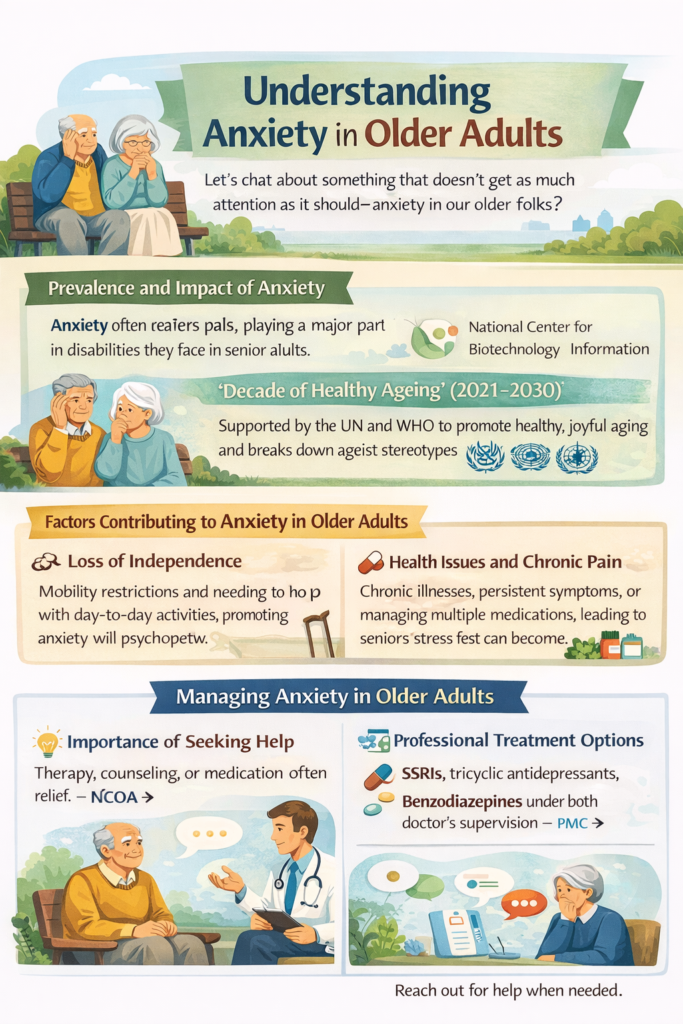
Lifestyle Strategies for Anxiety Management
And hey, don’t underestimate the power of a good routine. Staying in the loop with family and friends, taking deep breaths, getting a sweat on, and admitting when you need a hand can work wonders. These simple habits can turn anxiety down a few notches (NCOA).
The best way forward? Combine the tools from the pros with things you can tweak in your daily life. Managing panic attacks doesn’t have to be your Everest. With a good mix of talk, habit changes, and maybe a little medication, you can stare anxiety straight in the eye and say, “Not today.” Embrace this journey toward a calmer, happier you — because peace of mind’s a pretty good place to be.
Specific Triggers for Anxiety in Seniors
Let’s chat about some things that might make Grandma or Grandpa a bit more anxious than they’d like. When it comes to our older folks, there are certain pesky triggers that really get to them. We’re talking about stuff like losing some of that freedom, health headaches and pain that just won’t quit, saying goodbye to loved ones, feeling alone, and stressing about money.
Loss of Independence
One of the big ones is losing independence. Think about getting older and suddenly finding it tougher to get around or remember stuff. It’s like sitting in the passenger seat of your own life, and nobody likes feeling like they’re taking a backseat. This kind of change can be a massive stressor and crank up the anxiety for our seniors as they try to hold onto those precious bits of freedom.
Health Issues and Chronic Pain
Health problems and constant pain? Talk about a double whammy. Seniors often worry about how their health is going to play out in the long run, and managing all those doctor visits, pills, and those “what if” thoughts can drive anxiety through the roof. It’s not just the condition itself but the constant game of guessing what’s next that keeps them on edge.
Grief and Bereavement
Then there’s the hard stuff, like losing friends and family. Grief isn’t just a chapter in a book; it’s like a never-ending series that brings tough questions and lonesome feelings along for the ride. It’s hard for seniors to navigate through life changes when folks they depended on aren’t around, and that kind of heartache naturally stirs up anxiety.
Loneliness and Isolation
Being alone is no fun for anyone, but it hits seniors extra hard. When the front door doesn’t see much action and phone calls become scarce, it’s easy to feel like you’re in it all by yourself. Fear of what might happen in case of an emergency or simply not having someone to chat with can leave them feeling stranded, which sure doesn’t help soothe those anxious feelings.
Financial Insecurity
Money troubles aren’t just for the young. For our seniors, watching the pennies count when the paycheck stops rolling can be a real nail-biter. Facing mounting medical bills, taxes, and just everything else under the sun without the safety net of a regular income throws another spinner in the works, bringing extra anxiety to their already full plate.
Recognizing these anxiety triggers in seniors is our ticket to giving them better help and making sure they have the support they need. When we all pull together—healthcare pros, family, and friends—we can create spaces where older adults feel mentally and emotionally secure, helping them tackle life’s challenges with grace and grit.
Innovative Approaches to Anxiety Treatment
When it comes to tackling anxiety, especially the often-overlooked panic attacks in older folks, a handful of fresh ideas have been popping up in 2025. Older adults have unique needs, and there’s cool stuff like digital well-being tools, new-age meds, and some cutting-edge compounds in the lineup for addressing them.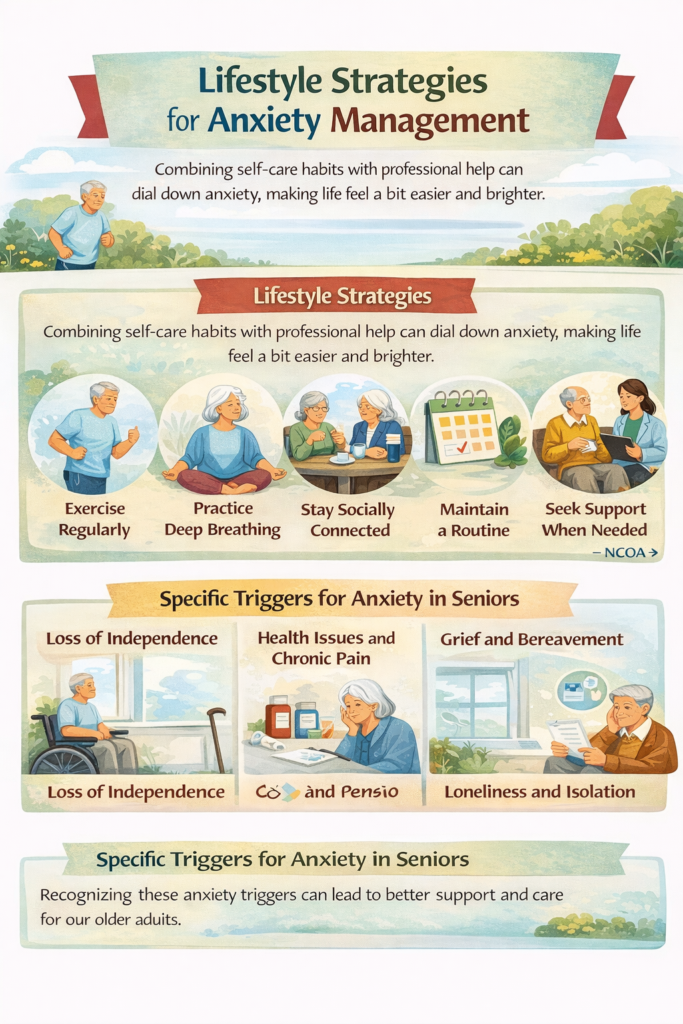
Digital Well-Being Interventions
Let’s talk about going digital with mental health care. Probably not much of a surprise these days, right? One great example is Happify, a digital platform that’s catching on with older adults who struggle with anxiety. A study from JMIR Aging shows that about 30% of older folks who used Happify to the recommended level saw some solid improvements in how they felt overall and in kicking those anxious feelings. This isn’t just random stuff either—Happify rolls out proven techniques like cognitive behavioral therapy (CBT), mindfulness-based practices, and positive psychology.
| Platform | Engagement Level | Benefits |
|---|---|---|
| Happify | 30% | Feeling better overall and easing anxiety digs |
Pharmacotherapy Options
The good old pharmacotherapy—that’s still a big player in fighting anxiety. Meds like serotonin reuptake inhibitors—think SSRIs and SNRIs—are the first picks for many disorders like panic or social anxiety. They’ve got the green light for their effectiveness, though we can’t pretend there aren’t some hangups—headaches, anyone? Dry mouth? Yep, you might get those side effects from time to time (NCBI).
Novel Compounds for Treatment
Science keeps pushing forward, and with understanding more about anxiety, there’s a search underway for new compounds that target these symptoms in a better way. These are not your granddad’s meds. There’s fewer risks and more hope they can actually improve life without funky side effects. Time will tell, but the buzz is real.
These fresh ideas are paving the way to enhance the lives of older folks dealing with anxiety. Digital tools, trusted meds, and potential groundbreaking compounds are opening new doors and making sure treatments aren’t just stuck in old ways of thinking. There’s hope and relief just around the corner as these options grow into real game-changers for those in their golden years dealing with anxiety.
Challenges in Managing Panic Disorder
Taking care of older adults with panic disorder? Oh boy, it can be a real rollercoaster. There’s a handful of hurdles to jump over that can shake up how they’re diagnosed and treated. Getting the hang of these obstacles is key if we want to really help folks with panic attacks.
Delayed Diagnosis and Treatment
One major roadblock is the “hurry up and wait” game with diagnosis and treatment. Older adults seem to get caught in this cycle more often than you’d think. It’s a pretty raw deal because some folks are waiting 9 to 15 years just to get the right label slapped on what they’re going through. That’s a big chunk of time for anyone, but especially when you’re older. All those years of waiting not only stretch out their suffering but can also open the door to disability, mess up finances, and even bump up the mortality rates if things aren’t sorted out. Not fun at all (Frontiers in Psychiatry).
Relapse Rates and Treatment Resistance
And then we got the classics—relapse and treatment resistance. Relapse is like that annoying boomerang you throw out thinking you’ve seen the last of it, but nah, it’s back in your hand before you know it. Some of our older friends just can’t seem to shake off panic disorder. It’s like they’re on this merry-go-round where they can’t find the “stop” button. Finding something that really works and stays effective can feel impossible.
Impact of Comorbid Medical Conditions
Toss in some other medical conditions, and you’ve got yourself a smorgasbord of headaches. Panic disorder paired with other stuff, say non-cardiac chest pain, cranks up the volume on the pain. It’s like a double whammy—those with panic disorder feel chest pain more intensely than those who don’t. And things get messier if anxiety decides to join the party—generalized anxiety disorder, anyone? This mix-up can put old-timers at a higher risk for heart disease, making it super important to keep tabs on both their mental and physical health at the same time (Frontiers in Psychiatry).
Tackling panic disorder in older folks isn’t a walk in the park. It takes a sort of all-around approach that looks at the whole picture—the person’s life, struggles, and the big curveballs like delayed diagnosis, relapse, and those pesky other health conditions. So, if healthcare pros and family members team up, we might just give older adults a real shot at handling panic attacks and living a better, lighter life.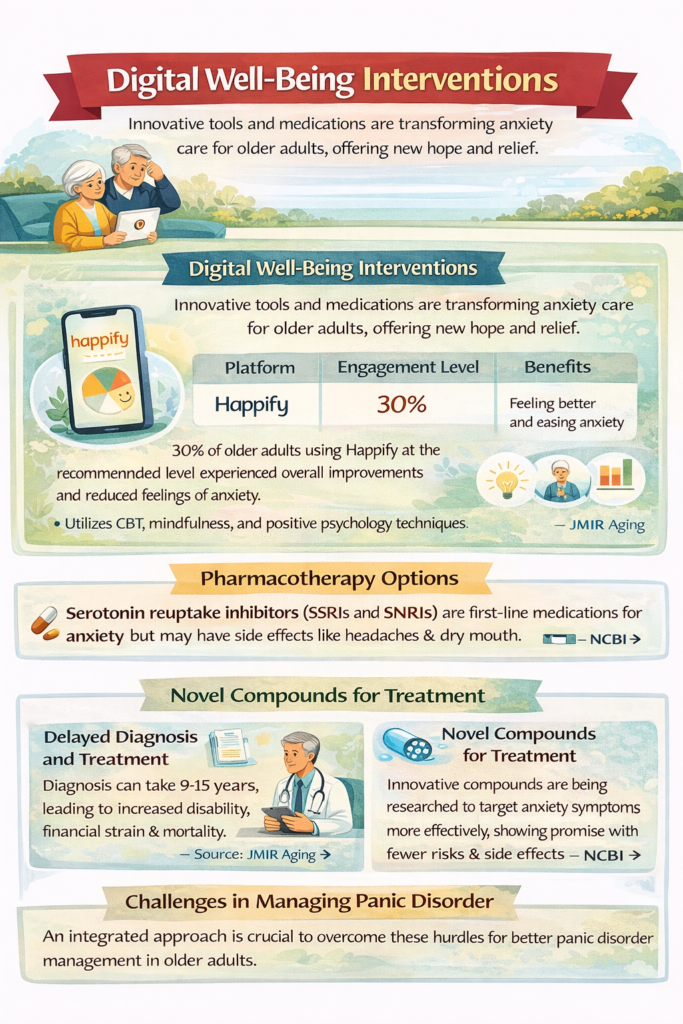
Global Perspective on Anxiety Disorders
Taking a look at anxiety disorders from the big picture helps us see just how common these are, the ways they’re being treated, and what’s coming down the line for those wrestling with anxiety.
Prevalence of Anxiety Disorders
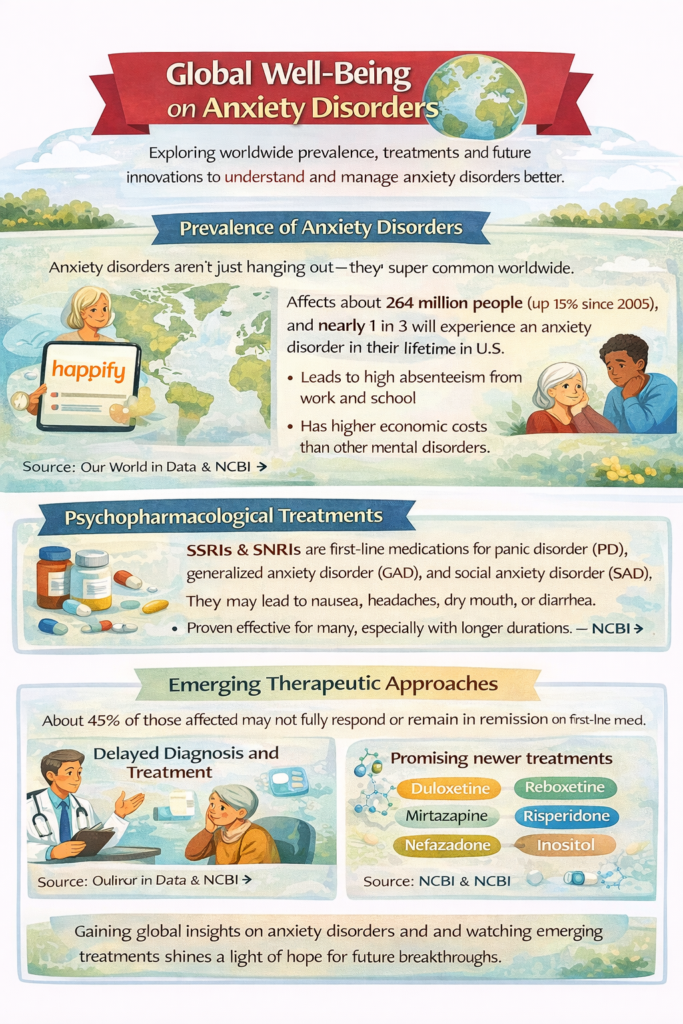
Anxiety disorders aren’t just hanging out—they’re super common worldwide. They affect about 264 million folks—that’s a bump of 15% since 2005. In the U.S., almost one out of three people will deal with an anxiety disorder at some point. And it’s not just about feeling stressed—these disorders can lead to a lot of missed work and school. They hit wallets hard with their hefty price tags, too, compared to other mental health issues.
Psychopharmacological Treatments
When it comes to treating anxiety disorders like panic disorder (PD), generalized anxiety disorder (GAD), and social anxiety disorder (SAD), docs often reach for serotonin reuptake inhibitors (SSRIs) and serotonin norepinephrine reuptake inhibitors (SNRIs). Sure, these meds can cause nausea, headaches, a dry mouth, and sometimes diarrhea, but most folks find them pretty easy to handle. And while they have their side gigs, they’re pretty good at keeping anxiety in check, especially with longer use.
Emerging Therapeutic Approaches
While those meds do the trick for many, around 45% of folks might not get the full relief they need or stay well forever on those primary meds. Some folks even find themselves back to square one just six months after stepping down off the meds. That’s why researchers are busy bees, hunting down new options for conditions like panic disorder.
Some of the new kids on the block—duloxetine, reboxetine, mirtazapine, nefazodone, risperidone, and inositol—are showing some promise with their anti-panic superpowers. They could be just what the doctor ordered for folks who don’t have luck with the regular treatments. This new wave of treatments brings a glimmer of hope and could mean more individually tailored and effective ways to tackle anxiety.
By grasping how widespread anxiety disorders are, checking out current treatments, and peeking into new therapies, folks living with anxiety and their supporters can steer through the tricky roads of managing anxiety with a bit more confidence. With ongoing research leading the charge, there’s hope for better days and higher quality of life for those facing anxiety around the globe.