So, let’s be real – panic attacks can be downright scary. One minute you’re fine, the next, you feel like everything’s closing in. It’s not just something you can easily shake off. These intense bouts of panic can hit hard, messing with both your body and your mind. So, yeah, handling them can feel like a battle, but getting a grip on what’s really happening can start to make things a bit more manageable.
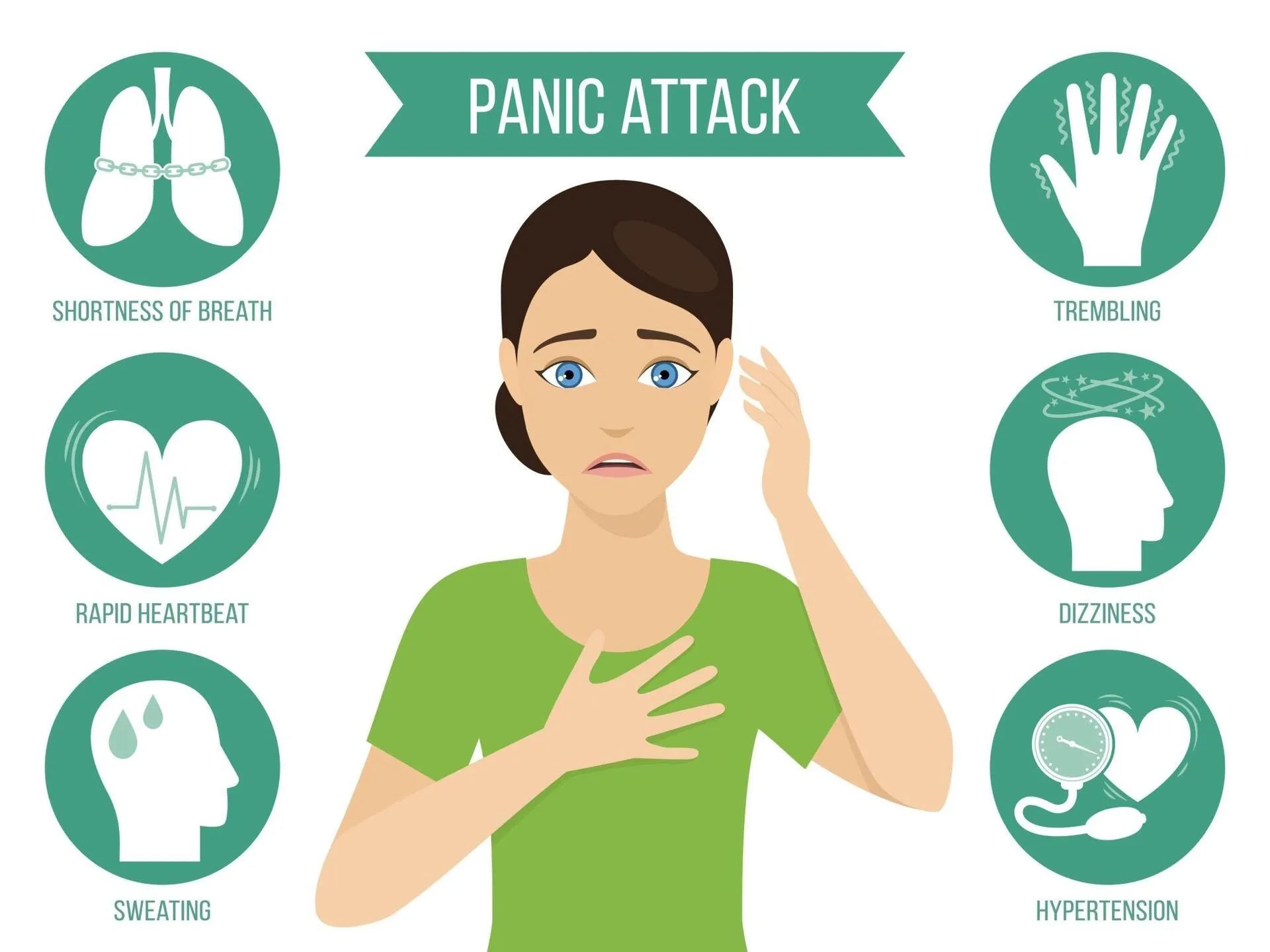
When a panic attack strikes, it doesn’t mess around. Your heart’s racing like you’ve run a marathon, breathing goes haywire, you might shake like a leaf, and then there’s that crushing chest discomfort paired with this dreadful feeling of doom. It’s like your body sounds the alarm, even if there’s no actual fire. This rollercoaster ride doesn’t just vanish without leaving a trace. It can toss a wrench in your daily plans, disrupt your connections with folks, and even knock the wind out of your sails when it comes to living life on your terms.
And here’s a wild stat slapped together by the researchers over at NCBI: around 4.7% of people get tangled up in panic disorder at some point in their lives. The fallout from this ain’t just a drop in the bucket – it’s the kind of stuff that screams for a solid game plan tailored to helping folks come out stronger on the other side.
Coping with Panic Attacks
Now, talk about getting creative! Tackling panic isn’t just a “suck it up” scenario. It’s all about loading up your toolbox with some nifty tricks and tips to whittle down those panic episodes. One nifty trick? Visualization. Yeah, close your eyes and let the imagination run wild, but in a chill, therapeutic kind of way. Guided by soothing imagery or zoning into some goal-driven focal points, your mind can be like your safe haven when panic comes knocking.
It turns out, visualization can give you the upper hand over those pesky anxiety and panic vibes. The fine folks at Potomac Psychiatry dug deeper into this, showing there’s a link between how your brain operates and how your body reacts when folks with panic disorder whip out visualization techniques. The brainstem, a sneaky little area in your noggin, starts syncing up better, leading to a calmer heart rate and a more zen you.
So here’s the skinny: when panic thinks it can hijack your day, knowing how your brain and body tick makes a world of difference. Nabbing these visualization tips and channeling them as part of a more extensive anxiety playbook can be your ace in the hole. Turn the tables on panic, keep calm, and hold steady, even when it feels like the world’s spinning out of control.
Visualization Techniques for Anxiety
Tackling the jitters with visualization can be a game-changer in dialing down that nervous energy and preventing panic attacks. Picture it: you close your eyes and drift away to your own mind-designed paradise, a place that says, “Hey, relax.”
Introduction to Visualization
So, here’s the lowdown: Visualization is all about crafting those perfect mental postcards—think beach sunsets or mountain meadows—helping you channel your inner Zen master. Slip it into your daily groove, and you might just dodge that fight-or-flight overreaction when anxiety hits the fan (Verywell Mind).
Benefits of Visualization
Visualization’s a bit like a mental spa visit. It gently guides your brain from being on high alert to chill mode by drawing on comforting visuals. It’s like a shield, keeping those thought loops of fear from spiraling out of control. Master this, and you might just see your mental state calm down, with anxiety losing its grip on your day-to-day life (Verywell Mind).
Here’s why visualization deserves a gold star in anxiety relief:
Eases you into relaxation and helps mellow your mind
Fights off those repetitive worry-thoughts
Takes the edge off stress and unease
Want to personalize your calm-down plan using visualization? Dive into options like guided imagery (where someone walks you through a soothing scene), goal-oriented visuals (focusing on specific outcomes), or compassion meditation (cultivating kindness). Pick what gels with you and weave it into your daily vibe for a heartier mental toolkit against anxiety’s sneaky triggers. Say hello to more peace and a sprinkle of grit when anxiety dares to pop up.
Types of Visualization Techniques
When you’re diving into visualization techniques to tackle panic episodes, it’s vital to find whatever vibes with you personally. It’s all about using your mind’s eye to float to a more chill place—like zoning out in a happy daydream. By focusing on soothing scenes in your head, you can dial down the panic and amp up your peace vibes.
Guided Imagery
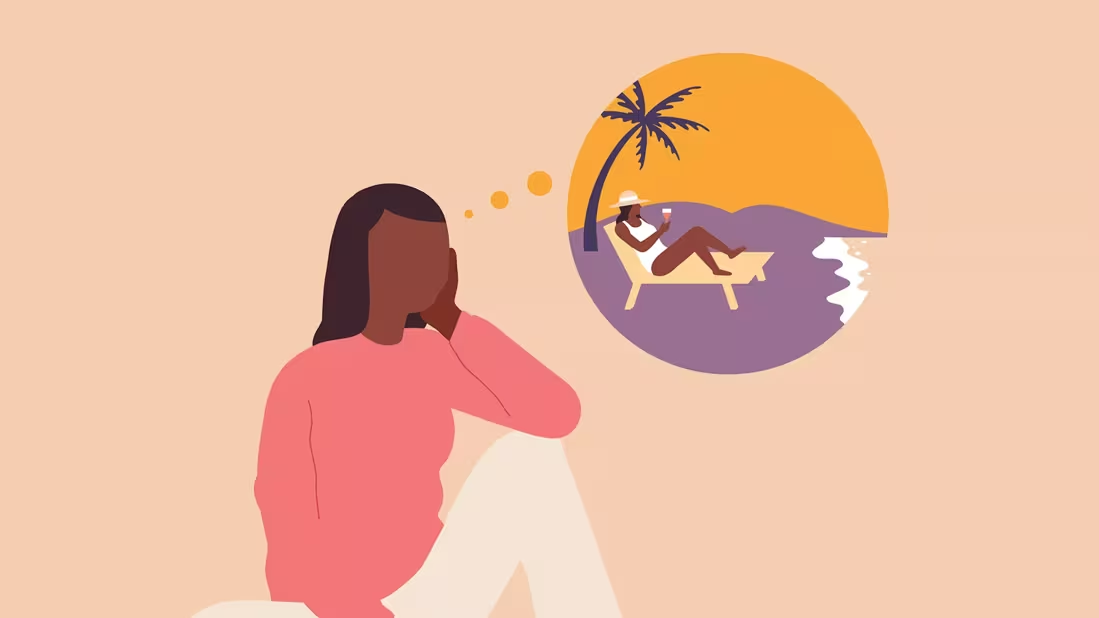
Picture this: You’re on a cozy beach, the waves doing their gentle thing, and the sun warming your face. That’s guided imagery for you, and it’s like a mini mental vacay from stress. By crafting these vivid mental landscapes, this type of visualization lets the tension take a back seat, giving your mind a calm zone to hang out in.
Goal-Oriented Visualization
Now, onto goal-oriented visualization, which is a bit like pep-talking yourself using your imagination. It’s about seeing yourself smash through goals and tasks like a pro, which (believe it or not) can really pump up your confidence. It swaps out fears for “heck yes, I can do this!”—and who doesn’t want a little more of that in their life?
Compassion Meditation
Compassion meditation taps into the good juice, focusing on kindness and empathy, both for you and the people around you. It’s like giving your inner worrywart a hug. This practice helps boost your mood and resilience, replacing anxiety with a gentler, reassuring touch. Spreading love to yourself can be a game-changer when it comes to keeping those panicky sensations in check.
These visualization approaches—guided imagery, goal-getter visualization, and compassion meditation—let you fine-tune your anti-anxiety toolkit to what suits you best. Mix these practices into your daily rituals and maybe stir in some relaxation exercises to tackle panic before it even starts showing up. Your mind deserves that TLC for long-lasting calm.
Practicing Visualization for Anxiety Relief
When I was dealing with panic episodes, I stumbled upon visualization as a lifeline. Blending this mental trickery with some straightforward relaxation methods, I managed to find a pathway to calm in the chaos. Visualization isn’t just about pretty pictures in your head—it’s a full sensory experience I leaned on during stressful times and it gave me a bit more power over my reactions.
Incorporating Visualization Daily
Creating mental getaways that bring comfort is like magic when you’re battling anxiety. Each day, I let myself drift into these imagined worlds where stress bows down. The trick is to really feel it: hear, see, smell, and touch the peace. I usually squeeze in a session just after waking up or right before hitting the hay. This little ritual has offered a steadfast anchor to my mental well-being.
Enhancing Visualization with Relaxation Techniques
To pack an extra punch, I team up visualization with other calming tactics. I’ve tried breathing exercises that remind me of blowing up balloons, yoga that ties me into a pretzel, muscle relaxation that feels like melting butter, and meditation that quiets my racing thoughts. They all work wonders alongside visualization, forming a tag team against anxiety’s physical and mental chokehold.
Sometimes, seeking a nudge from healthcare experts has helped in fine-tuning these practices to match my needs. Regularly practicing visualization, even the spine-tingling compassion meditation variety, has given me a lifeline when anxiety pops up uninvited. Over time, this combo has built my resilience and confidence, turning my once chaotic ride into a more manageable stroll.
Mindfulness and Anxiety Relief
Battling panic episodes, I’ve stumbled upon mindfulness as my secret weapon against anxiety. It’s not just a way to catch my breath during those overwhelming moments; it’s my guide to long-term peace and balance.
The Good Stuff About Mindfulness Meditation
Turns out, loads of research backs up how fantastic mindfulness meditation is when you’re trying to wrestle anxiety. For me, just being present—embracing the here and now—has turbocharged my sense of well-being and tackled those pesky anxious thoughts head-on. Plus, it’s been a sanity saver when my emotions start running wild, helping me regain clarity and calm when freak-outs strike.
There’s also some brain-boosting perks. Mindfulness has been a real game-changer for my thinking skills, making me sharper and more mentally agile. Since weaving mindfulness into my daily flow, I’ve found handling stress way easier. It’s like my brain’s got a new, chill autopilot mode.
Getting Chill with Mindfulness-Based Stress Reduction
One standout hero in my anxiety-busting toolkit is the Mindfulness-Based Stress Reduction (MBSR) program. This isn’t just some feel-good fad—it’s science-sanctioned awesomeness that’s helped countless folks dial down anxiety, depression, and stress from all sorts of backgrounds.
Jumping into MBSR showed me how to keep my cool when anxiety feels like a storm brewing inside. These sessions armed me with strategies to handle anxiety flare-ups with more control and compassion toward myself. Engaging in stress-slaying mindfulness routines, I’ve found there’s an inner calm within even when panic threatens to take the driver’s seat.
With mindfulness meditation and MBSR backing me up, I’ve been on a pretty cool ride to anxiety relief and overall emotional health. Adopting these practices has laid down a sturdy base of resilience and peace, helping me to handle the twists and turns of living with panic attacks, with a lot more grace.
Panic Attacks and Specific Populations
When it comes to dealing with panic attacks in certain groups, I know it requires a bit of extra care and understanding. It’s about grasping the specific hurdles they face and coming up with strategies that really help them manage. We can create a supportive space for those going through these tough moments.
Impacts on Different Groups
It turns out that panic disorders show up more in some demographics than others, as seen in a study which found a lifetime prevalence of 4.7% (NCBI). That number illustrates how deeply panic attacks can affect people’s lives. Knowing how these attacks impact folks of different ages, genders, and income levels is key to offering help that makes a real difference.
Demographic Considerations:
Age Groups: Panic attacks don’t quite look the same in teenagers as they do in older folks. So, we gotta tweak our approach for each age group, focusing on their unique stressors and ways to cope.
Gender Differences: Research highlights that panic attacks vary between men and women. Acknowledging these differences is vital to crafting personalized care.
Economic Factors: Money problems, which two in five Americans stress over, fuel anxiety (Potomac Psychiatry). Making sure support and resources are available to those strapped for cash is critical in dealing with panic episodes.
Strategies for Managing Panic Attacks
Finding strong ways to handle and cut down on panic attacks can bring long-lasting relief and a better life quality. Visualization techniques, if practiced daily, can help folks keep calm and tough against anxiety triggers.
Specific Interventions:
Culturally Aware Practices: Being mindful of someone’s cultural background when they experience panic attacks ensures they get the support that’s right for them.
Focused Therapy Options: Using targeted therapies like cognitive-behavioral therapy (CBT) that fit well with the needs of different groups helps boost coping skills and overall resilience.
Support Networks:
Community Bonds: Urging people to get involved with support groups and community services can help them feel connected and understood, which is vital for emotional balance.
Family and Caregiver Participation: Bringing family members and caregivers into the mix can strengthen the support system, offering better outcomes for those struggling with panic attacks.
Collaboratively understanding how panic attacks uniquely affect certain groups and employing specific strategies can help create a warm, inclusive space. Together, we can support individuals on their path to managing and overcoming panic episodes.
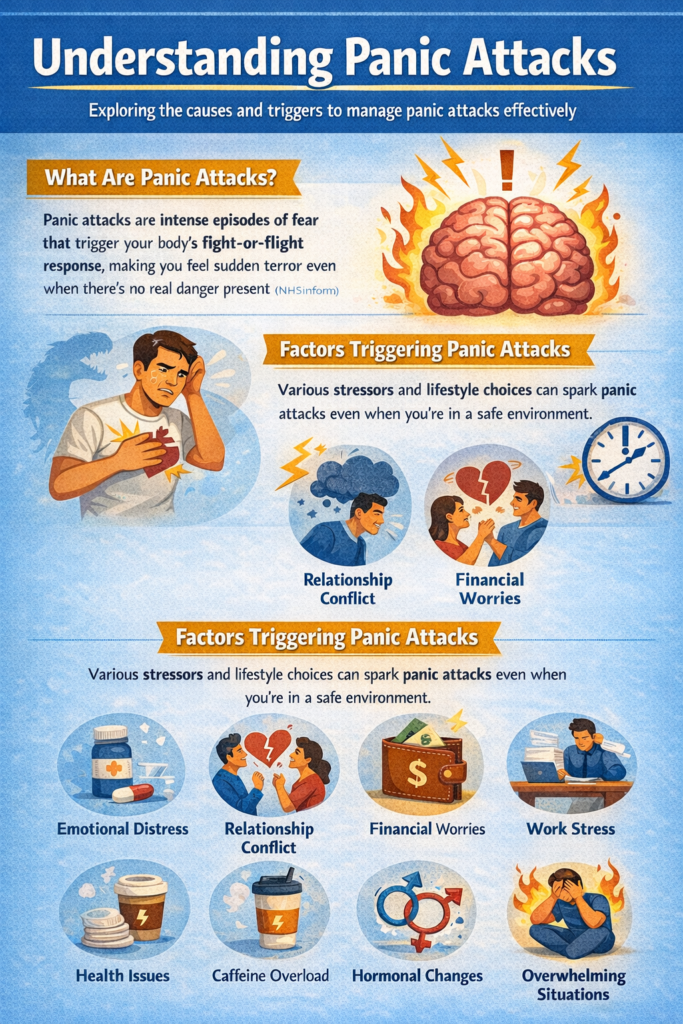
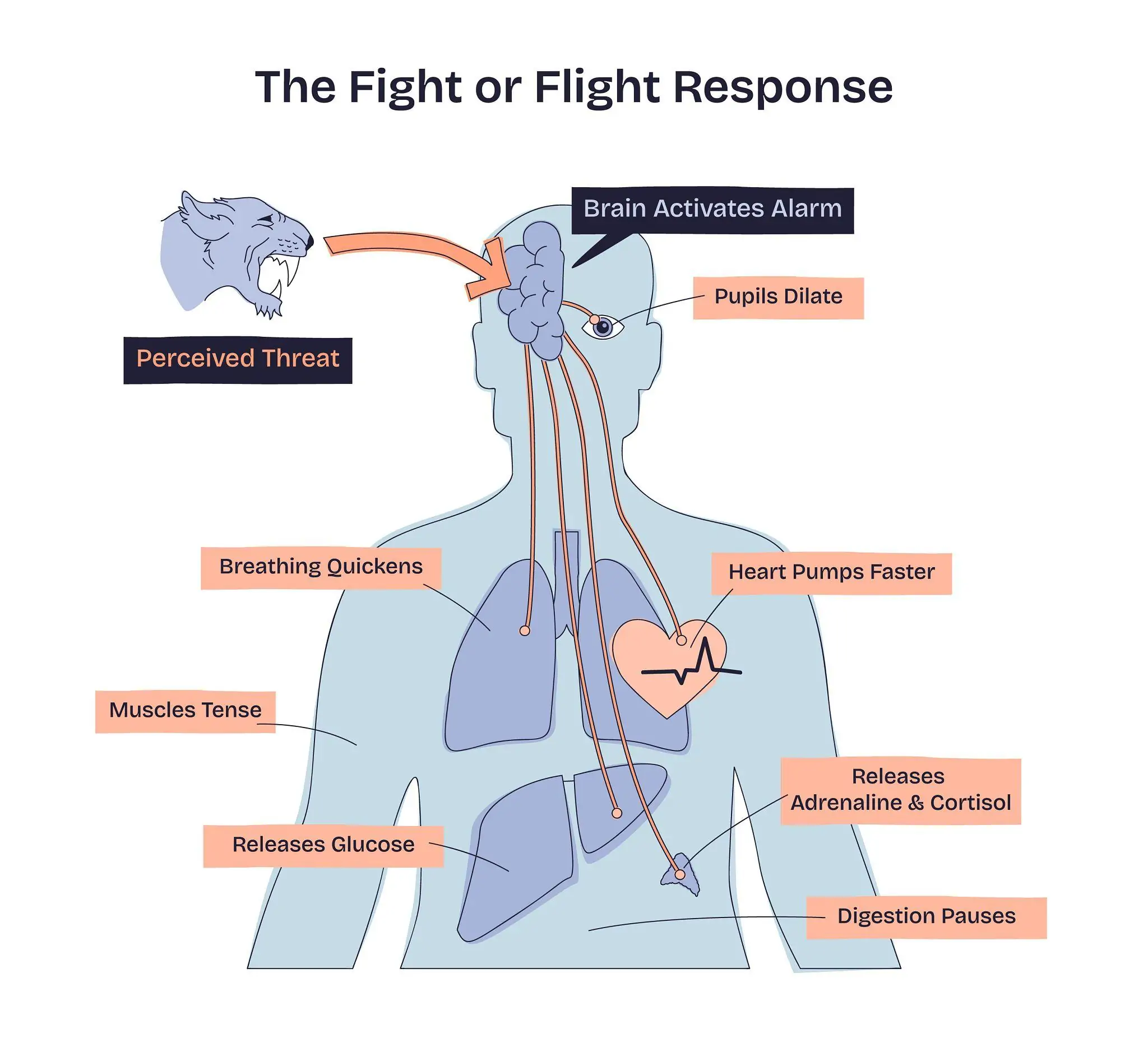
Panic attacks are like the brain’s way of showing it cares about keeping you safe from threats, even when it might be going a bit overboard. Back in the day, this was all well and good when dinosaurs were chasing us, but nowadays, that fight-or-flight response can flip out over the most random stuff, leading to panic attacks that nobody asked for (NHS inform).
Factors Triggering Panic Attacks
Ever notice panic attacks creeping up when life feels like it’s got you in a chokehold? Relationship drama, money problems, work pressure – you name it. These are just a few things that can make panic attacks pop up when you’d rather they didn’t (NHS inform). Other things that can send your brain spiraling? Emotional chaos, body changes, chugging too much caffeine, or just dealing with a whirlwind of feelings (NHS inform).
What’s really important is figuring out what sets off your panic alarms and learning to face them head-on rather than run. The more you familiarize yourself with handling these triggers, the easier it gets to face panic attacks with a bit more confidence and calm.
By digging into the basics of panic attacks and finding out what fuels them, you’ll get a leg up in figuring out how to deal with them. It’s all about pinpointing what’s stirring those panic attacks and arming yourself with a strategy that’s gonna help you find some peace in the chaos.
Self-Help Books for Panic Management
Trying to manage panic attacks is like wrangling cats—tricky, but not impossible! Picking the right self-help books can be your secret weapon in this fight. Let me share some tips to find the ones that’ll really make a difference, pick out what to look for in these reads, and throw some solid book recommendations your way.
Selecting Effective Self-Help Books
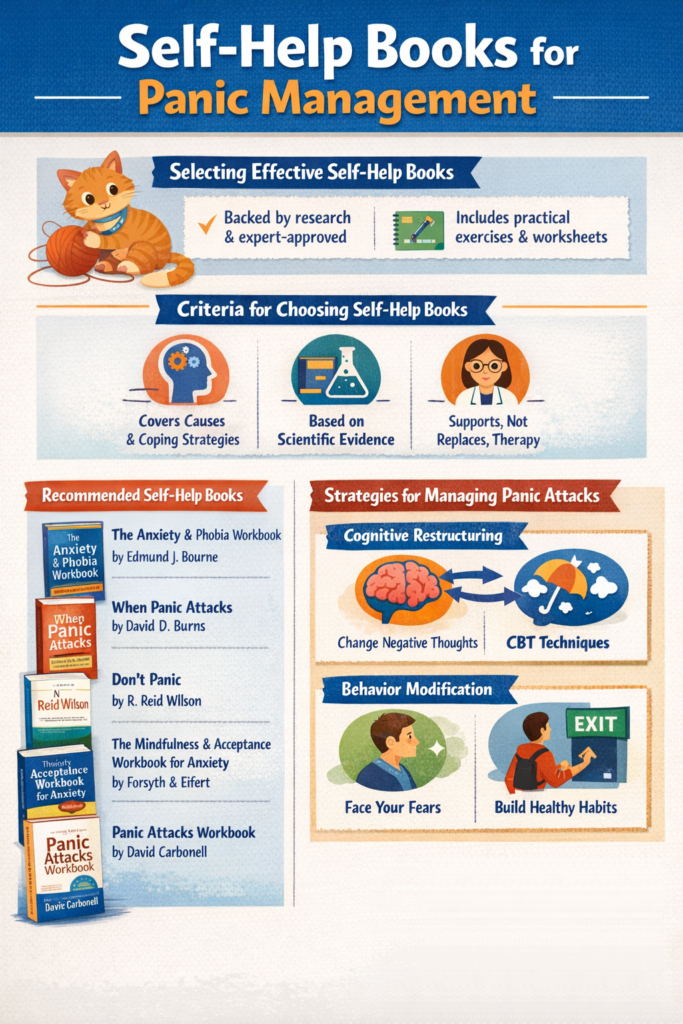
Alright, let’s get real. You need self-help books that are backed by solid research and have the thumbs-up from people who know their stuff in panic management. This way, you’ll find genuine strategies that actually help. Look for books packed with practical tools like exercises or worksheets that get you to work on panic management ideas. Making the learning hands-on means you’re more likely to “get it” and apply it in real life. Trust me, diving into interactive stuff can keep you engaged and make those lessons stick in your head.
Criteria for Choosing Self-Help Books
When you’re scoping out books for panic management, go for those that tackle anxiety comprehensively. They should dive into what’s behind the panic, serve up solid ways to cope, and give you actual steps to handle worry bombs. Make sure what they’re saying stands on scientific ground and isn’t just fluffy advice. Remember, these books aren’t to replace a therapist but they should back you up while you’re waiting for therapy or if you’re flying solo for now. They can put some power back in your hands to face down panic attacks and build strong coping muscles.
Recommended Self-Help Books
Here’s my shortlist for panic butt-kicking books:
“The Anxiety and Phobia Workbook” by Edmund J. Bourne
“When Panic Attacks” by David D. Burns
“Don’t Panic: Taking Control of Anxiety Attacks” by R. Reid Wilson
“The Mindfulness and Acceptance Workbook for Anxiety” by John P. Forsyth and Georg H. Eifert
“Panic Attacks Workbook: A Guided Program for Beating the Panic Trick” by David Carbonell
These books are like a buffet of wisdom, filled with tips and tricks to help you understand and manage panic attacks. Dive into these, chew on the advice, and don’t be shy to reach out for extra support from a therapist or counselor to really make the most out of what these books have to offer on your journey to feeling better.
By choosing your books with care and blending them with therapy, you’re giving yourself a better shot at understanding your panic, finding ways to cope, and cultivating strength and resilience to navigate those tough times.
Strategies for Managing Panic Attacks
Managing a panic attack can sometimes feel like trying to calm a storm inside your own head. But don’t worry, I’ve got some tips and tricks up my sleeve to help you out. We’ll dive into thought-tweaking tactics, changing up your actions, and giving those unhelpful avoidance habits a good kick to the curb.\
Cognitive Restructuring Techniques
Ever felt like your brain’s stuck in a negative loop? That’s where cognitive restructuring comes in handy. It’s like teaching your mind to flip the script on those anxiety-inducing thoughts that can tick off a panic attack. The idea is to see things through a different lens so your emotional responses don’t have to go haywire. It’s pretty much like convincing your brain to chill out, and you’ll find it’s a powerful way to keep anxiety and panic attacks at bay, just like they say over on Quora.
One way to tackle this is through self-help books that lay down cognitive-behavioral therapy (CBT) methods without all the jargon. Books like “Feeling Good,” “Mind Over Mood,” and “Overcoming Depression: A Five Areas Approach” dish out practical advice you can use to dial down anxiety and depression, as seen in Cambridge Core.
Behavior Modification Approaches
Let’s talk about behavior changes and how they can be your ally in a panic attack showdown. Picture this: you’re running from a fear-inducing situation, only to end up amping up your fears more. Yup, it’s no fun. The trick here is to confront these situations head-on and swap out old habits for healthier ways to cope. This strategy shines a light on how to really manage panic attacks, as echoed by Quora.
CBT-based self-help books are gold mines when it comes to guiding you in adjusting those unhelpful habits. They lay out step-by-step advice on swapping unhelpful actions for better ones. According to research on Cambridge Core, these CBT books punch above their weight in managing anxiety.
Challenging Avoidance Behaviors
If you’re caught up in avoiding stuff out of fear of another panic attack, you’re not alone. But turning this habit on its head is key. Facing your fears and slowly easing into scary situations can break that cycle of panic, helping you feel more in control. Trust me, this isn’t just a quick fix; it’s a long-term win for your peace of mind.
Books focusing on exposure therapy are awesome for tackling avoidance. They walk you through exercises that help you face your fears one baby step at a time. As you incorporate these into your everyday life, you’ll find yourself getting better at managing those panic triggers.
With cognitive restructuring, behavior change, and facing avoidance behaviors, you’ll build a robust toolkit for dealing with anxiety. Pair these strategies with CBT-focused self-help books to arm yourself with new insights and practical tips, as you regain the steering wheel of your life and steer through panic attacks with confidence.
Integrating Self-Help Books with Therapy
As I try to tackle my panic attacks, I’ve discovered a nifty combo: self-help books and therapy. This mash-up isn’t just some trendy thing—it’s genuinely helping me make progress and learn a whole lot more about myself. It’s giving me extra backup to get through tough patches and meet my goals in therapy.
Boosting Therapy with Self-Help Books
What’s cool about using self-help books alongside therapy? They open up a world of new ideas, coping tricks, and exercises that fit perfectly with what I do with my therapist. Diving into these books—recommended by folks who know their stuff—has given me a better grip on my own triggers, habits, and thoughts. This understanding sets the stage for deeper chats and breakthrough moments during our sessions.
Picking the Right Books for My Goals
My therapist often suggests books that hit the nail on the head when it comes to what I need and our therapy goals. Whether we’re exploring mindfulness, cognitive-behavioral therapy (CBT), self-compassion, personal growth, or aiming to beat anxiety, depression, or past traumas, these book picks aren’t just extras—they’re key pieces that make my healing journey richer. By soaking in these reads, I reinforce what I learn in therapy and can apply it to my everyday life.
Chatting About Books with My Therapist
Keeping the lines open about what I’m reading with my therapist is like a must-have. By talking about the breakthroughs, thoughts, and shifts I get from these books, we’re building a team vibe that makes therapy even better. This sharing lets my therapist give feedback, tackle any road bumps, and tweak our strategies as needed to keep up with where I’m at.
When choosing self-help books, I pay attention to things like who wrote it (and if they know what they’re talking about), sticking to proven methods, what others say about it, and how practical the advice is. By picking books that really click with me and sync up with my therapy, I’m maximizing the benefits of my mental wellness journey.
Remember, while self-help books are great at dealing with mental health hurdles, they’re not a stand-in for professional help, especially in serious cases. For those wrestling with major mental health stuff, reaching out to a pro is the way to go for tailored and comprehensive support.
Benefits and Limitations of Self-Help Books
Diggin’ into how self-help books shake things up in the mental health scene can crack open a treasure chest of wisdom about what they actually do for folks. These books can be your pocket therapist, ready to offer some mental tidbits right at your fingertips.
Role of Self-Help Books in Mental Health
Self-help paperbacks are like personal cheerleaders for your brain. They throw folks a lifeline, helping them spot trouble coming a mile off and tackle mental snags head-on. Got a rough patch? Crack open that book and let it guide you like a trusty ol’ map. It’s like your own biscuit tin for mental well-being waiting to be unlocked.
Advantages of Using Self-Help Materials
Grabbing one of these books can work wonders for sorting out life’s hiccups, like pesky sleep woes. Research has popped up showing these books actually pack a decent punch, pulling folks out of funks more than those pamphlets you’d hand out at a health fair. A good self-help book can feel like an old friend offering a cup of cocoa and a chat, making you think, “Hey, this is exactly what I needed.” They speak your language and sneaky-sneak into your heart with a wink and a nudge to try new things.
And it’s not just about the words. Whether you’re leafing through paper, watching a zippy video, or getting your groove on with an interactive program, there’s a little something for every type of learner out there. Self-help books aren’t picky; they’ll flirt with any mental pothole, be it anxiety, blues, or feeling draggy with fatigue. And people are loving this approach. Sometimes the book just gets it, you know?
Drawbacks of Self-Help Approaches
Of course, every silver lining has its cloud, and self-help books are no saints. They can be a bit too dreamy, setting up cloud castles only to watch them crumble. Folks might quit halfway or latch onto bad advice like a barnacle on a boat. You gotta sift and sort, making sure you’re not barking up the wrong tree. Be picky, be choosy; it’s your mind, after all, not a free-for-all.
Understanding the fine line between the perks and pitfalls helps people make a savvy choice when it comes to these mental guides. Self-help books can indeed be pals, but they call for an open mind and a bit of street smarts on your part to truly tap into what they offer. Get them working for you, not against you, and your mental adventure might just be a little more manageable.
Empowering with Knowledge
Handling panic attacks is like getting through a surprise pop quiz: you gotta know your stuff. I’ve found that owning up to these episodes and truly getting what they’re about makes a world of difference. It’s about seeing panic for what it is, knowing when to ask for help, and finding the right tools to make things easier.
Normalizing Panic Experiences
You know, panic attacks are like the secret handshake of human experiences—everyone’s been there, even if nobody’s talking. In fact, about one in every ten folks will face this at least once, says NHS inform. So, having a panic attack doesn’t make you fragile. It’s your brain’s quirky way of trying to keep you safe from what it thinks is danger, doing its best Terminator impression.
Getting that these attacks aren’t a sign of personal failure helps lift the stigma. Once we let go of the guilt, we can focus on finding the right support and start managing them like the everyday nuisances they are.
Importance of Seeking Help
Recognizing when to reach out is like knowing when to call a plumber: sure, you could try to fix it yourself, but expert help saves a ton of stress. Chatting with therapists, psychiatrists, or joining support groups gives you a leg up on handling panic attacks.
Life likes to throw curveballs—relationship drama, money woes, job stress—and any of these can set off a panic attack, according to NHS inform. Trained professionals offer not just empathy, but tailored advice that respects your personal journey and helps in bringing those panic monsters under control.
Resources for Assistance
When you’re navigating the often bumpy road of panic attacks, being armed with the right resources is priceless. Self-help books can be like your trusty road map, offering tips that range from practical coping mechanisms to detailed insights into managing anxiety.
Books have been life-savers for many, providing a first-class ride to anxiety management, as noted on Amazon. Plus, they often dovetail perfectly with traditional therapies, giving you a holistic quiver full of arrows to tackle panic episodes.
Beyond books, there are online forums, therapy apps, and support networks that let you connect and share stories with others in the same boat. Knowing you’re not sailing solo can be the comfort you didn’t know you needed.
By tapping into self-help troves and reaching out to professionals and fellow warriors in support networks, we equip ourselves with the insights and tools to turn panic attacks from fearsome foes into manageable blips on our radar. It’s all about empowering ourselves and taking care of our mind’s health with a sense of humor and understanding.
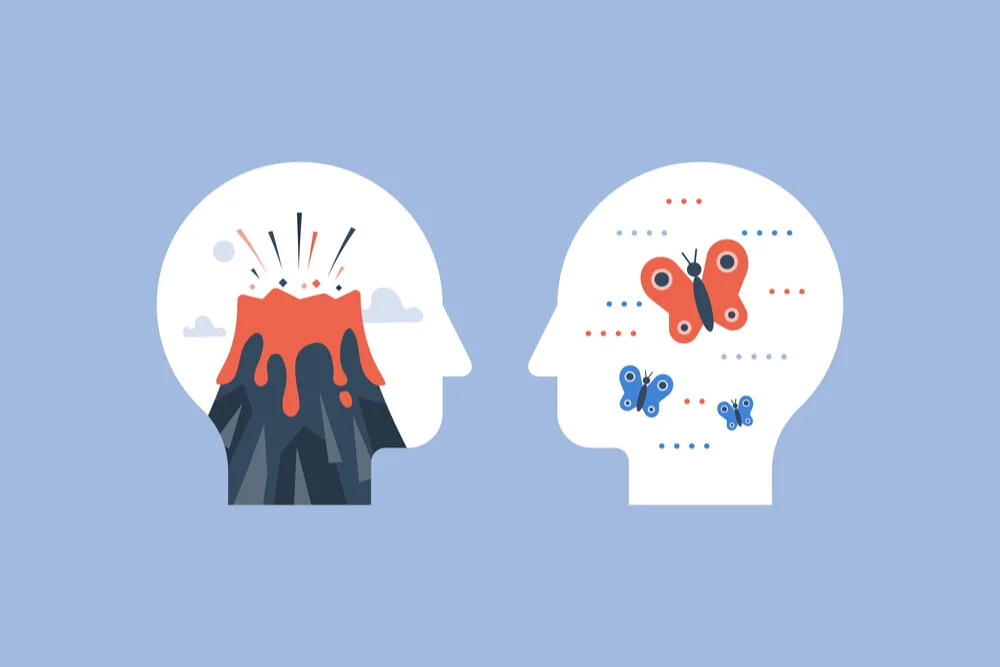
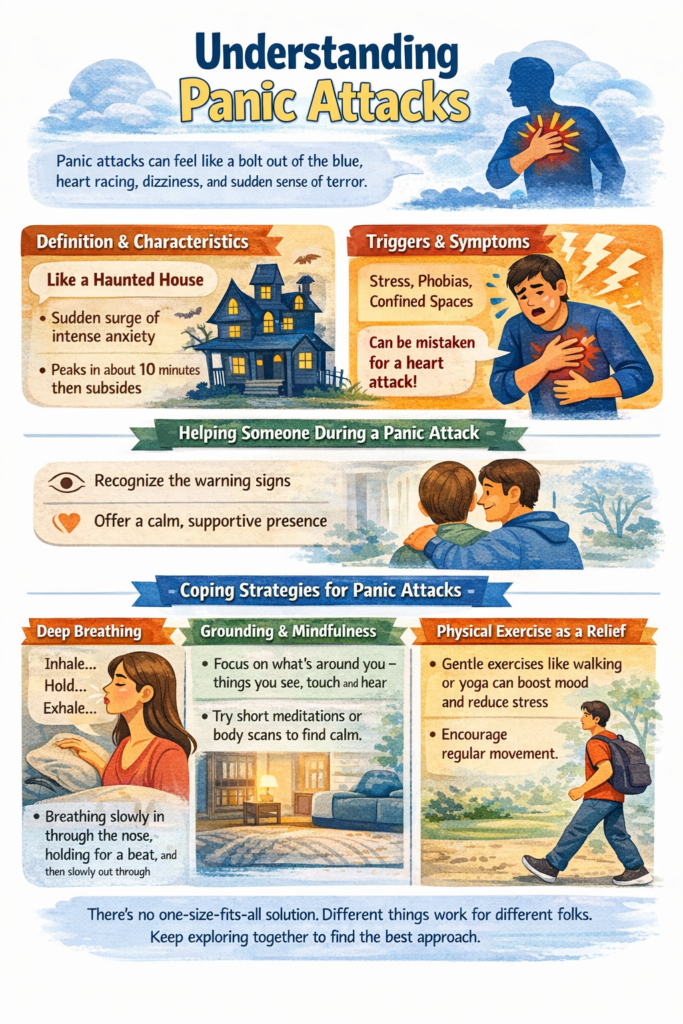
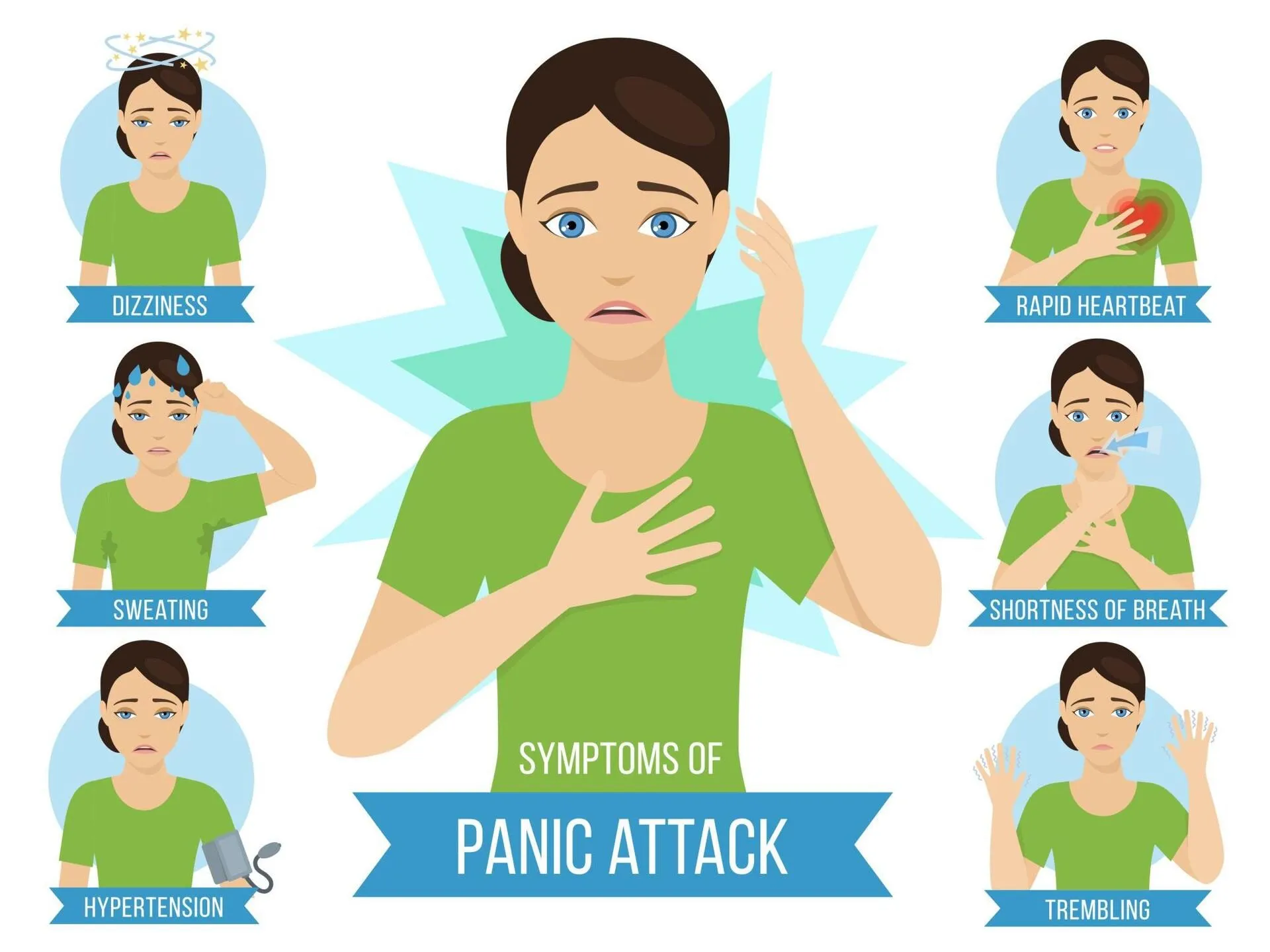
Panic attacks can feel like a bolt out of the blue, leaving you shaken and terrified for long after. Ever had one? Your heart pounds like it’s auditioning for a rock band, and you’re convinced something terrible’s about to happen. It may start suddenly, peak in about 10 minutes, and can feel different for everyone – from a racing heartbeat to feeling dizzy or like you need to flee. Knowing what sets it off can make facing them a tad less scary.
Picture that uneasy feeling when you’re in a haunted house—now dial it up to eleven. That’s what panic attacks can be like. They can be really intense but typically calm down on their own. It’s crucial to realize this is a sudden burst of anxiety, not a lasting state, and there are lots of ways to tame it when it happens (Medical News Today). The more we know about them, the better we can handle them.
Triggers and Symptoms
Ever jump at a loud noise or shiver from anxiety before a big speech? Imagine that multiplied by 100. Panic attacks can pop up out of nowhere, or maybe they’re set off by stressors specific to you, like heights or confined spaces. These feelings can be so intense, some folks even mistake them for a heart attack (NSW Health). Recognizing what sets off your panic is like having a secret map to dodge potential attacks in the future.
Helping a friend or family member with panic disorder means getting down to brass tacks about these panic attacks and how they affect people. Spot those warning signs early, and you can step in and be the backup they need during their struggle. Check out more tips on supporting a loved one with panic disorder if you want more tips on helping your loved ones through it.
Coping Strategies for Panic Attacks
Supporting someone dealing with panic disorder isn’t just about knowing what to do; it’s about being there when it counts. Here’s my take on some simple yet effective ways to get through it together—everyone’s got their own rhythm, but these tips will get most folks headed in the right direction: breathe deep, stay grounded, and move a little.
Deep Breathing Techniques
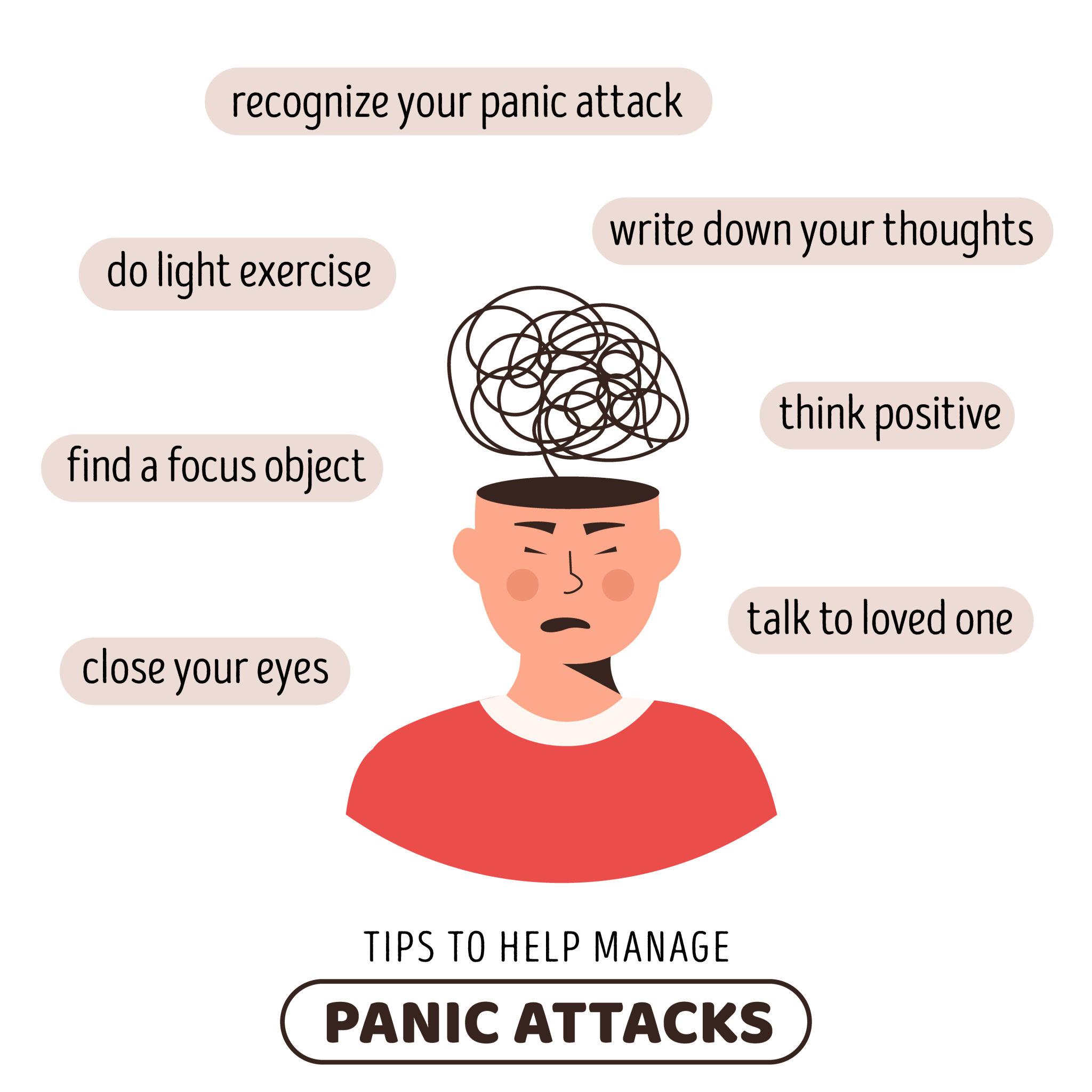
Breathing deep isn’t just a phrase; it’s a lifeline. When panic hits, helping your loved one slow it down can ease the storm. Encourage them to breathe in through their nose, hold for a beat, and breathe out slowly through the mouth. Do it together. Try it when things get tough. It’s amazing what a few deep breaths can do.
Grounding and Mindfulness Practices
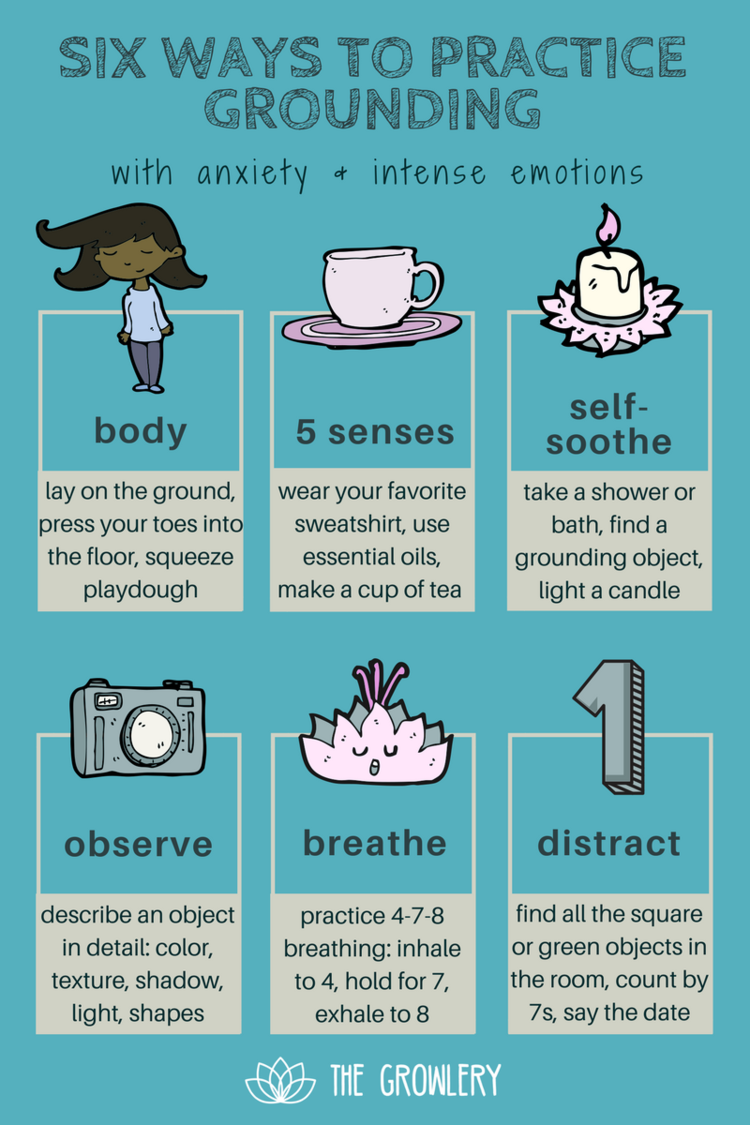
Staying grounded in the chaos? It’s like hitting pause on a runaway train. Guide your loved one to notice what’s right in front of them—maybe spotting things in the room or feeling something cozy, like a soft blanket. Mindfulness practices aren’t about emptying the mind; they’re about focusing it. Try a short meditation or a body scan together to find some calm when everything else is spinning.
Physical Exercise as a Relief
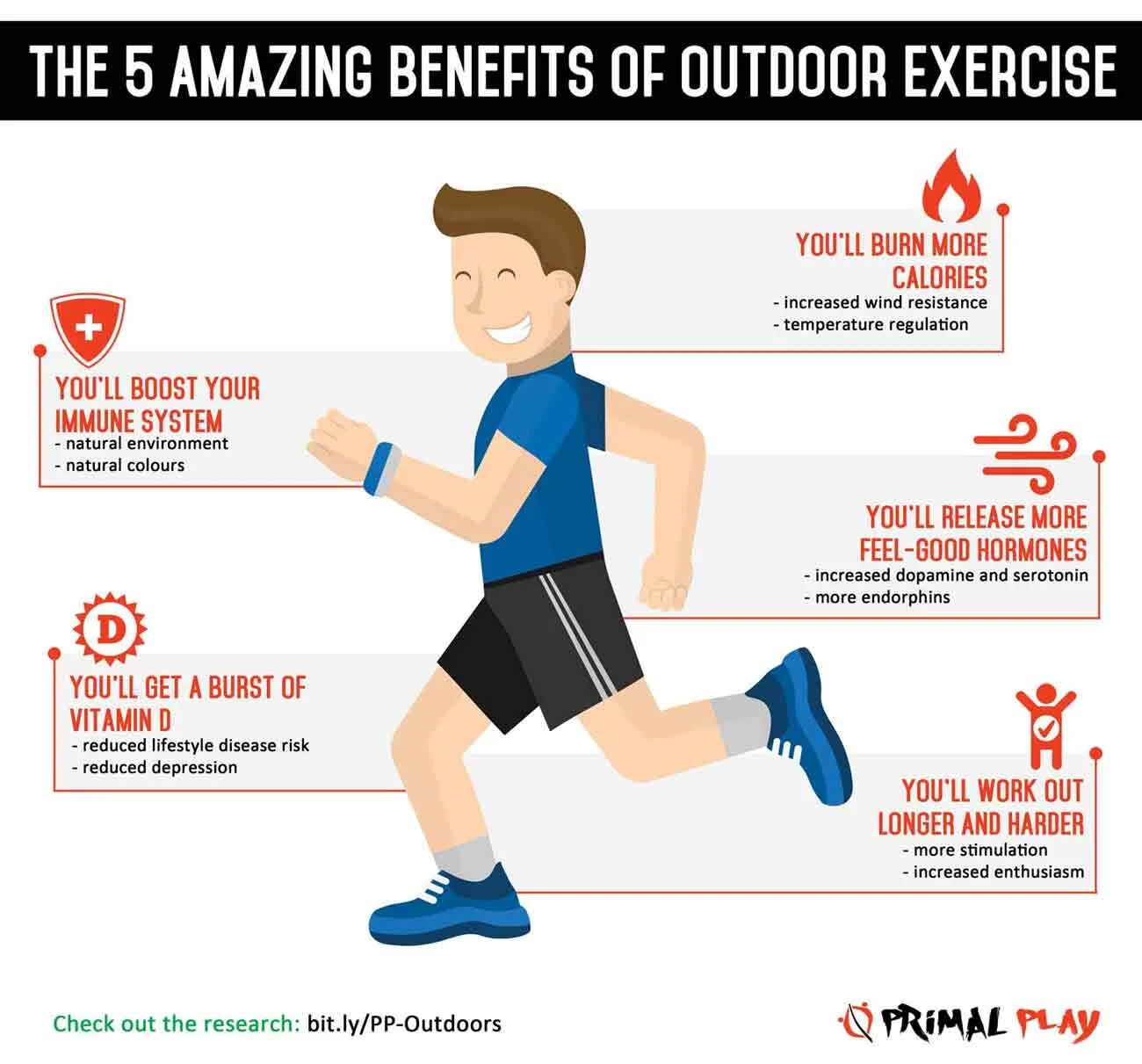
Moving your body helps move your mind out of panic mode. You don’t have to run marathons; a stroll or some gentle yoga can make a big difference. Those endorphins that come from a little exercise? They’re basically nature’s stress-busters. Encourage regular movement—whatever fits your loved one’s life and gives their mind that much-needed break.
These tips aren’t a one-size-fits-all; they’re a foundation you can build on. What works wonders for one person might not vibe with another, so keep experimenting. You’re in this together. If you want more ways to help folks of different ages or in different scenarios, swing by our articles on panic attacks in teens: how to help or panic attack warning signs in elderly parents.
Supporting a Loved One
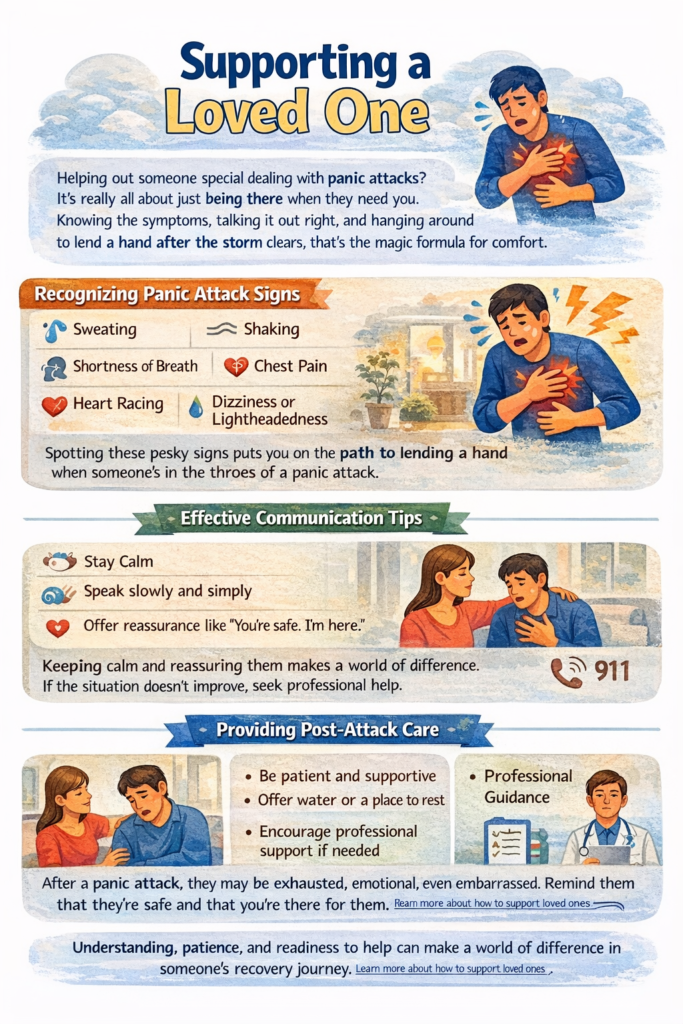
Helping out someone special dealing with panic attacks? It’s really all about just being there when they need you. Knowing the symptoms, talking it out right, and hanging around to lend a hand after the storm clears, that’s the magic formula for comfort.
Recognizing Panic Attack Signs
Panic attack signs play a sneaky game, showing up in different disguises. Think about sweating bullets, getting the shakes, gasping for air, chest pain, a heart doing overtime, feeling light-headed, or wobbling on your feet. People often think they’re having a physical meltdown instead. Spotting these pesky signs puts you on the path to lending a hand when someone’s in the throes of a panic attack.
Effective Communication Tips
Odds are, when you’re chatting with someone in panic mode, the calmer you are, the better. Keeping your cool, talking at a snail’s pace, and sticking to simple sentences helps. A little reassurance goes a long way, letting them know you’ve got their back. If they don’t get that it’s a panic attack or things spiral, don’t hesitate to dial for help.
Providing Post-Attack Care
Once the panic passes, that’s when they might feel like they just ran a marathon: wiped out, emotionally spent, maybe even a tad embarrassed. Your job’s to stay patient and understanding, letting them know it’s all good and they’re safe with you.
Suggesting they consider some professional guidance isn’t a bad idea. Whether it’s trying out Cognitive Behavioral Therapy (CBT), having a chat about meds with their doc, or speaking with a mental health pro, it can all make a big difference.
By catching those panic signs early, honing in on how you communicate, and being a rock after the attack settles, you’re an important part of the support squad. It’s your understanding, patience, and readiness to help that can be a game-changer in their recovery.
Treatment for Panic Disorder
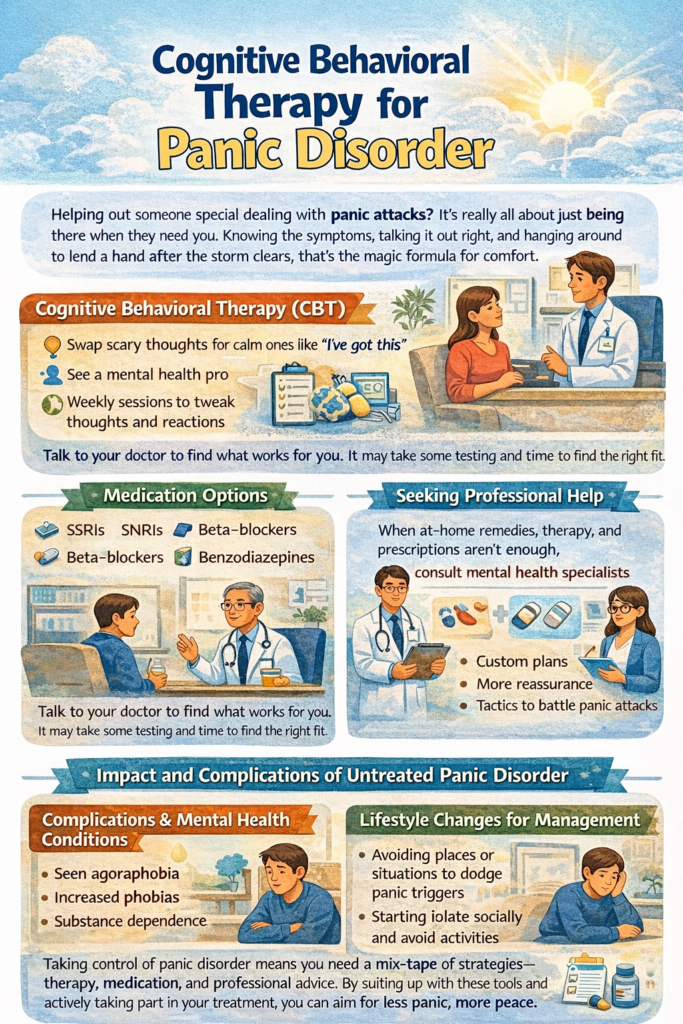
If you’re dealing with panic disorder, finding a way to handle those overwhelming episodes isn’t just a good idea – it’s necessary for a better life. Options to get these panic attacks under control include therapy, medication, and expert advice. The big three are cognitive behavioral therapy (CBT), taking meds, and getting professional guidance.
Cognitive Behavioral Therapy (CBT)
CBT, what a game-changer! It’s where your therapist turns into your anxiety coach, showing you how to beat those panic gremlins into submission. Straight from the NIMH, CBT is your go-to for panic disorder. The idea is to swap those scary thoughts for cool, calm ones – less like “I’m having a heart attack!” and more like “I’ve got this.”
It’s like going to the gym, but for your brain. A mental health pro will guide you through sessions to tweak the way you think and react, aiming to cut down how often those panic attacks hit and how intense they get. Getting a grip on things makes you feel like a boss.
Medication Options
Meds can be like a trusty sidekick to therapy for managing panic disorder. Docs might suggest SSRIs, SNRIs, beta-blockers, or even benzodiazepines to help smooth out those rough panic patches (NIMH). Each type helps to balance brain chemicals and calm the chaos.
It won’t happen overnight – these pills need time to work their magic. And, finding your perfect match might take some trial and error, so staying in tune with your doc is key. No need to suffer in silence; speak up if things feel off.
Seeking Professional Help
When you’ve tried home remedies, therapy, and prescriptions, but you’re still struggling, it’s time to bring in the big guns – mental health specialists. Psychiatrists and psychologists are skilled in creating a custom plan for you, ready to tackle even the trickiest panic puzzle.
Working with a pro means you get to dig deeper into what’s going on, with more tools and strategies at your fingertips to handle your unique stressors. These experts offer reassurance and fresh tactics to arm yourself against panic attacks.
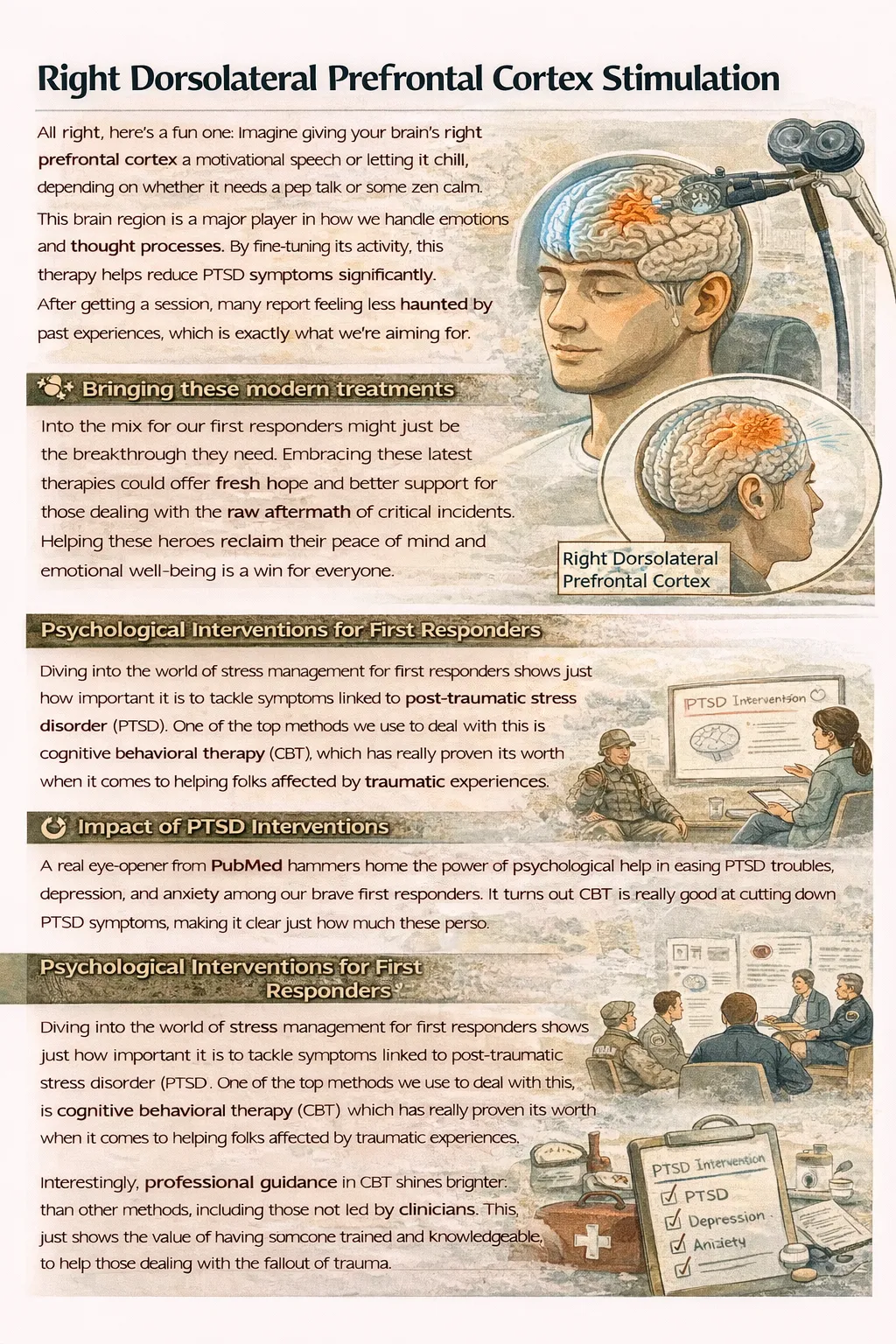
Taking control of panic disorder means you need a mix-tape of strategies – therapy, medication, and professional advice. By suiting up with these tools and actively taking part in your treatment, you can aim for less panic, more peace of mind, and a stronger grip on life in general.
Impact and Complications of Untreated Panic Disorder
Leaving panic disorder to simmer on the back burner can have a real punch on your headspace and life in general. From the risk of other mental hiccups to the lifestyle tweaks you’ll need to juggle, it’s key to get a grip on what happens when panic disorder goes unchecked.
Complications and Mental Health Conditions
The mess from untreated panic disorder doesn’t just stay locked in with the usual jitters. There’s a chance it could snowball into things like agoraphobia (fear of open spaces), extra phobias, or leaning too much on substances. These offshoots often show up as ways to handle intense fear or the constant worry parade that comes with panic disorder getting too comfy (NHS).
Lifestyle Changes for Management
Living with untreated panic disorder calls for some big changes. You might start dodging places or scenarios that set off those panic alarm bells, leading you down the path to social hibernation. Creating solid coping strategies and tucking peaceful routines into your day can become your shield for managing this and keeping your life on track.
Importance of Seeking Support
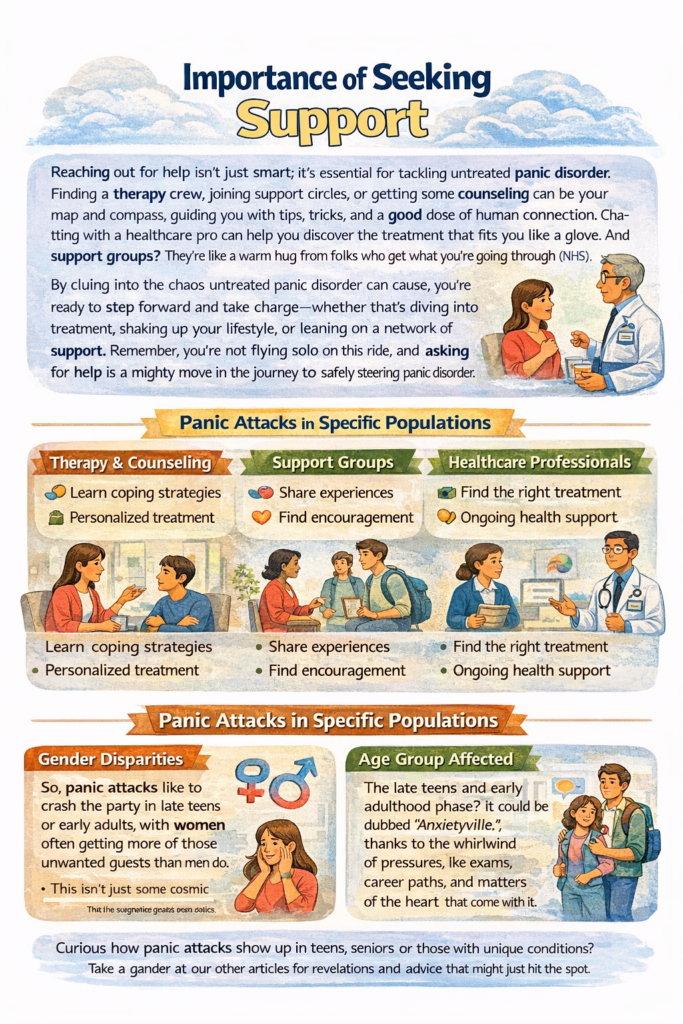
Reaching out for help isn’t just smart; it’s essential for tackling untreated panic disorder. Finding a therapy crew, joining support circles, or getting some counseling can be your map and compass, guiding you with tips, tricks, and a good dose of human connection. Chatting with a healthcare pro can help you discover the treatment that fits you like a glove. And support groups? They’re like a warm hug from folks who get what you’re going through (NHS).
By cluing into the chaos untreated panic disorder can cause, you’re ready to step forward and take charge—whether that’s diving into treatment, shaking up your lifestyle, or leaning on a network of support. Remember, you’re not flying solo on this ride, and asking for help is a mighty move in the journey to safely steering panic disorder.
Panic Attacks in Specific Populations
In the world of panic attacks, not everyone gets an equal slice of the anxiety pie. Understanding how they hit different groups helps tailor support just right. Let’s take a trip through how gender, age, and risk factors mix things up when it comes to panic attacks.
Gender Disparities
So, panic attacks like to crash the party in late teens or early adults, with women often getting more of those unwanted guests than men do. This isn’t just some cosmic coincidence. Think of it as a messy stew of biology, psychology, and societal vibes. Women usually deal with higher anxiety levels and are quicker to ring up that mental health hotline, which might explain why they end up with more panic disorder stamps on their passport.
Age Group Affected
The late teens and early adulthood phase? It could be dubbed ‘Anxietyville,’ thanks to the whirlwind of pressures like exams, career paths, and matters of the heart that come with it. This life stage loves to test resilience and sometimes throws a panic attack into the mix just for fun (Mayo Clinic). These stress-packed years might explain why folks in this age bracket often find themselves grappling with panic attacks.
Risk Factors and Prevalence
Now, multiple ingredients can brew a perfect storm for panic attacks. Anyone can get caught in the anxiety net, but some factors make it likelier. Got family members who’ve danced with anxiety disorders? Check. Been through some rough patches or mental health challenges? Double check. These might place you on the fast lane to panic attacks.
Getting the hang of how different folks experience panic attacks lets us cook up better support and strategies. By acknowledging what each demographic is up against, we can craft a far more inclusive and effective toolkit for tackling panic disorder. Curious how panic attacks show up in teens, seniors, or those with unique conditions? Take a gander at our other articles for revelations and advice that might just hit the spot.
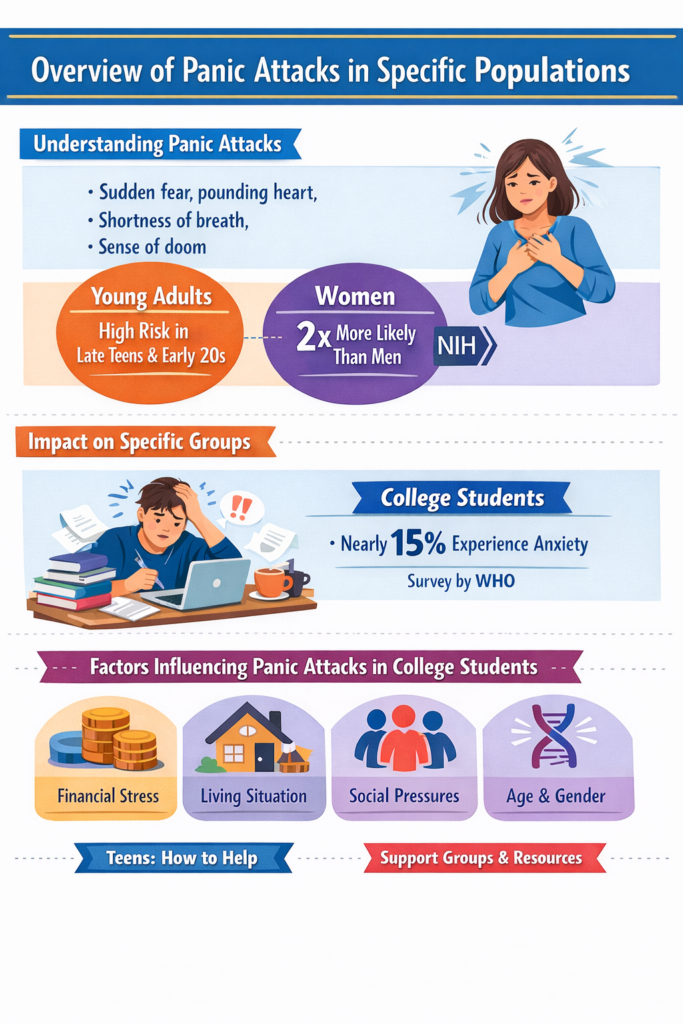
Alright, let’s get to the heart of it: panic attacks. They’re those sudden bursts of fear and anxiety that can turn your world upside down. Imagine feeling like an elephant’s parked on your chest, you’re gasping for air, and your hands won’t stop shaking. Add to that a looming sense of doom, and you get the picture. These alarming episodes aren’t picky—they show up across various groups, with factors like age and gender influencing when and how they strike.
Now, who’s in the line of fire, you ask? Well, young folks, especially late teens and those just stepping into adulthood, often find themselves facing these fearsome moments. The good folks over at the Mayo Clinic shed some light on this matter too. Plus, women tend to have a closer acquaintance with panic attacks than men, points out research from the NIH.
Impact on Specific Groups
Let’s talk about college kids for a sec. They’re knee-deep in books one moment and swamped with social stuff the next. This teeter-totter life doesn’t leave much room for calm heads. Turns out, anxiety is a frequent visitor in dorm rooms across the globe. According to the World Health Organization, a bunch of colleges got surveyed across 21 countries, revealing anxiety numbers shooting up to almost 15%!
What’s stoking this fire? More than just cramming for exams, it’s things like money worries, where they live, pals (or lack thereof), and family influences. Biology’s kidding around too—think age and gender knocking on the door. All this proves that if we really want to help these students, we need to understand these factors and give them support that speaks to their struggles.
Factors Influencing Panic Attacks in College Students
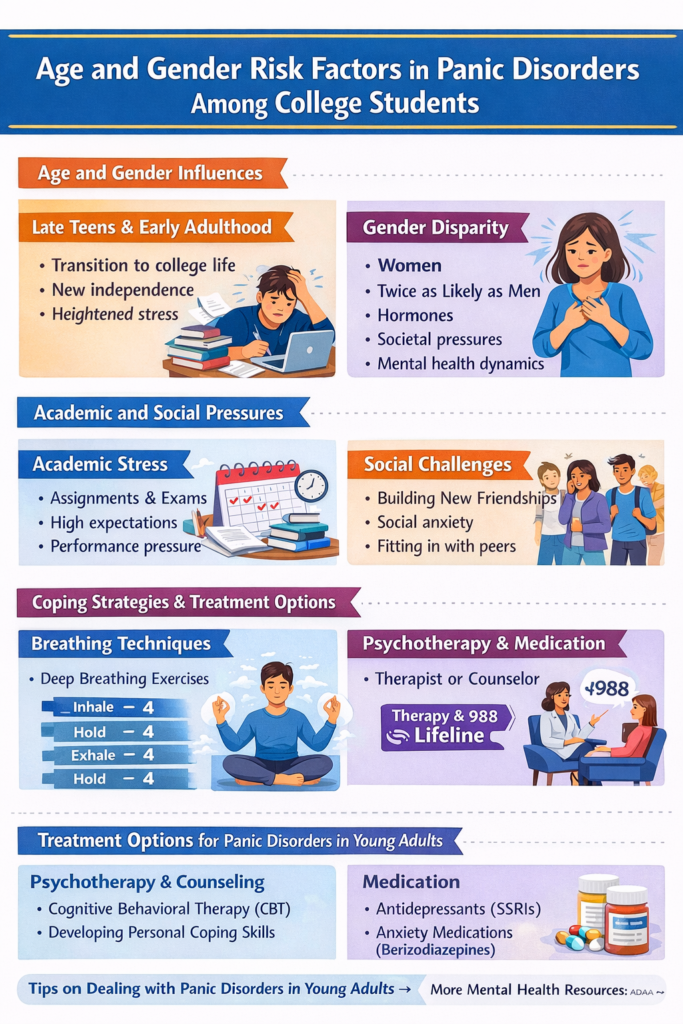
Being a college student is no picnic, especially when you’re a young adult standing at the crossroads of life. The late teens and early twenties can be a rollercoaster of stress, and women seem to buckle up for a wilder ride when it comes to panic disorders. I’m not sure if it’s the hormones, the societal pressures, or the need to keep a hundred plates spinning at once. The gender difference is there, inconveniently making women more likely to face these panic-induced episodes, according to the folks at NIH.
Age and Gender Risk Factors
Age Influence: You know, the leap to college life is like stepping into a new world. Late teens and early adulthood are times of mad changes, and it’s only natural to feel stressed out. This phase brings fresh challenges like new academic hurdles, the self-reliance of living independently, and rearranging lives in ways that could easily ignite panic attacks.
Gender Disparity: It’s not fair, but women get hit harder by panic disorders. Hormones might have a bit of a hand, but society’s double standards and mental health dynamics play their parts too. Why does this gender gap exist? Digging into it can shed light on how best to help those caught in the whirlwind of panic attacks.
Academic and Social Pressures
Academic Stress: Okay, let’s talk academia: The weight of exams, the race against deadlines, and the heaps of assignments that make the strongest buckle sometimes. The dream of straight A’s, the need to multitask like a magician, and the looming shadow of letting folks down—all these things can cook up a perfect storm for panic attacks.
Social Challenges: College can feel like a dance where you’re unsure if you’re doing the steps right. There’s enormous social growth happening, sure, but also anxiety peeking around every corner. Trying desperately to squeeze into new social circles, forming bonds, keeping those you care about close—is it any wonder this can sometimes lead to feeling panicked?
Breaking down how age, gender quirks, academic demands, and fitting in socially stir the pot is key to tackling panic attacks among college students. When colleges understand these trials and tailor support, they’re opening doors to spaces where students feel less alone in facing their challenges. And if panic attacks have you looking for answers, don’t forget to check out our tips on dealing with panic disorders in young adults.
Coping Strategies for Panic Disorders in College Students
Facing panic disorders in college can feel like wrestling an invisible beast. But hey, you’re not alone, and there are ways to tame it. Let’s chat about some tricks of the trade I’ve found to help manage those anxiety meltdowns: mastering your breath and knowing when to ask for an assist.
Breathing Techniques
Playing it cool often starts with how you breathe. Sometimes when panic strikes, it feels like your chest is on strike. That’s when deep breathing exercises strut onto the scene. Think belly breathing, where you pretend your belly is a balloon. Breathing nice and deep helps turn down the volume on stress, easing you back into calm.
Another trick up my sleeve is box breathing. Here’s the gig: breathe in for four counts, hold for four, breathe out for four, and hold again for four. Box breathing acts like a reset button, grounding you when anxiety tries to take the wheel.
Seeking Professional Help
Sometimes, even the best tricks need a little backup. It’s totally okay—no shame in reaching out to a therapist or a mental health pro. These folks are like mental health ninjas; they’ve got cognitive-behavioral therapy and other interventions that are designed just for you. If medication’s your thing, chatting with a psychiatrist can also be a lifeline.
If things feel super heavy, don’t hesitate to reach for immediate help. A quick dial to 988 connects you to the Suicide & Crisis Lifeline. Plus, places like the Anxiety and Depression Association of America (ADAA) are a goldmine of info and support.
Handling panic disorders while juggling class, social life, and existential midnight musings isn’t a walk in the park—it’s more like an obstacle course with a blindfold. But equipping yourself with trusty breathing exercises and knowing when to call in reinforcements can make the road a bit smoother. Remember, what works for your best friend might not work for you, and that’s fine. It’s all about crafting your own toolkit to handle the wild ride of college life with some peace of mind.
Treatment Options for Panic Disorders in Young Adults
Going through panic disorders when you’re just trying to figure out life as a young adult can feel like wrestling an octopus blindfolded. It’s overwhelming, but don’t worry—there’s a light at the end of this tunnel. Two solid ways to deal with these pesky panic disorders are through therapy and meds. Let’s break it down.
Psychotherapy and Counseling
Therapy, especially Cognitive Behavioral Therapy (CBT), is like that wise buddy who nudges you towards the right path. You’re learning how to handle those panic attacks when they sneak up on you. CBT helps by shaking up those negative thoughts and patterns that stir up your anxiety (NIH).
Counseling acts like a comfy couch for your mind—a place to let out all the thoughts you’ve been bottling up. You’ll find a non-judging ear in a mental health pro who can help unravel the tangle of fears and worries. More importantly, they’ll help you figure out personal coping hacks that make sense for you.
Medication and Combination Therapies
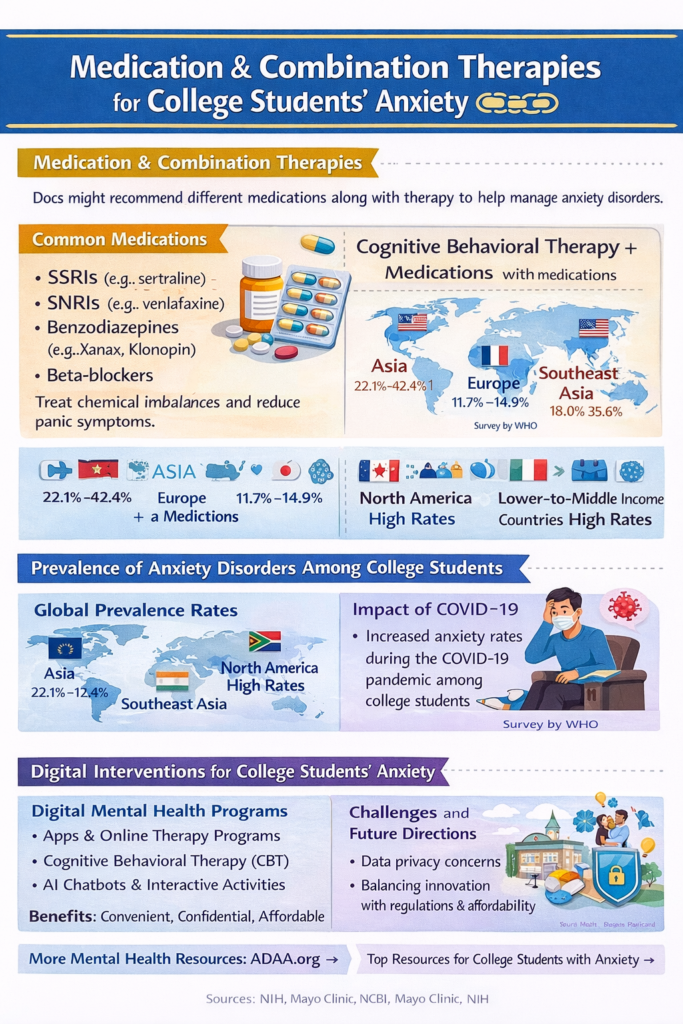
Sometimes, getting help might mean a couple of pills coming into play. Docs might suggest different medications like SSRIs, SNRIs, or even some chill pills like beta-blockers and benzodiazepines, which include alprazolam (Xanax) or clonazepam (Klonopin) (NIMH; Mayo Clinic).
These meds can be like a reset button for the brain, tweaking chemical imbalances and keeping those panic symptoms on a leash. It’s important to brainstorm with your doctor about the right meds and doses because everyone’s brain chemistry is as unique as their Spotify playlist. Sometimes, mixing therapy and meds works better than tackling it with just one approach.
Pairing therapy to untangle the mental mess with meds to ease the symptoms is a one-two combo that can really help you reclaim your life and mental peace. If you’re dealing with this storm, reaching out for professional support and checking out these options is a step in the right direction. Remember, help is within reach, and treatment can put you back in the driver’s seat of your life while showing you the way toward healing and bouncing back.
Prevalence of Anxiety Disorders Among College Students
It seems like a whole bunch of college students around the world are wrestling with anxiety, and it’s not just about nerves before a big exam. This period in life is like an emotional rollercoaster, and understanding how many students deal with anxiety and how stuff like the COVID-19 pandemic plays into it can really help in tackling these struggles.
Global Prevalence Rates
In chatting with folks worldwide, organizations like the World Health Organization have discovered that anxiety is sort of the college students’ unwanted roommate. Across 21 countries and over 1500 students, anxiety disorders popped up as the common culprit, with rates generally bouncing between 11.7% to 14.7%. Dive into places like Asia, Europe, and the Southeast Asian regions, and you see numbers fluctuating between 18% and 42.4%. North America and some lower-to-middle income countries aren’t far behind, sporting sky-high rates as well. (National Center for Biotechnology Information)
Impact of COVID-19
Then, out of nowhere, the COVID-19 pandemic came in like a wrecking ball, tossing mental health into a tailspin, especially for college students. Anxiety spikes have been reported worldwide, with China noticing nearly two out of five students struggling during this tumultuous time. This wasn’t just an issue in China though. College students in the United States, Nigeria, and Israel all showed signs of increased anxiety, with a study in the US pointing out a 52.1% chance of grappling with generalized anxiety disorder. (National Center for Biotechnology Information)
In wrapping things up, understanding how anxiety plays a role in the lives of college students is seriously important. Grasping these global stats and the pandemic’s effect can pave the way for providing the right kind of help and resources to support students navigating their mental health bumps along their college road.
Digital Interventions for College Students’ Anxiety
Hey, let’s dive into something a lot of us face but don’t always chat about—anxiety, especially for those in college. You know, those times when your heart races faster than your late-night cram sessions? Yep, that. With panic disorders becoming more common, dealing with them head-on is super important. Luckily, there are some nifty digital helpers out there doing just that.
Digital Mental Health Programs
So, what’s with all this techy talk about mental health care? Well, picture it as having a therapist or a mindfulness coach in your pocket, minus the hefty price tag. We’ve got apps and websites that let students tackle their anxious thoughts using well-known approaches like cognitive behavioral therapy. These digital programs are like personalized helpers that let you sneak in some mental health care between classes—or even during them if you’re feeling brave!
Students love these tools because they fit snugly into their busy lives and give them the pep talks they need on the go. I mean, we’re talking AI chatbots that dish out advice faster than your best friend texting back when you need it. Plus, they let folks keep their struggles under wraps if they want, which is a huge bonus.
Who’d have thought your smartphone could become your therapist, right? These digital wizards guide students through anxiety with methods including fun, interactive activities, and insightful reads that really hit home on managing stress.
Challenges and Future Directions
But hey, it’s not all sunshine and rainbows in the tech-therapy world. We’ve got some speed bumps to clear. Things like keeping our private stuff private and making sure everyone from lawmakers to penny-pinchers is on board with these programs. It’s a bit like landing on your feet in a wild game of Tetris.
Seriously though, spreading the word and getting everyone—families, schools, techies, and the students themselves—into collaborative mode is key. Getting everyone on the same page will pave the way for these digi-helpers to become as normal as grabbing a coffee on your way to class.
If we tackle these hurdles, the prospects for digital mental health programs are pretty bright. Imagine a future where colleges and digital therapy join forces to give students not just an education but also the support they need to roll with life’s punches. That’s what we’re aiming for, making sure help is always just a click away.