

 Understanding Panic Attacks
So, let’s talk about panic attacks. They’re like those sudden scares that manage to throw your body into a state of total freak-out, even when there’s no real reason to hit the alarm button. Something as simple as chilling on your couch, where nothing’s seemingly wrong, suddenly feels like a Broadway horror show. Panic attacks rise fast, bathtub drain fast and often leave you feeling like a smartphone on 5% battery (Mayo Clinic).
Exploring Panic Attack Symptoms
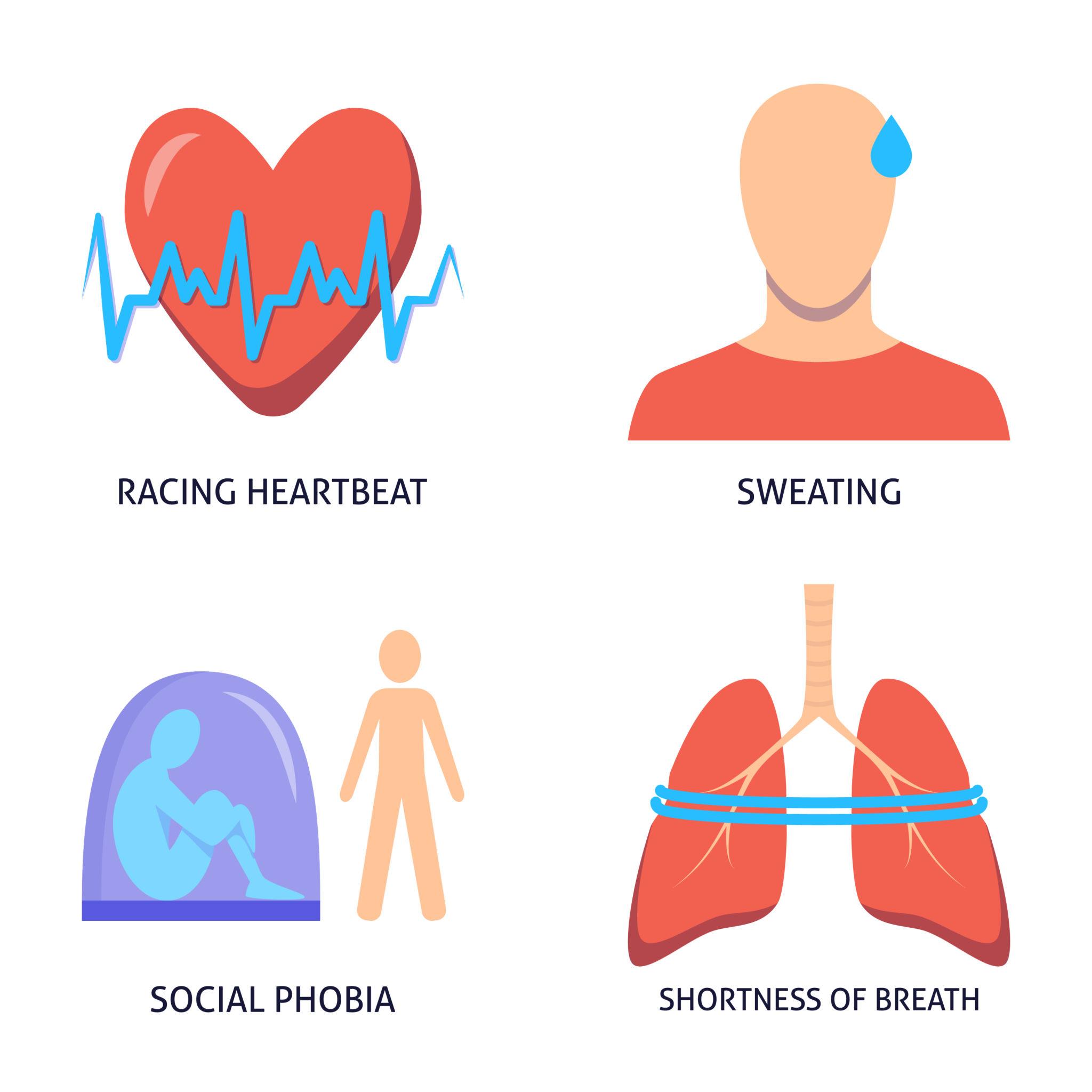
Ah, the buffet of panic attack symptoms. Some of us may dabble in a bit of this and that, but they really have a way of making their presence felt. Here’s the usual lineup you might face:
- Your heart’s doing its best impression of a rock drummer
- A sharp jab to the chest (not the love kind)
- Gasping like you’ve just sprinted a mile
- Hands all jazzed up on shake mode
- Sweat patches that recall awkward teen years
- A merry-go-round headspin
- That stomach-twisting carnival ride feel
- Freaky sensations like numbness or that ‘pins and needles’ thing
- Temperature flip-flop from chilly to toasty
- Brain screeching it’s about to lose all control
Mind you, these symptoms aren’t just playing physical. They stick around in the emotional corner, too, shaping everyone’s experience a tad differently. If you know someone dealing with this symphony of stress, do holler at a pro for solid advice.
Duration and Frequency of Panic Attacks
Picture this: out of nowhere, panic’s in the driver’s seat, whether you’re cruising in your car, sauntering through the mall, snuggled in bed, or trapped in a board meeting. The length of these bumpy rides varies. Most last from about 5 minutes to almost half an hour, but some folks have weathered the storm for as long as an hour (Cleveland Clinic).
These attacks crash anyone’s party from once-in-a-blue-moon to repetitive gatecrash. The regularity can vary especially with stress or health issues, ticking down like one unpredictable countdown. Getting the hang of how long and often these attacks come helps folks and their docs sketch out personalized battle plans. It’s all about getting ahead of these tornadoes with some proactive defenses, professional support, and mastering those ‘keep-calm’ tactics. Want a deeper dive into panic attack triggers and how to schmooze them? Check out our article on understanding panic attack triggers in 2025.
Factors Contributing to Panic Attacks
Understanding what sets off those heart-pounding panic attacks isn’t just a guessing game. Turns out, a few usual suspects like a misbehaving part of the brain called the amygdala and a mess of certain brain chemicals—GABA, cortisol, and serotonin—are frequently to blame.
The Role of Amygdala Dysfunction
Picture the amygdala as the brain’s panic button. When it goes haywire, even a creaky floorboard might seem as scary as a lion’s roar. Folks with panic disorders often have an amygdala that’s fired up more than a cat in a room full of rocking chairs. This means they’re on high alert all the time, spotting threats where there might not be any.
Chemical Imbalances in GABA, Cortisol, and Serotonin
Now, onto those moody chemicals—kind of like the cast of a soap opera in your brain, playing out dramatic roles:
- GABA: Think of GABA as the brain’s chill pill. It’s a calming influence but when it’s low, things can get pretty wild. Low GABA might leave the brain in a fluffy of anxiety, on edge and set for a panic attack at the slightest stressor.
- Cortisol: Known as the “stress hormone,” it’s like a drama queen in your head, always ready for the next crisis. If you’re stressed out, cortisol kicks into high gear, which can keep your system on red alert and have you feeling like you’re in constant danger.
- Serotonin: The “feel-good” guy, serotonin, makes sure everything feels balanced and bright. But when it ditches the party, anxiety likes to step in and seize the spotlight, turning even mundane moments into panic-filled episodes.
Putting the pieces of the amygdala and these brain chemicals together is like working a jigsaw puzzle of why panic attacks happen. Getting them sorted out with targeted treatments and a few lifestyle tweaks might just be the ticket folks need to regain some peace and a normal rhythm in life—back to the slow waltz rather than the jitterbug.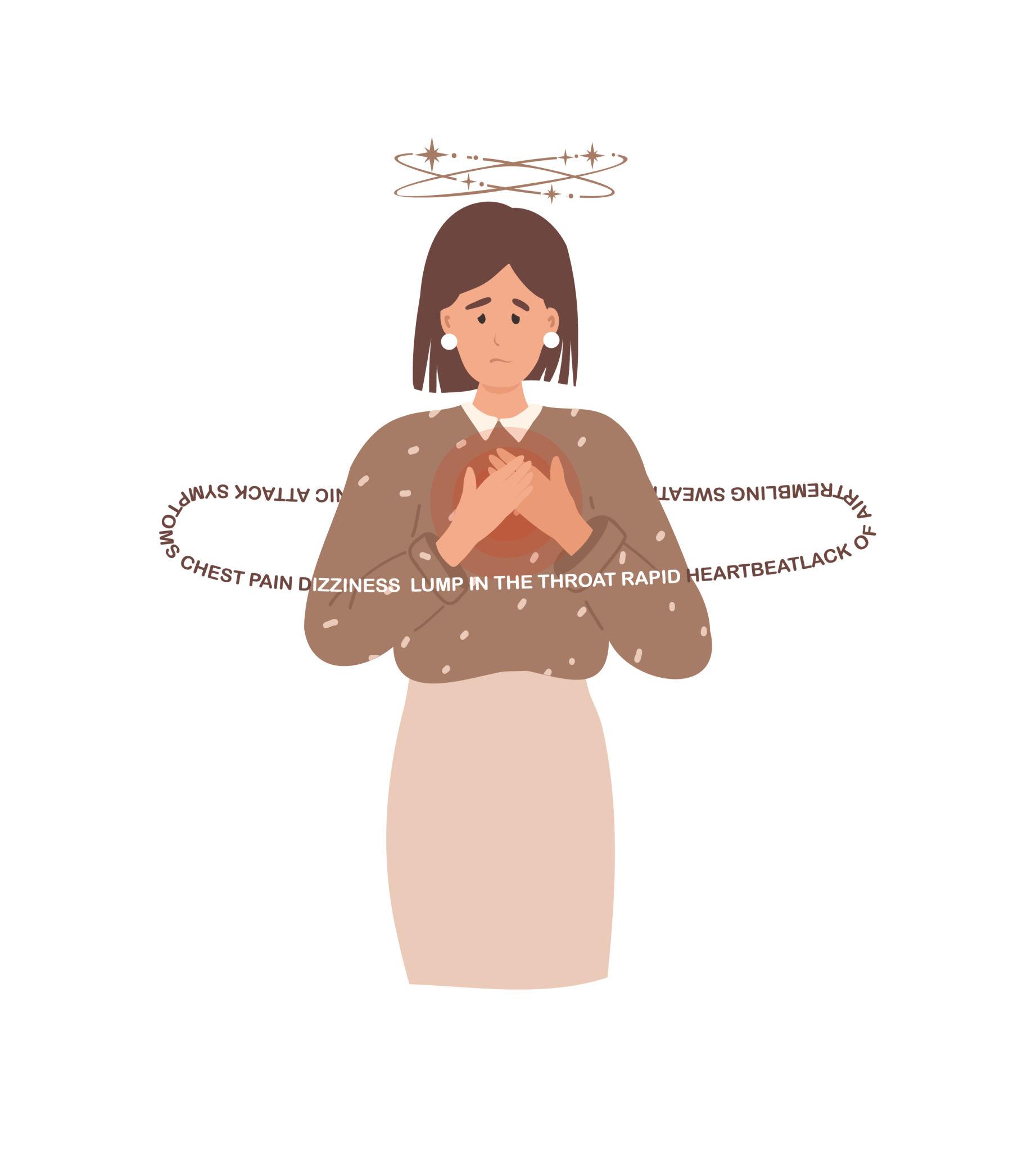
Prevalence and Demographics
Let’s talk about the panic disorder scene: around 2% to 3% of folks in the U.S. are hit by it. Women tend to draw the short straw, being about twice as likely to face this challenge compared to men, who might get a bit of a free pass on this one (Cleveland Clinic). Panic disorder often gatecrashes the party during those awkward late teenage years or when you’re just dipping your toes into adulthood, and trust me, women feel its presence way more than men do (NIMH, Mayo Clinic).
Gender Disparities in Panic Disorder
You can’t ignore the glaring gender gap in panic disorder. Women bear the brunt here, being more prone to panic attacks than men. The stats and studies point out that those assigned female at birth walk on thinner ice with this disorder (NCBI). There seems to be a bit of a genetic relay race going on, with panic disorder tendencies passing down the family line, and genes playing puppet master in its prevalence.
By getting a grip on who panic disorder targets and how widespread it is, we’re better equipped to tackle its effects head-on. Spotting these gender differences is like holding a magnifying glass to the problem, helping us craft better support and care for those in panic’s grip.
Triggers of Panic Attacks
Panic attacks, they’re sneaky little devils and can pop up when you least expect them. But let’s get to know them better by checking out what typically sets them off. Mainly, we’re looking at the stuff around you and a little bit of family history.
Environmental Factors
What’s going on around you can stir up the kind of anxiety that leads to a panic attack. Maybe it’s the pressure from your boss breathing down your neck about project deadlines or having to host a family dinner for 12 right after a 10-hour workday. Stressful events, memories that sting, or even just seeing a spider the size of your palm can make things go haywire for someone prone to panic attacks.
Loud noises like your neighbor’s rock band practice, packed places like a New Year’s Eve party, or even that cologne that reminds you of your ex—these can all trigger panic for some folks. Knowing what sets you off is key to sidestepping a meltdown.
Genetic Predisposition
Sometimes it feels like panic attacks are inherited like your uncle Fred’s wacky hair. Five genes: NPY, ADORA2A, COMT, and IKBKE; they are the usual suspects when it comes to feeling that sense of overwhelming fear. Panic disorders can run in families, but scientists are still scratching their heads about why one sibling might have it and another doesn’t.
The chances are decent, roughly 30%-40%, that if your twin freaks out in crowded elevators, you might too. Studies highlight genetic quirks, like the BDKRB2 and NPY5R genes, that might throw in their two cents regarding your panic attacks.
Even some chromosomal regions have been pinpointed as accomplices in this genetic hullabaloo. Knowing what might be in your DNA when it comes to panic attacks helps in spotting it early, figuring out treatments that might work best for you, and keeping potential problems at bay.
By keeping an eye on both what’s happening around you and what you were handed down through family genes, you can better control panic attacks when they strike. Being on the lookout for stress, understanding your personal triggers, and using these insights gives you a leg up in managing what panic attacks throw your way.
Impact on Daily Life
Ignoring panic attacks is like playing with fire; these buggers can really mess with your day-to-day grind. If you let them fester without tackling them head-on, you might land yourself in a bigger pickle than you bargained for. Tuning in early can really amp up your mental and physical well-being.
Complications of Untreated Panic Attacks
Picture this: You’re always on edge, wondering if you’re gonna be ambushed by another panic attack. It’s like borrowing trouble from tomorrow and it ain’t fun. Your mind’s in overdrive, and it takes a toll on how you feel, both upstairs and in your general health. Your work, relationships, heck, even grabbing a carton of milk from the store, starts feeling like climbing Everest. (Mayo Clinic)
When these attacks keep hitting the repeat button, they get tougher to shake off, kinda like a lingering bad song stuck in your head. They might even drag along additional baggage like anxiety or depression, making the case for getting the right help pretty strong.
Relationship to Agoraphobia
There’s a sneaky little thing called agoraphobia that might join the chaos if panic attacks run wild without check. It’s the fear that adds an extra layer of dread to facing everyday situations like catching a bus or hanging out in a busy mall (Mayo Clinic). You end up dodging scenarios that might trigger panic, which might leave your social life and work in a bit of a knot.
If agoraphobia muscles its way in, heading out feels like a monumental task. It can cramp your style with social isolation, not being able to hold a job, or having a hard time keeping up with basic errands. Getting a handle on panic attacks and possible agoraphobia is like buying insurance for a smoother everyday life.
By understanding these lurking dangers and how panic attacks and agoraphobia can team up like a bad duo, you’re taking a major step towards reclaiming your world. Buddying up with a therapist, exploring different treatment plans, and learning tricks to manage your symptoms can give you a fighting chance to steer your life back to the tracks and handle your day-to-day stuff with ease.
Managing Panic Attacks
Alright, let’s have a heart-to-heart about panic attacks. They can sneak up on you and knock the wind outta your sails. But the bright side? There’s a whole smorgasbord of ways to tackle these freaky moments head-on. When we figure out what’s out there to help—like talking to someone or trying self-help tricks—we’re basically strapping on armor against panic.
Treatment Options for Panic Disorder
So, panic disorder—it’s like your mind throws surprise parties—except nobody asked for ’em. These anxiety parties can really mess with your daily groove if you don’t reign them in. Lucky for us, there are ways out. We got therapy, meds, or a mix of both to help us keep panic attacks in check. Cognitive-behavioral therapy, or CBT for friends, is a go-to therapy (NIMH. It’s like a mental boot camp where you learn to tackle negative thoughts and habits. You’ll pick up tricks for chilling out and dealing with stress so that panic attacks start losing their bite.
Sometimes, meds like SSRIs or benzos become sidekicks to help fight those beastly attacks. But it ain’t a solo mission—you’ll want a doc or therapist riding shotgun, finding what fits best for you.
Cognitive Behavioral Therapy (CBT) Benefits
Ever heard the phrase “mind over matter”? Well, CBT kinda runs with it. It’s about believing in your ability to handle panic (ACNP). With CBT, you’re playing detective—finding what’s setting off those panic alarms, learning to chill, and saying “nope” to freak-out thoughts.
It’s about taking those brain-training workouts and putting them to work in real life. You and your therapist work together to decode the panic puzzle, and soon enough you’re armed with ways to handle the crappy stuff head-on. CBT is all about building up your defenses so you can bounce back quicker or avoid panic meltdowns altogether.
So, whether you’re buddying up with cognitive-behavioral therapy or picking other paths, it’s about making that decision to push back against panic. Bringing in a pro to help chart your course is key—so you get the backup and know-how you need for smoother sailing in the ocean of panic disorder.